
Water Consumption and NFTs: An Overlooked Aspect of Blockchain's Environmental Cost

Welcome to Blockchain Trends, your compass in the ever-evolving world of decentralized technologies!
Did you know that the digital revolution, powered by blockchain, has an often-overlooked connection to our planet's most precious resource? Dive into our latest analysis and discover the surprising intersection of blockchain technology and water consumption as we explore the potential and challenges of Sustainable NFT water management systems. Uncover how NFTs are moving beyond digital art and towards real-world environmental solutions, while also grappling with the sustainability concerns they introduce. Are NFTs the key to a more water-secure future, or just another drop in the bucket of environmental problems? Read on to find out!
Data Center Water Usage and Cloud Computing's Environmental Impact
- Introduction: Beyond Energy Consumption - The Water Footprint of Data Centers
- Understanding the Water Intensity of Cloud Infrastructure
- Water Usage in Different Data Center Cooling Technologies
- The Overlooked Water Costs Associated with Data Storage and Processing
- Analyzing the Water Footprint of Specific Cloud Providers and Services
- The Impact of Water Consumption on Local Communities
- Sustainable Data Center Water Management Systems: Solutions and Mitigation Strategies
- Carbon Offsetting vs. Water Offsetting: A Comparative Analysis
- The Role of Regulation and Standardization in Reducing Water Consumption
- Consumer Awareness and the Demand for Water-Conscious Cloud Services
- Future Outlook: Towards a More Sustainable Cloud Ecosystem
- Conclusion: Addressing the Data Center Water Crisis for a Sustainable Future
-
Frequently Asked Questions
- What is the connection between NFTs and water consumption?
- How are "Sustainable NFT water management systems" related to this problem?
- Can blockchain technology actually contribute to sustainable water management?
- What regulations are being considered to address the environmental impact of NFTs, including water usage?
- What is the future outlook for blockchain technology and environmental sustainability, particularly concerning water resources?
- Final Reflection: The Flowing Cost of Digital Ownership
- Reimagine Your NFT Footprint: Dive into Sustainable Blockchain
Introduction: Beyond Energy Consumption - The Water Footprint of Data Centers
The Growing Concern Over Data Center Environmental Impact
Data centers, the physical backbone of the digital world, have long been scrutinized for their massive energy consumption. Powering servers, cooling systems, and associated infrastructure requires staggering amounts of electricity, often sourced from fossil fuels, leading to significant carbon emissions. However, the environmental impact extends far beyond energy.
As the demand for cloud computing, streaming services, AI, and decentralized technologies like blockchain and NFTs continues to surge, the physical footprint of these facilities expands, bringing another critical resource into focus: water. The sheer scale of modern data centers means their operational needs can place considerable stress on local environments, particularly concerning water availability and quality.
The rapid proliferation of data centers globally, driven by our increasing reliance on digital services, means that understanding and mitigating their full environmental cost is paramount. While energy efficiency remains a key challenge, the overlooked aspect of water usage is gaining urgency, especially in regions facing water scarcity. Addressing the environmental impact comprehensively requires a holistic view that includes both energy and water consumption. This shift in focus is essential for building a truly sustainable digital infrastructure that can support future innovations, including potentially enabling Sustainable NFT water management systems by ensuring the underlying technology is not unduly water-intensive.
Introducing the Concept of Water Footprint in the Cloud Computing Ecosystem
The water footprint of an activity refers to the total volume of fresh water used, directly or indirectly, to produce goods or services. In the context of cloud computing, this footprint encompasses the water consumed by the data centers that host cloud services, as well as the water used to generate the electricity powering those facilities. While users interact with cloud services seemingly without physical constraints, each click, transaction, or stored file relies on infrastructure that has a tangible impact on water resources. This indirect consumption makes the water cost of cloud services a "hidden" environmental burden.
Understanding this water footprint is crucial because data centers require significant cooling to prevent servers from overheating. Many common cooling methods, particularly evaporative cooling towers, use substantial volumes of water, releasing much of it as vapor. Furthermore, the power plants supplying electricity to data centers also consume vast quantities of water, primarily for cooling their own systems.
Therefore, every megawatt-hour consumed by a data center translates to an additional water cost at the power generation source. Recognizing and quantifying this water footprint is the first step towards developing more environmentally conscious cloud services and the digital infrastructure necessary for initiatives like Sustainable NFT water management systems.
Understanding the Water Intensity of Cloud Infrastructure
How Data Center Operations Contribute to Water Consumption
The primary driver of water consumption within data centers is cooling. Servers and networking equipment generate considerable heat, which must be dissipated to maintain optimal operating temperatures and prevent hardware failures. Many facilities utilize evaporative cooling systems, including cooling towers, where water is evaporated to cool circulating air or liquid. This process is highly effective at cooling but consumes large volumes of water as it turns to vapor and is released into the atmosphere. For instance, a medium-sized data center can use millions of gallons of water annually for cooling alone.
Beyond cooling towers, other operational needs contribute to water use. Humidification systems are sometimes employed to maintain specific humidity levels within server halls, preventing static electricity discharges that could damage equipment. Water may also be used for landscape irrigation around the facility or for sanitary purposes. While these uses are typically smaller than cooling demands, they add to the overall water footprint. The continuous operation of data centers, 24/7, means these water demands are constant, placing ongoing pressure on local water supplies, highlighting the need for Sustainable NFT water management systems at the infrastructure level.
For the end-user, interacting with cloud services – storing photos, using online applications, running complex computations, or minting an NFT – feels instantaneous and resource-light. However, each of these actions requires processing power, data transfer, and storage on servers located in data centers. The energy consumed by these operations, and consequently the water used for cooling and power generation, is directly tied to the user's activity. This creates a hidden water cost embedded within every cloud service.
The intensity of this hidden cost varies depending on the specific service and the underlying infrastructure. Computationally intensive tasks, like training AI models or complex blockchain operations, will have a higher water footprint per task than simple data storage. Furthermore, the efficiency of the data center infrastructure hosting the service and its geographical location (and thus, its cooling methods and power sources) significantly impact the water cost. Users are generally unaware of this environmental burden, making it challenging to make water-conscious choices about their digital consumption, including activities related to Sustainable NFT water management systems.
Water Usage in Different Data Center Cooling Technologies
Comparing the Water Consumption of Air Cooling vs. Liquid Cooling
Traditional air cooling, often supplemented by evaporative cooling, is a common method but can be highly water-intensive. In systems utilizing cooling towers, water is continuously circulated and evaporated to cool the air used to chill the data center. The amount of water consumed depends heavily on the climate; hotter, drier climates require more evaporation for cooling. While 'dry' air cooling systems exist, they are often less efficient in warmer temperatures without some form of adiabatic (water-assisted) cooling.
Liquid cooling technologies, such as direct-to-chip cooling or immersion cooling, offer potential pathways to significantly reduce or even eliminate water usage for cooling. Direct-to-chip systems use a liquid coolant circulated directly over hot components, transferring heat away more efficiently than air. Immersion cooling involves submerging servers entirely in a non-conductive dielectric fluid.
Both methods can operate in closed-loop systems, requiring minimal or no water for cooling the IT equipment itself, although heat rejection from the liquid coolant loop may still require external cooling which could be water-based. However, compared to traditional evaporative cooling towers, these methods generally offer much lower water consumption per unit of heat removed, making them key to achieving Sustainable NFT water management systems at the infrastructure level.
The Impact of Data Center Location on Water Resources
The geographical location of a data center is a critical factor determining its water footprint and the severity of its impact on local water resources. Facilities located in hot, arid regions often rely heavily on evaporative cooling to manage heat efficiently in challenging climates. This places significant demand on already scarce local water supplies, potentially competing with agricultural, municipal, and ecosystem needs. For example, data centers in the Southwestern United States, a region prone to drought, draw substantial amounts of water.
Conversely, locating data centers in cooler climates allows for greater reliance on "free cooling," using outside air to cool facilities for much of the year, thereby reducing the need for water-intensive mechanical cooling. Access to alternative water sources, such as reclaimed water or desalinated water (though desalination has its own energy and environmental costs), can also mitigate the impact on potable freshwater supplies. Strategic location planning is therefore a vital component of developing Sustainable NFT water management systems and other digital infrastructure.
The Overlooked Water Costs Associated with Data Storage and Processing
Detailing the Data Storage Process and Its Water Implications
Data storage might seem like a passive activity, simply holding information on hard drives or solid-state drives. However, storing data requires physical servers that are powered on 24/7 to ensure data availability and accessibility. These servers consume electricity and, as a byproduct, generate heat. The sheer volume of data stored globally is immense and constantly growing, meaning an ever-increasing number of servers need to be powered and cooled.
The water implications arise directly from the cooling requirements. Whether the data is actively being accessed or simply residing on a drive, the server hardware needs to be kept within a safe operating temperature range. This constant cooling demand contributes to the overall heat load of the data center, which in turn requires the water-intensive cooling systems discussed earlier.
Therefore, the act of storing data, whether it's personal files, corporate records, or the metadata for NFTs, contributes indirectly to the facility's water footprint. Efficient data management and storage technologies that require less power can thus play a role in reducing this aspect of the water footprint, supporting the broader goal of Sustainable NFT water management systems.
Water Used in Power Generation for Data Center Operations
Perhaps the most significant, yet often overlooked, component of a data center's water footprint is the water used to generate the electricity it consumes. Power plants, particularly those fueled by coal, natural gas, or nuclear energy, require vast amounts of water for cooling their turbines and other systems. Thermoelectric power generation accounts for a substantial portion of global freshwater withdrawals. When a data center draws power from the grid, it is indirectly responsible for the water consumed at the power plant that generated that electricity.
The amount of water used per unit of electricity generated varies significantly by power source and cooling technology at the plant. For example, power plants using once-through cooling systems withdraw enormous volumes of water, though much is returned (albeit often warmer). Plants with cooling towers consume less water but lose more through evaporation.
Even some renewable sources like hydropower, geothermal, and concentrated solar power have significant water footprints. This indirect water consumption at the power generation source means that improving data center energy efficiency and sourcing electricity from less water-intensive renewables are critical strategies for reducing the overall water footprint, essential for enabling infrastructure for Sustainable NFT water management systems.
Analyzing the Water Footprint of Specific Cloud Providers and Services
Case Study: Google Cloud and Its Water Consumption Analysis
Major cloud providers like Google have begun reporting on their environmental performance, including water usage, though methodologies and transparency can vary. Google, for example, reported consuming 5.2 billion gallons (approximately 19.7 billion liters) of water across its global operations, including data centers and offices, in 2022. A significant portion of this consumption is attributed to data center cooling. Google states it aims to replenish more water than it consumes in its operations by 2030, focusing on stressed basins.
Their strategy involves improving cooling efficiency, using non-potable water sources where possible (like recycled water in some locations), and investing in water restoration projects in the communities where they operate. For instance, in some data center locations, they utilize cooling methods that minimize water use, such as air cooling with limited or no evaporative assistance when climate allows.
However, in warmer or drier climates, evaporative cooling is often necessary for efficiency, contributing to higher local water consumption. Analyzing these reports provides valuable, albeit sometimes aggregated, data on the scale of water use by hyperscale cloud providers, which underpins services including those supporting Sustainable NFT water management systems.
Comparing Water Usage Across Different Cloud Computing Platforms
Directly comparing the water footprint of different cloud providers (like AWS, Microsoft Azure, and Google Cloud) is challenging due to differences in reporting standards, operational scale, geographical distribution of data centers, and specific cooling technologies employed. Each provider operates a global network of facilities, utilizing a mix of cooling strategies based on local climate and water availability. Some providers might rely more heavily on evaporative cooling in certain regions, leading to higher water consumption there, while others might invest more heavily in liquid cooling or locate facilities in cooler areas.
While all major providers acknowledge their environmental impact and report on energy consumption, water usage reporting is less standardized. Some provide absolute water consumption figures, while others report water use efficiency metrics (like Water Usage Effectiveness - WUE, though this metric has limitations). Customers seeking to minimize their environmental impact, including the water footprint associated with their digital activities like those requiring Sustainable NFT water management systems, must often rely on the providers' disclosed data and sustainability commitments, which requires careful scrutiny and improved industry-wide transparency.
The Impact of Water Consumption on Local Communities
How Data Center Water Usage Affects Water Availability in Arizona
Arizona, particularly the Phoenix metropolitan area, has become a major hub for data center development due to its relatively low risk of natural disasters and access to power. However, Arizona is also a region facing significant long-term water scarcity challenges, relying on dwindling resources like the Colorado River and local aquifers. The influx of data centers, many of which utilize evaporative cooling, places considerable new demands on the state's limited water supplies.
Reports indicate that data centers in Arizona consume billions of gallons of water annually. For example, a single large facility can use millions of gallons per day, equivalent to the water consumption of a small town. This demand exacerbates existing water stress, potentially impacting water availability for agriculture, which is a major water user in the state, as well as municipal use and the health of riparian ecosystems. The concentration of data centers in water-stressed regions highlights a critical conflict between digital growth and environmental sustainability, posing challenges for infrastructure needed for concepts like Sustainable NFT water management systems.
The disproportionate impact of data center water consumption on local communities raises significant environmental justice concerns. When large industrial facilities like data centers consume substantial amounts of water in water-scarce areas, it can stress local water systems, potentially leading to increased water costs for residents, restrictions on water use, or even depletion of essential water sources. This impact can fall more heavily on low-income communities or agricultural areas that are already vulnerable to water price fluctuations or availability issues.
Furthermore, the decision-making process regarding data center locations and their resource use often involves complex negotiations between corporations and local governments, sometimes without sufficient input from affected communities. Ensuring equitable access to water and protecting vital water resources requires transparency, community engagement, and policies that prioritize sustainable water management over unchecked industrial growth. Addressing these justice issues is crucial for building a truly sustainable digital future and ensuring that the infrastructure supporting innovations like Sustainable NFT water management systems does not come at the expense of vulnerable populations.
Sustainable Data Center Water Management Systems: Solutions and Mitigation Strategies
Implementing Water-Efficient Cooling Technologies in Data Centers
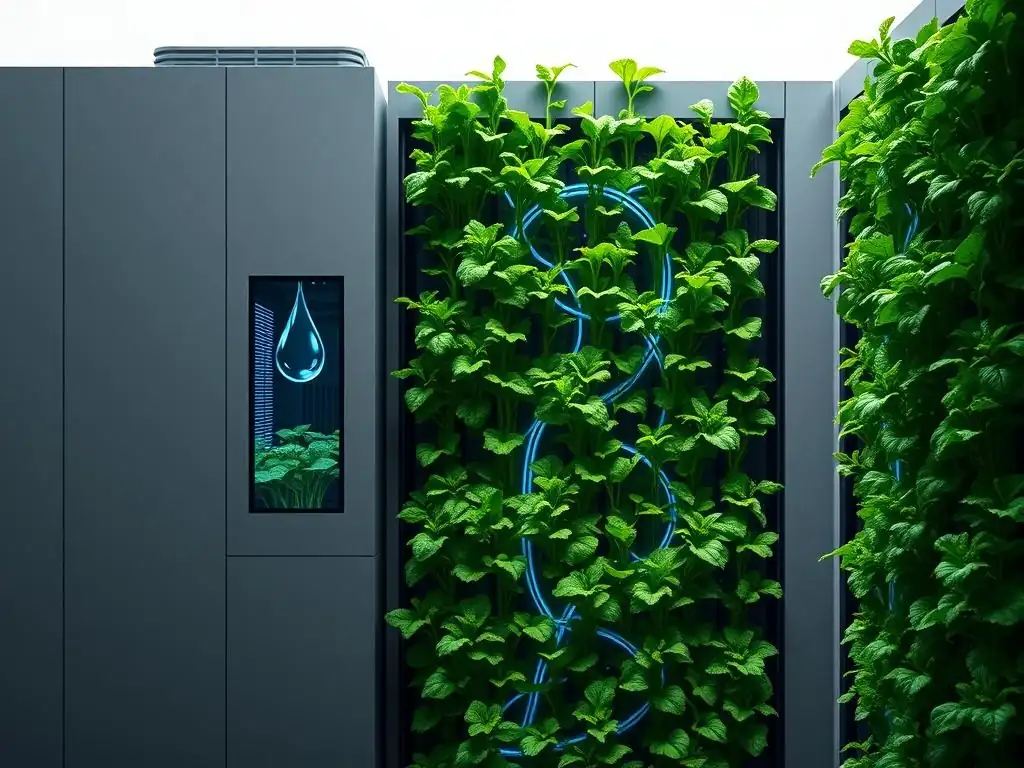
A primary strategy for reducing data center water consumption is the adoption of more water-efficient cooling technologies. Moving away from traditional open-loop evaporative cooling towers towards closed-loop systems, adiabatic cooling optimized for minimal water use, or advanced liquid cooling solutions can drastically cut down on water demand. For example, implementing direct-to-chip or immersion cooling can reduce the need for large-scale air cooling and associated water usage.
Investing in research and development for next-generation cooling technologies, such as those that utilize alternative coolants or heat reuse strategies, is also vital. These technologies not only reduce water consumption but can also improve energy efficiency and allow for higher-density computing. Deploying these Sustainable NFT water management systems at the infrastructure level is crucial for reducing the environmental footprint of digital activities and aligning technological advancement with ecological responsibility.
Promoting Water Conservation Practices in Data Center Operations
Beyond technological upgrades, implementing rigorous water conservation practices within data center operations is essential. This includes optimizing cooling system set points to reduce unnecessary cooling, promptly detecting and repairing leaks, and implementing smart water management systems that monitor usage in real-time. Reusing water, such as treating and recycling greywater from within the facility for non-potable uses like cooling tower makeup water or landscaping, can significantly reduce the demand for fresh water.
Training staff on water-efficient operational procedures and fostering a culture of conservation are also key components. Regular audits of water usage can identify areas for improvement and track progress towards reduction goals. These operational practices, combined with efficient technologies, form comprehensive Sustainable NFT water management systems critical for minimizing the environmental impact of the digital infrastructure supporting various applications, including blockchain.
Exploring Alternative Data Center Locations with Ample Water Resources
Another strategic approach to mitigate the impact of data center water consumption is to carefully consider facility location. Siting data centers in regions with cooler climates allows for greater use of free air cooling, reducing reliance on water-intensive mechanical or evaporative systems. Furthermore, prioritizing locations with access to abundant, non-potable water sources, such as treated wastewater or desalinated water (where its energy footprint is manageable), can alleviate pressure on freshwater supplies.
While other factors like proximity to fiber optic networks, reliable power grids, and potential for renewable energy sourcing also influence location decisions, water availability and the potential impact on local resources must become a more prominent consideration. Moving towards more water-secure locations is a proactive measure to ensure the long-term sustainability of data center operations and support the development of Sustainable NFT water management systems without creating undue stress on local environments.
Carbon Offsetting vs. Water Offsetting: A Comparative Analysis
Carbon offsetting involves investing in projects that reduce or avoid greenhouse gas emissions elsewhere to compensate for one's own emissions. While a valuable tool for addressing climate change driven by carbon emissions, carbon offsetting does not directly address or mitigate the impact of water consumption. A data center could purchase carbon offsets to compensate for the emissions from its electricity use, but this action would not reduce the amount of water consumed by its cooling systems or the power plants supplying its energy.
Water impacts are often highly localized. Consuming water in a drought-stricken basin has a different and more immediate environmental and social consequence than consuming the same amount in a water-rich region. Carbon offsetting, which addresses a global atmospheric problem, cannot substitute for direct actions to reduce water use or replenish water in the specific local watersheds where consumption occurs. Therefore, while carbon reduction is crucial, it is insufficient for achieving Sustainable NFT water management systems that address the specific challenge of water scarcity.
Introducing Water Offsetting Initiatives for the Cloud Computing Space
Recognizing the limitations of carbon offsetting for water, the concept of water offsetting or "water replenishment" is gaining traction. This involves companies investing in projects within the same watershed or basin where they consume water, aiming to restore or conserve a volume of water equivalent to their usage. Examples include funding watershed restoration, improving irrigation efficiency in agriculture, upgrading municipal water infrastructure to reduce leaks, or supporting reforestation efforts that enhance water retention.
Major cloud providers are beginning to explore and implement such initiatives. For instance, some are partnering with environmental organizations to fund projects that restore rivers or groundwater levels in water-stressed regions where their data centers are located. While the methodologies for accurately quantifying and verifying water replenishment are still evolving, these initiatives represent a step towards taking responsibility for water footprints beyond just reducing consumption within the facility. Implementing such strategies is a key component of developing comprehensive Sustainable NFT water management systems.
The Role of Regulation and Standardization in Reducing Water Consumption
Government Policies and Water Usage in the Data Center Industry
Government policies play a crucial role in influencing data center water usage. Regulations can include mandatory reporting of water consumption, setting limits on water withdrawals in water-stressed areas, or offering incentives for adopting water-efficient technologies. Some states or municipalities are beginning to require new data center developments to demonstrate how they will minimize water use or source water from non-potable supplies.
For example, jurisdictions in drought-prone regions are considering or implementing stricter permitting processes for large industrial water users like data centers. Policies that promote the use of recycled water or mandate specific water efficiency standards can drive significant reductions in overall consumption. Effective government oversight and forward-thinking policies are necessary to ensure that the growth of the digital economy, including areas like Sustainable NFT water management systems, does not exacerbate critical resource challenges.
Developing Industry Standards for Sustainable Data Center Water Management
Alongside government regulation, industry-led standards and best practices are vital for promoting sustainable water management in data centers. Developing common metrics for measuring and reporting water usage, such as refined Water Usage Effectiveness (WUE) metrics or others that account for water source and quality, can improve transparency and enable meaningful comparisons between facilities and providers.
Industry consortiums and organizations are working on guidelines for designing, building, and operating data centers with reduced environmental impact, including specific recommendations for water conservation technologies and practices. Adherence to such standards can help ensure that sustainability is integrated into the core design and operation of facilities. The development and widespread adoption of robust industry standards are essential steps towards implementing effective Sustainable NFT water management systems across the cloud computing landscape.
Consumer Awareness and the Demand for Water-Conscious Cloud Services
Educating Consumers About the Water Footprint of Cloud Computing
Raising awareness among consumers – from large enterprises using cloud infrastructure to individual users of online services – about the environmental footprint of cloud computing, including its water cost, is a critical step. Most people are unaware that their digital activities are supported by physical infrastructure that consumes significant amounts of water and energy. Providing clear, accessible information about this hidden cost can empower users to make more informed choices.
This education can involve cloud providers being more transparent in their reporting, potentially even providing users with estimates of the water (and energy) footprint associated with their specific usage. Environmental organizations and media can also play a role in highlighting these issues. Increased consumer awareness can create market pressure, encouraging cloud providers to prioritize sustainability, including water efficiency, and potentially driving demand for services that explicitly support Sustainable NFT water management systems by minimizing their underlying resource use.
The Growing Trend of Sustainable Cloud Computing Solutions
In response to increasing environmental concerns and growing awareness, there is a discernible trend towards demand for and provision of more sustainable cloud computing solutions. Businesses and individuals are increasingly considering the environmental credentials of their service providers as part of their decision-making process. This goes beyond simply looking at renewable energy sourcing to include factors like energy efficiency, waste reduction, and water management practices.
Cloud providers are beginning to highlight their sustainability efforts as a competitive advantage, investing in more efficient infrastructure and publicly reporting their environmental metrics. This trend suggests that sustainability is moving from a niche concern to a more mainstream factor in the technology sector. The growing demand for environmentally responsible digital services creates fertile ground for the development and adoption of Sustainable NFT water management systems, as users seek to minimize their impact across all digital activities.
Future Outlook: Towards a More Sustainable Cloud Ecosystem
Technological Innovations for Reducing Data Center Water Impact
The future of sustainable data centers will heavily rely on continued technological innovation aimed at minimizing environmental impact, particularly water usage. Research into advanced cooling methods that require little to no water, such as two-phase immersion cooling or heat reuse technologies that capture waste heat for other purposes (like heating nearby buildings or desalination), holds significant promise. Developments in server and chip design that improve energy efficiency also indirectly reduce the cooling load and associated water demand.
Exploring alternative cooling mediums beyond water, or developing highly efficient closed-loop systems that require minimal makeup fluid, are key areas of focus. Innovations in AI and machine learning can also optimize data center operations, predicting cooling needs and adjusting systems in real-time to maximize efficiency and minimize water consumption. These technological advancements are crucial for building the infrastructure capable of supporting truly Sustainable NFT water management systems and other resource-intensive digital applications.
The Potential of Renewable Energy and Water-Efficient Technologies
A significant pathway towards a more sustainable cloud ecosystem lies in the combined adoption of renewable energy sources and water-efficient technologies. Shifting data center power sourcing from water-intensive fossil fuels or nuclear to less water-demanding renewables like solar and wind power dramatically reduces the indirect water footprint associated with electricity generation. When paired with advanced, water-saving cooling systems, the environmental gains are compounded.
Facilities powered entirely by renewables and utilizing minimal-water cooling technologies represent the vanguard of sustainable data infrastructure. This synergistic approach addresses both the energy and water challenges simultaneously. As the cost of renewable energy continues to decrease and water-efficient technologies mature, the economic and environmental case for building and operating such facilities strengthens, paving the way for a digital future where concepts like Sustainable NFT water management systems are built on a foundation of genuine sustainability.
Conclusion: Addressing the Data Center Water Crisis for a Sustainable Future
The Importance of Sustainable Data Center Water Management Systems for Long-Term Viability
The increasing water consumption of data centers represents a significant, often underestimated, environmental challenge. As the foundation of the digital economy, the sustainability of cloud infrastructure is paramount for long-term viability. Unchecked water usage, particularly in water-stressed regions, poses risks not only to local ecosystems and communities but also to the operational continuity of the data centers themselves as water resources become scarcer and more expensive.
Implementing comprehensive Sustainable NFT water management systems within data centers is not merely an environmental consideration but a business imperative. It involves adopting efficient cooling technologies, optimizing operations for water conservation, strategically locating facilities, and potentially engaging in water replenishment efforts. Addressing this water crisis head-on is essential to ensure that the digital infrastructure supporting everything from AI to blockchain and NFTs can continue to grow without depleting critical natural resources.
Call to Action: Promoting Responsible Practices in the Cloud Computing Industry
Addressing the water footprint of cloud computing requires concerted effort from all stakeholders. Cloud providers must increase transparency regarding their water usage, invest heavily in water-efficient technologies and practices, and engage in meaningful water replenishment initiatives in affected basins. Policy makers should implement regulations that encourage or mandate sustainable water management and responsible siting of data centers.
Consumers, including businesses utilizing cloud services and developers building applications like those enabling Sustainable NFT water management systems, should demand greater sustainability from their providers and consider the environmental impact when making technology choices. By promoting awareness, driving innovation, and implementing responsible practices across the industry, we can move towards a more sustainable cloud ecosystem that supports the continued growth of the digital world without compromising the planet's vital water resources. The future of technology, including the potential for truly sustainable digital assets, depends on the sustainability of its underlying infrastructure.
Frequently Asked Questions
What is the connection between NFTs and water consumption?
The energy-intensive processes behind many NFT transactions, especially those on Proof-of-Work blockchains, indirectly contribute to water consumption. This is because power plants often rely on water for cooling, and energy-intensive activities increase electricity demand.
These systems aim to use NFTs to track and manage water resources more efficiently, potentially reducing waste and promoting sustainable practices in water usage. The goal is to leverage blockchain's transparency for good.
Can blockchain technology actually contribute to sustainable water management?
Yes, it can. By creating a transparent and immutable ledger of water usage data, blockchain can help track water rights, monitor consumption, and identify areas where water is being wasted, promoting greater accountability.
What regulations are being considered to address the environmental impact of NFTs, including water usage?
Regulators are exploring various options, including incentivizing energy-efficient blockchain technologies, implementing carbon taxes, and requiring greater transparency about the environmental footprint of NFT projects.
What is the future outlook for blockchain technology and environmental sustainability, particularly concerning water resources?
The future involves a shift toward more sustainable blockchain protocols and the development of innovative NFT applications that actively promote environmental conservation, including better water management strategies.
Final Reflection: The Flowing Cost of Digital Ownership
The exploration of water consumption within the NFT ecosystem reveals a critical, often overlooked dimension of blockchain's environmental footprint. The connection between digital assets and tangible resources is undeniable, demanding a reevaluation of our approach to sustainable technology. We can no longer afford to ignore the hidden costs of innovation, especially when they impact something as vital as water.
The rise of NFTs has undeniably reshaped the art world and digital ownership, but this revolution has come at a price. Understanding the water footprint of these technologies is not just an academic exercise; it's a moral imperative. We must acknowledge the environmental impact of our digital choices and strive for more sustainable solutions. We are living on this planet as if we had another one to go to.
- Terry Swearingen
As we move forward, let us not simply marvel at the technological advancements of NFTs, but also critically examine their impact on our planet. Consider the water footprint of your own digital activities. How can you contribute to a more sustainable future for NFTs and blockchain technology? The responsibility lies with each of us to demand and create sustainable NFT water management systems, ensuring that the digital revolution doesn't come at the expense of our planet's precious resources.
Reimagine Your NFT Footprint: Dive into Sustainable Blockchain
Thank you for exploring the critical connection between NFT creation, water usage, and environmental sustainability. We hope this article has provided valuable insights into an often-overlooked aspect of the blockchain landscape. Now, let's turn awareness into action!
Here are a few concrete steps you can take to reduce your impact:
- Actively seek out and support NFT projects committed to carbon-neutral or even carbon-negative initiatives. Prioritize platforms that openly disclose their energy and water consumption practices.
- Explore alternative blockchain technologies that utilize significantly less energy and water, such as proof-of-stake or other eco-friendly consensus mechanisms. Research and invest in these greener options.
- Engage in thoughtful discussions with creators, marketplaces, and fellow collectors about the importance of sustainable NFT practices. Share this article and other relevant resources to raise awareness.
What innovative solutions can you envision to further minimize the environmental impact of NFTs and the blockchain ecosystem? Share your ideas in the comments below!
Leave a Reply