
The Future of Digital Rights Management in a Blockchain World


Welcome to Blockchain Trends, your premier source for understanding the revolutionary impact of blockchain technology.
Ever wondered how blockchain can reshape the very fabric of content ownership and control? Dive in as we explore the exciting possibilities and potential challenges surrounding the Blockchain DRM future rights. Uncover how this innovative approach could revolutionize digital rights management, offering creators unprecedented control and transparency. Ready to see how your content could be secured in a decentralized future?
The Future of Digital Rights Management in a Blockchain World
- Introduction: DRM Evolution and the Blockchain Disruption
- Understanding Blockchain-Based DRM Solutions
- Use Cases: Blockchain DRM Applications
- The Challenges of Implementing Blockchain DRM
- The Future of Digital Rights Management: A Blockchain-Centric Vision
- Blockchain DRM and the Metaverse
- Comparing Blockchain DRM with Traditional DRM
- Overcoming Adoption Barriers to Blockchain DRM
- Case Studies: Early Adopters of Blockchain DRM
- The Long-Term Impact of Blockchain DRM on the Media Industry
- Conclusion: Blockchain DRM Future Rights and the Transformation of Media
-
Frequently Asked Questions
- What is Blockchain DRM and how does it differ from traditional DRM systems?
- How does Blockchain DRM improve copyright protection for digital content?
- What are some potential Blockchain DRM use cases beyond media and entertainment?
- What are the main challenges to the widespread adoption of Blockchain DRM?
- How might Blockchain DRM impact the future of digital rights and content creation?
- Final Reflection: Embracing the Blockchain DRM Future
- Unleash the Potential: Become a DRM Innovator!
Introduction: DRM Evolution and the Blockchain Disruption
The Current State of Digital Rights Management (DRM)
Digital Rights Management (DRM) has become a cornerstone of the digital content landscape since the rise of the internet and digital media consumption. Traditional DRM systems are designed to control access to copyrighted materials, preventing unauthorized copying and distribution. These systems often rely on centralized authorities and proprietary technologies, embedding restrictions within digital files themselves.
For instance, in the music industry, platforms like Spotify and Apple Music utilize DRM to manage music streaming and downloads, ensuring that users access content according to their subscription terms. Similarly, e-book platforms like Amazon Kindle employ DRM to limit the sharing and copying of purchased e-books. These methods, while aiming to protect content creators' rights, have frequently been criticized for being cumbersome for legitimate users, sometimes even hindering fair use and access to legally purchased content.
Despite its widespread adoption, current DRM faces several challenges. Firstly, the effectiveness of traditional DRM systems is often questioned due to the continuous emergence of circumvention tools and piracy methods. Secondly, the centralized nature of these systems creates single points of failure and can lead to concerns about data privacy and control.
Content creators often find themselves reliant on intermediaries and platforms, losing some control over their work and revenue streams. Furthermore, the complexity and varying standards of different DRM technologies can lead to interoperability issues, making it difficult to manage digital rights across different platforms and devices. These limitations highlight the need for more robust, transparent, and creator-centric solutions for managing digital rights in the evolving digital age.
How Blockchain Technology Challenges Traditional DRM Systems
Blockchain technology presents a paradigm shift in how digital rights can be managed, offering a decentralized and transparent alternative to traditional DRM systems. Unlike centralized DRM, blockchain operates on a distributed ledger, where records of ownership and usage rights are immutable and verifiable by all participants in the network. This inherent transparency and security of blockchain challenge the opaque and often vulnerable nature of current DRM solutions. Traditional DRM relies on encryption and access controls that can be cracked or circumvented, while blockchain's cryptographic foundation and decentralized structure make it inherently more resistant to tampering and unauthorized access.
Moreover, blockchain empowers content creators by enabling them to directly manage and control their digital assets. Through smart contracts on a blockchain, creators can define the terms of use, distribution, and licensing of their content, automating the enforcement of these rights without relying on intermediaries.
This disintermediation can lead to fairer revenue distribution and greater autonomy for artists, writers, and other content creators. The potential of blockchain to establish a more equitable and efficient system for digital rights management stems from its core attributes of decentralization, transparency, and immutability, directly addressing many of the shortcomings inherent in existing DRM frameworks.
Understanding Blockchain-Based DRM Solutions
Core Principles of Blockchain DRM
Blockchain-based DRM leverages the fundamental principles of blockchain technology to revolutionize digital rights management. At its core, blockchain DRM utilizes a distributed ledger to record and track digital assets and their associated rights. Each piece of content, whether it’s a song, e-book, or film, can be registered on the blockchain with a unique digital identity. This registration includes metadata about the content, ownership details, and the rights associated with it, such as usage permissions, licensing terms, and royalty distribution rules. This information is securely stored across the blockchain network, making it tamper-proof and transparently accessible to authorized parties.
Smart contracts play a crucial role in blockchain DRM systems. These self-executing contracts automatically enforce the pre-defined rules and conditions associated with digital content. For example, a smart contract can automatically release payment to a musician when their song is streamed or sold, based on the terms embedded in the contract.
This automation eliminates the need for manual tracking and intermediaries in royalty collection and distribution, streamlining the process and reducing potential disputes. Furthermore, the use of cryptography ensures the integrity and security of the digital rights information stored on the blockchain, making blockchain DRM a robust and reliable system for managing digital assets in the future.
Benefits of Using Blockchain for Digital Rights Management
Blockchain technology offers a multitude of benefits when applied to Digital Rights Management, addressing many of the pain points associated with traditional systems. These advantages span from enhanced security and control to streamlined processes and improved transparency.
Enhanced Security and Transparency
One of the most significant benefits of blockchain DRM is the enhanced security it provides. The decentralized and cryptographic nature of blockchain makes it extremely difficult to tamper with or fraudulently alter ownership and rights information. Unlike centralized databases that are vulnerable to single points of failure and hacking, blockchain's distributed ledger is replicated across multiple nodes, ensuring data integrity and resilience.
Every transaction and change in rights ownership is recorded on the blockchain and cryptographically secured, creating an immutable audit trail. This transparency extends to all authorized stakeholders, allowing content creators, distributors, and consumers to verify the authenticity and provenance of digital assets and track the flow of rights.
Improved Content Creator Control
Blockchain DRM empowers content creators by giving them greater control over their work and its distribution. By registering their content directly on the blockchain and utilizing smart contracts, creators can define precise usage terms, licensing conditions, and royalty rates. This direct control reduces reliance on intermediaries and platforms that often take a significant portion of revenue.
Creators can set granular permissions, such as allowing content to be streamed but not downloaded, or setting different licensing fees for commercial and non-commercial use. This level of control enables creators to monetize their work more effectively and build direct relationships with their audience, fostering a more sustainable and equitable ecosystem for content creation.
Streamlined Royalty Payments
Traditional royalty payment systems in the media industry are often complex, slow, and lack transparency. Blockchain DRM offers a streamlined and automated solution for royalty distribution. Smart contracts can be programmed to automatically distribute royalties to content creators and rights holders based on predefined rules and usage data.
For example, when a song is streamed on a blockchain-based platform, the smart contract can instantly and transparently distribute micro-payments to the artist, publisher, and other relevant parties. This automation reduces administrative overhead, minimizes delays in payments, and increases transparency in the royalty distribution process, ensuring that creators are fairly and promptly compensated for their work.
Use Cases: Blockchain DRM Applications
Protecting Music Copyrights with Blockchain
The music industry, plagued by copyright infringement and complex royalty structures, stands to gain significantly from blockchain DRM. Platforms are emerging that utilize blockchain to register music copyrights, track usage, and automate royalty payments. Imagine a musician uploading their song to a blockchain-based music platform. The song's metadata, copyright information, and licensing terms are securely recorded on the blockchain.
When a listener streams or purchases the song, smart contracts automatically distribute royalties to the artist and other rights holders, as defined in the contract. This system not only ensures fair compensation for musicians but also simplifies copyright management and reduces disputes over ownership and usage. Several initiatives, like Ujo Music (though now evolving), have explored these concepts, demonstrating the potential for blockchain to revolutionize music copyright protection.
Blockchain DRM for Film and Video Content
The film and video industry faces similar challenges to the music industry in terms of piracy and rights management. Blockchain DRM can provide a robust solution for protecting film and video content across distribution channels. Consider an independent filmmaker who wants to distribute their film online. Using blockchain DRM, they can register their film, set viewing terms, and control distribution through a decentralized platform.
Each view or purchase of the film can be recorded on the blockchain, and smart contracts can automatically manage licensing fees and revenue sharing with distributors and rights holders. This approach can enhance transparency, reduce piracy, and empower independent filmmakers to reach audiences directly while maintaining control over their intellectual property. Projects like SingularDTV (now Breaker) have pioneered blockchain-based film distribution models, showcasing the feasibility and benefits of this technology in the film and video sector.
Securing E-books and Digital Publications using Distributed Ledgers
The publishing industry also grapples with digital piracy and the need for effective DRM solutions. Blockchain can offer a more secure and creator-friendly approach to managing rights for e-books and digital publications. Instead of relying on proprietary DRM systems that can restrict legitimate users, publishers can utilize blockchain to register their e-books and define usage rights.
When a reader purchases an e-book registered on a blockchain, they receive a unique cryptographic key that grants them access. The blockchain records the transaction and ownership, providing a transparent and immutable record of the purchase. This method can deter unauthorized copying and sharing while offering a more user-friendly experience compared to traditional DRM, potentially fostering a healthier ecosystem for digital publishing.
Managing Intellectual Property Rights on Blockchain
Beyond specific media types, blockchain DRM has broader applications in managing intellectual property rights across various industries. Patents, trademarks, and other forms of IP can be registered and managed on a blockchain, creating a secure and transparent record of ownership and rights. Imagine an inventor registering a patent on a blockchain.
The blockchain provides a timestamped and immutable record of the invention, establishing proof of ownership and priority. Smart contracts can be used to manage licensing agreements, track usage, and facilitate the transfer of IP rights. This application of blockchain can streamline IP management processes, reduce disputes, and foster innovation by providing a more secure and efficient system for protecting and managing intellectual property assets.
The Challenges of Implementing Blockchain DRM
Scalability Issues in Blockchain DRM Systems
While blockchain offers numerous advantages for DRM, scalability remains a significant challenge for widespread adoption. Many blockchain networks, particularly those with robust security features, can experience limitations in transaction throughput and processing speed. If a blockchain-based DRM system needs to handle millions of transactions per day – for example, tracking streams of popular songs or views of viral videos – the underlying blockchain infrastructure needs to be able to scale effectively.
Transaction fees on some blockchains can also become a concern if every content access or royalty payment incurs a cost. Solutions to scalability challenges are being actively developed, including layer-2 scaling solutions and the exploration of more scalable blockchain architectures. Overcoming these limitations is crucial for blockchain DRM to become a viable and practical solution for large-scale media distribution.
Interoperability with Existing DRM Technologies
Another challenge lies in ensuring interoperability between blockchain DRM and existing DRM technologies and media distribution systems. The media industry has a significant investment in legacy DRM infrastructure and workflows. For blockchain DRM to gain widespread adoption, it needs to seamlessly integrate with these existing systems or provide a clear migration path.
This interoperability challenge involves technical aspects, such as ensuring compatibility between different DRM standards and protocols, as well as business considerations, such as incentivizing industry players to adopt new blockchain-based solutions. Developing standardized protocols for blockchain DRM and fostering collaboration between technology providers and media companies are essential steps to address this interoperability hurdle.
Regulatory Considerations for Blockchain DRM
The regulatory landscape for blockchain technology and its applications, including DRM, is still evolving. Legal frameworks surrounding digital rights management vary across jurisdictions, and the decentralized nature of blockchain raises new regulatory questions. Issues such as cross-border copyright enforcement, data privacy regulations (like GDPR), and the legal recognition of smart contracts need to be addressed.
Regulators are beginning to grapple with these challenges, and the development of clear and consistent legal frameworks will be crucial for fostering trust and adoption of blockchain DRM. Engaging with regulatory bodies and ensuring compliance with relevant laws are essential considerations for the responsible and sustainable implementation of blockchain DRM solutions.
The Future of Digital Rights Management: A Blockchain-Centric Vision
Decentralized Content Distribution Platforms
The future of digital rights management points towards a shift from centralized platforms to decentralized ecosystems powered by blockchain. Imagine content distribution platforms where creators can directly upload and manage their content, setting their own terms and pricing, without intermediaries controlling the process. Blockchain DRM enables the creation of such platforms by providing the necessary infrastructure for secure content registration, rights management, and automated royalty distribution.
These decentralized platforms can foster a more direct and transparent relationship between creators and consumers, potentially leading to fairer revenue sharing and a more diverse content landscape. Several projects are already working on building decentralized platforms for music, video, and other forms of digital content, demonstrating the growing momentum towards this vision.
Smart Contracts for Automated Royalty Distribution
Smart contracts are poised to revolutionize royalty distribution in the media industry. The current system, often characterized by complexity, delays, and lack of transparency, can be replaced by automated and transparent smart contract-based solutions. In the future, smart contracts will automatically track content usage across various platforms and instantly distribute micro-payments to rights holders based on pre-defined rules.
This automation will reduce administrative overhead, minimize disputes, and ensure that creators are promptly and fairly compensated for their work. The increased transparency and efficiency of smart contract-based royalty systems can foster greater trust and fairness within the digital content ecosystem, incentivizing creativity and innovation.
The Role of NFTs in Blockchain-Based DRM
Non-Fungible Tokens (NFTs) are emerging as a powerful tool within blockchain DRM, particularly for establishing and managing digital ownership. NFTs provide a unique and verifiable way to represent ownership of digital assets, including digital art, music, collectibles, and virtual items. In the context of DRM, NFTs can serve as certificates of authenticity and ownership, linked to the underlying digital content registered on the blockchain.
Creators can issue NFTs representing ownership or licenses to their work, allowing them to control scarcity and manage distribution in new ways. NFTs can also facilitate secondary markets for digital content, enabling creators to potentially earn royalties from resales. The integration of NFTs into blockchain DRM systems opens up new possibilities for creators to monetize their work and engage with their audience in innovative ways, shaping the future of digital content ownership and distribution.
Blockchain DRM and the Metaverse
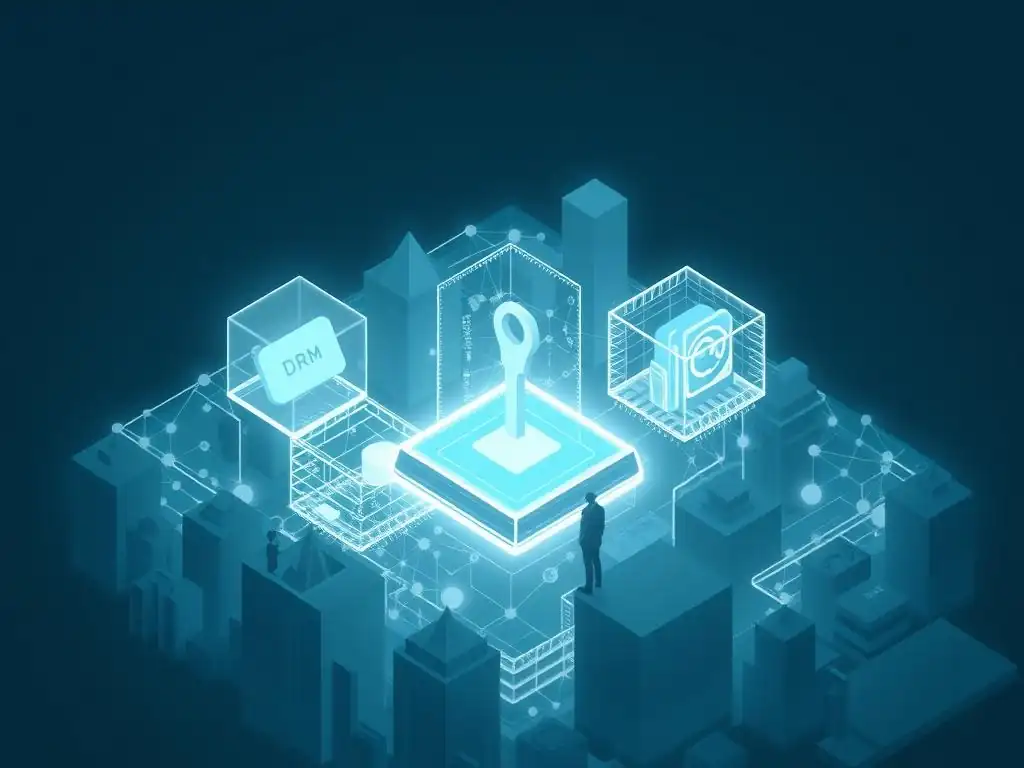
Managing Digital Assets and Ownership in Virtual Worlds
The burgeoning metaverse, with its immersive virtual environments and digital economies, presents unique challenges and opportunities for digital rights management. As users spend more time and money in virtual worlds, the need to manage digital assets and ownership within these spaces becomes increasingly crucial. Blockchain DRM is well-suited to address this need by providing a secure and transparent framework for managing digital assets in the metaverse.
Virtual land, avatars, digital fashion, and in-game items can be represented as NFTs on a blockchain, establishing verifiable ownership and enabling users to control and trade their virtual possessions. Blockchain DRM can ensure that digital assets in the metaverse are authentic, scarce, and protected from unauthorized copying or duplication.
Blockchain DRM for Metaverse Content Creators
Content creators in the metaverse, building virtual experiences, digital art, and interactive content, require robust DRM solutions to protect their intellectual property. Blockchain DRM can empower metaverse creators by providing tools to manage rights for their virtual creations. Creators can use blockchain to register their metaverse content, define usage terms, and control distribution within virtual worlds.
Smart contracts can automate licensing and royalty payments for metaverse content, ensuring that creators are fairly compensated for their contributions to the metaverse ecosystem. As the metaverse evolves, blockchain DRM will play a vital role in fostering a thriving and equitable environment for metaverse content creators, enabling them to build and monetize their virtual creations with confidence.
Comparing Blockchain DRM with Traditional DRM
Centralized vs. Decentralized Control
A fundamental difference between blockchain DRM and traditional DRM lies in their control mechanisms: centralized versus decentralized. Traditional DRM systems are typically controlled by centralized entities, such as platform providers or DRM technology vendors. These entities dictate the rules and policies governing content access and usage.
In contrast, blockchain DRM, by its very nature, offers decentralized control. Content creators can directly manage their rights and define usage terms through smart contracts, without relying on intermediaries. This shift to decentralized control empowers creators and reduces the power imbalance inherent in centralized DRM systems, leading to a more equitable distribution of control and benefits within the digital content ecosystem.
Cost Efficiency Analysis: Blockchain DRM vs. Legacy Systems
While the initial setup costs for implementing blockchain DRM may vary, a long-term cost efficiency analysis reveals potential advantages over legacy systems. Traditional DRM often involves licensing fees for proprietary technologies, ongoing maintenance costs, and administrative overhead associated with manual rights management and royalty processing. Blockchain DRM, once implemented, can automate many of these processes through smart contracts, reducing administrative costs and streamlining operations.
The transparent and immutable nature of blockchain can also minimize disputes and legal costs associated with rights infringement. Furthermore, the potential for disintermediation in blockchain DRM can lead to lower transaction fees compared to traditional intermediaries. Over time, these factors can contribute to greater cost efficiency and a better return on investment for blockchain DRM solutions.
Security Vulnerabilities: A Comparative Look
Comparing security vulnerabilities between blockchain DRM and traditional DRM highlights the inherent strengths of blockchain's cryptographic approach. Traditional DRM systems, relying on encryption and access controls, are susceptible to circumvention techniques and hacking. Instances of DRM being cracked and content being illegally distributed are well-documented.
Blockchain DRM, on the other hand, leverages the robust security features of blockchain technology, including cryptography and decentralization. The distributed ledger is inherently more resistant to tampering and single points of failure. While blockchain technology itself is not immune to all security threats, its cryptographic foundation and decentralized architecture provide a significantly more secure and resilient framework for digital rights management compared to traditional centralized DRM systems.
Overcoming Adoption Barriers to Blockchain DRM
Educating Content Creators and Consumers
One of the primary barriers to wider adoption of blockchain DRM is a lack of understanding among content creators and consumers. Blockchain technology can seem complex and unfamiliar to many, hindering its acceptance and implementation. Overcoming this barrier requires focused educational efforts to demystify blockchain DRM and highlight its benefits.
Content creators need to understand how blockchain DRM can empower them, provide greater control over their work, and improve revenue streams. Consumers need to be educated about the advantages of blockchain DRM, such as increased transparency, fairer compensation for creators, and potentially more user-friendly access to digital content. Clear and accessible educational resources, workshops, and case studies are crucial for bridging the knowledge gap and fostering broader adoption.
Developing User-Friendly Blockchain DRM Platforms
The user experience of blockchain DRM platforms is critical for driving adoption. Early blockchain applications were often criticized for being complex and difficult to use, requiring technical expertise. For blockchain DRM to become mainstream, platforms need to be designed with user-friendliness in mind. This includes intuitive interfaces, seamless integration with existing workflows, and simplified processes for content registration, rights management, and usage tracking. Abstracting away the technical complexities of blockchain and providing user-friendly tools and applications will make blockchain DRM more accessible and appealing to both content creators and consumers, encouraging wider adoption.
Fostering Collaboration within the Blockchain Community
Collaboration within the blockchain community is essential for driving the development and adoption of blockchain DRM. This includes collaboration between technology developers, media companies, content creators, and legal experts. Sharing knowledge, resources, and best practices can accelerate innovation and address the challenges of implementing blockchain DRM. Open-source initiatives, industry standards, and collaborative projects can help to build interoperable and scalable blockchain DRM solutions. A strong and collaborative ecosystem is crucial for overcoming adoption barriers and realizing the full potential of blockchain DRM to transform digital rights management.
Case Studies: Early Adopters of Blockchain DRM
Ujo Music: A Success Story in Music DRM
Ujo Music, though its initial iteration has evolved, stands as a significant early example of blockchain DRM in the music industry. Ujo aimed to create a decentralized music ecosystem where artists could directly register their music copyrights on the blockchain and manage their rights. Using Ethereum blockchain and smart contracts, Ujo enabled artists to track ownership, set licensing terms, and receive direct payments for music usage.
While Ujo's journey highlights the challenges of building a fully decentralized platform, it demonstrated the feasibility and potential of blockchain DRM to empower musicians and streamline music rights management. Ujo's pioneering work paved the way for further innovation and development in blockchain-based music platforms.
SingularDTV: Revolutionizing Film Distribution with Blockchain
SingularDTV (now Breaker) emerged as a prominent early adopter of blockchain DRM in the film and video industry. SingularDTV built a platform for filmmakers to distribute their films directly to audiences using blockchain technology. By tokenizing film rights and utilizing smart contracts, SingularDTV enabled filmmakers to control distribution, manage licensing, and receive revenue transparently.
The platform aimed to disrupt traditional film distribution models by empowering independent filmmakers and fostering a more direct relationship with viewers. SingularDTV's efforts showcased the potential of blockchain DRM to revolutionize film financing, distribution, and rights management, inspiring further exploration of blockchain in the film and video sector.
The Long-Term Impact of Blockchain DRM on the Media Industry
Empowering Independent Creators
Blockchain DRM holds the potential to significantly empower independent content creators across various media formats. By providing tools for direct rights management, automated royalty distribution, and decentralized distribution platforms, blockchain DRM can reduce the reliance of independent creators on intermediaries and platforms that often take a significant portion of their revenue.
This empowerment can lead to a more sustainable and equitable ecosystem for independent artists, musicians, writers, and filmmakers, enabling them to thrive and contribute to a more diverse and vibrant content landscape. Blockchain DRM can level the playing field, allowing independent creators to compete more effectively and build direct connections with their audiences.
Fostering a More Equitable Digital Ecosystem
The long-term impact of blockchain DRM extends to fostering a more equitable digital ecosystem for both creators and consumers. By increasing transparency, automating royalty payments, and empowering creators with greater control over their work, blockchain DRM can address many of the imbalances inherent in the current digital content landscape. Consumers can benefit from more transparent and user-friendly DRM systems, potentially reducing restrictions on legitimate usage and promoting fairer access to digital content. A more equitable ecosystem can incentivize creativity, innovation, and a more sustainable and thriving digital economy for all participants.
The Potential for New Business Models in Content Creation
Blockchain DRM can unlock the potential for new business models in content creation and distribution. NFTs, for example, enable creators to monetize their work in novel ways, such as selling limited edition digital collectibles or providing exclusive access to content for NFT holders. Decentralized platforms can facilitate new forms of direct-to-consumer distribution and community-driven content creation.
Smart contracts can enable innovative licensing models and micro-payment systems, allowing creators to monetize their work in granular and flexible ways. These new business models, facilitated by blockchain DRM, can diversify revenue streams for creators, enhance audience engagement, and reshape the future of the media industry.
Conclusion: Blockchain DRM Future Rights and the Transformation of Media
Key Takeaways: The Power of Blockchain in Digital Rights Management
Blockchain technology offers a transformative approach to Digital Rights Management, addressing many of the shortcomings of traditional systems. Its decentralized, transparent, and secure nature provides enhanced security, improved creator control, and streamlined royalty payments. Blockchain DRM empowers content creators, fosters a more equitable digital ecosystem, and unlocks new business models in the media industry. While challenges like scalability and interoperability exist, the potential benefits of blockchain DRM for the future of digital rights are undeniable.
Looking Ahead: The Evolution of Blockchain DRM Technologies
The evolution of blockchain DRM technologies is ongoing, with continuous advancements in scalability, interoperability, and user-friendliness. As blockchain technology matures and adoption barriers are overcome, blockchain DRM is poised to play an increasingly significant role in shaping the future of media and content creation.
Further innovation in areas like NFT integration, decentralized platforms, and smart contract applications will drive the evolution of blockchain DRM, paving the way for a more equitable, transparent, and creator-centric digital future. The journey towards widespread adoption of blockchain DRM is underway, promising a fundamental transformation in how digital rights are managed and content is consumed in the years to come, solidifying the importance of blockchain DRM future rights.
Frequently Asked Questions
What is Blockchain DRM and how does it differ from traditional DRM systems?
Blockchain DRM leverages the decentralized and transparent nature of blockchain to manage and enforce digital rights. Unlike traditional systems, it offers greater control and ownership to creators, reducing reliance on centralized intermediaries.
How does Blockchain DRM improve copyright protection for digital content?
By encoding ownership and usage rights directly onto the blockchain, Blockchain DRM creates an immutable and auditable record. This makes it much harder to illegally copy or distribute copyrighted material, offering enhanced protection.
What are some potential Blockchain DRM use cases beyond media and entertainment?
While media is a key area, Blockchain DRM can also be applied to software licensing, intellectual property management, and even data governance. The ability to control access and usage makes it highly versatile.
What are the main challenges to the widespread adoption of Blockchain DRM?
Scalability and interoperability are significant hurdles. Ensuring that different blockchain platforms and systems can communicate and exchange rights information is crucial for widespread adoption. User adoption is also a key challenge.
How might Blockchain DRM impact the future of digital rights and content creation?
Blockchain DRM promises a future where creators have greater control over their work and can directly monetize their content. This could lead to new business models and a more equitable distribution of value within the digital economy, empowering creators.
Final Reflection: Embracing the Blockchain DRM Future
The exploration of Digital Rights Management (DRM) within a blockchain framework, as we've seen, is not merely a theoretical exercise; it's a critical imperative for creators and consumers alike in today's increasingly digital landscape. The challenges of traditional DRM, coupled with the transformative potential of blockchain, highlight a pivotal moment where we can redefine how intellectual property is protected and distributed. The future of content ownership hinges on our ability to embrace these innovative solutions.
This shift towards decentralized DRM has profoundly impacted, and continues to impact, the cultural landscape by empowering creators and fostering more transparent relationships with their audiences. The promise of verifiable ownership and fair compensation is not just a technological advancement, but a fundamental step towards a more equitable digital ecosystem. The future of copyright is not about locking things down, but about unlocking new possibilities for creators and consumers alike.
- Lawrence Lessig
As we stand at the cusp of this blockchain DRM future, I invite you to consider your role in shaping this new paradigm. Reflect on how you can support creators directly, advocate for transparent licensing practices, and explore the potential of blockchain to revolutionize the way we interact with digital content. The power to build a fairer, more sustainable future for digital rights lies within each of us. Let us embrace this opportunity and build a world where creativity thrives and ownership is truly respected.
Unleash the Potential: Become a DRM Innovator!
Thank you for exploring the future of Digital Rights Management with us. We hope you've gained insights into how blockchain technology is set to transform content ownership and empower creators like never before. Now, it's your turn to get involved.
Here’s how you can contribute to this exciting evolution:
- Start Exploring: Delve into decentralized DRM solutions by researching existing blockchain-based platforms. Discover how these innovations are tackling challenges and pushing the boundaries of content management.
- Share Your Insight: Engage in conversations with fellow creators and technology enthusiasts about the potential of blockchain DRM. Your unique perspective could inspire new ideas and collaborations.
- Think Outside the Box: Imagine how non-fungible tokens could be used for detailed content control beyond simple ownership. Could they facilitate licensing, monitor usage, or reward user engagement?
What innovative DRM applications do you envision using blockchain technology? Share your ideas in the comments below!
Leave a Reply