
Biometric Security for Crypto Wallets: The Future of Access Control?

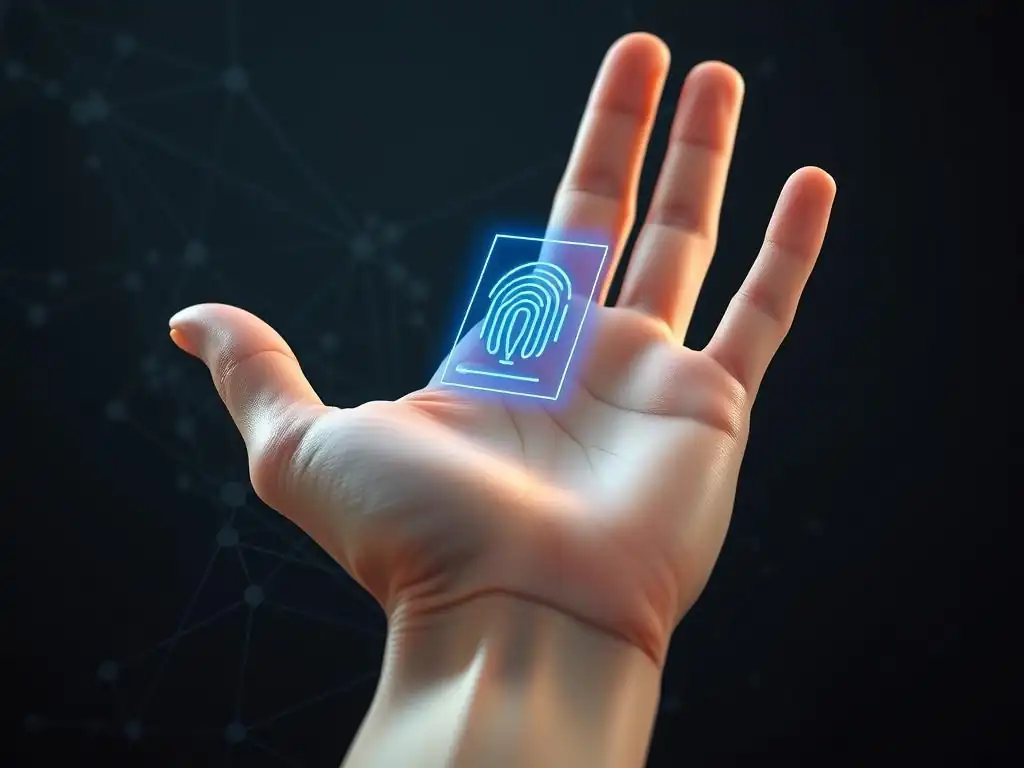
Welcome to Blockchain Trends, your guide to the evolving landscape of blockchain technology. Beyond the hype of cryptocurrencies, lies a world of innovation ripe with potential. Curious about how blockchain is revolutionizing industries? Dive into our latest article and discover how secure crypto wallet biometrics are poised to redefine access control and bolster security within the decentralized world. Is this the key to truly securing your digital assets? Let's explore the future together...
- Introduction to Biometric Security for Crypto Wallets
- What is a Secure Crypto Wallet?
- How Biometric Security Works for Crypto Wallets
- Advantages of Using Biometric Security for Crypto Wallets
- Current Biometric Security Solutions for Crypto Wallets
- Challenges and Limitations of Biometric Security in Crypto Wallets
- The Future of Access Control in Crypto Wallets
- Conclusion: Is Biometric Security the Future of Crypto Wallet Access Control?
- Call to Action
-
Frequently Asked Questions
- How does biometric security enhance the security of crypto wallets?
- What are the most common types of biometric authentication used in crypto wallets?
- Are biometric crypto wallets more secure than wallets using traditional passwords?
- What are the potential drawbacks or limitations of using biometric authentication for crypto wallets?
- How will regulation impact the adoption and implementation of "Secure crypto wallet biometrics"?
- Final Reflection: Embracing Secure Crypto Wallet Biometrics
- Unlock Secure Crypto Access Today!
Introduction to Biometric Security for Crypto Wallets
Understanding Biometric Security in the Context of Crypto Wallets
Biometric security refers to authentication methods that rely on unique biological characteristics of an individual. These characteristics can include fingerprints, facial features, iris patterns, voice, and even behavioral traits like typing rhythm.
In the realm of digital asset management, specifically for crypto wallets, biometric security offers a potential layer of defense against unauthorized access, aiming to replace or augment traditional password-based systems which are susceptible to phishing, keylogging, and brute-force attacks. The application of biometrics introduces a 'something you are' factor to the authentication process, making it inherently more difficult for attackers to compromise an account simply by stealing credentials.
Integrating biometric security into crypto wallets means that accessing private keys or authorizing transactions requires a physical verification step tied directly to the wallet owner. This contrasts sharply with relying solely on PINs, passphrases, or 2-factor authentication (2FA) codes delivered via SMS or email, which can be intercepted or compromised.
A secure crypto wallet enhanced with biometrics seeks to create a more robust barrier, significantly raising the bar for attackers attempting to gain control of digital assets. The goal is to bind the control of the wallet to the physical presence and unique biological identity of the legitimate owner, thereby enhancing the overall security posture.
Importance of Securing Your Crypto Wallet with Biometric Technology
The digital asset space is a prime target for cybercriminals, with significant amounts lost annually to hacks and scams. For instance, in 2023, crypto scams and hacks resulted in losses exceeding $1.7 billion, according to some industry reports, highlighting the critical need for enhanced security measures. A compromised crypto wallet can lead to the irreversible loss of funds, as blockchain transactions are immutable. Traditional security methods, while important, often have vulnerabilities that can be exploited. Passwords can be guessed or stolen, physical devices can be lost, and software vulnerabilities can be exploited.
Implementing secure crypto wallet biometrics adds a crucial layer of protection that is much harder to replicate or bypass. It leverages the uniqueness of human biology to verify identity. While no security system is foolproof, biometrics significantly reduces the attack surface. For example, hardware wallets incorporating fingerprint scanners require physical interaction and a valid print to unlock, making remote hacking significantly more challenging. As the value stored in crypto wallets continues to grow, the imperative to adopt the most advanced security technologies, including biometric authentication, becomes increasingly urgent to protect digital wealth from sophisticated threats.
What is a Secure Crypto Wallet?
Definition and Types of Secure Crypto Wallets
A secure crypto wallet is a software application or hardware device that stores the public and private keys required to interact with blockchain networks and manage cryptocurrency holdings. Its primary function is to enable users to send, receive, and track their digital assets securely. Security is paramount because the private key grants ownership and control over the associated funds. If a private key is compromised, the funds can be stolen instantly and irrevocably. Secure wallets employ various cryptographic techniques and security measures to protect these keys from unauthorized access.
There are several types of secure crypto wallets, categorized primarily by their connection to the internet and the way they store keys. Hot wallets (like web wallets, mobile wallets, and desktop wallets) are connected to the internet and offer convenience but are generally considered less secure for large amounts due to online exposure.
Cold wallets (like hardware wallets and paper wallets) are offline and provide the highest level of security for storing significant holdings, as private keys are kept isolated from potential online threats. A secure crypto wallet, regardless of type, prioritizes the protection of private keys above all else.
Key Features of a Secure Crypto Wallet
Beyond simply holding keys, a truly secure crypto wallet incorporates several essential features designed to protect user assets. Cryptographic security is fundamental, ensuring that keys are generated and managed using robust algorithms. Private keys should ideally be encrypted and never exposed to the internet, especially in cold storage solutions.
Two-factor authentication (2FA), requiring a second verification step beyond a password, is a common feature in hot wallets. Hierarchical Deterministic (HD) wallets, which generate a seed phrase (typically 12 or 24 words), allow users to recover their entire wallet and all associated accounts from a single phrase, simplifying backup while maintaining security if the seed is kept secret.
Other critical features include regular security audits by independent firms, open-source code for transparency (though not all secure wallets are open-source), and robust backup mechanisms. Transaction signing should occur in a secure environment, isolated from potential malware. For hardware wallets, physical security and tamper-detection mechanisms are also crucial. The integration of secure crypto wallet biometrics is emerging as another key feature, adding a strong layer of personal authentication that ties access directly to the owner's unique biological traits, significantly enhancing the overall security posture.
The Role of Biometrics in Enhancing Crypto Wallet Security
Biometrics plays a transformative role in elevating crypto wallet security from reliance on 'something you know' (passwords, PINs) or 'something you have' (hardware tokens, phones for 2FA) to 'something you are'. This inherent personal factor makes it significantly harder for attackers to impersonate a wallet owner. For example, a stolen password or a compromised phone used for 2FA can potentially grant access, but replicating a live fingerprint or facial structure is substantially more complex and often requires physical proximity.
By requiring a biometric scan to unlock a wallet, authorize a transaction, or access sensitive settings, biometrics acts as a powerful gatekeeper. It complements existing security measures, creating a multi-factor authentication system where one factor is tied to the user's physical identity. This significantly reduces the risk of unauthorized access stemming from credential theft or phishing attempts. A secure crypto wallet utilizing biometrics provides a more intuitive yet formidable defense, moving towards a future where access control is not just about what you know or have, but uniquely about who you are.
How Biometric Security Works for Crypto Wallets
Overview of Biometric Authentication Methods
Biometric authentication involves capturing a sample of a unique biological characteristic, processing it into a digital template, and storing that template securely. When a user attempts to authenticate later, a new sample is captured, processed into a template, and compared against the stored template. A match within a defined tolerance confirms identity. The most common methods used or considered for secure crypto wallet biometrics include fingerprint recognition, facial recognition, and iris scanning. Each method has its own strengths, weaknesses, and technological requirements.
The process typically involves a sensor (like a fingerprint scanner or camera), processing software that extracts unique features from the captured sample, and a secure storage location for the biometric templates. Crucially, the raw biometric data (like the actual image of a fingerprint) is usually not stored; instead, a mathematical representation or template is created. This template cannot easily be reverse-engineered back into the original biometric data. This approach aims to protect user privacy while enabling secure authentication. The challenge in crypto wallets is integrating this process securely, often within a hardware environment to prevent template theft.
Fingerprint Recognition for Crypto Wallet Access
Fingerprint recognition is one of the most widely adopted biometric methods due to its balance of accuracy, cost-effectiveness, and user familiarity. It works by scanning the unique patterns of ridges and valleys on a fingertip. Modern fingerprint sensors, such as capacitive or optical sensors, capture a high-resolution image. Software then analyzes specific features like minutiae points (where ridges end or split) to create a unique template. This template is then used for comparison during subsequent authentication attempts.
For secure crypto wallet biometrics, fingerprint sensors are typically integrated into hardware wallets or mobile devices hosting software wallets. When a user wants to access their wallet or sign a transaction, they place their finger on the sensor. The device captures the print, compares it to the stored template, and if it matches, the action is authorized. This method is fast and convenient but can be affected by factors like dirt, moisture, or damage to the fingerprint. Liveness detection, a feature in more advanced systems, helps prevent authentication using fake fingerprints or molds.
Facial Recognition Technology in Crypto Wallets
Facial recognition technology identifies individuals by analyzing unique facial features. Basic systems use 2D images, measuring distances between points like the eyes, nose, and mouth. More advanced systems, like those using structured light or time-of-flight sensors, create a 3D map of the face, which is significantly harder to spoof. These systems capture an image or scan of the user's face and create a template based on hundreds or thousands of data points representing facial geometry and texture.
While widely used in mobile phone unlocking, implementing facial recognition for secure crypto wallet biometrics requires careful consideration of spoofing risks (using photos, videos, or masks). Advanced liveness detection and 3D mapping are crucial for security. Some software wallets leverage the facial recognition capabilities built into modern smartphones (like Apple's Face ID or Android's equivalents) as an optional security layer. However, the security of this method ultimately depends on the underlying technology's resistance to spoofing and the secure storage of the facial template, ideally within a secure enclave on the device.
Iris Scanning: A Cutting-Edge Approach to Wallet Security
Iris scanning analyzes the complex and unique patterns in the colored part of the eye (the iris). These patterns are formed randomly during fetal development and remain stable throughout a person's life. Iris recognition is considered one of the most accurate biometric methods, with a very low false acceptance rate compared to fingerprints or facial recognition. It typically involves capturing a high-resolution image of the iris using a near-infrared camera, as visible light can cause reflections that obscure the pattern.
Although less common in current consumer devices than fingerprints or face ID, iris scanning offers a high level of security for secure crypto wallet biometrics due to the iris's uniqueness and protected location behind the cornea. Its primary limitations include requiring specific hardware (an iris scanner) and potentially being less convenient for users who wear glasses or contact lenses. As technology advances and costs decrease, iris scanning could become a more viable option for high-security applications, including dedicated hardware wallets designed for maximum protection.
Advantages of Using Biometric Security for Crypto Wallets
One of the foremost advantages of using biometric security for crypto wallets is the significant enhancement in protection against unauthorized access. Traditional methods like passwords and PINs are vulnerable to dictionary attacks, brute-force attempts, or social engineering exploits like phishing. Biometric data, tied to the user's physical self, is inherently more difficult to steal or replicate. A hacker cannot simply guess a fingerprint or facial structure over the internet. This adds a formidable layer of defense that makes remote attacks considerably harder to execute successfully.
Furthermore, secure crypto wallet biometrics can prevent access even if the physical device falls into the wrong hands. Unlike a device protected only by a PIN, which could potentially be bypassed through various means, a biometric-locked wallet requires the presence and valid scan of the authorized user. This makes stolen hardware wallets significantly less attractive targets for thieves focused on accessing digital assets. For instance, if a hardware wallet with fingerprint authentication is lost, finding it doesn't automatically grant access to the crypto funds; the thief would still need to provide a valid fingerprint match.
Convenience and User Experience with Biometric Solutions
Beyond security, biometrics offers a notable improvement in user experience compared to complex passwords or lengthy seed phrases required for daily access. Unlocking a wallet or authorizing a small transaction can be as simple and quick as placing a finger on a sensor or glancing at a camera. This eliminates the need to remember intricate passwords or repeatedly enter PINs, reducing friction in accessing and managing crypto assets. The speed and ease of biometric authentication can encourage users to engage with their wallets more frequently and securely.
This convenience is particularly valuable for mobile crypto wallets, where quick access for transactions is often desired. Instead of typing a password on a small screen, a user can authenticate with a touch or face scan, streamlining the process. While cold storage hardware wallets prioritize security over daily convenience, integrating biometrics can still simplify the process of unlocking the device or approving transactions, making high-security practices slightly less cumbersome. The blend of robust security and improved usability makes secure crypto wallet biometrics an attractive proposition for many users.
Integration with Existing Security Protocols
Biometric security is rarely a standalone solution; it is most effective when integrated as part of a multi-factor authentication (MFA) strategy. A secure crypto wallet can combine biometrics with other security protocols, such as PINs, hardware tokens, or secure elements within a device. For example, a hardware wallet might require a PIN and a fingerprint scan to unlock, or a software wallet might use facial recognition alongside a strong password and email 2FA for certain actions.
This layered approach significantly strengthens overall security. If one factor is compromised (e.g., a PIN is shoulder-surfed), the attacker is still blocked by the biometric requirement. Biometrics can also be used for specific high-risk actions, such as authorizing large transfers or changing security settings, while less sensitive actions might require only a PIN or password. This flexible integration allows users to tailor their security setup based on their risk tolerance and the value of assets stored, making secure crypto wallet biometrics a versatile tool in a comprehensive security framework.
Current Biometric Security Solutions for Crypto Wallets
Top Biometric Wallets to Consider
While dedicated biometric-only crypto wallets are rare due to the need for comprehensive security architecture, several leading hardware wallets and some software solutions incorporate biometric features or leverage device-level biometrics. These wallets aim to provide a secure environment for private keys while using biometrics as a convenient and strong method for access control or transaction signing approval.
It's important to note that in most cases, the biometric data itself is not stored directly on the blockchain or even necessarily within the wallet's core secure element, but rather used by the device's operating system or a secure enclave to unlock access to the wallet application or data.
The market for secure crypto wallet biometrics is still evolving, with hardware wallets leading the charge in implementing dedicated biometric sensors. Software wallets often rely on the biometric capabilities built into the user's smartphone or computer. Evaluating these solutions requires looking at how the biometric data is processed and stored, how well it integrates with the core wallet functionality, and the overall security architecture of the device or application. Users should research specific implementations carefully, as the level of security provided by the biometric feature can vary significantly.
Ledger Nano X: Combining Biometrics with Hardware Security
The Ledger Nano X is a popular hardware wallet known for its robust security design, storing private keys in a certified secure element chip (often compared to chips used in passports and credit cards). While the Nano X itself does not feature an integrated fingerprint scanner, it represents a platform where biometrics can play a role indirectly. Users often pair their Ledger device with a mobile application (Ledger Live) on their smartphone or tablet. Accessing Ledger Live on the mobile device can be secured using the phone's native biometric authentication (like Face ID or fingerprint scan).
In this setup, the biometric scan unlocks the Ledger Live app on the phone, which is then used to interact with the physical Ledger Nano X device for transaction signing. The critical security step — signing the transaction with the private key — still happens securely on the air-gapped Ledger hardware, requiring physical confirmation (pressing buttons on the device).
The biometric scan on the phone adds a convenient layer of security to the mobile interface, preventing unauthorized access to wallet information and the ability to initiate transactions from the phone, although final approval always rests with the physical device. This approach leverages existing device biometrics to enhance the user experience and initial access security.
Trezor Model T: Touchscreen and Biometric Features
The Trezor Model T is another leading hardware wallet that prioritizes security through isolation of private keys. Unlike the Ledger Nano X, the Model T features a touchscreen interface, which enhances usability. While the Model T itself does not have a built-in fingerprint scanner, SatoshiLabs, the maker of Trezor, has explored biometric integration and the potential for future models. As of recent models, the primary authentication method for unlocking the device involves entering a PIN on the touchscreen (with obfuscated input to prevent shoulder surfing) or using a passphrase.
The discussion around secure crypto wallet biometrics for devices like Trezor often centers on whether integrating a sensor would introduce potential vulnerabilities or enhance security. While the current Model T relies on PINs and passphrases for device access and transaction confirmation, the trend towards easier, yet secure, authentication suggests that future iterations or accessories could potentially incorporate biometric features. Any such implementation would need to ensure the biometric processing and template storage are handled within the secure hardware environment, without compromising the device's air-gapped nature or exposing it to new attack vectors.
Ellipal Titan: Air-Gapped Security with Biometric Access
The Ellipal Titan is a hardware wallet that boasts true air-gapped security, meaning it never connects to the internet via Wi-Fi, Bluetooth, or USB. Communication is conducted solely through QR codes scanned between the device and a companion mobile app. The Ellipal Titan differentiates itself by incorporating a fingerprint sensor directly onto the device as one of its primary unlocking mechanisms. This means that to power on the device and gain initial access, users can use their registered fingerprint in addition to or instead of a pattern lock or password.
This implementation of secure crypto wallet biometrics directly on the hardware device provides a strong first line of defense. When a user attempts to unlock the Ellipal Titan, they place their finger on the sensor. The device verifies the fingerprint against a securely stored template before allowing access to the wallet interface. This adds a significant barrier for anyone who might physically obtain the device. Combined with its air-gapped nature and anti-tamper features, the integrated fingerprint sensor makes the Ellipal Titan a notable example of a hardware wallet incorporating biometrics for enhanced physical security and access control.
Comparison of Biometric Features Across Leading Wallets
Comparing biometric features across leading wallets reveals varying approaches. Wallets like Ledger Nano X leverage the mature biometric capabilities of paired mobile devices (Face ID, Touch ID) to secure the companion app, while the core hardware security remains reliant on PINs and physical button confirmations. This offers convenience but offloads the biometric security aspect to a less controlled environment (the user's phone).
Hardware wallets like the Ellipal Titan integrate a dedicated fingerprint sensor directly into the device itself. This keeps the biometric authentication process contained within the secure hardware environment, potentially offering a higher level of security specifically for device access. However, the quality and security of the integrated sensor and its processing logic are critical factors.
Most high-end hardware wallets, including Trezor and Ledger, prioritize the isolation of private keys and secure transaction signing, often relying on PINs and passphrases as the primary access controls on the device itself, sometimes considering biometrics as an optional, supplementary feature or exploring it for future models. The key distinction lies in where the biometric authentication occurs and what it unlocks – the companion app or the core secure hardware device itself.
Challenges and Limitations of Biometric Security in Crypto Wallets
Potential Vulnerabilities in Biometric Authentication
While offering significant advantages, biometric security is not without its vulnerabilities. Unlike a password, which can be changed if compromised, biometric data is permanent. If a biometric template is stolen or compromised, it cannot be easily reset. While systems typically store templates, not raw data, sophisticated attacks could potentially reconstruct or bypass templates. For example, "presentation attacks" involve using artificial replicas like fake fingerprints, masks, or synthetic irises to spoof the system. The effectiveness of these attacks depends heavily on the sophistication of the biometric sensor and its liveness detection capabilities.
Another vulnerability lies in the "template matching" process. If the matching algorithm is flawed or the tolerance for a match is too loose, it could lead to false positives (allowing unauthorized access). Conversely, if it's too strict, it can lead to false negatives (denying access to the legitimate user). Storing biometric templates securely is also paramount; if templates are stored insecurely on a device or server, they could be stolen and potentially used in attacks, though using them effectively often requires bypassing liveness detection. Secure crypto wallet biometrics requires robust anti-spoofing measures and secure template management.
User Privacy Concerns and Data Protection
The use of biometric data raises significant privacy concerns. Biometric information is highly sensitive and unique to an individual. Users may be hesitant to entrust their fingerprint, face scan, or iris pattern to a wallet provider or device manufacturer, fearing the data could be misused, breached, or shared without consent. Regulations like GDPR in Europe impose strict requirements on handling biometric data due to its sensitive nature. Providers of secure crypto wallet biometrics must be transparent about how biometric data is collected, processed, stored, and protected.
Ideally, biometric processing should occur locally on the device within a secure enclave, and templates should never leave the device or be stored on remote servers. This minimizes the risk of large-scale breaches of biometric databases. Users need assurances that their unique biological identifiers are not being stored in a way that could lead to identity theft or tracking. The balance between leveraging biometrics for security and protecting user privacy is a critical challenge that needs careful consideration and robust technical safeguards in the development of secure crypto wallet biometrics solutions.
Biometric Technology Limitations in Crypto Wallets
Biometric technology itself has inherent limitations that can affect its reliability in a crypto wallet context. Environmental factors can impact performance; for instance, dirty or wet fingers can interfere with fingerprint scanners, poor lighting can affect facial recognition, and certain eye conditions or glasses can pose challenges for iris scanning. The accuracy of biometric systems can also vary based on demographics and conditions, potentially leading to accessibility issues for some users.
Furthermore, the integration of biometric sensors into compact and low-power devices like hardware wallets presents technical challenges. The sensor must be reliable, secure, and not significantly drain battery life or increase cost to an prohibitive degree. Ensuring the entire biometric pipeline—from capture to template storage and matching—is impervious to side-channel attacks or tampering on a hardware wallet requires sophisticated engineering. These technical and practical limitations mean that while biometrics is powerful, it must be implemented carefully and often combined with other security methods to provide truly secure crypto wallet biometrics.
The Future of Access Control in Crypto Wallets
Emerging Trends in Biometric Security for Crypto Wallets
The future of secure crypto wallet biometrics is likely to see advancements in sensor technology and processing, making biometric authentication more accurate, reliable, and resistant to spoofing. Multi-modal biometrics, combining two or more biometric types (e.g., fingerprint and facial recognition), could become more common, significantly increasing the difficulty for attackers. Behavioral biometrics, analyzing unique patterns in how a user interacts with their device (typing speed, swipe patterns), could also supplement physical biometrics, adding another layer of passive authentication.
Integration within secure hardware enclaves will become standard practice, ensuring that biometric templates are processed and stored in a highly protected environment isolated from the main operating system, reducing the risk of software-based attacks. We may also see the development of standardized protocols for biometric authentication in decentralized applications (dApps) and blockchain interactions, allowing users to use their secure biometric identity across different platforms without needing to re-register their biometrics with each service. This could pave the way for a more seamless and secure decentralized identity management system.
Predictions on the Evolution of Secure Crypto Wallet Biometrics
Predictions suggest that biometric authentication will become a standard, expected feature in most high-security crypto wallet solutions, particularly hardware wallets and premium mobile wallets. As the technology matures and costs decrease, dedicated biometric sensors on hardware wallets may become more common, moving beyond relying solely on smartphone biometrics. The focus will shift towards liveness detection and anti-spoofing technologies to counter increasingly sophisticated presentation attacks.
We can also anticipate the development of decentralized identity solutions that leverage biometrics. Imagine a future where your biometric identity, perhaps verified once and stored securely on a personal device or within a self-sovereign identity framework, is used to securely access and control multiple crypto wallets and decentralized services without needing separate credentials for each. This evolution would not only enhance security but also dramatically improve the user experience, making managing digital assets and online identities simpler and more secure through robust secure crypto wallet biometrics.
Potential Impact of Regulatory Changes on Biometric Security
Regulatory changes will undoubtedly impact how secure crypto wallet biometrics are implemented and used. As governments and international bodies develop frameworks for digital identity and asset security, rules regarding the collection, storage, and processing of sensitive biometric data will become stricter. Regulations like GDPR, already influential, provide a template for how such data should be handled, emphasizing consent, data minimization, and robust security measures.
Future regulations specific to digital assets and blockchain technology may mandate certain levels of identity verification and security protocols, potentially accelerating the adoption of biometrics while also imposing requirements on providers regarding data handling transparency and security standards. Compliance with these regulations will be crucial for wallet manufacturers and service providers, potentially driving innovation in privacy-preserving biometric technologies. The legal landscape will shape the technical implementation, pushing for solutions that offer both high security and strong privacy protection for users utilizing secure crypto wallet biometrics.
Conclusion: Is Biometric Security the Future of Crypto Wallet Access Control?
Final Thoughts on Secure Crypto Wallet Biometrics
Biometric security represents a significant step forward in the evolution of access control for crypto wallets. It offers a powerful, convenient, and intuitive method for verifying identity, moving beyond the limitations of traditional passwords and PINs. By leveraging unique biological characteristics, secure crypto wallet biometrics creates a formidable barrier against many common types of cyberattacks, particularly those relying on credential theft. The integration of biometrics into both hardware and software wallets is a clear trend, reflecting the industry's focus on enhancing security in response to growing threats.
While challenges related to potential vulnerabilities, privacy concerns, and technological limitations exist, ongoing advancements in biometric technology and secure implementation practices are addressing these issues. The future likely holds more sophisticated and resilient biometric solutions. As part of a multi-factor security strategy, biometrics provides a crucial layer that ties control of digital assets directly to the physical identity of the owner, making it significantly harder for unauthorized parties to gain access.
Recommendations for Users Looking to Secure Their Crypto Wallets
For users seeking to enhance the security of their digital assets, incorporating secure crypto wallet biometrics is a wise step. When choosing a wallet, look for solutions that offer biometric authentication as an option, especially hardware wallets with integrated sensors or software wallets that securely leverage device-level biometrics within a trusted environment. Do your research on how the wallet handles biometric data – ideally, processing and template storage should occur locally within a secure enclave on the device.
However, remember that biometrics should not be your only security measure. Always use strong passwords or PINs as a backup or additional factor. Enable 2FA whenever possible. Keep your device's operating system and wallet software updated to patch vulnerabilities. Store your seed phrase offline in a secure location. By combining the power of secure crypto wallet biometrics with other best practices, you can significantly reduce the risk of losing your valuable digital assets and navigate the crypto space with greater confidence.
Call to Action
Explore the Best Biometric Security Wallets Today
Enhance your digital asset protection. Research and compare leading hardware and software wallets incorporating secure crypto wallet biometrics. Take control of your crypto security with advanced access control methods designed for the future. Identify the solutions that best meet your security needs and integrate seamlessly with your asset management strategy.
Frequently Asked Questions
How does biometric security enhance the security of crypto wallets?
Biometric security replaces traditional passwords with unique biological identifiers such as fingerprints or facial recognition. This makes it significantly harder for unauthorized individuals to gain access to your crypto wallet, enhancing overall security.
What are the most common types of biometric authentication used in crypto wallets?
The most common types include fingerprint scanning, facial recognition, and even iris scanning. These methods offer a convenient and secure way to verify the user's identity before allowing access to the wallet.
Are biometric crypto wallets more secure than wallets using traditional passwords?
Generally, yes. Biometric methods are more resistant to phishing attacks and brute-force attempts compared to passwords. They offer a higher level of security and convenience, making them a preferred choice.
What are the potential drawbacks or limitations of using biometric authentication for crypto wallets?
While highly secure, biometric systems are not foolproof. Data breaches or spoofing techniques could potentially compromise the system. Additionally, users need to consider backup access methods in case of biometric failure.
How will regulation impact the adoption and implementation of "Secure crypto wallet biometrics"?
Regulatory bodies are actively evaluating data privacy and security standards related to biometric data. Adherence to these regulations will be crucial for the widespread adoption of biometric crypto wallets and ensuring user trust.
Final Reflection: Embracing Secure Crypto Wallet Biometrics
The exploration of biometric security for crypto wallets, as detailed throughout this article, highlights a crucial intersection: the urgent need for enhanced security in the rapidly evolving digital asset landscape. The vulnerabilities inherent in traditional password-based systems are becoming increasingly apparent, making the adoption of biometric authentication not just a convenience, but a necessity for safeguarding valuable crypto assets against theft and unauthorized access.
The promise of secure crypto wallet biometrics extends far beyond mere technological advancement; it fundamentally reshapes our relationship with digital ownership. This shift towards more personalized and intuitive security measures is paramount in fostering trust and wider adoption of cryptocurrencies. Security is always excessive until it's not enough.
This quote underscores the importance of proactively embracing robust security solutions like biometrics, rather than reacting to breaches after they occur.
As we look ahead, the integration of secure crypto wallet biometrics presents a unique opportunity to empower individuals with greater control and confidence over their digital wealth. Let us all consider the implications of this technology and actively seek out solutions that prioritize security and user experience. By embracing these advancements, we can collectively build a more secure and accessible future for the world of cryptocurrency.
Okay, here's a CTA draft based on the article "Biometric Security for Crypto Wallets: The Future of Access Control?" for Blockchain Trends:
Unlock Secure Crypto Access Today!
Thank you for diving into the world of biometric security and its potential to revolutionize crypto wallet protection. We hope you’ve gained valuable insights into securing your digital assets. Now, it's time to take control and implement enhanced security measures.
Here are a few immediate steps you can take:
- Immediately research and select a biometric-enabled crypto wallet compatible with your needs and device. This is the most crucial step towards securing your crypto assets.
- Explore alternative multi-factor authentication methods beyond biometrics to create a layered security approach, like hardware keys and secure PINs.
- Share this article with fellow crypto enthusiasts and spark a conversation about the importance of proactive security measures in our digital age.
What specific biometric method – fingerprint, facial recognition, or iris scan – do you believe offers the most secure and user-friendly access to your crypto wallet? Share your thoughts below!
Leave a Reply