
Latency in Blockchain Architecture: Understanding and Minimizing Transaction Delays


Welcome to Blockchain Trends, your gateway to understanding the revolutionary impact of blockchain technology!
Ever wondered how to speed up blockchain transactions and unlock its true potential? Our deep dive into blockchain latency optimization strategies explores the critical factors affecting transaction speeds and offers actionable insights to minimize delays. Discover how to improve efficiency, scalability, and user experience within decentralized systems. Ready to dive in and unravel the secrets of faster blockchains?
- Introduction to Blockchain Latency and its Impact
-
Frequently Asked Questions
- What is blockchain latency and why is it a concern?
- What are some key factors that contribute to blockchain latency?
- What are some Blockchain Latency Optimization Strategies that can be implemented?
- How do Layer-2 solutions contribute to reducing blockchain latency?
- What role does geographical distribution of nodes play in blockchain latency?
- Final Reflection: Embracing the Speed of Trust
- Decode Blockchain's Speed Limits: Supercharge Your Understanding!
Introduction to Blockchain Latency and its Impact
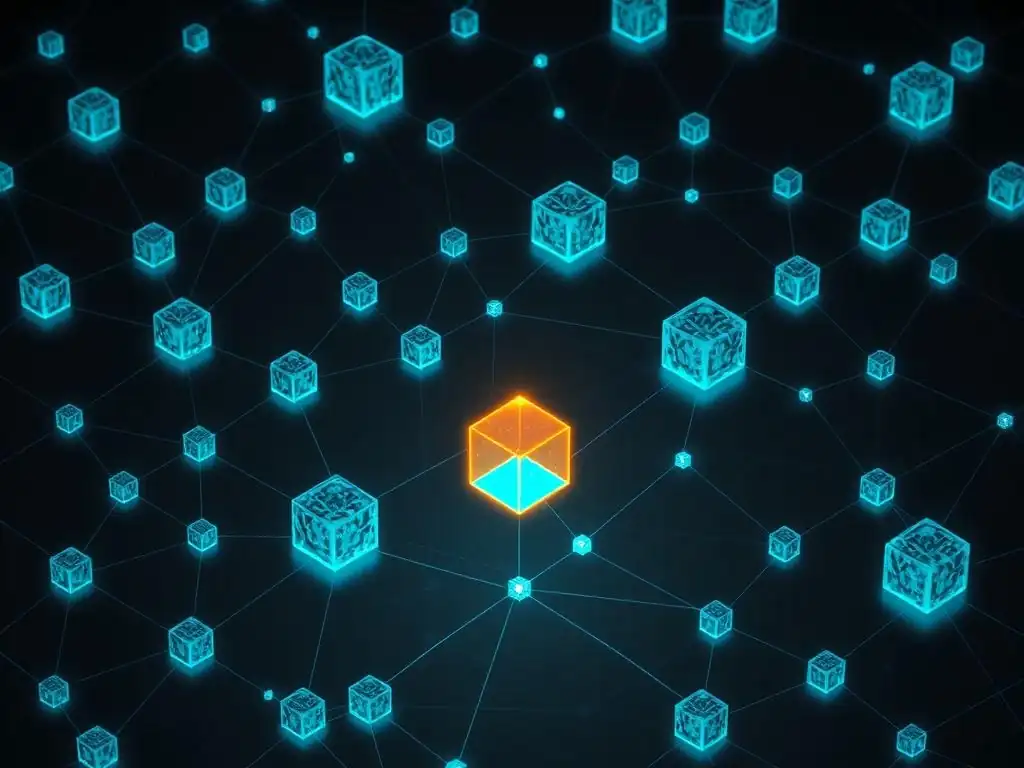
Defining Blockchain Latency: What Causes Transaction Delays?
Blockchain latency is a multifaceted issue stemming from network architecture, consensus protocols, and even geographical factors.
Transaction delays in blockchain are not simply a matter of waiting a few extra seconds. They are a direct consequence of the intricate processes required to achieve decentralization and security. Each transaction must be validated by multiple nodes across the network, a process that involves cryptographic verification and consensus agreement.
This distributed validation is what ensures the integrity and immutability of the blockchain but also introduces inherent latency. The time taken for a transaction to be packaged into a block, for that block to be added to the chain, and for subsequent blocks to confirm the transaction (ensuring finality) all contribute to the overall latency. Understanding these underlying causes is crucial for developing effective strategies to minimize transaction delays and enhance the usability of blockchain technology in various applications.
The Ripple Effect: How High Latency Affects Blockchain Performance
High latency in blockchain networks can have a cascading effect, negatively impacting various aspects of performance and usability. For end-users, high latency translates to slow transaction confirmation times. Imagine trying to make a payment at a coffee shop using a cryptocurrency, only to be told you need to wait several minutes, or even tens of minutes, for the transaction to be confirmed.
This sluggishness directly undermines the user experience, making blockchain-based applications less appealing for everyday transactions. In scenarios like decentralized finance (DeFi), where rapid execution of trades is paramount, high latency can be particularly detrimental, potentially leading to missed opportunities or even financial losses due to slippage and delayed reactions to market movements.
Beyond user experience, high latency can also limit the scalability and throughput of blockchain networks. When transactions take a long time to process, the network's capacity to handle a large volume of transactions per second (TPS) is reduced. This bottleneck can hinder the adoption of blockchain for applications requiring high transaction throughput, such as payment processing systems or high-frequency trading platforms. Moreover, high latency can impact the responsiveness of decentralized applications (dApps).
For instance, in blockchain-based gaming or real-time applications, delays in transaction processing can result in lag and a poor interactive experience. In enterprise settings, where blockchain is being explored for supply chain management or logistics, high latency can slow down operations and reduce efficiency. Ultimately, high latency acts as a significant impediment to the widespread adoption of blockchain technology across diverse sectors, hindering its potential to revolutionize various industries.
Understanding the Importance of Blockchain Latency Optimization
Optimizing blockchain latency is not merely about speeding up transactions; it is about unlocking the full potential of blockchain technology and making it viable for a broader range of real-world applications. Reducing latency is crucial for enhancing the user experience, making blockchain applications more seamless and user-friendly. Faster transaction confirmations lead to smoother interactions, increasing user satisfaction and encouraging wider adoption.
In the context of decentralized finance (DeFi), lower latency is essential for enabling high-frequency trading, arbitrage opportunities, and efficient market operations. For example, decentralized exchanges (DEXs) benefit significantly from reduced latency, allowing them to compete more effectively with centralized exchanges by offering faster trade execution and improved liquidity.
Furthermore, latency optimization is directly linked to improving blockchain scalability. By reducing the time it takes to process and confirm transactions, networks can handle a higher volume of transactions per second, increasing throughput and overall scalability. This is vital for supporting applications with a large user base or high transaction demand, such as global payment systems or social media platforms built on blockchain.
Lower latency also makes blockchain technology more suitable for real-time applications, such as online gaming, live streaming, and IoT (Internet of Things) devices that require rapid data exchange and processing. In enterprise blockchain solutions, reduced latency can streamline supply chain operations, improve logistics tracking, and enhance the efficiency of various business processes. In essence, optimizing blockchain latency is a key enabler for the evolution and mainstream adoption of blockchain technology, paving the way for its integration into a wider spectrum of industries and use cases.
Frequently Asked Questions
What is blockchain latency and why is it a concern?
Blockchain latency refers to the time delay between initiating a transaction and its confirmation on the blockchain. High latency can hinder the user experience and limit the scalability of blockchain applications.
What are some key factors that contribute to blockchain latency?
Several factors influence latency, including network congestion, block size limitations, and the consensus mechanism used by the blockchain. These factors can cause processing bottlenecks and increase transaction confirmation times.
What are some Blockchain Latency Optimization Strategies that can be implemented?
Strategies include optimizing block size, implementing sharding techniques to parallelize processing, and exploring more efficient consensus algorithms. These efforts aim to reduce transaction processing time.
How do Layer-2 solutions contribute to reducing blockchain latency?
Layer-2 solutions, like payment channels and rollups, process transactions off-chain and then bundle them onto the main chain. This significantly reduces on-chain transaction load and lowers overall latency.
What role does geographical distribution of nodes play in blockchain latency?
The geographical distribution of nodes can impact latency due to network propagation delays. Having nodes spread across different regions can increase the time it takes for transactions to be validated and confirmed.
Final Reflection: Embracing the Speed of Trust
The exploration of blockchain latency, as we've seen, isn't just a technical exercise; it's a critical endeavor for realizing the full potential of decentralized systems. The pursuit of Blockchain latency optimization strategies is directly tied to the widespread adoption and practical application of this transformative technology, impacting everything from financial transactions to supply chain management.
The persistent challenge of latency underscores the delicate balance between security, decentralization, and speed. Understanding and mitigating these delays is paramount, not just for developers, but for anyone seeking to leverage the power of blockchain in a real-world context. As Satoshi Nakamoto famously stated, The root problem with conventional currency is all the trust that's required to make it work.
Blockchain offers a solution, but that solution must be efficient to truly replace existing systems.
Now, consider the implications of this journey. How can you, as an individual, a developer, or a business leader, contribute to the ongoing refinement of blockchain technology? Reflect on the strategies discussed, and ask yourself: what innovative approaches can you champion to unlock the true speed and potential of decentralized trust? The future of blockchain depends on our collective commitment to pushing the boundaries of what's possible.
Decode Blockchain's Speed Limits: Supercharge Your Understanding!
Thank you for exploring the intricacies of blockchain latency with us. We hope you've gained valuable insights into the factors influencing transaction speeds and potential solutions. Now, let's apply that knowledge:
Here are some actions you can take right now:
- Dive into your chosen blockchain's documentation to understand its specific techniques for reducing latency. Identify areas where your projects can improve.
- Explore emerging Layer-2 solutions such as rollups and sidechains. Try them out on a test network to see how these technologies can help decrease latency.
- Share this article with a colleague or on your favorite blockchain forum. Start a discussion about innovative approaches to overcoming latency challenges.
Which latency-reducing technique are you most excited to explore further, and how do you think it could influence the future of blockchain adoption? Share your thoughts in the comments below!
Leave a Reply