
The Future of Gaming: Blockchain & AI Creating Immersive and Decentralized Gaming Experiences

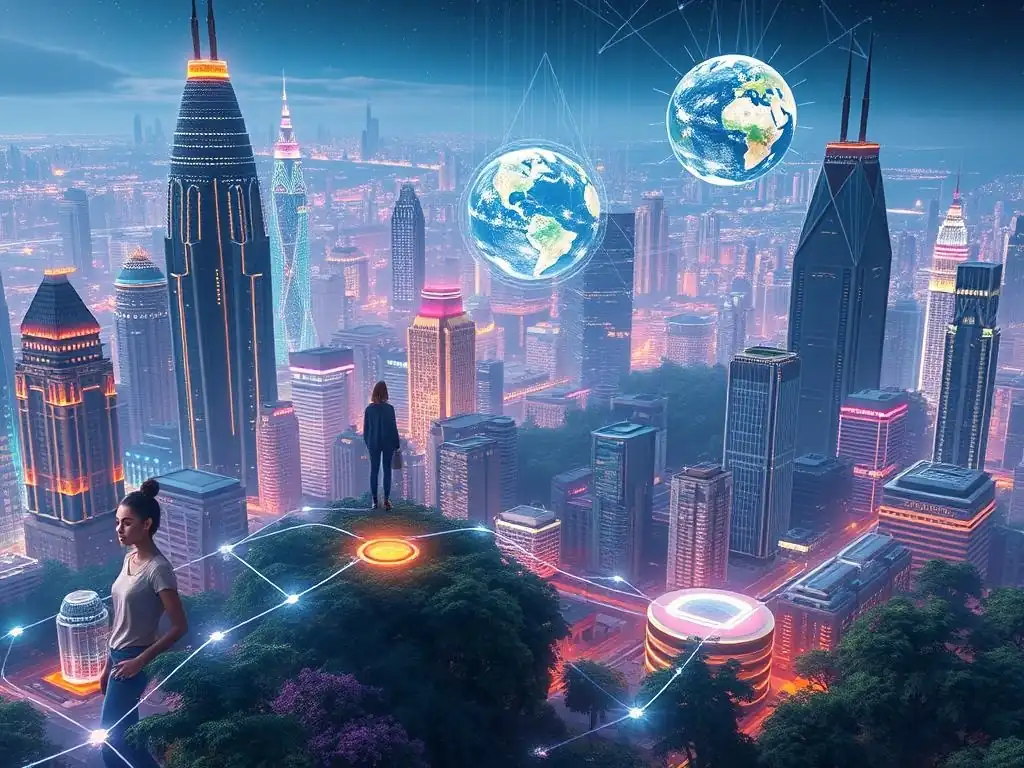
Welcome to Blockchain Trends, your compass in the rapidly evolving world of decentralized technologies!
Delve into the transformative power of blockchain, extending far beyond the realm of cryptocurrencies. We explore cutting-edge applications in DeFi, enterprise solutions, and the shaping of a decentralized future. Today, we're focusing on a particularly exciting frontier: the blockchain gaming metaverse opportunities. Discover how blockchain and AI are synergizing to create immersive and decentralized gaming experiences, and what groundbreaking possibilities lie ahead. Are you ready to explore the future of play?
The Future of Gaming: Blockchain & AI Creating Immersive and Decentralized Gaming Experiences
- Introduction: The Convergence of Blockchain, AI, and Gaming
- Blockchain Gaming Metaverse Opportunities: A New Paradigm
- How Blockchain is Revolutionizing the Gaming Industry
- The Role of AI in Shaping Immersive Gaming Experiences
- Blockchain & AI: A Powerful Combination for Next-Gen Gaming
- Exploring Current Blockchain Gaming Projects & Platforms
- Challenges and Opportunities in Blockchain Gaming
- The Future of Blockchain Gaming Metaverse Opportunities
- Conclusion: Embracing the Decentralized and Intelligent Future of Gaming
-
Frequently Asked Questions
- What are the key benefits of integrating blockchain into gaming?
- How is AI being used to enhance blockchain gaming experiences?
- What are some examples of "Blockchain gaming metaverse opportunities"?
- What are the regulatory challenges surrounding blockchain gaming?
- How will the future of decentralized gaming be shaped by blockchain and AI advancements?
- Final Reflection: Embracing the Decentralized Gaming Revolution
- Level Up Your Gaming Reality!
Introduction: The Convergence of Blockchain, AI, and Gaming
Exploring the Synergistic Potential of Blockchain and AI in Gaming
The gaming industry stands at the cusp of a monumental transformation, fueled by the convergence of two groundbreaking technologies: blockchain and artificial intelligence (AI). Individually, both technologies possess immense disruptive potential. Blockchain offers decentralization, security, and digital ownership, while AI brings intelligence, automation, and personalized experiences. When combined, their synergistic potential becomes exponentially greater, promising to redefine how games are created, played, and monetized. This powerful combination is not merely about incremental improvements; it’s about fundamentally reshaping the gaming landscape and unlocking entirely new dimensions of interactive entertainment, particularly within the burgeoning realm of the metaverse.
The intersection of blockchain and AI in gaming is paving the way for experiences that were once relegated to science fiction. Imagine games where player-owned digital assets have real-world value, where AI-driven narratives adapt dynamically to player choices, and where decentralized ecosystems foster true player governance.
This synergy is not just theoretical; we are already witnessing the early stages of this revolution with the emergence of blockchain-based games incorporating AI elements to enhance gameplay, security, and player engagement. The integration of these technologies represents a paradigm shift, moving away from centralized control and towards player-centric, immersive, and economically viable gaming ecosystems.
The Evolution of Gaming: From Centralized to Decentralized Worlds
The history of gaming is marked by continuous evolution, from simple arcade games to complex, graphically intensive AAA titles. Initially, gaming was entirely centralized, with game developers and publishers holding absolute control over game assets, economies, and player experiences. Players purchased games and played within predefined boundaries, with limited agency or ownership beyond the gameplay itself. The rise of online gaming and virtual economies introduced new dimensions, but the fundamental centralized model persisted. Virtual items and currencies, while valuable within the game world, remained under the control of the game companies, lacking true ownership or interoperability.
Blockchain technology fundamentally challenges this centralized paradigm. By introducing decentralization, blockchain empowers players with true ownership of digital assets, represented as NFTs (Non-Fungible Tokens). This shift from renting to owning digital assets is revolutionary.
Furthermore, blockchain enables the creation of decentralized gaming economies where players can earn, trade, and monetize their in-game achievements and assets outside the confines of a single game. This evolution towards decentralized worlds is further amplified by AI, which can manage complex game economies, personalize player experiences within these decentralized environments, and ensure fairness and balance in these new, player-driven gaming ecosystems. The progression towards decentralized gaming is not just a technological advancement; it represents a fundamental shift in power from game companies to players, opening up exciting blockchain gaming metaverse opportunities.
Blockchain Gaming Metaverse Opportunities: A New Paradigm
Defining the Blockchain Gaming Metaverse: Immersion and Ownership
The blockchain gaming metaverse represents a significant leap forward in the evolution of online gaming. It's not just about playing games; it's about entering persistent, interconnected virtual worlds where gaming is intertwined with social interaction, digital ownership, and economic opportunities. At its core, the blockchain gaming metaverse is defined by two key pillars: immersion and ownership. Immersion refers to the depth and engagement of the virtual experience, aiming to blur the lines between the real and digital worlds. This is achieved through advanced graphics, interactive environments, and compelling narratives, often enhanced by AI-driven elements.
Ownership, facilitated by blockchain technology, is the truly transformative element. In traditional gaming, players acquire licenses to use in-game items, but they don't truly own them. In the blockchain gaming metaverse, digital assets – characters, items, land, and even in-game currencies – are represented as NFTs on a blockchain.
This grants players verifiable and immutable ownership, allowing them to freely trade, sell, or utilize these assets across different platforms and games within the metaverse ecosystem. This concept of true digital ownership is central to the blockchain gaming metaverse opportunities, creating new economic models and empowering players in unprecedented ways. The combination of immersion and ownership is what distinguishes the blockchain gaming metaverse from previous iterations of online gaming and virtual worlds.
Key Characteristics of Blockchain-Based Metaverse Games
Blockchain-based metaverse games possess several defining characteristics that differentiate them from traditional games and unlock new blockchain gaming metaverse opportunities. Firstly, decentralized asset ownership is paramount. Players genuinely own their in-game assets as NFTs, giving them control and agency over their digital possessions. Secondly, player-driven economies are a cornerstone. These games often incorporate play-to-earn (P2E) mechanics, allowing players to earn cryptocurrency or valuable NFTs through gameplay, contributing to a player-owned and operated economy. For example, games like Axie Infinity have demonstrated the potential for players to earn a living by participating in the game's ecosystem.
Another key characteristic is interoperability and cross-game compatibility. While still in its early stages, the vision for the blockchain gaming metaverse includes the ability to use assets across different games and virtual worlds. Imagine using the same avatar and items in multiple metaverse experiences – this interoperability is a core aspiration, enabled by the standardized nature of blockchain technology.
Furthermore, community governance is often a feature. Decentralized Autonomous Organizations (DAOs) can be integrated into blockchain games, allowing players to participate in the game's development and governance, fostering a more democratic and player-centric gaming environment. These characteristics collectively contribute to the unique and evolving landscape of blockchain gaming metaverse opportunities.
How Blockchain is Revolutionizing the Gaming Industry
Decentralized Ownership and True Digital Asset Control
Blockchain technology is fundamentally altering the concept of digital ownership in gaming. In traditional gaming models, players purchase in-game items, but these items are essentially licenses controlled by the game developers. If the game shuts down, or a player is banned, these digital assets are lost.
Blockchain, through NFTs, provides a verifiable and immutable record of ownership, stored on a decentralized ledger. This means players truly own their digital assets, similar to owning physical collectibles or artwork. This ownership transcends the boundaries of a single game, potentially allowing assets to be used, traded, or sold across different platforms and metaverses.
This decentralized ownership has profound implications for players and the gaming industry. Players gain greater control over their investments of time and money within games. They can participate in secondary markets to trade their NFTs, potentially recouping their investments or even generating profits.
For game developers, blockchain-based ownership can foster stronger player loyalty and engagement. Players are more likely to invest time and resources into a game where they have true ownership and can benefit from the value of their in-game assets. This shift towards decentralized ownership is a core driver of the blockchain gaming metaverse opportunities, empowering players and creating new economic models within the gaming ecosystem.
Play-to-Earn (P2E) Mechanics and the Creator Economy
The introduction of Play-to-Earn (P2E) mechanics is a groundbreaking innovation enabled by blockchain technology, significantly expanding blockchain gaming metaverse opportunities. P2E moves beyond the traditional pay-to-play model, allowing players to earn cryptocurrency or valuable NFTs through gameplay. This can involve activities like completing quests, winning battles, creating content, or contributing to the game's ecosystem. These earned assets can then be traded on secondary marketplaces or used within the game, creating a circular economy where players are rewarded for their participation and skill.
The P2E model is also fueling the growth of a creator economy within gaming. Blockchain empowers players to create and monetize their own in-game content, such as avatars, items, or even entire game experiences, and offer them as NFTs. This democratizes game development and content creation, allowing players to become active participants in shaping the gaming metaverse and benefiting directly from their creations.
Games like The Sandbox and Decentraland exemplify this, providing tools and platforms for users to build, own, and monetize their virtual land and creations. The P2E model and the creator economy are not just novel concepts; they are transforming gaming into a potential source of income for players and creators worldwide, particularly in developing economies.
Enhanced Security and Transparency in Gaming Transactions
Blockchain technology inherently enhances security and transparency in gaming transactions, addressing long-standing issues in the traditional gaming industry and bolstering blockchain gaming metaverse opportunities. Traditional gaming often relies on centralized servers and databases, making them vulnerable to hacking, fraud, and manipulation. Blockchain's decentralized and immutable ledger provides a more secure and transparent system for tracking in-game assets and transactions. Each transaction is recorded on the blockchain, making it virtually tamper-proof and auditable by all participants.
This enhanced security is crucial for protecting player assets and ensuring fair gameplay. For example, blockchain can prevent the duplication or counterfeiting of in-game items, a common problem in some online games. Transparency is also significantly improved.
Players can verify the scarcity and provenance of digital assets, ensuring the legitimacy of their purchases and trades. Furthermore, blockchain can facilitate transparent and auditable in-game economies, reducing the risk of manipulation or unfair practices. By providing a more secure and transparent environment, blockchain fosters greater trust and confidence within the gaming community, crucial for the long-term success of blockchain gaming metaverse opportunities.
The Role of AI in Shaping Immersive Gaming Experiences
AI-Powered NPCs and Dynamic Game Environments
Artificial intelligence (AI) is playing an increasingly crucial role in enhancing the immersion and dynamism of gaming experiences, particularly within the evolving blockchain gaming metaverse opportunities. AI-powered Non-Player Characters (NPCs) are moving beyond simple scripted behaviors to become more intelligent, responsive, and believable. Advanced AI algorithms enable NPCs to react dynamically to player actions, exhibit more realistic emotions and motivations, and even learn and adapt over time. This results in richer and more engaging interactions, making virtual worlds feel more alive and interactive.
Furthermore, AI is being used to create dynamic and ever-changing game environments. AI can procedurally generate landscapes, quests, and storylines, ensuring that each playthrough feels unique and unpredictable. AI can also manage and adapt game difficulty in real-time, tailoring the challenge to individual player skill levels. Imagine a metaverse where the environment evolves based on player actions and community events, or where NPCs remember past interactions and react accordingly. AI is enabling game developers to create truly dynamic and personalized gaming experiences within the blockchain gaming metaverse opportunities, pushing the boundaries of immersion and player engagement.
Personalized Gaming Experiences Through AI-Driven Customization
AI's ability to analyze vast amounts of data and personalize experiences is revolutionizing how games cater to individual players, significantly enhancing blockchain gaming metaverse opportunities. AI algorithms can track player behavior, preferences, and skill levels to tailor various aspects of the game experience. This includes dynamically adjusting game difficulty, suggesting personalized content, and even adapting the narrative to resonate with individual player choices and playstyles. For example, AI can identify a player's preferred game genre or playstyle and recommend specific quests, items, or social interactions within the metaverse that align with their interests.
Personalized experiences go beyond just gameplay adjustments. AI can also personalize the visual and auditory aspects of the game, creating custom soundtracks, dynamically adjusting lighting and weather effects, and even generating personalized avatars or character customizations based on player preferences. This level of personalization creates a more engaging and rewarding experience for each player, fostering a stronger sense of connection to the game world and increasing player retention. AI-driven customization is becoming a key differentiator in the competitive gaming landscape, especially within the emerging blockchain gaming metaverse opportunities, where personalized experiences are crucial for attracting and retaining players.
AI for Enhanced Game Design and Development
AI is not only transforming the player experience but also revolutionizing game design and development processes, contributing significantly to the growth of blockchain gaming metaverse opportunities. AI-powered tools are assisting game developers in various stages of game creation, from level design and asset generation to testing and balancing. For example, AI algorithms can be used to procedurally generate vast and intricate game worlds, significantly reducing the time and resources required for manual level design. AI can also assist in creating realistic and diverse game assets, such as textures, models, and animations, accelerating the content creation pipeline.
Furthermore, AI is proving invaluable in game testing and balancing. AI agents can play-test games at scale, identifying potential bugs, balance issues, and areas for improvement far more efficiently than traditional manual testing methods. AI-driven analytics can also provide valuable insights into player behavior and game performance, helping developers make data-driven decisions to optimize gameplay and improve player engagement. By streamlining the game development process and providing powerful tools for designers, AI is enabling the creation of more ambitious and complex games, fueling the expansion of blockchain gaming metaverse opportunities and facilitating faster innovation within the gaming industry.
Blockchain & AI: A Powerful Combination for Next-Gen Gaming
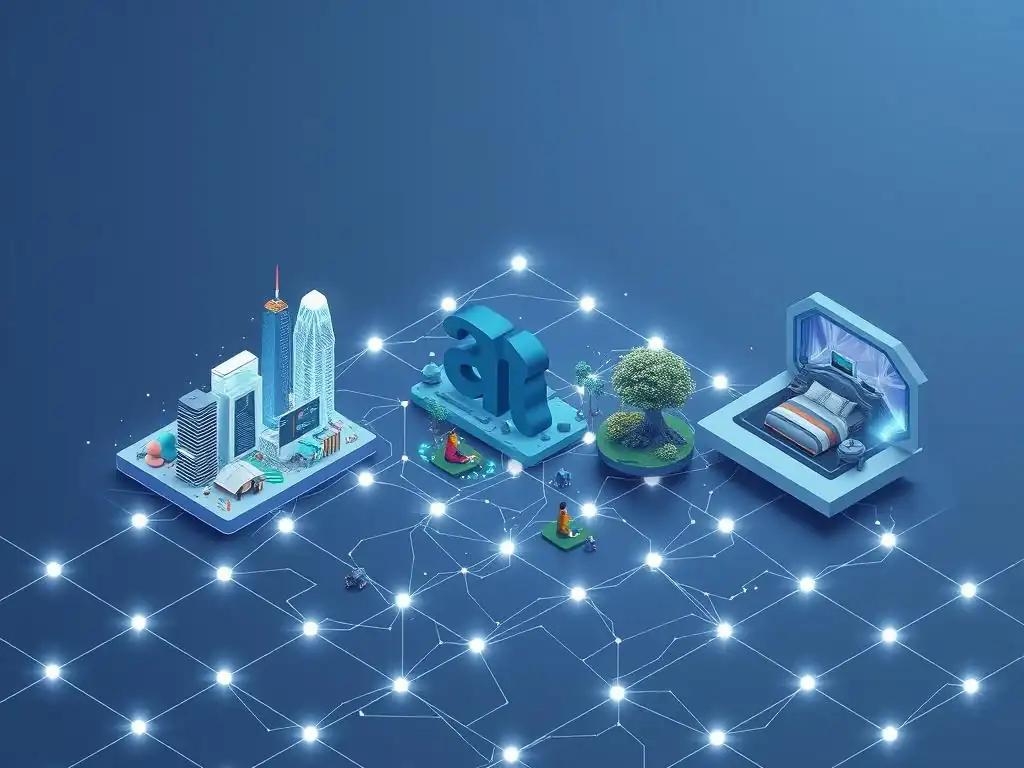
AI Enhancing Blockchain Security in Gaming Platforms
The synergy between AI and blockchain extends beyond gameplay enhancements; AI is also playing a crucial role in bolstering the security of blockchain gaming platforms, a vital aspect for the sustainability of blockchain gaming metaverse opportunities. While blockchain itself offers inherent security features, AI can further strengthen these defenses against evolving cyber threats.
AI-powered security systems can analyze blockchain transaction patterns, identify anomalies, and detect potential fraudulent activities or security breaches in real-time. Machine learning algorithms can be trained to recognize and flag suspicious transactions or smart contract vulnerabilities, providing an additional layer of protection for gaming platforms and player assets.
For instance, AI can be used to monitor player accounts for unusual activity, such as rapid asset transfers or suspicious login attempts, potentially indicating account hacking or theft. AI can also analyze smart contract code to identify potential vulnerabilities before they can be exploited by malicious actors. By proactively identifying and mitigating security risks, AI enhances the trustworthiness and reliability of blockchain gaming platforms, fostering greater player confidence and attracting wider adoption of blockchain gaming metaverse opportunities. This proactive security approach is essential for ensuring the long-term viability and growth of the blockchain gaming ecosystem.
Blockchain Enabling AI-Driven Personalized Game Content
Conversely, blockchain technology is also enabling more sophisticated and secure delivery of AI-driven personalized game content, further solidifying blockchain gaming metaverse opportunities. AI algorithms require vast amounts of data to personalize game experiences effectively. Blockchain can provide a secure and transparent infrastructure for managing and sharing player data while respecting user privacy. Decentralized data storage and blockchain-based identity solutions can empower players with greater control over their data, allowing them to selectively share information with gaming platforms in exchange for personalized experiences.
Moreover, blockchain can facilitate the secure and verifiable delivery of AI-generated content. For example, AI-generated personalized quests or storylines could be delivered as NFTs, ensuring their authenticity and preventing unauthorized modifications. This combination of blockchain and AI creates a robust and privacy-preserving ecosystem for delivering personalized gaming experiences within the metaverse. Players can benefit from AI-driven customization while maintaining control over their data and ensuring the integrity of the personalized content they receive, further enhancing the appeal of blockchain gaming metaverse opportunities.
Creating Scalable and Sustainable Blockchain Gaming Ecosystems with AI
The combined power of blockchain and AI is essential for creating scalable and sustainable blockchain gaming ecosystems, crucial for realizing the full potential of blockchain gaming metaverse opportunities. Scalability remains a significant challenge for many blockchain platforms, and gaming, with its high transaction volume and real-time requirements, demands robust scalability solutions. AI can play a vital role in optimizing blockchain network performance and improving scalability. AI algorithms can be used to manage network congestion, optimize transaction processing, and enhance the efficiency of consensus mechanisms.
Furthermore, AI can contribute to the sustainability of blockchain gaming ecosystems by managing in-game economies and resources. AI-powered economic models can dynamically adjust in-game currency supply, resource distribution, and reward mechanisms to maintain balance and prevent inflation or deflation.
AI can also analyze player behavior and market trends to predict and mitigate potential economic imbalances, ensuring the long-term health and stability of the game economy. By addressing scalability and sustainability challenges, the synergy of blockchain and AI is paving the way for the creation of thriving and enduring blockchain gaming metaverse opportunities, capable of supporting massive player populations and complex virtual economies.
Exploring Current Blockchain Gaming Projects & Platforms
Axie Infinity - A Deep Dive
Axie Infinity stands as a pioneering example of a successful blockchain-based game, showcasing the potential of blockchain gaming metaverse opportunities. This Pokémon-inspired game, built on the Ethereum blockchain (now primarily on Ronin, a sidechain), allows players to collect, breed, battle, and trade digital creatures called Axies. Each Axie is an NFT, granting players true ownership of these digital assets. Axie Infinity gained significant popularity due to its Play-to-Earn (P2E) mechanics, allowing players to earn Smooth Love Potion (SLP) and Axie Infinity Shards (AXS) tokens through gameplay, which can then be traded on cryptocurrency exchanges.
The game's ecosystem revolves around battles, breeding, and land ownership, all underpinned by blockchain technology. Players can earn income by participating in battles, selling bred Axies, or renting out their Axies to other players. At its peak, Axie Infinity demonstrated the potential for P2E gaming to provide meaningful income opportunities, particularly in developing countries.
While the initial hype has subsided, Axie Infinity remains a significant case study in the blockchain gaming metaverse opportunities landscape, highlighting the potential and challenges of this emerging model. It demonstrated the power of NFT-based ownership and P2E mechanics to attract a large player base and create a vibrant in-game economy.
The Sandbox - Innovation and Features
The Sandbox is another prominent blockchain gaming metaverse platform, emphasizing user-generated content and blockchain gaming metaverse opportunities. Built on the Ethereum blockchain, The Sandbox is a decentralized virtual world where players can create, own, and monetize their gaming experiences and assets using NFTs. The platform provides users with tools like VoxEdit and Game Maker to design voxel-based assets and create interactive game experiences without requiring coding knowledge. Land in The Sandbox metaverse is also represented as NFTs, allowing players to own virtual real estate and build upon it.
The Sandbox distinguishes itself through its focus on user-generated content and creator economy. Players can create and sell NFTs representing avatars, items, and game experiences in the Sandbox marketplace. Brands and creators are also leveraging The Sandbox to build virtual experiences and engage with their communities in the metaverse. The platform's emphasis on user empowerment and creative freedom makes it a compelling example of blockchain gaming metaverse opportunities. Its partnerships with various brands and IPs demonstrate the potential for blockchain gaming metaverses to become mainstream platforms for entertainment and social interaction.
Decentraland - Community and Ecosystem
Decentraland is a fully decentralized, user-owned virtual world built on the Ethereum blockchain, showcasing the community-driven aspect of blockchain gaming metaverse opportunities. In Decentraland, users can buy, sell, and develop virtual land parcels represented as NFTs. There are no central authorities controlling Decentraland; governance is decentralized and community-driven through a Decentralized Autonomous Organization (DAO). Users can explore the virtual world, interact with others, participate in events, and build experiences on their land.
Decentraland emphasizes community and open access. It's designed as a social and entertainment platform where users can create and share experiences, from virtual art galleries and casinos to music venues and educational spaces. The platform utilizes its own cryptocurrency, MANA, for in-world transactions and governance voting. Decentraland's decentralized nature and community-centric approach exemplify the vision of a truly open and user-governed metaverse, representing a unique facet of blockchain gaming metaverse opportunities. Its continued development and community growth demonstrate the appeal of decentralized virtual worlds and the potential for player-driven metaverse ecosystems.
Challenges and Opportunities in Blockchain Gaming
Scalability Issues and Potential Solutions
Scalability remains a significant challenge for blockchain gaming, hindering the widespread adoption of blockchain gaming metaverse opportunities. Traditional blockchain networks, like Ethereum, can struggle to handle the high transaction volume and low latency requirements of many games. High gas fees and slow transaction speeds can create friction for players and limit the potential for complex, real-time gaming experiences. Addressing scalability is crucial for the long-term success of blockchain gaming.
Several potential solutions are being explored to tackle scalability issues. Layer-2 scaling solutions, such as sidechains (like Ronin used by Axie Infinity) and rollups, offer increased transaction throughput and lower fees by processing transactions off-chain while maintaining security through periodic on-chain settlement. Sharding, a technique to divide a blockchain into smaller, more manageable pieces, is another promising approach to enhance scalability. Furthermore, the development of more efficient consensus mechanisms and blockchain architectures is ongoing. Overcoming scalability limitations is paramount to unlocking the full potential of blockchain gaming metaverse opportunities and creating seamless and engaging player experiences.
Regulatory Landscape and Compliance Considerations
The regulatory landscape surrounding blockchain gaming and NFTs is still evolving and presents both challenges and opportunities for the growth of blockchain gaming metaverse opportunities. Governments and regulatory bodies worldwide are grappling with how to classify and regulate cryptocurrencies, NFTs, and blockchain-based virtual economies. Concerns around money laundering, tax evasion, and consumer protection are driving regulatory scrutiny. The lack of clear and consistent regulations creates uncertainty for game developers and players, potentially hindering investment and innovation in the space.
Compliance with existing and emerging regulations is crucial for blockchain gaming projects. This includes adhering to KYC/AML (Know Your Customer/Anti-Money Laundering) requirements, tax laws, and consumer protection regulations. Navigating the complex and fragmented regulatory landscape requires careful legal planning and proactive engagement with regulators. However, clear and well-defined regulations can also provide legitimacy and foster greater trust in blockchain gaming, paving the way for wider adoption and mainstream integration of blockchain gaming metaverse opportunities. A balanced regulatory approach that encourages innovation while protecting consumers is essential for the sustainable growth of the blockchain gaming industry.
User Adoption and Education: Bridging the Gap
User adoption and education are critical factors in realizing the full potential of blockchain gaming metaverse opportunities. While blockchain technology is gaining traction, it remains relatively complex and unfamiliar to many mainstream gamers. Onboarding new users to blockchain games can be challenging due to the need for cryptocurrency wallets, understanding NFTs, and navigating decentralized marketplaces. Educating players about the benefits of blockchain gaming, such as true ownership and P2E mechanics, is essential for driving wider adoption.
Simplifying the user experience is paramount. Game developers are working on creating more user-friendly interfaces, abstracting away the complexities of blockchain technology, and providing seamless onboarding processes. Educational initiatives, such as tutorials, guides, and community support, are crucial for helping new users understand and engage with blockchain games. Bridging the user adoption gap and making blockchain gaming accessible to a broader audience is key to unlocking the mass market potential of blockchain gaming metaverse opportunities and bringing decentralized gaming to the mainstream.
The Future of Blockchain Gaming Metaverse Opportunities
Predictions for the Next 5 Years
The next 5 years are poised to be transformative for blockchain gaming metaverse opportunities. We can anticipate significant advancements in several key areas. Firstly, scalability solutions will mature, enabling more complex and immersive blockchain games with larger player bases. Layer-2 solutions and new blockchain architectures will become more widely adopted, reducing transaction fees and improving performance. Secondly, AI integration will deepen, leading to more dynamic and personalized gaming experiences. AI-powered NPCs, dynamic environments, and personalized content will become increasingly prevalent in blockchain metaverses.
Thirdly, interoperability between different blockchain gaming metaverses will become a greater focus. Efforts to standardize NFT formats and protocols will facilitate the transfer of assets and identities across different virtual worlds, creating a more interconnected metaverse ecosystem. Fourthly, mainstream adoption will accelerate.
As user experience improves and awareness grows, more traditional gamers will be drawn to blockchain gaming, attracted by the benefits of ownership and P2E mechanics. Finally, investment in the blockchain gaming metaverse space will continue to grow, fueling innovation and driving the development of more ambitious and high-quality games. These trends suggest a bright future for blockchain gaming metaverse opportunities.
The Impact on the Broader Metaverse Ecosystem
Blockchain gaming is not just a niche within the gaming industry; it's a crucial driver and shaper of the broader metaverse ecosystem, significantly expanding blockchain gaming metaverse opportunities. Gaming is often considered the vanguard of metaverse adoption, as it provides engaging and interactive use cases for virtual worlds and digital ownership. The success of blockchain gaming will pave the way for wider metaverse adoption across various sectors, including social interaction, entertainment, commerce, and education.
The principles of decentralized ownership, player-driven economies, and interoperability pioneered in blockchain gaming are directly applicable to other aspects of the metaverse. The lessons learned and technologies developed in blockchain gaming will inform the development of more open, user-centric, and economically viable metaverse platforms across industries.
Furthermore, the communities and economies built within blockchain gaming metaverses are contributing to the overall growth and vibrancy of the broader metaverse ecosystem. Blockchain gaming is not just benefiting from the metaverse; it is actively building and shaping its future, driving the evolution of blockchain gaming metaverse opportunities and the metaverse as a whole.
Investment Opportunities and Potential for Growth
The blockchain gaming metaverse opportunities represent a significant investment frontier with substantial potential for growth in the coming years. The market for blockchain gaming and NFTs is already experiencing rapid expansion, and analysts predict continued exponential growth. Investment opportunities exist across various segments of the blockchain gaming ecosystem, including game development studios, metaverse platforms, NFT marketplaces, and infrastructure providers. Venture capital firms and traditional gaming companies are increasingly investing in blockchain gaming projects, recognizing the transformative potential of this space.
The potential for high returns is attracting investors to blockchain gaming metaverse opportunities. The success of games like Axie Infinity and The Sandbox has demonstrated the potential for significant financial gains for early investors and players. However, like any emerging market, blockchain gaming also carries risks. Market volatility, regulatory uncertainty, and technological challenges are factors that investors need to consider. Nonetheless, the long-term growth potential of the blockchain gaming metaverse remains compelling, making it an attractive area for investment and innovation, promising substantial blockchain gaming metaverse opportunities for those who strategically engage with this evolving landscape.
Conclusion: Embracing the Decentralized and Intelligent Future of Gaming
The Transformative Power of Blockchain and AI in Gaming
Blockchain and AI are together wielding transformative power over the gaming industry, ushering in a new era of immersive, decentralized, and player-centric experiences. Blockchain is revolutionizing digital ownership, creating player-driven economies, and enhancing security and transparency. AI is amplifying immersion through intelligent NPCs, dynamic environments, and personalized gameplay. The synergy of these technologies is not merely incremental; it is fundamentally reshaping the foundations of gaming and unlocking unprecedented blockchain gaming metaverse opportunities.
This convergence is moving gaming beyond simple entertainment towards becoming a more participatory, economically empowering, and socially engaging experience. Players are no longer just consumers; they are becoming stakeholders in the games they play, with true ownership of digital assets and the ability to contribute to and benefit from game ecosystems. The transformative power of blockchain and AI is not limited to gaming; it is setting a precedent for the broader metaverse and the future of digital interaction.
The Future is Decentralized, Immersive, and AI-Driven
The future of gaming is undeniably decentralized, immersive, and AI-driven, and blockchain gaming metaverse opportunities are at the forefront of this revolution. Decentralization, powered by blockchain, is empowering players and creating more equitable and transparent gaming ecosystems. Immersion, enhanced by AI, is blurring the lines between the real and digital worlds, creating more engaging and believable virtual experiences. AI-driven personalization is tailoring gameplay to individual preferences, fostering deeper player engagement and satisfaction.
This trifecta of decentralization, immersion, and AI-driven personalization is defining the next generation of gaming and shaping the evolution of the metaverse. The blockchain gaming metaverse opportunities represent not just a technological advancement but a paradigm shift in how we interact with and experience digital entertainment. Embracing this decentralized and intelligent future promises to unlock a new era of gaming innovation and create unprecedented opportunities for players, creators, and the industry as a whole.
Frequently Asked Questions
What are the key benefits of integrating blockchain into gaming?
Blockchain integration offers true digital ownership of in-game assets, enhanced security against fraud and hacking, and new revenue streams for both players and developers.
How is AI being used to enhance blockchain gaming experiences?
AI can create more dynamic and personalized game worlds, generate non-playable characters (NPCs) with complex behaviors, and detect and prevent cheating within the game.
What are some examples of "Blockchain gaming metaverse opportunities"?
These opportunities include owning and trading virtual land, participating in decentralized governance of game worlds, and earning cryptocurrency through play-to-earn models.
What are the regulatory challenges surrounding blockchain gaming?
Regulations are still evolving, but key concerns include securities laws related to in-game assets, anti-money laundering (AML) compliance, and data privacy protections for players.
How will the future of decentralized gaming be shaped by blockchain and AI advancements?
Expect to see more immersive and personalized gaming experiences, a stronger sense of player ownership, and the emergence of new economic models based on decentralized systems.
Final Reflection: Embracing the Decentralized Gaming Revolution
The convergence of blockchain and AI in gaming isn't just a technological advancement; it's a paradigm shift that is reshaping the very fabric of virtual worlds. The rise of decentralized gaming, powered by blockchain and AI, presents unprecedented opportunities for players, developers, and investors alike, moving beyond traditional models to create truly immersive and player-owned experiences. This isn't just about better graphics or more complex storylines; it's about fundamentally changing the relationship between players and the games they love.
The impact of this technological fusion extends far beyond entertainment, influencing how we perceive ownership, community, and even the nature of reality itself. Witnessing the evolution of gaming from a passive pastime to an active, economically empowering ecosystem is truly remarkable. The future of gaming is not just about playing; it's about owning, creating, and participating in a decentralized economy that rewards players for their contributions.
This shift necessitates a re-evaluation of our understanding of digital assets and the potential for virtual worlds to become integral parts of our lives.
As we stand on the cusp of this decentralized gaming revolution, I invite you to consider the possibilities. How can you leverage the power of blockchain and AI to create, invest, or simply participate in these emerging gaming metaverses? The future is not predetermined; it's being built right now, block by block, by those who dare to imagine a world where gaming is more than just a game. Embrace the change, explore the opportunities, and become a part of the blockchain gaming metaverse revolution.
Level Up Your Gaming Reality!
Thank you for exploring the exciting future of gaming with Blockchain Trends. We hope you've gained valuable insights into how blockchain and AI are transforming the gaming industry. Now, it's time to take your understanding to the next level.
Here are a few actions you can take right now:
- Try out your first blockchain-based game! Research and choose a game that interests you to experience the decentralized gaming world firsthand.
- Join the conversation! Share this article with fellow gamers and discuss your favorite potential applications of blockchain and AI in gaming on social media. Use hashtag #BlockchainGaming.
- Explore unconventional pathways to level up by attending a blockchain gaming hackathon or workshop.
What are your thoughts on the future of player-owned in-game assets becoming standard? Share your predictions in the comments below!
Leave a Reply