
Streamlining CrossBorder Trade: Blockchain Solutions for Efficient and Secure International Logistics Case Studies

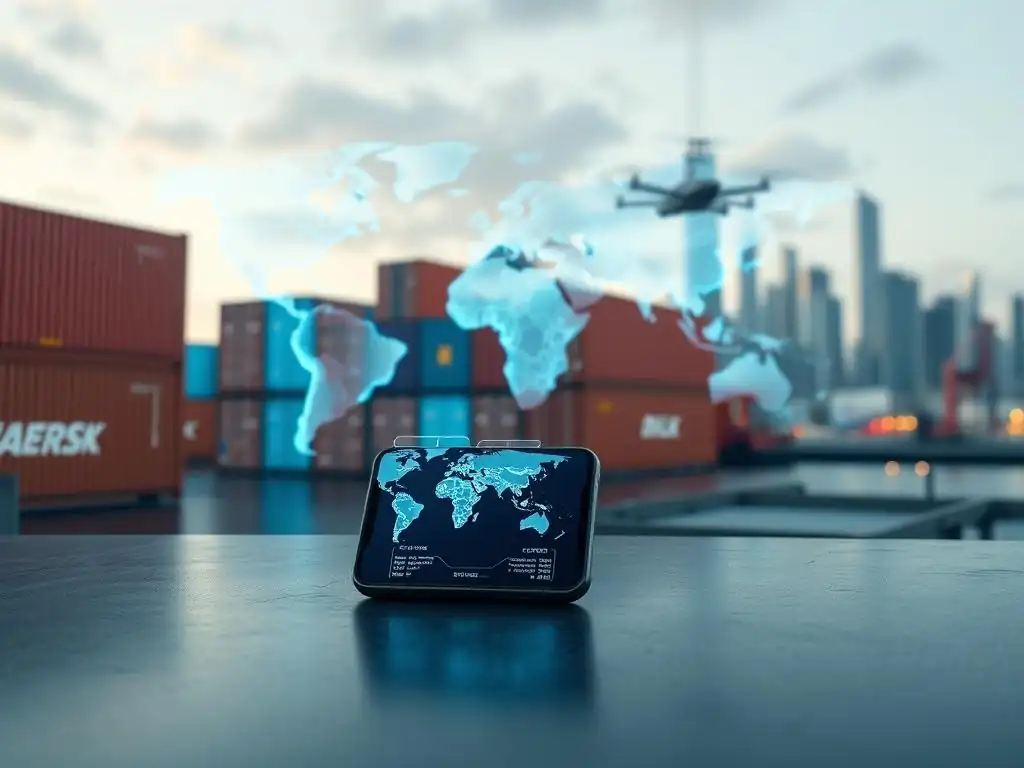
Welcome to Blockchain Trends, your guide to navigating the evolving landscape of blockchain technology. Beyond the hype, we delve into the real-world applications that are reshaping industries. Intrigued by how blockchain is revolutionizing global commerce? Then dive into our latest case studies, exploring the transformative power of blockchain trade finance solutions and how they're streamlining cross-border trade with unparalleled efficiency and security. Discover the possibilities and unlock the future of decentralized systems – your journey starts here.
The Problem: Lack of Transparency in Food Industry Global Supply Chains
Global food supply chains are incredibly complex, involving numerous intermediaries across different countries and continents. From farm to fork, a product might pass through growers, harvesters, processors, distributors, wholesalers, and retailers. This intricate web makes it exceedingly difficult to track the origin and journey of food items. When issues like contamination or spoilage occur, identifying the source quickly becomes a monumental task, often taking weeks or even months. This delay not only poses significant public health risks but also results in massive financial losses due to extensive, often unnecessary, product recalls.
The lack of transparency also fuels problems like food fraud and counterfeiting. Adulterated or mislabeled products can enter the supply chain undetected, eroding consumer trust and damaging brand reputations. The inability to definitively prove a product's authenticity or origin makes it challenging for all stakeholders, including those involved in blockchain trade finance solutions that rely on the underlying value of the goods being traded. Without clear, verifiable data on the product's history and handling, assessing risk and ensuring compliance throughout the international logistics journey becomes highly speculative and inefficient.
Blockchain-Based Platform for End-to-End Tracking and Verification (IBM Food Trust)
In response to these challenges, platforms leveraging blockchain technology have emerged. A prominent example is IBM Food Trust, a collaborative network built on the Hyperledger Fabric blockchain. This platform allows participants across the food ecosystem—from farmers and food manufacturers to retailers and consumers—to securely share and access information about a food product's journey. Each transaction and interaction with the product, such as harvesting dates, processing locations, shipping details, and temperature data, can be recorded as an immutable block on the distributed ledger.
Participation in IBM Food Trust is based on a permissioned network model, ensuring that data is shared only with authorized parties while maintaining data privacy and security. Retail giants, suppliers, and producers have joined this initiative, contributing data points that create a comprehensive, transparent history for each item.
This shared, tamper-evident record significantly enhances visibility, enabling participants to trace a product's path forward through the supply chain and backward to its source with unprecedented speed and accuracy. Such traceability is a critical enabler for secure and reliable blockchain trade finance solutions, as it provides verifiable proof of the goods' existence and condition.
Outcomes: Improved Product Authenticity and Reduced Counterfeiting Risks
The implementation of blockchain-based platforms like IBM Food Trust has yielded tangible improvements in the food industry supply chain. One of the most significant outcomes is the dramatic reduction in the time required to trace a food item back to its origin. What traditionally took days or even weeks using paper records and disparate databases can now often be accomplished in mere seconds. This speed is vital during foodborne illness outbreaks, allowing companies to pinpoint the source of contamination quickly, limit the scope of recalls, and protect public health more effectively, thereby reducing associated financial and reputational damage.
Furthermore, enhanced traceability directly combats food fraud and counterfeiting. With an immutable and verifiable digital trail for each product, it becomes significantly harder for fraudulent items to enter or move undetected within the supply chain.
Consumers gain greater confidence in the authenticity and safety of the food they purchase, often being able to scan a QR code to view the product's history. For businesses, this improved authenticity reduces financial losses from counterfeiting and builds stronger trust with consumers and trading partners, reinforcing the value proposition of integrated blockchain trade finance solutions that rely on the verified integrity of the goods being financed and transported.
- The Problem: Lack of Transparency in Food Industry Global Supply Chains
- Blockchain-Based Platform for End-to-End Tracking and Verification (IBM Food Trust)
- Outcomes: Improved Product Authenticity and Reduced Counterfeiting Risks
- What are the primary benefits of using blockchain for trade finance?
- How can blockchain specifically enhance security in cross-border logistics?
- What types of "enterprise applications" of blockchain are most relevant to trade finance?
- What are some regulatory challenges facing the adoption of blockchain in international trade?
- Beyond efficiency and security, what is the future potential of blockchain in trade finance?
Frequently Asked Questions
What are the primary benefits of using blockchain for trade finance?
Blockchain provides improved transparency and traceability in transactions, reducing fraud and risk. It also accelerates the trade process by automating tasks and removing intermediaries, leading to greater efficiency.
How can blockchain specifically enhance security in cross-border logistics?
Blockchain's immutable ledger ensures data integrity, making it difficult to tamper with shipment details. Smart contracts can automate payments upon verified delivery, and tracking becomes easier, preventing loss or theft.
What types of "enterprise applications" of blockchain are most relevant to trade finance?
Supply chain tracking, digital identity verification for participants, and automated letter of credit processes are some key enterprise applications. These contribute to a more seamless and secure trade environment.
What are some regulatory challenges facing the adoption of blockchain in international trade?
Lack of harmonized global regulations and differing legal frameworks across countries pose significant challenges. Uncertainty surrounding data privacy and security standards can also hinder adoption.
Beyond efficiency and security, what is the future potential of blockchain in trade finance?
Blockchain could enable new financial instruments like tokenized assets and decentralized lending platforms. It can also foster greater financial inclusion by providing access to trade finance for smaller businesses.
Final Reflection: Embracing the Blockchain Revolution in Global Trade
The exploration of blockchain solutions for cross-border trade, as detailed in this article, underscores a critical point: the future of international logistics hinges on secure and transparent technologies. The case studies presented are not merely theoretical exercises; they represent tangible steps towards a more efficient and trustworthy global marketplace, one where friction is minimized and collaboration is maximized. The potential of blockchain to revolutionize trade finance is no longer a distant promise, but a rapidly unfolding reality.
This digital transformation is profoundly impacting the cultural and social landscape of international trade. The shift towards decentralized, immutable ledgers fosters greater trust and accountability, empowering smaller businesses and leveling the playing field. This is particularly crucial in developing economies, where access to traditional trade finance can be limited. The blockchain is to trust as the internet is to information.
This quote encapsulates the fundamental shift we are witnessing: a move from reliance on intermediaries to reliance on verifiable, shared data.
As we conclude this exploration of blockchain trade finance solutions, I invite you to consider the implications of these advancements in your own sphere of influence. How can you leverage the principles of transparency, security, and efficiency to foster more collaborative and equitable trade practices? The journey towards a truly globalized and interconnected world requires not only technological innovation but also a commitment to ethical and sustainable practices. Let us all strive to be architects of a future where trade benefits all, powered by the transformative potential of blockchain.
Unleash the Power of Blockchain in Your Logistics!
Thank you for exploring how blockchain can revolutionize international trade. We hope this article offered valuable insights into how this technology can make global logistics more efficient and secure. Now, it's time to take action.
Consider taking these steps to explore blockchain's potential in your logistics operations:
- Initiate a pilot project: Identify a specific challenge in your cross-border operations and develop a small-scale blockchain solution to address it. Gaining hands-on experience will help you understand the practical benefits and feasibility of implementation. This should be your primary step.
- Connect with industry experts: Participate in online forums, attend blockchain conferences, or consult with specialists who focus on logistics solutions. Learning from experienced professionals will keep you informed about the latest innovations.
- Share this article: Spread awareness about blockchain's transformative potential by sharing this content with colleagues and industry peers through your networks.
Which part of your cross-border logistics process do you think could benefit most from blockchain technology? Share your thoughts in the comments below!
Leave a Reply