
The Creator Economy in the Metaverse: Empowering Gamers with Blockchain Tools

Welcome to Blockchain Trends, your compass in the ever-evolving world of decentralized innovation! Are you ready to discover how blockchain is reshaping industries beyond just cryptocurrencies? Dive in as we explore the transformative potential of DeFi, enterprise applications, and the future of decentralized systems.
Intrigued by the intersection of gaming and blockchain? In this article, we're unlocking the secrets of blockchain gaming creator tools, revealing how they're empowering a new generation of game developers and players in the metaverse. Discover how these tools are revolutionizing game creation and ownership – and what this means for the future of play. What will you create?
The Creator Economy in the Metaverse: Empowering Gamers with Blockchain Tools
- Introduction: The Rise of Blockchain Gaming and the Metaverse Creator Economy
- What are Blockchain Gaming Creator Tools? A Deep Dive
- Benefits of Using Blockchain Gaming Creator Tools
- Leading Blockchain Gaming Creator Tools and Platforms
- How Blockchain Gaming Creator Tools are Transforming the Metaverse
- The Future of the Creator Economy in Blockchain Gaming
- Challenges and Considerations for Blockchain Gaming Creators
- Real-World Examples of Successful Blockchain Gaming Creator Initiatives
- Conclusion: Embracing the Decentralized Future of Gaming
-
Frequently Asked Questions
- What are blockchain gaming creator tools, and how do they empower gamers?
- How does blockchain impact the creator economy within the metaverse gaming space?
- What role do NFTs play in blockchain gaming creator tools and the metaverse?
- What are some potential regulatory challenges surrounding blockchain gaming creator tools and the metaverse?
- How might blockchain gaming creator tools shape the future of game development and the overall gaming experience?
- Final Reflection: Unleashing Creative Potential in the Metaverse
- Unlock Your Metaverse Potential Now!
Introduction: The Rise of Blockchain Gaming and the Metaverse Creator Economy
Understanding the Convergence of Blockchain, Gaming, and the Metaverse
The intersection of blockchain technology, gaming, and the metaverse is forging a revolutionary landscape, fundamentally altering how digital content is created, owned, and experienced. Blockchain, originally conceived as the backbone of cryptocurrencies, is now extending its disruptive influence into the gaming industry, particularly within the burgeoning metaverse.
This digital frontier, envisioned as persistent, shared, 3D virtual worlds, is becoming the new battleground for innovation, and blockchain provides the crucial infrastructure for building a truly decentralized and player-owned metaverse. This convergence is not merely about integrating cryptocurrencies into games; it's about leveraging blockchain's inherent properties – transparency, immutability, and decentralization – to empower creators and players in unprecedented ways.
The metaverse, in its evolving definition, represents a persistent digital realm where users can interact with each other and digital objects in immersive and interactive ways. Traditional gaming models often place significant control in the hands of game developers and publishers, dictating in-game economies and asset ownership. However, blockchain technology offers a paradigm shift.
By integrating blockchain, metaverse games are moving towards models where digital assets can be tokenized as NFTs (Non-Fungible Tokens), granting players verifiable ownership and control. This shift is critical because it lays the foundation for a genuine creator economy within the metaverse, where gamers are not just consumers but also creators, owners, and active participants in shaping the virtual worlds they inhabit.
The Untapped Potential of Gamer Empowerment Through Decentralization
Decentralization, a core tenet of blockchain, is the key to unlocking the full potential of gamer empowerment in the metaverse. Traditional gaming ecosystems are centralized, meaning that game assets and economies are controlled by a single entity. This centralized control can lead to issues such as arbitrary in-game asset devaluation, account bans that strip players of their investments, and a lack of true ownership over digital items acquired or earned within the game.
Blockchain gaming, however, introduces a decentralized model where these limitations are challenged. By leveraging blockchain-based creator tools, gamers gain the ability to create, own, and monetize their in-game creations in a transparent and secure manner.
This empowerment extends beyond mere asset ownership. Decentralization fosters a more democratic and collaborative game development environment. Blockchain gaming creator tools facilitate the creation of user-generated content (UGC) that can be seamlessly integrated into metaverse experiences.
This opens up new avenues for gamers to become active contributors to the games they play, turning them from passive consumers into active builders and stakeholders. Furthermore, decentralized governance models, often implemented through Decentralized Autonomous Organizations (DAOs), are emerging in blockchain gaming, giving players a voice in the direction and development of the game itself. This shift towards decentralization is not just a technological upgrade; it represents a fundamental change in the power dynamics within the gaming industry, placing more control and agency in the hands of the gamers themselves.
What are Blockchain Gaming Creator Tools? A Deep Dive
Defining Blockchain-Based Creator Tools for Metaverse Games
Blockchain gaming creator tools are software and platforms that empower users to design, develop, and deploy game assets, experiences, and even entire games within metaverse environments, utilizing blockchain technology. These tools are specifically designed to leverage the unique capabilities of blockchain, such as NFT minting, smart contracts, and decentralized governance, to create a new generation of gaming experiences. Unlike traditional game development tools that operate within centralized systems, blockchain gaming creator tools are often built on open and decentralized platforms, fostering greater accessibility, transparency, and player ownership.
These tools are diverse, ranging from no-code or low-code visual editors for creating virtual land, avatars, and in-game items, to more complex software development kits (SDKs) that allow experienced developers to build intricate game mechanics and integrate smart contract functionalities. The core purpose of these tools is to bridge the gap between traditional game development and the decentralized web, enabling creators, regardless of their technical expertise, to participate in the burgeoning metaverse economy.
They facilitate the creation of digital assets that are not just in-game items but also verifiable, tradable, and potentially interoperable NFTs, fundamentally changing the nature of digital ownership in gaming.
Key Features and Functionalities of Blockchain Gaming Creation Platforms
Blockchain gaming creation platforms are distinguished by a set of key features and functionalities that set them apart from traditional game development environments. A central feature is NFT integration. These platforms provide tools to easily mint and manage NFTs representing in-game assets, virtual land, avatars, and other digital collectibles.
This NFT functionality is crucial as it establishes provable ownership and scarcity, enabling players to truly own their digital assets and trade them freely on open marketplaces. Smart contract integration is another vital aspect, allowing creators to program complex game logic, in-game economies, and decentralized governance mechanisms directly into their metaverse creations. Smart contracts automate processes, ensure transparency, and remove the need for intermediaries in various game interactions.
Furthermore, many platforms offer visual scripting or no-code/low-code interfaces, making game creation accessible to users without extensive programming knowledge. These user-friendly tools empower artists, designers, and even gamers with no coding background to contribute to the metaverse content ecosystem. Marketplace integration is also a common feature, allowing creators to directly sell or trade their NFTs within the platform's ecosystem or on broader NFT marketplaces.
Beyond creation tools, these platforms often incorporate decentralized governance mechanisms, allowing token holders to participate in decision-making processes related to platform development, content curation, and economic policies. This combination of features fosters a more open, democratized, and player-centric approach to game development and metaverse content creation.
The Role of NFTs in Empowering Creators and Gamers
Non-Fungible Tokens (NFTs) are at the heart of the empowerment offered by blockchain gaming creator tools. NFTs are unique digital assets that are verifiably scarce and owned by a single user, thanks to the underlying blockchain technology. In the context of gaming, NFTs transform in-game items from mere digital representations within a game's database into tangible digital assets that players truly own and control. This fundamental shift in ownership is revolutionary for both creators and gamers.
For creators, NFTs offer new monetization models and the ability to directly benefit from the secondary market sales of their creations. Historically, creators within traditional gaming often receive limited or no ongoing revenue after the initial sale of their game or in-game items. NFTs, however, can be programmed with creator royalties, ensuring that creators earn a percentage of each subsequent sale of their NFTs on secondary marketplaces, fostering a more sustainable creator economy.
For gamers, NFTs represent true digital ownership. In traditional games, if a game shuts down, all in-game assets, regardless of player investment, are typically lost. With NFTs, players retain ownership of their assets even if a specific game ceases to exist.
This ownership extends beyond a single game; the potential for NFT interoperability across different metaverse platforms is a growing area of development. NFTs also empower gamers to participate in play-to-earn models, where they can earn cryptocurrency or NFTs by playing games, contributing to the game ecosystem, or creating and trading in-game assets. This fundamentally alters the relationship between gamers and games, transforming gaming from a purely leisure activity into a potential source of income and economic empowerment.
Benefits of Using Blockchain Gaming Creator Tools
Enhanced Ownership and Control for Game Developers
Blockchain gaming creator tools offer game developers unprecedented levels of ownership and control over their creations and in-game economies. In traditional gaming, developers often rely on centralized platforms and publishers, which can impose restrictions on game design, monetization strategies, and even ownership of the game itself. Blockchain, however, allows developers to build and deploy games in a more decentralized and permissionless manner.
By utilizing blockchain gaming creator tools, developers can mint their own in-game assets as NFTs and implement custom smart contracts to govern their game's economy and rules. This direct control eliminates the reliance on intermediaries and reduces the risk of arbitrary platform policies affecting their games.
This enhanced ownership extends to the intellectual property (IP) of the game. While copyright laws protect IP in traditional gaming, blockchain technology can further solidify ownership and provenance of digital assets. NFTs act as verifiable proof of ownership and authenticity, making it easier for developers to protect their creations in the digital space.
Furthermore, the transparency of blockchain allows developers to build trust with their player communities. By making game economies and rulesets transparently auditable through smart contracts, developers can foster greater confidence and engagement from their player base, knowing that the game's mechanics are fair and immutable. This increased control and transparency can lead to more sustainable and developer-friendly gaming ecosystems.
New Revenue Streams and Monetization Models for Gamers
Blockchain gaming creator tools are unlocking entirely new revenue streams and monetization models for gamers, moving beyond traditional pay-to-play or in-app purchase models. The integration of NFTs and play-to-earn mechanics is at the forefront of this revolution. Gamers can now earn cryptocurrency and NFTs by actively participating in games, contributing to the game ecosystem, and creating and trading in-game assets. This shift from a purely consumer role to a potentially earning role is a significant paradigm shift in the gaming industry.
Play-to-earn models, facilitated by blockchain gaming creator tools, enable gamers to monetize their skills, time, and creativity within metaverse environments. For instance, gamers can earn by participating in in-game quests, battles, or tournaments, receiving NFT rewards or cryptocurrency as prizes. They can also create and sell in-game assets, such as virtual land, avatars, or items, on NFT marketplaces, benefiting directly from their creative contributions.
Furthermore, some blockchain games are implementing staking mechanisms, allowing gamers to earn passive income by holding and staking their in-game tokens. These diverse revenue streams are not only empowering gamers financially but also creating new economic opportunities within the metaverse, potentially transforming gaming from a leisure activity into a viable source of income for some individuals.
Fostering Community-Driven Content Creation and Collaboration
Blockchain gaming creator tools are instrumental in fostering community-driven content creation and collaboration within metaverse games. Traditional game development often follows a top-down approach, with game studios dictating the content and direction of the game. However, blockchain technology empowers communities to actively participate in shaping the metaverse experiences they inhabit. Blockchain gaming creator tools often feature user-friendly interfaces and SDKs that lower the barrier to entry for content creation, allowing a wider range of users to contribute to the game world.
This democratization of content creation leads to more diverse and vibrant metaverse environments. Users can create and share their own virtual spaces, avatars, items, and even mini-games within the larger metaverse, enriching the overall experience for everyone. Furthermore, blockchain facilitates new forms of collaboration and co-creation.
Smart contracts can be used to establish transparent and automated revenue sharing mechanisms for collaborative projects, incentivizing community members to work together on content creation. Decentralized governance models can also empower communities to collectively decide on the direction of content development, in-game events, and platform policies, fostering a sense of ownership and shared responsibility among players. This community-driven approach can lead to more engaging, dynamic, and evolving metaverse experiences that are truly shaped by their users.
Increased Transparency and Security in Game Development
Blockchain technology inherently brings increased transparency and security to game development processes, addressing some of the long-standing concerns within the traditional gaming industry. Transparency is enhanced through the immutable and auditable nature of blockchain. Game economies, rulesets, and asset ownership can be recorded on the blockchain, making them publicly verifiable.
This transparency builds trust between developers and players, as it reduces the potential for hidden manipulations or unfair practices within the game. For example, smart contracts governing in-game economies ensure that the rules are enforced automatically and transparently, eliminating the possibility of developers arbitrarily altering game mechanics to their advantage.
Security is also significantly improved by blockchain. Decentralized networks are inherently more resistant to single points of failure and censorship compared to centralized systems. NFTs, secured by cryptographic hashes on the blockchain, are significantly more secure than traditional in-game items stored in centralized databases, reducing the risk of item duplication, hacking, or loss of ownership.
Furthermore, blockchain-based authentication and identity management systems can enhance account security and protect player data. While blockchain itself does not eliminate all security risks, it provides a robust foundation for building more secure and trustworthy gaming environments, particularly in the context of metaverse economies where digital assets hold real-world value.
Leading Blockchain Gaming Creator Tools and Platforms
Overview of Decentraland and Its Features
Decentraland stands out as a pioneering decentralized virtual world built on the Ethereum blockchain, offering a comprehensive suite of blockchain gaming creator tools. It is characterized by its open and decentralized nature, where users have full ownership of their virtual land parcels (LAND) represented as NFTs. Decentraland's creator tools primarily revolve around its SDK (Software Development Kit), which allows users to build scenes, applications, and interactive experiences on their LAND. This SDK provides a wide range of functionalities, from basic scene building using pre-built assets to more advanced scripting capabilities using TypeScript for creating complex interactions and game mechanics.
A key feature of Decentraland is its Builder tool, a user-friendly drag-and-drop interface that simplifies scene creation for users without coding experience. The Builder allows users to assemble scenes using a library of pre-made assets, customize their LAND, and even create simple interactive elements. For more advanced creators, the Decentraland SDK provides greater flexibility and control, enabling the development of complex applications, games, and experiences.
Decentraland also features a built-in marketplace for trading LAND and other in-world assets, facilitating a vibrant creator economy. Furthermore, Decentraland is governed by a Decentralized Autonomous Organization (DAO), giving LAND holders voting rights on platform governance proposals, reflecting its commitment to decentralization and community control.
Overview of The Sandbox and Its Features
The Sandbox is another leading metaverse platform that empowers creators with blockchain gaming creator tools, focusing on user-generated content and voxel-based aesthetics. Built on the Ethereum blockchain (and transitioning to Polygon), The Sandbox provides a suite of tools designed to make metaverse content creation accessible to a broad audience, including artists, gamers, and brands. Similar to Decentraland, virtual land in The Sandbox, called LAND, is represented as NFTs, granting users ownership and control. The Sandbox ecosystem is centered around three main creator tools: VoxEdit, Game Maker, and the Marketplace.
VoxEdit is a user-friendly voxel editor that allows creators to design and animate 3D assets, such as avatars, items, and environmental elements, using a simple and intuitive interface. These voxel assets can then be imported into the Game Maker, a no-code visual scripting tool that enables users to create interactive games and experiences on their LAND without requiring programming skills.
The Marketplace serves as a platform for creators to monetize their creations by selling ASSETS (voxel assets created in VoxEdit) and LAND NFTs. The Sandbox emphasizes user-generated content and has fostered a thriving creator community, attracting numerous brands and partnerships seeking to establish a presence in its metaverse.
Overview of Axie Infinity and Its Features
Axie Infinity, while primarily known as a play-to-earn blockchain game, also incorporates creator elements and offers tools that empower its community. Built on the Ronin blockchain (an Ethereum sidechain), Axie Infinity revolves around collecting, breeding, and battling digital creatures called Axies, which are NFTs. While not directly offering a general-purpose metaverse creator toolkit like Decentraland or The Sandbox, Axie Infinity's ecosystem fosters a creator economy focused on Axie-related content, tools, and experiences. The core creator tools within the Axie Infinity ecosystem are more community-driven and less formally platform-provided compared to the previous examples.
The Axie Infinity Developer Program encourages community developers to build tools and experiences that enhance the Axie Infinity ecosystem. This program provides resources and support for developers to create things like Axie breeding simulators, battle analyzers, community marketplaces, and even mini-games leveraging Axie assets.
While Axie Infinity does not have a direct "world-building" SDK like Decentraland or The Sandbox, its open API and NFT ecosystem enable developers to create value-added services and tools around the core Axie Infinity game. Furthermore, the upcoming Land gameplay within Axie Infinity is expected to introduce more direct creator tools for customizing and developing experiences on player-owned Land NFTs, potentially expanding its creator ecosystem further.
Comparison of Popular Blockchain Gaming Creator Toolsets
Comparing the creator toolsets of Decentraland, The Sandbox, and Axie Infinity reveals distinct approaches and strengths. Decentraland offers a robust and versatile SDK suitable for experienced developers, alongside a user-friendly Builder tool for simpler scene creation. Its focus is on building a decentralized virtual world with a wide range of experiences.
The Sandbox prioritizes user-generated content and voxel-based aesthetics, providing intuitive tools like VoxEdit and Game Maker that are accessible to creators of all skill levels. Its strength lies in its ease of use and strong community focus. Axie Infinity, while not a general metaverse platform, fosters a creator ecosystem around its core game, primarily driven by community developers leveraging its open API and NFT assets.
In terms of accessibility, The Sandbox arguably offers the most beginner-friendly toolset with its no-code Game Maker and intuitive VoxEdit. Decentraland provides a balance, with the Builder catering to beginners and the SDK offering advanced capabilities. Axie Infinity's creator tools are more community-driven and require a deeper understanding of its ecosystem and APIs.
Regarding creative flexibility, Decentraland's SDK offers the most extensive capabilities for complex and customized experiences, while The Sandbox excels in voxel-based art and game creation. Axie Infinity's creator tools are more specialized and focused on enhancing the Axie Infinity game experience. Ultimately, the "best" toolset depends on the creator's specific goals, technical skills, and desired level of creative control.
How Blockchain Gaming Creator Tools are Transforming the Metaverse
Enabling User-Generated Content (UGC) on a Massive Scale
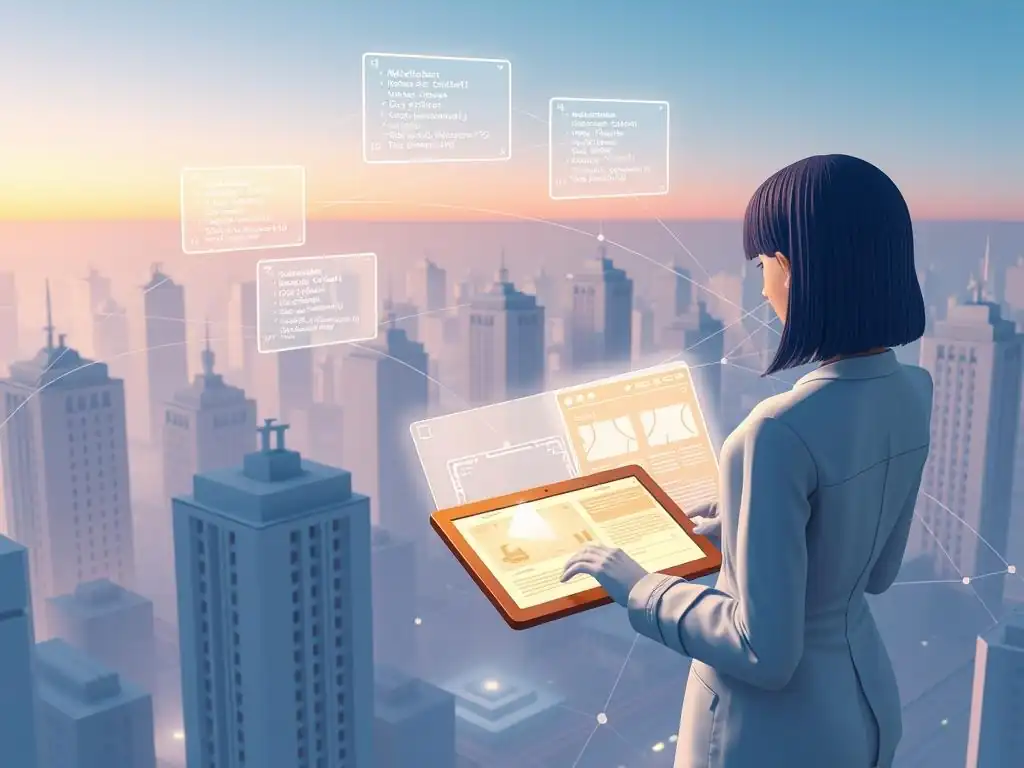
Blockchain gaming creator tools are fundamentally transforming the metaverse by enabling user-generated content (UGC) on a scale previously unimaginable. Traditional metaverse platforms often rely on centralized studios or curated content pipelines to populate their virtual worlds. However, blockchain democratizes content creation by empowering users to become active builders and contributors. The ease of use of platforms like The Sandbox and Decentraland, coupled with the economic incentives of NFT ownership and play-to-earn models, is unleashing a wave of user-generated content across the metaverse.
This massive influx of UGC is leading to more diverse, dynamic, and engaging metaverse experiences. Users are creating everything from virtual art galleries and music venues to interactive games and social hubs within these platforms. The sheer volume of UGC being generated is rapidly expanding the scope and richness of the metaverse, moving it beyond pre-defined experiences towards a more organic and community-driven ecosystem. Furthermore, the decentralized nature of blockchain ensures that this UGC is not controlled by a single entity, fostering a more open and permissionless environment for creativity and innovation.
Democratizing Game Development and Reducing Entry Barriers
Blockchain gaming creator tools are significantly democratizing game development by reducing entry barriers and empowering a wider range of individuals to participate in creating metaverse experiences. Traditional game development often requires significant financial investment, technical expertise, and access to specialized resources. Blockchain platforms and their associated creator tools are lowering these barriers by providing accessible and often free-to-use software, along with economic incentives for creators.
No-code and low-code tools like The Sandbox's Game Maker and Decentraland's Builder empower artists, designers, and even gamers without programming skills to create interactive experiences. The play-to-earn models and NFT monetization opportunities within these platforms also provide a pathway for independent creators to earn a living from their metaverse creations, reducing the reliance on traditional funding sources or publishing deals. This democratization is not only expanding the pool of metaverse creators but also fostering greater diversity in game development, leading to more innovative and unconventional gaming experiences.
Creating Immersive and Interactive Metaverse Experiences
Blockchain gaming creator tools are driving the creation of more immersive and interactive metaverse experiences by empowering creators to build richer and more engaging virtual worlds. The integration of blockchain functionalities, such as NFTs and smart contracts, allows for the development of novel game mechanics and interactive elements that are not possible in traditional gaming environments. For example, NFTs enable persistent digital ownership and scarcity, creating unique collectibles and in-game assets that have real-world value and can be traded and utilized across different metaverse experiences (in the future, with greater interoperability).
Smart contracts enable the creation of decentralized and automated game economies, in-game events, and governance mechanisms, fostering more dynamic and player-driven virtual worlds. Furthermore, the collaborative nature of blockchain gaming and the ease of UGC creation are leading to more diverse and socially interactive metaverse experiences.
Users are not just passively consuming content; they are actively participating in shaping the metaverse, contributing their own creations, and interacting with others in shared virtual spaces. This combination of blockchain technology and user-friendly creator tools is paving the way for a new generation of immersive and interactive metaverse experiences that are more engaging, dynamic, and player-centric than ever before.
The Future of the Creator Economy in Blockchain Gaming
The Evolution of Decentralized Game Development
The future of game development is increasingly leaning towards decentralization, and blockchain gaming creator tools are at the forefront of this evolution. Traditional game development models are often centralized, with game studios holding significant control over game assets, economies, and player experiences. Decentralized game development, powered by blockchain, is shifting this paradigm by distributing control and ownership among players and creators. This evolution is being driven by the desire for greater player empowerment, more transparent game economies, and new monetization models for both developers and gamers.
We are seeing a gradual shift from centralized game servers and databases to more decentralized architectures, leveraging blockchain for asset management, in-game economies, and even game logic. Decentralized Autonomous Organizations (DAOs) are also emerging as a governance model for blockchain games, allowing communities to participate in decision-making processes related to game development and platform policies.
This evolution towards decentralization is not just a technological trend; it represents a fundamental shift in the power dynamics within the gaming industry, paving the way for more open, transparent, and player-centric gaming ecosystems. Blockchain gaming creator tools are essential enablers of this decentralized future, providing the infrastructure and functionalities necessary to build and manage these new types of gaming experiences.
Emerging Trends in Blockchain Gaming Creator Tools
Several exciting trends are emerging in the realm of blockchain gaming creator tools, further enhancing their capabilities and accessibility. One notable trend is the increasing sophistication of no-code and low-code tools. Platforms are developing more advanced visual scripting systems, drag-and-drop interfaces, and pre-built templates that empower creators with even less technical expertise to build complex metaverse experiences. This trend is crucial for onboarding a wider range of creators and expanding the diversity of content within blockchain gaming platforms.
Another trend is the growing focus on interoperability and cross-platform compatibility. Efforts are underway to develop standards and tools that allow NFTs and metaverse assets created on one platform to be used in other platforms. This interoperability would unlock the true potential of digital ownership and create a more interconnected and open metaverse ecosystem.
We are also seeing advancements in AI-powered creator tools, which can assist creators with tasks such as asset generation, level design, and game balancing, further streamlining the content creation process and enhancing creative possibilities. Finally, the integration of Web3 social features into creator tools is becoming more prevalent, allowing creators to directly engage with their communities, collaborate on projects, and build decentralized social networks within their metaverse creations.
The Impact of AI and Machine Learning on Metaverse Content Creation
Artificial intelligence (AI) and machine learning (ML) are poised to have a significant impact on metaverse content creation, particularly in conjunction with blockchain gaming creator tools. AI-powered tools can automate and streamline various aspects of content creation, from generating 3D assets and textures to designing game levels and creating dynamic in-game events.
For example, AI algorithms can be used to procedurally generate vast and diverse virtual environments, reducing the manual effort required for world-building. ML models can also assist with tasks such as character animation, sound design, and even game balancing, allowing creators to focus on higher-level creative tasks and storytelling.
Furthermore, AI can personalize metaverse experiences for individual users. Machine learning algorithms can analyze user behavior and preferences to dynamically adapt game content, difficulty levels, and even narrative elements, creating more engaging and tailored experiences. AI-powered creator tools can also empower users with limited artistic or technical skills to express their creativity in the metaverse.
For instance, AI-assisted avatar creation tools could allow users to generate unique and personalized avatars based on simple prompts or inputs. As AI and ML technologies continue to advance, their integration with blockchain gaming creator tools will likely revolutionize metaverse content creation, making it more efficient, accessible, and personalized.
Challenges and Considerations for Blockchain Gaming Creators
Scalability Issues and Transaction Costs
Despite the immense potential, blockchain gaming creator tools and platforms face several challenges, including scalability issues and transaction costs. Blockchain networks, particularly Ethereum (where many early platforms are built), can experience congestion during periods of high demand, leading to slow transaction speeds and high gas fees (transaction costs). These scalability limitations can impact the user experience for blockchain games and creator platforms, particularly for activities that involve frequent on-chain transactions, such as NFT minting, trading, and in-game interactions.
High gas fees can also create a barrier to entry for creators, especially those working with smaller budgets or creating lower-value assets. While layer-2 scaling solutions like Polygon and sidechains like Ronin are being implemented to address these issues, scalability remains a significant challenge for the widespread adoption of blockchain gaming creator tools.
Creators need to be mindful of these limitations when designing their metaverse experiences and consider strategies to minimize transaction costs and optimize for scalability. Furthermore, the ongoing development and improvement of blockchain infrastructure are crucial for overcoming these scalability challenges and enabling a smoother and more cost-effective experience for blockchain gaming creators and players.
Security Risks and Vulnerabilities
Security risks and vulnerabilities are another critical consideration for blockchain gaming creators. While blockchain technology itself is inherently secure, smart contracts and metaverse platforms built on top of blockchain are not immune to security flaws. Smart contract vulnerabilities can be exploited by hackers to drain funds, manipulate game economies, or steal NFTs. Metaverse platforms can also be susceptible to traditional web security vulnerabilities, such as phishing attacks, account hacks, and denial-of-service attacks.
Creators need to prioritize security throughout the development process, including thorough smart contract audits, secure coding practices, and robust platform security measures. Users also need to be educated about security best practices, such as using secure wallets, being wary of phishing attempts, and practicing good password hygiene. The decentralized and transparent nature of blockchain also means that security breaches can have significant and publicly visible consequences. Therefore, robust security practices and ongoing vigilance are essential for building trust and ensuring the long-term sustainability of blockchain gaming creator ecosystems.
Regulatory Uncertainty and Compliance
Regulatory uncertainty and compliance represent a significant challenge for the blockchain gaming and metaverse space as a whole, and this uncertainty directly impacts blockchain gaming creators. The legal and regulatory landscape surrounding cryptocurrencies, NFTs, and metaverse activities is still evolving, and varies significantly across different jurisdictions. Creators need to navigate this complex and often unclear regulatory environment to ensure compliance with applicable laws and regulations.
Issues such as the legal classification of NFTs, taxation of virtual assets, and regulations related to play-to-earn mechanics are still being debated and clarified in many regions. Creators need to stay informed about the evolving regulatory landscape and seek legal counsel when necessary to ensure they are operating within legal boundaries. Regulatory uncertainty can create challenges for fundraising, partnerships, and the overall long-term viability of blockchain gaming projects. Clearer and more consistent regulatory frameworks are needed to foster innovation and growth in the blockchain gaming and metaverse creator economy while protecting users and ensuring responsible development.
Real-World Examples of Successful Blockchain Gaming Creator Initiatives
Case Study: Decentraland and its Creator-Focused Ecosystem
Decentraland serves as a prime example of a successful blockchain gaming creator initiative, showcasing the potential of a creator-focused metaverse ecosystem. From its inception, Decentraland has prioritized user-generated content and empowered its community to build and own the virtual world. Its LAND NFT system grants users true ownership of virtual land parcels, incentivizing them to develop and populate their land with creative experiences. Decentraland's Builder tool and SDK have enabled thousands of creators, from individuals to brands, to build diverse and engaging experiences within the metaverse.
The Decentraland ecosystem has witnessed a wide range of successful creator initiatives, including virtual art galleries showcasing NFT art, music venues hosting virtual concerts, interactive games and quests built by community developers, and virtual storefronts for brands and businesses. For example, Sotheby's, a renowned auction house, has established a virtual gallery in Decentraland to showcase and sell digital art.
Samsung has created a virtual store in Decentraland to promote its products and engage with metaverse users. These real-world examples demonstrate the versatility and potential of Decentraland as a creator-driven metaverse platform, attracting both individual creators and established brands to its ecosystem.
Case Study: The Sandbox and its Creator-Focused Ecosystem
The Sandbox provides another compelling case study of a thriving creator-focused blockchain gaming metaverse. Its emphasis on user-generated content and accessible creator tools has fostered a vibrant community of creators and artists. The Sandbox's VoxEdit and Game Maker tools have empowered users with diverse backgrounds to create voxel-based assets and interactive experiences, contributing to the platform's rich and visually distinctive metaverse. The Sandbox's Marketplace has also facilitated a robust creator economy, allowing users to monetize their creations by selling ASSETS and LAND NFTs.
The Sandbox has attracted numerous partnerships with brands and IPs, further expanding its creator ecosystem and content diversity. For instance, The Sandbox has partnered with brands like Adidas, Atari, and Snoop Dogg, who have created virtual experiences and assets within the platform. These brand partnerships not only bring established names into the metaverse but also provide opportunities for creators to collaborate with well-known entities and expand their reach. The Sandbox's success demonstrates the power of user-friendly creator tools and brand collaborations in building a thriving and commercially viable blockchain gaming metaverse.
Analyzing the Impact of Blockchain on Game Economies
Analyzing the impact of blockchain on game economies reveals a fundamental shift towards more player-centric and creator-driven models. Traditional game economies are often centralized and controlled by game developers, with limited player ownership or control over in-game assets. Blockchain technology, particularly NFTs and play-to-earn mechanics, is disrupting this model by empowering players with true digital ownership and new economic opportunities.
Blockchain-based game economies are characterized by increased transparency, player ownership, and the potential for real-world value exchange. NFTs grant players verifiable ownership of in-game assets, allowing them to trade, sell, or utilize these assets outside of the game ecosystem. Play-to-earn models incentivize player participation and contribution, rewarding gamers with cryptocurrency or NFTs for their in-game activities.
These new economic models are not only empowering players financially but also creating more sustainable and engaging game economies. For example, games like Axie Infinity have demonstrated the potential of play-to-earn to create viable income streams for players, particularly in developing countries. The long-term impact of blockchain on game economies is likely to be profound, leading to more equitable, player-centric, and creator-driven gaming ecosystems.
Conclusion: Embracing the Decentralized Future of Gaming
The Power of Blockchain Gaming Creator Tools to Empower Gamers
Blockchain gaming creator tools represent a paradigm shift in the gaming industry, fundamentally empowering gamers by giving them greater ownership, control, and economic opportunities within metaverse environments. These tools democratize content creation, reduce entry barriers to game development, and foster community-driven innovation. By leveraging blockchain technology, these tools enable the creation of truly player-owned and player-driven metaverse experiences, moving away from traditional centralized gaming models.
The empowerment extends beyond mere asset ownership; it encompasses the ability for gamers to become active creators, contributors, and stakeholders in the games they play. Blockchain gaming creator tools facilitate the development of user-generated content, play-to-earn models, and decentralized governance mechanisms, transforming gamers from passive consumers into active participants in shaping the future of gaming. This empowerment is not just about technology; it's about a fundamental shift in power dynamics, placing more control and agency in the hands of the gaming community.
The Potential for a Thriving Metaverse Creator Economy
The convergence of blockchain, gaming, and the metaverse is unlocking the immense potential for a thriving metaverse creator economy. Blockchain gaming creator tools are the engines driving this economy, enabling creators to build, monetize, and own their metaverse creations in unprecedented ways. NFTs provide verifiable digital ownership and new revenue streams for creators through secondary market royalties. Play-to-earn models incentivize player participation and contribution, creating new economic opportunities within metaverse environments.
This nascent creator economy is already showing signs of significant growth and potential. Platforms like Decentraland and The Sandbox are witnessing a surge in user-generated content and creator activity, with thriving marketplaces for NFTs and virtual assets. Brands and businesses are also increasingly recognizing the potential of the metaverse creator economy, seeking to establish a presence and engage with metaverse users. As blockchain technology matures and creator tools become more sophisticated, the metaverse creator economy is poised to become a significant force in the digital economy, providing new avenues for creativity, innovation, and economic empowerment.
Call to Action: Exploring and Contributing to the Blockchain Gaming Revolution
The blockchain gaming revolution is underway, and blockchain gaming creator tools are essential for building the decentralized future of gaming. This is a call to action for gamers, developers, artists, and anyone interested in the future of digital entertainment to explore and contribute to this exciting space.
For gamers, it's an opportunity to become more than just consumers; to become creators, owners, and active participants in shaping the metaverse experiences they inhabit. For developers and artists, it's a chance to leverage new technologies and creator tools to build innovative and impactful gaming experiences, and to directly benefit from their creations through new monetization models.
Exploring blockchain gaming creator tools, experimenting with metaverse content creation, and engaging with blockchain gaming communities are crucial steps in contributing to this revolution. Whether you are a seasoned developer or a curious gamer, there are opportunities to learn, build, and participate in the decentralized future of gaming. The blockchain gaming revolution is not just about technology; it's about empowering individuals, fostering creativity, and building a more open, equitable, and player-centric gaming ecosystem.
Frequently Asked Questions
What are blockchain gaming creator tools, and how do they empower gamers?
These tools leverage blockchain technology to allow gamers to create, own, and monetize their in-game assets. This gives them greater control and earning potential within virtual worlds.
How does blockchain impact the creator economy within the metaverse gaming space?
Blockchain introduces decentralized ownership, enabling creators to directly benefit from their creations through NFTs and other mechanisms. This fosters a more equitable and transparent ecosystem.
What role do NFTs play in blockchain gaming creator tools and the metaverse?
NFTs act as unique digital certificates of ownership for in-game items and assets. This allows creators to sell, trade, and manage their creations in a secure and verifiable manner.
What are some potential regulatory challenges surrounding blockchain gaming creator tools and the metaverse?
Regulation is evolving, with concerns around intellectual property rights, security, and the classification of virtual assets. Clearer guidelines are needed to foster responsible innovation.
How might blockchain gaming creator tools shape the future of game development and the overall gaming experience?
These tools could democratize game development, enabling more independent creators to participate and lead to more diverse and player-driven gaming experiences. The potential is for greater player agency and creativity.
Final Reflection: Unleashing Creative Potential in the Metaverse
The rise of the creator economy within the metaverse, fueled by blockchain gaming creator tools, is not just a technological advancement; it's a fundamental shift in power dynamics. We're witnessing the democratization of game development and content creation, empowering gamers to become active participants in shaping the virtual worlds they inhabit and profit from their creativity. This represents a profound change from traditional, centralized gaming models.
The ability for gamers to own, trade, and monetize their creations using blockchain technology has already begun to reshape the cultural landscape of gaming. This shift towards user-generated content and decentralized ownership is not merely a trend, but a foundational change that will continue to redefine how we interact with digital worlds. The future of gaming isn't just about playing; it's about creating, owning, and sharing in the value you generate.
This sentiment encapsulates the transformative potential of blockchain gaming creator tools, offering a glimpse into a future where creativity is rewarded and ownership is truly decentralized.
As we stand on the cusp of this new era, I invite you to reflect on the possibilities that lie ahead. How can you leverage these blockchain gaming creator tools to unleash your own creative potential? How can you contribute to building a more equitable and engaging metaverse, where gamers are empowered to shape their own digital destinies? The future of the creator economy in the metaverse is being written now, and your participation is crucial.
Unlock Your Metaverse Potential Now!
Thank you for exploring the exciting world of the creator economy within the Metaverse. You've gained valuable insights into how blockchain tools are empowering gamers and transforming digital creation. Are you ready to take charge and build your own virtual empire?
Here’s how to begin:
- Start minting your in-game creations as NFTs to actively participate in the metaverse creator economy.
- Explore various Metaverse platforms to find the community that best matches your style and interests.
- Share this article with fellow gamers and creators interested in blockchain technology—let’s work together to build a vibrant community!
What innovative creation will you bring to the Metaverse first? Share your ideas in the comments below!
Leave a Reply