
Global Governance for a Global Metaverse: Blockchain Interoperability and International Cooperation

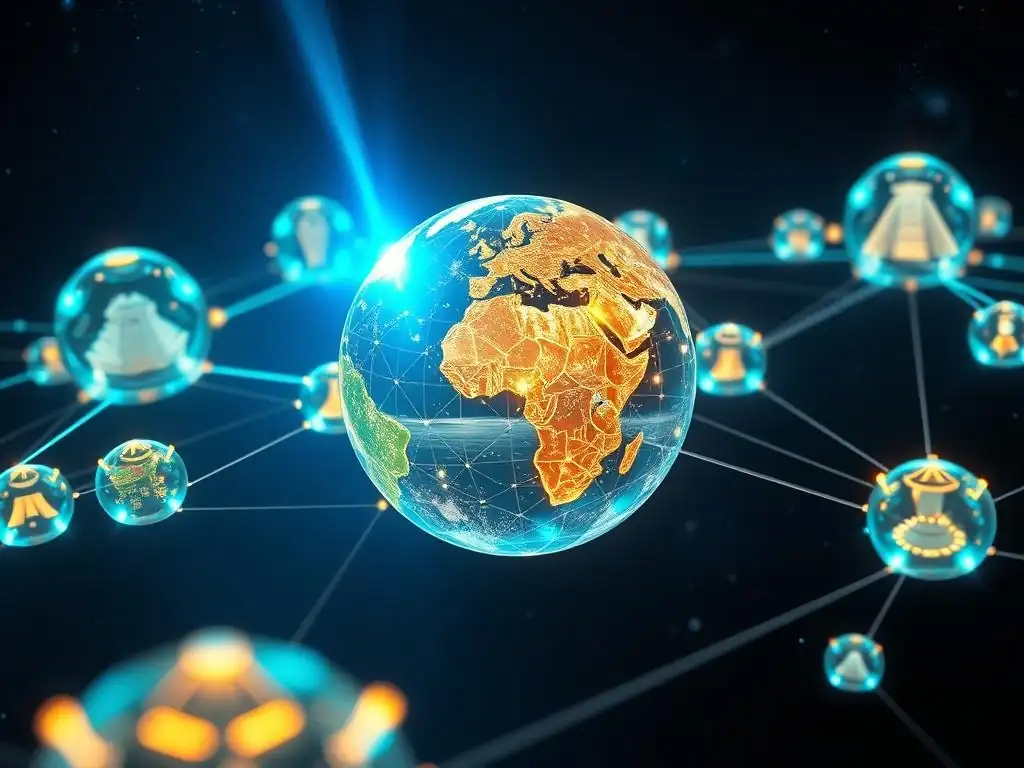
Welcome to Blockchain Trends, your compass in the rapidly evolving world of decentralized technologies.
Dive in to discover how blockchain is reshaping industries beyond just cryptocurrency. This week, we're dissecting a crucial element for the future of the metaverse and global digital infrastructure: blockchain interoperability and international governance. What does it take to build a truly interconnected digital future, and how can international cooperation ensure a stable and equitable landscape? Explore the opportunities and challenges ahead... and consider: is global governance the key to unlocking blockchain's full potential in the metaverse?
Global Governance for a Global Metaverse: Blockchain Interoperability and International Cooperation
- Introduction: The Need for Global Governance in the Metaverse
-
Blockchain Interoperability: Enabling a Seamless Metaverse
- Understanding Blockchain Interoperability: Connecting Diverse Chains
- Cross-Chain Communication Protocols: IBC, Polkadot's XCM, LayerZero
- Bridging the Gap: Overcoming Technical Barriers to Interoperability
- Benefits of Interoperable Blockchains for the Metaverse: Increased Liquidity and User Experience
-
International Cooperation: The Foundation for Metaverse Governance
- The Role of International Organizations in Shaping Metaverse Policy
- Addressing Cross-Border Issues: Data Privacy, Security, and Intellectual Property
- Establishing Global Standards for Metaverse Identity and Assets
- The Importance of Regulatory Harmonization for Blockchain-Based Metaverse Applications
- Challenges to Global Governance in the Metaverse
- Potential Solutions for Effective Metaverse Governance
- Case Studies: Examples of Blockchain Interoperability and International Collaboration
- The Future of Global Metaverse Governance: A Vision for a Decentralized World
- Conclusion: Towards a Collaborative and Interoperable Metaverse Ecosystem
-
Frequently Asked Questions
- How does blockchain interoperability relate to the development of a global metaverse?
- What are some of the key challenges in achieving blockchain interoperability for international governance?
- Why is international cooperation necessary for governing blockchain technology and the metaverse?
- How can blockchain technology be used to enhance international governance in areas beyond the metaverse?
- What role does "Blockchain Interoperability International Governance" play in shaping the future of decentralized systems?
- Final Reflection: Navigating the Interconnected Metaverse
- Shape the Future: Help Build a Borderless Metaverse!
Introduction: The Need for Global Governance in the Metaverse
The Rise of the Metaverse and its Global Implications
The metaverse, once a concept confined to science fiction, is rapidly materializing as the next evolution of the internet. Envisioned as persistent, shared, 3D virtual worlds, metaverses are poised to transform how we interact, socialize, conduct business, and even govern. Market intelligence firm, IDC, projects worldwide spending on metaverse technologies to reach \$74.7 billion in 2024, demonstrating the significant economic momentum behind this digital frontier.
This growth is not limited by geographical boundaries; the metaverse, by its very nature, is global, connecting individuals and communities across the planet in shared digital spaces. This inherent global reach necessitates a rethinking of governance frameworks to ensure equitable access, security, and a positive user experience for everyone, regardless of their physical location or nationality.
The implications of a globally interconnected metaverse are far-reaching, touching upon social, economic, and political spheres. Economically, the metaverse is expected to create new markets and industries, fostering digital economies that transcend national borders. Socially, it offers new avenues for communication, collaboration, and community building on a global scale. However, this interconnectedness also presents challenges. Issues like data privacy, digital identity, cross-border transactions, and intellectual property rights become inherently international, demanding global cooperation to navigate effectively. The metaverse is not just a technological shift; it is a societal transformation requiring a globally coordinated approach to governance.
Why Blockchain Interoperability is Crucial for a Unified Metaverse Experience
Blockchain interoperability, the ability for different blockchain networks to communicate and share data seamlessly, is not just a technical necessity but a foundational element for a unified and thriving metaverse experience. Imagine a metaverse composed of isolated digital islands, each operating on a different blockchain and unable to interact. Users would be confined to specific platforms, unable to transfer digital assets, identities, or even social connections between them. This fragmented scenario would severely limit the potential of the metaverse, hindering the creation of a truly interconnected and immersive digital world.
Interoperability acts as the bridge connecting these digital islands, enabling the flow of assets, information, and users across diverse metaverse platforms. Without it, users would face significant friction. For instance, a digital avatar created and equipped with virtual assets in one metaverse environment might be unusable in another. Blockchain interoperability solves this by enabling cross-chain asset transfer, allowing users to own and utilize their digital possessions across different virtual worlds, regardless of the underlying blockchain technology powering each metaverse. This seamless flow of digital value and identity is crucial for creating a user-centric and economically vibrant metaverse.
The Challenge of Governance in a Decentralized, Global Metaverse
Governing the metaverse presents a unique and complex challenge, especially when considering its decentralized and global nature. Traditional governance models, often rooted in nation-state sovereignty and centralized authorities, struggle to adapt to a digital realm that transcends geographical boundaries and is built upon decentralized technologies like blockchain. The metaverse, envisioned by many as a decentralized and user-owned space, fundamentally challenges the top-down, centralized control mechanisms that characterize much of current internet governance.
The decentralized nature of blockchain technology, which underpins many metaverse initiatives, further complicates governance. There is no single entity in control of a blockchain network, making traditional regulatory approaches less effective. Moreover, the global reach of the metaverse means that governance cannot be solely dictated by any single nation or jurisdiction.
Issues like content moderation, user safety, and economic regulations require international cooperation and consensus-building. Finding a balance between fostering innovation and ensuring responsible development in this decentralized, global space is the core challenge of metaverse governance. This necessitates exploring new governance paradigms that are adaptable, inclusive, and capable of operating effectively in a borderless digital world.
Blockchain Interoperability: Enabling a Seamless Metaverse
Understanding Blockchain Interoperability: Connecting Diverse Chains
Blockchain interoperability refers to the capacity of different blockchain networks to communicate, interact, and share data with each other. In essence, it's about breaking down the silos between various blockchain ecosystems, allowing for a more connected and collaborative blockchain landscape. Currently, numerous blockchain platforms exist, each with its own unique architecture, consensus mechanisms, and functionalities.
These range from public, permissionless blockchains like Ethereum and Bitcoin, to private, permissioned blockchains used by enterprises, and consortium blockchains governed by groups of organizations. Without interoperability, these chains operate in isolation, limiting their collective potential and hindering the seamless flow of information and value across the broader digital ecosystem.
Interoperability aims to create bridges between these diverse blockchain networks, enabling them to exchange information and assets in a secure and trustworthy manner. This can be visualized as creating a common language or set of protocols that allows different blockchains to "understand" and interact with each other, much like different computer systems communicating over the internet using TCP/IP protocols.
Different approaches to interoperability exist, including cross-chain bridges, relay chains, and sidechains, each with its own strengths and trade-offs in terms of security, speed, and complexity. The ultimate goal is to achieve a network of interconnected blockchains that can collectively power a more robust, versatile, and user-friendly metaverse experience.
Cross-Chain Communication Protocols: IBC, Polkadot's XCM, LayerZero
Several innovative protocols are emerging to address the challenge of cross-chain communication, paving the way for greater blockchain interoperability. These protocols act as the foundational infrastructure for enabling different blockchains to interact and exchange data and value. Three notable examples are IBC (Inter-Blockchain Communication), Polkadot's XCM (Cross-Consensus Messaging), and LayerZero.
IBC, primarily developed for the Cosmos ecosystem, focuses on secure and reliable data transfer between independent blockchains. It establishes standardized protocols for authentication, transport, and ordering of packets, allowing blockchains within the Cosmos network to interoperate seamlessly. Cosmos, often referred to as the "internet of blockchains," leverages IBC to facilitate the exchange of assets and information between its diverse range of application-specific blockchains.
Polkadot's XCM, on the other hand, is designed for the Polkadot ecosystem, a network of parachains connected to a central relay chain. XCM enables sophisticated cross-chain communication, allowing parachains to not only transfer assets but also to send complex messages and execute functions on each other's chains. LayerZero takes a different approach, positioning itself as an "omnichain" interoperability protocol.
It aims to connect all blockchains, regardless of their underlying architecture, through a network of oracles and relayers. LayerZero emphasizes security and efficiency in its cross-chain communication mechanism. These protocols, while varying in their architecture and focus, represent significant advancements in enabling blockchain interoperability and fostering a more connected blockchain ecosystem for the metaverse.
Bridging the Gap: Overcoming Technical Barriers to Interoperability
Achieving seamless blockchain interoperability is not without significant technical hurdles. Diverse blockchain architectures, varying consensus mechanisms, and differing data formats present substantial challenges in enabling effective cross-chain communication. For example, blockchains like Bitcoin, Ethereum, and Solana utilize fundamentally different consensus algorithms – Proof-of-Work, Proof-of-Stake, and Proof-of-History, respectively – which impact transaction finality, security assumptions, and overall network behavior. Bridging these disparate systems requires sophisticated technical solutions that can account for these fundamental differences.
Another key barrier is the heterogeneity in data formats and smart contract languages across different blockchains. Ethereum primarily uses Solidity for smart contracts, while other platforms may employ different languages or virtual machines. Standardizing data representation and smart contract execution across chains is crucial for ensuring that information can be accurately and reliably exchanged and interpreted.
Security concerns are also paramount. Cross-chain bridges, which facilitate asset transfers between blockchains, have been targets of exploits and vulnerabilities, highlighting the need for robust security measures and rigorous auditing of interoperability solutions. Overcoming these technical barriers requires ongoing research, development, and standardization efforts within the blockchain community to build secure, efficient, and reliable interoperability solutions for the metaverse.
Benefits of Interoperable Blockchains for the Metaverse: Increased Liquidity and User Experience
Interoperable blockchains unlock a range of significant benefits for the metaverse, most notably increased liquidity and a vastly improved user experience. Liquidity, in the context of digital assets, refers to the ease with which assets can be bought, sold, and traded. In a fragmented metaverse landscape without interoperability, digital assets would be confined to specific platforms, creating isolated liquidity pools and hindering efficient price discovery and trading.
Blockchain interoperability breaks down these silos, allowing digital assets to flow freely across different metaverse environments. This creates larger, more liquid markets for virtual goods, NFTs, and other metaverse assets, benefiting both creators and users.
From a user experience perspective, interoperability translates to a more seamless and intuitive metaverse journey. Imagine being able to use your digital identity, avatars, and virtual possessions across different metaverse platforms without friction. Interoperability makes this possible, eliminating the need to create separate accounts and rebuild digital identities for each metaverse environment.
Users can seamlessly transition between different virtual worlds, carrying their digital assets and social connections with them, creating a more unified and immersive metaverse experience. Furthermore, interoperability fosters innovation by enabling developers to build applications that leverage the unique strengths of different blockchains, creating richer and more diverse metaverse functionalities. Ultimately, blockchain interoperability is essential for realizing the full potential of the metaverse as a truly interconnected and user-centric digital realm.
International Cooperation: The Foundation for Metaverse Governance
The Role of International Organizations in Shaping Metaverse Policy
International organizations (IOs) are poised to play a crucial role in shaping metaverse policy and governance frameworks. These bodies, with their global mandates and convening power, can facilitate dialogue, coordinate policy approaches, and establish international norms and standards for the metaverse.
Organizations like the United Nations (UN), the Organisation for Economic Co-operation and Development (OECD), and the World Economic Forum (WEF) have already begun to explore the implications of the metaverse and the need for international cooperation. For example, the UN has convened discussions on the ethical and human rights dimensions of digital technologies, including the metaverse, emphasizing the need for inclusive and human-centric governance.
The OECD, with its expertise in economic policy and digital economy issues, can contribute to developing international guidelines on metaverse taxation, consumer protection, and data governance. The WEF, through its platform for public-private cooperation, can bring together governments, industry leaders, and civil society to address key metaverse governance challenges and promote multi-stakeholder approaches.
IOs can also serve as platforms for sharing best practices, conducting research, and providing technical assistance to countries in developing their national metaverse policies. Their role is not to dictate governance but rather to facilitate international dialogue, build consensus, and promote a globally coordinated approach to metaverse governance that respects diverse national contexts and priorities while ensuring a safe, inclusive, and interoperable metaverse for all.
Addressing Cross-Border Issues: Data Privacy, Security, and Intellectual Property
The inherently global nature of the metaverse necessitates international cooperation to address critical cross-border issues, particularly in the areas of data privacy, security, and intellectual property (IP). Data privacy regulations, such as the EU's General Data Protection Regulation (GDPR), are geographically bound, yet metaverse platforms operate globally, processing user data across jurisdictions. Harmonizing data privacy standards and establishing mechanisms for cross-border data transfers are crucial to protect user privacy in the metaverse. Without international agreements, businesses operating in the metaverse face a complex web of conflicting national regulations, hindering innovation and potentially undermining user trust.
Security in the metaverse is also inherently a cross-border issue. Cyber threats, identity theft, and virtual asset fraud can originate from anywhere in the world, impacting users globally. International cooperation is essential to combat cybercrime in the metaverse, share threat intelligence, and establish common security standards for metaverse platforms.
Intellectual property rights, including copyright and trademarks, also need to be effectively protected in the metaverse, which blurs geographical boundaries. Establishing international frameworks for IP enforcement in virtual worlds and addressing issues like virtual counterfeiting and digital asset ownership are critical to foster creativity and innovation in the metaverse economy. These cross-border challenges underscore the urgent need for international cooperation to develop harmonized legal frameworks and enforcement mechanisms that can effectively govern the global metaverse.
Establishing Global Standards for Metaverse Identity and Assets
The development of global standards for metaverse identity and digital assets is paramount for fostering interoperability, user trust, and a thriving metaverse ecosystem. In the absence of common standards, users may face fragmented experiences, limited asset portability, and increased security risks. Standardizing digital identities, for instance, would enable users to create portable avatars and profiles that can be used across different metaverse platforms, simplifying user onboarding and enhancing user experience. This could involve developing open and interoperable identity protocols that respect user privacy and data ownership.
Similarly, establishing global standards for digital assets, such as NFTs and virtual goods, is crucial for ensuring interoperability and facilitating cross-platform asset transfer. Standardized asset formats, metadata schemas, and ownership verification mechanisms would enable users to seamlessly move their digital possessions between different metaverse environments and marketplaces.
This standardization effort could also extend to virtual currencies and payment systems within the metaverse, promoting cross-border transactions and economic activity. International standards bodies, industry consortia, and open-source initiatives can play a key role in developing and promoting these global standards for metaverse identity and assets, fostering a more open, interoperable, and user-friendly metaverse for all.
The Importance of Regulatory Harmonization for Blockchain-Based Metaverse Applications
Regulatory harmonization across jurisdictions is of paramount importance for the successful development and adoption of blockchain-based metaverse applications. Fragmented and conflicting regulations across different countries can create significant uncertainty and compliance burdens for businesses operating in the metaverse, stifling innovation and hindering cross-border activity. For instance, regulations concerning virtual currencies, NFTs, and decentralized autonomous organizations (DAOs), all of which are relevant to blockchain-based metaverses, vary significantly across jurisdictions. This regulatory patchwork can make it challenging for companies to navigate legal compliance and operate seamlessly in a global metaverse.
Regulatory harmonization does not necessarily imply identical regulations in every country, but rather a coordinated approach to developing consistent principles and frameworks for regulating blockchain-based metaverse applications. This could involve international agreements on key regulatory areas, such as consumer protection, data privacy, anti-money laundering (AML), and securities laws, tailored to the unique characteristics of the metaverse.
Harmonized regulations would reduce legal uncertainty, lower compliance costs for businesses, and foster cross-border innovation and investment in the metaverse space. International regulatory cooperation and dialogue are essential to achieve a level playing field and create a conducive regulatory environment for the growth of blockchain-based metaverses globally.
Challenges to Global Governance in the Metaverse
Technological Fragmentation and Competing Standards
Despite the push for interoperability, technological fragmentation and the proliferation of competing standards remain significant challenges to global metaverse governance. The metaverse is not being built by a single entity but rather by numerous companies and communities, each often developing their own proprietary technologies and platforms. This has resulted in a diverse landscape of metaverse platforms with varying technical architectures, rendering them often incompatible with each other. For example, different platforms may use different virtual reality (VR) headsets, avatar formats, or interaction protocols, creating silos and hindering seamless user experiences across the metaverse.
Furthermore, the development of metaverse standards is still in its early stages, with competing industry consortia and organizations vying to establish their preferred standards as dominant. This standards fragmentation can impede interoperability efforts and create confusion for developers and users alike. While competition can drive innovation, unchecked fragmentation can also hinder the development of a unified and globally accessible metaverse. Addressing this challenge requires fostering greater collaboration among technology developers, standards bodies, and industry stakeholders to promote open, interoperable, and widely adopted standards for metaverse technologies, ensuring a more cohesive and user-friendly metaverse ecosystem.
Geopolitical Tensions and Divergent National Interests
Geopolitical tensions and divergent national interests pose a significant obstacle to achieving effective global governance in the metaverse. The metaverse, as a powerful new digital space, is becoming a domain of geopolitical competition, with nations vying for influence and control. Different countries may have conflicting priorities and approaches to metaverse governance, reflecting their distinct political systems, cultural values, and economic interests. For example, nations with strong emphasis on data sovereignty may prioritize stricter regulations on cross-border data flows in the metaverse, while others may favor a more open and liberal approach to data governance.
These divergent national interests can lead to regulatory fragmentation and hinder international cooperation on metaverse governance. Geopolitical tensions can also spill over into the metaverse, potentially leading to digital borders and the balkanization of the metaverse into geographically segmented spaces. Moreover, concerns about national security and cybersecurity in the metaverse can further complicate international cooperation, as nations may be reluctant to share information or cede control in areas deemed strategically sensitive.
Navigating these geopolitical complexities and fostering trust and cooperation among nations are crucial challenges for establishing effective global governance in the metaverse. Finding common ground and building consensus on core governance principles, despite geopolitical differences, is essential to ensure a globally accessible and interoperable metaverse.
The decentralized nature of blockchain and the metaverse, while offering many benefits, also presents a significant challenge for governance: the lack of a central authority and effective enforcement mechanisms. Unlike traditional nation-states, the metaverse lacks a single governing body with the power to enact and enforce laws and regulations globally.
This absence of a central authority makes it difficult to establish clear rules of conduct, resolve disputes, and ensure accountability within the metaverse. Traditional enforcement mechanisms, such as national courts and law enforcement agencies, are often ill-equipped to address violations and crimes that occur in the borderless digital space of the metaverse.
Enforcing intellectual property rights, combating cybercrime, and resolving cross-border disputes in the metaverse require new approaches to governance and enforcement. Decentralized governance models, such as DAOs, and on-chain dispute resolution mechanisms are being explored as potential solutions, but their effectiveness and scalability are still under development. Furthermore, international cooperation is essential to address cross-border enforcement challenges, as crimes committed in the metaverse can originate from anywhere in the world. Developing effective governance and enforcement mechanisms that are adaptable to the decentralized and global nature of the metaverse is a critical challenge that requires innovation and international collaboration.
Data Sovereignty and Cross-Border Data Transfer Concerns
Data sovereignty and cross-border data transfer concerns pose a significant challenge to global metaverse governance, particularly in an era of heightened geopolitical sensitivity around data. Data sovereignty refers to the principle that a nation has the right to control and govern the data of its citizens and organizations within its borders.
Many countries are enacting stricter data localization laws, requiring data to be stored and processed within their national boundaries, driven by concerns about privacy, security, and national competitiveness. These data sovereignty principles can clash with the inherently global and borderless nature of the metaverse, which relies on the seamless flow of data across jurisdictions.
Cross-border data transfers, essential for the functioning of global metaverse platforms, are increasingly subject to regulatory scrutiny and restrictions. Regulations like the GDPR and similar laws in other countries place limitations on transferring personal data outside of specific jurisdictions, raising compliance challenges for metaverse operators.
Navigating these data sovereignty and cross-border data transfer complexities requires finding a balance between respecting national data governance principles and enabling the global interoperability and functionality of the metaverse. International agreements and frameworks that facilitate lawful and secure cross-border data flows, while safeguarding data privacy and national interests, are crucial for fostering a globally connected and thriving metaverse.
Potential Solutions for Effective Metaverse Governance
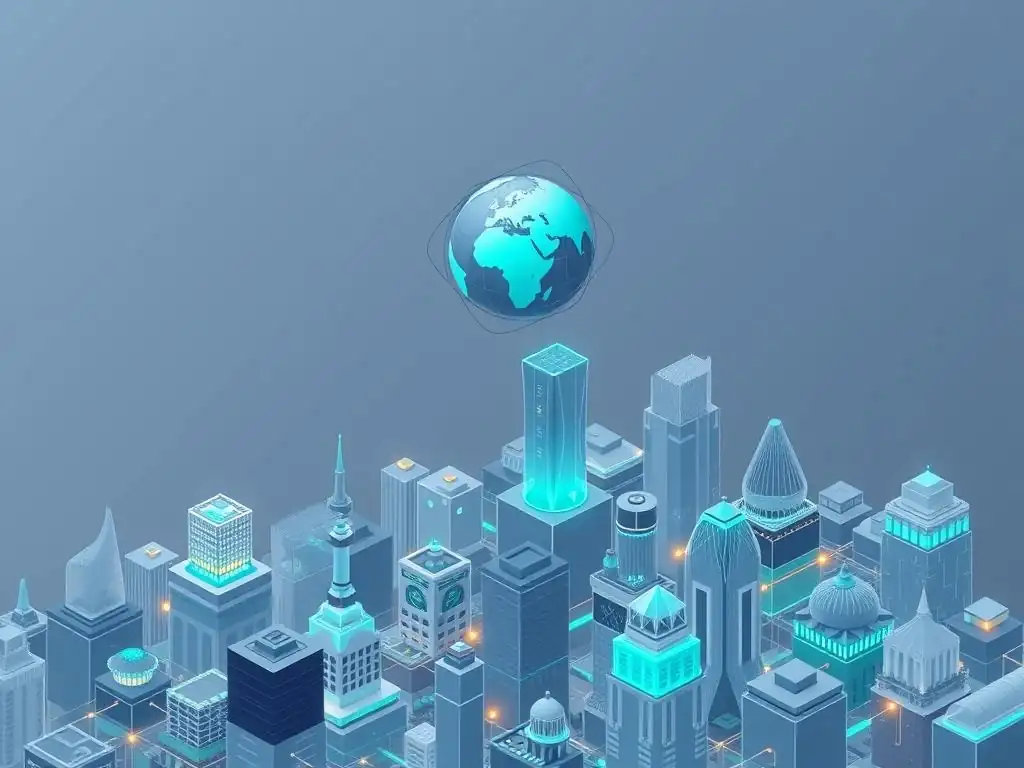
Multi-Stakeholder Governance Models: Involving Governments, Industry, and Civil Society
Effective metaverse governance necessitates multi-stakeholder governance models that involve governments, industry, civil society, and users in a collaborative and inclusive approach. Given the complex and multifaceted nature of the metaverse, no single stakeholder group can effectively govern it alone. Governments play a crucial role in establishing legal frameworks, regulations, and enforcement mechanisms for the metaverse, ensuring public safety and consumer protection. However, government-centric governance models may be too rigid and slow to adapt to the rapidly evolving technological landscape of the metaverse.
Industry players, including technology companies, metaverse platform providers, and content creators, possess the technical expertise and operational knowledge necessary to shape metaverse governance. Industry self-regulation and the development of industry best practices are essential components of a multi-stakeholder approach. Civil society organizations, including human rights groups, digital rights advocates, and consumer protection agencies, bring valuable perspectives on ethical considerations, social impact, and user rights in the metaverse.
Their participation ensures that governance models are inclusive, equitable, and accountable to the broader public. Users, as the primary inhabitants of the metaverse, also need to have a voice in shaping its governance, ensuring that their needs and concerns are addressed. Multi-stakeholder governance models, through mechanisms like advisory boards, participatory policymaking, and open consultations, can foster a more balanced, legitimate, and effective approach to metaverse governance.
Decentralized Autonomous Organizations (DAOs) for Metaverse Governance
Decentralized Autonomous Organizations (DAOs) offer a novel and potentially transformative approach to metaverse governance, aligning with the decentralized ethos of blockchain technology. DAOs are community-led entities governed by rules encoded in smart contracts on a blockchain, operating transparently and autonomously without central intermediaries. In the metaverse context, DAOs can be utilized to govern virtual worlds, digital asset ecosystems, and even metaverse platforms themselves. They can enable decentralized decision-making on issues such as content moderation, virtual land management, and resource allocation within metaverse environments.
DAOs empower metaverse communities to collectively govern their digital spaces, fostering a sense of ownership and participation. Voting mechanisms within DAOs, often based on token holdings, allow community members to directly influence governance decisions. Smart contracts ensure that governance rules are transparently enforced and that decisions are automatically executed, reducing the need for intermediaries and enhancing trust.
While DAOs are still a relatively nascent governance model, their potential for fostering decentralized and community-driven governance in the metaverse is significant. However, challenges related to scalability, security vulnerabilities, and legal recognition of DAOs need to be addressed for their widespread adoption in metaverse governance.
Smart Contracts and On-Chain Governance Mechanisms
Smart contracts and on-chain governance mechanisms, integral to blockchain technology, provide powerful tools for automating and decentralizing governance within the metaverse. Smart contracts are self-executing agreements encoded in code on a blockchain, automatically enforcing rules and conditions when pre-defined criteria are met. In the metaverse, smart contracts can be used to automate various governance functions, such as enforcing terms of service, managing digital asset ownership, and distributing rewards within virtual economies. For example, smart contracts can automatically enforce content moderation policies in a metaverse platform, flagging and removing content that violates pre-defined rules.
On-chain governance mechanisms, built on top of smart contracts, enable decentralized and transparent decision-making within blockchain-based systems. Token holders can participate in governance proposals and voting processes directly on the blockchain, ensuring accountability and transparency. In the metaverse context, on-chain governance can be used to manage upgrades and changes to metaverse protocols, allocate resources within virtual worlds, and resolve disputes in a decentralized and auditable manner. While smart contracts and on-chain governance offer significant potential for automating and decentralizing metaverse governance, careful design and implementation are crucial to ensure security, fairness, and adaptability to evolving metaverse needs.
The Role of Self-Regulation and Industry Best Practices
Self-regulation and industry best practices are essential complements to formal regulations and decentralized governance mechanisms in shaping responsible metaverse development and governance. Industry players, including technology companies and metaverse platform providers, have a crucial responsibility to proactively develop and adhere to ethical guidelines, standards of conduct, and best practices for the metaverse.
Self-regulation can be more agile and responsive to the rapidly evolving technological landscape of the metaverse compared to traditional regulatory approaches. Industry associations and consortia can play a key role in developing and promoting industry-wide best practices, fostering a culture of responsible innovation and user-centric design in the metaverse.
Areas where self-regulation and industry best practices are particularly relevant include content moderation, data privacy, user safety, and accessibility in the metaverse. For example, industry guidelines can establish standards for content moderation policies, ensuring that metaverse platforms are safe and inclusive spaces for users. Best practices for data privacy can go beyond legal requirements, promoting user control over their data and transparent data processing practices.
Industry initiatives can also focus on promoting accessibility in the metaverse, ensuring that virtual worlds are inclusive and usable for people with disabilities. Self-regulation and industry best practices, alongside formal regulations and decentralized governance, are crucial for fostering a responsible and sustainable metaverse ecosystem.
Case Studies: Examples of Blockchain Interoperability and International Collaboration
ENS: Decentralized Naming for Cross-Chain Identity
The Ethereum Name Service (ENS) provides a compelling case study of blockchain interoperability and its application to decentralized identity in the metaverse. ENS is a decentralized, open, and extensible naming system built on the Ethereum blockchain. It allows users to register human-readable names, such as "yourname.eth," and map them to blockchain addresses, website URLs, and other digital identifiers. ENS functions as a decentralized domain name system for the Web3 ecosystem, simplifying complex blockchain addresses and making them more user-friendly.
Crucially, ENS is designed to be blockchain-agnostic and interoperable. While built on Ethereum, ENS names can be used to resolve addresses and identifiers across various blockchain networks. This cross-chain interoperability makes ENS a valuable tool for establishing a unified digital identity in the metaverse.
Users can use their ENS name as their identity across different metaverse platforms and applications, regardless of the underlying blockchain technology. ENS demonstrates the practical benefits of blockchain interoperability in enabling portable and user-controlled digital identities, a fundamental building block for a seamless and user-centric metaverse experience. Its decentralized and open nature also aligns with the principles of decentralized governance and community ownership in the Web3 space.
EU's Digital Services Act: Implications for Metaverse Content Moderation
The European Union's Digital Services Act (DSA) provides a significant example of international regulatory efforts that have implications for metaverse content moderation and platform responsibility. The DSA is a landmark piece of legislation aimed at creating a safer and more accountable digital space in the EU.
While not specifically targeted at the metaverse, the DSA's provisions on content moderation, illegal content removal, and platform transparency are directly relevant to metaverse platforms and their governance challenges. The DSA introduces obligations for online platforms to address illegal content, hate speech, and disinformation, requiring them to implement effective content moderation mechanisms and provide users with redressal mechanisms.
The DSA's impact extends beyond the EU, potentially setting a global standard for platform responsibility and content moderation. Companies operating metaverse platforms globally will likely need to comply with the DSA's requirements for EU users, and the act may influence similar regulatory initiatives in other jurisdictions. The DSA exemplifies the growing international attention to content moderation challenges in digital spaces and the move towards greater platform accountability.
Its implementation and enforcement will provide valuable lessons for metaverse governance, particularly in addressing harmful content and ensuring user safety in virtual worlds. The DSA highlights the increasing importance of international regulatory cooperation in shaping responsible metaverse development and governance.
Lessons Learned and Best Practices for Future Initiatives
Analyzing case studies like ENS and the EU's DSA, along with broader discussions on blockchain interoperability and international cooperation, provides valuable lessons learned and best practices for future metaverse governance initiatives. One key lesson is the importance of openness and interoperability as foundational principles. Solutions like ENS demonstrate the benefits of building systems that are blockchain-agnostic and designed for cross-chain communication, fostering a more connected and user-friendly metaverse. Future governance initiatives should prioritize interoperability and avoid creating fragmented and siloed metaverse environments.
Another crucial lesson is the need for multi-stakeholder collaboration. The DSA, while a regulatory initiative, reflects a broader trend towards engaging with industry, civil society, and international organizations in shaping digital policy. Effective metaverse governance requires involving diverse stakeholders in policy development and implementation, ensuring that governance models are balanced, inclusive, and responsive to the needs of all participants. Transparency and accountability are also paramount.
Decentralized governance mechanisms, like DAOs and on-chain governance, offer potential for enhancing transparency and accountability in metaverse governance. Future initiatives should prioritize transparency in governance processes and establish clear accountability mechanisms for metaverse platforms and operators. Finally, adaptability and flexibility are essential, given the rapidly evolving nature of metaverse technologies and use cases. Governance frameworks should be designed to be adaptable to change and capable of evolving alongside the metaverse itself.
The Future of Global Metaverse Governance: A Vision for a Decentralized World
The Evolution of Blockchain Interoperability and its Impact on Governance
The future evolution of blockchain interoperability technologies will profoundly impact metaverse governance, potentially enabling more decentralized, user-centric, and globally interconnected governance models. As interoperability solutions mature and become more robust and secure, the vision of a truly interconnected metaverse, where users can seamlessly move between different virtual worlds and platforms, becomes increasingly achievable. This seamless interoperability has significant implications for governance. It can facilitate the emergence of cross-metaverse governance frameworks, where rules and standards are harmonized across different platforms, creating a more unified and consistent user experience.
Furthermore, advanced interoperability can empower users with greater control over their digital identities, assets, and data in the metaverse. Portable digital identities, enabled by interoperable blockchain solutions, can allow users to manage their identity and reputation across multiple metaverse environments, reducing platform lock-in and enhancing user agency.
Interoperable digital asset standards can facilitate cross-platform asset ownership and transfer, fostering more liquid and user-driven metaverse economies. The evolution of blockchain interoperability, therefore, is not just a technical advancement but a catalyst for more decentralized and user-empowering governance models in the metaverse, shifting power away from centralized platforms and towards users and communities.
The Role of Emerging Technologies in Shaping the Metaverse Governance Landscape
Beyond blockchain interoperability, other emerging technologies are poised to play a significant role in shaping the metaverse governance landscape. Artificial intelligence (AI) can be leveraged for content moderation, fraud detection, and personalized user experiences in the metaverse. AI-powered moderation tools can assist in identifying and removing harmful content, enhancing user safety and platform integrity. AI algorithms can also detect and prevent fraudulent activities, such as virtual asset scams and identity theft, protecting users and metaverse economies. Furthermore, AI can personalize metaverse experiences, tailoring content and interactions to individual user preferences and needs, potentially enhancing user engagement and satisfaction.
Decentralized identity (DID) technologies, alongside blockchain, offer solutions for user-controlled and portable digital identities in the metaverse. DIDs empower users to own and manage their digital identities, reducing reliance on centralized identity providers and enhancing privacy and security. Virtual and augmented reality (VR/AR) technologies are not only the interface to the metaverse but can also play a role in governance.
VR/AR environments can be used to create immersive governance interfaces, enabling more engaging and participatory governance processes. For instance, VR-based town hall meetings or virtual voting booths could enhance user participation in metaverse governance decisions. The integration of these emerging technologies with blockchain interoperability will create a more sophisticated and multifaceted metaverse governance landscape.
Building a More Inclusive and Equitable Metaverse through Global Collaboration
Ultimately, the goal of global metaverse governance should be to build a more inclusive and equitable metaverse that benefits all of humanity. This requires intentional effort and global collaboration to address potential inequalities and ensure that the metaverse is not just a domain for the technologically privileged but accessible and beneficial to everyone, regardless of their location, background, or abilities.
Global collaboration is essential to bridge the digital divide and ensure that developing countries and marginalized communities are not left behind in the metaverse revolution. This includes providing access to internet infrastructure, digital literacy training, and affordable metaverse technologies in underserved regions.
Furthermore, global governance frameworks should prioritize inclusivity and representation in metaverse governance processes. Ensuring that diverse voices and perspectives, including those from underrepresented groups, are included in metaverse policy discussions and decision-making is crucial for creating a fair and equitable metaverse. Accessibility is also paramount.
Metaverse platforms and applications should be designed to be accessible to people with disabilities, ensuring that everyone can participate and benefit from the metaverse. Global collaboration, guided by principles of inclusivity, equity, and accessibility, is essential for realizing the transformative potential of the metaverse and ensuring that it becomes a positive force for global progress and human flourishing.
Conclusion: Towards a Collaborative and Interoperable Metaverse Ecosystem
Key Takeaways: The Importance of Blockchain Interoperability and International Governance
The development of a thriving global metaverse hinges on two critical pillars: blockchain interoperability and international governance. Blockchain interoperability is the technical foundation that enables a seamless, unified, and user-centric metaverse experience, breaking down silos between different platforms and fostering the free flow of digital assets and identities. International governance is the essential framework for addressing the complex cross-border challenges of the metaverse, ensuring a safe, secure, equitable, and responsible digital future for all. Neither pillar can stand alone; true global metaverse governance requires both technical interoperability and robust international cooperation.
The metaverse is not just a technological evolution but a societal transformation, demanding a globally coordinated approach to governance. Traditional governance models, rooted in nation-state sovereignty, are insufficient to address the borderless and decentralized nature of the metaverse. New governance paradigms, including multi-stakeholder models, decentralized autonomous organizations, and on-chain governance mechanisms, are needed to effectively govern this emerging digital realm. International organizations, industry consortia, civil society, and users must collaborate to shape metaverse policies, standards, and best practices, ensuring that the metaverse evolves in a way that benefits humanity as a whole.
Call to Action: Encouraging Collaboration and Innovation in the Metaverse Space
The path towards a collaborative and interoperable metaverse ecosystem requires a collective call to action. Developers, researchers, and technology companies must continue to innovate and develop robust blockchain interoperability solutions, breaking down technical barriers and fostering a more connected metaverse landscape. Governments and international organizations must engage in proactive dialogue and cooperation to develop harmonized regulatory frameworks and governance mechanisms for the metaverse, addressing cross-border challenges and promoting a level playing field. Civil society organizations and users must actively participate in metaverse governance discussions, ensuring that ethical considerations, user rights, and inclusivity are at the forefront of metaverse development.
Collaboration and innovation are not just aspirations but necessities for realizing the full potential of the metaverse. By working together across disciplines, sectors, and nations, we can build a metaverse that is not just technologically advanced but also socially beneficial, economically vibrant, and globally inclusive. The future of the metaverse is not predetermined; it is being shaped by the actions and choices we make today. Let us embrace the opportunity to build a collaborative and interoperable metaverse ecosystem that empowers individuals, fosters innovation, and contributes to a more connected and equitable world.
Frequently Asked Questions
How does blockchain interoperability relate to the development of a global metaverse?
Blockchain interoperability is crucial because it allows different blockchain networks to communicate and share data, which is essential for a truly unified and global metaverse experience. Without it, metaverses would be fragmented and isolated.
What are some of the key challenges in achieving blockchain interoperability for international governance?
Key challenges include the lack of standardized protocols, varying regulatory frameworks across countries, and the need for secure and trustless communication between diverse blockchain systems.
Why is international cooperation necessary for governing blockchain technology and the metaverse?
International cooperation is vital because blockchain and the metaverse transcend national borders. Harmonized regulations and shared standards are needed to prevent fragmentation and ensure a fair and secure environment for all users globally.
How can blockchain technology be used to enhance international governance in areas beyond the metaverse?
Blockchain can improve international governance by providing transparent and immutable records for agreements, facilitating secure data sharing between organizations, and enabling decentralized decision-making processes in areas like supply chain management and humanitarian aid.
What role does "Blockchain Interoperability International Governance" play in shaping the future of decentralized systems?
"Blockchain Interoperability International Governance" lays the foundation for scalable and secure decentralized systems by enabling seamless interaction between blockchains and establishing guidelines for responsible development and use. This fosters trust and prevents the formation of isolated "walled gardens."
The exploration of global governance within the metaverse, particularly through blockchain interoperability and international cooperation, is not merely a futuristic exercise. It's a critical imperative for today. As digital realms increasingly intertwine with our physical lives, the need for a cohesive and collaborative framework to manage these spaces becomes undeniably urgent, ensuring equitable access, security, and the preservation of fundamental rights across borders.
This journey into the potential of a globally governed metaverse has profoundly shaped my understanding of the digital frontier. It underscores the vital role of international cooperation in shaping a future where technology empowers, rather than divides, humanity. The future is already here – it's just not evenly distributed.
- William Gibson. This quote resonates deeply, reminding us that proactive governance is essential to ensure the benefits of the metaverse are accessible to all, not just a privileged few.
Now, I invite you to consider your role in shaping this future. How can you contribute to fostering collaboration and interoperability within the digital realm? Let us all strive to be architects of a metaverse that reflects our shared values, promotes inclusivity, and empowers individuals across the globe. The future of the metaverse, and indeed, the future of global interconnectedness, rests in our collective hands.
Shape the Future: Help Build a Borderless Metaverse!
Thank you for exploring the vital role of blockchain interoperability and international cooperation in shaping the metaverse. Now that you’re informed, it’s time to take action. Here are some ways you can contribute to creating a globally governed, interconnected metaverse:
- Advocate for open standards: Reach out to your local representatives or industry leaders and encourage them to support the development and adoption of interoperable blockchain standards. This is the most effective way to influence policy and foster collaboration.
- Explore cross-chain solutions: Investigate projects like Polkadot, Cosmos, or LayerZero, and consider how their technologies can connect different metaverse platforms.
- Start a local metaverse meetup: Engage with like-minded individuals in your community to discuss global challenges and brainstorm potential solutions from the ground up.
What practical steps can you take today to promote blockchain interoperability and help build a more collaborative, global metaverse within your sphere of influence?
Leave a Reply