
Real Estate Tokenization and the Integration with IoT: Smart Properties and DataDriven Investment

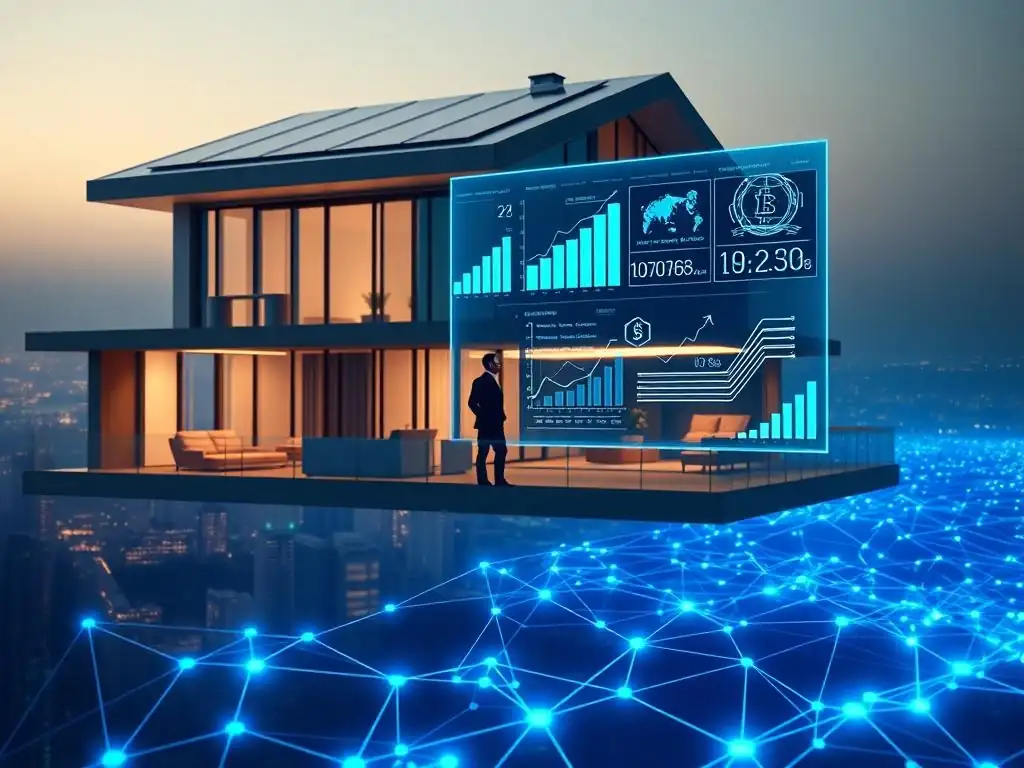
Welcome to Blockchain Trends, your portal to the cutting-edge world of blockchain technology! Here, we dive deep into the transformative potential of blockchain beyond mere cryptocurrencies, exploring its impact on diverse sectors such as DeFi and enterprise applications. Today, we invite you to discover the intricacies of a real estate blockchain investment strategy in our featured article, "Real Estate Tokenization and the Integration with IoT: Smart Properties and Data-Driven Investment."
Prepare to unlock the future of property investment as we navigate the fascinating intersection of smart technology and blockchain innovation. Join us on this journey and see how these advancements can reshape your investment landscape!
Real Estate Tokenization and the Integration with IoT: Smart Properties and Data-Driven Investment
- Introduction: Revolutionizing Real Estate Investment with Blockchain and IoT
- Real Estate Tokenization: A Deep Dive
- IoT Integration in Real Estate: Creating Smart and Connected Properties
- Real Estate Blockchain Investment Strategy: Combining Tokenization and IoT Data
- Case Studies: Successful Integrations of Tokenization and IoT in Real Estate
- The Future of Real Estate: Blockchain, IoT, and Data Analytics
- Practical Guide: Getting Started with Real Estate Blockchain Investment
- Conclusion: Embracing the Future of Real Estate Investment
-
Frequently Asked Questions
- What is real estate tokenization, and how does it relate to blockchain?
- How does the integration of IoT (Internet of Things) enhance real estate blockchain investment strategies?
- What are the key benefits of using blockchain for real estate investments compared to traditional methods?
- What are the current regulatory challenges surrounding real estate tokenization and blockchain-based property investments?
- How can someone develop a successful real estate blockchain investment strategy considering the potential risks and opportunities?
- Final Reflection: Embracing the Future of Property Investment
- Reimagine Your Real Estate Future!
Introduction: Revolutionizing Real Estate Investment with Blockchain and IoT
Real estate, a cornerstone of wealth creation for centuries, is undergoing a profound transformation fueled by technological innovation. The convergence of blockchain technology, specifically through real estate tokenization, and the Internet of Things (IoT) is reshaping how properties are owned, managed, and invested in. This synergy promises to unlock unprecedented levels of liquidity, transparency, and efficiency within the market, creating new opportunities for investors and property owners alike. Understanding this evolving landscape is crucial for anyone looking to navigate the future of property investment.
This article explores the deep integration of real estate tokenization and IoT, delving into how these technologies are giving rise to smart properties and enabling data-driven investment strategies. We will examine the core concepts, benefits, challenges, and real-world implications, providing insights into developing a sophisticated real estate blockchain investment strategy that leverages the power of decentralized ownership and connected environments.
Understanding the Synergy Between Real Estate Tokenization and IoT
The power of real estate tokenization lies in fractionalizing property ownership into digital tokens on a blockchain. This process enhances liquidity and accessibility, making real estate investment possible for a broader range of investors. Simultaneously, the Internet of Things is transforming physical properties into data-rich, interconnected environments. Sensors, smart devices, and automated systems within a building generate vast amounts of real-time data related to occupancy, energy consumption, maintenance needs, and more.
When tokenization and IoT are combined, a powerful synergy emerges. The tokens, representing ownership shares, can be linked to smart properties that provide continuous, verifiable data streams about their performance and condition. This data, potentially recorded or referenced on the blockchain or a related system, adds a layer of transparency and intelligence to the investment. Investors holding tokens can gain near real-time insights into the asset's operational efficiency, tenant behavior, and overall health, enabling a more informed and dynamic real estate blockchain investment strategy.
The Rise of Smart Properties: A New Era for Real Estate
Smart properties, equipped with integrated IoT systems, represent a significant evolution in the built environment. These buildings utilize networks of sensors, actuators, and software to monitor and manage various functions, from climate control and lighting to security and predictive maintenance. The data collected provides building managers with actionable insights, leading to optimized operations, reduced energy costs (potentially by 10-20% according to various studies on smart building implementations), and enhanced tenant experiences.
This technological leap extends beyond operational efficiency. For investors, smart properties offer a data advantage. Instead of relying solely on periodic reports or manual inspections, investors in tokenized smart properties can potentially access dashboards fed by live IoT data (subject to privacy and security protocols). This data can paint a granular picture of the property's performance, informing decisions related to asset management, valuation, and overall portfolio strategy. The rise of smart properties fundamentally changes the due diligence and monitoring aspects of a real estate blockchain investment strategy.
Real Estate Tokenization: A Deep Dive
Real estate tokenization is the process of issuing digital tokens on a blockchain, where each token represents a fractional ownership share in a real estate asset, such as a building, land, or even a portfolio of properties. This transforms illiquid physical assets into divisible, tradable digital assets. The legal ownership structure is typically handled through a Special Purpose Vehicle (SPV) that owns the physical asset, and the tokens represent shares in this SPV, or a direct claim on the asset's value and income streams, depending on the legal framework.
The underlying blockchain provides a distributed, immutable ledger for recording token ownership and transactions. This ensures transparency and reduces reliance on traditional, often slow and opaque, record-keeping systems. By leveraging smart contracts, rules governing dividends, voting rights, or asset sales can be automated and enforced programmatically. This digital layer significantly streamlines processes involved in acquiring, holding, and transferring real estate interests, forming the foundation for a modern real estate blockchain investment strategy.
What is Real Estate Tokenization? Democratizing Property Ownership
At its core, real estate tokenization breaks down the high entry barriers traditionally associated with property investment. Historically, investing in commercial real estate or large residential developments required significant capital, often hundreds of thousands or millions of dollars. Tokenization allows these assets to be divided into potentially thousands or millions of tokens, each representing a small fraction of the property's value. This means an investor could potentially acquire exposure to a prime asset with an investment as low as $1,000 or even less, depending on the tokenization platform and asset value.
This fractional ownership model democratizes access, enabling a wider pool of investors, including retail investors from around the globe, to participate in previously inaccessible opportunities. Beyond individual assets, tokenization can also be applied to real estate funds or portfolios, allowing investors to gain diversified exposure through a single token purchase. This increased accessibility and divisibility are fundamental shifts that redefine the potential scope and reach of a real estate blockchain investment strategy.
Benefits of Tokenizing Real Estate Assets: Liquidity, Accessibility, and Transparency
The primary benefits of real estate tokenization revolve around enhancing market efficiency. Liquidity, a major challenge in traditional real estate due to slow transaction processes and high costs, is significantly improved. Tokenized assets can potentially be traded peer-to-peer on secondary markets 24/7, much like stocks, drastically reducing transaction times from months to minutes or hours. While secondary markets for real estate tokens are still developing, the infrastructure is being built.
Accessibility, as mentioned, is dramatically increased by lowering minimum investment thresholds. This opens up investment opportunities to a global audience and allows investors to build more diversified portfolios with smaller capital outlays. Transparency is another key benefit; the blockchain ledger provides a clear, immutable record of ownership history and transactions, reducing fraud and increasing trust among participants. Furthermore, smart contracts can automate dividend payouts or rental income distribution proportionally to token holdings, adding another layer of transparency and efficiency to the investment process and informing a sophisticated real estate blockchain investment strategy.
Legal and Regulatory Considerations for Real Estate Tokenization in the United States
Navigating the legal and regulatory landscape is crucial for successful real estate tokenization, particularly in jurisdictions like the United States. Real estate tokens often fall under the purview of securities law, meaning they must comply with regulations set forth by bodies like the Securities and Exchange Commission (SEC). Issuers typically need to register the offering or qualify for an exemption, such as Regulation D (for accredited investors) or Regulation A (allowing limited public offerings).
Compliance extends to Anti-Money Laundering (AML) and Know Your Customer (KYC) regulations, requiring platforms and issuers to verify the identity of investors. The legal structures underpinning the tokenization, such as the use of SPVs and the specific rights granted to token holders, must be carefully designed to ensure legal validity and investor protection. While challenges remain in establishing clear, consistent global frameworks, regulatory clarity is gradually improving, paving the way for more secure and compliant real estate blockchain investment strategy implementations.
IoT Integration in Real Estate: Creating Smart and Connected Properties
The integration of IoT devices transforms static buildings into dynamic, responsive environments. This involves deploying a network of sensors, smart meters, cameras, and connected appliances throughout the property. These devices collect continuous data streams on various parameters, including temperature, humidity, air quality, occupancy levels, energy usage, and equipment performance. This data is then transmitted to a central platform for analysis and action.
Smart properties leverage this data to automate processes, optimize resource consumption, and improve the occupant experience. For example, HVAC systems can adjust based on real-time occupancy data, lighting can respond to ambient light levels and presence, and maintenance issues can be predicted before they cause failures (predictive maintenance). The data generated by IoT devices is not just for operational efficiency; it becomes a valuable asset for investors seeking to understand the true performance and value of their property holdings, directly impacting their real estate blockchain investment strategy.
The Role of IoT in Enhancing Property Management
IoT plays a transformative role in property management by shifting from reactive maintenance and management to a proactive, data-driven approach. Consider a large office building: IoT sensors can monitor elevator performance, identify potential mechanical issues through vibration or temperature anomalies, and schedule maintenance before a breakdown occurs, potentially reducing downtime by 20-30% compared to scheduled maintenance. Similarly, smart leak detection sensors can alert managers instantly to plumbing issues, preventing significant water damage that could cost tens of thousands of dollars in repairs.
Beyond maintenance, IoT optimizes building operations. Smart energy management systems, using data from smart meters and occupancy sensors, can reduce energy consumption by an estimated 15-25% in commercial buildings. Automated access control systems enhance security and provide detailed logs of entry and exit. For residential properties, smart locks, thermostats, and security cameras offer convenience for tenants and remote monitoring capabilities for property managers. This operational data, accessible through integrated platforms, provides investors with tangible evidence of efficient management, a key factor in assessing the long-term value of a tokenized property and informing their real estate blockchain investment strategy.
Data-Driven Insights: Leveraging IoT Data for Better Investment Decisions
The sheer volume and granularity of data generated by IoT in smart properties offer unprecedented opportunities for data-driven real estate blockchain investment strategy. Investors in tokenized smart properties can potentially gain access to dashboards or reports providing real-time or near-real-time insights into key performance indicators (KPIs). This could include data on average energy expenditure per square foot, occupancy rates throughout the day, frequency of maintenance requests, or even tenant satisfaction scores collected via integrated systems.
For example, analyzing energy consumption data over time can reveal trends and validate the effectiveness of efficiency upgrades, impacting net operating income (NOI). Occupancy data in a retail or office space can provide insights into foot traffic and usage patterns, informing decisions about lease agreements or property improvements. Predictive maintenance data can help forecast future capital expenditures more accurately. This verifiable, ongoing data flow provides a significant advantage over traditional investment models that rely on less frequent and less detailed reports, allowing for more dynamic valuation and risk assessment within a real estate blockchain investment strategy.
Security and Privacy Concerns in IoT-Enabled Real Estate
While the benefits of IoT in real estate are substantial, the increased connectivity also introduces significant security and privacy risks that must be addressed in any real estate blockchain investment strategy involving smart properties. The vast network of IoT devices represents a large attack surface for cyber threats. A compromised smart lock could jeopardize physical security, while a breach in the building management system could disrupt operations or expose sensitive data. Protecting these networks requires robust cybersecurity measures, including secure device authentication, data encryption, regular software updates, and network segmentation.
Privacy is another critical concern. IoT devices collect potentially sensitive data about occupants' behavior, schedules, and usage patterns. Ensuring compliance with data privacy regulations (like GDPR or CCPA) and establishing clear policies on data collection, storage, and usage are paramount. Investors and property managers must implement strong access controls and anonymization techniques where possible to protect occupant privacy while still leveraging data for operational and investment insights. Building trust regarding data handling is essential for the widespread adoption of smart property investments.
Real Estate Blockchain Investment Strategy: Combining Tokenization and IoT Data
A forward-thinking real estate blockchain investment strategy integrates the financial innovation of tokenization with the operational and informational advantages provided by IoT. This involves not just buying tokens that represent property ownership but specifically targeting tokens linked to smart properties that can deliver verifiable, data-driven performance metrics. Such a strategy seeks to capitalize on the increased liquidity and accessibility of tokenized assets while mitigating risks and enhancing returns through superior operational efficiency and informed decision-making based on IoT data.
Developing this strategy requires a nuanced understanding of both blockchain technology and smart building systems. Investors need to evaluate tokenization platforms, understand the legal structures behind tokenized assets, and assess the quality and reliability of the IoT infrastructure within the target properties. The goal is to build a portfolio that benefits from the potential appreciation of the underlying real estate asset and the enhanced yield and reduced operating costs enabled by smart technology, all while leveraging the transparency and efficiency of the blockchain.
Developing a Data-Driven Real Estate Investment Approach
Developing a data-driven approach within a real estate blockchain investment strategy means moving beyond traditional financial models that rely heavily on historical data and market comparables. It involves incorporating real-time and granular operational data from smart properties into the investment analysis. This starts with identifying key performance indicators (KPIs) that are relevant to the property type (e.g., energy efficiency for an office building, occupancy rates for a hotel, maintenance costs for a residential complex) and ensuring that the tokenized asset's structure allows for access to this data.
Investors should look for tokenization platforms or property managers that provide transparent dashboards or reporting mechanisms for IoT data. Analyzing trends in energy consumption, maintenance issues, and operational costs can provide early indicators of property health and management effectiveness. For instance, consistent data showing low energy consumption relative to similar properties might indicate superior smart building optimization, potentially leading to higher NOI and asset value. This data forms the basis for more accurate valuation models, risk assessments, and ultimately, more profitable investment decisions within a real estate blockchain investment strategy.
Identifying Opportunities in Tokenized Smart Properties
Identifying promising opportunities in tokenized smart properties requires due diligence that goes beyond just the financial prospectus of the token offering. Investors should evaluate the underlying property's physical condition, location, and market potential, just as they would in traditional real estate. However, they must also assess the quality and sophistication of the integrated IoT systems. This includes understanding:
- The types of sensors and devices deployed (e.g., smart meters, environmental sensors, security systems).
- The capabilities of the building management system (BMS) or integrated platform.
- The data collection, storage, and reporting mechanisms in place.
- The cybersecurity measures protecting the IoT network and data.
- The property manager's expertise in operating smart buildings and utilizing data.
Opportunities might lie in properties where smart technology is demonstrably improving operational efficiency, reducing costs, or enhancing tenant satisfaction, as these factors can directly impact the property's profitability and long-term value. Furthermore, properties with potential for future IoT upgrades could represent undervalued opportunities within a real estate blockchain investment strategy.
Assessing Risk and Return in the New Real Estate Landscape
Assessing risk and return in tokenized smart properties involves considering traditional real estate risks (market risk, location risk, tenant risk) alongside new technological risks. Technology risk includes potential failures of IoT systems, cybersecurity breaches, data privacy issues, and the obsolescence of technology. Regulatory risk, particularly regarding tokenization and data usage, also remains a factor.
However, the integration of IoT data can also help mitigate certain risks. For example, predictive maintenance data can reduce the risk of unexpected major repair costs. Real-time occupancy data can provide early warnings of declining tenant demand. The transparency offered by blockchain can reduce risks related to fraud or opaque ownership structures. Return potential is enhanced not only by potential property appreciation but also by improved operational efficiency leading to higher net yields. A comprehensive real estate blockchain investment strategy must weigh these traditional and technological factors to build a robust risk-return profile for tokenized smart properties.
Case Studies: Successful Integrations of Tokenization and IoT in Real Estate

While the convergence is still relatively nascent, several projects and pilots demonstrate the potential of integrating tokenization and IoT in real estate. These examples, often involving commercial or high-value residential properties, showcase how technology can enhance both the investment structure and the operational performance of assets.
Case Study 1: Elevated Returns through Tokenized Smart Apartment Complex in Miami
Consider a hypothetical scenario based on market trends: A development company tokenizes a new apartment complex in Miami, raising $15 million by issuing tokens representing equity in the project. The complex is built with advanced IoT systems, including smart thermostats in every unit (reducing average energy bills by 18% for residents), smart leak detection in plumbing systems (preventing three major potential incidents in the first year), and predictive maintenance sensors on HVAC units (reducing repair costs by 12%).
Investors holding the tokens gain access to a dashboard providing anonymized, aggregated data on building performance, energy consumption trends, and maintenance efficiency. This data allows investors to verify the operational savings claimed by the property management and predict future operational costs more accurately. The combination of fractional ownership (lower entry point), potential for secondary market trading (liquidity), and data-backed evidence of efficient operations makes this tokenized smart property a potentially attractive component of a real estate blockchain investment strategy, potentially yielding higher returns compared to a similar, non-smart, non-tokenized asset.
Case Study 2: IoT-Enabled Commercial Real Estate Investment in Singapore’s Smart Office Tower
Another illustrative case might involve a prime office tower in Singapore, tokenized to allow global investors fractional access. This tower is equipped with state-of-the-art IoT, including smart lighting that adjusts based on occupancy and natural light (saving an estimated 20% on lighting costs), air quality monitoring systems that optimize ventilation (improving tenant comfort and reducing sick days), and space utilization sensors that identify underutilized areas (informing leasing strategies).
Token holders receive quarterly reports augmented with detailed IoT data summaries, showcasing metrics like energy intensity per square meter, average indoor air quality scores, and space utilization heatmaps. This data provides tangible proof of the building's high performance and efficiency, which are key factors for attracting and retaining high-paying tenants in a competitive market. For investors, this data-driven transparency validates the asset's quality and management, supporting a confident real estate blockchain investment strategy focused on high-performing commercial properties. The ability to track these operational KPIs adds a layer of accountability and insight previously unavailable to passive investors.
The Future of Real Estate: Blockchain, IoT, and Data Analytics
The trajectory of real estate is clearly heading towards greater digitalization, connectivity, and data utilization. The convergence of blockchain for ownership and transaction management, IoT for operational intelligence, and data analytics for decision-making is creating a powerful ecosystem. This future envisions a world where property assets are seamlessly integrated into digital financial markets, and their performance is continuously monitored and optimized by intelligent systems.
This convergence will likely lead to more dynamic pricing models, automated asset management, and highly personalized property experiences for occupants. For investors, it promises greater access, liquidity, and transparency, enabling more sophisticated and data-informed real estate blockchain investment strategy approaches. The challenges lie in developing robust, secure, and interoperable systems, establishing clear regulatory frameworks, and ensuring widespread adoption across the diverse real estate market.
Emerging Trends in Smart Property Investment
Several emerging trends are shaping smart property investment. One is the increasing focus on sustainability and Environmental, Social, and Governance (ESG) factors. IoT data on energy and water consumption, waste management, and air quality provides verifiable metrics for a property's environmental performance, which can be crucial for attracting investors focused on ESG criteria. Tokenization can then allow investors to specifically target properties with strong ESG profiles, incorporating sustainability into their real estate blockchain investment strategy.
Another trend is the rise of decentralized autonomous organizations (DAOs) for property management or investment pools. A DAO could potentially own and manage a tokenized property, with token holders voting on decisions related to maintenance, upgrades, or leasing strategy, further decentralizing control. Furthermore, the integration of AI with IoT data is becoming more sophisticated, enabling predictive analytics for everything from maintenance needs to rental market fluctuations, offering deeper insights for a data-driven real estate blockchain investment strategy.
The Impact of DeFi on Real Estate Tokenization
Decentralized Finance (DeFi) is poised to have a significant impact on real estate tokenization. DeFi protocols, built on blockchains, can offer new avenues for financing and leveraging tokenized real estate assets. For example, token holders could potentially use their real estate tokens as collateral within DeFi lending protocols to borrow stablecoins, unlocking liquidity without selling their underlying asset shares.
Furthermore, DeFi could facilitate the creation of decentralized exchanges specifically for trading real estate tokens, improving liquidity and price discovery. Yield farming opportunities might emerge where investors can earn passive income by staking their real estate tokens in liquidity pools. While challenges related to valuation, legal enforceability, and regulatory compliance in the intersection of real estate, tokenization, and DeFi need to be addressed, the potential for increased financial innovation and flexibility within a real estate blockchain investment strategy is substantial.
Challenges and Opportunities for Widespread Adoption
Widespread adoption of tokenized smart properties faces several challenges. Regulatory uncertainty across different jurisdictions remains a significant hurdle. Developing standardized legal frameworks for tokenized securities and data ownership is crucial. Interoperability between different blockchain platforms and IoT ecosystems is another technical challenge. Building trust among traditional real estate players and educating investors about the benefits and risks of this new model are also necessary.
However, the opportunities are immense. Tokenization can unlock trillions of dollars in illiquid real estate value, making the market more efficient and accessible globally. IoT integration can lead to more sustainable, cost-effective, and tenant-friendly properties. The combination enables a sophisticated, data-driven real estate blockchain investment strategy that can potentially offer enhanced returns and diversification benefits. Overcoming the challenges will pave the way for a truly transformed global real estate market.
Practical Guide: Getting Started with Real Estate Blockchain Investment
Embarking on a real estate blockchain investment strategy requires careful planning and due diligence. Unlike simply buying cryptocurrency, investing in tokenized real estate involves understanding both the digital asset aspects and the fundamental value and risks associated with the underlying physical property. This section outlines key steps for investors looking to enter this emerging market.
Due Diligence for Tokenized Real Estate Assets
Comprehensive due diligence is paramount when considering tokenized real estate. This involves several layers of analysis:
- Underlying Property Analysis: Evaluate the physical asset's location, condition, market value, rental income potential, and growth prospects, just as you would in traditional real estate. Review appraisals, property reports, and market studies.
- Legal Structure: Understand the legal entity that owns the property (often an SPV) and the legal rights conveyed by the tokens. Ensure the structure is compliant with relevant securities laws (e.g., SEC regulations in the US).
- Tokenization Platform: Research the platform issuing and potentially listing the tokens. Assess their security measures, regulatory compliance, track record (if any), and the transparency of their processes.
- Operational Data & IoT Integration: If it's a smart property, investigate the IoT systems in place. What data is collected? How is it verified? How is it reported to investors? What cybersecurity measures protect the system?
This multi-faceted approach ensures you understand both the physical asset and the digital wrapper, forming a solid basis for your real estate blockchain investment strategy.
Selecting a Secure Platform for Trading Real Estate Tokens
Choosing a reputable and secure platform is a critical step for executing your real estate blockchain investment strategy. These platforms serve as marketplaces for primary offerings and potentially secondary trading of real estate tokens. Consider the following factors:
- Regulatory Compliance: Does the platform comply with relevant securities regulations in your jurisdiction and where the asset is located? Look for platforms that have registered with or adhere to guidelines from financial regulators.
- Security: What security measures does the platform employ to protect user accounts, digital wallets, and sensitive data? Are they using multi-factor authentication? Have they undergone security audits?
- Asset Vetting Process: How thoroughly does the platform vet the real estate assets and their legal structures before listing them? A rigorous vetting process is essential.
- Liquidity: For secondary trading, assess the platform's trading volume and the availability of buyers and sellers for the tokens you are interested in. The liquidity of real estate tokens is still developing, so this is a key consideration.
- Fees: Understand the fees associated with buying, selling, and potentially holding tokens on the platform.
Selecting a robust platform is essential for the secure and efficient execution of your real estate blockchain investment strategy.
Managing a Portfolio of Tokenized Smart Properties
Managing a portfolio of tokenized smart properties combines elements of traditional portfolio management with the specific considerations of digital assets and data analysis.
- Track the performance of the underlying properties using both financial reports and available IoT data. Pay attention to operational KPIs like energy efficiency, maintenance costs, and occupancy.
- Monitor the value of your tokens on the platform and potential secondary markets. Understand that token values can fluctuate based on market demand, property performance, and overall sentiment towards tokenized assets.
- Stay informed about any governance decisions or proposals related to the properties you hold tokens in, especially if the structure allows for token holder voting.
- Consider diversification across different property types (residential, commercial, industrial), locations, and tokenization platforms to mitigate risk.
- Stay updated on regulatory developments that could impact your token holdings or the platforms you use.
Managing a real estate blockchain investment strategy effectively requires continuous monitoring and a willingness to leverage data for informed decision-making.
Conclusion: Embracing the Future of Real Estate Investment
The integration of real estate tokenization and IoT is not merely a technological trend; it represents a fundamental shift in how we perceive, own, and invest in property. Tokenization breaks down barriers to entry and enhances liquidity, while IoT transforms buildings into intelligent, data-rich assets. Together, they create a new paradigm for real estate investment characterized by increased accessibility, transparency, and efficiency.
For investors, this convergence offers exciting opportunities to participate in high-value assets with smaller investments and to make more informed decisions based on real-time operational data. Developing a sophisticated real estate blockchain investment strategy that leverages both tokenization and IoT data is key to navigating this evolving landscape and potentially achieving superior returns.
The Transformative Potential of Blockchain and IoT in Real Estate
The combined transformative potential of blockchain and IoT in real estate is immense. Blockchain provides the secure, transparent, and efficient infrastructure for fractional ownership and transaction management, potentially reducing costs associated with intermediaries, title transfers, and legal processes by significant margins (some estimates suggest reductions of 1-3% of property value in transaction costs). It unlocks global liquidity for an asset class that has historically been highly illiquid.
IoT, on the other hand, transforms the physical asset itself, making it smarter, more efficient, and more responsive. It generates valuable data that can optimize operations, reduce expenses, enhance tenant satisfaction, and provide investors with unprecedented visibility into asset performance. This data can validate investment hypotheses and inform proactive management decisions. The synergy ensures that the digital representation (the token) is linked to a physical asset whose performance is continuously monitored and potentially optimized, enhancing the value proposition for a real estate blockchain investment strategy.
Building a Sustainable and Data-Driven Real Estate Portfolio
Building a sustainable and data-driven real estate portfolio in this new era involves strategically incorporating tokenized smart properties. This means:
- Identifying tokenization offerings linked to properties with robust IoT infrastructure and a commitment to data transparency.
- Utilizing available IoT data (while respecting privacy) to assess property performance, predict maintenance needs, and evaluate operational efficiency.
- Diversifying across different tokenized assets to spread risk.
- Staying informed about technological advancements in both blockchain and IoT, as well as regulatory changes.
- Leveraging the potential for increased liquidity offered by tokenization platforms for portfolio rebalancing.
Ultimately, the future of a successful real estate blockchain investment strategy lies in embracing technology to gain deeper insights, improve efficiency, and access opportunities that were previously out of reach, paving the way for more sustainable and profitable investment outcomes.
Frequently Asked Questions
What is real estate tokenization, and how does it relate to blockchain?
Real estate tokenization is the process of converting ownership rights in a property into digital tokens on a blockchain. This allows for fractional ownership and easier trading of real estate assets.
How does the integration of IoT (Internet of Things) enhance real estate blockchain investment strategies?
IoT devices provide real-time data about property usage and condition. This data, combined with blockchain, enables data-driven investment decisions and more efficient property management.
What are the key benefits of using blockchain for real estate investments compared to traditional methods?
Blockchain offers increased transparency, security, and liquidity compared to traditional real estate investments. It also reduces transaction costs and allows for fractional ownership.
What are the current regulatory challenges surrounding real estate tokenization and blockchain-based property investments?
Regulations are still evolving, and there is a need for clear legal frameworks regarding tokenized assets. Issues like investor protection and compliance with securities laws are being addressed.
How can someone develop a successful real estate blockchain investment strategy considering the potential risks and opportunities?
A successful strategy involves thorough due diligence, understanding the underlying technology, and assessing the regulatory landscape. Diversification and risk management are also crucial.
Final Reflection: Embracing the Future of Property Investment
The journey through real estate tokenization and its integration with IoT reveals a powerful confluence of technology and investment, underscoring the transformative potential of data-driven decision-making in the property market. What was once a complex and often opaque industry is now being reshaped by blockchain's transparency and the actionable insights gleaned from smart property data. This shift is not merely technological; it represents a fundamental evolution in how we perceive, value, and interact with real estate.
This evolution profoundly impacts the cultural and social landscape of investment. The ability to democratize access to real estate investment, coupled with the enhanced transparency and efficiency offered by blockchain, is reshaping how individuals and institutions alike approach property ownership. This is more than just a trend; it's a paradigm shift. The future of real estate is not just about bricks and mortar; it's about data, connectivity, and the ability to unlock value in entirely new ways.
This quote encapsulates the essence of the change, highlighting the move from traditional asset management to a dynamic, data-rich environment.
Now, as you consider the implications of real estate tokenization and IoT integration, I invite you to reflect on your own investment strategies. How can you leverage these emerging technologies to make more informed decisions, diversify your portfolio, and participate in the future of property ownership? Embrace the power of data, explore the possibilities of blockchain, and become an active participant in shaping the next generation of real estate investment. The future is not just coming; it's here, and it's waiting for you to seize it.
Reimagine Your Real Estate Future!
Thank you for exploring how tokenization combined with IoT is transforming the landscape of smart properties and innovative investments. You now have a clearer understanding of the exciting changes happening in the industry. Let’s work together to unlock this potential.
Here are some ways to take the next step:
- Learn More: Investigate real estate platforms that are integrating tokenization with IoT technologies to see this evolution in action.
- Engage with Others: Share this article with fellow investors or technology enthusiasts to raise awareness about the benefits of smart, tokenized properties.
- Explore Local Opportunities: Connect with property developers or blockchain startups in your area to consider participating in pilot projects or partnerships.
Are you ready to lead the way into the future of intelligent real estate?
Leave a Reply