
From Hacks to Exploits: A History of Major DeFi Risk Events


Welcome to Blockchain Trends, your premier source for understanding the real potential of blockchain technology.
Ready to delve into the world of decentralized finance? While DeFi promises innovation, it's crucial to understand its vulnerabilities. This week, we're pulling back the curtain on the sector's past with a detailed look at the DeFi risk event history. What lessons can we learn from past exploits and hacks? Keep reading to uncover the key incidents that have shaped the DeFi landscape and discover how to navigate its inherent risks.
From Hacks to Exploits: A History of Major DeFi Risk Events
- Introduction: Understanding DeFi Risk Event History
- Early DeFi Vulnerabilities and Exploits: A Look Back
- Major DeFi Exploits of 2020 (Early Period)
- High-Profile DeFi Risk Events of 2021 (Mid Period)
- Recent DeFi Security Breaches and Vulnerabilities: 2022 (Late Period) - Present
- Analyzing the Common Causes of DeFi Risk Events
- Mitigating DeFi Risk: Strategies and Best Practices
- The Future of DeFi Security: Trends and Predictions
- Conclusion: The Importance of Vigilance in DeFi Risk Management
-
Frequently Asked Questions
- What are some of the most significant DeFi risk events that have occurred?
- How has the DeFi risk event history impacted the development and security of the DeFi space?
- Beyond direct financial losses, what are some other consequences of DeFi risk events?
- What types of vulnerabilities are most frequently exploited in DeFi risk events?
- What measures can be taken to mitigate the risk of future DeFi risk events?
- Final Reflection: Navigating the Evolving Landscape of DeFi Security
- Uncover Your DeFi Shield: Secure Your Future!
Introduction: Understanding DeFi Risk Event History
The Rise of Decentralized Finance (DeFi) and its Inherent Risks
Decentralized Finance, or DeFi, has emerged as a revolutionary paradigm within the financial technology landscape, promising to democratize access to financial services by leveraging blockchain technology. By disintermediating traditional financial institutions, DeFi aims to create a more open, transparent, and efficient financial system. This burgeoning ecosystem encompasses a wide array of applications, including decentralized exchanges (DEXs), lending and borrowing platforms, stablecoins, and yield farming opportunities, all operating on smart contracts executed on blockchains like Ethereum.
However, the very nature of DeFi, with its reliance on novel and often unaudited code running on immutable blockchains, introduces a unique set of risks. The rapid pace of innovation, coupled with the open-source and permissionless nature of these platforms, creates an environment where vulnerabilities can quickly emerge and be exploited. While DeFi offers the potential for significant financial gains, it also exposes users to considerable financial risks, making a deep understanding of past incidents crucial for navigating this evolving space.
Defining DeFi Risk Events: Hacks, Exploits, and Vulnerabilities
In the context of Decentralized Finance, a "DeFi risk event" broadly encompasses any occurrence that leads to the loss of user funds, disruption of protocol functionality, or erosion of trust within the ecosystem. These events are often categorized as hacks or exploits, although the line between them can sometimes be blurry. Generally, a "hack" implies unauthorized access to a system through circumventing security measures, often involving sophisticated techniques. "Exploits," on the other hand, typically leverage vulnerabilities within the smart contract code or the economic design of the protocol itself, even without necessarily breaching traditional security perimeters.
Vulnerabilities are the underlying weaknesses in the code, system architecture, or economic incentives that bad actors can exploit. These vulnerabilities can range from coding errors like integer overflows or reentrancy bugs in smart contracts to flaws in the protocol's tokenomics or susceptibility to oracle manipulation. Understanding the different types of DeFi risk events, including hacks, exploits, and the underlying vulnerabilities, is essential for both developers building these systems and users participating within them. A thorough grasp of this terminology helps in accurately assessing and mitigating potential dangers in the DeFi landscape.
Why a DeFi Risk Event History Matters for Investors and Developers
For both investors and developers in the DeFi space, understanding the history of DeFi risk events is not merely an academic exercise but a critical necessity for informed decision-making and risk management. For investors, a review of past exploits provides invaluable insights into the types of vulnerabilities that have been historically exploited, allowing them to better assess the risks associated with different protocols and make more informed investment choices. By studying past events, investors can learn to identify red flags, understand the potential attack vectors, and appreciate the importance of due diligence when engaging with DeFi platforms.
For developers, a historical perspective on DeFi risk events offers a crucial learning opportunity to avoid repeating past mistakes. Analyzing the root causes of previous hacks and exploits, understanding the attack methodologies employed, and recognizing the common vulnerability patterns can significantly improve the security posture of new and existing DeFi protocols. This knowledge informs better coding practices, more robust security audits, and the development of more resilient and secure DeFi applications. Ultimately, a strong grasp of the DeFi risk event history contributes to a more secure and sustainable DeFi ecosystem for everyone.
Early DeFi Vulnerabilities and Exploits: A Look Back
The DAO Hack: A Foundational DeFi Security Failure (2016)
While arguably predating the term "DeFi" as it's commonly understood today, the Decentralized Autonomous Organization (DAO) hack in 2016 serves as a foundational event in the history of decentralized applications and a stark early warning about smart contract security. The DAO, intended to be a decentralized venture capital fund, was built on Ethereum and governed by smart contracts.
In June 2016, an attacker exploited a reentrancy vulnerability in the DAO's smart contract code. This flaw allowed them to repeatedly withdraw Ether from the DAO’s contract before the contract could update its balance, effectively draining a significant portion of the DAO's funds, estimated at around 3.6 million ETH at the time, which was a substantial amount.
The DAO hack had profound repercussions for the nascent Ethereum ecosystem. It led to a controversial hard fork of the Ethereum blockchain to recover the stolen funds, resulting in the split into Ethereum (ETH) and Ethereum Classic (ETC). Beyond the immediate financial impact, the DAO hack highlighted the inherent risks of smart contract vulnerabilities and the challenges of securing decentralized applications.
It became a watershed moment, underscoring the need for rigorous security audits, formal verification methods, and a deeper understanding of smart contract programming best practices within the blockchain development community. The event remains a crucial case study in DeFi risk event history, demonstrating the potential for catastrophic failures even in seemingly well-intentioned and ambitious projects.
Early Smart Contract Vulnerabilities: Integer Overflows and Reentrancy Attacks
Beyond the highly publicized DAO hack, the early days of DeFi were marked by a range of smart contract vulnerabilities that attackers exploited. Two particularly prevalent issues were integer overflows and reentrancy attacks. Integer overflows occur when a numerical operation exceeds the maximum or minimum value that a data type can hold, leading to unexpected and often exploitable behavior. In DeFi contracts, integer overflows could be manipulated to bypass balance checks or mint excessive tokens, resulting in illicit gains for attackers.
Reentrancy attacks, as seen in the DAO hack, are another critical class of vulnerabilities. These attacks exploit the way smart contracts interact with each other. If a contract makes an external call to another contract before updating its internal state, a malicious contract can recursively call back into the original contract in the middle of its execution flow.
This re-entry can be used to drain funds or manipulate contract logic, as demonstrated in the DAO incident. These early vulnerabilities, integer overflows and reentrancy attacks, underscored the immaturity of smart contract development practices and the urgent need for better security tools and developer education.
Lessons Learned from the Initial Wave of DeFi Risk Events
The initial wave of DeFi risk events, culminating in the DAO hack and numerous exploits leveraging integer overflows and reentrancy vulnerabilities, provided invaluable lessons for the burgeoning DeFi ecosystem. These events served as a harsh but necessary wake-up call, highlighting the critical importance of security in decentralized finance. One key lesson was the absolute necessity of thorough and independent smart contract audits. The DAO hack, in particular, underscored that even extensively reviewed code could harbor critical vulnerabilities, and that specialized security expertise was crucial for identifying these flaws.
Furthermore, these early incidents emphasized the need for developers to adopt secure coding practices, including robust input validation, careful handling of external calls to prevent reentrancy, and thorough testing to identify and mitigate potential vulnerabilities. The focus shifted towards building more resilient smart contracts and protocols, incorporating security considerations from the very beginning of the development lifecycle. The lessons learned from this initial period fundamentally shaped the subsequent evolution of DeFi security practices and contributed to a more security-conscious approach within the industry.
Major DeFi Exploits of 2020 (Early Period)
bZx Flash Loan Attacks: Details and Analysis
2020 marked a significant escalation in DeFi risk events, particularly with the emergence of sophisticated attacks exploiting flash loans. bZx, a decentralized margin trading and lending protocol, became a prominent example, suffering multiple flash loan attacks in February and September of that year. Flash loans are uncollateralized loans that must be repaid within the same blockchain transaction. Attackers leveraged this mechanism to manipulate market prices on decentralized exchanges and exploit vulnerabilities in bZx's smart contracts.
In the February attacks, attackers manipulated the price of sUSD on Uniswap and KyberSwap using flash loans, allowing them to borrow and then liquidate positions on bZx at artificially favorable rates, draining funds from the protocol. The September attack involved manipulating the price of WBTC, again using flash loans, to inflate the value of collateral and borrow assets beyond what should have been permissible.
The bZx attacks were a watershed moment, demonstrating the power of flash loans as an attack vector and highlighting the vulnerabilities of DeFi protocols to market manipulation and complex economic exploits. These events spurred significant discussion and development around flash loan risk mitigation strategies and the need for robust oracle price feeds.
Yam Finance Rebase Bug: Details and Analysis
Yam Finance, an experimental DeFi protocol aiming to be a decentralized autonomous organization (DAO) with an elastic supply cryptocurrency, experienced a significant setback shortly after its launch in August 2020 due to a rebase bug. Yam Finance's token, YAM, was designed with a rebasing mechanism, meaning its supply would automatically adjust based on market conditions.
However, a critical bug was discovered in the rebase function within the smart contract code. This bug was related to how the contract calculated the optimal supply adjustment and involved an arithmetic error that would lead to a catastrophic outcome during the first rebase event.
Specifically, the bug caused the rebase calculation to become incorrect, leading to the minting of an astronomically large number of YAM tokens. This massive inflation effectively rendered the YAM token worthless and jeopardized the entire Yam Finance project. While the Yam Finance team and community attempted a rescue effort, it ultimately proved unsuccessful. The Yam Finance rebase bug serves as a stark reminder of the complexities of DeFi protocol design, the potential for critical errors even in seemingly simple mechanisms like rebasing, and the importance of rigorous testing and audits before deploying DeFi protocols with novel economic models.
The Impact of These Exploits on the DeFi Ecosystem
The DeFi exploits of early 2020, including the bZx flash loan attacks and the Yam Finance rebase bug, had a significant impact on the burgeoning DeFi ecosystem. These events served as further confirmation of the inherent risks associated with DeFi and prompted a more cautious and security-focused approach within the industry.
The bZx attacks, in particular, highlighted the vulnerability of DeFi protocols to sophisticated economic exploits and the need for robust defenses against market manipulation. The Yam Finance incident, while stemming from a coding error, underscored the importance of rigorous testing and auditing, especially for protocols with complex or novel economic mechanisms.
These exploits led to increased scrutiny of DeFi protocols, driving greater demand for security audits and formal verification. They also fueled discussions around risk management strategies for DeFi investors and developers, including the development of DeFi insurance protocols and the adoption of more conservative development practices. While these exploits caused financial losses and temporary setbacks, they ultimately played a crucial role in maturing the DeFi ecosystem, fostering a stronger emphasis on security, and driving innovation in risk mitigation and protocol design.
High-Profile DeFi Risk Events of 2021 (Mid Period)
Flash Loan Attacks: A Growing Threat to DeFi Protocols
Flash loan attacks continued to be a significant threat to DeFi protocols throughout 2021, demonstrating their effectiveness as an attack vector and the ongoing challenges in mitigating this type of risk. While protocols began implementing some defenses against basic flash loan manipulations, attackers continued to adapt and refine their techniques, exploiting more complex vulnerabilities and finding new avenues for economic exploitation. The persistence of flash loan attacks highlighted the dynamic nature of DeFi security threats and the need for continuous vigilance and innovation in security measures.
Protocols that were perceived as more established and secure were not immune, indicating that even well-audited projects could still be vulnerable to sophisticated flash loan attacks. These events further solidified the understanding that flash loans, while a powerful tool for legitimate DeFi activities like arbitrage, also posed a significant systemic risk to the ecosystem. The ongoing prevalence of flash loan attacks in 2021 spurred further research and development into more robust and proactive defense mechanisms, including advanced monitoring systems, circuit breakers, and more sophisticated oracle solutions.
Cream Finance Exploit and the Rise of Price Oracle Manipulation
The Cream Finance exploit in October 2021 brought the issue of price oracle manipulation into sharp focus and underscored its growing importance as a DeFi attack vector. Cream Finance, a lending and borrowing protocol, was targeted in a flash loan attack where the attacker manipulated the price of AMP, a collateral token, on the decentralized exchange Uniswap V2. By artificially inflating the price of AMP using a flash loan, the attacker was able to borrow a significantly larger amount of assets from Cream Finance than their collateral would normally permit.
This exploit resulted in losses estimated at over \$130 million. The Cream Finance attack highlighted the critical dependency of many DeFi protocols on price oracles and the vulnerabilities associated with relying on potentially manipulable data sources. It demonstrated that even if smart contract code itself is secure, weaknesses in oracle mechanisms can be exploited to drain substantial funds. This event led to increased awareness of oracle security risks and accelerated the development and adoption of more robust and decentralized oracle solutions, such as Chainlink and Band Protocol, as well as strategies for mitigating oracle manipulation risks within DeFi protocols.
The Growing Sophistication of DeFi Attack Vectors
By mid-2021, it became evident that DeFi attack vectors were becoming increasingly sophisticated. Attackers were moving beyond simpler exploits and employing more complex strategies involving intricate financial engineering, market manipulation, and a deeper understanding of protocol mechanics. The rise of flash loan attacks, coupled with the increasing sophistication of oracle manipulation techniques, illustrated this trend. Attackers were no longer just exploiting basic coding errors but were targeting the economic and incentive structures of DeFi protocols themselves.
This growing sophistication demanded a parallel evolution in DeFi security practices. Simply relying on basic code audits was no longer sufficient. Protocols needed to adopt a more holistic security approach, encompassing economic modeling, game theory analysis, and continuous monitoring for anomalous activity. The increasing complexity of attacks also emphasized the need for more specialized security expertise within the DeFi space and for the development of more advanced security tools and methodologies to effectively counter these evolving threats.
Recent DeFi Security Breaches and Vulnerabilities: 2022 (Late Period) - Present
Cross-Chain Bridge Exploits: A New Frontier of DeFi Risk
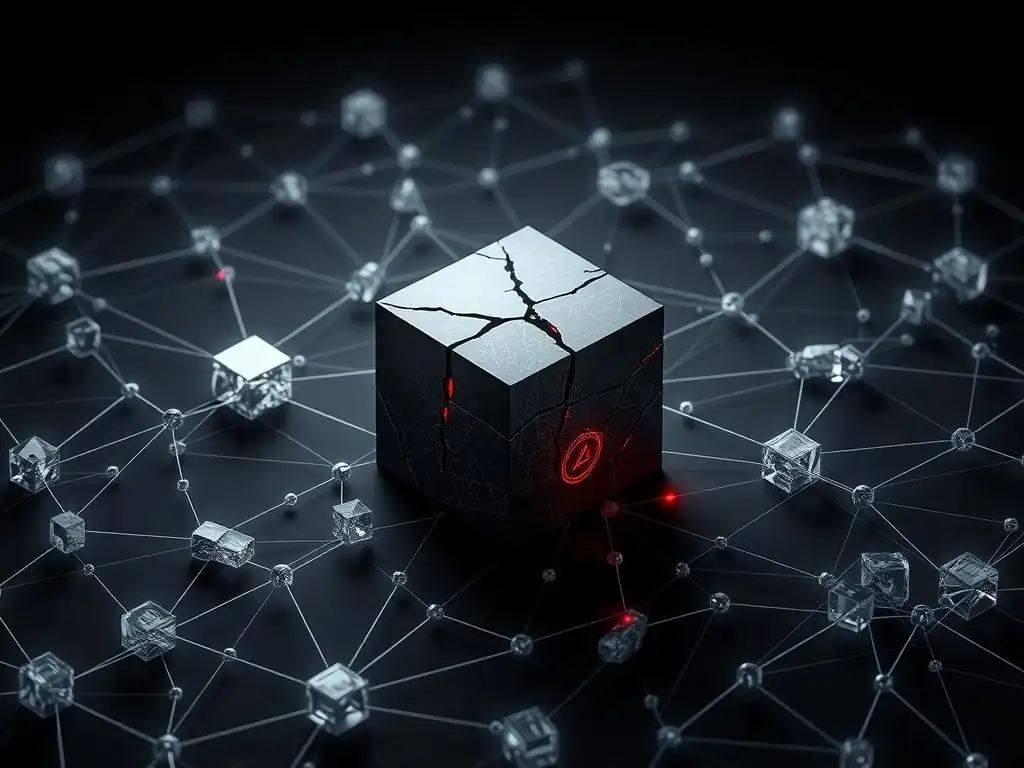
From late 2022 into the present, cross-chain bridges have emerged as a major new frontier for DeFi risk and have become a prime target for attackers. Cross-chain bridges are critical infrastructure components that enable the transfer of assets and data between different blockchains, facilitating interoperability within the broader crypto ecosystem. However, their complex architecture and the inherent challenges of maintaining security across multiple chains have made them particularly vulnerable to exploits.
Several high-profile bridge hacks have occurred, resulting in billions of dollars in losses. These exploits often involve vulnerabilities in the bridge's smart contracts, weaknesses in the consensus mechanisms used to verify cross-chain transactions, or exploits targeting the multisig wallets or centralized components that some bridges rely upon. The surge in cross-chain bridge exploits has underscored the systemic risks associated with these critical infrastructure components and has highlighted the urgent need for more secure bridge designs and robust security practices for cross-chain communication in DeFi.
Nomad Bridge Hack: An Example of a Modern DeFi Hack
The Nomad Bridge hack in August 2022 serves as a particularly stark example of a modern DeFi hack targeting cross-chain bridges. Nomad, a bridge protocol designed to facilitate token transfers between different blockchains, suffered an exploit that resulted in the loss of approximately \$190 million. The vulnerability exploited in the Nomad Bridge was related to a flawed initialization process in a recent smart contract upgrade. This flaw essentially made it possible for anyone to withdraw funds from the bridge contract, effectively turning it into an open vault.
What made the Nomad Bridge hack particularly notable was the cascading nature of the exploit. Once the vulnerability was discovered, it was quickly and widely exploited, with numerous individuals and even bots participating in draining funds from the bridge. The Nomad Bridge hack highlighted the speed and scale at which DeFi exploits can occur in the current environment, the potential for widespread participation in attacks once a vulnerability is public, and the critical importance of rigorous security audits and robust upgrade processes for DeFi infrastructure, especially for cross-chain bridges.
Regulatory Responses to Increasing DeFi Risk Events
The increasing frequency and severity of DeFi risk events, particularly the large-scale bridge hacks, have begun to attract greater attention from regulatory bodies worldwide. Regulators are grappling with how to oversee and regulate the rapidly evolving DeFi space, balancing the need to protect investors and maintain financial stability with the desire to foster innovation and avoid stifling the growth of this nascent technology. While specific regulatory approaches vary across jurisdictions, there is a growing consensus on the need for some form of regulatory oversight for DeFi.
Potential regulatory responses include enhanced KYC/AML requirements for DeFi platforms, stricter rules regarding consumer protection and investor disclosures, and potentially even the application of existing securities laws to certain DeFi activities. The focus is also shifting towards the regulation of stablecoins and cross-chain bridges, given their systemic importance and vulnerability to exploits. The regulatory landscape for DeFi is still evolving, but it is clear that increased regulatory scrutiny and intervention are becoming increasingly likely as DeFi risk events continue to occur and impact the broader financial system.
Analyzing the Common Causes of DeFi Risk Events
Smart Contract Vulnerabilities: Code Audits and Formal Verification
A primary and persistent cause of DeFi risk events is vulnerabilities within smart contract code. As the foundational building blocks of DeFi protocols, smart contracts are susceptible to coding errors, logic flaws, and unforeseen interactions that can be exploited by attackers. Common types of smart contract vulnerabilities include reentrancy bugs, integer overflows/underflows, logic errors in access control or state management, and vulnerabilities arising from the use of external libraries or outdated code.
To mitigate smart contract vulnerabilities, rigorous code audits conducted by independent security experts are essential. Audits involve a comprehensive review of the smart contract code to identify potential flaws and security weaknesses. Furthermore, formal verification techniques, which use mathematical methods to prove the correctness and security properties of smart contracts, are gaining increasing importance. Combining thorough audits with formal verification can significantly enhance the security posture of DeFi protocols and reduce the risk of exploits stemming from smart contract vulnerabilities.
Economic Exploits: Incentive Design Flaws and Game Theory
Beyond code vulnerabilities, a significant category of DeFi risk events arises from economic exploits that leverage flaws in the incentive design or game theory of protocols. DeFi protocols are complex systems with intricate economic mechanisms and incentive structures designed to align the interests of various participants. However, if these incentives are not carefully designed and analyzed, they can create opportunities for attackers to exploit the protocol for profit.
Examples of economic exploits include manipulation of governance mechanisms, attacks on tokenomics models, and strategies that leverage flash loans to exploit market inefficiencies or protocol vulnerabilities. Mitigating economic exploits requires a deep understanding of game theory, mechanism design, and economic modeling. Protocols need to be rigorously analyzed to identify potential incentive flaws and ensure that their economic mechanisms are robust and resistant to manipulation. This often involves simulating various attack scenarios and considering the strategic behavior of rational actors within the DeFi ecosystem.
Oracle Manipulation: Data Integrity and External Dependencies
Oracle manipulation represents another significant source of DeFi risk events. DeFi protocols often rely on external data feeds, known as oracles, to provide real-world information, such as asset prices, interest rates, or other market data, to smart contracts. If these oracles are compromised or manipulated, it can lead to severe consequences for DeFi protocols. Attackers can manipulate oracle data to trigger incorrect liquidations, artificially inflate or deflate asset prices, or gain unauthorized access to funds.
Oracle manipulation can occur through various means, including exploiting vulnerabilities in the oracle infrastructure itself, targeting centralized oracles, or manipulating the data sources that oracles rely upon. Mitigating oracle manipulation risks requires employing robust and decentralized oracle solutions, diversifying oracle sources, and implementing mechanisms to detect and respond to anomalous oracle data. Protocols also need to be designed to be resilient to potential oracle failures or data inaccuracies, incorporating safeguards and circuit breakers to limit the impact of oracle manipulation attempts.
Rug Pulls and Exit Scams: The Human Element of DeFi Risk
While many DeFi risk events are technical in nature, a significant portion, particularly in the early days of DeFi and continuing to some extent today, stem from rug pulls and exit scams. Rug pulls are malicious schemes where project developers or insiders abruptly abandon a DeFi project, often after raising substantial funds from investors. They typically involve draining liquidity pools, abandoning smart contracts, and disappearing with user funds. Rug pulls exploit the trust and enthusiasm of the DeFi community, often preying on projects with unaudited code, anonymous teams, or unrealistic promises.
Exit scams are a similar form of malicious activity where project founders intentionally defraud investors and users. Mitigating rug pulls and exit scams requires a combination of user education, due diligence, and community vigilance. Investors need to be wary of projects with anonymous teams, unaudited code, and overly aggressive marketing tactics. Community-driven initiatives to identify and expose potential rug pulls, as well as platforms that promote transparency and accountability, can help reduce the prevalence of these human-driven DeFi risk events.
Mitigating DeFi Risk: Strategies and Best Practices
Code Audits and Security Reviews: Preventing Vulnerabilities
Proactive measures are paramount in mitigating DeFi risk, and code audits and security reviews stand as the first line of defense. Engaging reputable, independent security firms to conduct thorough audits of smart contract code before deployment is a crucial best practice. These audits should not be treated as a one-time event but rather as an ongoing process, especially when protocols undergo upgrades or introduce new features. Security reviews should also extend beyond just the code to encompass the overall system architecture, deployment processes, and operational security practices of DeFi projects.
Effective audits go beyond simply identifying vulnerabilities; they also provide actionable recommendations for remediation and help developers improve their coding practices. The increasing sophistication of DeFi attacks necessitates a correspondingly advanced approach to security audits, incorporating techniques like fuzzing, symbolic execution, and formal verification to uncover subtle and complex vulnerabilities. Investing in comprehensive and continuous code audits and security reviews is a fundamental step in building more resilient and secure DeFi protocols.
Insurance Protocols: Protecting Against Financial Loss
Despite the best efforts in code auditing and security reviews, DeFi risk events can still occur. Insurance protocols have emerged as a crucial risk mitigation strategy, providing financial protection to users in the event of hacks, exploits, or other unforeseen losses. DeFi insurance protocols operate on decentralized principles, often using smart contracts to manage policies, premiums, and payouts. Users can purchase insurance coverage for their DeFi assets, paying premiums in exchange for protection against specific types of risks.
In the event of a covered risk event, policyholders can file claims and, upon successful validation, receive compensation for their losses. DeFi insurance protocols help to transfer and distribute risk within the ecosystem, making it more attractive for users to participate in DeFi without bearing the full brunt of potential financial losses. While the DeFi insurance market is still evolving, it plays an increasingly important role in building user confidence and fostering the growth of the DeFi ecosystem by providing a safety net against inherent risks.
Decentralized Autonomous Organizations (DAOs) and Governance: Community-Driven Security
Decentralized Autonomous Organizations (DAOs) and robust governance mechanisms are increasingly recognized as vital components of DeFi security. DAOs enable community-driven decision-making and governance of DeFi protocols, distributing control and reducing reliance on centralized entities. Well-designed governance processes can enhance security by allowing for faster responses to emerging threats, facilitating community-led security initiatives, and promoting transparency and accountability.
DAOs can play a crucial role in managing protocol upgrades, implementing security patches, and responding to security incidents. Community governance can also foster a culture of security awareness and incentivize users and developers to actively participate in securing the protocol. By decentralizing control and empowering the community, DAOs can contribute to a more resilient and adaptable security model for DeFi protocols, leveraging the collective intelligence and vigilance of a distributed network of participants.
Risk Management Tools and Techniques for DeFi Investors
For individual DeFi investors, understanding and managing risk is paramount. A range of risk management tools and techniques are available to help investors navigate the complexities of DeFi and make informed decisions. These tools include portfolio tracking dashboards that monitor asset values and track potential impermanent loss, risk assessment platforms that evaluate the security and risk profiles of different DeFi protocols, and analytics tools that provide insights into protocol health and on-chain activity.
Furthermore, DeFi investors should adopt sound risk management practices, such as diversifying their portfolios across multiple protocols and asset classes, allocating only a portion of their capital to higher-risk DeFi ventures, and staying informed about protocol updates, security audits, and potential vulnerabilities. Utilizing available risk management tools and adhering to prudent investment principles can significantly reduce the likelihood of suffering substantial losses in the dynamic and often volatile DeFi space.
The Future of DeFi Security: Trends and Predictions
The Role of AI in Detecting and Preventing DeFi Attacks
Artificial intelligence (AI) and machine learning (ML) are poised to play an increasingly significant role in the future of DeFi security. AI and ML techniques can be applied to analyze vast amounts of on-chain data to detect anomalous patterns, identify potential vulnerabilities, and predict impending attacks. AI-powered security systems can monitor transaction flows, smart contract behavior, and market activity in real-time, providing early warnings of suspicious activity and potential exploits.
Furthermore, AI can be used to automate security audits, identify code vulnerabilities, and even generate security patches. As DeFi protocols become more complex and attack vectors evolve, AI-driven security solutions will become increasingly essential for proactively detecting and preventing DeFi attacks, enhancing the overall security posture of the ecosystem and reducing reliance on purely manual security measures.
Emerging Technologies for Enhanced Smart Contract Security
Several emerging technologies are being developed to enhance smart contract security beyond traditional code audits and security reviews. Formal verification techniques are becoming more sophisticated and accessible, allowing for mathematical proofs of smart contract correctness and security properties. Zero-knowledge proofs and other privacy-enhancing technologies can be used to build more secure and privacy-preserving DeFi applications.
Furthermore, advancements in smart contract programming languages and development tools are focusing on building security directly into the development process, making it easier for developers to write secure code and harder to introduce vulnerabilities. The ongoing research and development in these emerging technologies promise to significantly improve the security landscape for smart contracts and DeFi protocols, making them more resilient to attacks and reducing the likelihood of exploits.
The Evolution of DeFi Insurance and Risk Mitigation Strategies
DeFi insurance and risk mitigation strategies are expected to continue evolving and maturing in the future. Insurance protocols are likely to become more sophisticated, offering a wider range of coverage options, more efficient claims processes, and more robust risk assessment models. New types of DeFi insurance products may emerge, catering to specific risks and user needs within the DeFi ecosystem.
Furthermore, risk mitigation strategies will likely become more proactive and preventative, incorporating real-time monitoring, automated security responses, and AI-driven threat detection. The DeFi industry is expected to move towards a more holistic and integrated approach to risk management, combining technical security measures with financial risk transfer mechanisms and community-driven security initiatives to create a more secure and sustainable DeFi ecosystem.
Conclusion: The Importance of Vigilance in DeFi Risk Management
Key Takeaways from the DeFi Risk Event History
The history of DeFi risk events provides several crucial takeaways for participants in this rapidly evolving space. Firstly, it is clear that DeFi, while offering immense potential, is inherently risky and susceptible to exploits. Secondly, the types of risk events have evolved over time, from early smart contract vulnerabilities to more sophisticated economic exploits and attacks on cross-chain bridges. Thirdly, security is not a static state but an ongoing process that requires continuous vigilance, adaptation, and innovation.
The history of DeFi risk events underscores the importance of proactive security measures, including code audits, formal verification, robust oracle solutions, and sound economic design. It also highlights the critical role of risk management tools, insurance protocols, and community-driven security initiatives in mitigating DeFi risk and protecting user funds. Learning from past mistakes and understanding the historical patterns of DeFi risk events is essential for building a more secure and sustainable future for decentralized finance.
Staying Informed and Protecting Your Investments in the DeFi Space
In the dynamic and often unpredictable world of DeFi, staying informed is paramount for protecting your investments. Investors should continuously monitor the security landscape, stay updated on the latest DeFi risk events and vulnerabilities, and follow reputable sources of security information within the DeFi community. Conducting thorough due diligence on DeFi protocols before investing, understanding the associated risks, and utilizing available risk management tools are crucial steps in safeguarding your assets.
Furthermore, participating in community discussions, engaging with project developers, and contributing to security initiatives can enhance your understanding of DeFi risks and contribute to a more secure ecosystem for everyone. Vigilance, continuous learning, and proactive risk management are essential for navigating the complexities of DeFi and protecting your investments in this evolving landscape.
Embracing a Culture of Security and Transparency in DeFi
Ultimately, building a secure and sustainable future for DeFi requires embracing a culture of security and transparency throughout the ecosystem. Developers must prioritize security from the outset, adopting secure coding practices, conducting rigorous audits, and being transparent about security measures. Protocols should strive for decentralization, open-source code, and transparent governance mechanisms to build trust and enhance community oversight.
Users must also play an active role in promoting security by demanding audits, scrutinizing project code, and holding protocols accountable for security vulnerabilities. A collective commitment to security and transparency, shared by developers, users, and the broader DeFi community, is essential for fostering a more resilient and trustworthy DeFi ecosystem that can realize its transformative potential while mitigating the inherent risks.
Frequently Asked Questions
What are some of the most significant DeFi risk events that have occurred?
Significant DeFi risk events include major hacks like the DAO Hack and Cream Finance exploit, as well as economic exploits and flash loan attacks that resulted in substantial financial losses. These events highlight the vulnerabilities within DeFi protocols.
How has the DeFi risk event history impacted the development and security of the DeFi space?
The history of DeFi risk events has driven increased auditing efforts, improved security protocols, and a greater emphasis on risk management strategies within the DeFi ecosystem.
Beyond direct financial losses, what are some other consequences of DeFi risk events?
Beyond immediate financial losses, DeFi risk events can lead to a loss of user trust, regulatory scrutiny, and slowed adoption of DeFi technologies.
What types of vulnerabilities are most frequently exploited in DeFi risk events?
Commonly exploited vulnerabilities in DeFi include smart contract bugs, oracle manipulation, and governance attacks, often arising from insufficient security audits.
What measures can be taken to mitigate the risk of future DeFi risk events?
Mitigation strategies include rigorous code audits, insurance protocols, decentralized governance mechanisms, and ongoing monitoring of DeFi protocols for suspicious activity.
The journey through DeFi risk event history reveals more than just a series of unfortunate incidents; it exposes a dynamic and rapidly evolving ecosystem grappling with the inherent tensions between innovation and security. Understanding these past vulnerabilities is not merely an academic exercise, but a crucial imperative for building a more resilient and trustworthy future for decentralized finance. The lessons learned from each hack and exploit serve as vital guideposts, illuminating the path toward more robust protocols and proactive risk management strategies.
The relentless pursuit of yield and innovation within DeFi has undeniably shaped the cultural and social landscape of finance, offering unprecedented access and opportunities. However, this progress has been shadowed by the ever-present threat of exploitation. The ongoing impact of these events underscores the critical need for a collective commitment to security and transparency, not just within the development community, but across the entire user base. Security is not a product, but a process.
This quote, often attributed to Bruce Schneier, perfectly encapsulates the continuous and evolving nature of safeguarding the DeFi ecosystem.
As we reflect on the lessons gleaned from this historical overview, let us not be discouraged by the challenges we have faced. Instead, let us embrace the opportunity to learn, adapt, and build a more secure and equitable financial future. Consider how you, as a participant in this evolving landscape, can contribute to fostering a culture of vigilance and responsible innovation.
Ask yourself: What steps can you take to better understand the risks involved, to advocate for stronger security measures, and to contribute to the collective effort of building a more trustworthy and sustainable DeFi ecosystem? The future of decentralized finance depends on our collective commitment to learning from the past and building a more secure tomorrow.
Okay, I'm ready to craft a Call to Action (CTA) for the end of a "From Hacks to Exploits: A History of Major DeFi Risk Events" article on BlockchainTrends.org. Here it is:
Uncover Your DeFi Shield: Secure Your Future!
Thank you for delving into the history of DeFi risks with us. We hope you've gained valuable insights into the vulnerabilities and challenges that have shaped the decentralized finance landscape. Now, let's translate that knowledge into action!
Here are a few steps you can take to protect yourself and contribute to a safer DeFi ecosystem:
- Critically assess the security measures of any DeFi platform before investing. Understand their audit history, smart contract architecture, and risk mitigation strategies.
- Share this article with fellow crypto enthusiasts to raise awareness about the ever-evolving threat landscape in DeFi.
- Explore contributing to open-source security audits and bounty programs. Help proactively identify and address potential vulnerabilities within DeFi projects.
What specific security measure are you implementing today to safeguard your DeFi investments? Share your insights in the comments below!
Leave a Reply