
Reducing Supply Chain Costs with Blockchain: Exploring Efficiency Gains and Automation


Welcome to Blockchain Trends, your guide to understanding the real-world impact of blockchain technology. Beyond the hype, how is blockchain truly changing industries?
Dive into our latest article, "Reducing Supply Chain Costs with Blockchain," and discover how this innovative technology is driving efficiency and automation. Can blockchain actually revolutionize supply chain management and significantly cut costs? Explore the potential savings and transformative applications that are reshaping the future of enterprise. Read on to uncover the possibilities!
Reducing Supply Chain Costs with Blockchain: Exploring Efficiency Gains and Automation
- Introduction: The Promise of Blockchain for Supply Chain Cost Optimization
- Identifying Key Areas for Blockchain-Driven Cost Reduction in Supply Chains
- How Blockchain Enables Cost Reduction in the Supply Chain
- Case Studies: Blockchain Supply Chain Cost Reduction in Action
- Implementing Blockchain for Supply Chain: A Step-by-Step Approach to Cost Savings
- Overcoming Challenges in Blockchain Supply Chain Implementation
- The Future of Blockchain and Supply Chain Cost Management
- Conclusion: Blockchain as a Strategic Tool for Supply Chain Cost Optimization
-
Frequently Asked Questions
- How does blockchain technology contribute to supply chain cost reduction?
- What are some specific examples of efficiency gains achievable through blockchain in the supply chain?
- How does blockchain automation impact labor costs in the supply chain?
- What role does decentralization play in reducing supply chain costs via blockchain?
- What are the main challenges to implementing blockchain for supply chain cost reduction?
- Final Reflection: Embracing Blockchain for Supply Chain Resilience
- Unlock Supply Chain Savings Now!
Introduction: The Promise of Blockchain for Supply Chain Cost Optimization
Understanding the Challenges of Traditional Supply Chains
Traditional supply chains are notoriously complex, often involving multiple intermediaries, disparate systems, and opaque processes. This inherent complexity leads to significant inefficiencies and costs. Issues such as lack of real-time visibility, manual data entry errors, lengthy dispute resolution processes, and vulnerability to fraud contribute substantially to operational expenses.
For instance, manual processing of trade documentation can take days or even weeks, creating bottlenecks that delay shipments and increase demurrage costs. The lack of a single, trusted source of truth means that reconciling data across different parties is time-consuming and error-prone, directly impacting the bottom line through increased administrative overhead and potential financial losses from discrepancies.
Furthermore, traditional supply chains struggle with transparency regarding the origin and journey of goods, making them susceptible to counterfeiting and theft. The global cost of counterfeiting and piracy is estimated to be in the hundreds of billions of dollars annually, impacting various industries from luxury goods to pharmaceuticals.
Recalling contaminated or faulty products is also a costly and complex endeavor when traceability is poor, potentially leading to millions in losses from returned goods, disposal fees, and reputational damage. These pervasive challenges highlight the urgent need for transformative solutions that can bring greater efficiency, trust, and cost control to the intricate web of modern supply chains.
Blockchain's Potential to Revolutionize Supply Chain Efficiency
Blockchain technology offers a decentralized and immutable ledger system that can fundamentally alter how supply chain operations are managed, promising significant blockchain supply chain cost reduction. By providing a shared, tamper-proof record of transactions and events across the network, blockchain enhances transparency and builds trust among participants who may not otherwise know or trust each other.
This shared visibility eliminates the need for multiple ledgers and manual reconciliation, drastically reducing administrative burdens and the potential for errors and fraud. The ability to trace goods from origin to destination in near real-time provides unprecedented insights, enabling better inventory management, faster issue resolution, and improved compliance.
The application of smart contracts, self-executing contracts with the terms of the agreement directly written into code, further automates processes within the supply chain. Payments can be triggered automatically upon delivery verification, compliance checks can be executed without manual intervention, and goods can be released based on predefined conditions. This automation reduces reliance on intermediaries, speeds up transaction settlements, and lowers associated fees.
The inherent security features of blockchain, such as cryptographic hashing and distributed consensus, protect data integrity and reduce the risk of manipulation, thereby minimizing financial losses associated with fraud and disputes. Together, these capabilities position blockchain as a powerful tool for optimizing supply chain operations and achieving substantial cost savings.
Identifying Key Areas for Blockchain-Driven Cost Reduction in Supply Chains
Transparency and Traceability: Minimizing Losses and Counterfeiting
Enhanced transparency and traceability are perhaps the most immediate benefits blockchain brings to supply chains, leading directly to blockchain supply chain cost reduction. By creating a secure, shared record of every step a product takes – from raw material sourcing to final delivery – blockchain provides end-to-end visibility.
This makes it significantly harder for counterfeit goods to enter the legitimate supply chain undetected. For example, in the pharmaceutical industry, where counterfeit drugs pose a severe risk, tracing each package via blockchain can help verify its authenticity, potentially saving millions in costs associated with identifying, seizing, and disposing of fake products, not to mention protecting brand reputation and consumer safety.
Moreover, robust traceability capabilities drastically improve the efficiency and reduce the cost of product recalls. When an issue arises, such as a contamination event or a faulty batch, blockchain allows companies to quickly identify the affected products, their location, and their destination.
Instead of broad, costly recalls covering potentially millions of items, businesses can execute targeted recalls affecting only the specific batch or shipment in question. This precision minimizes the volume of returned goods, reduces disposal costs, and limits the impact on unaffected inventory, leading to substantial savings compared to traditional recall methods that often involve recalling far more product than necessary due to poor visibility.
Streamlining Processes: Reducing Administrative Overhead and Delays
Traditional supply chain processes are often bogged down by manual paperwork, redundant data entry, and slow communication between parties. Each handoff between suppliers, manufacturers, distributors, logistics providers, and retailers typically involves exchanging physical documents or disparate digital files, leading to delays, errors, and significant administrative overhead. Implementing blockchain allows for the digitization and standardization of these processes on a shared ledger. For instance, bills of lading, customs documents, and certificates of origin can be recorded and updated in real-time on the blockchain, accessible to all authorized participants.
This digital transformation and shared access eliminate the need for excessive manual data entry and reconciliation across different systems, reducing the likelihood of errors that can lead to costly delays or disputes. It's estimated that digitizing trade processes using technologies like blockchain could reduce processing times for shipments by days and cut associated costs significantly. Furthermore, automating validation steps through smart contracts can speed up approvals and customs clearances, reducing demurrage charges at ports and warehouses. By removing manual bottlenecks and improving data flow, blockchain directly contributes to lowering operational costs and improving overall supply chain velocity.
Inventory Management: Optimizing Stock Levels and Reducing Waste
Effective inventory management is crucial for minimizing costs in a supply chain. Holding too much stock ties up capital and incurs warehousing, insurance, and potential obsolescence costs. Conversely, holding too little stock can lead to stockouts, lost sales, and expedited shipping fees. Traditional systems often provide delayed or inaccurate inventory data due to fragmented information across different locations and stakeholders. Blockchain, by providing a real-time, shared view of inventory levels and locations across the network, enables more accurate forecasting and optimization.
With blockchain-enabled visibility, companies can track goods as they move through the supply chain with greater precision. This allows for better prediction of arrival times, more efficient allocation of resources, and reduced need for safety stock held to buffer against uncertainty. For perishable goods, tracking expiry dates on the blockchain can help prioritize shipments and reduce waste.
One study estimated that improved inventory visibility could reduce inventory costs by up to 10-20%. By providing a single source of truth for inventory data, blockchain helps businesses maintain optimal stock levels, reduce carrying costs, and minimize losses from spoilage or obsolescence, contributing significantly to blockchain supply chain cost reduction.
Payment Automation: Faster Settlements and Reduced Transaction Fees
Cross-border payments and settlements in traditional supply chains can be slow, costly, and complex, often involving multiple banks and intermediaries, each adding fees and processing time. Delays in payment can strain relationships, impact cash flow for suppliers, and increase administrative effort for reconciliation. Blockchain, particularly when integrated with cryptocurrencies or stablecoins, offers a potential pathway to faster, cheaper payment automation through smart contracts.
Using smart contracts, payments can be programmed to execute automatically and instantly once predefined conditions are met, such as the delivery of goods confirmed via IoT sensors or the successful completion of a quality inspection. This eliminates the need for manual invoice processing and payment initiation, reducing administrative costs. Furthermore, blockchain-based payment systems can potentially bypass traditional banking intermediaries, leading to lower transaction fees compared to traditional wire transfers or letters of credit.
Faster settlement also improves cash flow for suppliers, potentially leading to better terms or discounts for the buyer. While regulatory hurdles remain for widespread crypto adoption in B2B payments, the underlying principle of automated, low-cost settlement via smart contracts on a blockchain holds significant promise for reducing financial costs in the supply chain.
How Blockchain Enables Cost Reduction in the Supply Chain
Enhanced Transparency and Traceability for Cost Savings
Blockchain's core value proposition in supply chains is the creation of an immutable, distributed ledger that records every transaction or event related to a product's journey. This provides an unprecedented level of transparency and traceability for all authorized participants. Imagine tracking a shipment of electronics: every time it changes hands, passes a quality check, or moves location, this event is recorded on the blockchain.
This shared, real-time data eliminates information silos and provides a single source of truth accessible to manufacturers, logistics providers, distributors, and even end consumers. This enhanced visibility makes it significantly easier to identify bottlenecks, verify product authenticity, and pinpoint the source of issues quickly.
The cost savings here are manifold. Reduced instances of fraud and counterfeiting, as discussed earlier, protect revenue and brand value. Faster identification of faulty products leads to more efficient recalls, saving potentially millions in logistics and disposal costs.
Furthermore, disputes related to shipment status, quality, or ownership can be resolved much faster because all parties have access to the same verifiable history of events. This reduces the time and expense spent on investigations and legal proceedings. The ability to audit the entire supply chain history on-demand also aids in compliance and regulatory reporting, potentially lowering audit costs and reducing the risk of fines.
Automated Processes and Smart Contracts for Efficiency
Smart contracts are self-executing contracts where the terms of the agreement between buyer and seller are directly written into lines of code. This code and the agreements contained therein exist across a distributed, decentralized blockchain network. They automate the execution of agreements, workflows, and payments based on predefined conditions being met and verified on the blockchain.
This automation is a key driver of blockchain supply chain cost reduction. For example, a smart contract could automatically trigger a payment to a supplier as soon as IoT sensors confirm that goods have arrived at a warehouse and a quality check (also recorded on the blockchain) has passed.
This automation eliminates the need for manual checks, approvals, and invoice processing, significantly reducing administrative effort and associated labor costs. It also speeds up transaction velocity; payments that might traditionally take days or weeks to process through manual systems and banking intermediaries can be settled almost instantly.
This not only improves cash flow for suppliers but also reduces the costs associated with delayed payments or the need for expensive financing. By automating repetitive, rule-based tasks, smart contracts free up personnel to focus on more strategic activities, further enhancing operational efficiency and contributing to overall cost optimization within the blockchain-enabled supply chain.
Improved Data Security and Reduced Risk of Fraud
The inherent security features of blockchain technology contribute significantly to reducing costs associated with data breaches, fraud, and errors. Data on a blockchain is cryptographically secured; each new block is linked to the previous one using a cryptographic hash, making it extremely difficult and computationally expensive to alter past records without being detected by the network participants. This immutability ensures the integrity and trustworthiness of the data recorded on the ledger, such as transaction histories, product movements, and ownership records.
This enhanced data security minimizes the risk of data manipulation for fraudulent purposes, such as altering shipment quantities or changing delivery destinations. It also protects sensitive supply chain data from cyber threats, reducing the potential costs associated with data breaches, which can include regulatory fines, legal fees, and reputational damage. By providing a secure, verifiable audit trail of all activities, blockchain reduces the reliance on trust between unknown parties and mitigates the financial risks associated with fraudulent activities within the supply chain network. This robust security layer is a foundational element for achieving sustainable blockchain supply chain cost reduction.
Real-Time Visibility and Optimized Decision-Making
Traditional supply chains often operate with significant information delays. Data about inventory levels, shipment locations, or production status might be hours or even days old by the time it reaches decision-makers due to manual reporting and fragmented systems. Blockchain provides near real-time visibility into the entire supply chain process for all authorized participants. As events occur and are recorded on the ledger, this information is immediately available across the network.
This real-time visibility enables better, faster, and more informed decision-making. Supply chain managers can react quickly to disruptions, reroute shipments around unforeseen delays, or adjust production schedules based on accurate, up-to-the-minute data.
For example, if a delay occurs at a port, all downstream parties are immediately aware, allowing them to adjust their plans proactively, reducing costs associated with waiting time, excess inventory, or missed deadlines. The ability to optimize logistics, production, and inventory based on accurate, real-time data directly translates into reduced operational costs, improved resource utilization, and enhanced overall supply chain performance, demonstrating the power of blockchain for cost efficiency.
Case Studies: Blockchain Supply Chain Cost Reduction in Action
Maersk and IBM's TradeLens: Streamlining Global Trade and Reducing Documentation Costs
One of the most prominent examples of blockchain supply chain cost reduction is the TradeLens platform, a collaboration between Maersk, the world's largest container shipping company, and IBM. Global shipping involves a vast amount of documentation – bills of lading, customs declarations, health certificates, invoices, etc. – often processed manually and exchanged between dozens of different parties. This leads to significant delays, errors, and costs. TradeLens utilizes blockchain to create a shared, immutable digital record of shipping transactions.
The platform aims to digitize and streamline the flow of shipping information globally. While specific overall cost reduction figures are proprietary, reports indicate that TradeLens can significantly reduce the time and cost associated with document processing. Manual processing of paper documents can take up to two weeks, costing potentially hundreds of dollars per shipment in administrative fees and delays.
By providing a single, shared ledger for shipping data, TradeLens reduces the need for repeated data entry, minimizes errors, and speeds up approvals. This streamlining demonstrably reduces administrative overhead and accelerates cargo movement, illustrating how blockchain reduces supply chain costs on a massive scale.
Walmart's Food Traceability Initiative: Enhancing Food Safety and Reducing Recall Costs
Walmart, the global retail giant, implemented a blockchain-based system to improve food traceability, particularly for leafy greens, after a series of E. coli outbreaks highlighted the challenges of tracing contaminated food sources quickly in traditional systems. Previously, tracing the origin of a contaminated food product could take days or even weeks, leading to widespread, costly recalls covering vast amounts of product.
Using a blockchain solution built on Hyperledger Fabric, Walmart can now trace the origin of leafy greens from farm to store in seconds. This capability dramatically reduces the time required to identify affected products and their sources. In the event of a contamination, instead of recalling all leafy greens from potentially thousands of stores, Walmart can issue precise, targeted recalls for only the affected batches from specific farms distributed to particular locations.
This precision significantly reduces the volume of product recalled, minimizing losses from spoiled goods, disposal costs, and associated logistics. While exact financial figures are not publicly disclosed, the ability to conduct targeted recalls instead of broad ones represents a substantial reduction in the cost of managing food safety incidents, showcasing effective blockchain supply chain cost reduction in practice.
Analyzing the Common Success Factors in Blockchain Supply Chain Implementations
Analyzing successful blockchain implementations like TradeLens and Walmart's traceability system reveals common factors contributing to their effectiveness in reducing supply chain costs. Firstly, they address specific, high-cost pain points in traditional processes, such as documentation handling (TradeLens) or slow traceability (Walmart). Targeting areas with clear, measurable inefficiencies allows for a tangible demonstration of blockchain's value proposition. Secondly, these initiatives involve collaboration and buy-in from multiple stakeholders across the supply chain, recognizing that blockchain's network effect is crucial for its success. A shared ledger requires participation from various parties to provide comprehensive data.
Thirdly, these projects often start with a focused scope or pilot program (e.g., tracing specific products like leafy greens or focusing on ocean shipping documentation) before attempting to scale broadly. This allows for learning, refinement, and demonstrating value before a full-scale rollout. Finally, they leverage blockchain not just as a database but for its unique capabilities – immutability, transparency (to authorized parties), and the ability to support smart contracts for automation. These factors combined enable these projects to move beyond theoretical benefits and achieve real-world blockchain supply chain cost reduction by tackling inefficiencies, improving data integrity, and fostering collaboration.
Implementing Blockchain for Supply Chain: A Step-by-Step Approach to Cost Savings
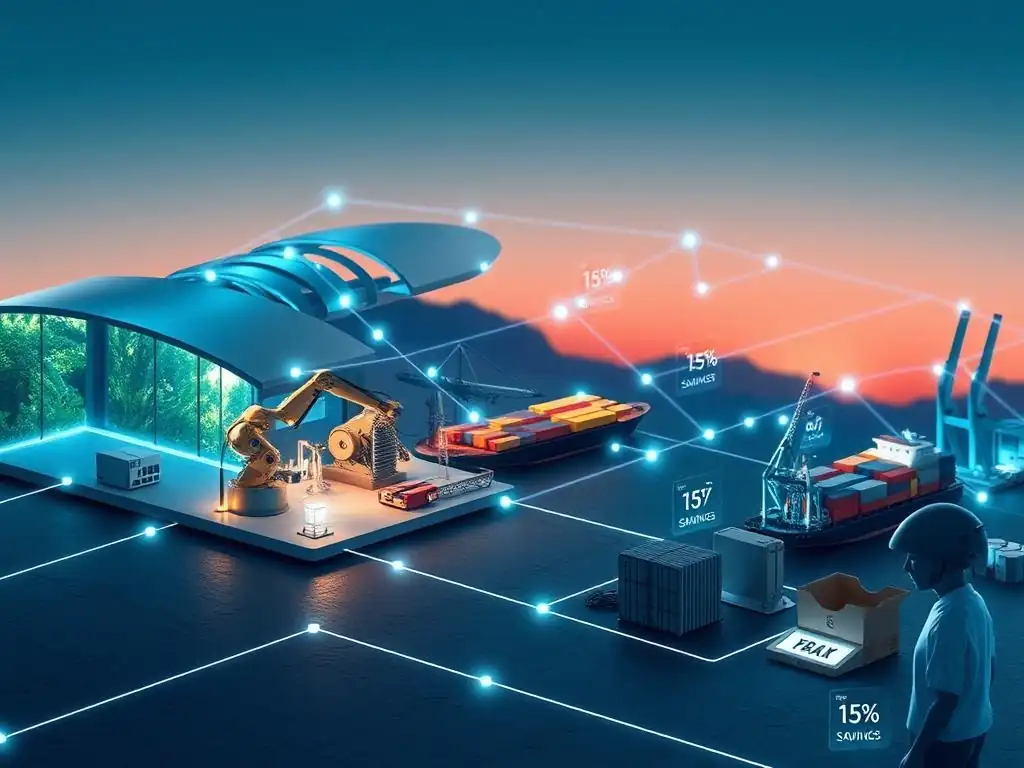
Assessing Current Supply Chain Processes and Identifying Pain Points
The first critical step in leveraging blockchain for supply chain cost reduction is a thorough assessment of your current supply chain operations. This involves mapping out all processes, identifying key stakeholders, and analyzing the flow of goods, information, and payments. The goal is to pinpoint specific inefficiencies, bottlenecks, and areas where costs are unnecessarily high. This might include slow or error-prone manual data entry, lack of visibility into inventory or shipment status, lengthy dispute resolution processes, high administrative costs for documentation, or vulnerability to fraud and counterfeiting.
Engage with different departments and external partners (suppliers, logistics providers, customers) to gain a comprehensive understanding of the challenges. Quantify the costs associated with these pain points wherever possible. For example, estimate the average time and cost spent on resolving shipping disputes, the percentage of revenue lost to counterfeiting, or the administrative overhead for processing invoices. This detailed assessment provides a baseline against which the impact of blockchain can be measured and helps prioritize which areas offer the greatest potential for blockchain supply chain cost reduction.
Selecting the Right Blockchain Platform and Technology
Once pain points are identified, the next step is selecting a suitable blockchain platform and technology architecture. The choice depends on the specific requirements of your use case, including the need for privacy (permissioned vs. public blockchains), transaction throughput, scalability, and the ecosystem of existing participants. Enterprise-grade blockchain platforms like Hyperledger Fabric, R3 Corda, or private Ethereum deployments are common choices for supply chain applications due to their ability to manage access permissions and handle complex business logic through smart contracts.
Consider factors like the platform's maturity, developer community support, ease of integration with existing enterprise resource planning (ERP) or warehouse management systems (WMS), and the cost of deployment and maintenance. It's crucial to select a platform that can meet your current needs while also offering scalability for future growth and potential interoperability with other blockchain networks or systems in the supply chain ecosystem. A careful technology selection is foundational to successfully implementing blockchain for cost efficiency.
Developing a Proof of Concept (POC) and Pilot Program
Before committing to a full-scale deployment, it is highly recommended to develop a Proof of Concept (POC) followed by a pilot program. A POC focuses on validating the technical feasibility of using blockchain to address a specific, narrow pain point identified in the assessment phase. For example, a POC might test the ability to track a single type of product from one supplier to one distributor using a simple blockchain ledger. This allows you to understand the technology's capabilities and limitations in a controlled environment.
If the POC is successful, move to a pilot program. A pilot expands the scope to include a limited number of participants (e.g., a few suppliers, one logistics provider, and one distribution center) and a specific set of processes (e.g., tracing a product through a short segment of the supply chain, automating a specific payment trigger).
The pilot's goal is to test the solution in a real-world setting, gather feedback from participants, measure actual cost savings or efficiency gains against the baseline, and identify operational challenges before a broader rollout. This iterative approach minimizes risk and ensures the solution delivers tangible blockchain supply chain cost reduction.
Scaling Blockchain Solutions Across the Supply Chain
After a successful pilot demonstrating clear benefits and cost savings, the next step is to scale the blockchain solution across more participants, processes, and geographical locations within your supply chain. Scaling requires careful planning, including onboarding new partners onto the platform, integrating the blockchain solution with a wider range of internal and external systems (like ERP, WMS, IoT devices), and managing change within your organization and among your partners.
Scaling involves technical considerations, such as ensuring the platform can handle increased transaction volume and data storage, and business considerations, such as developing governance models for the network and establishing data-sharing agreements. Training for employees and partners is essential to ensure widespread adoption and effective use of the new system. Scaling successfully amplifies the benefits observed in the pilot, leading to more significant blockchain supply chain cost reduction across the entire network by leveraging the network effect of shared data and automated processes.
Measuring and Monitoring the Impact on Supply Chain Costs
A critical, ongoing step is to continuously measure and monitor the impact of the blockchain implementation on your supply chain costs and key performance indicators (KPIs). This involves tracking the specific cost areas targeted by the initiative, such as administrative overhead, dispute resolution costs, inventory holding costs, losses due to fraud or recalls, and transaction fees. Compare these metrics against the baseline established during the initial assessment.
Key KPIs to monitor might include:
- Reduction in document processing time
- Decrease in administrative labor hours related to supply chain operations
- Reduction in inventory levels or carrying costs
- Faster payment cycle times
- Decrease in losses from counterfeiting or fraud
- Reduction in the cost and scope of product recalls
- Improvement in order accuracy or on-time delivery rates
Regularly analyzing this data allows you to quantify the return on investment (ROI) of your blockchain initiative, identify areas for further optimization, and communicate the value of the solution to stakeholders. Continuous monitoring ensures that the blockchain solution continues to deliver tangible blockchain supply chain cost reduction and efficiency gains over time.
[ ] Assess current supply chain processes
[ ] Identify specific cost pain points
[ ] Select appropriate blockchain platform
[ ] Develop and test a Proof of Concept (POC)
[ ] Run a pilot program with key partners
[ ] Measure pilot results against baseline
[ ] Plan for scaling the solution
[ ] Onboard additional partners and integrate systems
[ ] Implement the scaled solution
[ ] Continuously measure and monitor cost impacts and KPIs
Overcoming Challenges in Blockchain Supply Chain Implementation
Addressing Data Privacy and Security Concerns
While blockchain offers enhanced security through cryptography and immutability, implementing it in a supply chain context raises specific data privacy and security concerns that must be addressed. Supply chain data can be highly sensitive, containing information about pricing, production volumes, customer details, and proprietary processes. Putting all this data on a shared, albeit permissioned, ledger requires careful consideration of access controls. Not all participants in the supply chain should have access to all data.
Implementing robust permissioning layers is crucial, ensuring that parties only see the data they are authorized to view. This is typically managed through private or permissioned blockchain platforms where participants are vetted, and access rights are strictly controlled. Furthermore, the design must consider data residency regulations (like GDPR), which may restrict where certain data can be stored.
Techniques like zero-knowledge proofs or private data collections (as in Hyperledger Fabric) can allow verification of data or execution of smart contracts without revealing the underlying sensitive information. Addressing these privacy and security concerns transparently builds trust among participants and is essential for successful blockchain supply chain cost reduction initiatives.
Ensuring Interoperability with Existing Systems
A significant challenge in implementing blockchain for supply chain is ensuring interoperability with the myriad of legacy systems already in place within companies and across the supply chain network. Businesses rely on established ERP systems, WMS, transportation management systems (TMS), and various other software applications. A new blockchain solution cannot operate in isolation; it must seamlessly integrate with these existing systems to pull data from them and push data back when necessary.
This integration process can be complex and costly. It often requires developing application programming interfaces (APIs) or middleware to connect the blockchain platform with traditional databases and applications. Standardizing data formats across disparate systems is also a hurdle. Without effective integration, the blockchain becomes just another siloed system, failing to provide the end-to-end visibility and automation needed for substantial blockchain supply chain cost reduction. Careful planning and investment in integration capabilities are vital for a successful deployment.
Managing the Complexity of Blockchain Technology
Blockchain technology, particularly enterprise-grade platforms, can be complex to understand, implement, and maintain compared to traditional centralized databases. The concepts of distributed ledgers, consensus mechanisms, smart contracts, and cryptography require specialized expertise. Organizations need to invest in training existing IT staff or hiring personnel with the necessary skills to develop, deploy, and manage blockchain solutions.
Furthermore, the development lifecycle for smart contracts differs from traditional software development and requires rigorous testing to ensure they function as intended, as errors in smart contract code can be difficult or impossible to rectify once deployed on an immutable ledger. The governance of a distributed network, including managing participant identities, updating the protocol, and handling forks, adds another layer of complexity. Effectively managing this technological complexity through skilled personnel, robust development practices, and clear governance models is essential to realize the benefits of blockchain for cost efficiency without incurring prohibitive technical debt or operational issues.
Securing Stakeholder Buy-in and Collaboration
A blockchain supply chain solution requires participation and collaboration from multiple independent entities – suppliers, manufacturers, logistics providers, customs, banks, etc. Securing buy-in from all these diverse stakeholders is arguably the biggest non-technical challenge. Each participant has their own business interests, existing systems, and varying levels of technical maturity and willingness to share data. Convincing them to invest time, resources, and trust in a shared platform can be difficult.
Demonstrating a clear value proposition and mutual benefit for all parties is crucial. While the initiator (e.g., a large manufacturer or retailer) might see significant blockchain supply chain cost reduction, smaller participants might need to see benefits like faster payments, reduced administrative burden, or access to new services built on the platform.
Establishing a clear governance framework for the network, addressing concerns about data ownership and access, and building a collaborative environment are key to fostering the necessary participation. Without broad stakeholder buy-in, a blockchain network cannot achieve the critical mass needed to deliver its full potential for cost optimization across the entire supply chain.
The Future of Blockchain and Supply Chain Cost Management
Emerging Trends in Blockchain Supply Chain Solutions
The field of blockchain for supply chain is rapidly evolving, with several emerging trends promising further cost reduction and efficiency gains. One significant trend is the increasing focus on interoperability between different blockchain networks and traditional systems. Solutions are being developed to allow data and assets to move seamlessly between different ledgers, creating more connected and resilient supply chain ecosystems. Another trend is the use of zero-knowledge proofs and other privacy-enhancing technologies to allow parties to verify information or execute smart contracts without revealing sensitive underlying data, addressing key privacy concerns and encouraging broader adoption.
Furthermore, there is a growing interest in decentralized identity solutions for supply chain participants and assets, which can streamline onboarding, verification, and compliance processes. The integration of tokenization, representing physical assets or rights as digital tokens on a blockchain, is also gaining traction. Asset tokenization can simplify ownership transfer, financing, and fractional ownership within the supply chain, potentially unlocking new efficiencies and reducing costs associated with asset management and trade finance. These emerging trends indicate a move towards more sophisticated, interconnected, and privacy-preserving blockchain applications that will continue to drive blockchain supply chain cost reduction.
The Role of IoT and AI in Enhancing Blockchain's Impact
The combination of blockchain with other cutting-edge technologies like the Internet of Things (IoT) and Artificial Intelligence (AI) is poised to significantly enhance its impact on supply chain cost management. IoT devices (sensors, GPS trackers, RFID tags) can provide real-time data about the physical state and location of goods (temperature, humidity, location, tampering). Integrating this data directly onto the blockchain via oracles creates a powerful link between the physical and digital worlds.
IoT data recorded on an immutable ledger provides trusted, verifiable information that can trigger smart contracts automatically – for example, releasing payment when goods arrive at a specific location or initiating an insurance claim if temperature sensors detect spoilage. This automation reduces manual checks and disputes. AI can analyze the vast amounts of data collected on the blockchain and from IoT devices to identify patterns, predict potential disruptions, optimize routes, manage inventory more effectively, and detect fraudulent activities.
This predictive capability allows businesses to proactively address issues, reducing costs associated with unexpected delays, waste, or security breaches. The synergy between blockchain, IoT, and AI creates intelligent, self-optimizing supply chains that can achieve unprecedented levels of efficiency and blockchain supply chain cost reduction.
Predictions for Blockchain Adoption and Cost Reduction in the Coming Years
Predictions for blockchain adoption in supply chains over the next few years are optimistic, though the pace of widespread implementation varies by industry and region. Experts anticipate a steady increase in pilot programs transitioning to production deployments, particularly within industries with high-value goods, complex logistics, or significant risks of fraud and counterfeiting, such as pharmaceuticals, food and beverage, luxury goods, and electronics.
While full, end-to-end supply chain digitization on blockchain will take time due to the challenge of coordinating an entire ecosystem, more companies are expected to implement blockchain for specific high-impact use cases like traceability, trade finance documentation, and payment automation.
As adoption grows and the technology matures, the associated costs of implementation and integration are expected to decrease. Furthermore, as more participants join blockchain networks, the network effects will amplify the benefits, leading to more significant collective blockchain supply chain cost reduction.
Some reports predict that blockchain could unlock billions of dollars in cost savings across global supply chains over the next decade by streamlining processes, reducing errors, minimizing fraud, and improving transparency. While challenges remain, the trajectory suggests that blockchain will become an increasingly standard tool for businesses seeking to optimize their supply chain operations and achieve substantial cost efficiencies.
Conclusion: Blockchain as a Strategic Tool for Supply Chain Cost Optimization
Key Takeaways: Blockchain's Value Proposition for Supply Chain Efficiency
Blockchain technology is emerging as a powerful strategic tool for businesses aiming to achieve significant supply chain cost reduction and enhance operational efficiency. Its core capabilities – providing a shared, immutable, and transparent ledger – address fundamental challenges in traditional supply chains, such as lack of visibility, manual processes, data silos, and vulnerability to fraud. By enabling end-to-end traceability, blockchain helps minimize losses from counterfeiting and streamlines costly recall processes.
Automating workflows and payments through smart contracts reduces administrative overhead, speeds up transactions, and lowers fees. Enhanced data security mitigates risks and costs associated with fraud and disputes. Furthermore, real-time visibility provided by blockchain enables better decision-making, leading to optimized inventory management and logistics.
Successful implementations, like those by Maersk/IBM and Walmart, demonstrate tangible benefits, such as reduced documentation costs and more efficient recalls. While challenges related to privacy, interoperability, complexity, and collaboration exist, they are being addressed through technological advancements and evolving best practices. The integration with IoT and AI further promises to create highly intelligent and automated supply chains. Ultimately, blockchain's value proposition lies in its ability to build trust and efficiency in complex, multi-party networks, directly translating into substantial cost savings and improved performance across the entire supply chain ecosystem.
Embracing Blockchain for a More Efficient and Cost-Effective Supply Chain Future
The journey towards a more efficient and cost-effective supply chain future is increasingly linked to the adoption of transformative technologies like blockchain. Businesses that proactively explore and implement blockchain solutions for specific pain points stand to gain a significant competitive advantage through blockchain supply chain cost reduction. Starting with a focused assessment, selecting the right platform, and conducting pilots can help organizations build expertise and demonstrate value before scaling their initiatives.
While the path to full supply chain digitization via blockchain involves overcoming technical and collaborative hurdles, the potential rewards in terms of reduced operational costs, minimized losses, faster processes, and improved resilience are substantial. Embracing blockchain means moving towards a future where supply chains are not only more transparent and secure but also fundamentally more efficient and less costly to operate. As the technology matures and adoption grows, blockchain will likely become an indispensable component of modern supply chain management, enabling businesses to navigate complexity, build trust, and unlock new levels of performance and profitability.
Frequently Asked Questions
How does blockchain technology contribute to supply chain cost reduction?
Blockchain facilitates transparency and traceability, enabling better inventory management and reducing losses from counterfeit goods. This improved visibility leads to efficiency gains and ultimately lower operational costs.
What are some specific examples of efficiency gains achievable through blockchain in the supply chain?
Blockchain can automate processes like payment settlements and contract enforcement, reducing administrative overhead. It also streamlines data sharing between parties, minimizing delays and errors.
How does blockchain automation impact labor costs in the supply chain?
By automating tasks such as tracking shipments and verifying product authenticity, blockchain reduces the need for manual labor. This leads to significant savings on labor costs and increased operational speed.
What role does decentralization play in reducing supply chain costs via blockchain?
Decentralization eliminates intermediaries and allows for direct communication between stakeholders. This reduces transaction fees and minimizes the potential for supply chain disruptions, both of which contribute to cost savings.
What are the main challenges to implementing blockchain for supply chain cost reduction?
Challenges include the initial investment in infrastructure and the need for industry-wide adoption to realize the full benefits. Ensuring data privacy and security within a decentralized system also presents ongoing considerations.
Final Reflection: Embracing Blockchain for Supply Chain Resilience
The exploration of blockchain's potential in reducing supply chain costs, as detailed throughout this article, is not merely a theoretical exercise; it's a critical imperative for businesses navigating today's complex and volatile global landscape. The promise of enhanced efficiency, transparency, and automation offered by blockchain technology directly addresses the pressing need for cost optimization and resilience in modern supply chains.
The transformative power of blockchain continues to reshape industries, and its impact on supply chain management is undeniable. Witnessing the evolution of this technology and its potential to revolutionize global trade is truly inspiring. The future of supply chains is not just about moving goods; it's about moving information securely and efficiently. Blockchain is the key to unlocking that future.
This quote encapsulates the profound shift we're observing, a shift towards a more interconnected and transparent ecosystem.
As we conclude this exploration, I invite you to consider how blockchain can be integrated into your own supply chain strategies. Reflect on the potential for cost reduction, enhanced security, and improved traceability. Embrace the opportunity to pioneer innovative solutions and contribute to a future where supply chains are not just efficient, but also resilient, transparent, and ultimately, more sustainable.
Unlock Supply Chain Savings Now!
Thank you for exploring how blockchain can optimize supply chain costs. You've gained valuable insights into how this technology can enhance efficiency and automate processes. Now, it's time to take action!
Here are some steps to begin transforming your supply chain:
- Identify a key area in your current supply chain that could benefit from blockchain integration. Starting with a small pilot project can help uncover significant cost savings and efficiency improvements.
- Consider using blockchain-as-a-service platforms to minimize initial investment and technical complexity. Many providers offer free trials—take advantage of them!
- Share this article with colleagues or leaders involved in your supply chain to encourage discussions about implementing blockchain solutions.
What is the most significant bottleneck in your supply chain, and how soon do you think you could launch a pilot project to address it?
Leave a Reply