
Smart Insurance Policies: AIDriven Blockchain for Automated Claims and Personalized Coverage

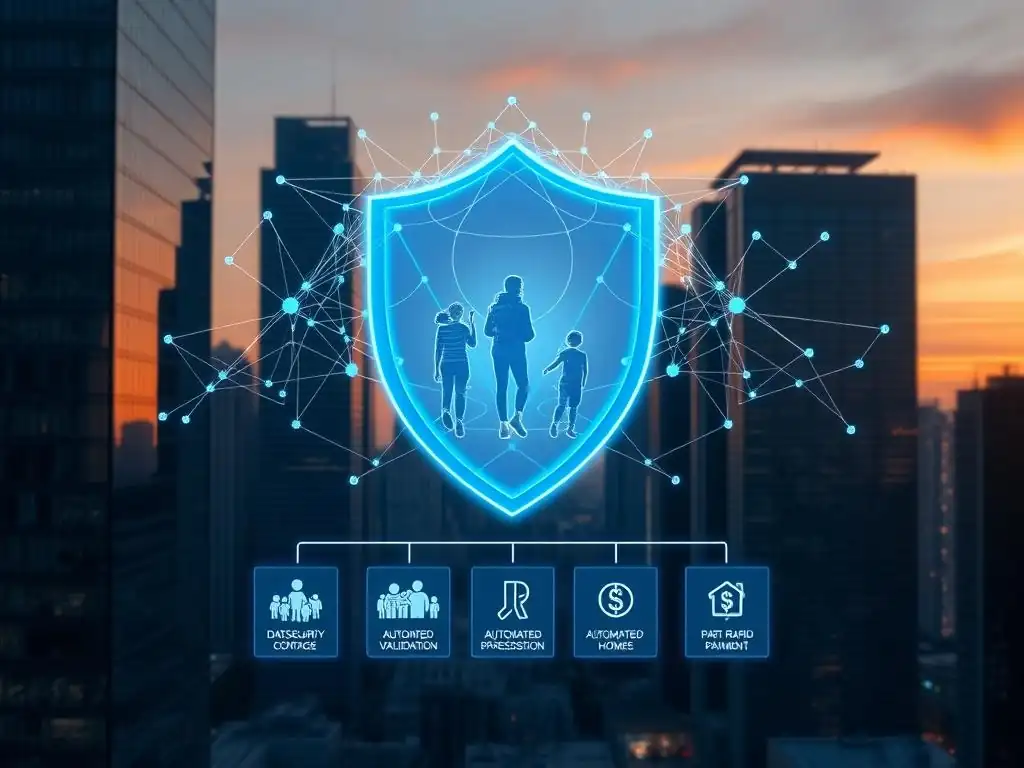
Welcome to Blockchain Trends, your compass in the rapidly evolving world of decentralized innovation. Ever imagined a world where insurance claims are processed instantaneously and with unparalleled accuracy? Dive into our latest article on Blockchain insurance claims automation and discover how the synergy of blockchain and AI is revolutionizing the industry, paving the way for smarter policies and personalized coverage. The future of insurance is here, and it's built on trust and efficiency. Curious to learn more? Let's explore.
Smart Insurance Policies: AI-Driven Blockchain for Automated Claims and Personalized Coverage
- Introduction: Revolutionizing Insurance with Blockchain and AI
- Understanding Smart Insurance Policies
- Blockchain Insurance Claims Automation: A Deep Dive
- Personalized Coverage Through AI and Blockchain
- Use Cases: Real-World Applications of Smart Insurance
- Addressing Challenges and Concerns
- The Future of Insurance: A Blockchain and AI-Powered Ecosystem
- Conclusion: Embracing the Transformative Power of Blockchain and AI in Insurance
-
Frequently Asked Questions
- How does blockchain insurance claims automation work?
- What are the benefits of using blockchain for insurance claims?
- What role does AI play in blockchain insurance claims automation?
- What challenges exist in implementing blockchain insurance claims automation?
- What is the future outlook for blockchain insurance claims automation?
- Final Reflection: Embracing the Future of Trust and Transparency
- Unlock Your Peace of Mind: Embrace the Future of Insurance!
Introduction: Revolutionizing Insurance with Blockchain and AI
The Current State of Insurance: Challenges and Inefficiencies
The insurance industry, while vital, is often perceived as slow, bureaucratic, and plagued by inefficiencies. Traditional insurance processes are heavily reliant on manual paperwork, complex verification procedures, and lengthy claims processing times. Customers frequently face opaque policy terms, delayed payouts, and a general lack of transparency.
For insurers, these inefficiencies translate into high operational costs, increased risks of fraud, and customer dissatisfaction. A study by McKinsey estimated that operational costs in insurance can consume up to 25% of premiums, highlighting the significant financial burden of these outdated systems. Furthermore, the lack of real-time data and personalized risk assessments leads to generalized policies that may not accurately reflect individual needs or circumstances, resulting in both under-insurance and over-insurance scenarios.
The existing insurance model also struggles with fraud detection and prevention. According to the Coalition Against Insurance Fraud, insurance fraud costs the U.S. alone over $80 billion annually. Traditional methods of fraud detection often rely on retrospective analysis, making it difficult to prevent fraudulent claims proactively. The fragmented nature of data across different insurance providers and systems also hinders effective risk assessment and fraud detection. This complex web of manual processes, data silos, and reactive fraud detection mechanisms underscores the urgent need for modernization and innovative solutions within the insurance sector.
The Promise of Blockchain and AI in Modernizing Insurance
Blockchain and Artificial Intelligence (AI) offer a powerful combination to address the challenges inherent in the current insurance landscape. Blockchain technology, with its inherent security, transparency, and immutability, provides a robust foundation for building trust and efficiency into insurance processes. AI, on the other hand, brings advanced analytical capabilities, enabling automation, personalized risk assessments, and enhanced fraud detection. The synergy of these technologies has the potential to transform insurance from a reactive, paper-intensive industry to a proactive, customer-centric, and digitally streamlined ecosystem.
By leveraging blockchain for secure and transparent data management and AI for intelligent automation and analysis, the insurance sector can move towards faster claims processing, reduced operational costs, and more personalized and equitable services. Imagine a system where claims are automatically verified and processed based on pre-defined conditions, fraud is detected in real-time, and policies are dynamically adjusted to individual risk profiles. This vision of smart insurance, powered by blockchain and AI, is not merely a futuristic concept but a rapidly evolving reality that promises to revolutionize how insurance is delivered and experienced.
Understanding Smart Insurance Policies
Defining Smart Insurance: A Synergy of Blockchain, AI, and Smart Contracts
Smart insurance represents a paradigm shift in the insurance industry, leveraging the combined power of blockchain, AI, and smart contracts to create more efficient, transparent, and customer-centric policies. At its core, smart insurance utilizes blockchain's distributed ledger technology to create an immutable and transparent record of policy terms, claims, and transactions. AI algorithms are integrated to analyze vast datasets, enabling personalized risk assessments, automated claims processing, and proactive fraud detection. Smart contracts, self-executing agreements coded on the blockchain, automate the execution of policy terms when predefined conditions are met, eliminating manual intervention and delays.
This synergistic approach results in insurance policies that are not only digitally native but also intelligent and responsive. Consider a travel insurance policy: traditionally, a delayed flight would require manual claim submission, verification, and processing. In a smart insurance scenario, the flight delay information, fed via real-time data oracles onto the blockchain, could automatically trigger the smart contract to initiate the claim process and payout, without any manual intervention. This seamless automation, driven by blockchain and AI, defines the essence of smart insurance policies.
Key Features of AI-Driven Blockchain Insurance Policies
AI-driven blockchain insurance policies are characterized by several key features that differentiate them from traditional insurance offerings. Firstly, automation is a central feature, with AI algorithms and smart contracts automating various processes, from policy issuance to claims settlement. This automation significantly reduces manual workload, minimizes errors, and accelerates turnaround times. Secondly, transparency is enhanced through blockchain's immutable ledger, providing all stakeholders with a clear and auditable record of policy terms and transactions. This transparency builds trust and reduces disputes.
Thirdly, personalization is significantly improved by AI's ability to analyze diverse data sources, including wearable device data, IoT sensor data, and social media activity, to create highly tailored risk profiles and customized insurance products. This leads to more accurate premiums and coverage that better meet individual needs.
Fourthly, enhanced security and fraud prevention are achieved through blockchain's cryptographic security and AI-powered fraud detection algorithms that can identify and flag suspicious activities in real-time. Finally, increased efficiency and reduced costs are realized through automation, streamlined processes, and reduced administrative overhead, making insurance more accessible and affordable for both insurers and customers.
Blockchain Insurance Claims Automation: A Deep Dive
How Blockchain Automates Insurance Claims Processing
Blockchain technology streamlines insurance claims processing by creating a secure and transparent platform for managing claims data and automating key steps in the process. Traditionally, claims processing involves multiple intermediaries, manual data entry, and lengthy verification procedures. Blockchain eliminates many of these inefficiencies by providing a shared, immutable ledger where all relevant claim information, from policy details to incident reports, can be securely recorded and accessed by authorized parties. Smart contracts, deployed on the blockchain, automate the execution of predefined claim conditions.
For instance, in a parametric insurance policy against natural disasters, a smart contract can be configured to automatically trigger a payout when a specific weather event, such as rainfall exceeding a certain threshold (validated by oracles providing real-world data to the blockchain), occurs. This eliminates the need for manual claim submission and assessment. Furthermore, blockchain's transparency allows for real-time tracking of claim status, reducing ambiguity and improving communication between insurers and policyholders. This automation significantly reduces processing time, minimizes errors, and enhances the overall claims experience.
The Role of AI in Enhancing Claims Accuracy and Efficiency
While blockchain provides the infrastructure for secure and automated claims processing, AI plays a crucial role in enhancing the accuracy and efficiency of this process. AI algorithms can analyze vast datasets, including historical claims data, weather patterns, and sensor data, to improve risk assessment and fraud detection. For example, AI can be used to analyze images and videos submitted as part of a claim to automatically assess damage extent and validate claim legitimacy. In car insurance, AI-powered image recognition can quickly assess vehicle damage from accident photos, speeding up claim adjudication.
AI also enhances efficiency by automating tasks such as data extraction, document verification, and fraud scoring. Natural Language Processing (NLP) can be used to automatically extract relevant information from unstructured claim documents, reducing manual data entry. Machine learning algorithms can identify patterns indicative of fraudulent claims with greater accuracy than traditional methods. By integrating AI into blockchain-based claims processing, insurers can achieve faster, more accurate, and more efficient claims handling, leading to improved customer satisfaction and reduced operational costs.
Benefits of Automated Claims Processing with Blockchain
Reduced Fraud and Enhanced Transparency
One of the most significant benefits of blockchain insurance claims automation is the reduction of fraud and the enhancement of transparency. Blockchain's immutable ledger provides a tamper-proof record of all claim-related data, making it extremely difficult to alter or manipulate information fraudulently. Every transaction and data entry is cryptographically secured and auditable, creating a transparent trail that can be easily verified. This inherent transparency discourages fraudulent activities and makes it easier to detect and investigate suspicious claims.
Furthermore, AI-powered fraud detection algorithms can be integrated with blockchain systems to proactively identify and flag potentially fraudulent claims in real-time. By analyzing patterns and anomalies in claims data, AI can detect red flags that might be missed by manual review processes. This combination of blockchain's transparency and AI's analytical capabilities creates a robust defense against insurance fraud, saving insurers significant amounts of money and ensuring fairer payouts for legitimate claimants. Industry reports suggest that blockchain and AI can potentially reduce insurance fraud by up to 20-30%.
Faster Claim Settlements
Automated claims processing with blockchain and AI significantly accelerates claim settlement times. Traditional claims processes often involve lengthy manual reviews, multiple intermediaries, and bureaucratic delays, sometimes taking weeks or even months for a claim to be settled. Blockchain and AI streamline these processes by automating data verification, claim assessment, and payout execution. Smart contracts can automatically trigger payouts once predefined conditions are met, eliminating manual intervention and delays.
For instance, parametric insurance using blockchain and AI can provide near-instantaneous claim settlements. In cases of flight delays or natural disasters, payouts can be automatically processed and credited to policyholders' accounts within hours, or even minutes, of the triggering event. This speed and efficiency greatly enhance customer satisfaction and provide policyholders with timely financial relief when they need it most. Studies have shown that blockchain-based claims automation can reduce claim settlement times by as much as 50-80% in certain scenarios.
Lower Operational Costs for Insurers
The automation enabled by blockchain and AI translates directly into lower operational costs for insurance companies. Manual claims processing is labor-intensive and costly, involving significant administrative overhead, paperwork, and human resources. By automating key processes such as data entry, verification, claim assessment, and payout execution, insurers can significantly reduce their reliance on manual labor and streamline their operations. This leads to lower administrative costs, reduced processing errors, and improved efficiency.
Furthermore, the enhanced fraud detection capabilities of AI and blockchain help insurers minimize losses from fraudulent claims, further contributing to cost savings. Reduced fraud, faster processing times, and streamlined operations all contribute to a more efficient and cost-effective insurance business model. Industry analysts estimate that blockchain and AI can potentially reduce operational costs for insurers by 15-25% through claims automation and fraud reduction.
Personalized Coverage Through AI and Blockchain
AI-Powered Risk Assessment for Tailored Insurance Products
AI is revolutionizing risk assessment in insurance by moving beyond traditional, static risk categories to dynamic, personalized risk profiles. Traditional risk assessment often relies on limited demographic data and generalized risk factors. AI, however, can analyze vast and diverse datasets, including telematics data from vehicles, wearable device data on health and lifestyle, smart home sensor data, and even social media activity, to create a much more granular and accurate understanding of individual risk.
Machine learning algorithms can identify complex patterns and correlations in these datasets that would be impossible for humans to discern, leading to more precise risk predictions. For example, in health insurance, AI can analyze wearable data to assess an individual's activity levels, sleep patterns, and vital signs to provide a more accurate risk assessment than traditional questionnaires. This granular risk assessment enables insurers to offer tailored premiums and coverage options that are more closely aligned with individual risk profiles, resulting in fairer and more equitable insurance products.
Blockchain-Based Data Security and Privacy in Personalized Policies
While AI enables personalized risk assessment, blockchain provides the secure and privacy-preserving infrastructure necessary for handling sensitive personal data in personalized insurance policies. Personalized insurance relies on collecting and analyzing significant amounts of personal data, raising concerns about data security and privacy. Blockchain's decentralized and encrypted nature offers a robust solution to these concerns. Data stored on a blockchain is inherently more secure and resistant to tampering compared to centralized databases.
Furthermore, blockchain enables granular control over data access and sharing. Policyholders can have greater control over their data and grant permission to insurers to access specific data points for risk assessment and policy personalization. Zero-knowledge proofs and other privacy-enhancing technologies can be integrated with blockchain to allow data analysis without revealing the underlying raw data, further enhancing privacy. This combination of blockchain's security and privacy features is crucial for building trust and enabling the responsible development of personalized insurance products.
Examples of Personalized Insurance Products Enabled by Blockchain and AI
The synergy of AI and blockchain is already enabling the development of innovative, personalized insurance products. Usage-based insurance (UBI) for vehicles, powered by telematics data and AI, is a prime example. UBI policies track driving behavior, such as speed, acceleration, and braking, to offer premiums that are directly proportional to driving risk. Blockchain can be used to securely record and manage telematics data, ensuring transparency and preventing data manipulation.
Personalized health insurance is another emerging area. Wearable devices and AI can monitor health metrics and lifestyle choices, allowing insurers to offer dynamic premiums and personalized wellness programs. Blockchain can ensure the secure and private sharing of health data between policyholders and insurers.
Parametric insurance can be further personalized by incorporating localized data and individual risk factors. For example, crop insurance can be personalized based on specific farm locations and historical yield data, with payouts triggered automatically by weather data or sensor readings validated on the blockchain. These examples demonstrate the vast potential of AI and blockchain to create more personalized, relevant, and customer-centric insurance products.
Use Cases: Real-World Applications of Smart Insurance

Case Study 1: Lemonade and their AI-Powered Claims System
Lemonade is a prominent example of an insurance company leveraging AI to revolutionize the customer experience, particularly in claims processing. While not explicitly using blockchain in their core claims process, Lemonade's model showcases the transformative power of AI in automating and streamlining claims. Lemonade utilizes AI chatbots, such as "AI Jim," to handle claims submissions and processing. These chatbots guide customers through the claims process, collect necessary information, and even approve and pay out simple claims in minutes.
According to Lemonade, a significant portion of their claims are handled entirely by AI, drastically reducing processing times compared to traditional insurers. In one notable case, Lemonade claims to have paid out a claim in just 3 seconds, showcasing the speed and efficiency of their AI-driven system. While Lemonade's system is centralized, it demonstrates the potential for AI to automate claims and improve customer satisfaction. This case study provides valuable insights into the benefits of AI-powered claims automation, which can be further enhanced by the integration of blockchain for added transparency and security.
Case Study 2: Chainlink Utilizing Blockchain for Weather-Based Crop Insurance
Chainlink, a decentralized oracle network, is actively involved in facilitating blockchain-based parametric insurance, particularly in the agricultural sector. Chainlink provides secure and reliable oracles that connect smart contracts to real-world data sources, such as weather data providers. This enables the creation of parametric crop insurance policies that automatically trigger payouts based on predefined weather events, such as excessive rainfall or drought.
A real-world example involves Chainlink's collaboration with Etherisc, a decentralized insurance platform, to develop crop insurance solutions for farmers. These solutions utilize Chainlink oracles to verify weather data and trigger payouts automatically when pre-defined weather thresholds are breached. This eliminates the need for manual claim assessments and speeds up payouts, providing farmers with timely financial relief in case of adverse weather events. This case study highlights the practical application of blockchain and oracles in automating parametric insurance and delivering tangible benefits to stakeholders.
Emerging Trends in Blockchain and AI-Driven Insurance Solutions
Beyond individual use cases, several emerging trends are shaping the future of blockchain and AI-driven insurance solutions. Decentralized insurance (DeInsure) is gaining traction, aiming to create peer-to-peer insurance models that eliminate traditional intermediaries. These platforms leverage blockchain and smart contracts to facilitate risk sharing and claims processing in a decentralized and transparent manner. Tokenized insurance policies are also emerging, where insurance policies are represented as digital tokens on a blockchain, enabling greater liquidity and tradability.
AI-powered underwriting is becoming increasingly sophisticated, with AI algorithms analyzing increasingly complex datasets to provide more accurate risk assessments and personalized pricing. Predictive claims analytics utilizing AI is being used to anticipate potential claims and proactively manage risks. Furthermore, the integration of IoT data from connected devices is expanding the scope of personalized insurance, enabling real-time risk monitoring and dynamic policy adjustments. These emerging trends indicate a continued evolution towards more automated, personalized, and decentralized insurance solutions powered by blockchain and AI.
Addressing Challenges and Concerns
Regulatory Hurdles and Compliance
Despite the immense potential of blockchain and AI in insurance, several challenges and concerns need to be addressed for widespread adoption. Regulatory hurdles and compliance are significant considerations. The insurance industry is heavily regulated, and the introduction of new technologies like blockchain and AI raises regulatory questions regarding data privacy, consumer protection, and compliance with existing insurance regulations. Regulators are still grappling with understanding and adapting to these technologies, leading to uncertainty and potential barriers to entry.
Navigating varying regulatory frameworks across different jurisdictions adds further complexity. Insurance companies need to ensure that their blockchain and AI-driven solutions comply with all applicable regulations, including data privacy laws like GDPR and CCPA, and insurance-specific regulations related to underwriting, claims handling, and solvency. Collaboration between industry stakeholders, technology providers, and regulators is crucial to develop clear regulatory guidelines and standards that foster innovation while ensuring consumer protection and market stability.
Scalability and Interoperability of Blockchain Solutions
Scalability and interoperability are technical challenges that need to be addressed for blockchain to be effectively implemented in insurance at a large scale. Public blockchains, while offering decentralization and transparency, can face scalability limitations in terms of transaction throughput and processing speed. Private or consortium blockchains may offer better scalability but may compromise on decentralization. Choosing the right blockchain architecture and implementing scaling solutions are crucial for handling the high transaction volumes and data processing demands of the insurance industry.
Interoperability between different blockchain platforms and legacy insurance systems is another significant challenge. Insurance companies often rely on existing IT infrastructure and databases. Integrating blockchain solutions seamlessly with these legacy systems and ensuring interoperability between different blockchain networks are essential for realizing the full potential of blockchain in insurance. Developing industry standards and interoperability protocols is crucial for facilitating wider adoption and creating a connected insurance ecosystem.
Data Privacy and Security Considerations
While blockchain enhances data security and transparency, data privacy and security considerations remain paramount, especially when dealing with sensitive personal data in insurance. Ensuring compliance with data privacy regulations and protecting policyholder data from unauthorized access and misuse are critical. While blockchain provides a secure platform, proper implementation and security protocols are essential to prevent vulnerabilities and data breaches.
Furthermore, the use of AI in personalized insurance raises ethical considerations regarding data usage and algorithmic bias. Ensuring fairness, transparency, and accountability in AI algorithms used for risk assessment and claims processing is crucial. Addressing potential biases in AI algorithms and ensuring that personalized insurance policies are not discriminatory are important ethical and societal considerations that need to be carefully addressed.
The Future of Insurance: A Blockchain and AI-Powered Ecosystem
Predictions for the Evolution of Smart Insurance Policies
The future of insurance is increasingly intertwined with blockchain and AI, pointing towards a significant evolution of smart insurance policies. Predictions suggest a move towards more proactive and preventative insurance models, where AI and IoT data are used to anticipate risks and prevent losses before they occur. For example, smart home sensors and AI can detect potential hazards like water leaks or fire risks, allowing insurers to proactively alert policyholders and mitigate potential damage.
Hyper-personalized insurance will become increasingly prevalent, with policies dynamically adapting to individual needs and circumstances in real-time based on data from wearables, connected devices, and other sources. Embedded insurance, seamlessly integrated into various platforms and services, will become more common, offering insurance coverage at the point of need. Blockchain will underpin many of these developments, providing the secure and transparent infrastructure for data management, policy execution, and claims processing in this evolving insurance ecosystem.
The Impact on Insurers, Customers, and the Industry as a Whole
The widespread adoption of blockchain and AI in insurance will have a profound impact on insurers, customers, and the industry as a whole. For insurers, it will lead to increased efficiency, reduced operational costs, enhanced fraud detection, and the ability to offer innovative and personalized products. Insurers who embrace these technologies will gain a competitive advantage and be better positioned to serve the evolving needs of customers.
For customers, it will mean faster claims settlements, more transparent policy terms, personalized coverage options, and potentially lower premiums due to reduced operational costs and fraud. Customers will experience a more seamless, convenient, and customer-centric insurance experience. For the insurance industry as a whole, blockchain and AI will drive greater efficiency, transparency, and innovation, transforming it into a more agile, responsive, and customer-focused sector, fostering greater trust and accessibility.
The Role of Decentralized Finance (DeFi) in Insurance Innovation
Decentralized Finance (DeFi) is poised to play an increasingly significant role in driving innovation in the insurance sector. DeFi protocols offer the potential to create decentralized insurance platforms that are more transparent, accessible, and efficient than traditional insurance models. Decentralized insurance marketplaces can connect individuals directly, facilitating peer-to-peer risk sharing and eliminating the need for traditional insurance intermediaries.
Tokenized insurance products can be integrated with DeFi platforms, enabling greater liquidity and tradability of insurance policies. Yield farming and staking mechanisms within DeFi can be used to incentivize participation in decentralized insurance pools and reward policyholders. The integration of DeFi with blockchain-based insurance solutions has the potential to democratize access to insurance, reduce costs, and foster greater innovation and competition within the insurance industry.
Conclusion: Embracing the Transformative Power of Blockchain and AI in Insurance
The convergence of blockchain and AI is ushering in a new era for the insurance industry, promising to overcome long-standing inefficiencies and create a more customer-centric and efficient ecosystem. Smart insurance policies, powered by these technologies, offer the potential for automated claims processing, personalized coverage, enhanced fraud detection, and reduced operational costs. While challenges related to regulation, scalability, and data privacy need to be addressed, the transformative power of blockchain and AI in insurance is undeniable.
By embracing these technologies, the insurance industry can move towards a future where insurance is more transparent, accessible, affordable, and tailored to individual needs. Blockchain insurance claims automation is not just a technological advancement but a fundamental shift towards a more efficient, equitable, and customer-focused insurance landscape. The journey towards a fully realized blockchain and AI-powered insurance ecosystem is ongoing, but the potential benefits for insurers, customers, and the industry as a whole are immense and warrant continued exploration and adoption.
Frequently Asked Questions
How does blockchain insurance claims automation work?
Blockchain insurance claims automation uses a distributed ledger to record policy details and automatically execute claim settlements when predefined conditions are met, often triggered by external data sources or AI algorithms. This ensures transparency and reduces fraud.
What are the benefits of using blockchain for insurance claims?
Using blockchain can lead to faster claim processing, reduced operational costs, and enhanced transparency. It also reduces the potential for fraudulent claims due to the immutable nature of the blockchain.
What role does AI play in blockchain insurance claims automation?
AI analyzes data to assess claim validity, predict potential risks, and personalize insurance coverage. AI algorithms can also trigger automated claims based on pre-defined parameters, streamlining the process.
What challenges exist in implementing blockchain insurance claims automation?
Challenges include data privacy concerns, regulatory uncertainties surrounding blockchain technology, and the need for interoperability between different blockchain platforms and existing insurance systems.
What is the future outlook for blockchain insurance claims automation?
The future involves wider adoption driven by increasing efficiency and security needs. Expect to see more sophisticated smart contracts and integration with other technologies like IoT for even more automated and personalized insurance experiences.
Final Reflection: Embracing the Future of Trust and Transparency
The exploration of AI-driven blockchain for automated claims and personalized insurance coverage reveals a powerful convergence of technologies, highlighting the potential to revolutionize trust and efficiency in the insurance industry. These advancements are not merely futuristic concepts; they represent tangible solutions to current challenges, offering a pathway towards a more transparent, equitable, and customer-centric insurance ecosystem.
This journey into blockchain insurance claims automation underscores its profound influence on the evolving landscape of trust and security. The ability to streamline processes, reduce fraud, and personalize coverage is not just a technological leap, but a fundamental shift in how we perceive and interact with insurance. The future of insurance lies in harnessing the power of technology to build trust and deliver value to customers in a seamless and transparent manner.
This shift demands a re-evaluation of traditional models and an embrace of innovative solutions that prioritize customer needs and foster greater confidence in the insurance process.
As we stand at the cusp of this technological transformation, I invite you to reflect on the implications of AI-driven blockchain for your own understanding of trust and security. Consider how these advancements can empower you to demand greater transparency and personalized service in all aspects of your life. Let us collectively champion the adoption of these technologies, shaping a future where insurance is not just a necessity, but a source of empowerment and peace of mind.
Unlock Your Peace of Mind: Embrace the Future of Insurance!
Thanks for diving into the world of AI-driven blockchain insurance! We hope you found insights that will empower you to make smarter choices for your future. Now, it's time to take control and experience the benefits firsthand.
Here are a few ways you can jump into this revolutionary approach:
- Take the first step: research blockchain-based insurance providers to explore options for personalized coverage that leverage AI and automated claims processes.:
- Share this article with your friends and family on social media to spread awareness about the future of insurance.
- Explore Blockchain Trends' other articles on blockchain applications in various industries to broaden your understanding of this transformative technology.
What are you most excited to see change in the insurance industry with the implementation of blockchain?
Leave a Reply