
Blockchain and Supply Chain Analytics: Gaining Insights from Data for Improved DecisionMaking

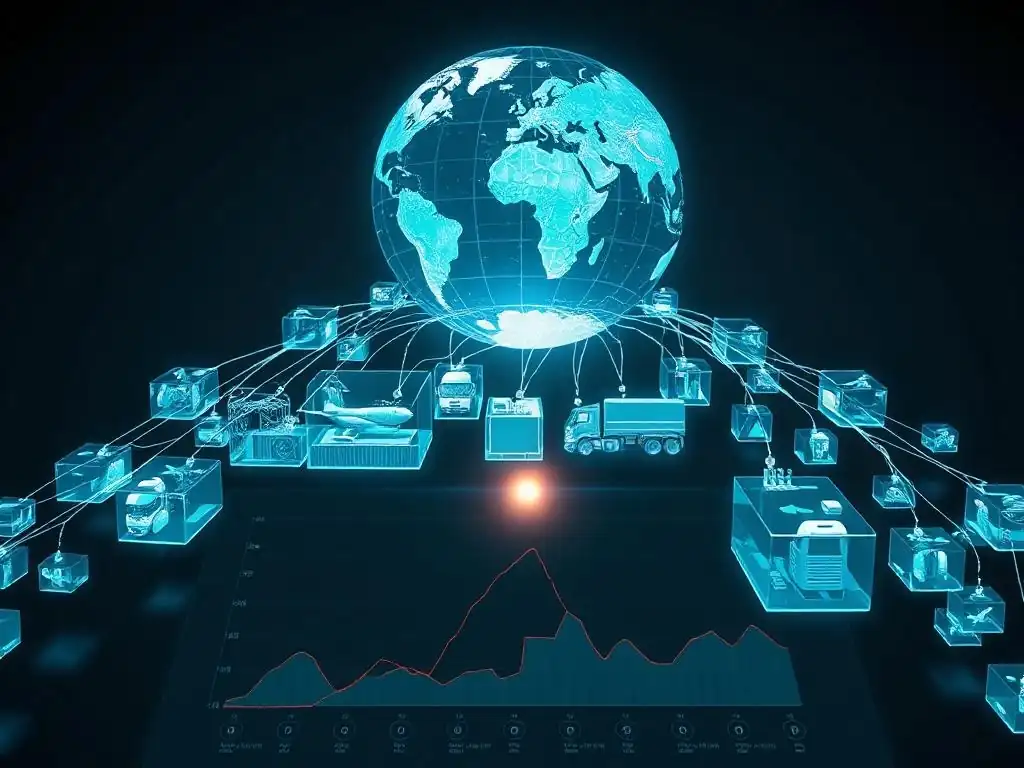
Welcome to Blockchain Trends, your guide to understanding the revolutionary power of blockchain technology beyond the headlines. Curious about how blockchain is reshaping industries?
Dive in to discover Blockchain Supply Chain Analytics Insights and how you can unlock unprecedented visibility and efficiency. Uncover the secrets to smarter decision-making through data-driven strategies, and learn how enterprise blockchain solutions are transforming supply chains worldwide. Are you ready to explore the future of decentralized systems?
Blockchain and Supply Chain Analytics: Gaining Insights from Data for Improved Decision-Making
- Introduction: Unlocking Value with Blockchain Supply Chain Analytics
- Understanding the Fundamentals of Blockchain and Supply Chain
- The Power of Combining Blockchain and Supply Chain Analytics
- Key Benefits of Blockchain Supply Chain Analytics
- Use Cases: Real-World Applications of Blockchain Supply Chain Analytics
- Implementing Blockchain Supply Chain Analytics: A Step-by-Step Guide
- Overcoming Challenges in Blockchain Supply Chain Analytics Adoption
- The Future of Blockchain and Supply Chain Analytics
- Conclusion: Embracing Blockchain Analytics for a More Transparent and Efficient Supply Chain
-
Frequently Asked Questions
- What is the main benefit of using blockchain for supply chain analytics?
- How can blockchain help with tracking goods in the supply chain?
- What are some examples of Blockchain supply chain analytics insights that can be gained?
- What role does DeFi (Decentralized Finance) play in the future of supply chain finance using blockchain?
- What regulatory challenges need to be addressed for wider adoption of blockchain in supply chain management?
- Final Reflection: Unlocking Trust and Transparency
- Unleash the Power of Blockchain Supply Chains!
Introduction: Unlocking Value with Blockchain Supply Chain Analytics
The Growing Need for Transparency and Efficiency in Modern Supply Chains
Modern supply chains are increasingly complex, spanning multiple continents, partners, and regulatory environments. This complexity often leads to opaqueness, inefficiency, and a lack of trust among participants. Consumers and regulators alike are demanding greater visibility into product origins, ethical sourcing, and sustainability practices. Without clear, verifiable data, companies struggle to optimize logistics, manage risks, and respond quickly to disruptions, leading to significant financial losses and reputational damage.
The sheer volume and velocity of data generated within these intricate networks present both a challenge and an opportunity. From manufacturing floor telemetry to shipping manifest details and customer feedback, disparate data sources create silos. Extracting meaningful blockchain supply chain analytics insights from this fragmented landscape is critical for informed decision-making, yet traditional systems often lack the necessary infrastructure to provide a single, trustworthy source of truth across the entire chain.
How Blockchain Technology Addresses Supply Chain Challenges
Blockchain technology offers a decentralized, immutable, and transparent ledger that can record transactions and events across a supply chain in a tamper-evident manner. Each participant can access the shared ledger according to their permissions, creating a single version of the truth regarding the movement, status, and ownership of goods. This inherent transparency combats fraud and errors, building trust among parties who may not otherwise trust each other directly.
By providing a secure and shared data layer, blockchain lays the foundation for enhanced data collection and verification. Smart contracts, self-executing agreements stored on the blockchain, can automate processes like payments or transfers of ownership based on predefined conditions, further streamlining operations and reducing manual intervention. This distributed architecture is fundamentally changing how data is captured and shared, paving the way for powerful blockchain supply chain analytics.
Defining Blockchain Supply Chain Analytics
Blockchain supply chain analytics refers to the process of collecting, processing, and analyzing data recorded on a blockchain ledger within the context of supply chain operations. This goes beyond simple transaction tracking; it involves applying analytical techniques to the verifiable, time-stamped data to gain insights into performance, bottlenecks, risks, and opportunities. By combining blockchain's secure data foundation with advanced analytical tools, businesses can move from reactive problem-solving to proactive, data-driven decision-making.
The insights derived from blockchain supply chain analytics can cover a wide range of areas, including product provenance, logistics efficiency, compliance adherence, inventory levels, and partner performance. Leveraging this validated data allows companies to optimize routes, predict demand more accurately, identify fraudulent activities, and build more resilient and sustainable supply chain networks. It is the synergy between blockchain's data integrity and analytics' power to interpret that unlocks significant value.
Understanding the Fundamentals of Blockchain and Supply Chain
Blockchain Technology: A Decentralized Ledger
At its core, blockchain is a distributed ledger technology (DLT) that records transactions across many computers. Unlike a traditional centralized database, there is no single point of control or failure. Transactions are grouped into blocks, which are then cryptographically linked together in a chain. Once a block is added to the chain, it is extremely difficult to alter or remove the data within it, ensuring immutability and providing a verifiable history of all recorded events.
Participants in a blockchain network typically have a copy of the ledger, and any new transaction must be validated by consensus mechanisms before being added. This consensus process ensures that all participants agree on the state of the ledger, further enhancing data integrity. While public blockchains like Bitcoin are open to everyone, enterprise supply chain applications often utilize permissioned blockchains, where participants are known and authorized, offering better control over access and privacy while retaining the core benefits of immutability and transparency among authorized parties.
Key Components of a Blockchain-Enabled Supply Chain
A blockchain-enabled supply chain integrates blockchain technology at various points to track goods, record transactions, and manage information flow. Key components often include unique digital identities for products (e.g., using QR codes or RFID tags linked to blockchain entries), smart contracts to automate processes, and a distributed network of nodes representing different supply chain partners (suppliers, manufacturers, distributors, retailers, etc. ).
Data points such as origin, manufacturing date, batch number, ownership transfers, quality checks, and logistics events (shipping, receiving) are recorded on the blockchain. This creates a comprehensive, immutable digital trail for each product as it moves through the chain. The architecture supports shared access to relevant data for all authorized participants, fostering collaboration and providing a single source of truth that is essential for effective blockchain supply chain analytics.
Supply Chain Analytics: Leveraging Data for Improved Decision-Making
Supply chain analytics involves the systematic use of data, statistical and quantitative analysis, explanatory and predictive modeling, and fact-based management to drive decisions and actions within a supply chain. It encompasses descriptive analytics (what happened? ), diagnostic analytics (why did it happen? ), predictive analytics (what will happen? ), and prescriptive analytics (what should we do? ).
Traditionally, supply chain analytics relies on data from disparate internal systems (ERP, WMS, TMS) and external sources, often suffering from data silos, inconsistencies, and delays. Leveraging data from a blockchain ledger fundamentally changes the data landscape. The verified, real-time (or near real-time) data available on the blockchain provides a higher level of trust and accuracy for analysis, enabling more reliable insights and more confident decision-making across planning, sourcing, manufacturing, delivery, and return processes.
The Power of Combining Blockchain and Supply Chain Analytics
Enhanced Traceability and Visibility with Blockchain-Based Analytics
Combining blockchain's immutable record-keeping with powerful analytics tools provides unprecedented traceability and visibility throughout the supply chain. Every step a product takes, from raw material sourcing to final delivery, can be recorded on the blockchain. Blockchain supply chain analytics insights derived from this data allow companies to instantly trace a product's journey, understand its provenance, and verify its authenticity.
For instance, in the food industry, if a safety issue arises, companies can use blockchain analytics to pinpoint the exact source of contamination within minutes, rather than days or weeks. This rapid identification enables targeted recalls, reducing the scope and cost of the recall significantly.
A major retailer using blockchain for tracing demonstrated the ability to trace specific produce items back to their farm of origin in as little as 2.2 seconds, compared to the traditional method which took an average of 7 days. This level of granular, verifiable traceability is a cornerstone of effective risk management and consumer trust.
Real-Time Data Collection and Analysis for Proactive Decision-Making
Blockchain networks can capture supply chain events as they happen, providing a stream of real-time data. Integrating this live data feed with analytics platforms allows businesses to gain immediate blockchain supply chain analytics insights into the current state of operations. This enables proactive decision-making rather than reactive responses to problems that have already occurred.
Logistics managers can monitor shipments in transit, identify potential delays based on recorded checkpoints, and reroute goods before disruptions impact delivery schedules. Inventory analysts can track goods arriving at warehouses in real-time, improving stock accuracy and optimizing warehousing operations. For example, a pharmaceutical company tracking sensitive shipments via blockchain and IoT sensors can receive immediate alerts and analytics if temperature thresholds are breached during transit, allowing them to intervene or quarantine affected batches promptly, potentially saving valuable inventory worth millions.
Improved Supply Chain Security and Fraud Detection Through Blockchain Analytics
The inherent security and immutability of blockchain make it a powerful tool for combating fraud and ensuring the integrity of goods and transactions within the supply chain. Every transaction or data entry is verified and linked to previous entries, making it extremely difficult for malicious actors to tamper with records without detection. Blockchain supply chain analytics can leverage this secure data to identify suspicious patterns or anomalies indicative of fraudulent activity.
By analyzing transaction histories and comparing them against expected workflows, analytics can flag discrepancies such as unauthorized changes in ownership, unusual shipping routes, or falsified quality certifications. For example, analytics applied to blockchain records can detect attempts to introduce counterfeit goods by verifying that the serial number or digital identity of an item is recorded at legitimate points in the supply chain. One report estimated that supply chain fraud costs businesses billions annually, and blockchain analytics offers a robust mechanism to significantly reduce these losses by providing trustworthy data for anomaly detection.
Key Benefits of Blockchain Supply Chain Analytics
Reduced Costs and Increased Efficiency in Supply Chain Operations
Implementing blockchain supply chain analytics can lead to substantial cost reductions and efficiency gains. Automation through smart contracts reduces manual processing and paperwork, saving time and minimizing errors. Enhanced visibility allows for better route optimization, reduced fuel consumption, and lower logistics costs. Improved inventory management, driven by accurate real-time data, helps minimize holding costs and reduce losses from spoilage or obsolescence.
Furthermore, the reduction in disputes and chargebacks resulting from verifiable blockchain data contributes directly to cost savings. A pilot program tracking shipments on a blockchain reported a reduction in disputed invoices by up to 90% compared to traditional methods, directly impacting operational costs and cash flow. These efficiencies free up resources that can be reinvested elsewhere in the business.
Enhanced Collaboration and Trust Among Supply Chain Partners
Blockchain creates a shared, trusted platform for all authorized supply chain participants. By providing access to a single, immutable ledger of transactions and events, it fosters transparency and eliminates the need for each party to maintain their own separate records or rely solely on the data provided by others. This shared source of truth significantly enhances collaboration and builds trust among partners, even competitors within a particular network.
When partners can trust the data they see on the blockchain, communication becomes more efficient, and disputes are minimized. This collaborative environment, fueled by transparent blockchain supply chain analytics insights, encourages partners to work together more effectively towards common goals, such as optimizing lead times or improving product quality. This enhanced trust can also facilitate easier onboarding of new partners and lead to more robust and reliable supply chain relationships.
Improved Regulatory Compliance and Risk Management with Blockchain Data
Meeting increasingly stringent regulatory requirements is a major challenge for supply chains, particularly in industries like pharmaceuticals, food, and luxury goods. Blockchain's immutable record-keeping provides a verifiable audit trail that simplifies compliance reporting. Regulators can potentially gain authorized access to the blockchain ledger to verify compliance directly, reducing the burden of manual data collection and reporting.
Blockchain supply chain analytics insights derived from this compliant data are crucial for effective risk management. Companies can proactively identify potential risks, such as exposure to unethical sourcing, non-compliant suppliers, or delays that could impact critical deliveries. The ability to instantly trace product origins and verify certifications using blockchain data significantly strengthens risk assessment and mitigation strategies, reducing legal liabilities and protecting brand reputation. For example, tracking ethical sourcing of materials via blockchain provides verifiable data needed for corporate social responsibility reporting.
Better Inventory Management and Demand Forecasting
Accurate, real-time data on product movement, location, and status is fundamental to effective inventory management. Blockchain provides this granular visibility across the distributed network of warehouses, distribution centers, and retail locations. By integrating blockchain data with inventory management systems and applying analytics, companies can achieve higher inventory accuracy, reduce stockouts and overstocks, and optimize stock levels across the network.
Furthermore, the enhanced data flow from upstream suppliers and downstream customers recorded on the blockchain can improve the accuracy of demand forecasting. Analytics can identify trends and patterns in verified sales data and inventory movements recorded on the ledger, leading to more precise predictions of future demand. One company leveraging blockchain for inventory visibility reported a 15-20% improvement in inventory accuracy and a reduction in safety stock levels by optimizing distribution based on real-time blockchain insights.
Use Cases: Real-World Applications of Blockchain Supply Chain Analytics

Tracking and Tracing Coffee Beans from Farm to Cup
A prime example is tracking coffee beans. A blockchain ledger can record every step: from the farmer harvesting the beans, to the washing station, the exporter, the importer, the roaster, and finally to the cafe or retailer. Each transaction, including weight, quality checks, and certifications (like Fair Trade or Organic), is logged immutably. Blockchain supply chain analytics insights from this data allow consumers to scan a QR code on a coffee bag and see the entire journey, verifying provenance and ethical sourcing.
For businesses, the analytics reveal bottlenecks in the supply chain, identify which farms or regions produce the highest quality beans consistently, and track compliance with sustainability standards. This transparency helps build trust with consumers and allows companies to verify claims about their product's origin and quality. A study involving blockchain coffee tracking estimated that farmers could potentially receive a higher premium (e.g., an extra $0.10-$0.20 per pound) due to verifiable provenance and quality data.
Verifying the Authenticity of Luxury Goods
Counterfeiting is a significant problem in the luxury goods market, costing brands billions annually. Blockchain offers a solution by creating a unique digital identity for each item at the point of manufacture, linking it to the physical product (e.g., via an embedded NFC chip). As the item moves through the supply chain, ownership transfers and handling events are recorded on the blockchain.
Consumers and retailers can verify the authenticity of a luxury item by scanning its digital identity and checking the immutable blockchain record to ensure its history is legitimate and matches the expected supply chain journey. Blockchain supply chain analytics can monitor these verification requests, identify suspicious scan locations (e.g., scans in known counterfeit hubs), and track the movement of goods to detect potential diversions or the introduction of fake items. One luxury goods consortium using blockchain reported a significant reduction in grey market activity detected through blockchain-based tracking and analytics.
Optimizing Cold Chain Logistics for Pharmaceuticals
Maintaining strict temperature and humidity controls is critical for transporting pharmaceuticals. Using IoT sensors that record environmental data directly onto a blockchain ledger provides an immutable record of conditions throughout the journey. Smart contracts can automatically trigger alerts or exceptions if conditions deviate from required parameters.
Blockchain supply chain analytics applied to this sensor data allows pharmaceutical companies to monitor the integrity of their cold chain in real-time. They can identify routes or carriers prone to temperature excursions, analyze the duration and severity of breaches, and make data-driven decisions about the viability of a shipment. This level of visibility and analysis is vital for patient safety and minimizing losses due to compromised goods, potentially reducing spoilage rates which can exceed 5-10% for sensitive products in traditional cold chains.
Enhancing Transparency in Conflict Minerals Sourcing
Ensuring that minerals like tin, tantalum, tungsten, and gold (3TG) are sourced ethically and do not finance conflict is a major global challenge. Blockchain can provide a transparent and verifiable chain of custody from mine to manufacturer. Each transfer of ownership and processing step can be recorded on the ledger, along with relevant certifications and due diligence documentation.
Blockchain supply chain analytics insights from this data enable companies to trace the origin of minerals used in their products with a high degree of confidence, demonstrating compliance with regulations like the Dodd-Frank Act or the EU Conflict Minerals Regulation. Analytics can highlight gaps or inconsistencies in the chain of custody, allowing companies to identify high-risk suppliers or regions. This transparency helps build trust with stakeholders and supports responsible sourcing practices, which is increasingly demanded by consumers and investors.
Implementing Blockchain Supply Chain Analytics: A Step-by-Step Guide
Identifying Key Data Points for Supply Chain Analysis
The first step in implementing blockchain supply chain analytics is to clearly define what data is most critical for achieving desired business outcomes. This involves mapping the existing supply chain process and identifying the events, transactions, and attributes that need to be recorded on the blockchain to enable valuable insights. Examples include product IDs, batch numbers, location stamps, timestamps, ownership transfers, quality inspection results, sensor readings (temperature, humidity), and relevant certifications.
It's crucial to focus on data points that are verifiable, relevant to key performance indicators (KPIs), and necessary for generating the desired blockchain supply chain analytics insights. Overloading the blockchain with irrelevant data can increase costs and complexity. A thorough analysis of existing data flows and desired analytical outputs is essential before designing the blockchain data model.
Selecting the Right Blockchain Platform
Choosing the appropriate blockchain platform is a critical decision. Options range from public blockchains (less common for enterprise supply chains due to privacy/performance concerns) to permissioned blockchains (like Hyperledger Fabric, R3 Corda, or enterprise Ethereum variants) and consortium blockchains. The selection depends on factors such as the required level of privacy, scalability needs (transaction throughput), consensus mechanism, cost of operation, ease of integration, and the ecosystem of partners already using or willing to adopt the platform.
Permissioned blockchains are often favored for supply chains as they allow organizations to control who can join the network and what data they can access, addressing privacy concerns while providing the benefits of a shared, immutable ledger. The platform must also support the types of transactions and smart contracts necessary for the specific supply chain use case and offer robust APIs for data access, which is vital for subsequent analytics.
Integrating Blockchain with Existing Supply Chain Systems
Integrating a new blockchain platform with existing legacy systems (ERP, WMS, TMS, IoT platforms, etc.) is often the most technically challenging step. Data needs to flow accurately and efficiently between these systems and the blockchain. This typically requires developing or using middleware, APIs, and data connectors to ensure seamless interoperability.
Data mapping and transformation are key to ensuring that data from various sources is standardized before being recorded on the blockchain and subsequently used for analytics. Establishing robust data governance policies is also essential to maintain data quality and consistency across all integrated systems. Successful integration ensures that the blockchain becomes a valuable data source feeding into the broader supply chain data ecosystem, enabling comprehensive blockchain supply chain analytics insights.
Developing Custom Analytics Dashboards and Reports
Once data is being recorded on the blockchain and integrated with other systems, the next step is to develop the tools needed to extract and visualize blockchain supply chain analytics insights. This involves building custom dashboards, reports, and analytical models using business intelligence (BI) tools or specialized analytics platforms. These tools connect to the blockchain data (often via off-chain databases that store synchronized data for performance) and other relevant data sources.
The dashboards should be tailored to the needs of different stakeholders (e.g., logistics managers, compliance officers, procurement teams), providing them with real-time visibility and actionable insights. Examples include dashboards tracking product provenance, monitoring cold chain performance, identifying supply chain bottlenecks, analyzing supplier compliance, or predicting potential disruptions based on blockchain data patterns. Iterative development based on user feedback is crucial to ensure the analytics are valuable and easy to use.
Overcoming Challenges in Blockchain Supply Chain Analytics Adoption
Data Integration and Interoperability Issues
A significant hurdle is integrating data from diverse, often outdated, legacy systems across multiple supply chain partners with the blockchain platform and analytics tools. Different companies use different systems (e.g., SAP, Oracle, custom WMS), data formats, and communication protocols. Achieving seamless interoperability requires significant effort in data mapping, standardization, and developing robust APIs or middleware.
Furthermore, ensuring data consistency between on-chain and off-chain storage (often used for performance in analytics) adds another layer of complexity. Overcoming these data integration challenges is fundamental to building a reliable foundation for blockchain supply chain analytics insights. It often requires collaboration across the supply chain ecosystem and investment in flexible integration technologies.
Scalability and Performance Considerations for Blockchain Networks
While blockchain offers benefits, some platforms, particularly public ones, can face limitations in terms of transaction throughput (transactions per second) and latency, which might not meet the high volume and speed requirements of large-scale global supply chains. Enterprise-grade permissioned blockchains are designed to offer better performance, but scalability remains a key consideration as the network grows and more data is recorded.
The volume of data generated by IoT devices alone can be immense. Ensuring the blockchain platform can handle this volume efficiently, and that the analytics infrastructure can process this data in a timely manner to provide real-time blockchain supply chain analytics insights, is crucial. Solutions like off-chain data storage for heavy analytics processing, combined with on-chain verification, are often employed to balance performance and data integrity.
Addressing Privacy and Security Concerns with Blockchain Data
Although blockchain is inherently secure and immutable, privacy is a concern, especially in a supply chain where commercially sensitive information is involved. While permissioned blockchains allow control over data access, careful design is needed to ensure that competitors or unauthorized parties cannot view sensitive operational or pricing data recorded on the ledger. Techniques like data partitioning, encryption, zero-knowledge proofs, or hashing sensitive data on-chain while storing details off-chain can help.
Security extends beyond privacy to protecting the network itself and the keys used by participants to access the blockchain. Implementing strong identity management, access controls, and cybersecurity measures is essential. Ensuring the security of the data before it is written to the blockchain is also critical, as inaccurate or compromised data on the ledger will lead to flawed blockchain supply chain analytics insights.
The Importance of Collaboration and Standardization
Successful blockchain supply chain analytics requires widespread adoption and collaboration among supply chain partners. If only a few parties in the chain use the blockchain, the data will be incomplete, limiting the potential for end-to-end visibility and comprehensive analytics. Encouraging partners to join the network and agree on common data standards and protocols is a significant organizational challenge.
Establishing industry-wide standards for recording supply chain data on blockchain and for sharing blockchain supply chain analytics insights can accelerate adoption and interoperability. Collaborative governance models for the blockchain network are essential to ensure that the platform evolves to meet the needs of all participants and that data sharing policies are agreed upon. Building a consortium or industry group can help drive standardization and adoption.
The Future of Blockchain and Supply Chain Analytics
Emerging Trends in Blockchain Technology and Data Analytics
The blockchain landscape is continuously evolving, with advancements in scalability solutions (e.g., Layer 2 protocols), interoperability standards between different blockchain networks, and privacy-enhancing technologies. These developments will make blockchain more robust and suitable for handling the vast amounts of data generated in complex supply chains. Concurrently, data analytics is advancing with more sophisticated algorithms, real-time processing capabilities, and visualization techniques.
Emerging trends also include the convergence of blockchain with other technologies like IoT (for automated data capture), AI (for enhanced analytics), and 5G (for faster data transmission). These integrations will provide richer, more timely data streams for analysis, leading to deeper blockchain supply chain analytics insights and more automated, intelligent supply chain processes.
The Role of AI and Machine Learning in Enhancing Blockchain Supply Chain Analytics
Artificial intelligence (AI) and machine learning (ML) are poised to significantly enhance the value derived from blockchain data. AI/ML algorithms can process the large volumes of immutable data on the blockchain to identify complex patterns, predict future events (like demand fluctuations or potential disruptions), and prescribe optimal actions. For example, ML models can analyze historical blockchain data on shipment movements, weather patterns (integrated via oracles), and global events to predict delivery delays with higher accuracy.
AI can also automate the detection of anomalies and potential fraud by learning normal patterns of activity from the blockchain ledger. This allows for proactive alerts on suspicious transactions that deviate from the norm. By applying AI/ML to blockchain supply chain analytics, businesses can move beyond descriptive reporting to predictive and prescriptive capabilities, transforming raw data into actionable intelligence and automating aspects of decision-making.
Predictions for the Growth of Blockchain-Based Supply Chain Solutions
Industry analysts widely predict significant growth in the adoption of blockchain technology for supply chain management. Driven by the need for greater transparency, efficiency, and resilience, more companies across various sectors are piloting and implementing blockchain solutions. The market for blockchain in supply chain is expected to grow substantially over the next few years, potentially reaching billions of dollars globally.
This growth is fueled by successful pilot programs demonstrating tangible benefits, increasing standardization efforts, and the development of more user-friendly and scalable platforms. As adoption increases, the network effects will kick in, making it more attractive for new participants to join, further accelerating growth. The insights gained from early blockchain supply chain analytics successes will likely drive further investment and innovation in this space.
Blockchain Analytics and the Evolution of Supply Chain Management
The combination of blockchain and analytics is fundamentally changing the practice of supply chain management. It is shifting the focus from managing physical goods and transactions in isolation to managing trusted, transparent data flows across the entire ecosystem. This data-centric approach, powered by blockchain supply chain analytics insights, enables a level of collaboration, optimization, and risk management previously unattainable.
Supply chain professionals will increasingly rely on data dashboards and AI-driven insights derived from blockchain data to make strategic and operational decisions. The future supply chain will be more automated, resilient, and responsive, built on a foundation of verifiable data integrity provided by blockchain and intelligent analysis enabled by advanced analytics. This evolution promises more sustainable, ethical, and efficient global trade networks.
Conclusion: Embracing Blockchain Analytics for a More Transparent and Efficient Supply Chain
The Transformative Potential of Blockchain Supply Chain Analytics
Blockchain supply chain analytics represents a powerful convergence of technologies with the potential to fundamentally transform how supply chains operate. By providing a trusted, shared, and immutable source of data, blockchain eliminates many of the challenges associated with traditional, fragmented data systems. The application of analytics to this verified data unlocks unprecedented levels of visibility, traceability, and insight.
From enhancing traceability and detecting fraud to optimizing logistics and improving collaboration, the benefits of leveraging blockchain data for analysis are clear and impactful. Early adopters are already demonstrating significant gains in efficiency, cost reduction, and risk management. These successes highlight the tangible value that blockchain supply chain analytics insights can deliver to businesses across various industries.
Moving Towards a Data-Driven Future for Supply Chain Management
The future of supply chain management is undeniably data-driven. As supply chains become more complex and global, the ability to collect, verify, and analyze data in real-time is no longer a luxury but a necessity. Blockchain provides the secure data foundation required for this future, while analytics provides the tools to extract meaningful intelligence from that data.
Embracing blockchain supply chain analytics means moving towards a more proactive, intelligent, and resilient supply chain. It empowers businesses to make decisions based on facts, build stronger relationships with partners based on trust, and meet the growing demands for transparency from consumers and regulators. This shift is essential for navigating the complexities of the modern global economy.
Next Steps: Evaluating Blockchain Implementation
For organizations looking to harness the power of blockchain supply chain analytics, the next steps involve careful evaluation and strategic planning. This includes identifying specific pain points in the current supply chain that blockchain could address, researching relevant blockchain platforms and solution providers, and engaging with key supply chain partners to gauge their willingness to participate.
Starting with a pilot program focused on a specific use case (like high-value product tracking or a critical logistics process) can be a prudent approach. This allows organizations to gain hands-on experience, validate the technology's benefits, and refine their approach to data integration and analytics before scaling up. Investing in the necessary infrastructure, talent, and collaboration is key to successfully implementing blockchain supply chain analytics and unlocking its full transformative potential.
Frequently Asked Questions
What is the main benefit of using blockchain for supply chain analytics?
Blockchain ensures data integrity and transparency, enabling more reliable and accurate supply chain analytics. This leads to better decision-making and improved efficiency.
How can blockchain help with tracking goods in the supply chain?
Blockchain provides an immutable record of each transaction along the supply chain. This creates a verifiable audit trail, improving traceability and reducing counterfeiting.
What are some examples of Blockchain supply chain analytics insights that can be gained?
Insights include identifying bottlenecks, optimizing logistics, and verifying product authenticity. This data-driven approach allows for proactive risk management.
What role does DeFi (Decentralized Finance) play in the future of supply chain finance using blockchain?
DeFi can streamline supply chain finance by removing intermediaries and automating payments. This results in faster and cheaper transactions, benefiting all parties involved.
What regulatory challenges need to be addressed for wider adoption of blockchain in supply chain management?
Establishing clear legal frameworks and standards is crucial for ensuring compliance. Addressing data privacy concerns and interoperability issues are also essential for broader adoption.
Final Reflection: Unlocking Trust and Transparency
The insights gleaned from exploring blockchain supply chain analytics are not merely academic; they represent a paradigm shift in how we understand and manage global commerce. The ability to trace products from origin to consumer, verifying authenticity and ethical sourcing along the way, is no longer a futuristic ideal but a tangible reality enabled by the convergence of blockchain technology and data analytics. This is a powerful tool for building trust in a world increasingly demanding transparency.
The impact of this technology extends far beyond simple tracking. It empowers consumers to make informed choices, holds businesses accountable for their practices, and ultimately fosters a more sustainable and equitable global economy. The future of supply chains lies in their ability to be transparent, resilient, and responsive. Blockchain and analytics are the keys to unlocking that potential.
This quote encapsulates the transformative power we've explored, highlighting how this convergence is reshaping industries and redefining our relationship with the products we consume.
Now, consider how you can leverage this understanding in your own sphere of influence. How can you, as a consumer, demand greater transparency from the brands you support? How can you, as a business leader, explore the potential of blockchain and analytics to optimize your supply chain and build a more ethical and sustainable future? The power to shape a more transparent and trustworthy world is within our reach; let us embrace the insights we've gained and actively contribute to its realization.
Unleash the Power of Blockchain Supply Chains!
Thank you for exploring how blockchain analytics can revolutionize your supply chain. We hope you've gained valuable insights into using data for better decision-making. Now, it's time to turn that knowledge into action.
Begin by identifying a specific area within your supply chain where blockchain analytics could deliver immediate value, and start a small pilot project. This approach allows you to learn and refine your methods before expanding. Additionally, consider exploring free, open-source blockchain analytics tools to familiarize yourself with the technology's capabilities. Sharing this article with colleagues can also spark meaningful discussions about how blockchain and data analytics can transform your industry.
What is the most practical step you will take this week to incorporate blockchain analytics into your supply chain? Share your plans in the comments below!
Leave a Reply