
Blockchain for Energy: Decentralizing the Grid and Enabling Sustainable Solutions


Welcome to Blockchain Trends, your gateway to understanding the revolutionary impact of blockchain technology. Delve into a world beyond cryptocurrency, exploring its transformative power across industries.
Are you ready to witness how blockchain can reshape the energy sector? This article dives deep into blockchain energy grid decentralization, revealing how this innovative approach is paving the way for sustainable solutions and a more resilient future. Discover how decentralized systems are revolutionizing energy distribution and unlocking unprecedented opportunities. Keep reading to learn more!
- Case Studies: Real-World Examples of Blockchain in Energy
-
Frequently Asked Questions
- What is Blockchain energy grid decentralization, and why is it important?
- How can blockchain technology help with Blockchain energy grid decentralization?
- What are some potential benefits of Blockchain energy grid decentralization for consumers?
- What are the main challenges in implementing Blockchain energy grid decentralization?
- What is the future outlook for Blockchain energy grid decentralization?
- Final Reflection: Embracing the Decentralized Energy Future
- Power Up Your Impact: Embrace the Energy Revolution!
Case Studies: Real-World Examples of Blockchain in Energy
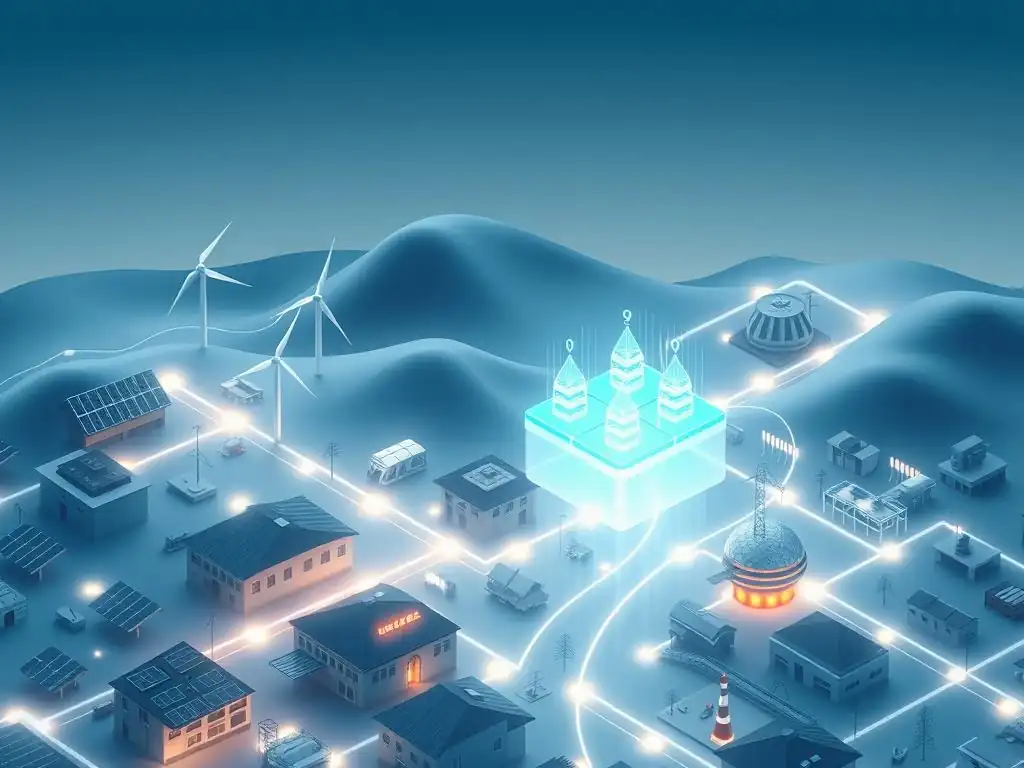
P2P Energy Trading in Australia: Power Ledger
Power Ledger stands as a prominent example of how blockchain technology is being applied to facilitate peer-to-peer (P2P) energy trading. Based in Australia, the company developed a platform that allows residential and commercial prosumers (consumers who also produce energy, typically via rooftop solar) to sell surplus renewable energy directly to their neighbors or other participants on the grid.
This eliminates the need for energy to flow back through traditional utility intermediaries for pricing and settlement, creating a more localized and efficient market. The platform leverages blockchain's transparent and immutable ledger to record energy transactions securely and automatically, often settling payments in real-time or near real-time.
The Power Ledger platform has been deployed in various projects globally, demonstrating the viability of blockchain energy grid decentralization for local markets. For instance, projects in Australia, Thailand, and the United States have piloted the P2P trading model. These initiatives have shown that participants can achieve better value for their excess solar generation compared to traditional feed-in tariffs, while buyers can access locally produced, often renewable, energy at potentially lower prices. The technology provides a granular view of energy flows and ownership, enabling a dynamic marketplace that empowers individuals and communities within the broader energy system.
Blockchain for Smart Grid Management: LO3 Energy's Brooklyn Microgrid
LO3 Energy's Brooklyn Microgrid project is a pioneering initiative that showcases how blockchain can enable localized energy markets and enhance smart grid management capabilities. Located in Brooklyn, New York, this project created a microgrid environment where residents and businesses with solar panels could trade electricity directly with their neighbors. The platform utilizes a blockchain network to track and verify these transactions, ensuring transparency and security without relying on the conventional centralized grid infrastructure for market operations. This system allows for decentralized energy trading within a defined geographical area, fostering community resilience and promoting local renewable energy consumption.
The Brooklyn Microgrid project demonstrated the potential for greater energy independence and efficiency at the community level. By enabling direct trading, participants could benefit from local energy generation, reducing reliance on energy transmitted over long distances. The use of blockchain technology provided the necessary infrastructure for automated, verifiable transactions, illustrating how a decentralized ledger can support complex energy trading within a microgrid context. While still a pilot, this project provided valuable insights into the operational challenges and benefits of implementing blockchain energy grid decentralization in urban environments, highlighting the potential for more resilient and sustainable energy distribution models.
Tracking and Trading Renewable Energy Certificates (RECs) with Blockchain
Tracking the origin and ownership of renewable energy is crucial for verifying sustainability claims and enabling market-based incentives like Renewable Energy Certificates (RECs). Traditionally, tracking RECs has involved complex, sometimes opaque, and often manual processes across various registries. Blockchain technology offers a solution by providing a transparent, immutable, and secure platform for issuing, tracking, and trading RECs. Platforms built on blockchain can automatically generate digital certificates corresponding to renewable energy production, linking them directly to the energy source and its output.
Energy Web Origin, part of the broader Energy Web ecosystem, is a notable example of a blockchain-based solution for digitalizing and tracking renewable energy assets and RECs. It allows generators to register their renewable energy facilities on the blockchain and automatically create digital tokens representing the energy produced and the associated environmental attributes (RECs).
This system provides verifiable proof of origin and ownership, simplifying compliance and facilitating the trade of these certificates. By enhancing the integrity and efficiency of REC tracking, blockchain technology supports the growth of renewable energy markets and provides greater assurance to consumers and corporations seeking to verify their renewable energy consumption and contribute to blockchain energy grid decentralization goals.
Frequently Asked Questions
What is Blockchain energy grid decentralization, and why is it important?
Blockchain energy grid decentralization refers to using blockchain technology to create a more distributed and resilient energy system. This reduces reliance on centralized power plants, improving reliability and sustainability.
How can blockchain technology help with Blockchain energy grid decentralization?
Blockchain facilitates peer-to-peer energy trading, transparent energy tracking, and automated grid management. This allows for more efficient allocation and utilization of renewable energy sources.
What are some potential benefits of Blockchain energy grid decentralization for consumers?
Consumers can benefit from lower energy costs, increased energy independence, and the ability to sell excess energy back to the grid. This fosters a more participatory and equitable energy market.
What are the main challenges in implementing Blockchain energy grid decentralization?
Challenges include regulatory hurdles, scalability limitations of blockchain networks, and integration with existing grid infrastructure. Overcoming these is crucial for widespread adoption.
What is the future outlook for Blockchain energy grid decentralization?
The future looks promising, with increasing investment and pilot projects focused on demonstrating the viability of blockchain-based energy solutions. Continued innovation and supportive policies are key to accelerating its growth and impact.
Final Reflection: Embracing the Decentralized Energy Future
The promise of blockchain energy grid decentralization is no longer a futuristic fantasy; it's a tangible solution being actively implemented to address the pressing challenges of energy sustainability and accessibility. From peer-to-peer energy trading to enhanced grid security and transparency, the potential of blockchain to revolutionize the energy sector is undeniable and increasingly relevant in a world grappling with climate change and the need for resilient infrastructure.
The impact of this technology extends far beyond mere efficiency gains. It fosters a sense of community ownership and empowers individuals to become active participants in the energy ecosystem. This shift towards a decentralized model represents a fundamental change in how we perceive and interact with energy, moving away from centralized control towards a more equitable and sustainable future. The future of energy is not about building bigger power plants; it's about empowering individuals to generate, store, and share energy in a decentralized and sustainable way.
As we stand on the cusp of this energy revolution, let us embrace the possibilities that blockchain offers. Consider how you can contribute to this decentralized future, whether through supporting blockchain-based energy initiatives, advocating for policies that promote innovation, or simply educating yourself and others about the transformative potential of this technology. The power to shape a more sustainable and equitable energy future lies within each of us.
Power Up Your Impact: Embrace the Energy Revolution!
Thank you for exploring how blockchain is transforming the energy sector. You now have a glimpse of a future rooted in decentralization and sustainability. Are you ready to be part of this change? Let’s work together to create a greener, more sustainable energy landscape.
Here’s how you can take action today:
- Learn More: Support and get involved with blockchain-based energy initiatives in your community or online. Become a pioneer in advancing sustainable energy solutions.
- Share the Knowledge: Spread this information with your network to raise awareness about blockchain’s potential to revolutionize energy.
- Join the Conversation: Engage in online forums and communities dedicated to blockchain and renewable energy. Your insights can make a difference.
What small step will you take today to help build a blockchain-enabled, sustainable energy future? Share your ideas in the comments below!
Leave a Reply