
Optimizing Logistics: Smart Contracts for Seamless and Transparent Shipments

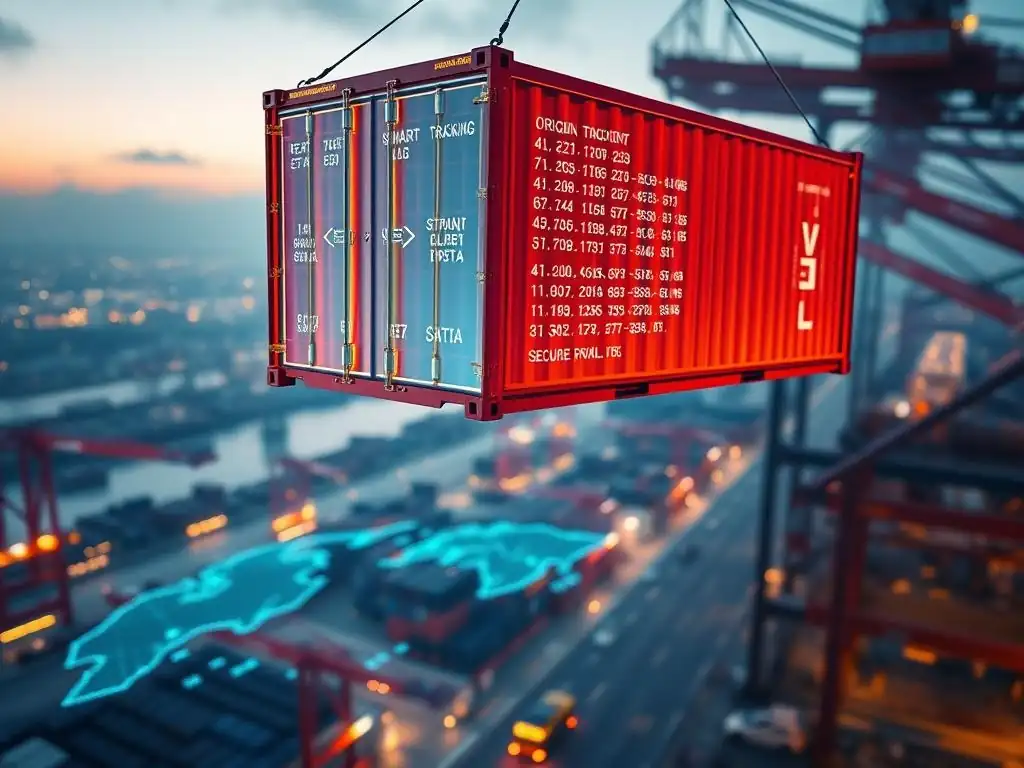
Welcome to Blockchain Trends, your compass in the rapidly evolving world of decentralized innovation. Tired of hearing only about crypto? We delve deeper!
Discover how blockchain is revolutionizing industries beyond finance. This week, we're unlocking the secrets to blockchain logistics smart contracts optimization. Can smart contracts truly streamline supply chains and eliminate bottlenecks? Join us as we explore the potential of this technology to create seamless and transparent shipments, and uncover the future of logistics. Read on to find out how!
- Optimizing Logistics with Blockchain: Smart Contracts for Enhanced Supply Chain Visibility
- Blockchain Smart Contracts: A Detailed Look at Logistics Optimization
- Use Cases: Real-World Applications of Blockchain Logistics Smart Contracts
- Implementing Blockchain Logistics Smart Contracts: A Practical Guide
- Challenges and Considerations for Blockchain Logistics Smart Contract Implementation
- Future Trends in Blockchain Logistics and Smart Contracts
- Conclusion: The Future of Logistics Enabled by Blockchain and Smart Contracts
-
Frequently Asked Questions
- How do smart contracts improve logistics operations?
- What role does blockchain play in enhancing logistics transparency?
- How can smart contracts optimize logistics costs?
- What are the regulatory considerations for using blockchain in logistics?
- What is the future outlook for blockchain-based logistics systems?
- Final Reflection: Embracing the Future of Trust in Logistics
- Ignite Your Supply Chain Revolution!
Optimizing Logistics with Blockchain: Smart Contracts for Enhanced Supply Chain Visibility
The Inefficiencies of Traditional Logistics and Supply Chain Management
Traditional logistics and supply chain management systems are often plagued by significant inefficiencies, stemming from fragmented processes, reliance on manual documentation, and a lack of real-time visibility across disparate parties. This complexity leads to delays, errors, increased administrative costs, and difficulties in tracking goods accurately from origin to destination.
For instance, a single international shipment can involve dozens of documents and multiple stakeholders, each operating on their own systems, creating silos of information that hinder efficient collaboration and decision-making. The lack of a single, trusted source of truth often results in disputes over shipment status, condition, or payment terms, slowing down the entire process.
Furthermore, the traditional model struggles with transparency, making it challenging to verify the provenance and handling of goods, which is crucial for high-value or sensitive items. The manual handling of paperwork increases the risk of fraud, loss, or damage, and resolving these issues can be time-consuming and expensive.
Industry reports have estimated that administrative costs related to documentation and communication can account for a significant portion of total logistics expenses, sometimes reaching up to 20% of the freight cost for complex international movements. These inherent inefficiencies highlight the pressing need for a more streamlined, transparent, and automated approach to logistics operations.
The Potential of Blockchain Technology for Transforming Logistics
Blockchain technology offers a revolutionary approach to overcoming the limitations of traditional logistics and supply chain management. Its core features—decentralization, immutability, and transparency—provide a foundation for building more efficient and trustworthy systems. By creating a shared, tamper-proof ledger accessible to all authorized participants, blockchain can establish a single source of truth for tracking goods, managing transactions, and recording critical events throughout the supply chain. This eliminates the need for intermediaries to verify information, reducing costs and speeding up processes.
The distributed nature of blockchain enhances resilience, as data is not stored in a single location vulnerable to failure or attack. For logistics, this means improved reliability in tracking information and transaction records. Moreover, the cryptographic security inherent in blockchain ensures data integrity and authenticity. This allows logistics companies to build trust among partners who may not have previously collaborated directly, fostering greater collaboration and visibility across the entire value chain. The potential for blockchain logistics smart contracts optimization lies precisely in leveraging these foundational characteristics to automate complex processes and enhance transparency.
Understanding Smart Contracts: Automation and Transparency in Shipments
Smart contracts are self-executing contracts with the terms of the agreement directly written into lines of code. This code resides on a blockchain, making the contract's execution transparent, verifiable, and irreversible once triggered by predefined conditions.
In the context of logistics, smart contracts can automate the execution of various contractual agreements based on real-time data and events, such as shipment arrival, temperature changes, or successful customs clearance. For example, a smart contract could automatically release payment to a carrier as soon as the blockchain verifies that goods have been delivered to the specified location and time, eliminating manual invoice processing and payment delays.
The use of smart contracts brings unprecedented levels of automation and transparency to shipments. Unlike traditional contracts that require manual oversight and enforcement, smart contracts automatically enforce their terms when conditions are met, reducing the potential for human error or deliberate manipulation. All parties involved can view the contract's code and track its execution on the blockchain, providing full transparency into the process. This not only accelerates transactions but also builds trust among participants by ensuring that agreements are executed exactly as intended, paving the way for significant blockchain logistics smart contracts optimization.
Blockchain Smart Contracts: A Detailed Look at Logistics Optimization
How Blockchain Smart Contracts Function in Logistics
Blockchain smart contracts function in logistics by encoding specific business logic and rules directly onto a decentralized ledger. These contracts are triggered by external data inputs, often referred to as oracles, which provide real-world information like GPS location data, sensor readings (e.g., temperature, humidity), or confirmation of events like customs clearance.
Once the predefined conditions within the smart contract are met, the contract automatically executes the agreed-upon action. For example, a smart contract designed for a refrigerated shipment might be programmed to release payment only if the temperature remained within a specified range throughout transit, as verified by IoT sensors integrated with the blockchain via an oracle.
The execution of a smart contract is transparently recorded on the blockchain, creating an immutable audit trail of every step of the process. This allows all authorized parties – manufacturer, carrier, customs broker, consignee, and even financial institutions – to have access to the same, validated information in near real-time. This shared visibility minimizes disputes arising from differing records or interpretations of events.
The inherent security and immutability of the blockchain ensure that once a condition is met and an action executed, the record cannot be altered, providing a high level of trust and reliability crucial for complex logistics operations. This automated, secure, and transparent execution is key to blockchain logistics smart contracts optimization.
Core Features of Smart Contracts for Supply Chain Visibility
Smart contracts offer several core features that significantly enhance supply chain visibility. Firstly, they provide automation, enabling the automatic execution of tasks such as payments, status updates, and notifications based on predefined triggers. This reduces manual effort and speeds up critical processes. Secondly, they offer transparency because the code and execution status are visible to all authorized participants on the blockchain, eliminating information asymmetry. Participants can track the progress and conditions of a shipment or transaction in real-time, fostering greater trust.
Thirdly, smart contracts ensure immutability of execution records. Once a contract is deployed and executed, the record of that execution on the blockchain cannot be changed, providing a reliable and auditable history of events. Fourthly, they enhance security through cryptographic principles, protecting the contract logic and execution from tampering. Finally, smart contracts can be integrated with external data sources (oracles), allowing them to react to real-world events and sensor data, which is vital for dynamic logistics processes like tracking temperature or location. These features collectively contribute to unprecedented visibility and control, driving significant blockchain logistics smart contracts optimization.
Benefits of Smart Contracts in Logistics
The adoption of smart contracts in logistics yields numerous benefits, leading to substantial blockchain logistics smart contracts optimization. One of the most significant advantages is increased efficiency through automation. Tasks that previously required manual intervention, such as verifying delivery and processing payments, can be automated, drastically reducing processing times from days or weeks to potentially hours or minutes. This automation also minimizes human error, leading to fewer discrepancies and disputes.
Another key benefit is enhanced transparency and trust among supply chain partners. With all relevant parties having access to a shared, immutable record of transactions and events on the blockchain, there is a single source of truth. This reduces the need for intermediaries and builds confidence, especially in multi-party international logistics.
Furthermore, smart contracts can lead to significant cost reductions by streamlining administrative processes, minimizing demurrage and detention fees through faster document processing, and reducing losses due to fraud or errors. Reports suggest potential cost savings of 10-25% in administrative overhead for companies effectively leveraging blockchain and smart contracts in logistics. Finally, faster dispute resolution is a major advantage, as the transparent and immutable record provided by the blockchain and smart contract execution makes it easier to identify the root cause of issues and settle claims quickly based on verifiable data.
Use Cases: Real-World Applications of Blockchain Logistics Smart Contracts
Enhancing Transparency in Tracking and Tracing Goods
One of the primary applications of blockchain logistics smart contracts is enhancing transparency in tracking and tracing goods throughout the supply chain. By creating a digital, immutable record of every movement, transfer of custody, and condition change on the blockchain, smart contracts enable unparalleled visibility. For instance, a smart contract can be programmed to update a shipment's status automatically whenever it reaches a specific geographic waypoint, as verified by GPS data fed into the contract. This allows all stakeholders, from the manufacturer to the end customer, to follow the journey of goods in near real-time.
Beyond location, smart contracts can incorporate data from IoT sensors attached to shipments. A smart contract handling perishable goods could monitor temperature and humidity levels during transit. If conditions deviate from the required range, the contract could automatically trigger alerts to relevant parties, initiate insurance claims based on pre-defined parameters, or even trigger a re-routing process. This level of granular, verifiable tracking ensures product integrity and provides a clear audit trail in case of issues, significantly improving trust and accountability across the network, thereby achieving notable blockchain logistics smart contracts optimization.
Automating Payments and Resolving Disputes in Logistics
Automating payments is a compelling use case for blockchain logistics smart contracts optimization. Traditional logistics payments often involve lengthy invoicing and reconciliation processes, leading to delays and cash flow issues. A smart contract can be configured to automatically release payment to a carrier or supplier upon verifiable completion of a specific milestone, such as proof of delivery (POD) confirmed on the blockchain, or successful customs clearance. This eliminates manual checks and payment processing, accelerating financial settlements.
Moreover, smart contracts play a crucial role in dispute resolution. Because the blockchain provides an immutable record of all transactions, events, and smart contract executions, it serves as a neutral and verifiable source of truth.
If a dispute arises regarding delivery time, product condition upon arrival, or adherence to contractual terms, parties can refer to the blockchain ledger and the executed smart contract to quickly identify what occurred and when. For example, if a carrier claims demurrage fees, but the blockchain record shows the necessary documents were uploaded on time according to the smart contract terms, the dispute can be resolved swiftly and objectively based on the verifiable data, significantly reducing time and cost associated with traditional dispute resolution processes.
Streamlining Customs Clearance and Regulatory Compliance
Customs clearance is notoriously complex and time-consuming, heavily reliant on paper documentation and manual verification across multiple government agencies and trade partners. Blockchain logistics smart contracts can significantly streamline this process by digitizing and automating the exchange and verification of required documents and data. A smart contract can hold all necessary shipment data, including commercial invoices, packing lists, bills of lading, and certificates of origin, securely on the blockchain. As the shipment progresses, relevant parties, including customs officials, can access and verify the required information based on their permissions granted by the smart contract.
The smart contract can be programmed to trigger actions based on customs requirements. For instance, upon the carrier submitting the arrival notice on the blockchain, the smart contract could automatically notify the customs broker and make the necessary digital documents available for review. This reduces processing time and errors associated with manual document handling.
Furthermore, smart contracts can help ensure regulatory compliance by automatically verifying that all required data fields are complete and accurate before allowing the shipment to proceed to the next stage. This level of automation and verifiable data sharing contributes significantly to blockchain logistics smart contracts optimization within the complex customs environment.
Ensuring Product Authenticity and Preventing Counterfeiting with Blockchain
Counterfeiting is a major challenge across many industries, from luxury goods to pharmaceuticals, posing risks to consumers and causing significant financial losses for businesses. Blockchain, combined with smart contracts, offers a powerful solution for ensuring product authenticity and preventing counterfeiting. By assigning a unique digital identity (often via a QR code or NFC tag) to each product and recording its journey on the blockchain from manufacturing to sale, companies can create a secure and transparent chain of custody.
A smart contract can be used to verify the legitimacy of a product at various points in the supply chain. For example, when a product changes hands, a scan of its digital identity can trigger a smart contract function that verifies its origin and confirms it is moving through authorized channels. Consumers can also use an app to scan the product's code and interact with the smart contract on the blockchain to verify its authenticity before purchase.
If a product is diverted or tampered with, the smart contract can flag the discrepancy, alerting stakeholders and potentially preventing the sale of counterfeit goods. This application provides a high level of assurance regarding product provenance, a key aspect of blockchain logistics smart contracts optimization for brand protection and consumer safety.
Implementing Blockchain Logistics Smart Contracts: A Practical Guide
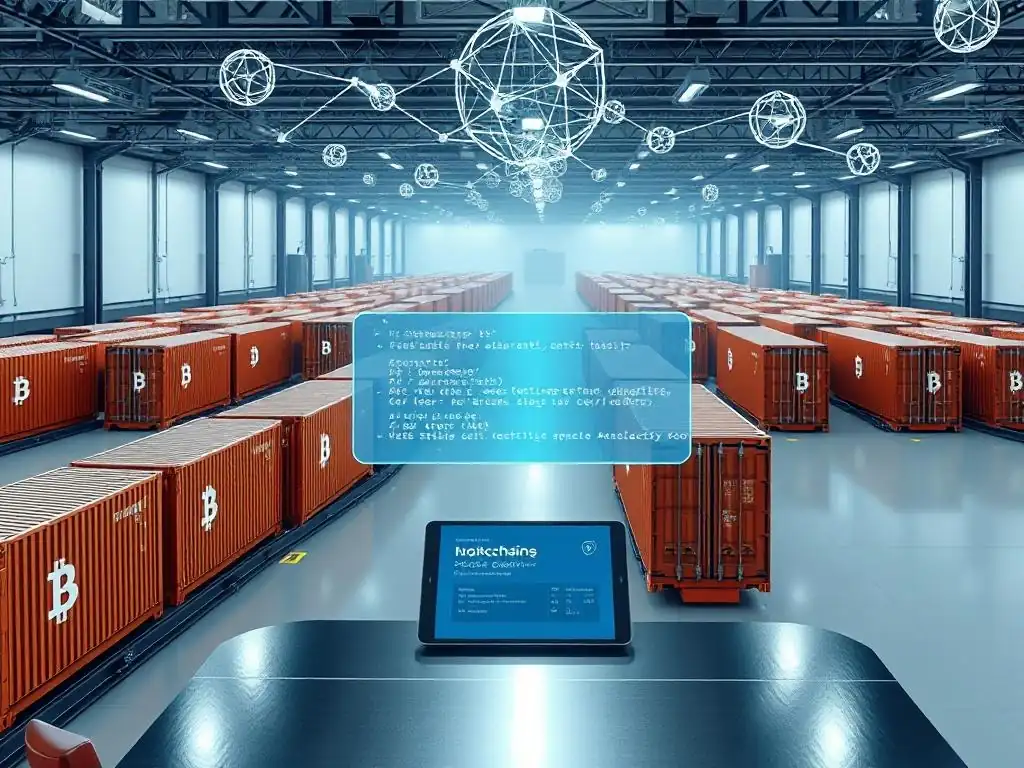
Identifying Key Logistics Processes for Smart Contract Integration
The first step in implementing blockchain logistics smart contracts optimization is to carefully identify which specific logistics processes stand to benefit most from automation and transparency. Not every process is an ideal candidate for smart contract integration. Focus on areas that are currently manual, prone to errors or disputes, involve multiple parties, or require conditional logic for execution. Good candidates often include payment processing triggered by delivery confirmation, automated insurance claims based on sensor data, management of multi-modal handoffs, or verification of regulatory compliance documents.
Begin by conducting a thorough analysis of your existing logistics workflows. Map out the current steps, identifying bottlenecks, points of friction, and areas where delays or disputes frequently occur. Consider processes that involve escrow-like functions or require verifiable proof of an event before the next step can occur. Prioritizing processes based on potential impact—such as cost savings, time reduction, or risk mitigation—will help focus implementation efforts and demonstrate value early on. Engaging stakeholders from different parts of the logistics chain, including carriers, warehouses, and financial departments, is crucial to ensure the chosen processes align with real-world needs and challenges.
Selecting a Suitable Blockchain Platform for Your Logistics Requirements
Choosing the right blockchain platform is a critical decision for successful blockchain logistics smart contracts optimization. Different platforms offer varying features, consensus mechanisms, scalability, privacy options, and smart contract capabilities. Consider whether a public blockchain (like Ethereum or Polygon), a consortium/private blockchain (like Hyperledger Fabric or R3 Corda), or a hybrid approach best suits your needs. Public blockchains offer high decentralization and transparency but may have scalability limitations and public visibility of transactions. Consortium blockchains offer more control over participants and privacy but require governance agreements among members.
Evaluate platforms based on factors such as transaction throughput (transactions per second), latency, cost per transaction (gas fees), ease of smart contract development (supported programming languages like Solidity, Go, or Java), data privacy features (e.g., private channels, zero-knowledge proofs), and the maturity of their ecosystem and developer tools. For enterprise logistics, platforms designed for business use cases, often offering features like identity management and granular permissions, might be more suitable. Piloting on a test network or a smaller scale is advisable before committing to a platform for full production deployment.
Developing and Deploying Smart Contracts for Specific Logistics Applications
Developing and deploying smart contracts requires specialized technical expertise in blockchain development and smart contract programming languages. The smart contract code must accurately reflect the terms and conditions of the logistics agreement it represents, including all potential conditions and actions. Rigorous testing is essential to ensure the contract behaves as expected under various scenarios and that there are no vulnerabilities that could be exploited. Auditing the smart contract code by independent security experts is highly recommended before deployment, especially for contracts handling high-value transactions or critical data.
Deployment involves publishing the compiled smart contract code onto the chosen blockchain platform. Once deployed, the contract is assigned a unique address on the network. The terms of the agreement are now immutable and executable according to the code.
Parties wishing to interact with the smart contract will do so via this address, sending transactions to trigger its functions. Careful planning is needed for versioning and upgrading smart contracts, as directly modifying a deployed contract on an immutable blockchain is often not possible; new versions typically need to be deployed, and assets or data migrated. Effective development and secure deployment are fundamental to realizing blockchain logistics smart contracts optimization benefits.
Integrating Smart Contracts with Existing Logistics Systems
Integrating blockchain smart contracts with existing legacy logistics systems (like ERP, WMS, TMS, and IoT platforms) is a crucial step for practical implementation. Smart contracts operate on the blockchain, but they need to receive data from and send data to traditional systems to be effective. This integration typically involves middleware or APIs that connect the blockchain node to the existing systems. Oracles play a vital role here, acting as bridges to feed real-world data (like shipment tracking updates, sensor readings, or customs status) into the smart contracts to trigger their execution.
The integration layer must ensure data consistency, security, and reliability. Data fed into the smart contract must be accurate and verifiable, as the contract's execution depends entirely on these inputs. Similarly, outputs from the smart contract (like payment confirmations or status updates) need to be correctly relayed back to the relevant legacy systems and stakeholders. Planning for data mapping, transformation, and synchronization between decentralized ledger data and centralized database structures is essential. Successful integration ensures that the blockchain and smart contracts augment, rather than replace, valuable existing infrastructure, paving the way for seamless blockchain logistics smart contracts optimization.
Challenges and Considerations for Blockchain Logistics Smart Contract Implementation
Addressing Scalability and Performance in Blockchain Logistics
One significant challenge for widespread blockchain logistics smart contracts optimization is addressing scalability and performance limitations inherent in many blockchain networks. Logistics operations generate vast amounts of data and require processing a high volume of transactions in real-time, especially for large-scale global supply chains. Traditional public blockchains might struggle to handle this throughput efficiently, leading to high transaction fees and delays, which can negate the benefits of automation. For example, processing thousands of shipment updates or sensor readings per second can overwhelm networks not designed for such volume.
Solutions are emerging to tackle these issues, including layer-2 scaling solutions, sharding, and the development of faster, more efficient consensus mechanisms in newer blockchain platforms. Private or consortium blockchains, while less decentralized, often offer significantly higher transaction speeds and lower costs, making them potentially more suitable for enterprise logistics applications with defined participants. When selecting a platform and designing the smart contract architecture, it is crucial to consider the expected transaction volume and data load to ensure the system can scale effectively to meet the demands of a busy logistics network.
Managing Data Privacy and Security in Blockchain-Based Logistics
Managing data privacy and security is paramount when implementing blockchain logistics smart contracts. While blockchain provides immutability and transparency, the nature of shared ledgers means that sensitive business data could potentially be visible to all participants or even the public, depending on the platform. In logistics, information about shipment contents, values, customer details, and routes can be highly confidential. Ensuring compliance with data protection regulations like GDPR is also a critical consideration.
Strategies for managing data privacy include using private or consortium blockchains where participation is permissioned and controlled, allowing businesses to restrict who can view specific data. Another approach involves storing only hashes or proofs of sensitive documents on the public blockchain, while the actual documents are stored off-chain in secure, permissioned databases. Smart contracts can be designed with access controls to ensure only authorized parties can trigger certain functions or decrypt associated data. Implementing robust identity management and access control mechanisms is essential to protect sensitive logistics data while leveraging the benefits of blockchain and smart contracts.
Navigating the evolving regulatory and legal landscape surrounding blockchain and smart contracts is a key challenge for logistics implementers. The legal status of smart contracts varies across jurisdictions, and their enforceability in courts is still a developing area. While smart contracts can automate execution, questions remain about how disputes would be resolved if the underlying code contains errors or if external factors prevent the conditions from being met. The legal framework for digital signatures and electronic contracts needs to align with blockchain-based agreements.
Furthermore, industry-specific regulations related to transportation, customs, trade finance, and data handling must be considered. Ensuring that the data recorded on the blockchain and the actions triggered by smart contracts meet compliance requirements is vital. For example, providing necessary documentation to customs authorities in a legally acceptable format, even if the primary record is on the blockchain, is often required. Consulting with legal experts specializing in blockchain and contract law is crucial to ensure that smart contract implementations are legally sound and comply with all relevant regulations in the operating regions.
Ensuring Interoperability Between Blockchain Networks and Existing Systems
Ensuring interoperability is a significant challenge in blockchain logistics smart contracts optimization. Logistics involves a complex ecosystem with multiple companies, each potentially using different legacy systems and potentially different blockchain networks or platforms in the future. For smart contracts to function effectively across the entire supply chain, they need to communicate seamlessly with various external data sources (IoT devices, ERP systems) and potentially interact with smart contracts or data on other blockchain networks.
Building bridges and standards for interoperability is essential. This involves developing APIs and middleware that can translate data between traditional systems and blockchain networks. It also requires establishing protocols for communication and data exchange between different blockchain platforms (cross-chain interoperability). Industry-wide standards for data formatting and smart contract interfaces specific to logistics use cases would greatly facilitate adoption and seamless operation across the diverse participants in a supply chain. Without effective interoperability, the benefits of smart contracts may be limited to isolated parts of the logistics process rather than the entire end-to-end flow.
Future Trends in Blockchain Logistics and Smart Contracts
The Growth of Decentralized Logistics Networks
The future of blockchain logistics smart contracts optimization points towards the growth of truly decentralized logistics networks. Instead of relying on a single platform or centralized authority, these networks would operate on permissionless or permissioned blockchains where multiple stakeholders contribute to and govern the network. This fosters greater resilience, transparency, and potentially lower costs by removing centralized control points. Imagine a network where carriers, shippers, warehouses, and freight forwarders interact directly via smart contracts on a shared ledger, coordinating shipments and payments autonomously.
These decentralized networks could enable new business models, such as freight marketplaces operating entirely on blockchain and smart contracts, matching shippers with available capacity and automating booking and payment processes. The governance of such networks would likely involve tokenization, allowing participants to have a stake in the network's development and decision-making. As the technology matures and regulatory clarity increases, we can expect to see more initiatives moving towards these collaborative, decentralized logistics ecosystems, powered by interconnected smart contracts.
Integrating IoT Devices with Blockchain Smart Contracts for Real-Time Monitoring
The integration of IoT devices with blockchain smart contracts is set to become even more sophisticated, enabling unparalleled real-time monitoring and automated response in logistics. As IoT sensors become more prevalent and affordable, they will collect vast amounts of data on location, temperature, humidity, shock, light exposure, and more during transit. Feeding this data directly into blockchain smart contracts via secure oracles will automate critical actions based on real-time conditions.
For example, a smart contract could not only trigger an alert if temperature exceeds a threshold but could also automatically initiate a contract clause for expedited shipping if a delay is detected via GPS data, or adjust payment based on verifiable proof of condition upon arrival. This tight integration creates a highly responsive and data-driven supply chain. The data recorded on the blockchain from IoT devices provides an immutable, verifiable log of the shipment's environmental conditions and journey, crucial for quality control, insurance claims, and achieving high levels of blockchain logistics smart contracts optimization.
Leveraging AI to Optimize Blockchain Logistics Processes
Artificial Intelligence (AI) is poised to play a significant role in further optimizing blockchain logistics processes, particularly in conjunction with smart contracts. AI algorithms can analyze the vast amounts of data generated and stored on the blockchain—historical shipment data, performance metrics, sensor readings, contract execution history—to identify patterns, predict potential issues, and optimize routes, resource allocation, and inventory management.
AI can inform the design and parameters of smart contracts, making them more dynamic and intelligent. For instance, AI could predict the likelihood of a delay based on historical data and current conditions, allowing a smart contract to proactively trigger contingency plans or communicate potential issues before they occur.
AI could also optimize the terms within smart contracts, such as dynamic pricing based on real-time demand or risk assessment derived from blockchain data. The combination of AI's analytical capabilities with the automation and transparency of blockchain smart contracts offers powerful potential for advanced blockchain logistics smart contracts optimization, creating truly intelligent and self-optimizing supply chains.
Advancements in Smart Contracts for Complex Logistics Scenarios
Future advancements will enable smart contracts to handle increasingly complex logistics scenarios that currently require significant manual oversight. This includes sophisticated multi-party agreements, complex conditional logic involving numerous variables, and the management of intricate interdependencies between different stages of a supply chain. Research is ongoing into areas like creating 'composable' smart contracts that can interact with each other, allowing for the automation of entire end-to-end logistics workflows involving multiple carriers, warehouses, and intermediaries.
Developments in areas like confidential computing and zero-knowledge proofs will also enhance the ability of smart contracts to handle sensitive data while maintaining privacy, crucial for complex, competitive logistics environments. Furthermore, the integration of Decentralized Autonomous Organizations (DAOs) with smart contracts could allow for collective decision-making and governance within logistics networks, enabling participants to collectively manage shared resources or resolve complex exceptions in an automated, transparent manner. These advancements will unlock new levels of efficiency and trust through sophisticated blockchain logistics smart contracts optimization.
Conclusion: The Future of Logistics Enabled by Blockchain and Smart Contracts
Adopting Blockchain Logistics for an Efficient and Transparent Supply Chain
The journey towards an efficient and transparent supply chain is increasingly being paved by the adoption of blockchain technology and smart contracts. The inherent capabilities of blockchain—immutability, transparency, and decentralization—address many of the fundamental inefficiencies that have long plagued traditional logistics. By providing a single, trustworthy source of truth for all transactions and events, blockchain fosters unprecedented visibility and trust among disparate parties in the supply chain ecosystem. This foundational shift enables a level of collaboration and data sharing that was previously difficult to achieve, laying the groundwork for significant improvements in operational efficiency and risk management.
Embracing blockchain logistics means moving away from fragmented systems and manual processes towards a connected, automated, and verifiable network. Companies that successfully integrate blockchain gain a competitive edge through reduced administrative costs, faster transaction settlements, and enhanced reliability. The transparent nature of the ledger also improves accountability, making it easier to identify and address issues like delays, damage, or compliance failures. The strategic adoption of blockchain is not just a technological upgrade; it's a fundamental transformation towards a more resilient and trustworthy global supply chain.
The Long-Term Impact of Smart Contracts on the Logistics Sector
The long-term impact of smart contracts on the logistics sector is poised to be profound and transformative, driving significant blockchain logistics smart contracts optimization. Smart contracts are moving logistics beyond mere data sharing on a distributed ledger to automating the very execution of business agreements. This shift from manual process execution to automated, code-driven transactions will fundamentally alter operational workflows, reduce reliance on human intervention for routine tasks, and accelerate the flow of goods and capital.
Over time, smart contracts will likely become the standard mechanism for managing payments, insurance claims, compliance checks, and even carrier-shipper agreements. This will lead to a leaner, faster, and more cost-effective logistics industry.
Furthermore, the auditability and transparency provided by smart contracts will build a higher level of trust and predictability in supply chain relationships, potentially leading to new models of collaboration and risk sharing among partners. The ability to integrate with emerging technologies like IoT and AI will further amplify the power of smart contracts, creating truly intelligent and self-optimizing logistics networks capable of responding dynamically to changing conditions.
Exploring Blockchain Solutions for Your Logistics Needs
Given the clear potential for blockchain logistics smart contracts optimization, businesses in the logistics sector should actively explore how these technologies can address their specific challenges. Start by identifying the most pressing pain points in your current operations – perhaps it's delayed payments, lack of shipment visibility, or complex dispute resolution. Research how blockchain and smart contracts have been applied in similar use cases, looking for examples and studies that demonstrate tangible benefits like cost reduction or process acceleration.
Engage with blockchain technology providers and consultants who specialize in supply chain and logistics applications. Consider starting with a pilot project focused on a specific, well-defined process, such as automating payments for a particular route or improving the tracking of high-value goods. This allows you to gain practical experience, understand the implementation challenges, and demonstrate the value proposition within your organization before scaling up. The future of logistics is decentralized, automated, and transparent, and exploring blockchain solutions today is key to remaining competitive in this evolving landscape.
Frequently Asked Questions
How do smart contracts improve logistics operations?
Smart contracts automate and enforce agreements between parties, reducing manual processes and improving transparency in logistics. This leads to faster and more efficient shipment tracking and delivery.
What role does blockchain play in enhancing logistics transparency?
Blockchain provides a secure and immutable ledger of all transactions and events in the supply chain. This ensures greater visibility for all stakeholders and builds trust in the authenticity of shipment data.
How can smart contracts optimize logistics costs?
By automating processes and reducing disputes, smart contracts minimize administrative overhead, eliminate intermediaries, and prevent delays, leading to significant cost savings in logistics.
What are the regulatory considerations for using blockchain in logistics?
Businesses must comply with data privacy regulations like GDPR and understand legal implications regarding smart contract enforceability. Compliance with international trade laws is also crucial.
What is the future outlook for blockchain-based logistics systems?
The future involves wider adoption of blockchain for end-to-end supply chain management, enhanced data security, and increased interoperability between different blockchain networks.
Final Reflection: Embracing the Future of Trust in Logistics
The journey through the intricacies of blockchain logistics and smart contract optimization reveals a powerful truth: the future of global trade hinges on trust and transparency. The potential to revolutionize supply chains, eliminate inefficiencies, and foster unprecedented collaboration is no longer a distant dream, but a tangible reality within our grasp. The insights shared throughout this exploration underscore the urgent need for businesses to embrace these innovative technologies and reshape their operational paradigms.
The impact of blockchain and smart contracts extends far beyond mere cost reduction; it fundamentally alters the cultural landscape of commerce. Witnessing the shift towards decentralized, verifiable systems is inspiring, offering a glimpse into a world where trust is not blindly given, but cryptographically assured. This paradigm shift is beautifully captured by Don Tapscott: The blockchain is not only disrupting existing industries, but it's creating entirely new ones.
This quote encapsulates the transformative power at play, urging us to consider the profound implications for our global economy and the way we interact with it.
Now, as you reflect on the potential of blockchain logistics smart contracts optimization, consider how you can contribute to this revolution. How can you champion transparency within your own sphere of influence? How can you leverage these technologies to build a more equitable and efficient future for all? The power to shape the future of logistics lies within each of us. Embrace the challenge, explore the possibilities, and become a catalyst for change.
Ignite Your Supply Chain Revolution!
Thank you for exploring how smart contracts can transform logistics! Now that you see the potential for creating seamless and transparent shipments with blockchain technology, it's time to take the next step toward optimizing your supply chain.
Here's how you can begin:
- Investigate various smart contract platforms designed for supply chain management. Assess which options align best with your needs and offer a solid return on investment.
- Share this article with colleagues and industry peers to inspire discussions about blockchain's revolutionary role in logistics. Let’s foster a community of forward-thinking innovators!
- Contact your logistics partners to initiate a pilot program testing smart contract implementation on a smaller scale. Monitor the process and gather insights to inform broader adoption.
What initial actions are you considering to incorporate smart contracts into your logistics operations? Share your plans and any challenges you anticipate in the comments below!
Leave a Reply