
How Blockchain is Shaping the Future of Game Streaming

Welcome to Blockchain Trends!
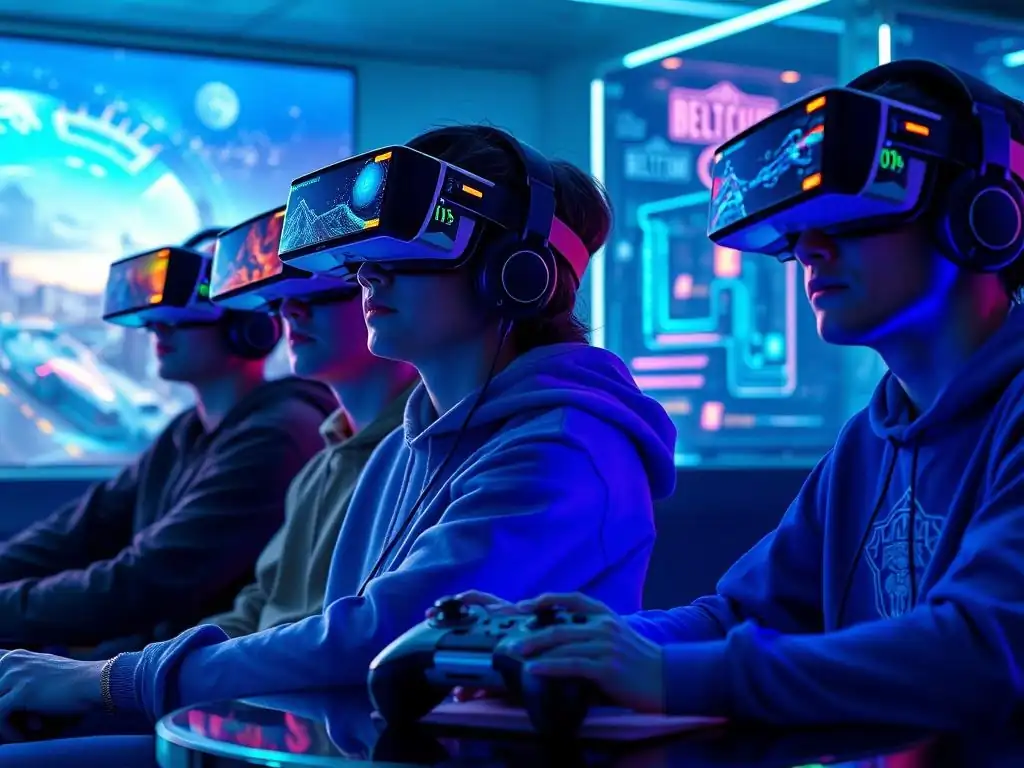
Dive into the groundbreaking intersection of blockchain and gaming as we explore how this revolutionary technology is poised to reshape the very future of game streaming. Curious about how decentralized systems, NFTs, and innovative financial models are creating unprecedented opportunities for both gamers and developers? Prepare to unlock the potential of the blockchain gaming streaming future and discover how this paradigm shift is transforming entertainment as we know it. Read on to learn more and see what exciting possibilities await!
How Blockchain is Shaping the Future of Game Streaming
- Introduction: The Convergence of Blockchain and Game Streaming
- Blockchain's Transformative Impact on Game Streaming
- Key Benefits of Blockchain-Based Game Streaming
- Blockchain Solutions for Common Game Streaming Problems
- Use Cases: Blockchain Game Streaming Platforms in Action
- The Future of Blockchain Gaming Streaming: Trends and Predictions
- Challenges and Considerations for Blockchain Streaming Adoption
- Addressing Scalability and Regulatory Hurdles in Blockchain Game Streaming
- Conclusion: Embracing the Blockchain Gaming Streaming Future
-
Frequently Asked Questions
- How is blockchain technology impacting traditional game streaming platforms?
- What are the key benefits of using blockchain for game streaming in terms of content ownership?
- What role do NFTs play in the future of blockchain game streaming?
- How could blockchain technology address issues of piracy and copyright infringement in the game streaming industry?
- What regulatory challenges might arise as blockchain game streaming becomes more prevalent?
- Final Reflection: Embracing the Decentralized Gaming Frontier
- Ignite Your Game Streaming Revolution!
Introduction: The Convergence of Blockchain and Game Streaming
Exploring the Synergy Between Distributed Ledger Technology and Live Gaming
The intersection of blockchain technology and game streaming is creating exciting new possibilities for both content creators and viewers. Blockchain, with its inherent characteristics of decentralization, transparency, and security, offers a robust infrastructure to address many of the existing limitations within the traditional game streaming industry. By leveraging distributed ledger technology, game streaming platforms can move away from centralized models, fostering a more equitable and efficient ecosystem. This synergy promises to revolutionize how content is distributed, monetized, and experienced in the gaming world, paving the way for a more democratized and user-centric streaming environment.
The potential benefits of combining blockchain with game streaming extend across various facets of the industry. From enhancing content ownership and creator monetization to improving security and transparency in transactions, blockchain's attributes directly address key pain points in the current streaming landscape. Imagine a future where streamers have greater control over their content and earnings, viewers can truly own their in-game digital assets acquired through streams, and the entire streaming ecosystem operates with increased transparency and fairness. This vision is becoming increasingly tangible as blockchain technology matures and its applications expand beyond cryptocurrencies into sectors like game streaming.
The Current Landscape of Game Streaming and its Limitations
The game streaming industry is dominated by centralized platforms, which, while offering global reach and sophisticated infrastructure, also present certain inherent limitations. Streamers often face challenges related to revenue sharing, platform dependency, and content ownership. Centralized platforms typically take a significant cut of streamer earnings, and content creators are often bound by platform-specific rules and regulations, limiting their autonomy. Furthermore, viewers may not have true ownership over digital assets acquired through streaming platforms or related ecosystems, hindering the development of a robust digital ownership economy within gaming communities.
Another significant limitation of current game streaming models is the lack of transparency and control over data. Centralized platforms control user data, content distribution, and monetization mechanisms, which can lead to concerns about fairness and equity. Issues such as platform censorship, inconsistent moderation policies, and opaque revenue distribution models are common grievances among streamers and viewers alike. These limitations highlight the need for alternative models that empower users, promote transparency, and foster a more equitable and sustainable ecosystem for game streaming.
Blockchain's Transformative Impact on Game Streaming
Decentralized Streaming Platforms: A New Paradigm
Blockchain technology introduces a paradigm shift in game streaming by enabling the creation of decentralized platforms. These platforms operate without a central authority, distributing control and decision-making power across a network of participants. Decentralization can manifest in various forms, such as distributed infrastructure for content delivery, community-governed moderation systems, and transparent revenue sharing mechanisms enforced by smart contracts. This move towards decentralization aims to address the limitations of centralized platforms, fostering a more equitable and user-centric streaming environment.
Decentralized streaming platforms built on blockchain offer several key advantages. They can provide streamers with greater autonomy over their content and earnings, reducing reliance on platform intermediaries. Viewers can benefit from increased transparency and control over their data and digital assets. Moreover, decentralized governance models can empower communities to participate in platform decisions, leading to more democratic and responsive streaming ecosystems. Examples of emerging decentralized platforms are beginning to demonstrate the feasibility and potential of this new paradigm in game streaming.
Addressing Key Challenges in Traditional Game Streaming with Blockchain
Blockchain technology directly addresses several key challenges inherent in traditional game streaming. Firstly, the issue of unfair revenue sharing can be mitigated through smart contracts that automatically distribute revenue according to pre-defined rules, ensuring transparency and eliminating intermediaries. Secondly, concerns about content ownership and piracy can be addressed through the use of Non-Fungible Tokens (NFTs) which provide verifiable proof of ownership and authenticity for digital assets, including streaming content and in-game items.
Furthermore, blockchain can enhance security and transparency in streaming transactions. All transactions on a blockchain are recorded on a public ledger, making them auditable and resistant to tampering. This transparency can build trust between streamers, viewers, and platform operators. Additionally, blockchain-based identity management systems can enhance security and privacy, giving users greater control over their personal data within the streaming ecosystem. By tackling these critical challenges, blockchain is paving the way for a more robust, secure, and equitable future for game streaming.
Key Benefits of Blockchain-Based Game Streaming
Enhanced Security and Transparency in Streaming Transactions
Blockchain technology inherently enhances security and transparency in the financial transactions within game streaming. Traditional streaming platforms often rely on centralized payment processors, which can be vulnerable to security breaches and lack transparency in transaction fees and revenue distribution. Blockchain, with its cryptographic security and distributed ledger, offers a more secure and transparent alternative. Every transaction is recorded on the blockchain, creating an immutable audit trail that is publicly verifiable. This transparency builds trust and reduces the potential for fraud or manipulation in streaming transactions.
The use of cryptocurrencies and blockchain-based payment systems for subscriptions, donations, and in-game purchases can significantly reduce transaction fees compared to traditional payment methods. Furthermore, smart contracts can automate revenue sharing between platforms, streamers, and other stakeholders, ensuring fair and transparent distribution of earnings. This enhanced security and transparency not only benefits streamers and viewers but also contributes to the overall stability and trustworthiness of the blockchain gaming streaming future ecosystem.
Empowering Content Creators: Fair Revenue Sharing and Monetization Models
One of the most significant benefits of blockchain in game streaming is the empowerment of content creators through fairer revenue sharing and innovative monetization models. Traditional streaming platforms often take a substantial percentage of streamer earnings, leaving creators with a smaller share of the revenue generated from their content. Blockchain-based platforms can implement smart contract-driven revenue sharing models that automatically distribute a larger portion of earnings directly to streamers, reducing platform fees and intermediaries.
Beyond fairer revenue splits, blockchain enables new monetization strategies for streamers. Tokenization of content and communities allows streamers to create their own digital economies, rewarding viewers with tokens for engagement, participation, and loyalty. These tokens can be used within the streamer's ecosystem for exclusive content, premium features, or even traded on cryptocurrency exchanges. NFTs can also be used to create and sell unique digital collectibles, in-game items, or access passes, providing streamers with additional revenue streams and fostering deeper engagement with their audience. These innovative monetization models powered by blockchain are fundamentally changing the creator economy in game streaming.
Improved User Experience: Ownership and Control over Digital Assets
Blockchain technology offers a significant improvement to the user experience in game streaming by enabling true ownership and control over digital assets. In traditional gaming and streaming ecosystems, users often do not truly own digital items purchased or earned within platforms. These assets are typically tied to platform accounts and can be revoked or lost if the platform shuts down or account access is lost. Blockchain, through NFTs, provides verifiable proof of ownership for digital assets, giving users greater control and portability.
NFTs allow viewers to truly own in-game items, virtual collectibles, and even streaming content licenses acquired through blockchain-based platforms. These assets are stored on the blockchain and are not controlled by any single platform. Users can trade, sell, or transfer their digital assets freely across different platforms and marketplaces, creating a more open and interoperable gaming ecosystem. This enhanced ownership and control over digital assets significantly improves the user experience and fosters a more robust and decentralized digital ownership economy within the blockchain gaming streaming future.
Blockchain Solutions for Common Game Streaming Problems
Tackling Piracy and Content Ownership Issues with NFTs
Piracy and content ownership are persistent challenges in the digital content industry, including game streaming. Traditional methods of content protection often prove ineffective and can be cumbersome for legitimate users. Blockchain, specifically NFTs, offers a novel solution to address these issues by providing a verifiable and transparent system for content ownership and authenticity. NFTs can represent ownership of streaming content licenses, exclusive in-game items, or even access to premium streaming channels, establishing clear and immutable proof of ownership.
By tokenizing streaming content and related digital assets as NFTs, creators can effectively combat piracy and protect their intellectual property. NFTs make it possible to track the provenance and ownership history of digital assets, making it easier to identify and prevent unauthorized distribution or duplication. Furthermore, NFTs can be integrated with streaming platforms to grant access to content only to verified owners, creating a more secure and legitimate content distribution system. This use of NFTs in blockchain gaming streaming future environments offers a powerful tool for tackling piracy and establishing clear content ownership.
Reducing Latency and Improving Performance with Decentralized Networks
Latency and performance issues are critical concerns in game streaming, particularly for interactive live streams. Centralized streaming infrastructure can create bottlenecks and introduce latency, affecting the viewer experience. Blockchain's decentralized nature offers potential solutions for reducing latency and improving streaming performance through distributed content delivery networks (CDNs). Instead of relying on centralized servers, decentralized CDNs leverage a network of nodes distributed globally to cache and deliver streaming content closer to viewers.
By distributing the load across a network of nodes, decentralized CDNs can reduce network congestion and minimize latency, leading to a smoother and more responsive streaming experience. Blockchain can be used to manage and incentivize nodes within these decentralized networks, ensuring reliable and efficient content delivery. Furthermore, blockchain-based protocols can optimize content routing and delivery paths, dynamically adapting to network conditions to further minimize latency and improve overall streaming performance, contributing significantly to the blockchain gaming streaming future.
Micropayments and Tokenized Rewards for Viewers and Streamers
Micropayments and tokenized rewards are innovative features enabled by blockchain that can enhance engagement and monetization within game streaming ecosystems. Traditional payment systems often incur high transaction fees for small amounts, making micropayments impractical. Blockchain, with its lower transaction costs and ability to handle small transactions efficiently, facilitates the implementation of micropayment systems in streaming. Viewers can easily send small tips or donations to streamers, fostering a more direct and interactive relationship.
Tokenized reward systems, powered by blockchain, can incentivize viewer engagement and participation. Viewers can earn tokens for watching streams, participating in chat, contributing to the community, or completing specific tasks. These tokens can then be redeemed for various rewards, such as exclusive content, premium features, in-game items, or even governance rights within the streaming platform. This creates a more engaging and rewarding experience for viewers and provides streamers with new ways to incentivize their audience and build loyal communities within the blockchain gaming streaming future.
Use Cases: Blockchain Game Streaming Platforms in Action
Theta.tv - A Case Study in Decentralized Streaming
Theta.tv stands out as a prominent example of a blockchain-based decentralized streaming platform. It leverages a decentralized CDN powered by blockchain technology to improve video delivery and reduce costs. Theta.tv users can share their bandwidth and computing resources to relay video streams to other users, earning Theta tokens as a reward. This distributed network approach reduces reliance on centralized infrastructure and potentially lowers streaming latency for viewers, especially those in geographically dispersed locations.
Theta.tv also integrates blockchain for micropayments and rewards. Viewers can tip streamers using Theta tokens, and streamers earn tokens for content creation and viewer engagement. The platform utilizes NFTs for digital collectibles and in-game items, allowing users to own and trade virtual assets within the Theta ecosystem. Theta.tv's case study demonstrates the practical application of blockchain in addressing infrastructure costs, improving streaming performance, and creating new monetization models for streamers and viewers in a decentralized environment.
DLive - Leveraging Blockchain for Community Building
DLive, another notable blockchain-based streaming platform, initially built on the Steem blockchain and later migrated to its own blockchain, BitTorrent Chain. DLive emphasizes community building and fair revenue sharing for content creators. The platform aims to provide streamers with a higher percentage of revenue compared to traditional centralized platforms, fostering a more creator-friendly ecosystem. DLive utilizes blockchain for transparent revenue distribution and community governance mechanisms.
DLive has experimented with various blockchain-based features, including tokenized rewards for viewers and streamers, and community voting using tokens to influence platform decisions. The platform’s focus on community governance and creator empowerment showcases how blockchain can be used to build more democratic and equitable streaming platforms. While DLive has faced challenges and undergone platform evolutions, its journey highlights the potential of blockchain to foster stronger streamer-viewer relationships and build thriving online communities within the blockchain gaming streaming future.
Trovo - Exploring Innovative Monetization Strategies
Trovo, while not exclusively blockchain-based, has explored and integrated blockchain-related technologies to implement innovative monetization strategies for streamers. Trovo, owned by Tencent, has incorporated blockchain elements for features like "Trovo 500," a streamer partnership program that rewards top creators with cryptocurrency-based incentives. This initiative demonstrates how even established, centralized platforms are recognizing the potential of blockchain to enhance streamer monetization and engagement.
Trovo's exploration of blockchain-based rewards and incentives showcases the evolving landscape of game streaming monetization. While the platform's core infrastructure is not decentralized, its adoption of blockchain elements for specific features indicates a growing trend towards incorporating blockchain benefits into both centralized and decentralized streaming environments. Trovo’s approach highlights the flexibility and adaptability of blockchain technology in enhancing various aspects of the blockchain gaming streaming future, even within existing platform frameworks.
The Future of Blockchain Gaming Streaming: Trends and Predictions
The Rise of Play-to-Earn Streaming Models
Play-to-earn (P2E) gaming is a rapidly growing trend, and its integration with game streaming is poised to reshape the future of content creation and consumption. Blockchain technology is fundamental to P2E models, enabling players to earn cryptocurrency and NFTs through gameplay, which can then be traded or sold for real-world value. This P2E concept is extending into game streaming, where viewers can potentially earn rewards for watching streams, participating in communities, or even contributing to the streaming ecosystem.
Play-to-earn streaming models could involve viewers earning tokens for watching specific streamers, completing in-stream quests, or participating in community events. Streamers could reward viewers with NFTs or cryptocurrency for their engagement, creating a more interactive and mutually beneficial relationship. The convergence of P2E gaming and streaming has the potential to incentivize viewership, boost streamer earnings, and create entirely new forms of interactive entertainment within the blockchain gaming streaming future.
Integration of Metaverse and Blockchain Streaming Experiences
The metaverse, a persistent, shared virtual world, is increasingly intertwined with blockchain and gaming. Game streaming is expected to play a significant role in the metaverse, providing live entertainment and interactive experiences within these virtual environments. Blockchain technology will be crucial for enabling interoperability, digital ownership, and decentralized economies within metaverse streaming experiences. Imagine watching a live esports tournament within a virtual stadium in the metaverse, with blockchain-based tickets, in-game item ownership, and even virtual merchandise.
Integration of metaverse and blockchain streaming could lead to immersive and interactive streaming experiences. Viewers could participate in virtual events within the metaverse, interact with streamers in virtual spaces, and own digital assets related to streaming content within the metaverse ecosystem. Blockchain will provide the infrastructure for secure digital ownership, decentralized governance, and interoperability across different metaverse platforms, enabling seamless and engaging streaming experiences in the evolving metaverse landscape and shaping the blockchain gaming streaming future.
The Evolution of Digital Ownership in the Gaming Ecosystem
Blockchain is driving a fundamental evolution in digital ownership within the gaming ecosystem, extending to game streaming and related digital assets. Traditional gaming models often grant users licenses to use digital items, but not true ownership. Blockchain, through NFTs, is changing this paradigm by enabling verifiable and transferable ownership of digital assets. This shift towards true digital ownership has profound implications for game streaming, content creators, and viewers.
In the future, viewers may truly own in-game items, virtual collectibles, and even streaming content licenses acquired through blockchain-based platforms. This ownership empowers users, allowing them to control, trade, and utilize their digital assets across different platforms and games. Streamers can leverage NFTs to create unique digital merchandise, exclusive content access passes, and community tokens, fostering deeper engagement with their audience and building stronger digital economies around their content. The evolution of digital ownership, driven by blockchain, is transforming the gaming ecosystem and fundamentally altering the blockchain gaming streaming future.
Challenges and Considerations for Blockchain Streaming Adoption
Scalability and Transaction Costs on Blockchain Networks
Scalability and transaction costs are significant challenges for widespread blockchain adoption, including in game streaming. Many existing blockchain networks face limitations in transaction throughput and can experience high gas fees, especially during periods of network congestion. These scalability and cost issues can hinder the performance and usability of blockchain-based streaming platforms, particularly for high-volume, real-time streaming applications.
For blockchain gaming streaming future to become mainstream, significant advancements in scalability and transaction cost reduction are necessary. Layer-2 scaling solutions, such as sidechains and rollups, are being developed to address these challenges by processing transactions off-chain and then settling them on the main blockchain. Optimizing blockchain protocols and infrastructure to handle the demands of real-time streaming and high transaction volumes is crucial for the successful adoption of blockchain in the game streaming industry.
Regulatory Landscape and Legal Compliance
The regulatory landscape surrounding blockchain and cryptocurrencies is still evolving globally, creating uncertainty and challenges for blockchain-based game streaming platforms. Regulations vary significantly across jurisdictions, and legal compliance can be complex and costly. Issues such as cryptocurrency regulations, securities laws, data privacy regulations, and content moderation policies need to be carefully considered by blockchain streaming platforms to ensure legal compliance and avoid regulatory risks.
Navigating the evolving regulatory landscape requires proactive engagement with regulators and a commitment to compliance best practices. Blockchain streaming platforms need to establish clear legal frameworks, implement robust KYC/AML (Know Your Customer/Anti-Money Laundering) procedures, and adapt to changing regulations in different jurisdictions. Addressing regulatory uncertainty and ensuring legal compliance are critical for the long-term sustainability and widespread adoption of blockchain gaming streaming future.
User Adoption and Education: Bridging the Knowledge Gap
User adoption is a key hurdle for any new technology, and blockchain game streaming is no exception. Many users are still unfamiliar with blockchain concepts, cryptocurrencies, and NFTs, creating a knowledge gap that can hinder adoption. Educating users about the benefits of blockchain streaming, simplifying user interfaces, and providing user-friendly onboarding experiences are crucial for bridging this knowledge gap and driving wider adoption.
Efforts to improve user education and simplify user interfaces are essential for making blockchain streaming accessible to a broader audience. Platforms need to provide clear and concise explanations of blockchain concepts, offer intuitive wallet management solutions, and streamline the process of interacting with blockchain-based features. Focusing on user experience and providing comprehensive educational resources will be vital for overcoming the user adoption challenge and realizing the full potential of blockchain gaming streaming future.
Addressing Scalability and Regulatory Hurdles in Blockchain Game Streaming
Layer-2 Scaling Solutions for Enhanced Throughput
Layer-2 scaling solutions are emerging as promising approaches to address the scalability limitations of blockchain networks for game streaming. These solutions, such as sidechains, rollups, and state channels, operate on top of the main blockchain (Layer-1) to process transactions more efficiently and at lower costs. Sidechains are independent blockchains that run parallel to the main chain, allowing for faster transaction processing. Rollups bundle multiple transactions into a single transaction on the main chain, reducing transaction fees and increasing throughput.
By implementing Layer-2 scaling solutions, blockchain-based streaming platforms can significantly enhance their transaction processing capacity and reduce gas fees, making them more suitable for high-volume, real-time streaming applications. These scaling solutions are crucial for overcoming the scalability hurdle and enabling the blockchain gaming streaming future to handle the demands of a large user base and complex streaming interactions. Continued development and adoption of Layer-2 solutions are essential for the mainstream adoption of blockchain in game streaming.
Navigating the evolving regulatory landscape for blockchain and cryptocurrencies requires a proactive and adaptable approach for blockchain game streaming platforms. Platforms need to stay informed about regulatory developments in different jurisdictions, engage with legal experts, and implement compliance measures to address evolving legal frameworks. This includes understanding regulations related to cryptocurrencies, securities laws, data privacy, and content moderation.
Building strong relationships with regulatory bodies and participating in industry discussions are important steps for blockchain streaming platforms to navigate the regulatory landscape effectively. Adopting a proactive approach to compliance, implementing robust KYC/AML procedures, and demonstrating a commitment to legal and ethical standards are crucial for building trust with regulators and ensuring the long-term viability of blockchain gaming streaming future. Flexibility and adaptability to regulatory changes are key to success in this evolving environment.
User-Friendly Interfaces and Educational Resources for Wider Adoption
User-friendly interfaces and comprehensive educational resources are paramount for driving wider adoption of blockchain game streaming. Many users are intimidated by the technical complexities of blockchain and cryptocurrencies. Platforms need to prioritize user experience by creating intuitive interfaces that simplify interactions with blockchain technology. This includes streamlining wallet management, simplifying transaction processes, and providing clear and accessible information about blockchain concepts.
Providing comprehensive educational resources, such as tutorials, FAQs, and guides, is crucial for bridging the knowledge gap and empowering users to understand and utilize blockchain streaming platforms effectively. Platforms should focus on explaining the benefits of blockchain in simple terms and demonstrating the value proposition for both streamers and viewers. By prioritizing user-friendliness and education, blockchain game streaming platforms can overcome the user adoption challenge and unlock the full potential of this transformative technology for a broader audience in the blockchain gaming streaming future.
Conclusion: Embracing the Blockchain Gaming Streaming Future
The Potential of Blockchain to Revolutionize the Game Streaming Industry
Blockchain technology holds immense potential to revolutionize the game streaming industry, addressing key limitations of centralized platforms and creating new opportunities for content creators and viewers. From decentralized streaming infrastructure and fairer revenue sharing models to enhanced digital ownership and innovative monetization strategies, blockchain offers a compelling vision for the future of game streaming. By embracing decentralization, transparency, and user empowerment, blockchain can foster a more equitable, secure, and engaging streaming ecosystem.
The blockchain gaming streaming future promises a paradigm shift in how content is created, distributed, and consumed in the gaming world. Decentralized platforms, powered by blockchain, can empower streamers with greater autonomy and control, while providing viewers with enhanced ownership of digital assets and more engaging interactive experiences. As blockchain technology matures and adoption grows, its transformative impact on the game streaming industry is poised to become increasingly significant.
Key Takeaways and Future Outlook for Decentralized Gaming
The key takeaway is that blockchain technology is not just a buzzword in the gaming industry; it is a powerful tool with the potential to fundamentally reshape game streaming. Decentralization, transparency, and user empowerment are the core principles driving this transformation. While challenges related to scalability, regulation, and user adoption exist, ongoing developments and increasing industry interest suggest a promising future for blockchain gaming streaming. The evolution of Layer-2 scaling solutions, proactive regulatory engagement, and a focus on user-friendly experiences are crucial for realizing this potential.
Looking ahead, we can anticipate the continued growth of decentralized streaming platforms, the rise of play-to-earn streaming models, and deeper integration of blockchain with metaverse experiences. The blockchain gaming streaming future is likely to be characterized by greater creator autonomy, enhanced digital ownership for users, and more engaging and interactive streaming experiences. Embracing this technological evolution and addressing the remaining challenges will pave the way for a more vibrant, equitable, and innovative future for the game streaming industry.
Frequently Asked Questions
How is blockchain technology impacting traditional game streaming platforms?
Blockchain is introducing new monetization models for streamers, allowing them to earn directly from viewers through cryptocurrencies and NFTs. This bypasses traditional platform cuts, offering potentially higher earnings.
What are the key benefits of using blockchain for game streaming in terms of content ownership?
Blockchain enables true digital ownership of in-game assets. Players can buy, sell, and trade their items securely, and streamers can offer unique, verifiable content to their audiences.
What role do NFTs play in the future of blockchain game streaming?
NFTs can represent unique streaming assets, like avatars, emotes, or even access to exclusive content. They also facilitate new forms of engagement and community building around streamers.
How could blockchain technology address issues of piracy and copyright infringement in the game streaming industry?
Blockchain provides a transparent and immutable record of content ownership. This can help track and verify licenses, potentially deterring piracy and protecting creators' rights.
What regulatory challenges might arise as blockchain game streaming becomes more prevalent?
Regulations surrounding cryptocurrencies, NFTs, and decentralized platforms are still evolving. Clear guidelines are needed to ensure fairness, transparency, and compliance within the blockchain gaming streaming ecosystem.
Final Reflection: Embracing the Decentralized Gaming Frontier
The exploration of blockchain's impact on game streaming reveals a landscape ripe with potential, yet facing significant hurdles. The convergence of blockchain technology and game streaming promises a future where creators are empowered, viewers are rewarded, and the gaming experience is fundamentally transformed. This isn't just about incremental improvements; it's about a paradigm shift that could redefine the entire ecosystem.
This shift resonates deeply because it speaks to the core desire for fairness and ownership in the digital age. The promise of truly owning in-game assets and directly supporting creators through decentralized platforms is a powerful one, and its potential to disrupt traditional models is undeniable. The future of gaming is not just about playing games, but about owning them, trading them, and being rewarded for your contributions to the community.
This sentiment captures the essence of the blockchain gaming revolution and its ongoing influence on the cultural perception of digital ownership.
As we stand on the cusp of this decentralized gaming frontier, let us not be passive observers. Consider how you can contribute to this evolving landscape. Explore blockchain-based streaming platforms, support creators who are embracing this technology, and advocate for a future where gaming is more equitable, transparent, and rewarding for everyone. The future of game streaming is being written now, and your participation can help shape it for the better.
Okay, I will create a Call to Action (CTA) in English for the end of a web article titled "How Blockchain is Shaping the Future of Game Streaming," for the website "Blockchain Trends" with the domain blockchaintrends.org. Here's the CTA:
Ignite Your Game Streaming Revolution!
Thanks for exploring how blockchain is transforming the game streaming landscape! You've unlocked insights into a future where content creators have more control and viewers enjoy unparalleled engagement. Ready to be part of this exciting shift?
Here's how you can get started:
- Dive deep and start researching specific blockchain-based game streaming platforms. Explore their features, revenue models, and community engagement strategies. Which one resonates most with your vision?
- Share this article with your fellow gamers and streamers to spark a conversation about the potential of blockchain!
- Experiment with creating or curating blockchain-powered game streaming content. Even small tests can help you understand the practical implications.
What innovative blockchain-based streaming idea are you most excited to bring to life? Let's discuss in the comments!
Leave a Reply