
Sustainable Supply Chains: How Blockchain is Driving Environmental Responsibility

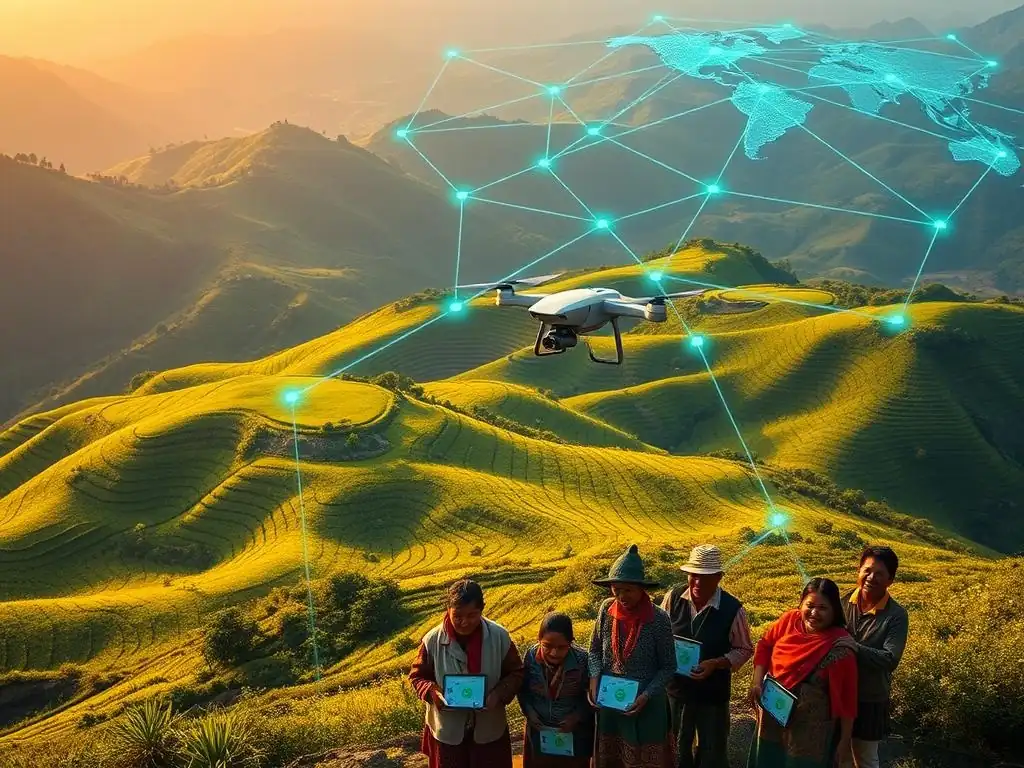
Welcome to Blockchain Trends, your guide to understanding the revolutionary impact of blockchain technology beyond the hype. Are you curious about how this groundbreaking technology can address real-world challenges?
Dive into this week's feature, "Sustainable Supply Chains: How Blockchain is Driving Environmental Responsibility," and discover the surprising blockchain supply chain sustainability benefits that are reshaping industries and fostering a more responsible future. Uncover the potential for transparency, traceability, and accountability that's transforming how we think about global commerce. Ready to explore the intersection of technology and sustainability? Read on to learn more!
- The Challenges of Traditional Supply Chains and Environmental Impact
-
Frequently Asked Questions
- What are the primary ways blockchain enhances supply chain sustainability?
- How does blockchain address the issue of greenwashing in supply chains?
- What are some examples of blockchain applications being used for sustainable supply chains?
- What are the main challenges in implementing blockchain for supply chain sustainability?
- What are the potential long-term benefits of utilizing blockchain for supply chain sustainability?
- Final Reflection: Embracing Blockchain for a Greener Tomorrow
- Ignite Your Green Revolution: Track & Transform Your Impact!
The Challenges of Traditional Supply Chains and Environmental Impact
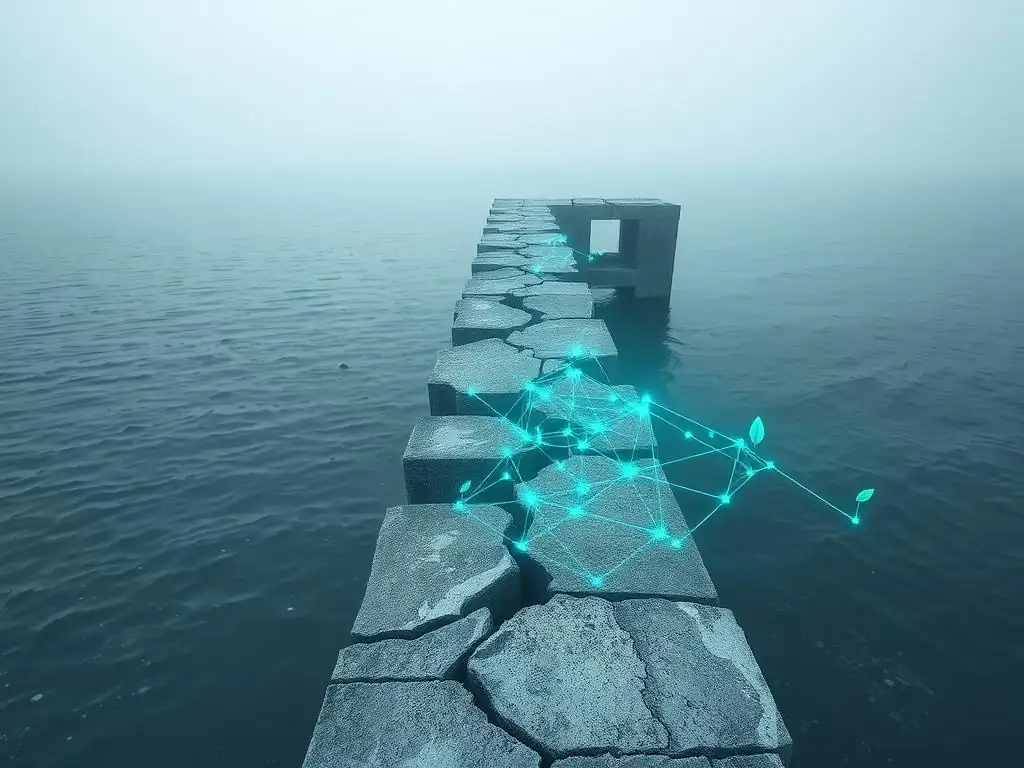
Traditional supply chains, often vast and complex networks spanning multiple continents and stakeholders, present significant hurdles when it comes to ensuring environmental responsibility. The inherent structure and operational practices of these linear models frequently obscure visibility and complicate efforts to assess and mitigate ecological footprints. Unlike systems designed with the blockchain supply chain sustainability benefits in mind, conventional models were primarily built for efficiency and cost reduction, with environmental considerations often being secondary.
This complexity means that tracing a product from its raw materials to the consumer involves numerous intermediaries, each with their own processes and data systems, or lack thereof. Information flow is often siloed, incomplete, or even intentionally opaque. This makes it incredibly difficult for companies, regulators, or consumers to verify claims about sourcing, production methods, or transportation impacts, fundamentally undermining trust and accountability in environmental performance.
Lack of Transparency and Traceability in Conventional Supply Chains
One of the most significant challenges in traditional supply chains is the profound lack of end-to-end transparency and traceability. Goods move through a labyrinth of suppliers, manufacturers, distributors, and retailers, and the data about their journey – where components came from, how they were made, under what conditions, and how they were transported – is often fragmented across disparate, incompatible systems. This makes it nearly impossible to achieve the level of granular insight needed to proactively identify and address environmental risks.
Without a unified, verifiable record, companies struggle to confirm if raw materials were sourced sustainably, if labor practices were ethical, or if emissions standards were met at every stage. For example, tracking the origin of wood to ensure it wasn't illegally logged, or verifying the environmental impact of materials used in electronics manufacturing across dozens of suppliers, becomes an insurmountable task. This opacity directly hinders the realization of potential sustainability benefits of blockchain in supply chains, which thrive on shared, immutable data.
Environmental Costs Associated with Opaque Supply Chain Practices
The lack of transparency in traditional supply chains has direct and significant environmental costs. When companies cannot effectively track the origins and journeys of their products, they are often unable to detect or prevent environmentally damaging practices occurring deep within their supply networks. This can include the use of hazardous chemicals, excessive energy consumption from inefficient processes, or reliance on unsustainable resource extraction methods like deforestation or overfishing.
Furthermore, poor visibility hinders effective waste management and recycling efforts. Without clear data on material composition and product lifecycle, optimizing resource use or facilitating circular economy initiatives is extremely difficult. The inability to precisely track goods also contributes to inefficiencies in logistics, leading to unnecessary transportation emissions. Estimates suggest that supply chain emissions can account for a vast majority – sometimes over 80% – of a company's total environmental impact, highlighting the critical need for systems that offer the benefits of blockchain for supply chain sustainability to gain control over these hidden costs.
The Need for Improved Accountability in Resource Management
Accountability for environmental impact in traditional supply chains is often diffuse and difficult to enforce. With many different parties involved and no single, verifiable record of actions and impacts, it's hard to assign responsibility when environmental standards are violated or when resources are mismanaged. This lack of clear accountability creates little incentive for individual actors within the chain to invest in sustainable practices or to report their environmental data accurately.
Regulatory bodies and consumers alike struggle to hold companies accountable for the environmental footprint of their entire supply chain when that chain is a black box. Audits are often snapshots in time and can be subject to manipulation. Establishing a system where environmental performance data is transparent, verifiable, and linked directly to specific actions and actors is crucial. This pressing need for enhanced accountability underscores why exploring how blockchain benefits sustainable supply chains is so vital for achieving meaningful environmental progress.
Frequently Asked Questions
What are the primary ways blockchain enhances supply chain sustainability?
Blockchain offers enhanced transparency and traceability, allowing for better monitoring of environmental impacts. It also facilitates secure data sharing between stakeholders and promotes accountability across the supply chain.
How does blockchain address the issue of greenwashing in supply chains?
Blockchain's immutable records make it difficult to falsely claim environmental benefits. The verified data helps consumers and regulators identify genuinely sustainable practices versus misleading marketing.
What are some examples of blockchain applications being used for sustainable supply chains?
Examples include tracking the origin and carbon footprint of products, verifying fair labor practices, and monitoring the sustainable sourcing of raw materials.
What are the main challenges in implementing blockchain for supply chain sustainability?
Challenges include the initial investment costs, the need for interoperability between different blockchain systems, and ensuring data accuracy from all participating parties.
What are the potential long-term benefits of utilizing blockchain for supply chain sustainability?
Long-term benefits include reduced environmental impact, improved brand reputation, increased consumer trust, and potentially, a more efficient and resilient supply chain overall.
Final Reflection: Embracing Blockchain for a Greener Tomorrow
The journey through sustainable supply chains and the transformative power of blockchain reveals a critical truth: environmental responsibility and technological innovation are inextricably linked. The benefits outlined throughout this article, from enhanced transparency to reduced waste, are not merely theoretical possibilities; they are tangible realities reshaping industries and paving the way for a more sustainable future.
The impact of blockchain on supply chain sustainability extends far beyond simple efficiency gains. It fosters a culture of accountability and empowers consumers to make informed choices, knowing the true environmental footprint of the products they purchase. This shift towards conscious consumption, driven by transparent data, is a powerful force for change, one that resonates deeply with my own commitment to a more sustainable world. The greatest threat to our planet is the belief that someone else will save it.
- Robert Swan. Blockchain offers us the tools to become those "someone else," actively participating in the preservation of our planet.
As we look ahead, the potential of blockchain to revolutionize supply chain sustainability is immense. It is not just a technological solution, but a catalyst for systemic change, encouraging collaboration, innovation, and a shared commitment to environmental stewardship. Let us embrace this technology, not just as a tool for profit, but as a powerful instrument for creating a world where economic prosperity and environmental sustainability go hand in hand.
Consider how you can contribute to this movement, whether through supporting businesses that prioritize transparency or advocating for policies that promote responsible supply chain practices. The future of our planet depends on the choices we make today.
Ignite Your Green Revolution: Track & Transform Your Impact!
Thank you for exploring how blockchain is revolutionizing sustainable supply chains. We hope you’ve gained valuable insights into leveraging this technology for a more environmentally responsible future. Now, it’s time to turn that knowledge into action!
Here’s how you can contribute to a greener, more transparent world:
- Implement a pilot blockchain project within your supply chain to track a single product from origin to consumer. This hands-on experience will provide invaluable insights.
- Share your findings or perspectives on sustainable blockchain implementation on social media or on our blog. Let’s amplify the message!
- Research and comment on other blockchain initiatives related to sustainability. Contribute to the collective knowledge base.
What is one small step you can take today to integrate blockchain into making your supply chain more sustainable? Share your thoughts in the comments below!
Leave a Reply