
The Digital Transformation of Public Records: Blockchain as a Key Enabler


Welcome to Blockchain Trends, your compass in the rapidly evolving landscape of decentralized technologies.
Discover how blockchain is revolutionizing industries beyond cryptocurrency. In this article, we delve into a fascinating application: the Blockchain public records management system. Explore its potential to enhance transparency, security, and efficiency in governmental processes. Curious about how this groundbreaking technology is reshaping governance? Read on to uncover the future of decentralized record-keeping.
The Digital Transformation of Public Records: Blockchain as a Key Enabler
- Introduction: Revolutionizing Public Records Management with Blockchain Technology
- Understanding Blockchain Technology for Public Records
-
The Benefits of a Blockchain Public Records Management System
- Enhanced Security and Data Integrity in Government Records
- Increased Transparency and Accountability in Public Administration
- Improved Efficiency and Cost Savings in Records Management Processes
- Streamlined Access to Public Information for Citizens
- Reducing Fraud and Corruption through Blockchain's Traceability
-
Use Cases: Blockchain Applications in Public Records
- Land Registry: Secure and Transparent Property Records
- Identity Management: Verifiable Credentials and Digital Identities
- Voting Systems: Enhanced Security and Auditability in Elections
- Supply Chain Transparency: Tracking Goods and Documents within Government
- Healthcare Records: Secure and Patient-Controlled Medical Data
- Implementing a Blockchain Public Records Management System: Key Considerations
- Overcoming Challenges and Mitigating Risks
- The Future of Blockchain in Public Records: Trends and Predictions
- Conclusion: Blockchain as the Foundation for Trustworthy Public Records
-
Frequently Asked Questions
- What are the main benefits of using a blockchain public records management system?
- How does blockchain improve data integrity in public records?
- What are some potential challenges in implementing a blockchain public records management system?
- How can blockchain help improve citizen trust in public institutions regarding records management?
- What are the key components of a successful blockchain public records management system?
- Final Reflection: Embracing Transparency Through Blockchain
- Unleash the Power of Transparent Governance!
Introduction: Revolutionizing Public Records Management with Blockchain Technology
The Challenges of Traditional Public Records Systems
Traditional public records systems, often relying on paper-based processes or outdated digital infrastructures, face significant challenges in the modern era. These systems are often characterized by inefficiencies, lack of transparency, and vulnerabilities to data tampering and loss. For instance, in many developing nations, land registries are still predominantly paper-based, leading to lengthy processing times for property transfers, increased risks of fraud, and difficulties in verifying ownership.
A World Bank study in 2020 highlighted that inefficient land administration systems cost developing economies billions of dollars annually due to disputes, stalled investments, and reduced tax revenues. These inefficiencies directly impact citizens, businesses, and governments, hindering economic growth and eroding public trust.
Moreover, the centralized nature of traditional public records systems makes them susceptible to single points of failure and cyberattacks. Data breaches in government agencies are becoming increasingly common, exposing sensitive citizen information and undermining confidence in public institutions. In 2015, the US Office of Personnel Management breach compromised the personal data of over 21.5 million individuals, illustrating the devastating consequences of inadequate security in centralized government databases.
The lack of transparency in many traditional systems also breeds distrust, as citizens often lack visibility into how their data is managed and utilized. This opacity can fuel perceptions of corruption and inefficiency, further diminishing public confidence in governance.
Why Digital Transformation is Crucial for Modern Public Records
Digital transformation is no longer an option but a necessity for modern public records management. The increasing volume of data, coupled with the demand for faster, more efficient, and transparent public services, necessitates a fundamental shift from outdated systems to digital solutions. Citizens expect seamless online access to public information and services, mirroring their experiences in the private sector.
A 2023 report by the United Nations indicates that global internet penetration has reached 67%, with a significant portion of the population expecting digital government services. Governments that fail to embrace digital transformation risk falling behind in meeting citizen expectations and hindering their own operational effectiveness.
Furthermore, digital transformation offers significant opportunities to enhance efficiency and reduce costs in public administration. Automating manual processes, digitizing paper-based records, and streamlining workflows can lead to substantial savings in time and resources. The Estonian government, a pioneer in digital governance, estimates that its e-governance initiatives save the country approximately 2% of its GDP annually through reduced bureaucracy and increased efficiency.
Beyond cost savings, digital transformation can also improve the accuracy and accessibility of public records, facilitating better decision-making by government agencies and empowering citizens with easier access to information. Embracing digital tools is therefore crucial for building a more responsive, efficient, and citizen-centric public sector.
Blockchain: A Paradigm Shift in Public Records Administration
Blockchain technology presents a paradigm shift in how public records are managed, offering a decentralized, secure, and transparent alternative to traditional systems. Unlike centralized databases, blockchain distributes data across a network of computers, making it significantly more resistant to tampering and single points of failure. This inherent security and resilience make blockchain an ideal technology for safeguarding sensitive public records.
Moreover, the transparent nature of blockchain allows for increased accountability and auditability, as all transactions and data entries are recorded on a public ledger, accessible to authorized parties. This transparency can help combat corruption and build trust in public institutions.
The potential of blockchain for public records extends beyond security and transparency. It can also streamline processes, reduce administrative burdens, and improve citizen access to information. By automating workflows through smart contracts and enabling secure digital identities, blockchain can create more efficient and user-friendly public services.
Several governments around the world are already exploring and piloting blockchain-based solutions for various public records applications, recognizing its transformative potential. From land registries in Georgia to digital identity systems in Singapore, blockchain is emerging as a key enabler of digital transformation in public records administration, promising a more secure, transparent, and efficient future for public governance.
Understanding Blockchain Technology for Public Records
What is Blockchain and How Does it Work?
At its core, blockchain is a distributed, immutable ledger that records transactions across many computers. Imagine a digital notebook that is duplicated and shared across a vast network. Each "page" in this notebook, called a "block," contains a set of transaction records. Once a block is filled, it is cryptographically linked to the previous block, forming a "chain" of blocks – hence the name "blockchain." This linking process ensures that any attempt to alter a block retroactively would require changing all subsequent blocks, which is computationally infeasible, making the blockchain highly secure and tamper-proof.
The process of adding new blocks to the blockchain involves a consensus mechanism, where network participants validate transactions and agree on the state of the ledger. This distributed consensus eliminates the need for a central authority to verify transactions, enhancing decentralization and resilience. Various consensus mechanisms exist, such as Proof-of-Work (used by Bitcoin) and Proof-of-Stake (used by Ethereum and many enterprise blockchains), each with its own trade-offs in terms of energy consumption and security. For public records applications, permissioned blockchains, which restrict network participation to authorized entities, are often preferred to ensure data privacy and regulatory compliance.
Key Features of Blockchain Relevant to Public Records: Immutability, Transparency, and Security
Blockchain's inherent features of immutability, transparency, and security are particularly relevant to the needs of public records management. Immutability ensures that once data is recorded on the blockchain, it cannot be altered or deleted, providing a permanent and auditable record of government actions and citizen data. This is crucial for maintaining the integrity of official documents, such as land titles, birth certificates, and legal contracts, preventing fraud and ensuring long-term trust in public records. For example, if a land title is recorded on a blockchain-based system, any attempt to fraudulently alter the ownership record would be immediately detectable.
Transparency in blockchain refers to the ability for authorized parties to view the records stored on the ledger. In the context of public records, this can enhance accountability and citizen trust by providing visibility into government processes and data management practices. While public blockchains offer full transparency, permissioned blockchains can provide selective transparency, allowing governments to control access to sensitive data while still maintaining auditability.
Security is paramount for public records, and blockchain's cryptographic security, combined with its distributed nature, makes it highly resistant to cyberattacks and data breaches. The decentralized structure eliminates single points of failure, and the cryptographic hashing of blocks ensures data integrity, safeguarding sensitive information from unauthorized access and manipulation.
Exploring Different Types of Blockchains: Permissioned vs. Permissionless for Government Use
When considering blockchain for public records management systems, the choice between permissioned and permissionless blockchains is crucial. Permissionless blockchains, like Bitcoin and Ethereum, are open to anyone to join and participate in transaction validation. They offer maximum decentralization and transparency but may face challenges in terms of scalability, energy consumption, and data privacy, making them less suitable for many government applications. The open and public nature of permissionless blockchains may not align with the confidentiality and regulatory requirements of sensitive public records.
Permissioned blockchains, on the other hand, restrict network participation to a pre-selected group of authorized entities, such as government agencies, trusted institutions, or consortium members. These blockchains offer a balance between decentralization and control, providing enhanced data privacy, scalability, and energy efficiency compared to permissionless blockchains. For government use cases, permissioned blockchains are often preferred because they allow governments to maintain control over data access and ensure compliance with data protection regulations like GDPR.
Examples of permissioned blockchain platforms include Hyperledger Fabric and R3 Corda, which are specifically designed for enterprise and government applications requiring secure and scalable distributed ledger technology. The selection of blockchain type depends heavily on the specific use case, regulatory environment, and data sensitivity requirements of the public records application.
The Benefits of a Blockchain Public Records Management System
Enhanced Security and Data Integrity in Government Records
Implementing a blockchain public records management system significantly enhances security and data integrity compared to traditional centralized databases. The cryptographic hashing and distributed nature of blockchain make it virtually tamper-proof. Any unauthorized modification of records would require altering the cryptographic hash of the block and all subsequent blocks, which is computationally infeasible for malicious actors. This immutability ensures that government records remain authentic and reliable over time, preventing fraud and data manipulation. A 2022 study by Deloitte indicated that blockchain-based systems can reduce data breaches by up to 70% compared to traditional databases due to their enhanced security features.
Furthermore, the distributed ledger technology eliminates single points of failure, making the system more resilient to cyberattacks and system outages. In a centralized system, a single successful attack can compromise the entire database. With blockchain, data is replicated across multiple nodes, ensuring that even if some nodes are compromised, the integrity of the overall system remains intact.
This enhanced security is critical for protecting sensitive citizen data and maintaining the trust and reliability of government services. For instance, in land registries, blockchain can prevent fraudulent alterations of property titles, providing secure and verifiable ownership records, reducing disputes and fostering economic stability.
Increased Transparency and Accountability in Public Administration
Blockchain technology fosters increased transparency and accountability in public administration by providing an auditable and immutable record of government transactions and data. The transparent nature of the blockchain ledger allows authorized stakeholders, including citizens and regulatory bodies, to track and verify government actions, promoting accountability and reducing opportunities for corruption. For example, in procurement processes, a blockchain-based system can record all bids, contracts, and payments, making the entire process transparent and auditable, deterring fraudulent practices and enhancing public trust in government spending.
Moreover, smart contracts, self-executing agreements coded on the blockchain, can automate government processes and ensure that actions are carried out according to pre-defined rules and regulations. This automation reduces human intervention and the potential for discretionary decision-making, further enhancing accountability and fairness. The Estonian government, a leader in digital governance, has implemented blockchain-based solutions for various public services, including e-voting and e-residency, to enhance transparency and citizen participation. By increasing transparency and accountability, blockchain contributes to building a more trustworthy and citizen-centric public sector.
Improved Efficiency and Cost Savings in Records Management Processes
Blockchain technology can significantly improve efficiency and reduce costs associated with traditional public records management processes. Automating manual tasks, streamlining workflows, and eliminating intermediaries can lead to substantial time and resource savings for government agencies. For instance, in property registration, blockchain can automate the transfer of land titles, reducing processing times from weeks or months to days or even hours, as demonstrated by pilot projects in countries like Sweden and Georgia. This increased efficiency translates to lower administrative costs and faster service delivery for citizens.
Furthermore, blockchain can reduce the need for paper-based records and manual data entry, minimizing errors and improving data accuracy. Digitizing records on a blockchain eliminates the costs associated with physical storage, handling, and retrieval of paper documents. A study by Accenture estimated that governments could save up to 80% on records management costs by adopting blockchain-based solutions. By optimizing workflows, reducing manual processes, and minimizing errors, blockchain contributes to creating more efficient and cost-effective public records management systems, freeing up resources for other essential government services.
Streamlined Access to Public Information for Citizens
A blockchain public records management system can streamline access to public information for citizens, empowering them with greater transparency and convenience. By digitizing records and making them accessible through secure online portals, blockchain can eliminate the need for citizens to physically visit government offices to access public information. This improved accessibility saves citizens time and effort, particularly for those living in remote areas or with limited mobility. Governments can leverage blockchain to create user-friendly platforms that allow citizens to easily search, access, and verify public records, such as property titles, birth certificates, and government licenses.
Moreover, blockchain can enhance data privacy and security while providing citizen access. Using digital identities and permissioned access controls, citizens can securely access their own records and authorize access to specific parties, ensuring data privacy and control. The city of Dubai, for example, aims to become the first government fully powered by blockchain by 2021 (though timelines may shift), with a focus on improving citizen services and accessibility. By providing streamlined and secure access to public information, blockchain empowers citizens, enhances government transparency, and fosters a more citizen-centric approach to public service delivery.
Reducing Fraud and Corruption through Blockchain's Traceability
Blockchain's inherent traceability and immutability make it a powerful tool for reducing fraud and corruption in public records management. The transparent and auditable nature of blockchain transactions makes it difficult for corrupt officials to manipulate records or engage in illicit activities without detection. Every transaction is recorded on the blockchain ledger, creating a permanent and verifiable audit trail that can be easily accessed by authorized parties. This traceability deters fraudulent activities and enhances accountability, as any attempt to alter records or engage in corrupt practices would be readily apparent.
In areas prone to corruption, such as land administration and procurement, blockchain can significantly reduce opportunities for fraud. By creating a transparent and tamper-proof record of land ownership and transactions, blockchain can combat land grabbing and fraudulent property transfers. Similarly, in procurement, blockchain can ensure that bidding processes and contract awards are transparent and auditable, reducing the risk of bribery and favoritism.
The use of blockchain in public records management acts as a deterrent to corruption, promoting good governance and building public trust in government institutions. Countries like Ukraine have explored blockchain for asset declarations to enhance transparency and combat corruption among public officials.
Use Cases: Blockchain Applications in Public Records
Land Registry: Secure and Transparent Property Records
Land registries are a prime example of how blockchain can revolutionize public records management. Traditional land registry systems, often paper-based and centralized, are prone to inefficiencies, fraud, and disputes over property ownership. Blockchain offers a secure, transparent, and immutable platform for recording and managing land titles and property transactions.
By recording land ownership on a blockchain, governments can create a tamper-proof and verifiable record of property rights, reducing fraud, streamlining property transfers, and fostering economic development. Georgia, for instance, has been a pioneer in using blockchain for land registry, registering over 1.5 million land titles on a blockchain platform, significantly improving the efficiency and security of its land administration system.
Blockchain-based land registries enhance transparency by providing public access to ownership information, reducing disputes and increasing trust in the system. Smart contracts can automate property transfers, simplifying the process and reducing bureaucratic delays. The immutability of blockchain ensures the long-term integrity of land records, safeguarding property rights and promoting investment.
Countries like Sweden and Honduras have also explored blockchain for land registry initiatives, recognizing its potential to transform land administration and create more secure and efficient property record systems. The adoption of blockchain in land registry is growing, with numerous pilot projects and implementations worldwide demonstrating its effectiveness in securing property rights and streamlining land administration.
Identity Management: Verifiable Credentials and Digital Identities
Blockchain technology offers a secure and decentralized approach to identity management, enabling verifiable credentials and digital identities for citizens. Traditional identity systems are often centralized and vulnerable to data breaches, with citizens having limited control over their personal information. Blockchain-based identity systems empower individuals with greater control over their digital identities, allowing them to securely store and share their credentials while maintaining privacy. Self-sovereign identity (SSI) solutions built on blockchain enable individuals to own and control their identity data, granting permissioned access to verified information to different parties as needed.
For public records, blockchain-based digital identities can streamline access to government services and improve data security. Citizens can use their digital identities to securely access online services, verify their credentials for government programs, and manage their personal data. Estonia's e-Residency program utilizes blockchain-based digital identities to provide non-residents with access to Estonian digital services and business environment.
Blockchain can also enhance the security and privacy of government-issued credentials, such as licenses and certifications, by making them verifiable and tamper-proof. The use of blockchain in identity management promises a more secure, efficient, and citizen-centric approach to digital identity, empowering individuals and improving government service delivery.
Voting Systems: Enhanced Security and Auditability in Elections
Blockchain technology has the potential to enhance the security and auditability of voting systems, addressing concerns about election integrity and voter fraud. Traditional voting systems, particularly paper-based systems, are susceptible to manipulation and lack transparency, leading to concerns about the accuracy and fairness of election results. Blockchain-based voting systems can provide a secure and transparent platform for casting and counting votes, increasing voter confidence and reducing the risk of electoral fraud. By recording votes on an immutable blockchain ledger, every vote is securely recorded and auditable, making it difficult to tamper with election results.
Furthermore, blockchain can enhance transparency in the voting process by allowing voters to verify that their votes have been accurately recorded and counted without compromising voter anonymity. Pilot projects using blockchain for voting have been conducted in various countries and regions, including Switzerland and West Virginia in the US.
While challenges related to scalability, accessibility, and voter education need to be addressed, blockchain offers a promising avenue for improving the security and transparency of elections, strengthening democratic processes and building public trust in electoral systems. The use of blockchain in voting systems is still in its early stages, but its potential to enhance election integrity is increasingly recognized.
Supply Chain Transparency: Tracking Goods and Documents within Government
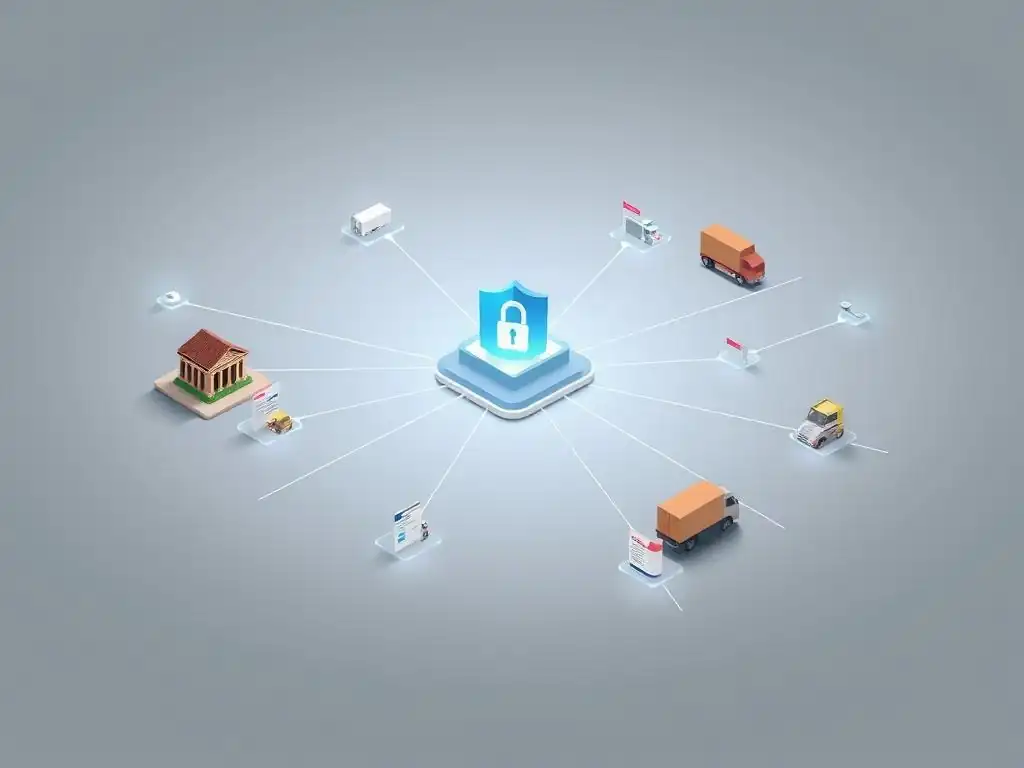
Blockchain can enhance supply chain transparency within government operations, improving efficiency, accountability, and reducing fraud in procurement and logistics. Traditional government supply chains often involve complex processes, multiple intermediaries, and lack of visibility, making them susceptible to inefficiencies, delays, and corruption. Blockchain-based supply chain management systems can provide a transparent and auditable record of the movement of goods and documents throughout the government supply chain, from procurement to delivery. By tracking goods on a blockchain, governments can improve visibility, reduce bottlenecks, and ensure accountability in the supply chain.
For public records, blockchain can be used to track the provenance and authenticity of documents and assets within government agencies. For example, in the pharmaceutical supply chain, blockchain can be used to track the origin and distribution of medicines, combating counterfeit drugs and ensuring the integrity of the supply chain.
Similarly, in the management of government assets, blockchain can provide a secure and transparent record of asset ownership and movement, improving asset tracking and reducing the risk of loss or misappropriation. The use of blockchain for supply chain transparency in government operations can lead to significant efficiency gains, cost savings, and improved accountability in public procurement and logistics.
Healthcare Records: Secure and Patient-Controlled Medical Data
Blockchain technology can revolutionize the management of healthcare records, providing secure and patient-controlled access to medical data. Traditional healthcare record systems are often fragmented, insecure, and lack interoperability, hindering efficient healthcare delivery and patient empowerment. Blockchain-based healthcare record systems can create a secure and interoperable platform for storing and sharing medical data, giving patients greater control over their health information and improving coordination among healthcare providers. Patients can use blockchain to securely store their medical records and grant permissioned access to doctors, hospitals, and other healthcare professionals, ensuring data privacy and control.
For public records, blockchain can be used to manage and verify healthcare credentials, such as medical licenses and certifications, ensuring the authenticity and validity of healthcare professionals. Furthermore, blockchain can enhance the security and privacy of sensitive patient data, protecting it from unauthorized access and breaches.
Pilot projects using blockchain for healthcare records are emerging globally, exploring applications such as secure data sharing, clinical trial management, and pharmaceutical supply chain tracking. The use of blockchain in healthcare records has the potential to transform healthcare delivery, improve patient outcomes, and empower individuals with greater control over their medical information, while also ensuring the integrity of healthcare professional records managed by public bodies.
Implementing a Blockchain Public Records Management System: Key Considerations
Regulatory Landscape and Legal Frameworks for Blockchain in Government
Implementing a blockchain public records management system requires careful consideration of the existing regulatory landscape and the development of appropriate legal frameworks. Currently, the legal status of blockchain and smart contracts is still evolving in many jurisdictions, and governments need to clarify the legal enforceability of blockchain-based records and transactions. Regulations related to data privacy, digital signatures, and electronic evidence need to be adapted to accommodate blockchain technology. For example, laws governing electronic records and signatures may need to be updated to recognize blockchain-based records as legally valid and admissible in court.
Governments need to proactively engage with legal experts and stakeholders to develop clear and consistent legal frameworks for blockchain adoption in the public sector. These frameworks should address issues such as data ownership, liability for smart contract failures, and cross-border legal recognition of blockchain-based records. Jurisdictions like Malta and Switzerland have been proactive in establishing blockchain-friendly legal frameworks to attract blockchain innovation and adoption. Developing a supportive regulatory environment is crucial for fostering trust and enabling the widespread implementation of blockchain public records management systems.
Data Privacy and Compliance: GDPR and Other Regulations
Data privacy and compliance with regulations like GDPR (General Data Protection Regulation) are paramount considerations when implementing a blockchain public records management system, especially in the European Union and other regions with stringent data protection laws. Blockchain systems must be designed to comply with data privacy principles, such as data minimization, purpose limitation, and data security.
While blockchain's immutability can be beneficial for data integrity, it also raises challenges for data deletion and the "right to be forgotten" under GDPR. Solutions like data encryption and off-chain data storage may be necessary to address data privacy concerns while leveraging blockchain's benefits.
Furthermore, governments need to ensure transparency and accountability in their use of blockchain for public records, informing citizens about how their data is being processed and providing mechanisms for data access and rectification. Data protection impact assessments (DPIAs) should be conducted to identify and mitigate potential privacy risks associated with blockchain implementations.
Compliance with data privacy regulations is not only a legal requirement but also essential for building public trust and ensuring the ethical and responsible use of blockchain technology in government. Careful planning and implementation are crucial to ensure that blockchain public records management systems are privacy-preserving and compliant with relevant regulations.
Interoperability and Integration with Existing Systems
Interoperability and seamless integration with existing legacy systems are critical for the successful implementation of a blockchain public records management system. Many government agencies rely on established IT infrastructure and databases, and blockchain solutions need to be designed to integrate with these systems without causing disruptions or data silos. Interoperability standards and APIs (Application Programming Interfaces) are essential to enable communication and data exchange between blockchain-based systems and legacy systems. Lack of interoperability can hinder the adoption and effectiveness of blockchain solutions in the public sector.
Furthermore, interoperability is crucial for enabling cross-agency data sharing and collaboration. Different government agencies may use different blockchain platforms or systems, and interoperability standards are needed to ensure that these systems can communicate and share data securely and efficiently. Initiatives like the European Blockchain Services Infrastructure (EBSI) are promoting interoperability standards for blockchain applications in the public sector across Europe. Addressing interoperability challenges is essential for realizing the full potential of blockchain for public records management and creating a cohesive and efficient digital government ecosystem.
Scalability and Performance of Blockchain Solutions
Scalability and performance are important technical considerations for implementing blockchain public records management systems, particularly for applications that involve high volumes of transactions or data. Public blockchains, like Bitcoin and Ethereum, can face scalability limitations, especially for large-scale government applications. Permissioned blockchains offer better scalability and performance compared to public blockchains, but careful system design and optimization are still necessary to handle the demands of public records management. Factors such as transaction throughput, block size, and consensus mechanism can impact the scalability and performance of blockchain solutions.
Governments need to select blockchain platforms and architectures that can meet the scalability and performance requirements of their specific public records applications. Performance testing and benchmarking are crucial to ensure that blockchain systems can handle peak loads and maintain acceptable response times. Layer-2 scaling solutions, such as state channels and sidechains, can also be explored to improve the scalability of blockchain applications. Addressing scalability and performance concerns is essential for deploying robust and reliable blockchain public records management systems that can effectively serve the needs of government agencies and citizens.
Importance of Data Governance in Blockchain Public Records
Data governance is of paramount importance for blockchain public records management systems, ensuring the quality, integrity, security, and ethical use of data stored on the blockchain. Data governance frameworks should define policies, procedures, and responsibilities for data management, access control, data quality assurance, and data security. Clear data governance policies are essential for addressing issues such as data ownership, data access permissions, data retention, and data disposal in blockchain-based systems. Robust data governance is crucial for building trust and ensuring the responsible use of blockchain technology in the public sector.
Furthermore, data governance frameworks should address ethical considerations related to the use of blockchain for public records, such as data privacy, algorithmic bias, and transparency. Ethical guidelines and principles should be incorporated into data governance policies to ensure that blockchain systems are used in a fair, equitable, and responsible manner.
Data governance should also involve stakeholders from across government agencies, civil society organizations, and citizens to ensure that data policies are aligned with public values and societal needs. Effective data governance is essential for maximizing the benefits and mitigating the risks of blockchain technology in public records management, fostering a trustworthy and citizen-centric digital government.
Overcoming Challenges and Mitigating Risks
Addressing Concerns about Data Security and Privacy
Addressing concerns about data security and privacy is crucial for the widespread adoption of blockchain public records management systems. While blockchain offers enhanced security features, it is not immune to all risks. Concerns about key management, smart contract vulnerabilities, and potential privacy breaches need to be addressed proactively. Robust security protocols, encryption techniques, and secure key management practices are essential to mitigate data security risks in blockchain implementations. Regular security audits and penetration testing should be conducted to identify and address vulnerabilities.
Furthermore, privacy-enhancing technologies, such as zero-knowledge proofs and homomorphic encryption, can be explored to further enhance data privacy in blockchain systems. These technologies allow for data processing and verification without revealing the underlying data, enabling privacy-preserving data sharing and analysis. Transparency and clear communication with citizens about data security and privacy measures are also essential for building trust and addressing public concerns. By proactively addressing data security and privacy concerns, governments can foster confidence in blockchain public records management systems and encourage wider adoption.
Ensuring Accessibility and Inclusivity for All Citizens
Ensuring accessibility and inclusivity for all citizens is a critical consideration when implementing blockchain public records management systems. Digital technologies can exacerbate existing digital divides, and governments must ensure that blockchain-based systems are accessible to all citizens, regardless of their digital literacy, socioeconomic status, or location. User-friendly interfaces, multilingual support, and offline access options may be necessary to ensure inclusivity. Assistance and training programs should be provided to help citizens, particularly vulnerable populations, to access and utilize blockchain-based public services.
Furthermore, accessibility considerations should be integrated into the design and development of blockchain systems from the outset. Accessibility standards and guidelines should be followed to ensure that systems are usable by people with disabilities. Inclusive design principles should be applied to create user interfaces that are intuitive and easy to navigate for all citizens. Addressing accessibility and inclusivity challenges is essential for ensuring that blockchain technology benefits all members of society and promotes equitable access to public services.
Managing the Transition from Legacy Systems to Blockchain
Managing the transition from legacy systems to blockchain is a complex undertaking that requires careful planning and execution. Migrating data from legacy systems to blockchain, integrating blockchain with existing IT infrastructure, and training government personnel on new technologies are significant challenges. A phased approach to implementation, starting with pilot projects and gradually scaling up, can help manage the transition process effectively. Clear migration plans, data mapping strategies, and robust testing procedures are essential for ensuring a smooth and successful transition.
Furthermore, change management strategies are crucial for addressing resistance to change and ensuring buy-in from government employees and stakeholders. Communication, training, and stakeholder engagement are essential for managing the organizational and human aspects of the transition to blockchain. Collaboration between government agencies, technology providers, and experts in change management is crucial for navigating the complexities of transitioning from legacy systems to blockchain-based public records management. A well-managed transition process is essential for minimizing disruptions, maximizing benefits, and ensuring the long-term success of blockchain implementations.
Addressing the Risk of Centralization in Certain Blockchain Implementations
Addressing the risk of centralization in certain blockchain implementations is important to maintain the core principles of decentralization and trust that blockchain technology offers. While permissioned blockchains are often preferred for government use cases, there is a risk of centralization if control over the network is concentrated in the hands of a few entities.
Careful network design, governance mechanisms, and diversification of network participants are essential to mitigate the risk of centralization in permissioned blockchain systems. Decentralized governance models and consensus mechanisms that promote broader participation can help ensure that blockchain systems remain truly decentralized and resistant to undue influence.
Furthermore, transparency in network governance and operations is crucial for maintaining trust and accountability in blockchain implementations. Regular audits of network operations and governance processes can help identify and address potential centralization risks. Governments should strive to adopt blockchain architectures and governance models that promote decentralization, transparency, and resilience, ensuring that blockchain public records management systems are truly distributed and trustworthy. Avoiding centralization is key to realizing the full potential of blockchain for enhancing trust and accountability in public governance.
The Future of Blockchain in Public Records: Trends and Predictions
Integration with Other Emerging Technologies: AI, IoT
The future of blockchain in public records will be significantly shaped by its integration with other emerging technologies, such as Artificial Intelligence (AI) and the Internet of Things (IoT). AI can enhance the capabilities of blockchain systems by automating data analysis, improving decision-making, and enhancing security. For example, AI-powered smart contracts can automate complex workflows and enforce compliance with regulations in public records management. AI can also be used to detect anomalies and fraudulent activities on blockchain networks, enhancing security and accountability.
IoT devices can provide real-time data feeds to blockchain systems, enabling automated data capture and verification for various public records applications. For instance, IoT sensors can be used to track assets in government supply chains and automatically record data on the blockchain, improving transparency and efficiency. The convergence of blockchain, AI, and IoT will create new opportunities for innovation in public records management, enabling more intelligent, automated, and efficient government services. This integration will drive the next wave of digital transformation in the public sector, leading to more citizen-centric and data-driven governance.
The Rise of Decentralized Governance and Smart Contracts
Decentralized governance and the increasing use of smart contracts will be key trends shaping the future of blockchain in public records. Decentralized governance models, enabled by blockchain technology, can empower citizens and stakeholders to participate in decision-making processes related to public services and data management. Blockchain-based voting systems and decentralized autonomous organizations (DAOs) can facilitate more transparent and participatory governance models. Smart contracts will play an increasingly important role in automating government processes and enforcing regulations in a transparent and auditable manner.
Smart contracts can automate the execution of public services, such as benefit payments, permit approvals, and contract enforcement, reducing bureaucratic delays and enhancing efficiency. The combination of decentralized governance and smart contracts will lead to more agile, responsive, and citizen-centric public sector organizations. This trend will empower citizens, enhance transparency, and foster greater trust in government institutions. The adoption of decentralized governance and smart contracts will be a transformative force in shaping the future of public administration.
Predicting the Expansion of Blockchain Public Records in the European Union
The European Union (EU) is poised to be a major driver of blockchain adoption in public records management in the coming years. The EU's Digital Single Market strategy and the European Blockchain Services Infrastructure (EBSI) initiative are promoting the use of blockchain for cross-border public services and data sharing across member states. The EBSI aims to establish a pan-European blockchain infrastructure for public services, including digital identity, verifiable credentials, and cross-border document exchange. EU regulations, such as GDPR and the eIDAS regulation on electronic identification and trust services, are also shaping the regulatory landscape for blockchain in Europe.
The EU's focus on digital sovereignty, data protection, and citizen empowerment is aligned with the principles of blockchain technology. The EU is likely to see significant expansion of blockchain-based public records applications in areas such as digital identity, supply chain transparency, and cross-border data exchange in the coming years. EU funding programs and policy initiatives will further accelerate the adoption of blockchain in the public sector across Europe, making the EU a global leader in blockchain-powered public governance.
Potential for Cross-Border Data Sharing Using Blockchain
Blockchain technology offers significant potential for enabling secure and efficient cross-border data sharing for public records. Traditional cross-border data sharing mechanisms are often complex, inefficient, and raise concerns about data privacy and security. Blockchain can provide a trusted and interoperable platform for sharing data across borders, facilitating international cooperation and improving cross-border public services. For example, blockchain can be used to share verified credentials and digital identities across borders, simplifying international travel and trade.
Furthermore, blockchain can facilitate cross-border data exchange for law enforcement and judicial cooperation, enhancing international efforts to combat crime and terrorism. The immutability and auditability of blockchain ensure the integrity and trustworthiness of cross-border data sharing. While regulatory and legal frameworks for cross-border data sharing using blockchain are still evolving, the potential benefits are significant. Blockchain has the potential to transform cross-border data sharing for public records, fostering greater international collaboration and improving global governance.
Conclusion: Blockchain as the Foundation for Trustworthy Public Records
The Transformative Power of Blockchain for Public Sector Innovation
Blockchain technology possesses transformative power for public sector innovation, offering a foundation for building more efficient, transparent, and citizen-centric government services. By addressing the limitations of traditional public records systems, blockchain enables a paradigm shift in how governments manage and utilize public information. Its inherent security, immutability, and transparency make it ideally suited for safeguarding sensitive public records and enhancing public trust in government institutions. From streamlining bureaucratic processes to empowering citizens with greater access to information, blockchain offers a wide range of applications that can revolutionize public service delivery.
The adoption of blockchain in public records management is not merely a technological upgrade but a fundamental shift towards a more open, accountable, and responsive public sector. Governments that embrace blockchain technology are positioning themselves to be at the forefront of digital governance, building more resilient and trustworthy public institutions for the 21st century. The transformative power of blockchain lies in its ability to enhance trust, efficiency, and transparency, creating a more citizen-centric and effective public sector.
Towards a More Transparent, Secure, and Efficient Public Records Ecosystem
The journey towards a more transparent, secure, and efficient public records ecosystem is increasingly being paved by blockchain technology. As governments worldwide explore and implement blockchain-based solutions, the vision of a digital public sector characterized by trust, efficiency, and citizen empowerment is becoming increasingly tangible. Blockchain is not a panacea, but it offers a powerful toolkit for addressing many of the challenges facing traditional public records management systems. By leveraging the unique capabilities of blockchain, governments can build a public records ecosystem that is more secure, transparent, efficient, and accessible to all citizens.
The transition to a blockchain-enabled public records ecosystem requires careful planning, collaboration, and a commitment to innovation. Addressing regulatory challenges, ensuring data privacy, and fostering interoperability are crucial steps in this journey. However, the potential rewards – a more trustworthy, efficient, and citizen-centric public sector – are substantial. Blockchain is emerging as a key enabler of digital transformation in public records, paving the way for a more transparent, secure, and efficient future for public governance.
Embracing Blockchain to Build a More Accountable and Citizen-Centric Government
Embracing blockchain technology is a strategic imperative for governments seeking to build a more accountable and citizen-centric public sector. In an era of increasing digital expectations and growing concerns about data privacy and government transparency, blockchain offers a powerful solution for enhancing trust and accountability in public governance. By implementing blockchain public records management systems, governments can demonstrate their commitment to transparency, data security, and citizen empowerment. Blockchain is not just a technology; it is a catalyst for building a more trustworthy and citizen-centric government.
The future of public governance is increasingly intertwined with digital technologies, and blockchain is poised to play a central role in shaping this future. Governments that proactively explore and adopt blockchain solutions will be better positioned to meet the evolving needs of their citizens, enhance public trust, and build a more resilient and accountable public sector. Embracing blockchain is not just about adopting a new technology; it is about embracing a new paradigm of public governance – one that is built on transparency, security, and citizen empowerment, ultimately fostering a more accountable and citizen-centric government.
Frequently Asked Questions
What are the main benefits of using a blockchain public records management system?
A blockchain system offers enhanced security and transparency. It provides immutable records, making them tamper-proof and easily auditable.
How does blockchain improve data integrity in public records?
Blockchain uses a distributed ledger technology, ensuring data is replicated across multiple nodes. This decentralized approach makes it extremely difficult to alter records without detection, guaranteeing data integrity.
What are some potential challenges in implementing a blockchain public records management system?
Challenges include scalability concerns, the need for interoperability with existing systems, and potential regulatory hurdles. Overcoming these requires careful planning and standardization.
How can blockchain help improve citizen trust in public institutions regarding records management?
The transparency of blockchain fosters citizen trust by allowing them to verify the authenticity and accuracy of public records. This increased accountability builds confidence in government operations.
What are the key components of a successful blockchain public records management system?
Essential components include a secure and scalable blockchain platform, robust access control mechanisms, and a clear governance framework to manage the system effectively.
Final Reflection: Embracing Transparency Through Blockchain
The journey we've explored, detailing the digital transformation of public records and the pivotal role of blockchain, culminates in a crucial realization: trust and transparency are no longer optional, but essential, components of effective governance. The potential of a blockchain public records management system to revolutionize how we access, verify, and preserve vital information is not just a technological advancement, but a fundamental shift towards a more accountable and equitable society.
This shift profoundly impacts the cultural and social landscape, moving us closer to a future where information asymmetry is minimized and citizen empowerment is maximized. Witnessing the growing adoption of blockchain across various sectors underscores its potential to reshape our relationship with institutions and data. Information is power. But like all power, there are those who want to keep it for themselves.
- Aaron Swartz. This quote resonates deeply as we consider the implications of democratizing access to public records through blockchain technology.
As we conclude this exploration, I invite you to consider your own role in this evolving landscape. How can you advocate for greater transparency in your community? How can you leverage the power of blockchain to hold institutions accountable and ensure that public records are accessible to all? The future of governance is being written today, and your voice, your actions, can help shape a more transparent and just world for generations to come.
Unleash the Power of Transparent Governance!
Thank you for exploring how blockchain can revolutionize public records and foster trust in government. Now it's time to take the next step and be part of the change.
- Dive Deeper: Research a particular application of blockchain in public records relevant to your community and consider the potential benefits.
- Start a conversation: Share this article with colleagues or friends interested in technology, government, or blockchain to broaden understanding of this topic.
- Explore: Visit the Blockchain Trends forum to share your thoughts and discuss the potential challenges and opportunities for implementing blockchain in public records.
Which public record process do you think could benefit most from blockchain’s transparency and security, and why?
Leave a Reply