
Mastering Crypto Tax Software: A StepbyStep Guide for FirstTime Users


Welcome to Blockchain Trends, your compass in the ever-evolving world of decentralized technology. Are you new to the crypto space and feeling overwhelmed by taxes? Unlock the secrets of stress-free filing with our Crypto Tax Software Beginner Guide. Discover how to navigate the complexities and confidently manage your digital assets. Ready to simplify your crypto taxes? Let's dive in!
- Mastering Crypto Tax Software: A Step-by-Step Guide for First-Time Users
- Choosing Your First Crypto Tax Software: Key Considerations
- Step-by-Step Crypto Tax Software Beginner Guide
-
Frequently Asked Questions
- How does crypto tax software help beginners navigate the complexities of digital asset taxation?
- What are the essential features to look for in a crypto tax software as a beginner?
- What types of crypto transactions are typically taxable and how does the software help track them?
- How can crypto tax software assist in calculating capital gains and losses on crypto investments?
- What are some common mistakes beginners make when filing crypto taxes, and how can crypto tax software help avoid them?
- Final Reflection: Navigating the Crypto Tax Maze
- Unlock Your Crypto Tax Confidence!
Mastering Crypto Tax Software: A Step-by-Step Guide for First-Time Users
Why You Need Crypto Tax Software for Easy Reporting
Navigating the world of cryptocurrency taxes can feel like entering a maze, especially for newcomers. The IRS and other tax authorities worldwide are increasingly focusing on crypto transactions, requiring users to report their gains and losses. Manually tracking every crypto transaction across different exchanges and wallets, calculating capital gains or losses based on various cost basis methods like FIFO or LIFO, and staying updated with changing tax regulations is a herculean task.
For instance, a user making just 50 trades across two exchanges and using a hardware wallet might easily spend over 10 hours manually compiling their tax information, and even then, accuracy is not guaranteed. This complexity is where crypto tax software becomes indispensable.
Crypto tax software streamlines this intricate process, automating data aggregation, calculation, and report generation. Imagine trying to manually reconcile trades from Binance, Coinbase, and Kraken, each with different CSV formats and transaction histories. Crypto tax software seamlessly integrates with these platforms via API or CSV uploads, pulling transaction data automatically.
This not only saves significant time but also minimizes the risk of errors, ensuring compliance and potentially avoiding costly penalties from tax authorities. In 2022, the IRS issued numerous notices related to cryptocurrency tax discrepancies, highlighting the importance of accurate reporting and the value of using specialized software to achieve it.
The Challenges of Manual Cryptocurrency Tax Calculation
Manually calculating cryptocurrency taxes is fraught with challenges that can easily overwhelm even those with some tax knowledge. One primary hurdle is the sheer volume and variety of cryptocurrency transactions. Beyond simple buys and sells, the crypto space involves a plethora of transaction types, including staking rewards, airdrops, mining income, DeFi lending interest, and NFT sales.
Each of these transaction types has different tax implications and requires specific reporting methods. For example, staking rewards are generally taxed as ordinary income when received, while NFT sales might be subject to capital gains tax depending on the holding period and classification as a collectible.
Furthermore, the fluctuating value of cryptocurrencies adds another layer of complexity. Tax regulations often require calculating the fair market value of crypto at the time of each transaction. This means tracking price movements across potentially multiple exchanges to determine the correct value in fiat currency for every single transaction. Consider a scenario where you receive crypto as payment for freelance work.
You need to determine the USD value of that crypto on the exact date you received it, which can be time-consuming and require accessing historical price data from reliable sources. Failing to accurately determine the cost basis and fair market value can lead to incorrect capital gains calculations and potential audits. The manual approach becomes increasingly impractical as transaction volume and complexity grow, making crypto tax software a necessity for accurate and efficient reporting.
Simplifying Tax Compliance Crypto with Dedicated Tools
Crypto tax software acts as a powerful ally in navigating the complexities of cryptocurrency tax compliance. These tools are specifically designed to automate and simplify the entire tax reporting process, making it accessible even for those with limited tax or crypto experience. One of the key ways they simplify compliance is through automated data import. Instead of manually downloading and organizing CSV files from multiple exchanges and wallets, users can connect their accounts via API integrations or securely upload transaction history files. This streamlined data import significantly reduces manual effort and the potential for data entry errors.
Beyond data aggregation, crypto tax software excels at handling complex tax calculations automatically. These platforms are programmed to apply various cost basis methods like FIFO (First-In, First-Out) and LIFO (Last-In, First-Out), which are crucial for calculating capital gains and losses correctly. Users can typically select their preferred cost basis method and the software handles the rest, accurately calculating gains and losses for each disposal.
Moreover, these tools generate comprehensive tax reports in formats compatible with tax filing software or directly usable for tax professionals. This automated report generation saves hours of manual compilation and ensures that all necessary tax forms, such as Form 8949 in the US for capital gains and losses, are accurately prepared. By automating these crucial steps, crypto tax software empowers users to confidently meet their tax obligations and focus on their crypto activities without the burden of manual tax calculations.
Finding the Right Crypto Tax Software for Beginners
For individuals new to cryptocurrency taxes, selecting the right crypto tax software can feel daunting. The market offers a wide array of options, each with varying features, pricing, and levels of complexity. For beginners, the key is to prioritize user-friendliness and features that simplify the process without overwhelming them with advanced functionalities. Starting with a platform that offers a clear and intuitive interface is crucial. Look for software with step-by-step guides, helpful tooltips, and readily available customer support to assist with initial setup and navigating the platform.
Beginners should also consider software that offers robust integration with major exchanges and wallets. Seamless API integrations minimize the need for manual CSV uploads and ensure accurate data import. Furthermore, features like automatic transaction categorization and error detection are particularly beneficial for newcomers.
These features help identify and resolve potential issues, such as missing cost basis information or incorrect transaction classifications, which can be common pitfalls for those new to crypto tax reporting. Opting for software that provides educational resources, such as FAQs, guides, and tutorials, can also significantly enhance the learning curve and empower beginners to confidently manage their crypto taxes.
Choosing Your First Crypto Tax Software: Key Considerations
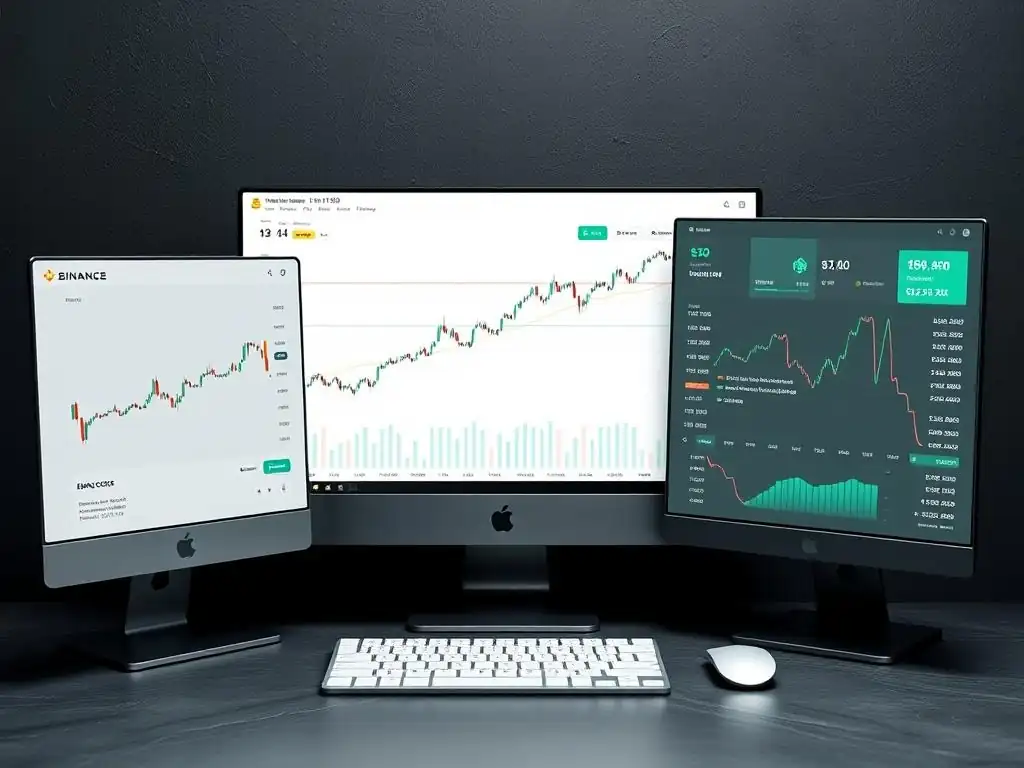
What to Look for in a Beginner-Friendly Crypto Tax Tool
Selecting a beginner-friendly crypto tax tool is paramount for a smooth and stress-free tax reporting experience. Ease of use should be the primary focus. Look for software with a clean, intuitive interface that is easy to navigate, even without prior experience with tax software. A well-designed dashboard that provides a clear overview of your crypto holdings, transaction history, and tax liability estimations can be incredibly helpful. Consider platforms that offer guided setup processes and step-by-step instructions to walk you through each stage of data import, review, and report generation.
Customer support is another crucial aspect for beginners. Opt for software that offers readily accessible and responsive customer support channels, such as live chat, email, or phone support. Ideally, the support team should be knowledgeable about both cryptocurrency and tax regulations, capable of addressing beginner-level questions and troubleshooting common issues.
Furthermore, look for software that provides comprehensive help documentation, FAQs, and tutorials. These resources can serve as valuable self-help tools and empower beginners to learn about crypto taxes and the software's functionalities at their own pace. A robust knowledge base and accessible support system are essential for a positive first-time experience with crypto tax software.
Essential Features for Accurate Crypto Tax Reporting
While user-friendliness is key for beginners, certain features are essential for ensuring accurate crypto tax reporting, regardless of experience level. Robust exchange and wallet integrations are paramount. The software should seamlessly connect with a wide range of popular cryptocurrency exchanges and wallets via API or support CSV uploads for less common platforms. This broad compatibility ensures that all your transaction data can be imported accurately and efficiently, minimizing the risk of missing transactions.
Transaction categorization is another critical feature. The software should automatically categorize different transaction types, such as buys, sells, trades, staking rewards, mining income, and airdrops. Accurate categorization is essential as different transaction types have varying tax implications. Furthermore, the software should support multiple cost basis methods, including FIFO, LIFO, and Specific Identification, allowing users to choose the method that best suits their tax strategy or is required by their jurisdiction.
Features like audit trails and error reconciliation are also crucial for maintaining accuracy and transparency. An audit trail provides a record of all calculations and data sources, which is invaluable in case of an audit. Error reconciliation tools help identify and correct discrepancies in transaction data, ensuring the final tax reports are accurate and reliable.
Comparing Top Crypto Tax Software Options (e.g., Koinly vs. CoinLedger)
When choosing crypto tax software, comparing different options is crucial to find the best fit for your needs. Two popular choices for beginners are Koinly and CoinLedger (formerly CryptoTrader.Tax). Koinly is often praised for its user-friendly interface and extensive integrations, supporting over 600 exchanges, wallets, and blockchains.
It offers a free plan for tracking up to 10,000 transactions, making it accessible for users with a moderate transaction volume. Koinly also provides detailed tax reports and supports various international tax jurisdictions, catering to a global user base. For instance, Koinly offers country-specific tax reports for the US (Form 8949, Schedule D), UK, Canada, and Australia.
CoinLedger, on the other hand, is known for its focus on simplicity and speed. It boasts a streamlined interface and a quick onboarding process, making it particularly appealing to first-time users. CoinLedger also supports a wide range of integrations and offers features like NFT tax reporting and DeFi transaction tracking. While it doesn't have a completely free plan, CoinLedger offers a free preview of tax reports, allowing users to assess their tax liability before committing to a paid plan.
For example, a user with 200 transactions might find CoinLedger's "Hobbyist" plan suitable, while someone with thousands of transactions might opt for Koinly's higher-tier plans. Ultimately, the best choice depends on individual needs, transaction volume, and preferred features. Beginners should consider trying free trials or free versions (if available) of both platforms to determine which interface and feature set they find more comfortable and effective.
Free vs. Paid Crypto Tax Software Plans
Crypto tax software plans come in both free and paid versions, catering to different user needs and transaction volumes. Free plans are often attractive to beginners or those with a very limited number of crypto transactions. However, free plans typically come with significant limitations.
These limitations often include restrictions on the number of transactions that can be processed, the number of exchanges or wallets that can be connected, and the types of tax reports generated. For example, a free plan might only allow processing up to 25 or 50 transactions and might not offer advanced features like DeFi or NFT tax reporting. While a free plan can be a good starting point for very basic users, it may quickly become insufficient as transaction activity increases.
Paid plans offer a wider range of features and higher transaction limits, making them more suitable for active crypto users and those with complex tax situations. Paid plans typically remove transaction limits or significantly increase them (e.g., from hundreds to thousands or even unlimited transactions). They also unlock advanced features like priority customer support, support for more exchanges and wallets, more detailed tax reports, and specialized features for DeFi, NFTs, and margin trading.
The pricing of paid plans usually scales based on transaction volume or the level of features included. For instance, a basic paid plan might cost around $50-$100 per tax year and cover up to a few hundred transactions, while more comprehensive plans can range from $200+ and cater to thousands or unlimited transactions.
Users should carefully evaluate their transaction volume, required features, and budget to determine whether a free or paid plan best meets their needs. For most active crypto users, investing in a paid plan is often worthwhile for the added features, higher transaction limits, and enhanced accuracy and support they provide.
Step-by-Step Crypto Tax Software Beginner Guide
Step 1: Signing Up and Setting
Frequently Asked Questions
Crypto tax software simplifies the process by automatically importing transaction data from various exchanges and wallets. It then categorizes these transactions according to tax regulations, generating reports for filing. This makes the process far less daunting for first-time users.
What are the essential features to look for in a crypto tax software as a beginner?
Beginners should prioritize user-friendliness, automated transaction importing, and clear reporting. Integrations with major exchanges and wallets are also crucial. Look for built-in guidance and support options.
What types of crypto transactions are typically taxable and how does the software help track them?
Taxable events include selling crypto, trading one crypto for another, and receiving crypto as income. Software automatically tracks these events by analyzing transaction history and applying the appropriate tax rules. It can also track airdrops and staking rewards.
How can crypto tax software assist in calculating capital gains and losses on crypto investments?
The software uses your purchase and sale history to determine the cost basis of each crypto asset. It then calculates the capital gain or loss based on the difference between the sale price and the cost basis. This is often calculated using FIFO or LIFO accounting methods.
What are some common mistakes beginners make when filing crypto taxes, and how can crypto tax software help avoid them?
Common errors include failing to report all transactions, miscalculating cost basis, and missing deadlines. Crypto tax software automates calculations and generates accurate reports, reducing the risk of errors and ensuring compliance. It also provides timely reminders about deadlines.
The complexities of cryptocurrency taxation can feel overwhelming, especially for newcomers. This guide aimed to demystify the process, providing a clear pathway for first-time users of crypto tax software to navigate the often-turbulent waters of digital asset compliance. The current landscape demands clarity and accessibility, and empowering individuals with the knowledge to confidently manage their crypto taxes is more crucial than ever.
The rise of digital assets has undeniably reshaped the financial landscape, and the need for accessible tax solutions is only going to intensify. My hope is that this guide has provided a foundation for understanding and managing crypto taxes, fostering a sense of control and confidence in this evolving space. The only constant in life is change,
as Heraclitus famously said, and this holds especially true in the world of cryptocurrency. Adapting to these changes, particularly in the realm of taxation, requires continuous learning and a willingness to embrace new tools and strategies.
Now, armed with this knowledge, I encourage you to take the next step. Reflect on your own crypto journey, identify the areas where you can improve your tax management practices, and actively utilize the resources available to you. Don't let the complexities of crypto taxes hold you back from participating in this exciting and transformative technology. Embrace the challenge, stay informed, and confidently navigate the future of digital finance.
Unlock Your Crypto Tax Confidence!
Thanks for taking the time to learn about crypto tax software! We hope this guide has clarified the process and given you the confidence to manage your crypto taxes smoothly. Now, it's time to take the next step!
Here are a few actions to help you move forward:
- Download a free trial of the crypto tax software featured in this guide and input a small sample of your transactions to familiarize yourself with the interface. This is your opportunity to gain practical experience without any cost.
- Share this guide with fellow crypto investors who may find tax season challenging. Spreading knowledge benefits everyone!
- Visit the "Blockchain Trends" forum to connect with other users and discuss your crypto tax strategies. You might discover helpful tips and insights!
Are you ready to confidently handle your crypto taxes and ensure compliance?
Leave a Reply