
Virtual Land Rush 2.0: Investing in the Future of Metaverse Gaming Real Estate on Blockchain


Welcome to Blockchain Trends, your guide to the revolutionary world beyond Bitcoin. Are you ready to stake your claim in the digital frontier? Delve into the exciting intersection of blockchain and gaming as we explore the burgeoning world of blockchain metaverse real estate investment. Discover how virtual land is becoming the next frontier for savvy investors and how blockchain technology is reshaping the landscape of ownership in the metaverse. What opportunities await you in this digital land rush? Read on to find out!
Investing in Metaverse Real Estate: A Blockchain-Powered Frontier
- Understanding Metaverse Real Estate and Blockchain Integration
- Identifying Investment Opportunities in Blockchain-Based Metaverse Platforms
- Due Diligence and Risk Mitigation for Metaverse Real Estate Investments
- Strategies for Generating Revenue from Metaverse Real Estate
- Risks and Challenges in the Metaverse Real Estate Market
- Case Studies: Examples of Metaverse Real Estate Applications
- The Future of Blockchain Metaverse Real Estate
-
Frequently Asked Questions
- How does investing in blockchain metaverse real estate investment differ from traditional real estate investment?
- What are the potential benefits of blockchain metaverse real estate investment?
- What are the key risks associated with blockchain metaverse real estate investment?
- How can I assess the value of virtual land for blockchain metaverse real estate investment?
- What is the role of blockchain in securing and managing blockchain metaverse real estate investment?
- Final Reflection: Building Tomorrow's Worlds
- Claim Your Stake: Explore the Metaverse Real Estate Frontier!
Understanding Metaverse Real Estate and Blockchain Integration
Defining Metaverse Real Estate and its Value Proposition
Metaverse real estate refers to parcels of digital land within virtual worlds, often represented as Non-Fungible Tokens (NFTs) on a blockchain. Unlike physical real estate, metaverse land exists solely in digital realms, offering users and businesses opportunities for virtual presence, interaction, and commerce. The value proposition of metaverse real estate stems from its scarcity within defined virtual worlds, its potential for development and utility, and its role in the burgeoning metaverse economy.
Similar to physical land, location, size, and accessibility play crucial roles in determining the perceived and actual value of these digital assets. For example, land parcels near popular virtual hubs or points of interest within platforms like Decentraland or The Sandbox often command higher prices due to increased foot traffic and visibility, mirroring real-world urban planning principles in a digital context.
The allure of metaverse real estate investment is deeply rooted in the anticipated growth of the metaverse itself. Projections from companies like Bloomberg Intelligence suggest the metaverse market could reach \$800 billion by 2024, and potentially \$1.5 trillion by 2030.
This exponential growth trajectory fuels the demand for virtual land as businesses and individuals seek to establish a presence in these nascent digital economies. Early adopters are betting on the premise that as more people spend time and money in metaverses for work, leisure, and social interaction, the value of strategically located and well-developed virtual land will appreciate significantly, much like early investments in internet domain names or prime physical real estate.
Blockchain's Role in Secure and Transparent Land Ownership
Blockchain technology is the bedrock of secure and transparent land ownership in the metaverse. By leveraging blockchain, metaverse platforms can ensure verifiable digital scarcity and immutable records of ownership for virtual land parcels. Each piece of metaverse real estate, represented as an NFT, is recorded on a distributed ledger, making it virtually impossible to tamper with ownership information or duplicate assets. This inherent security is a stark contrast to traditional digital assets within centralized gaming platforms, where ownership is often controlled by the game developers and susceptible to platform-specific vulnerabilities or changes in terms of service.
The transparency offered by blockchain is equally crucial. All transactions related to metaverse land, including purchases, sales, and transfers, are publicly auditable on the blockchain. This transparency fosters trust and reduces the potential for fraud or disputes over ownership.
For instance, using blockchain explorers like Etherscan, anyone can verify the ownership history of a specific virtual land NFT in a metaverse built on Ethereum, ensuring a clear and unambiguous record of provenance. This level of transparency is essential for building confidence in the metaverse real estate market and attracting both individual and institutional investors seeking secure and verifiable digital asset ownership.
Tokenization of Virtual Land Assets: NFTs and Smart Contracts
The tokenization of virtual land assets through Non-Fungible Tokens (NFTs) and smart contracts is fundamental to the functionality and investment potential of metaverse real estate. NFTs act as unique digital certificates of ownership for virtual land parcels, ensuring that each piece of land is distinct and provably owned by a specific individual or entity.
This is analogous to a digital deed for a physical property, but recorded and secured on the blockchain. The non-fungible nature of these tokens is crucial, as it guarantees the uniqueness and scarcity of each virtual land parcel, which is a primary driver of its value.
Smart contracts, self-executing agreements written in code and deployed on the blockchain, automate and secure the transactions and functionalities associated with metaverse real estate. When a user purchases virtual land on a platform like The Sandbox, a smart contract automatically transfers ownership of the corresponding NFT to the buyer's digital wallet upon successful payment.
Smart contracts can also be programmed to manage rental agreements, royalty distributions, and other complex interactions within the metaverse real estate ecosystem, eliminating the need for intermediaries and ensuring transparent and efficient execution of agreements. This automation and security provided by smart contracts streamline the process of metaverse real estate investment and management, making it more accessible and reliable for a global audience.
Identifying Investment Opportunities in Blockchain-Based Metaverse Platforms
Analyzing Promising Metaverse Platforms: A Comparative Overview
Identifying promising metaverse platforms for blockchain metaverse real estate investment requires a comparative analysis of various factors, including user base, platform functionality, economic model, and developer activity. Decentraland, one of the earliest and most established platforms, boasts a decentralized governance structure and a vibrant community, with land parcels traded as MANA tokens on the Ethereum blockchain.
The Sandbox, another leading platform, focuses on user-generated content and gaming experiences, attracting brands and creators with its voxel-based world and utility-driven SAND token. More recently, platforms like Otherside, linked to the Bored Ape Yacht Club ecosystem, have emerged, generating significant hype and commanding premium land prices due to their association with established NFT communities and brands.
A comparative overview also needs to consider newer entrants and specialized metaverses. Platforms like Somnium Space emphasize virtual reality integration and offer a more immersive experience, while others like Cryptovoxels focus on art and collectibles, creating niche markets within the broader metaverse landscape. Analyzing trading volumes and floor prices on NFT marketplaces like OpenSea and LooksRare provides insights into market sentiment and the relative popularity of different metaverse platforms.
For example, land in The Sandbox and Decentraland consistently ranks among the highest in trading volume, indicating strong investor interest and liquidity. However, emerging platforms, while potentially riskier, might offer higher growth potential for early investors if they gain traction and develop robust ecosystems.
Key Metrics for Metaverse Land Valuation: Scarcity, Utility, and Location
Valuing metaverse land requires understanding key metrics that influence its price, mirroring principles from traditional real estate but adapted to the digital realm. Scarcity is a fundamental driver; most metaverse platforms have a limited supply of land parcels, creating inherent scarcity that can appreciate value as demand grows. For instance, Decentraland has a fixed supply of 90,000 LAND parcels, contributing to its perceived value as a limited digital asset.
Utility is another crucial metric, referring to the potential uses of the land within the metaverse. Land that can be used for commercial activities, gaming experiences, social gatherings, or advertising will generally be more valuable than land with limited functionality.
Location, often summarized as "location, location, location" in traditional real estate, remains vital in the metaverse. Virtual land located near popular hubs, event venues, or districts with high user traffic tends to command premium prices. Proximity to well-known virtual brands or communities can also significantly enhance land value.
For example, land adjacent to Snoop Dogg's virtual mansion in The Sandbox or near major shopping districts in Decentraland has seen significant price appreciation. Analyzing these metrics – scarcity, utility, and location – along with platform-specific factors like community activity and development roadmap, is essential for making informed investment decisions in blockchain metaverse real estate.
Assessing Long-Term Potential: Sustainability and Community Growth
Assessing the long-term potential of blockchain metaverse real estate investments necessitates evaluating the sustainability and community growth of the underlying metaverse platforms. A sustainable metaverse platform typically exhibits robust tokenomics, a clear development roadmap, active developer support, and a growing and engaged community. Tokenomics plays a critical role in the long-term health of the platform's economy.
Platforms with well-designed token utility, including governance rights, staking rewards, and in-world transaction mechanisms, are more likely to foster a thriving ecosystem and attract long-term investors. For example, platforms that distribute a portion of transaction fees back to landholders or stakers can incentivize long-term holding and platform participation.
Community growth is equally vital for long-term sustainability. A vibrant and active community of users, creators, and developers indicates a healthy and dynamic metaverse. Metrics like daily active users, community engagement in forums and social media, and the number of user-generated experiences contribute to assessing community health.
Platforms that actively foster community building through events, grants for creators, and robust governance mechanisms are better positioned for sustained growth. Furthermore, continuous platform development and updates, including improvements to user experience, introduction of new features, and expansion of platform functionalities, demonstrate a commitment to long-term sustainability and attract users and investors who believe in the metaverse's future.
Due Diligence and Risk Mitigation for Metaverse Real Estate Investments
Researching Metaverse Projects: Team, Roadmap, and Tokenomics
Thorough due diligence is paramount when considering blockchain metaverse real estate investments. Researching the team behind a metaverse project is crucial. A reputable team with experience in gaming, blockchain technology, and virtual world development significantly increases the project's credibility. Investigating the team's background, past projects, and public profiles can provide insights into their expertise and commitment. Examining the project roadmap is equally important. A clear and well-defined roadmap outlining future developments, features, and expansions demonstrates a project's vision and planning. A roadmap should be realistic, achievable, and regularly updated to reflect progress and adapt to evolving market conditions.
Understanding the tokenomics of a metaverse platform is essential for assessing its long-term investment viability. Tokenomics encompasses the token's distribution, utility, supply, and governance mechanisms. Analyzing the token distribution model helps determine if the token is fairly distributed or heavily concentrated among a small group of insiders.
Understanding the token's utility within the metaverse ecosystem clarifies its role and potential demand drivers. Reviewing the token's supply schedule and inflation rate provides insights into potential price pressures. Finally, assessing the governance mechanisms reveals the level of decentralization and community involvement in decision-making, which can impact the platform's long-term direction and resilience.
Understanding Smart Contract Risks and Security Audits
Investing in blockchain metaverse real estate inherently involves smart contract risks. Smart contracts, while designed to automate and secure transactions, are susceptible to vulnerabilities if not properly coded and audited. Bugs or flaws in smart contract code can be exploited by malicious actors, potentially leading to loss of funds or asset ownership. Several high-profile incidents in the DeFi space have demonstrated the potential financial consequences of smart contract vulnerabilities. Therefore, understanding these risks and mitigating them through careful due diligence is critical for metaverse real estate investors.
Security audits conducted by reputable third-party firms are essential for identifying and addressing potential smart contract vulnerabilities. Projects that prioritize security and undergo regular audits demonstrate a commitment to protecting user assets and building trust. Investors should seek out metaverse platforms that have had their smart contracts audited by recognized security firms and make audit reports publicly available.
Reviewing these audit reports can provide insights into the identified vulnerabilities and the project's efforts to remediate them. Furthermore, understanding the smart contract code itself, if possible, or seeking expert opinions on its security can further enhance risk assessment and informed investment decisions.
Navigating the legal and regulatory landscape is a crucial, albeit often complex, aspect of blockchain metaverse real estate investment. The regulatory framework for metaverse assets and virtual property rights is still evolving globally, and varies significantly across jurisdictions. Currently, there is no universally accepted legal definition of metaverse real estate, and its treatment under existing property laws remains ambiguous in many countries. This legal uncertainty introduces risks related to property rights enforcement, taxation, and compliance with financial regulations.
Compliance considerations include understanding potential tax implications on metaverse real estate transactions and ownership. Depending on the jurisdiction, virtual land transactions may be subject to capital gains taxes, income taxes, or property taxes. Investors need to be aware of their tax obligations in their respective jurisdictions and seek professional advice when necessary.
Furthermore, regulatory scrutiny of the metaverse and related technologies is increasing, particularly regarding anti-money laundering (AML) and know-your-customer (KYC) compliance. Metaverse platforms and investors need to be prepared to adapt to evolving regulations and ensure compliance to mitigate legal and financial risks. Staying informed about the latest legal developments and seeking legal counsel can help navigate this complex and evolving landscape.
Strategies for Generating Revenue from Metaverse Real Estate
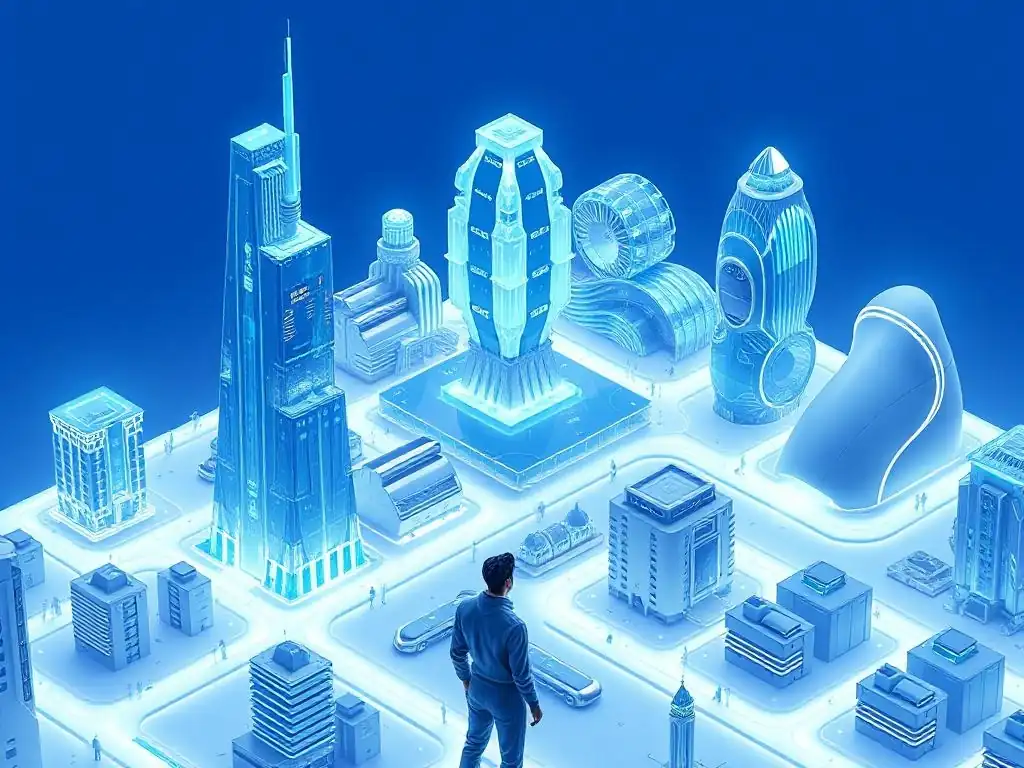
Buying, Selling, and Trading Virtual Land on NFT Marketplaces
One of the most straightforward strategies for generating revenue from blockchain metaverse real estate is through buying, selling, and trading virtual land on NFT marketplaces. Platforms like OpenSea, LooksRare, and Nifty Gateway serve as primary and secondary markets for metaverse land NFTs. Investors can purchase land parcels with the expectation of price appreciation, driven by increasing demand for metaverse real estate and the growth of specific metaverse platforms. Analyzing market trends, platform developments, and community sentiment can help identify undervalued land parcels with potential for future price increases.
Trading virtual land involves actively buying and selling NFTs to capitalize on short-term price fluctuations. This strategy requires a deeper understanding of market dynamics, technical analysis skills, and constant monitoring of market activity. Flipping land parcels, buying low and selling high in a relatively short timeframe, can generate profits for skilled traders. However, it also carries higher risks due to market volatility and the potential for rapid price declines. Utilizing NFT marketplace analytics tools and staying informed about platform-specific news and events are crucial for successful trading strategies in the metaverse real estate market.
Developing Virtual Properties: Design, Construction, and Functionality
Beyond simply holding virtual land, developing virtual properties offers significant revenue generation potential. Developing virtual properties involves designing, constructing, and adding functionality to metaverse land to create engaging experiences and attract users. This can range from building virtual storefronts for e-commerce, creating interactive games and entertainment venues, constructing art galleries and museums, or designing social hubs and community spaces. The possibilities are virtually limitless, constrained only by the platform's capabilities and the developer's creativity.
The design and construction process in the metaverse often utilizes platform-specific tools and software development kits (SDKs). Platforms like The Sandbox offer user-friendly tools for creating voxel-based assets and experiences, while others may require more advanced coding skills. Functionality is key to attracting users and generating revenue. Interactive elements, engaging gameplay, and valuable services are essential for creating compelling virtual experiences. Developing high-quality virtual properties requires a combination of creative design skills, technical expertise, and a deep understanding of user preferences within the target metaverse platform.
Monetizing Metaverse Land: Advertising, Events, and Experiences
Monetizing metaverse land can take various forms beyond direct sales or rentals. Advertising is a significant revenue stream for metaverse landowners. Strategically located virtual land parcels, especially those in high-traffic areas, can be valuable advertising spaces. Brands and businesses can rent virtual billboards or sponsor virtual events to promote their products and services to metaverse users. Advertising revenue can be generated through direct partnerships with brands or through programmatic advertising platforms integrated within metaverse platforms.
Hosting virtual events and experiences on metaverse land offers another lucrative monetization strategy. Landowners can organize virtual concerts, conferences, workshops, product launches, and social gatherings. These events can generate revenue through ticket sales, sponsorships, and in-world merchandise sales. Creating unique and engaging experiences that attract a large audience is key to successful event monetization. Furthermore, landowners can create and offer ongoing experiences on their land, such as virtual games, interactive art installations, or educational programs, generating revenue through in-app purchases, subscriptions, or microtransactions. The metaverse provides a fertile ground for innovative monetization strategies limited only by imagination and execution.
Risks and Challenges in the Metaverse Real Estate Market
Market Volatility and Liquidity Concerns
The blockchain metaverse real estate market, while promising, is subject to significant market volatility and liquidity concerns, characteristic of nascent and rapidly evolving asset classes. The prices of metaverse land NFTs can fluctuate dramatically in short periods, influenced by factors such as overall cryptocurrency market sentiment, hype cycles around specific metaverse platforms, and broader macroeconomic trends. This volatility can pose risks for investors, particularly those seeking short-term gains or needing to liquidate their assets quickly. The relatively young nature of the market and the limited historical data contribute to price unpredictability.
Liquidity can also be a concern, especially for less popular metaverse platforms or less desirable land parcels. While major platforms like Decentraland and The Sandbox exhibit relatively higher liquidity, selling land NFTs quickly and at desired prices may not always be guaranteed, particularly during market downturns. The NFT market, in general, can be less liquid than traditional financial markets, and metaverse real estate NFTs are no exception.
Investors need to be aware of these volatility and liquidity risks and consider their investment horizon and risk tolerance before entering the metaverse real estate market. Diversification across platforms and asset types can help mitigate some of these risks.
Platform Dependency and Centralization Risks
A significant risk in blockchain metaverse real estate investment is platform dependency. The value and utility of virtual land are inherently tied to the success and longevity of the specific metaverse platform on which it resides. If a platform loses popularity, experiences technical issues, or even shuts down, the value of the land within that platform could diminish significantly or become worthless. This platform dependency introduces a centralization risk, even in platforms that claim to be decentralized. The platform developers and operators ultimately control the infrastructure, rules, and future direction of the metaverse.
Centralization risks can manifest in various forms, such as changes in platform policies, moderation decisions, or even the platform's technical architecture. While blockchain technology aims to decentralize ownership, the underlying metaverse platform itself often retains a degree of central control. Investors need to carefully evaluate the governance structure and decentralization efforts of metaverse platforms before investing in their virtual land. Platforms with more decentralized governance models and active community involvement may mitigate some of these platform dependency and centralization risks, offering greater long-term stability and resilience.
Technological Advancements and Evolving User Preferences
Technological advancements and evolving user preferences pose ongoing challenges to the blockchain metaverse real estate market. The metaverse landscape is rapidly evolving, with new technologies like augmented reality (AR), virtual reality (VR), and improved graphics rendering constantly emerging. These technological advancements can impact user experiences and potentially shift user preferences towards newer, more immersive metaverse platforms or different forms of virtual interaction. For example, the widespread adoption of more affordable and user-friendly VR headsets could shift user preference towards VR-centric metaverses, potentially affecting the value of land in browser-based or less immersive platforms.
Evolving user preferences also play a crucial role. User tastes in virtual experiences, social interactions, and digital ownership are constantly changing. Metaverse platforms need to adapt to these evolving preferences to maintain user engagement and attract new users. Failure to adapt to technological advancements and shifting user preferences could lead to platform decline and negatively impact the value of associated metaverse real estate. Investors need to stay informed about technological trends and user behavior within the metaverse space and be prepared to adapt their investment strategies as the landscape evolves.
Case Studies: Examples of Metaverse Real Estate Applications
Event Hosting and Virtual Concerts in the Metaverse
The metaverse has become a vibrant venue for event hosting and virtual concerts, demonstrating the utility and revenue potential of metaverse real estate. Numerous artists and musicians have hosted virtual concerts within platforms like Decentraland and The Sandbox, reaching global audiences and generating significant buzz.
For example, Ariana Grande's "Rift Tour" in Fortnite, while not strictly blockchain-based, showcased the massive scale and engagement possible with virtual concerts, paving the way for similar events in blockchain metaverses. More directly relevant, artists like Deadmau5 and Steve Aoki have hosted concerts and events within The Sandbox, leveraging virtual land to create immersive musical experiences for fans.
Metaverse event hosting extends beyond music concerts to include virtual conferences, product launches, and community gatherings. Companies like Samsung and Adidas have utilized metaverse land to host virtual events, engaging with customers and showcasing their products in innovative digital environments. These case studies highlight the potential for metaverse real estate to serve as valuable virtual event spaces, attracting audiences and generating revenue through ticket sales, sponsorships, and virtual merchandise. The scalability and global reach of metaverse events offer significant advantages over traditional physical events, making virtual land an increasingly attractive asset for event organizers and brands.
Virtual Retail and E-commerce Integration on Metaverse Land
Virtual retail and e-commerce integration are rapidly expanding applications of metaverse real estate, transforming how brands interact with consumers and conduct business in digital worlds. Numerous brands, from luxury fashion houses to mainstream retailers, have established virtual storefronts and shopping experiences within metaverses like Decentraland and The Sandbox. Gucci, for example, launched "Gucci Garden" in Roblox (again, not blockchain but indicative of trends) and later explored metaverse activations in The Sandbox, showcasing virtual collections and offering digital wearables for avatars. Adidas has also partnered with The Sandbox, creating virtual land and offering branded NFTs and virtual merchandise.
These virtual retail experiences go beyond simple online storefronts, offering immersive and interactive shopping environments. Consumers can explore virtual stores, interact with digital products, and even purchase virtual and physical goods directly within the metaverse. Virtual land in prime locations within metaverse shopping districts can command premium prices, reflecting their potential for high foot traffic and brand visibility. As e-commerce increasingly integrates with immersive virtual experiences, metaverse real estate is poised to become a crucial component of the future retail landscape, offering brands new avenues for customer engagement and revenue generation.
Metaverse real estate plays a vital role in community building and creating social hubs within virtual worlds. Landowners are developing virtual spaces designed to foster social interaction, community engagement, and shared experiences. Virtual bars, clubs, and social lounges are emerging in metaverses like Decentraland and Somnium Space, providing users with places to socialize, meet new people, and participate in virtual gatherings. These social hubs often host community events, meetups, and themed parties, fostering a sense of belonging and shared identity among metaverse users.
Beyond entertainment and social venues, metaverse land is also being used to create virtual communities centered around specific interests or demographics. Virtual art galleries and museums are becoming popular, showcasing digital art and NFTs and fostering communities of art collectors and enthusiasts. Educational institutions and organizations are also exploring metaverse land to create virtual campuses and learning environments, building communities of students and educators in immersive digital spaces. These examples demonstrate the potential for metaverse real estate to serve as the foundation for vibrant virtual communities and social hubs, driving user engagement and creating lasting value within metaverse ecosystems.
The Future of Blockchain Metaverse Real Estate
The Role of AR/VR and Enhanced User Experiences
The future of blockchain metaverse real estate is inextricably linked to the advancement and integration of augmented reality (AR) and virtual reality (VR) technologies, promising to significantly enhance user experiences and reshape the value proposition of virtual land. As AR and VR technologies become more accessible, affordable, and user-friendly, they are expected to drive greater immersion and engagement within metaverses. VR headsets can provide fully immersive virtual experiences, transporting users into realistic and interactive digital worlds, while AR can overlay digital content onto the real world, blending the physical and virtual realms.
Enhanced user experiences through AR/VR will likely increase the demand for metaverse real estate, particularly land that is optimized for immersive interactions. Virtual properties designed for VR experiences, offering rich visual and auditory environments, may command premium prices as users seek more engaging and immersive metaverse interactions. The integration of haptic technologies and other sensory inputs could further enhance immersion, creating more realistic and compelling virtual experiences. As AR/VR adoption grows, metaverse real estate is poised to become increasingly intertwined with these technologies, driving innovation and shaping the future of virtual world interactions.
Interoperability and Cross-Platform Land Ownership
Interoperability and cross-platform land ownership represent a potentially transformative evolution for the blockchain metaverse real estate market. Currently, metaverse platforms operate largely in silos, with virtual land and assets typically confined to a single platform. However, the vision of a truly interconnected metaverse involves interoperability, allowing users to seamlessly move their avatars, assets, and even virtual land across different metaverse platforms. This interoperability would unlock new levels of utility and value for metaverse real estate, reducing platform dependency and fostering a more open and decentralized metaverse ecosystem.
Cross-platform land ownership, enabled by interoperability standards and technologies, could allow users to own virtual land that is not restricted to a single platform but can be utilized and displayed across multiple metaverses. This could significantly increase the value and utility of virtual land, as owners would have greater flexibility and control over their digital assets. While significant technical and standardization challenges remain, the pursuit of interoperability and cross-platform land ownership is a key trend shaping the future of the metaverse and its real estate market, promising a more interconnected and user-centric virtual world.
Institutional Investment and the Maturation of the Metaverse Market
Institutional investment is increasingly recognizing the potential of the metaverse and blockchain metaverse real estate, signaling the maturation of this nascent market. Major investment firms, real estate companies, and institutional investors are beginning to explore and invest in metaverse land, attracted by the long-term growth prospects of the metaverse and the potential for digital real estate to become a significant asset class. This institutional interest brings significant capital, expertise, and credibility to the metaverse real estate market, accelerating its development and mainstream adoption.
Institutional investment can take various forms, including direct purchases of metaverse land NFTs, investments in metaverse platform development companies, and the creation of metaverse real estate investment funds. The entry of institutional players is expected to drive greater market liquidity, price stability, and regulatory clarity in the metaverse real estate sector.
As institutional investment continues to grow, the blockchain metaverse real estate market is poised to mature further, transitioning from a niche and speculative market to a more established and institutionalized asset class, attracting a broader range of investors and contributing to the long-term growth and sustainability of the metaverse ecosystem.
Frequently Asked Questions
How does investing in blockchain metaverse real estate investment differ from traditional real estate investment?
Investing in blockchain metaverse real estate investment involves purchasing digital land within virtual worlds. Unlike physical real estate, ownership is secured through NFTs on a blockchain, and value is driven by user engagement and platform popularity.
What are the potential benefits of blockchain metaverse real estate investment?
Potential benefits include high returns on investment due to increasing metaverse adoption, passive income generation through virtual events and advertising, and diversification of investment portfolios with a novel asset class.
What are the key risks associated with blockchain metaverse real estate investment?
Significant risks include platform failure or decline, regulatory uncertainty surrounding digital assets, and market volatility driven by speculation and changes in user preferences within the metaverse.
How can I assess the value of virtual land for blockchain metaverse real estate investment?
Value assessment involves considering factors like platform popularity and user base, location within the metaverse (proximity to popular areas), and the potential for development and monetization through virtual experiences.
What is the role of blockchain in securing and managing blockchain metaverse real estate investment?
Blockchain provides a secure and transparent system for verifying ownership of virtual land through NFTs. This ensures immutable record-keeping and facilitates decentralized trading and management of metaverse real estate assets.
Final Reflection: Building Tomorrow's Worlds
The digital frontier is no longer a distant dream; it's a tangible reality unfolding before our eyes. Blockchain metaverse real estate investment represents more than just a speculative venture; it's a fundamental shift in how we perceive ownership, community, and the very fabric of our interactions. The potential for innovation and value creation within these virtual landscapes is immense, and the early adopters are shaping the contours of this nascent digital economy.
The rise of blockchain metaverse real estate has profoundly impacted the cultural landscape, blurring the lines between the physical and virtual. This evolution compels us to reconsider our definitions of property, identity, and social interaction. The ability to own, develop, and monetize virtual land unlocks unprecedented opportunities for creativity and entrepreneurship. The metaverse is coming, and it will affect every product, company, and person that we touch. The question is, will you be a builder or a consumer?
- Matthew Ball, Metaverse Expert. This quote encapsulates the pivotal choice we face: to passively observe or actively participate in the construction of these new digital realms.
As we stand at the cusp of this digital revolution, let us not only consider the financial implications of blockchain metaverse real estate investment, but also the profound societal impact it will have. Let us strive to build inclusive, equitable, and sustainable virtual worlds that reflect our highest aspirations. Embrace the opportunity to shape the future of the metaverse, and in doing so, shape a better future for us all.
Claim Your Stake: Explore the Metaverse Real Estate Frontier!
Thank you for exploring the exciting world of virtual real estate with Blockchain Trends. Now that you understand the potential of owning digital land within blockchain-based environments, it's time to take the next step!
Here are a few ways to start your journey into the metaverse:
- Explore different virtual land platforms: Research various metaverse worlds and their real estate opportunities. Find one that matches your interests and investment ambitions.
- Join our community forums: Share your thoughts on the future of virtual property and connect with like-minded enthusiasts.
- Get creative: Sketch or design your ideal virtual space. Imagine what you would build if the digital world were your canvas.
Is there a particular project or location in the metaverse that you're interested in right now? What makes it an appealing investment opportunity?
Leave a Reply