
The Significance of Digital Collectibles in the Gaming Ecosystem

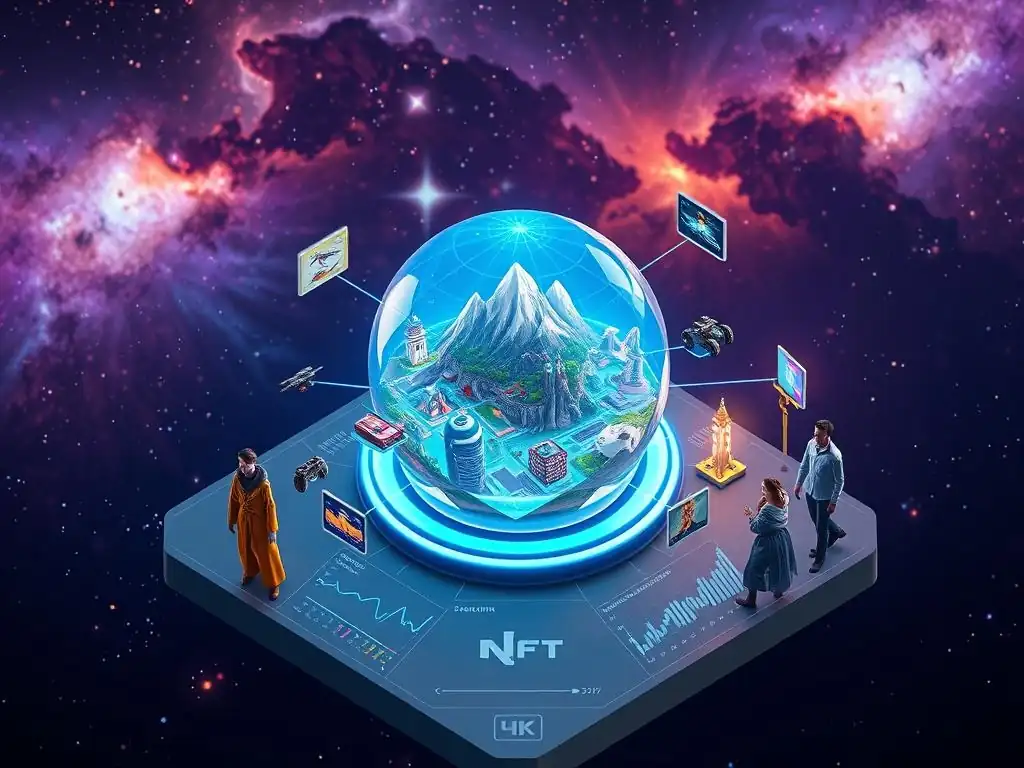
Welcome to Blockchain Trends, your go-to source for understanding the revolutionary power of blockchain technology beyond just cryptocurrencies. Intrigued by how digital assets are reshaping industries? Dive into our latest exploration of the NFTs gaming ecosystem benefits, uncovering how these unique digital collectibles are transforming gameplay, ownership, and the very future of interactive entertainment. Discover the possibilities and potential pitfalls awaiting in this exciting new frontier – keep reading to learn more!
- The Significance of Digital Collectibles in the Gaming Ecosystem
- Exploring the Benefits of NFTs for the Gaming Ecosystem
- NFTs and the Transformation of Game Asset Ownership
- The Impact of Digital Collectibles on Game Design
- NFTs: A New Frontier for Gaming Communities
- Case Studies: Successful Implementations of NFTs in Gaming
- Addressing the Challenges of NFTs in Gaming
- The Future of NFTs in the Gaming Landscape
- Conclusion: Embracing the Potential of Digital Collectibles for the Gaming Ecosystem
-
Frequently Asked Questions
- What are the main benefits of using NFTs in gaming?
- How can NFTs enhance the gaming experience?
- What role do NFTs play in the development of a decentralized gaming ecosystem?
- What are some potential regulatory challenges associated with NFTs in gaming?
- How might the integration of NFTs impact the future of gaming?
- Final Reflection: Embracing the Evolving Gaming Landscape
- Unleash the Potential: Transform Your Gaming Experience Now!
The Significance of Digital Collectibles in the Gaming Ecosystem
Introduction: Understanding the Role of NFTs in Gaming
Non-Fungible Tokens, or NFTs, have emerged as a groundbreaking innovation within the blockchain space, extending their reach far beyond the realm of cryptocurrencies. In the gaming ecosystem, NFTs represent a paradigm shift, transforming digital assets into unique, verifiable, and tradable items. These digital collectibles, ranging from in-game items and characters to virtual land and cosmetic enhancements, are revolutionizing how players interact with games and perceive digital ownership. This evolution is fueled by the inherent properties of NFTs – their uniqueness, scarcity, and traceability on the blockchain, which addresses core limitations of traditional in-game assets.
Before the advent of NFTs, in-game items were typically confined to the game's ecosystem, controlled entirely by game developers. Players invested time and resources acquiring these assets, but true ownership remained elusive. NFTs change this dynamic by granting players verifiable ownership of digital assets outside the game's centralized control. This fundamental shift has sparked significant interest and investment in the gaming industry, paving the way for new gaming models and economies centered around player empowerment and digital asset ownership, exploring the myriad NFTs gaming ecosystem benefits.
Exploring the Benefits of NFTs for the Gaming Ecosystem
Enhanced Player Ownership and Control Through NFTs
One of the most compelling NFTs gaming ecosystem benefits is the enhanced ownership and control they grant to players. Traditionally, in-game assets are locked within the game's ecosystem, meaning players cannot truly own or control them. If a game shuts down or a player's account is banned, all acquired digital assets are lost. NFTs, however, exist on the blockchain, independently of any single game company. When a player acquires an NFT in-game item, they possess verifiable ownership of that asset, much like owning a physical collectible. This ownership is recorded on the blockchain, ensuring transparency and immutability.
This newfound ownership empowers players in several ways. They can freely trade, sell, or gift their NFTs to other players outside the game’s immediate environment, creating secondary markets and opportunities for monetization. For instance, a player who invested time and effort to acquire a rare NFT in a game can sell it on a marketplace for cryptocurrency or fiat currency. This contrasts sharply with traditional in-game items that are often non-transferable or have restricted trading within developer-controlled marketplaces. This shift towards player ownership is a cornerstone of the transformative impact of NFTs on gaming.
New Revenue Streams for Game Developers with Digital Collectibles
NFTs are not just beneficial for players; they also unlock significant new revenue streams for game developers. Beyond initial game sales and in-app purchases, NFTs introduce innovative monetization models. Game developers can generate revenue through initial NFT sales, creating limited edition or highly desirable digital collectibles that players are eager to acquire. These primary sales can generate substantial income, particularly for games that build hype and community around their NFT assets.
Furthermore, developers can program smart contracts associated with NFTs to receive a percentage of every subsequent transaction in secondary markets. This royalty mechanism ensures that developers continue to benefit from the trading activity of their in-game assets long after the initial sale. This creates a sustainable revenue model that aligns developer incentives with the long-term value and desirability of their in-game NFTs.
For example, if a game developer sets a 5% royalty on each NFT sale, they will earn 5% of every transaction whenever the NFT is traded on platforms like OpenSea or Rarible. This ongoing revenue stream provides a powerful incentive for developers to create high-quality, engaging NFT-based games.
Increased Player Engagement and Retention via Blockchain Gaming
The integration of NFTs into games is a powerful tool for enhancing player engagement and retention. The concept of true digital ownership and the potential for financial returns through trading or play-to-earn mechanics significantly increases player motivation. Players are more likely to invest time and effort into a game when they know their in-game achievements can translate into tangible, tradable assets with real-world value. This creates a stronger sense of investment and commitment to the game and its community.
Moreover, the scarcity and uniqueness inherent in NFTs drive collectibility and social status within gaming communities. Owning rare or exclusive NFTs becomes a badge of honor, encouraging players to actively participate in the game, complete challenges, and engage with the game's ecosystem to acquire these coveted digital items. Games like Axie Infinity have demonstrated how NFT-based rewards and play-to-earn mechanics can dramatically increase player engagement and create vibrant, active communities. The ability to earn and own valuable digital assets transforms gaming from a purely entertainment activity to a potentially rewarding and engaging experience, fostering long-term player retention.
Fostering Thriving In-Game Economies with NFT Integration
NFTs are instrumental in fostering thriving and decentralized in-game economies. By enabling true ownership and tradability of digital assets, NFTs create the foundation for player-driven marketplaces and economic systems within games. Players can freely buy, sell, and trade NFTs with each other, establishing dynamic market prices based on supply, demand, and perceived value. This contrasts with traditional in-game economies, which are often controlled and manipulated by game developers, limiting player agency and economic participation.
The transparency and security of blockchain technology underpin these NFT-based economies. All transactions are recorded on the blockchain, ensuring a verifiable and auditable history of ownership and trades. This transparency builds trust and confidence within the in-game economy, encouraging greater participation and investment from players. Furthermore, the decentralized nature of NFTs reduces the risk of in-game currency inflation or asset devaluation, issues that can plague traditional centralized gaming economies. By empowering players to participate in and shape the in-game economy, NFTs create more engaging, sustainable, and player-centric gaming experiences.
NFTs and the Transformation of Game Asset Ownership
From Centralized Control to Decentralized Ownership
The shift from centralized control to decentralized ownership is perhaps the most profound transformation brought about by NFTs in gaming. In traditional gaming models, game developers maintain absolute control over all in-game assets. They can modify, remove, or even shut down access to these assets at their discretion. Players are essentially renting or licensing these digital items, rather than truly owning them. NFTs disrupt this centralized paradigm by placing ownership directly in the hands of the players.
Decentralization through blockchain technology ensures that no single entity, including the game developer, can unilaterally control or manipulate player-owned NFT assets. Once an NFT is in a player's wallet, it is theirs to control, trade, or use as they see fit. This shift empowers players and reduces their reliance on the game developer's continued operation or goodwill. This fundamental change in ownership structure is a key driver of the growing interest in NFT gaming, as players increasingly demand greater control and autonomy over their digital assets.
The Power of Scarcity and Authenticity in Digital Collectibles
Scarcity and authenticity are crucial elements that drive the value and desirability of digital collectibles, and NFTs excel at providing both. Each NFT is unique and verifiably scarce, thanks to its cryptographic properties and blockchain record. Developers can create limited edition NFTs, guaranteeing their rarity and increasing their collectibility. This scarcity mimics the appeal of physical collectibles, where limited editions and rare items command higher prices and are more sought after by collectors.
Furthermore, NFTs provide irrefutable proof of authenticity. The blockchain record immutably verifies the origin and ownership history of each NFT, eliminating the risk of counterfeits or fraudulent digital assets. This authenticity is particularly important in the digital realm, where copying and duplication are commonplace. By establishing scarcity and verifying authenticity, NFTs imbue digital collectibles with tangible value and appeal, transforming them into legitimate assets that players are willing to invest in and trade. This power of scarcity and authenticity is central to the NFTs gaming ecosystem benefits, driving demand and creating value within these digital economies.
Interoperability of NFTs Across Different Games and Platforms
The potential for interoperability of NFTs across different games and platforms represents a significant advancement in digital asset utility. Currently, in-game assets are typically siloed within their respective games, lacking portability or cross-game functionality. NFTs, however, have the potential to break down these silos and enable players to use their digital assets in various compatible games and virtual worlds. This interoperability is still in its early stages but holds immense promise for the future of gaming.
Imagine owning a unique sword NFT earned in one game and being able to use it in another game that supports the same NFT standard. This cross-game utility would significantly increase the value and appeal of NFTs, as players would be able to leverage their digital assets across a wider range of experiences.
While technical and standardization challenges remain, the vision of interoperable NFTs is a powerful driver for the continued development and adoption of blockchain gaming. This ability to move assets between games and platforms would unlock new levels of player agency and investment value in the NFTs gaming ecosystem.
The Impact of Digital Collectibles on Game Design
Creating New Game Mechanics Around NFT Ownership
NFTs are not just changing how players own assets; they are also inspiring innovative game design. Developers are creating entirely new game mechanics centered around NFT ownership and functionality. Games are being designed where owning specific NFTs unlocks unique gameplay features, abilities, or access to exclusive content. This integration of NFTs into core game mechanics adds a new layer of depth and strategy to gameplay.
For example, a game might reward players with unique NFTs for completing challenging tasks or achieving milestones. These NFTs could then grant players in-game advantages, cosmetic enhancements, or even allow them to participate in governance decisions within the game's ecosystem. Furthermore, NFTs can be used to create dynamic and evolving game worlds where player-owned assets play a central role in shaping the game environment and narrative. This integration of NFTs into game design is pushing the boundaries of interactive entertainment and creating entirely new forms of gameplay.
Enabling Player-Driven Content Creation and Customization
NFTs are empowering players to become active participants in content creation and customization within games. By providing tools and platforms for players to create, own, and monetize their in-game creations as NFTs, developers are fostering a new era of user-generated content. Players can design and sell custom skins, items, characters, or even entire game levels as NFTs, directly benefiting from their creative contributions.
This player-driven content creation model can significantly enrich game worlds and extend their lifespan. It also democratizes game development, allowing players to contribute to and profit from the games they love. Platforms like Decentraland exemplify this trend, empowering users to create and monetize virtual land and experiences as NFTs. This shift towards player-driven content and customization is a powerful force in the evolution of gaming, fostering creativity and community engagement through the NFTs gaming ecosystem benefits.
Designing Games for Play-to-Earn and Sustainable Economies
The rise of NFTs has paved the way for play-to-earn gaming models, where players can earn cryptocurrency or valuable NFTs through gameplay. This model shifts the paradigm from play-to-win to play-and-earn, rewarding players for their time, skill, and contributions to the game ecosystem. Play-to-earn games are designed with sustainable in-game economies, often powered by NFTs and decentralized finance (DeFi) principles.
These economies are carefully balanced to ensure that players can earn rewards without destabilizing the game's ecosystem or creating unsustainable inflation. NFTs play a crucial role in these economies, acting as both in-game assets and tradable commodities. Games like Axie Infinity have popularized the play-to-earn model, demonstrating its potential to create engaging and rewarding gaming experiences while also providing economic opportunities for players. The focus on sustainable economies and play-to-earn mechanics is transforming the gaming landscape and creating new opportunities within the NFTs gaming ecosystem.
NFTs: A New Frontier for Gaming Communities
NFTs are fostering stronger and more engaged gaming communities by promoting shared ownership and investment in the game's ecosystem. When players own valuable NFTs within a game, they have a vested interest in its success and longevity. This shared ownership creates a stronger sense of community and collective purpose among players. NFTs can act as a social currency, signifying status and belonging within the game community.
Owning rare or exclusive NFTs can become a symbol of prestige and achievement, fostering social interaction and collaboration among players. Furthermore, NFT ownership can facilitate decentralized governance models, where NFT holders have a say in the game's development and future direction. This shared ownership and participation in governance empower players and create a more collaborative and community-driven gaming experience. The sense of shared ownership is a significant factor in building thriving communities within the NFTs gaming ecosystem.
Empowering Players to Participate in Game Development
NFTs are not only fostering stronger communities but also empowering players to participate more directly in game development. Through decentralized autonomous organizations (DAOs) and NFT-based governance mechanisms, players can have a voice in shaping the future of their favorite games. NFT holders can vote on game updates, feature requests, and even the overall direction of the game's development.
This participatory approach to game development aligns incentives between developers and players, creating a more collaborative and community-driven development process. It also allows for greater transparency and accountability in game development decisions. By empowering players to participate in game development, NFTs are fostering a new era of co-creation and community-driven innovation in the gaming industry. This player empowerment is a key aspect of the transformative potential within the NFTs gaming ecosystem.
Facilitating Peer-to-Peer Trading and Marketplaces
NFTs inherently facilitate peer-to-peer trading and the emergence of decentralized marketplaces for in-game assets. Because NFTs exist on the blockchain and are owned by players, they can be traded directly between players without the need for centralized intermediaries or game developer control. This peer-to-peer trading creates more open, transparent, and efficient marketplaces for in-game assets.
Decentralized NFT marketplaces, like OpenSea and Rarible, provide platforms for players to buy, sell, and trade NFTs from various games and projects. These marketplaces operate outside the control of individual game developers, empowering players to freely transact and participate in the digital asset economy. The ease of peer-to-peer trading and the availability of decentralized marketplaces are essential components of a thriving and player-centric NFTs gaming ecosystem, fostering economic activity and player autonomy.
Case Studies: Successful Implementations of NFTs in Gaming
Axie Infinity: Pioneering Play-to-Earn with NFT Creatures
Axie Infinity stands out as a prime example of a successful play-to-earn game leveraging NFTs. Players collect, breed, and battle digital creatures called Axies, which are represented as NFTs. These Axies can be traded on marketplaces, and players can earn cryptocurrency (Smooth Love Potion - SLP) by playing the game, completing quests, and winning battles. Axie Infinity demonstrated the viability of the play-to-earn model, particularly in developing countries where it has provided significant income opportunities for players.
The game's success is attributed to its engaging gameplay, robust NFT-based economy, and strong community. Axie Infinity has shown how NFTs can power a vibrant and economically sustainable gaming ecosystem, attracting millions of players and generating substantial transaction volume. As of late 2021 and early 2022, Axie Infinity reached peak daily active users exceeding 2.7 million and generated billions in NFT trading volume. Its pioneering approach solidified the potential of NFTs gaming ecosystem benefits and play-to-earn mechanics.
Decentraland: Empowering User-Generated Content Through Land NFTs
Decentraland is a virtual world built on the Ethereum blockchain, where users can buy, sell, and develop virtual land parcels represented as NFTs. This land ownership empowers users to create and monetize their own content and experiences within the Decentraland metaverse. Users can build virtual stores, casinos, art galleries, and interactive games on their land parcels, creating a user-generated virtual economy.
Decentraland showcases the power of NFTs in enabling user-generated content and decentralized virtual worlds. Land NFTs in Decentraland have traded for significant sums, reflecting the perceived value of virtual real estate and the potential for monetization within the metaverse. The platform has attracted brands, artists, and creators who are exploring the possibilities of engaging with audiences in a decentralized and user-owned virtual environment. Decentraland exemplifies how NFTs can facilitate user empowerment and drive innovation within the NFTs gaming ecosystem and the broader metaverse.
Sorare: Revolutionizing Fantasy Sports with Digital Player Cards
Sorare is a fantasy sports game that utilizes NFTs to represent digital player cards. Users collect, trade, and manage digital player cards of real-world football (soccer) players. These cards are NFTs, ensuring their scarcity and authenticity. Players use their digital card collections to build fantasy teams and compete in tournaments, earning rewards based on the real-world performances of their chosen players.
Sorare has successfully integrated NFTs into the traditional fantasy sports genre, creating a more engaging and rewarding experience for fans. The game has partnered with numerous football clubs and leagues, adding legitimacy and authenticity to its digital player cards. Sorare's success demonstrates how NFTs can enhance existing gaming genres and create new opportunities for fan engagement and digital collectible ownership within the NFTs gaming ecosystem. As of 2023, Sorare boasts millions of registered users and a thriving marketplace for its digital player cards.
Addressing the Challenges of NFTs in Gaming
Overcoming Scalability Issues on Blockchain Networks
One of the primary challenges facing NFT gaming is scalability. Many popular blockchain networks, particularly Ethereum (where many early NFT projects were built), have faced scalability limitations, leading to high transaction fees and slow transaction processing times. These scalability issues can hinder the user experience in NFT games, particularly those with high transaction volumes or fast-paced gameplay.
Solutions to scalability challenges are being actively developed. Layer-2 scaling solutions, such as Polygon, Optimism, and Arbitrum, offer faster and cheaper transactions while maintaining the security of the main blockchain. Sidechains and alternative blockchain networks with higher throughput are also being explored to address scalability concerns in NFT gaming. Overcoming these scalability issues is crucial for the widespread adoption and seamless user experience within the NFTs gaming ecosystem.
Ensuring Security and Preventing Fraud in NFT Transactions
Security and fraud prevention are paramount concerns in the NFT space, including gaming. NFT transactions, while generally secure due to blockchain technology, are not immune to vulnerabilities. Phishing scams, rug pulls, and smart contract exploits are potential risks that players and developers need to be aware of and mitigate. Ensuring the security of NFT platforms and transactions is essential for building trust and confidence in the NFTs gaming ecosystem.
Best practices for security include using reputable NFT marketplaces, employing secure cryptocurrency wallets, and carefully scrutinizing smart contracts before interacting with them. Developers also play a crucial role in implementing robust security measures and educating users about potential risks. As the NFT space matures, ongoing efforts to enhance security and combat fraud are vital for fostering a safe and reliable environment for NFT gaming.
Blockchain technology, particularly proof-of-work blockchains like early Ethereum, has faced criticism regarding its environmental impact due to energy consumption. While many new blockchains and scaling solutions are adopting more energy-efficient consensus mechanisms like proof-of-stake, environmental concerns remain relevant to the NFT space, including gaming. Addressing these environmental concerns is important for the long-term sustainability and ethical considerations within the NFTs gaming ecosystem.
Efforts to mitigate environmental impact include transitioning to more energy-efficient blockchains, utilizing carbon offsetting programs, and promoting awareness of the environmental footprint of different blockchain technologies. Game developers and players are increasingly considering the environmental impact of their choices and seeking out more sustainable NFT gaming options. As the technology evolves, continued innovation and adoption of environmentally conscious practices are essential for the responsible growth of the NFTs gaming ecosystem.
The Future of NFTs in the Gaming Landscape
Predictions for the Growth of the NFT Gaming Market
The NFT gaming market is poised for significant growth in the coming years. Analysts project substantial expansion, driven by increasing player adoption, technological advancements, and the continued evolution of play-to-earn and metaverse gaming models. Reports from companies like DappRadar and ChainPlay estimate the NFT gaming market to be a multi-billion dollar industry with continued growth trajectory. The increasing awareness of NFTs gaming ecosystem benefits and the potential for financial returns are attracting both players and investors to this burgeoning sector.
Predictions vary, but many forecasts anticipate double-digit or even triple-digit percentage growth rates for the NFT gaming market in the next few years. This growth is expected to be fueled by mainstream adoption, the integration of NFTs into traditional gaming, and the emergence of new and innovative NFT-based gaming experiences. The future of NFT gaming is bright, with significant potential for further innovation and market expansion.
The Evolution of Play-to-Earn and Metaverse Gaming
Play-to-earn gaming is expected to evolve beyond its initial iterations, becoming more sophisticated and sustainable. Future play-to-earn models may incorporate more complex economic systems, skill-based gameplay, and diverse earning opportunities. The integration of DeFi principles and decentralized governance is also likely to become more prevalent in play-to-earn games, further empowering players and decentralizing game economies.
Metaverse gaming, where NFTs play a crucial role in representing virtual land, avatars, and in-world assets, is also expected to be a major driver of NFT gaming growth. The convergence of gaming, virtual reality, and blockchain technology is creating immersive and interconnected metaverse experiences, where NFTs are central to digital ownership and identity. The evolution of play-to-earn and metaverse gaming will shape the future of the NFTs gaming ecosystem and drive innovation in interactive entertainment.
The Convergence of Blockchain and Traditional Gaming
The convergence of blockchain and traditional gaming is already underway and is expected to accelerate in the coming years. Traditional game developers and publishers are increasingly exploring the potential of NFTs and blockchain technology to enhance their games and engage with players in new ways. We are seeing examples of established gaming companies experimenting with NFTs for in-game collectibles, player rewards, and new monetization models.
This convergence will likely lead to a hybrid approach, where traditional gaming mechanics are combined with blockchain-based features and NFT integration. This could involve incorporating NFTs into existing game franchises or developing new games that blend traditional gameplay with the benefits of blockchain and digital ownership. The integration of NFTs gaming ecosystem benefits into traditional gaming will broaden the appeal of blockchain technology and accelerate its adoption within the wider gaming industry.
Conclusion: Embracing the Potential of Digital Collectibles for the Gaming Ecosystem
Digital collectibles, powered by NFTs, represent a transformative force within the gaming ecosystem. From enhancing player ownership and control to creating new revenue streams for developers and fostering thriving in-game economies, the NFTs gaming ecosystem benefits are undeniable. While challenges related to scalability, security, and environmental impact need to be addressed, the potential of NFTs to revolutionize gaming is immense.
As the NFT gaming market continues to mature and evolve, we can expect to see further innovation in game design, play-to-earn mechanics, and the integration of blockchain technology into traditional gaming. Embracing the potential of digital collectibles and fostering a collaborative and responsible approach to NFT gaming will unlock new levels of player engagement, creativity, and economic opportunity within the gaming industry and beyond.
Frequently Asked Questions
What are the main benefits of using NFTs in gaming?
NFTs allow players to truly own in-game assets, providing scarcity and verifiable ownership. This fosters a more engaged community and creates new revenue streams for both developers and players through trading and secondary markets.
How can NFTs enhance the gaming experience?
NFTs introduce unique and persistent items that players can collect, trade, and use across multiple games or platforms. This creates a more immersive and rewarding experience, blurring the lines between the digital and physical worlds.
What role do NFTs play in the development of a decentralized gaming ecosystem?
NFTs facilitate a decentralized system where developers and players have greater control over in-game assets and economies. This fosters innovation and reduces reliance on centralized gaming platforms.
What are some potential regulatory challenges associated with NFTs in gaming?
Regulatory concerns may arise around ownership rights, intellectual property, and potential money laundering related to NFT trading. Clear guidelines and compliance measures are needed to ensure the sustainable growth of the NFT gaming ecosystem.
How might the integration of NFTs impact the future of gaming?
NFTs have the potential to revolutionize gaming by creating player-owned economies, interoperable assets, and new forms of gameplay. This could lead to more engaging, rewarding, and sustainable gaming experiences for players worldwide.
Final Reflection: Embracing the Evolving Gaming Landscape
The exploration of digital collectibles and their integration into the gaming ecosystem reveals a profound shift in how we perceive ownership and value in virtual worlds. The benefits of NFTs within the gaming ecosystem are no longer a theoretical concept but a tangible reality shaping player experiences and economic models. This evolution demands a deeper understanding of the opportunities and challenges presented by this technology.
The rise of NFTs in gaming has not only transformed the way players interact with in-game assets but has also sparked a broader conversation about digital ownership and the future of the metaverse. Witnessing this transformation firsthand underscores the importance of embracing innovation while remaining mindful of its potential impact on the gaming community. The future of gaming isn't just about playing; it's about owning, trading, and truly participating in the worlds we love.
- A sentiment echoed by many gamers and developers alike.
As we stand at the cusp of this new era, let us not merely observe the integration of NFTs into the gaming ecosystem, but actively engage with it. Consider how these digital assets can empower players, foster creativity, and build more sustainable gaming economies. Embrace the potential of NFTs to revolutionize gaming, but do so with a critical eye, ensuring that this technology serves to enhance, not detract from, the joy and accessibility of the games we cherish.
Unleash the Potential: Transform Your Gaming Experience Now!
Thank you for exploring the exciting world of digital collectibles and their impact on the gaming ecosystem. We hope you've gained valuable insights into how these innovative assets are shaping the future of play. Now, it’s time to turn that knowledge into action!
Here are some ways to dive deeper and become part of this revolutionary trend:
- Start by acquiring your first digital collectible in your favorite game! Experience firsthand the benefits of true ownership and see how it enhances your gameplay.
- Explore various blockchain gaming platforms and discover the wide array of digital collectibles available. Learn about their unique features, rarity, and potential value.
- Share this article with fellow gamers and initiate a discussion about the future of gaming ownership! Let’s build a community around this exciting technology.
What digital collectible are you most eager to acquire, and why? Share your thoughts in the comments below!
Leave a Reply