
Unlocking the Power of Hardware Wallets: Securely Manage Your Crypto Portfolio

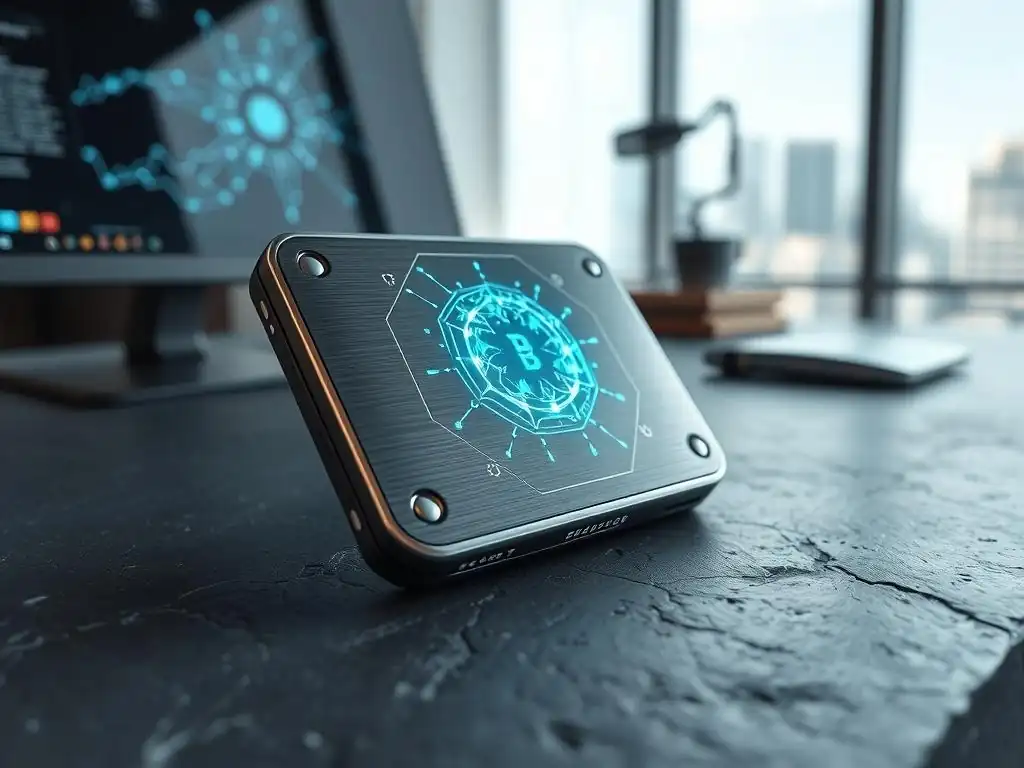
Welcome to Blockchain Trends, your gateway to understanding the revolutionary world of decentralized technologies. Are you truly safeguarding your digital assets? Dive into our latest article and discover how secure crypto hardware wallets are becoming essential tools for protecting your investments. Uncover the secrets to secure crypto hardware wallets and ensure your peace of mind in the volatile crypto landscape. What are the best options, and how do they work? Read on to find out!
- Unlocking the Power of Hardware Wallets: Securely Manage Your Crypto Portfolio
- How Secure Crypto Hardware Wallets Work: The Technology Behind Offline Protection
- Key Factors When Choosing the Best Secure Crypto Hardware Wallet
-
Frequently Asked Questions
- What exactly is a secure crypto hardware wallet, and how does it differ from other types of wallets?
- Why is a hardware wallet considered a more secure option for managing cryptocurrencies?
- Can a secure crypto hardware wallet be used with multiple cryptocurrencies?
- What are some key considerations when choosing a secure crypto hardware wallet?
- How do I recover my cryptocurrency if I lose my secure crypto hardware wallet?
- Final Reflection: Fortifying the Future of Finance
- Safeguard Your Crypto Future: Start Today!
Unlocking the Power of Hardware Wallets: Securely Manage Your Crypto Portfolio
The Risks of Online Crypto Storage and Software Wallets
Keeping your digital assets stored online or primarily within software wallets exposes them to significant risks. These "hot" wallets, by their nature, are connected to the internet, making them potential targets for malicious actors. Common threats include sophisticated phishing attacks designed to trick users into revealing private keys or seed phrases, malware that scans devices for wallet files or keyloggers capturing passwords, and direct hacking attempts on exchange or wallet provider servers.
The financial impact of these vulnerabilities is staggering. While exact figures vary, reports consistently show billions of dollars lost annually to crypto-related crime, including wallet compromises and exchange hacks. For instance, major security breaches at centralized platforms have resulted in losses exceeding hundreds of millions of dollars in a single incident.
Even individual users are susceptible; a simple piece of malware on a computer or phone can potentially compromise a software wallet, leading to the irreversible loss of funds stored within. Relying solely on software solutions means your private keys – the ultimate control over your assets – are residing on an internet-connected device, a fundamental security weakness for substantial holdings.
Understanding Cold Storage and Offline Security
The concept of cold storage is paramount in the world of cryptocurrency security. It refers to the practice of keeping your private keys entirely offline, disconnected from the internet. This simple yet powerful principle eliminates a vast majority of online attack vectors, such as remote hacking, malware infections targeting online systems, and phishing scams that rely on compromising internet-connected accounts or software.
Hardware wallets represent the gold standard for achieving true cold storage for individual users. Unlike software wallets that run on general-purpose, internet-connected devices (like your computer or smartphone), hardware wallets are dedicated, specialized devices built with security as their primary function.
They are designed to isolate your private keys in an offline environment, ensuring that even if the computer or phone they are connected to is compromised, the critical signing key remains secure and inaccessible to online threats. This offline nature is the core reason why secure crypto hardware wallets are considered vastly safer for storing significant amounts of digital wealth compared to hot wallet alternatives.
Protecting Your Private Keys with a Hardware Wallet
At the heart of a hardware wallet's security lies its ability to protect your private keys. Instead of storing these sensitive keys on your computer's hard drive or a mobile device's storage, where they could be exposed to malware or hackers, a hardware wallet generates and stores the private key within a secure, isolated chip on the device itself. This secure environment is specifically designed to prevent the extraction of the private key.
When you need to send a transaction, you connect your hardware wallet to a computer or smartphone. The transaction details are sent to the hardware wallet, but the private key never leaves the device.
The transaction is signed internally by the hardware wallet using the private key, and only the signed transaction (which does not contain the private key) is then sent back to the connected device to be broadcast to the blockchain network. This process ensures that your private key remains offline and secure throughout the transaction lifecycle, making secure crypto hardware wallets an indispensable tool for serious crypto holders.
How Secure Crypto Hardware Wallets Work: The Technology Behind Offline Protection
The Role of the Secure Element Chip
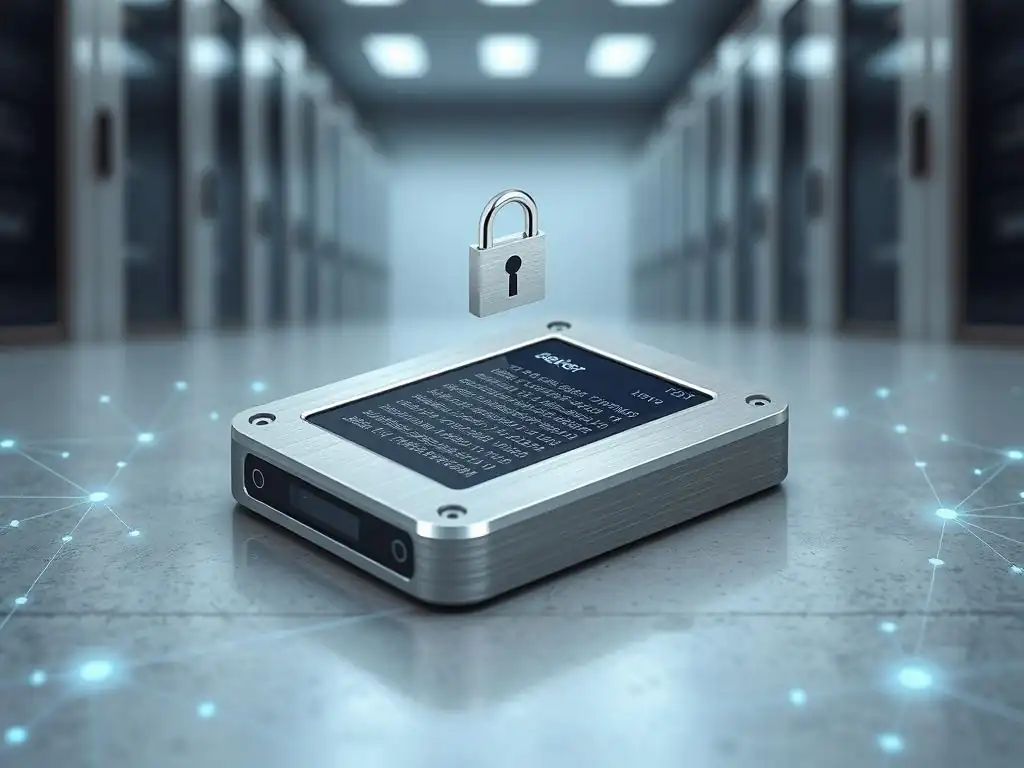
Central to the robust security of many secure crypto hardware wallets is the integration of a Secure Element (SE) chip. This is a dedicated, tamper-resistant microchip specifically designed to securely store sensitive data and perform cryptographic operations in isolation. Think of it like the chip found in modern credit cards, passports, or SIM cards – it's built to resist physical and logical attacks aimed at extracting the secrets stored within.
The SE chip is where your private keys are generated and permanently stored. Unlike regular memory chips, the SE chip employs advanced security features to prevent unauthorized access or extraction of the private key. These features can include physical shielding, encrypted storage, and countermeasures against voltage or timing attacks. Many high-quality secure crypto hardware wallets utilize SE chips certified under stringent security standards, such as Common Criteria (often aiming for EAL5+ or higher), providing a high level of assurance against sophisticated attacks. This dedicated hardware security is a key differentiator that elevates secure crypto hardware wallets above software-only solutions.
Signing Transactions Offline
The magic of a hardware wallet lies in its ability to sign transactions without ever exposing your private key to an internet-connected device. When you initiate a transaction using companion software on your computer or phone, the transaction details (recipient address, amount, fee) are prepared and sent to the hardware wallet via a secure channel (like USB or Bluetooth). The hardware wallet's small screen displays these critical details for your verification.
You must physically confirm the transaction on the hardware wallet itself, typically by pressing buttons. This step is crucial as it ensures you are authorizing the exact transaction displayed on the trusted device screen, mitigating risks from screen-scraping malware on your computer. Once confirmed, the secure element chip uses the private key stored within to cryptographically sign the transaction data.
The signed transaction data is then sent back to the connected computer or phone to be broadcast to the blockchain network. The private key, however, remains safely locked away inside the hardware wallet's secure chip, never touching the potentially insecure environment of the connected device.
The Importance of Your Recovery Seed Phrase
While secure crypto hardware wallets offer unparalleled protection for your private keys, hardware can be lost, stolen, or damaged. This is where your recovery seed phrase becomes critically important – it is the master backup of your private keys. Typically presented as a sequence of 12, 18, or 24 common English words (following standards like BIP39), this seed phrase can be used to deterministically regenerate your private keys and recover access to your funds on any compatible wallet, including a new hardware wallet.
The absolute security of your seed phrase is paramount. Anyone who obtains your seed phrase can gain full control of your cryptocurrency assets. Therefore, it is vital to store your seed phrase offline, securely, and away from your hardware wallet.
Common methods include writing it down on paper and storing it in a safe or secure location, or using more durable methods like stamping it onto metal plates. Never store your seed phrase digitally (on a computer, phone, cloud storage, or even encrypted online). Protecting this sequence of words is just as important as, if not more important than, protecting the hardware wallet itself, as it is the ultimate key to your digital fortune.
Key Factors When Choosing the Best Secure Crypto Hardware Wallet
Supported Cryptocurrencies
One of the primary considerations when selecting a secure crypto hardware wallet is the range of cryptocurrencies it supports. Not all hardware wallets are created equal in this regard; support varies significantly between models and manufacturers. While virtually all reputable hardware wallets support major cryptocurrencies like Bitcoin (BTC) and Ethereum (ETH), support for altcoins, ERC-20 tokens, and newer blockchain assets can differ widely.
Before purchasing, you must verify that the specific cryptocurrencies you own or plan to acquire are compatible with the hardware wallet. Some wallets boast support for thousands of different assets, often through integration with third-party software wallets or applications, while others focus on a smaller number of major coins. Checking the manufacturer's official list of supported assets is essential. Furthermore, consider how assets are managed – some wallets require separate apps for different chains, while others offer a more unified interface, impacting the user experience when managing a diverse portfolio using your secure crypto hardware wallets.
Frequently Asked Questions
What exactly is a secure crypto hardware wallet, and how does it differ from other types of wallets?
A secure crypto hardware wallet is a physical device that stores your private keys offline, providing a higher level of security than software or exchange wallets. This offline storage protects your keys from online threats.
Why is a hardware wallet considered a more secure option for managing cryptocurrencies?
Hardware wallets offer enhanced security because your private keys are stored offline, shielded from malware and hacking attempts. Transactions are also signed on the device, adding an extra layer of protection.
Can a secure crypto hardware wallet be used with multiple cryptocurrencies?
Yes, many secure crypto hardware wallets support a wide range of cryptocurrencies, allowing you to manage your entire portfolio from a single, secure device. Check the device specifications for supported coins and tokens.
What are some key considerations when choosing a secure crypto hardware wallet?
Key considerations include the supported cryptocurrencies, the device's security certifications, and its ease of use. Also, consider the reputation of the manufacturer and the available customer support.
How do I recover my cryptocurrency if I lose my secure crypto hardware wallet?
Most secure crypto hardware wallets provide a recovery seed phrase (usually 12 or 24 words) that allows you to restore your wallet on a new device. Keep this phrase safe and offline to ensure you can recover your funds.
Final Reflection: Fortifying the Future of Finance
The digital landscape, while brimming with opportunity, also presents unprecedented security challenges. The need for robust protection of digital assets has never been more critical, and hardware wallets stand as a powerful bulwark against the ever-present threat of cybercrime. Understanding and implementing these security measures is no longer a luxury, but a necessity for anyone participating in the evolving world of cryptocurrency.
The rise of decentralized finance has irrevocably altered the financial landscape, placing greater responsibility on individuals to safeguard their assets. This shift demands a proactive approach to security, moving beyond reliance on centralized institutions and embracing tools like hardware wallets that empower self-custody. Security is not a product, but a process.
This quote underscores the ongoing commitment required to protect your digital wealth, and hardware wallets are a vital component of that process.
As you navigate the exciting, yet complex, world of cryptocurrency, remember that knowledge is your greatest asset. Take the time to explore the options available, understand the risks involved, and choose the hardware wallet that best suits your needs. Invest in your security, invest in your future, and empower yourself to confidently participate in the decentralized revolution.
Safeguard Your Crypto Future: Start Today!
Thank you for exploring the world of hardware wallets and understanding how they can significantly enhance the security of your crypto assets. Now that you’re informed, it’s time to take action and safeguard your investments.
Here are a few steps you can take right now:
- Research and select a hardware wallet that fits your needs and budget. Don’t wait—security should be a top priority!
- Investigate additional security features, such as passphrase options or seed phrase splitting, to further protect your crypto holdings.
- Share this article with fellow crypto enthusiasts who may not yet realize the importance of hardware wallets. Together, we can build a more secure crypto community!
What additional security measures are you using to protect your digital assets? Share your insights in the comments below!
Leave a Reply