
Interoperability Challenges for NFTs Across Different Virtual Worlds

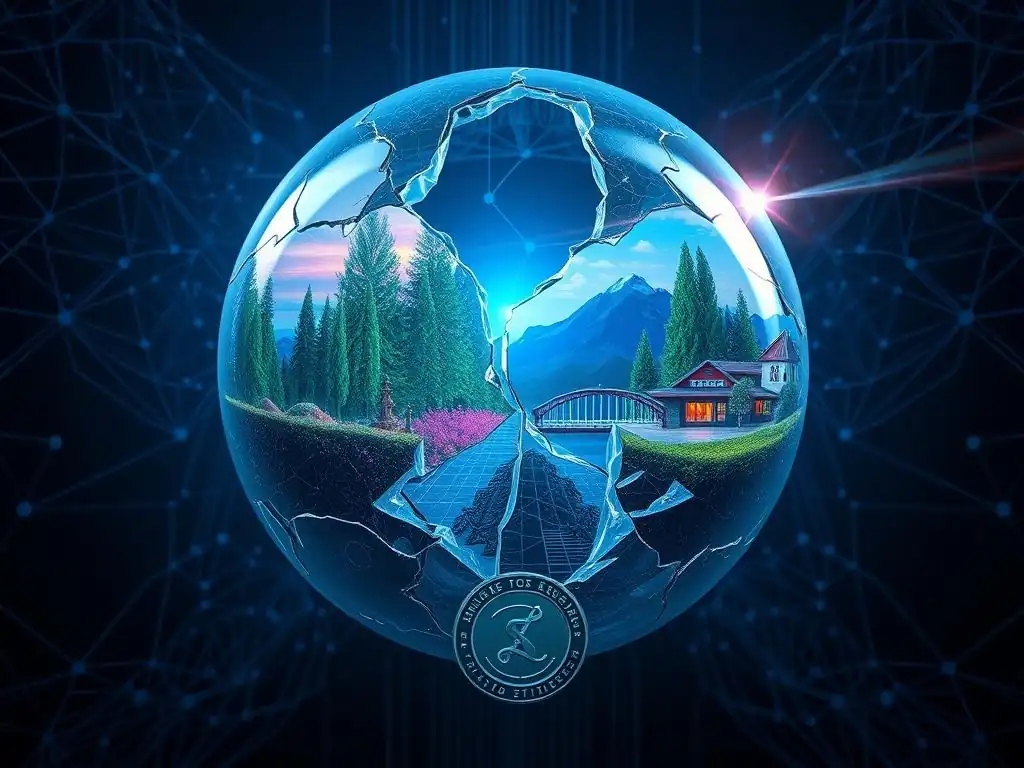
Welcome to Blockchain Trends, your compass in the rapidly evolving world of decentralized innovation! Dive into our latest exploration of the transformative power of blockchain beyond the hype, from groundbreaking DeFi applications to enterprise solutions. Ever wondered how to seamlessly use your digital assets across different virtual realms? This article tackles the pressing issue of NFT interoperability virtual world challenges, uncovering the hurdles and potential solutions that will shape the future of the metaverse. Intrigued? Let's unlock the secrets together...
- NFT Interoperability in Gaming Metaverses: A Blockchain Trends Deep Dive
- Key Challenges to Achieving Seamless NFT Interoperability
- Exploring Solutions for Improved NFT Interoperability
- Case Studies: NFT Interoperability in Action (or Lack Thereof)
- The Future of NFT Interoperability and its Impact on the Metaverse
-
Frequently Asked Questions
- What are the main obstacles hindering NFT interoperability across different virtual worlds?
- Why is NFT interoperability considered important for the future of virtual worlds?
- How does the lack of standardized smart contract formats impact NFT interoperability?
- What role does regulation play in either promoting or hindering NFT interoperability?
- What are some potential solutions being explored to address the NFT interoperability virtual world challenges?
- Final Reflection: Bridging the Metaverse Divide
- Unlock the Metaverse: Your NFT Adventure Starts Now!
NFT Interoperability in Gaming Metaverses: A Blockchain Trends Deep Dive
What is NFT Interoperability and Why Does It Matter for Gaming Metaverses?
NFT interoperability, in the context of gaming metaverses, refers to the ability of non-fungible tokens (NFTs) to be seamlessly transferred and utilized across different virtual worlds and gaming platforms. Imagine owning a unique sword NFT earned in one metaverse game and being able to wield it in another entirely different game, or even display it in a virtual art gallery in a third metaverse. This cross-platform utility is the essence of NFT interoperability. It moves beyond the current siloed approach where digital assets are typically confined to the ecosystem in which they were created.
The importance of NFT interoperability for gaming metaverses is multifaceted. Firstly, it enhances user ownership and control over their digital assets. Currently, NFTs often represent a significant investment of time and money, but their value and utility are limited to a single platform.
Interoperability unlocks the true potential of digital ownership, allowing users to carry their investments across various experiences and platforms, maximizing their utility and perceived value. Secondly, it fosters a more robust and open metaverse ecosystem. By breaking down the walls between individual metaverses, interoperability encourages greater user migration and interaction between platforms, leading to a more interconnected and vibrant virtual world.
Finally, from a game developer perspective, interoperability can drive innovation and attract a larger user base. Games that embrace interoperable NFTs offer players a more compelling value proposition, potentially leading to increased player engagement and a stronger in-game economy. For example, if a player knows that a rare in-game item they acquire has value and utility beyond a single game, they are more likely to invest time and resources into acquiring it, thus strengthening the game's economy.
The Current State of NFT Implementations Across Different Gaming Metaverses
Currently, the landscape of NFT implementations across different gaming metaverses is largely characterized by fragmentation and a lack of interoperability. Most gaming metaverses operate as walled gardens, where NFTs created or acquired within their ecosystem are primarily, if not exclusively, usable within that specific environment. This means an NFT sword purchased in "Game A" cannot typically be used in "Game B," even if both games are built on blockchain technology and utilize NFTs. This siloed approach significantly limits the potential of NFTs and hinders the development of a truly interconnected metaverse.
While many gaming metaverses utilize blockchain technology and NFTs, their implementations often vary significantly. For instance, some platforms might use different blockchain networks, such as Ethereum, Polygon, or Solana, each with its own technical specifications and NFT standards. Even when platforms utilize the same blockchain, variations in smart contract design, metadata standards, and game logic can create compatibility barriers. Consider Decentraland and The Sandbox, two prominent metaverse platforms.
While both utilize NFTs for land ownership and in-world assets, the NFTs from Decentraland are not natively compatible with The Sandbox, and vice versa. This lack of native compatibility necessitates the development of complex bridging solutions or workarounds, which are often not user-friendly or fully reliable, and can introduce security risks. This fragmented state limits the user experience and prevents the emergence of a unified digital asset economy across metaverses.
Different Blockchain Standards and Their Impact on NFT Portability
The diversity of blockchain standards used in different gaming metaverses significantly impacts NFT portability. While the ERC-721 standard on Ethereum is widely recognized as the foundational standard for NFTs, and ERC-1155 offers semi-fungibility, the adoption of these standards is not uniform across all platforms. Furthermore, even when platforms utilize these common standards, variations in implementation and extensions to these standards can create interoperability challenges. For example, a game built on Solana might utilize its own SPL-Token standard for NFTs, which is fundamentally different from Ethereum-based ERC standards, making direct transfer and usage across these chains inherently complex.
Even within the Ethereum ecosystem, variations in how metadata is structured and how smart contracts are coded can hinder seamless portability. NFT metadata, which describes the characteristics and attributes of an NFT, is crucial for rendering and utilizing the NFT in different environments.
If Metaverse A uses a different metadata schema than Metaverse B, even if both NFTs are ERC-721 compliant, Metaverse B might not be able to correctly interpret and display the NFT from Metaverse A. Similarly, smart contracts govern the functionality and rules associated with an NFT.
Variations in smart contract logic, such as how royalties are handled or how in-game utility is defined, can create compatibility issues when attempting to utilize an NFT across different platforms with differing smart contract expectations. This lack of standardization at both the blockchain protocol level and the smart contract and metadata level presents a significant obstacle to achieving seamless NFT portability and interoperability across gaming metaverses.
Key Challenges to Achieving Seamless NFT Interoperability
Technical Hurdles in NFT Cross-Chain Compatibility
Bridging Different Blockchain Networks for NFT Transfers
One of the most significant technical hurdles to NFT interoperability is bridging different blockchain networks for NFT transfers. Gaming metaverses are often built on different blockchains, such as Ethereum, Polygon, Solana, and others, each with its own consensus mechanisms, transaction formats, and smart contract languages. Transferring NFTs between these disparate networks is not a trivial task. It requires the use of "bridges," which are protocols designed to facilitate cross-chain asset movement. However, these bridges are complex to develop and maintain, and they introduce their own set of challenges, including security vulnerabilities and limitations in functionality.
Existing NFT bridges often operate using "wrapping" mechanisms. For instance, to move an ERC-721 NFT from Ethereum to Polygon, the original NFT is locked in a smart contract on Ethereum, and a "wrapped" version of the NFT, representing the original asset, is minted on Polygon. While this allows the representation of the NFT on the target chain, it introduces complexities in terms of security and trust.
Bridges are potential targets for exploits, as they often hold large amounts of locked assets. Furthermore, the functionality of wrapped NFTs might be limited compared to their native counterparts, and the process of bridging can sometimes be slow and costly due to gas fees on the source and target chains. The technical intricacies of ensuring secure, efficient, and reliable cross-chain NFT transfers remain a significant challenge in achieving seamless interoperability.
Standardization Issues in NFT Metadata and Smart Contracts
Beyond cross-chain transfers, standardization issues in NFT metadata and smart contracts pose a significant challenge to interoperability even within the same blockchain ecosystem, and especially across different ones. As previously mentioned, NFT metadata describes the attributes and properties of an NFT, influencing how it is displayed and utilized.
Currently, there is a lack of universal standards for NFT metadata, leading to a fragmented landscape where different platforms and projects adopt varying schemas. This means that even if two metaverses utilize ERC-721 NFTs on the Ethereum blockchain, if they use different metadata structures to describe, for example, a virtual sword, one metaverse might not be able to correctly interpret and render the sword NFT from the other metaverse.
Similarly, the lack of standardization in smart contract functionalities related to NFTs hinders interoperability. For example, different platforms might implement different royalty mechanisms, rental functionalities, or in-game utility logic within their NFT smart contracts.
If Metaverse A has a smart contract for a virtual land NFT that includes a specific mechanism for earning passive income, and Metaverse B does not recognize or implement this mechanism, the land NFT might lose its intended functionality when transferred to Metaverse B, even if technically transferable. Achieving true interoperability necessitates greater standardization in both NFT metadata schemas and the functionalities defined within NFT smart contracts, ensuring that NFTs can be consistently interpreted and utilized across different virtual environments.
Governance and Legal Complexities of Cross-Metaverse NFT Use
Copyright and Ownership Verification Across Platforms
Governance and legal complexities add another layer of challenges to NFT interoperability, particularly concerning copyright and ownership verification across different metaverse platforms. While NFTs are designed to represent ownership on the blockchain, the legal recognition and enforcement of this ownership, especially across jurisdictions and different metaverse platforms, is still evolving. A key challenge arises in verifying the legitimate ownership of an NFT when it is used in a metaverse different from where it was originally created or acquired. Different platforms may have varying levels of trust and verification mechanisms for cross-platform NFT usage.
Consider a scenario where a user owns a digital artwork NFT. If this NFT is displayed in a virtual gallery within Metaverse A and then the user attempts to display it in Metaverse B, Metaverse B needs to reliably verify that the user is the legitimate owner of the NFT and that the NFT itself is authentic and not a counterfeit.
This verification process can be complicated by the lack of standardized protocols for cross-platform ownership verification and the potential for disputes arising from conflicting platform rules or interpretations of NFT ownership. Furthermore, copyright law in the digital realm is still developing, and the legal implications of using NFTs across different metaverses, especially in terms of intellectual property rights and licensing, require further clarification and standardization to ensure legal certainty and protect creators and users.
Regulatory Uncertainty Surrounding NFT Interoperability
Regulatory uncertainty surrounding NFTs, in general, and NFT interoperability, specifically, presents a significant challenge to the widespread adoption and seamless functioning of cross-metaverse NFT utilization. The legal and regulatory landscape for NFTs is still nascent and varies considerably across different jurisdictions. This lack of clear and harmonized regulations creates uncertainty for both metaverse developers and users, hindering investment and innovation in interoperable NFT solutions. For instance, the classification of NFTs as securities or commodities is still under debate in many regions, and this classification can have significant implications for how NFTs are regulated and traded, potentially impacting cross-border interoperability.
Furthermore, regulations related to data privacy, anti-money laundering (AML), and consumer protection can also influence the development and implementation of interoperable NFT systems. Different jurisdictions might impose varying requirements for user verification, data handling, and transaction monitoring, which can complicate the design of globally interoperable NFT platforms.
The lack of a consistent and predictable regulatory framework for NFTs creates a chilling effect on innovation in interoperability, as developers and businesses face uncertainty about compliance requirements and potential legal risks associated with cross-metaverse NFT usage. Addressing this regulatory uncertainty through clear and harmonized legal frameworks is crucial for fostering a thriving and interoperable NFT ecosystem within the metaverse.
User Experience (UX) and Security Concerns with Interoperable NFTs
Ensuring a Secure and User-Friendly NFT Transfer Process
User experience (UX) and security concerns are paramount for the successful adoption of interoperable NFTs. Currently, the process of transferring NFTs between different platforms or blockchains can be technically complex and daunting for the average user. It often involves navigating cryptocurrency wallets, understanding gas fees, and interacting with bridging protocols, which can be confusing and intimidating for users who are not deeply familiar with blockchain technology. Ensuring a secure and user-friendly NFT transfer process is essential to make interoperability accessible to a broader audience.
A key UX challenge is simplifying the process of cross-chain NFT transfers. Ideally, transferring an NFT between metaverses should be as simple as transferring a digital file or in-game item within a single platform. This requires developing intuitive interfaces and abstracting away the underlying technical complexities of blockchain interactions. Furthermore, security is paramount in NFT transfers.
Users need to be confident that their NFTs are transferred securely and without the risk of loss or theft during the bridging process. This necessitates robust security measures for bridging protocols, clear communication about potential risks, and user-friendly tools for verifying the integrity of NFT transfers. Improving both the UX and security of NFT transfer processes is crucial to drive user adoption and build trust in interoperable NFT systems.
Addressing Potential Risks of NFT Exploits and Scams
The increased complexity introduced by NFT interoperability also brings heightened security risks and potential for exploits and scams. As NFTs move across different platforms and bridges, they become exposed to a wider range of potential vulnerabilities. Smart contract vulnerabilities in bridging protocols, phishing attacks targeting users attempting to transfer NFTs, and scams exploiting user confusion about cross-chain transactions are all potential risks associated with interoperable NFTs. Addressing these security concerns is critical to protect users and maintain the integrity of the interoperable NFT ecosystem.
One significant risk is related to the security of NFT bridges themselves. Bridges, as centralized or semi-centralized points of asset transfer, can become attractive targets for hackers. Exploits of bridge vulnerabilities can result in significant financial losses for users who have NFTs locked or being transferred through these bridges.
Furthermore, the complexity of interoperable NFT systems can make it easier for scammers to deceive users with phishing attacks or fake bridging services. Educating users about security best practices, developing robust security protocols for bridging technologies, and implementing user-friendly security tools are essential steps to mitigate the risks of exploits and scams in the context of NFT interoperability and build a safer environment for users engaging with cross-metaverse NFTs.
Exploring Solutions for Improved NFT Interoperability
Developing Cross-Chain NFT Bridges and Wrappers
Examining the Functionality and Limitations of Existing NFT Bridges
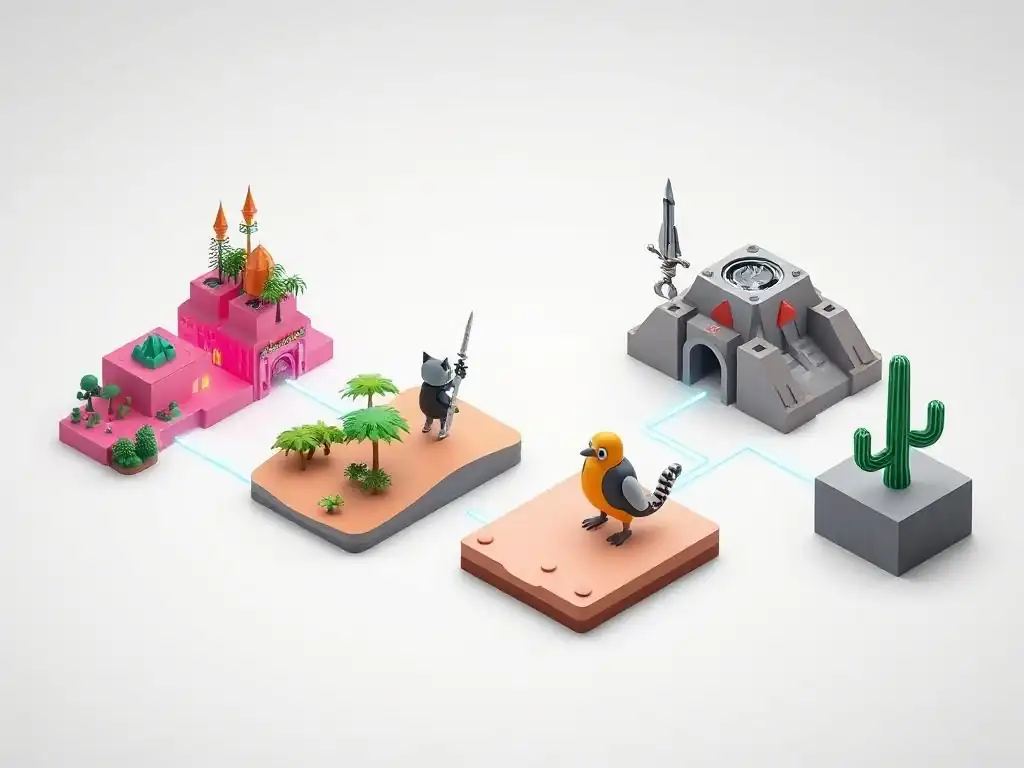
Developing robust and secure cross-chain NFT bridges and wrappers is a crucial step towards achieving improved NFT interoperability. As discussed earlier, NFT bridges enable the transfer of NFTs between different blockchain networks. These bridges typically function by locking the original NFT on the source chain and minting a representative "wrapped" NFT on the target chain. While existing NFT bridges offer a functional solution for cross-chain transfers, they also come with limitations and complexities.
One primary limitation is the security risk associated with bridges. Many bridges operate as centralized or semi-centralized entities, making them potential targets for exploits. If a bridge is compromised, users' NFTs locked within the bridge could be at risk. Furthermore, the functionality of wrapped NFTs can sometimes be limited compared to native NFTs.
Wrapped NFTs might not fully retain all the functionalities or metadata of the original NFT, and their utility might be restricted by the capabilities of the target chain and the bridge itself. Another limitation is the potential for fragmentation. The proliferation of different bridges, each with its own technology and security model, can lead to a fragmented interoperability landscape, making it complex for users to navigate and choose reliable bridging solutions. Despite these limitations, ongoing development and refinement of bridge technologies are essential for enabling cross-chain NFT interoperability.
Examples of NFT Bridge Technologies: LayerZero, Wormhole
Several NFT bridge technologies are emerging, aiming to improve cross-chain interoperability. LayerZero and Wormhole are two examples of protocols designed to facilitate cross-chain communication and asset transfers, including NFTs. LayerZero is an omnichain interoperability protocol designed for lightweight message passing across different blockchains. It utilizes a novel architecture that aims to enhance security and reduce reliance on intermediaries compared to some traditional bridge designs. LayerZero can be used to build applications that enable cross-chain NFT transfers and communication, potentially facilitating more seamless interoperability between different gaming metaverses.
Wormhole is another prominent interoperability protocol that supports cross-chain messaging and asset transfers, including NFTs. Wormhole connects to multiple blockchains, enabling users to bridge assets between these chains. It has been utilized in various NFT bridging applications, allowing users to move NFTs between Ethereum, Solana, and other supported chains.
Both LayerZero and Wormhole represent advancements in cross-chain technology, striving to provide more secure and efficient solutions for NFT bridging. However, it is important to note that even these advanced technologies are still evolving, and ongoing research and development are crucial to further enhance the security, reliability, and user-friendliness of NFT bridges and wrappers, ultimately paving the way for more seamless NFT interoperability.
Establishing Industry Standards for NFT Metadata and Functionality
The Role of Consortiums and Open-Source Initiatives
Establishing industry standards for NFT metadata and functionality is paramount for achieving true NFT interoperability across gaming metaverses. As discussed earlier, the lack of standardized metadata schemas and smart contract functionalities hinders the seamless interpretation and utilization of NFTs across different platforms. Consortiums and open-source initiatives play a crucial role in driving the development and adoption of these much-needed standards. Consortiums, bringing together key players in the blockchain and metaverse space, can provide a platform for collaboration and consensus-building on interoperability standards.
These consortiums can facilitate discussions and define common specifications for NFT metadata, ensuring that essential attributes and properties are consistently represented across different platforms. They can also work on standardizing smart contract interfaces and functionalities related to NFTs, promoting greater compatibility and predictability in how NFTs behave and are utilized across different environments. Open-source initiatives are equally important in driving standardization.
Open-source projects can provide reference implementations of NFT standards, tools, and libraries that developers can readily adopt and integrate into their platforms. This fosters wider adoption of standards and reduces the fragmentation caused by proprietary or incompatible implementations. The combined efforts of industry consortiums and open-source communities are essential to create a standardized and interoperable NFT ecosystem that benefits both developers and users in the gaming metaverse space.
Examples of Standardisation Efforts: EIP-4907 (Rentable NFTs)
While comprehensive standardization for NFT interoperability is still evolving, there are existing standardization efforts that contribute to improved NFT functionality and indirectly support interoperability. EIP-4907 (ERC-4907) is an example of an Ethereum Improvement Proposal that introduces a standard for "rentable NFTs."
This standard defines a way to separate ownership and usage rights for NFTs, allowing NFT owners to delegate usage rights to another address for a specific period without transferring ownership. While EIP-4907 is not directly aimed at cross-metaverse interoperability, it enhances the functionality and clarity of NFTs, making them more versatile and potentially easier to integrate across different platforms.
By standardizing the concept of rentable NFTs, EIP-4907 makes it easier for different platforms to implement and recognize rental functionalities for NFTs in a consistent manner. This reduces the fragmentation caused by proprietary rental implementations and promotes greater interoperability in terms of NFT usage rights.
While broader standardization efforts are still needed to address metadata and core functionalities directly related to cross-metaverse interoperability, examples like EIP-4907 demonstrate the value of standardization in improving NFT functionality and laying the groundwork for a more interoperable NFT ecosystem. Further standardization efforts, driven by industry collaboration and open-source contributions, are crucial to unlock the full potential of NFTs in the gaming metaverse and beyond.
Implementing Decentralized Identity (DID) Solutions for NFT Ownership
Linking NFT Ownership to User Identity Across Gaming Metaverses
Implementing decentralized identity (DID) solutions offers a promising approach to enhance NFT interoperability by linking NFT ownership to a user's identity across different gaming metaverses. Currently, NFT ownership is typically tied to blockchain addresses, which are pseudonymous and platform-specific. DID solutions provide a user-centric approach to identity management, allowing users to control their own digital identities and link these identities to their NFTs across various platforms and applications, including gaming metaverses. By associating NFT ownership with a user's DID, it becomes easier to verify and manage NFT ownership across different virtual worlds.
A DID acts as a portable and verifiable digital identity that is controlled by the user, not by any single platform or authority. When a user owns an NFT and links it to their DID, this ownership can be cryptographically verified by any platform that recognizes the DID standard.
This eliminates the need for users to create separate accounts and manage different blockchain addresses for each metaverse they interact with. Instead, they can use their DID to prove ownership of their NFTs across multiple platforms, streamlining the user experience and enhancing interoperability by providing a unified and portable identity layer for NFT ownership management.
Explanation of DID technology and its benefits
Decentralized Identity (DID) technology is a W3C standard that enables individuals and entities to create and control their own digital identities without relying on centralized intermediaries. DIDs are unique identifiers that are cryptographically verifiable and decentralized, meaning they are not controlled by any single organization or authority. A DID typically points to a DID document, which contains information about the DID subject, such as public keys, service endpoints, and other relevant data. This DID document is stored in a decentralized manner, often on a distributed ledger or a peer-to-peer network, ensuring data integrity and availability.
The benefits of DID technology for NFT interoperability and beyond are numerous. Firstly, DIDs empower users with greater control over their digital identities and data. Users can manage their own DIDs and decide what information to share with different platforms and applications. Secondly, DIDs enhance privacy by reducing reliance on centralized identity providers and minimizing the amount of personal data that users need to share with each platform.
Thirdly, DIDs promote interoperability by providing a standardized and portable identity layer that can be recognized across different systems and applications. In the context of NFTs, DIDs can facilitate seamless cross-metaverse NFT ownership verification and management, enhancing user experience and enabling a more interconnected and user-centric metaverse ecosystem. The adoption of DID solutions holds significant potential for unlocking the full potential of NFT interoperability and fostering a more decentralized and user-empowering digital future.
Case Studies: NFT Interoperability in Action (or Lack Thereof)
Analyzing Successful Examples of NFT Cross-World Integration
Case Study 1: Gods Unchained and Immutable X
While truly seamless NFT interoperability across completely distinct gaming metaverses remains a nascent concept, there are examples of projects that have successfully implemented elements of cross-world integration within their ecosystems. Gods Unchained, a popular trading card game, and Immutable X, a Layer-2 scaling solution for NFTs on Ethereum, provide a case study of how a dedicated Layer-2 solution can facilitate more efficient NFT management and enhance the potential for interoperability within a specific gaming ecosystem.
Gods Unchained utilizes Immutable X to enable gas-free trading and minting of its NFT game cards. Immutable X, built specifically for NFTs, provides significantly lower transaction fees and faster transaction speeds compared to transacting directly on Ethereum Layer-1.
This integration with Immutable X allows Gods Unchained players to trade their NFT cards more freely and efficiently, fostering a more vibrant in-game economy. While Gods Unchained NFTs are primarily designed for use within the Gods Unchained game itself, Immutable X's broader ecosystem and compatibility with other projects built on Immutable X could potentially facilitate future interoperability scenarios.
For example, if other games or metaverse experiences were also built on Immutable X and adopted compatible NFT standards, Gods Unchained NFTs, or at least certain types, could potentially be utilized or displayed within those other environments. While not a direct example of cross-metaverse interoperability in the broadest sense, the Gods Unchained and Immutable X case demonstrates how Layer-2 solutions and a focus on NFT-specific infrastructure can create more efficient and interconnected NFT ecosystems, paving the way for future interoperability possibilities.
Examining Failed Attempts and Lessons Learned
Case Study 2: Early Sandbox NFT implementations and limitations
Examining early NFT implementations in The Sandbox, a popular user-generated content metaverse, reveals valuable lessons about the challenges and limitations encountered in early attempts at NFT interoperability, even within a single platform ecosystem. In the early stages of The Sandbox, while NFTs were central to its land ownership and asset system, the initial implementations faced limitations in terms of true interoperability and portability, even within The Sandbox ecosystem itself. Early versions of The Sandbox's NFT assets, such as LAND and ASSET NFTs, were not always seamlessly compatible with all features and experiences within The Sandbox metaverse.
For example, some ASSET NFTs might have been designed for specific types of LAND or game experiences and not readily usable or visually compatible in other contexts within The Sandbox. This highlighted the challenges of achieving consistent and truly interoperable NFT implementations even within a controlled environment. The lessons learned from these early implementations in The Sandbox underscore the importance of careful planning and standardization from the outset when designing NFT systems for interoperability.
It emphasizes the need for clear metadata standards, consistent smart contract functionalities, and robust tools for developers to create NFTs that are truly versatile and usable across different experiences within a metaverse ecosystem, and ultimately, across different metaverses. The evolution of The Sandbox's NFT system over time reflects an ongoing effort to address these early limitations and strive towards greater internal and potentially external NFT interoperability.
The Future of NFT Interoperability and its Impact on the Metaverse
How Interoperable NFTs Will Shape the Metaverse Economy
Interoperable NFTs have the potential to profoundly shape the metaverse economy, transforming it from a collection of siloed virtual worlds into a more interconnected and dynamic digital ecosystem. The ability to seamlessly transfer and utilize NFTs across different metaverses will unlock significant economic benefits for both users and creators. For users, interoperability means greater utility and value for their digital assets.
NFTs will no longer be confined to single platforms, but rather become portable assets that can be leveraged across various experiences, enhancing their perceived value and creating new opportunities for utility and monetization. Imagine earning a rare in-game item in one metaverse game and then renting it out to players in another metaverse, or using a virtual land NFT as collateral for a loan in a decentralized finance (DeFi) platform operating across metaverses.
For creators, interoperable NFTs can expand their reach and market. Creators can design NFTs with utility across multiple metaverses, increasing their appeal to a wider audience and potentially generating revenue streams from different platforms.
This can foster a more vibrant and creator-driven metaverse economy, where artists, game developers, and other creators can build interoperable digital assets that contribute to a more interconnected and engaging virtual world. Furthermore, interoperable NFTs can facilitate the emergence of new business models and decentralized marketplaces that operate across metaverses, creating a more liquid and efficient market for digital assets and fostering innovation in the metaverse economy.
Predictions for the Evolution of NFT Standards and Technologies
The evolution of NFT standards and technologies related to interoperability is expected to be rapid and transformative in the coming years. Several key trends are likely to shape this evolution. Firstly, we can anticipate greater standardization efforts across the industry. Industry consortiums and open-source initiatives will likely play a crucial role in defining and promoting interoperability standards for NFT metadata, smart contract functionalities, and cross-chain communication protocols. These standards will be essential for ensuring that NFTs can be seamlessly recognized and utilized across different metaverses and blockchain platforms.
Secondly, we will likely see significant advancements in cross-chain bridging technologies. Current bridge solutions are still evolving, and future iterations are expected to be more secure, efficient, and user-friendly. Innovations in bridge architectures, such as more decentralized and trustless bridge designs, will be critical to address security concerns and enhance the reliability of cross-chain NFT transfers.
Thirdly, Decentralized Identity (DID) solutions are poised to play a more prominent role in NFT interoperability. As DID technology matures and becomes more widely adopted, it will likely become a standard mechanism for managing and verifying NFT ownership across different metaverses, providing users with greater control and portability of their digital identities and assets. These advancements in standards, bridging technologies, and DID solutions will collectively drive the evolution of NFT interoperability, paving the way for a more interconnected and user-centric metaverse future.
Concluding Thoughts on the Importance of NFT Interoperability
NFT interoperability is not merely a technical challenge; it is a fundamental requirement for realizing the full potential of NFTs and building a truly open and interconnected metaverse. The ability to seamlessly transfer and utilize NFTs across different virtual worlds is crucial for enhancing user ownership, fostering a more vibrant metaverse economy, and driving innovation in digital asset utility. While significant technical, governance, and UX challenges remain, the industry is actively exploring solutions through cross-chain bridges, standardization efforts, and decentralized identity technologies.
Overcoming these challenges and achieving widespread NFT interoperability will require collaboration across different metaverse platforms, blockchain projects, and industry stakeholders. The development of robust standards, secure bridging solutions, and user-friendly tools will be essential to unlock the transformative potential of interoperable NFTs. As the metaverse continues to evolve, NFT interoperability will be a key factor in shaping its future, creating a more open, engaging, and user-empowering digital world where digital assets truly transcend platform boundaries and contribute to a richer and more interconnected metaverse experience for all.
Frequently Asked Questions
What are the main obstacles hindering NFT interoperability across different virtual worlds?
The primary obstacles include different technical standards, varying governance models, and the lack of a universal protocol to facilitate seamless asset transfer and recognition.
Why is NFT interoperability considered important for the future of virtual worlds?
Interoperability enhances the user experience, fosters a more connected metaverse, and unlock new economic opportunities by allowing seamless asset utilization across platforms.
How does the lack of standardized smart contract formats impact NFT interoperability?
Different smart contract formats create compatibility issues, making it difficult for virtual worlds to recognize and interpret NFTs minted on other platforms. This limits cross-platform functionality.
What role does regulation play in either promoting or hindering NFT interoperability?
Clear and consistent regulatory frameworks can establish standards and facilitate cross-platform collaboration, while fragmented or restrictive regulations can stifle innovation and limit interoperability efforts.
What are some potential solutions being explored to address the NFT interoperability virtual world challenges?
Solutions include developing universal NFT standards, implementing cross-chain bridges, and establishing open-source protocols for NFT recognition and transfer across different virtual environments.
Final Reflection: Bridging the Metaverse Divide
The exploration of NFT interoperability across virtual worlds has revealed a landscape riddled with challenges, yet brimming with potential. The current fragmented state of the metaverse underscores the urgent need for standardized protocols and collaborative efforts to unlock the true value of digital ownership. Without addressing these fundamental interoperability issues, the promise of a seamless and interconnected digital future remains just beyond our grasp.
This journey into the complexities of NFT interoperability has highlighted the profound impact these challenges have on the burgeoning metaverse ecosystem. The ability to seamlessly transfer and utilize digital assets across different virtual environments is not merely a technical hurdle, but a crucial step towards fostering a truly decentralized and user-centric digital economy. As we navigate this evolving landscape, it's vital to remember the core principles that underpin the promise of NFTs: The power of NFTs lies not just in their uniqueness, but in their ability to empower individuals and communities within a shared digital space.
Now, as you reflect on the challenges and opportunities presented by NFT interoperability, consider your own role in shaping the future of the metaverse. How can you contribute to fostering greater collaboration and standardization within this space? Embrace the challenge, advocate for open standards, and help build a future where digital assets can truly transcend the boundaries of individual virtual worlds. The future of the metaverse, and the true potential of NFTs, depends on it.
Here's a CTA designed to conclude a web article on "Interoperability Challenges for NFTs Across Different Virtual Worlds," tailored for Blockchain Trends (blockchaintrends.org):
Unlock the Metaverse: Your NFT Adventure Starts Now!
Thank you for exploring the fascinating world of NFT interoperability with us! We hope you’ve gained valuable insights into the challenges and opportunities that lie ahead. Now, it's time to take action and contribute to the future of interconnected virtual worlds!
Here's how you can get involved:
- Dive into a Cross-Platform NFT Experience: Choose one NFT you own and explore its functionality in at least two different virtual worlds. Document your experience and note the successes and limitations. This is your chance to witness interoperability firsthand!
- Join the Discussion: Share your insights and experiences about NFT interoperability on social media using the hashtag #NFTInteroperability. Let's amplify the conversation and shape the future together.
- Research Emerging Standards: Explore nascent standards and protocols that are aiming to solve this NFT interoperability issue. The future is being shaped now, find out more!
What innovative solutions do you envision for seamlessly using your NFTs across any virtual world? Share your thoughts in the comments below!
Leave a Reply