
Integrating Oracles into DApps: Bridging the Gap Between Blockchain and RealWorld Data


Welcome to Blockchain Trends!
Dive deep into the fascinating world where blockchain transcends cryptocurrency. Ever wondered how dApps truly interact with the real world? This article unveils the crucial role of blockchain oracles in bridging that gap. Discover how these vital components are shaping the future of decentralized applications and unlocking their full potential. Intrigued? Read on to explore how they work, the challenges they face, and their impact on the evolving landscape of blockchain technology.
Integrating Oracles into DApps: Bridging the Gap Between Blockchain and Real-World Data
- Introduction: The Vital Role of Oracles in DApp Development
- What are Blockchain Oracles and How Do They Work?
- Use Cases of Blockchain Oracles in Decentralized Applications
- Challenges and Considerations When Integrating Oracles
- Best Practices for Implementing Blockchain Oracles in DApps
- The Future of Blockchain Oracles and DApp Innovation
- Conclusion: Empowering DApps with Reliable Real-World Data Through Oracles
-
Frequently Asked Questions
- What are blockchain oracles, and why are they essential for dApps?
- How do oracles bridge the gap between blockchain and real-world data?
- What are some common use cases for oracles in decentralized applications (dApps)?
- What are the security considerations when choosing and integrating oracles into dApps?
- How might blockchain oracles evolve in the future?
- Final Reflection: The Enduring Power of Connection
- Unleash the Power: Transform Your DApp Today!
Introduction: The Vital Role of Oracles in DApp Development
Understanding the Limitations of Blockchain Data in DApps
Blockchain networks, by their very design, are closed, deterministic systems. This isolation is a fundamental security feature, ensuring that transactions are validated based solely on the data contained within the blockchain itself, leading to predictable and secure execution of smart contracts. However, this inherent isolation also presents a significant limitation: blockchains cannot natively access or verify information from the external world. Data such as real-time stock prices, weather conditions, sports scores, or the outcome of a physical event exists off-chain and is inaccessible to the smart contracts running on the blockchain.
This inability to interact directly with off-chain data creates a critical challenge for decentralized applications (DApps) that require external information to function effectively. A smart contract designed to execute a financial transaction based on a specific market price, or an insurance contract triggered by a weather event, cannot access the necessary data without a reliable mechanism to feed this information onto the blockchain. Without this bridge, the utility and scope of DApps are severely restricted, limiting their ability to replicate or improve upon real-world processes that depend on dynamic, external data inputs.
Why DApps Need External Data: The Oracle Solution
The vast majority of real-world applications, from financial markets to supply chain logistics and insurance, rely heavily on timely and accurate external data. For DApps to move beyond simple token transfers and truly disrupt these industries, they must be able to securely and reliably interact with this off-chain information. A decentralized lending protocol, for instance, needs constant price feeds for collateral assets to calculate loan-to-value ratios and trigger liquidations. A decentralized insurance product requires verified data about events like hurricanes or flight delays to process claims automatically.
This is where blockchain oracles for dApps become indispensable. Oracles act as intermediaries, fetching data from external sources, verifying its accuracy, and transmitting it onto the blockchain in a format that smart contracts can understand and utilize. They bridge the critical gap between the secure, isolated world of the blockchain and the dynamic, data-rich environment of the real world. Without robust and trustworthy oracle solutions, the potential of many innovative DApp use cases, particularly in areas like Decentralized Finance (DeFi), supply chain management, and gaming, would remain largely untapped.
What are Blockchain Oracles and How Do They Work?
Defining Blockchain Oracles: Providing External Data Feeds
Blockchain oracles are third-party services that provide smart contracts with external information. They are not part of the blockchain's consensus mechanism; instead, they serve as data feeds or bridges that connect the on-chain and off-chain worlds. Think of them as API gateways for smart contracts, allowing them to receive data that originates outside the blockchain network itself. This data can be anything from financial asset prices, weather data, election results, sports scores, or even the outcome of a random number generation process.
The primary function of blockchain oracles for dApps is to retrieve data from various external sources, process it, and make it available on the blockchain for consumption by smart contracts. They are essential components for DApps that need to react to or rely on real-world events or data points. Without a reliable oracle, a smart contract relying on external data would be either non-functional or vulnerable to manipulation if the data source were centralized or easily compromised.
How Oracles Function: Data Retrieval, Verification, and Transmission
The operational flow of a blockchain oracle typically involves several key steps. First, a smart contract on the blockchain makes a request for specific external data. This request is picked up by the oracle network or a specific oracle node. Second, the oracle node then retrieves the requested data from one or more external sources, such as APIs, websites, or data providers. This retrieval process can involve complex interactions with various data endpoints.
Third, and crucially, the oracle must verify the accuracy and reliability of the fetched data. This verification process is critical to prevent malicious data from being fed onto the blockchain. In decentralized oracle networks, this often involves aggregating data from multiple independent sources and nodes, comparing the results, and reaching a consensus on the correct value.
Finally, the verified data is formatted and transmitted onto the blockchain, typically through a transaction that updates the smart contract's state with the external information. This data is then available for the smart contract to use in executing its logic, such as triggering a payment or updating a state variable.
Different Types of Blockchain Oracles: Centralized vs. Decentralized
Blockchain oracles can be broadly categorized based on their architecture and the degree of trust required. The two main types are centralized and decentralized oracles. Understanding the differences is key when selecting blockchain oracles for dApps, as each type carries distinct benefits and risks related to security, reliability, and censorship resistance.
Choosing between centralized and decentralized blockchain oracles for dApps involves a trade-off between simplicity, cost, and security. Centralized oracles are easier and cheaper to implement but introduce a single point of failure and require trust in the oracle provider. Decentralized oracles are more complex and potentially more expensive but significantly enhance security and reliability by distributing trust across multiple nodes and data sources, aligning better with the core principles of decentralization.
Understanding Centralized Oracles: Benefits and Risks
Centralized oracles rely on a single entity or data source to provide information to the blockchain. In this model, a single oracle node or service fetches data from one or more external sources and pushes it onto the blockchain. The primary benefit of centralized oracles is their simplicity and potentially lower cost of implementation compared to decentralized alternatives. They are straightforward to set up and manage, making them suitable for DApps where the risk associated with the external data is low or where the oracle provider is highly trusted.
However, the reliance on a single point of failure introduces significant risks. If the centralized oracle is compromised, malfunctions, or acts maliciously, it can feed incorrect or manipulated data to the smart contracts, leading to potentially catastrophic consequences for the DApp and its users. This is known as the "oracle problem" in its most acute form. A malicious actor gaining control of a centralized oracle could manipulate price feeds to trigger unfair liquidations in a DeFi protocol or falsify event outcomes in a prediction market, undermining the integrity and trust in the entire DApp.
Exploring Decentralized Oracles: Enhanced Security and Trust
Decentralized oracles aim to mitigate the risks associated with centralized oracles by removing the single point of failure. Instead of relying on one entity, decentralized oracle networks utilize multiple independent nodes that collectively fetch, verify, and submit data to the blockchain. These networks often employ various mechanisms to ensure data accuracy, such as aggregating data from numerous sources, requiring consensus among multiple oracle nodes on the correct data value, and using staking or reputation systems to incentivize honest behavior.
Leading decentralized oracle networks, like Chainlink, connect smart contracts to a wide range of external data feeds and APIs. They achieve decentralization at multiple levels: using multiple independent oracle nodes run by different operators, sourcing data from multiple distinct data providers, and often aggregating these data points on-chain or off-chain to arrive at a robust, single data point for the smart contract.
While more complex and potentially more expensive to use, decentralized blockchain oracles for dApps significantly enhance security, reliability, and censorship resistance, making them the preferred choice for DApps handling high-value assets or critical operations where data integrity is paramount.
Key Considerations When Choosing an Oracle for Your DApp
Selecting the right blockchain oracles for dApps is a critical decision that impacts the security, reliability, and functionality of your application. Several factors must be carefully considered. The first is the type of data needed and its sensitivity; high-value transactions or critical decisions based on the data necessitate a more robust, decentralized solution. The frequency of data updates is also important; some DApps require real-time feeds updated every few seconds, while others only need daily or weekly updates.
Another crucial factor is the cost associated with using the oracle service, which can vary based on the network's complexity, the frequency of requests, and the amount of data transferred. Furthermore, the reputation and track record of the oracle provider or network are essential; look for established providers with proven reliability and security audits. Finally, consider the ease of integration with your chosen blockchain and smart contract language, as well as the availability of tools and documentation. Evaluating these factors helps developers choose blockchain oracles for dApps that best fit their specific needs and risk tolerance.
Use Cases of Blockchain Oracles in Decentralized Applications
Oracles in DeFi: Price Feeds, Lending Platforms, and Stablecoins
Decentralized Finance (DeFi) is arguably the sector where blockchain oracles for dApps have seen the most widespread adoption and are most critical. DeFi protocols rely heavily on accurate, real-time external data, particularly price feeds, to enable core functionalities like lending, borrowing, trading, and asset management. Without reliable oracle data, the volatile nature of crypto assets and traditional financial instruments would make it impossible to build secure and functional DeFi applications.
Major DeFi protocols manage billions of dollars in value, directly depending on the integrity of the oracle data they consume. For example, as of late 2023, leading lending protocols like Aave and Compound collectively secured tens of billions in total value locked (TVL), with their liquidation mechanisms directly triggered by price feeds provided by blockchain oracles. A 0.1% deviation in a price feed could potentially lead to millions of dollars in unfair liquidations or missed opportunities, highlighting the extreme sensitivity and importance of accurate oracle data in this domain.
Utilizing Oracles for Accurate Price Data in DeFi Protocols
Accurate and up-to-date price data is the lifeblood of most DeFi protocols. Decentralized exchanges, lending platforms, and derivatives markets all require reliable price feeds for various assets, including cryptocurrencies, stablecoins, and potentially tokenized real-world assets. Blockchain oracles for dApps provide these essential price feeds by aggregating data from numerous exchanges and data providers, mitigating the risk of manipulation or reliance on a single, potentially compromised source.
For instance, a decentralized lending protocol needs to know the current market price of the collateral assets (like ETH or wBTC) and the borrowed assets (like DAI or USDC) to calculate the loan-to-value (LTV) ratio. If the price feed for the collateral asset drops below a certain threshold, as determined by the oracle data, the smart contract automatically triggers a liquidation process to protect the lender's funds.
Leading oracle networks provide these price feeds, often updated frequently (e.g., every few minutes or when price deviation exceeds a threshold like 0.5% or 1%), ensuring the protocol operates based on near real-time market conditions.
Oracle-Driven Lending and Borrowing Platforms: Ensuring Fair Rates
Lending and borrowing platforms are central to the DeFi ecosystem, allowing users to earn interest on their crypto assets or borrow funds by providing collateral. The interest rates on these platforms are often determined algorithmically based on supply and demand, but the value of the collateral and borrowed assets is verified using oracle price feeds. This ensures that the system accurately assesses risk and maintains the necessary collateralization ratios.
Consider a user borrowing DAI stablecoin against ETH collateral on a platform like Compound or Aave. The smart contract continuously monitors the value of the ETH collateral using price data provided by blockchain oracles for dApps. If the ETH price falls significantly, the oracle feed updates the smart contract, which then checks if the LTV ratio exceeds the liquidation threshold (e.g., 85%).
If it does, the oracle data triggers the liquidation function within the smart contract, selling a portion of the collateral to repay the loan. This automated, oracle-driven process ensures the solvency of the protocol and fairness for all participants.
Maintaining Stability with Oracle-Based Stablecoin Mechanisms
Algorithmic stablecoins, which aim to maintain a peg to a fiat currency (like USD) or other assets without full collateralization by that asset, often rely on complex mechanisms that utilize oracle data. These mechanisms might involve dynamically adjusting the supply of the stablecoin or an associated token based on external market prices to maintain the peg. Oracles provide the critical external price information needed to inform these adjustments.
MakerDAO's DAI stablecoin, a widely used example, uses a system of collateralized debt positions (CDPs) and relies on a decentralized network of oracles (known as "Maker Oracles") to provide price feeds for the various collateral assets accepted (ETH, wBTC, etc.). These price feeds are crucial for determining the value of the collateral locked in CDPs and for triggering liquidations when collateralization ratios fall below the required threshold (e.g., 150% for ETH collateral). The accuracy and reliability of these blockchain oracles for dApps are paramount to maintaining the stability and integrity of the DAI peg.
Oracles in Supply Chain Management: Tracking and Verification
Supply chain management is another area where blockchain technology offers significant improvements in transparency and efficiency, and blockchain oracles for dApps are key enablers. Tracking goods from their origin to their final destination, verifying their condition, and ensuring the integrity of the process often requires integrating data from various external sources like IoT sensors, GPS devices, and logistics APIs.
By using oracles to bring this off-chain data onto the blockchain, companies can create immutable records of a product's journey and condition. This enhances transparency for all parties involved, including consumers, who can potentially verify the authenticity and history of a product. For instance, a luxury goods company might track a product's journey using GPS data fed by an oracle, or a food producer might use temperature sensor data, also fed by an oracle, to ensure goods remained within a safe temperature range during transport.
Enhancing Transparency in Supply Chains with Oracle Integration
Integrating blockchain oracles for dApps into supply chain solutions allows for a level of transparency previously difficult to achieve. As goods move through the supply chain, data points captured by sensors (temperature, humidity, location), scanned barcodes, or shipping updates from logistics partners can be securely fed onto a blockchain via oracles. Each data point can be associated with a specific product or batch, creating a transparent and immutable ledger of its journey.
For example, a pharmaceutical company transporting vaccines might use IoT sensors to monitor temperature. If the temperature deviates from the required range, the sensor records this, and an oracle transmits the data to the blockchain. A smart contract can then flag this specific batch as potentially compromised, alerting relevant parties and preventing its distribution. This provides end-to-end visibility and accountability that manual systems often lack, significantly improving trust among supply chain participants.
Using Oracles for Product Authentication and Anti-Counterfeiting
Counterfeiting is a major problem across various industries, costing billions annually. Blockchain technology, combined with oracle solutions, offers a powerful way to combat this. By assigning a unique digital identity to each product on the blockchain at the point of manufacture and using oracles to verify its movement and status, companies can create a verifiable history for each item.
When a product is scanned at different points in the supply chain, the location and time data, verified by an oracle against expected routes and timelines, can be recorded on the blockchain. Consumers could potentially scan a QR code on a product and use a DApp to query the blockchain, via an oracle, to see its full history, including manufacturing date, location scans, and even ownership transfers. This oracle-verified data provides strong evidence of authenticity, making it much harder for counterfeit products to enter the legitimate supply chain undetected.
Oracles in Insurance: Automated Claims Processing
The insurance industry is ripe for disruption by blockchain technology, particularly through the use of smart contracts for automated claims processing. Traditional insurance often involves lengthy and opaque claims procedures that rely on manual verification of events. Parametric insurance, a type of insurance that pays out automatically based on the occurrence of a predefined event (like a hurricane of a certain intensity or a flight delay exceeding a specific time), is a perfect fit for blockchain and oracles.
Blockchain oracles for dApps provide the crucial, verifiable data about whether the predefined event has occurred. This eliminates the need for manual claims assessment based on subjective evaluation, leading to faster, more transparent, and more efficient payouts. For instance, a smart contract for flight delay insurance could automatically issue a payout to the policyholder as soon as an oracle confirms that the specific flight was delayed by more than the agreed-upon duration, based on data from official flight tracking APIs.
Streamlining Insurance Claims with Oracle-Verified Data
By using blockchain oracles to provide definitive proof of an insured event, the claims process can be significantly streamlined. Instead of filing a claim and waiting for an adjuster to verify the details, the smart contract automatically checks the oracle feed for the relevant data point. If the oracle confirms that the conditions for a payout have been met according to the terms defined in the smart contract, the payout is triggered instantly and automatically.
Consider crop insurance against drought. A traditional claim might involve inspection and assessment. With a parametric insurance DApp, an oracle could provide data from weather stations or satellite imagery confirming rainfall levels in a specific geographic area. If the oracle data indicates rainfall below the predefined threshold for a certain period, the smart contract, using this verified data, automatically executes a payout to the farmer's wallet. This removes bureaucracy, speeds up payouts, and increases trust in the insurance process.
Developing Parametric Insurance Products with Blockchain Oracles
Parametric insurance products are specifically designed around objective, verifiable triggers, making them ideal candidates for blockchain implementation. These products pay out a fixed amount based on the magnitude or occurrence of an event, rather than the actual loss incurred. Examples include insurance against natural disasters (earthquakes, hurricanes, floods), weather-related events (drought, excessive rain), or travel disruptions (flight delays, cancellations).
Developing these products as DApps requires reliable blockchain oracles for dApps capable of sourcing accurate data about these specific events from trusted external sources (e.g., national weather services, geological survey data, official transportation APIs). The smart contract logic is straightforward: IF oracle data shows event X occurred at intensity Y, THEN pay out Z amount to policyholder A. The integrity of the oracle data is paramount to the fairness and functionality of these automated insurance contracts.
Oracles in Prediction Markets: Real-World Outcome Verification
Prediction markets allow participants to trade on the outcome of future events, such as elections, sports matches, or economic indicators. These markets require a definitive, verifiable source of truth to determine the winning outcome and settle the market. Blockchain-based prediction markets use smart contracts to manage the betting process and payouts, but they still need external data to confirm the actual result of the event.
Blockchain oracles for dApps serve this purpose by providing the final, confirmed outcome of the predicted event to the smart contract. Once the oracle reports the outcome, the smart contract can identify the winning participants and distribute the pooled funds accordingly. The reliability and impartiality of the oracle are crucial to ensure that the market is settled correctly and fairly, reflecting the actual result of the real-world event.
Leveraging Oracles for Accurate Outcome Reporting in Prediction Markets
Accurate and timely reporting of event outcomes is fundamental to the operation of prediction markets. Whether the event is a political election, the final score of a football game, or the price of a specific asset on a future date, the smart contract managing the market needs an external, verifiable source to determine the outcome. This is the role of the oracle.
Decentralized prediction markets like Augur or Gnosis rely on decentralized oracle mechanisms, often involving reputation systems or staking, to ensure that participants reporting the outcome are incentivized to be truthful. For example, after a sports match concludes, multiple reporters might submit the final score via the oracle network. The network aggregates these reports, potentially requiring a consensus among reporters who have staked collateral, before submitting the verified outcome to the prediction market's smart contract. This use of blockchain oracles for dApps ensures that market settlements are based on accurate real-world results, maintaining trust in the platform.
Challenges and Considerations When Integrating Oracles
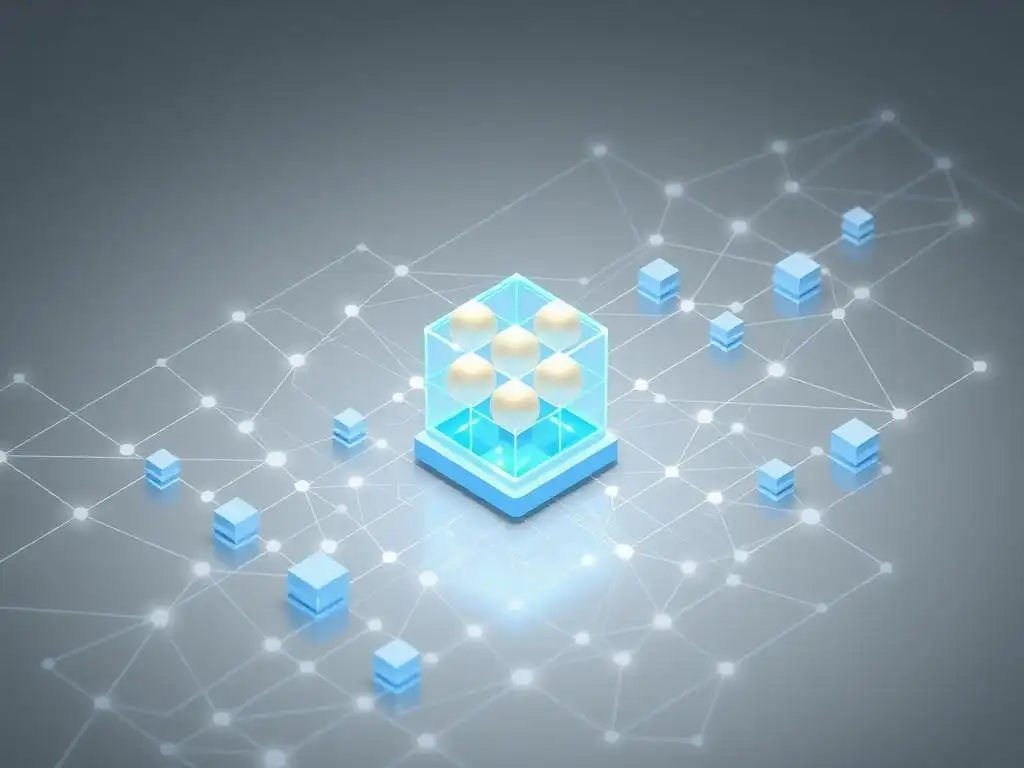
Integrating blockchain oracles for dApps is not without its challenges. While essential for connecting smart contracts to the real world, oracles also introduce new vectors for risk and complexity. Understanding and mitigating these challenges is crucial for building secure and reliable decentralized applications.
The Oracle Problem: Ensuring Data Accuracy and Reliability
The most significant challenge associated with blockchain oracles is often referred to as the "oracle problem" or the "last mile problem" of blockchain connectivity. It boils down to this: how can you trust the data fed by an oracle when the blockchain itself is designed to be trustless? A smart contract can be perfectly secure, but if it relies on inaccurate or manipulated data provided by an oracle, its execution will be flawed, potentially leading to incorrect outcomes or financial losses.
Ensuring that the data provided by the oracle is accurate, reliable, and not tampered with is paramount. This requires robust mechanisms for data sourcing, verification, and transmission. Solutions range from using multiple independent data sources and aggregating the results to employing decentralized oracle networks with economic incentives that align the oracle node operators' interests with providing truthful data. Addressing the oracle problem is key to unlocking the full potential of blockchain oracles for dApps.
Security Risks Associated with Oracle Integration: Preventing Data Manipulation
Beyond the fundamental "oracle problem," several specific security risks are associated with integrating blockchain oracles into DApps. Data manipulation is a primary concern. A malicious actor could attempt to "poison" the data feed by providing incorrect information to the oracle, or if the oracle is centralized, they might directly compromise the oracle service itself. This could lead to incorrect smart contract execution, such as triggering liquidations at the wrong price or settling a prediction market based on a false outcome.
Another risk is a denial-of-service attack, where an attacker prevents the oracle from delivering data to the smart contract, causing the DApp to halt or operate on stale information. Furthermore, the smart contract's interaction with the oracle needs to be secure; vulnerabilities in the smart contract's code could be exploited if it doesn't correctly handle or validate the data received from the oracle. Implementing robust security practices, including code audits and careful selection of oracle providers, is vital when using blockchain oracles for dApps.
Cost Considerations: Balancing Security and Efficiency
Implementing and using blockchain oracles for dApps incurs costs. These costs can include fees paid to oracle network operators for data requests, the gas costs associated with transactions to submit data onto the blockchain, and the development and maintenance costs of integrating the oracle solution into the DApp. Decentralized oracle networks, while offering enhanced security, often involve higher costs due to the need for multiple nodes, data aggregation, and on-chain data submission.
Developers must carefully balance the need for robust security and data reliability with the associated costs. For DApps handling high-value transactions, the increased cost of a decentralized oracle network is often justified by the enhanced security it provides. For DApps with lower stakes or less frequent data needs, a simpler or more cost-effective oracle solution might be sufficient. Understanding the specific requirements and risk profile of the DApp is essential for making an informed decision about the appropriate oracle solution and its associated costs.
Even with a secure oracle, vulnerabilities can exist within the smart contract itself regarding how it consumes and processes oracle data. If a smart contract does not properly validate the data received from the oracle, it could be susceptible to attacks. For example, a smart contract might not check if the oracle data is within an expected range or if it is sufficiently recent. Stale or obviously incorrect data could lead to unintended behavior.
Developers must implement robust checks within their smart contracts to handle potential oracle failures or malicious data feeds. This could involve implementing circuit breakers that pause the smart contract if the oracle data seems suspicious or unavailable, requiring multiple oracle feeds and using median or average values, or setting time limits on how long oracle data is considered valid. Thorough smart contract auditing is crucial to identify and mitigate these potential vulnerabilities when using blockchain oracles for dApps.
Best Practices for Implementing Blockchain Oracles in DApps
Implementing blockchain oracles for dApps effectively requires following best practices to maximize security, reliability, and efficiency. These practices help mitigate the inherent risks associated with relying on external data and ensure that the DApp functions as intended, even in the face of potential oracle issues.
Designing Secure Oracle Data Requests
The way a smart contract requests data from an oracle is the first point of interaction and must be designed with security in mind. Requests should be specific, clearly defining the data needed and the source(s) it should come from. Using standardized data formats helps prevent misinterpretation. For pull-based oracles (where the smart contract requests data), implementing a mechanism to handle delayed or failed responses is important.
For push-based oracles (where the oracle pushes data to the smart contract), ensuring that only the authorized oracle address can update the smart contract's data is critical. This often involves access control mechanisms within the smart contract, such as requiring the transaction to come from a specific oracle contract address. Designing secure data requests lays the foundation for reliable oracle integration when developing blockchain oracles for dApps.
Implementing Data Validation and Aggregation Techniques
To combat the risk of inaccurate or malicious data, DApps should not rely on data from a single oracle source whenever possible. A best practice is to implement data validation and aggregation techniques. This involves querying data from multiple independent oracle nodes or data feeds for the same data point.
Once multiple data points are received, the smart contract or an intermediary contract can aggregate them, typically by calculating the median or mean value. Outlier values that deviate significantly from the consensus can be discarded. For example, if five oracle nodes report prices for an asset as $100, $101, $100, $102, and $150, aggregation would likely use the median ($101) or mean (excluding the outlier, approx. $101), ignoring the suspicious $150 value. This process significantly reduces the impact of a single compromised oracle node or data source, enhancing the reliability of blockchain oracles for dApps.
Diversifying Oracle Sources to Mitigate Risk
Beyond aggregating data from multiple nodes within a single oracle network, diversifying across different oracle networks or providers can further mitigate risk. Relying on a single oracle provider, even a decentralized one, could still expose the DApp to risks specific to that network's design, governance, or potential vulnerabilities.
Using multiple, independent oracle solutions for critical data feeds provides a higher degree of decentralization and censorship resistance. If one oracle network experiences issues or is attacked, the DApp can potentially fall back on or cross-reference data from another network. While adding complexity and potentially cost, diversifying oracle sources is a robust strategy for mission-critical DApps relying heavily on external data provided by blockchain oracles for dApps.
Regular Audits and Monitoring of Oracle Performance
Like any other critical component of a DApp, the integration of blockchain oracles requires regular security audits. Smart contracts interacting with oracles should be thoroughly reviewed for vulnerabilities related to data handling, access control, and error management. Audits can help identify potential attack vectors, such as replay attacks or incorrect data validation logic.
Furthermore, continuous monitoring of the oracle's performance and the data it provides is essential. This involves tracking the timeliness of data updates, checking for unexpected data fluctuations, and monitoring the health and reliability of the oracle nodes being used. Implementing monitoring alerts can help detect potential issues early, allowing developers to react quickly to safeguard the DApp. Regular audits and vigilant monitoring are vital for maintaining the security and reliability of blockchain oracles for dApps integration.
The Future of Blockchain Oracles and DApp Innovation
The field of blockchain oracles is continuously evolving, driven by the increasing demand for more complex and reliable external data in the burgeoning DApp ecosystem. As DApps expand into new industries and offer more sophisticated functionalities, the need for advanced oracle solutions capable of providing diverse data types quickly and securely becomes paramount.
Innovations in oracle technology are not only improving the existing capabilities of providing price feeds but are also enabling entirely new categories of DApps. The future holds promise for faster, more reliable data delivery, enhanced data types, and greater interoperability between blockchains and the real world, further blurring the lines between decentralized applications and traditional systems.
Advancements in Oracle Technology: Faster, More Reliable Data Feeds
Oracle technology is seeing significant advancements aimed at improving speed, reliability, and the types of data that can be delivered. One area of development is focused on reducing latency, providing near real-time data feeds essential for high-frequency DeFi applications or time-sensitive prediction markets. Techniques like optimistic rollups for oracle data or off-chain data processing with cryptographic proofs are being explored to achieve faster updates.
Another key advancement is the development of verifiable randomness functions (VRFs), which provide a secure and verifiable source of randomness for blockchain applications like gaming, NFTs, and lotteries. Unlike traditional random number generators, VRF output can be verified on-chain via an oracle, ensuring the randomness is fair and not manipulated. These technological improvements are making blockchain oracles for dApps more robust and capable of supporting a wider range of complex applications.
The Impact of Oracles on the Growth of the DApp Ecosystem
Blockchain oracles have been a critical catalyst for the growth and diversification of the DApp ecosystem, particularly in DeFi. By providing access to external data, they enabled the creation of sophisticated financial instruments and services that were previously impossible on a decentralized network. As oracle technology matures and becomes more accessible, it will continue to fuel innovation across various sectors.
The ability to reliably connect smart contracts to real-world data opens up possibilities for DApps in areas like real estate tokenization (requiring property data), intellectual property management (requiring verification of usage), and even decentralized science (requiring external research data). The increasing availability of diverse and reliable blockchain oracles for dApps lowers the barrier to entry for developers looking to build DApps that interact with the physical or digital world outside the blockchain, accelerating the overall growth of the decentralized web.
The Role of Oracles in Bridging the Gap Between Blockchain and the Real World
Ultimately, the fundamental role of blockchain oracles is to bridge the inherent gap between the deterministic, isolated environment of the blockchain and the dynamic, unpredictable real world. They are the essential middleware that allows smart contracts to react to and incorporate external information, making them relevant and useful for a vast array of real-world applications.
As blockchain technology matures and seeks broader adoption beyond cryptocurrencies, the importance of robust and trustworthy oracle solutions will only increase. They are the key to enabling hybrid smart contracts that combine the security and transparency of blockchain with the flexibility and data richness of off-chain systems. The continued development and adoption of reliable blockchain oracles for dApps are crucial steps towards realizing the full transformative potential of decentralized technology across industries.
Conclusion: Empowering DApps with Reliable Real-World Data Through Oracles
Frequently Asked Questions
What are blockchain oracles, and why are they essential for dApps?
Blockchain oracles are third-party services that provide smart contracts with external data. They are essential because blockchains, by design, cannot access off-chain information directly, hindering dApp functionality.
How do oracles bridge the gap between blockchain and real-world data?
Oracles act as a secure connection, fetching data from external sources like APIs, databases, or IoT devices. This data is then verified and fed into the blockchain, allowing dApps to react to real-world events.
What are some common use cases for oracles in decentralized applications (dApps)?
Oracles are used extensively in DeFi for price feeds, enabling lending, borrowing, and trading platforms. They also power applications like prediction markets, supply chain management, and insurance platforms.
What are the security considerations when choosing and integrating oracles into dApps?
Selecting reputable oracles with robust verification mechanisms is crucial. Developers must also consider potential vulnerabilities like data manipulation and implement safeguards to mitigate risks.
How might blockchain oracles evolve in the future?
Future oracles could become more sophisticated, utilizing techniques like trusted execution environments (TEEs) and decentralized consensus mechanisms. This would enhance their security, reliability, and scalability, leading to wider adoption.
Final Reflection: The Enduring Power of Connection
The journey we've taken through the intricacies of blockchain oracles for dApps underscores a fundamental truth: the power of technology lies not just in its innovation, but in its ability to connect disparate worlds. The seamless integration of real-world data into decentralized applications is no longer a futuristic dream, but a tangible reality shaping the very fabric of our digital interactions, offering transparency and trust in ways previously unimaginable.
This integration has profoundly influenced, and continues to influence, the cultural and social landscape by enabling more reliable and responsive decentralized systems. The ability to verify and validate information from external sources within a blockchain environment is crucial for building trust and fostering wider adoption of dApps. Data is the new oil, but only if it's accurate and reliable. Oracles are the pipelines that deliver that oil to the blockchain economy.
This quote highlights the vital role oracles play in ensuring the integrity and utility of blockchain technology.
As we conclude, let us reflect on the profound implications of this connection. Consider how you can leverage the power of verified data and decentralized applications to build a more transparent, trustworthy, and connected future. The potential is limitless, and the responsibility to shape this future rests with each of us. Embrace the challenge, explore the possibilities, and become a part of the revolution that is bridging the gap between the blockchain and the real world.
Unleash the Power: Transform Your DApp Today!
Thank you for exploring the significance of oracles in connecting real-world data with decentralized applications. With this knowledge, you’re equipped to enhance your DApp’s functionality and user experience by integrating reliable data sources.
Here are some practical steps to get started:
- Identify opportunities within your DApp: Determine where real-world data can add value, improve features, or create new capabilities for your users.
- Research oracle solutions: Compare different providers based on their security, reliability, and costs to find the best option for your project.
- Engage with the community: Share your ideas and challenges regarding oracle implementation, and learn from others’ experiences.
Are you ready to bridge the gap between the blockchain and the real world? What innovative data sources are you considering for your next project?
Leave a Reply