
Socializing in the Decentralized Metaverse: Connecting and Building Communities

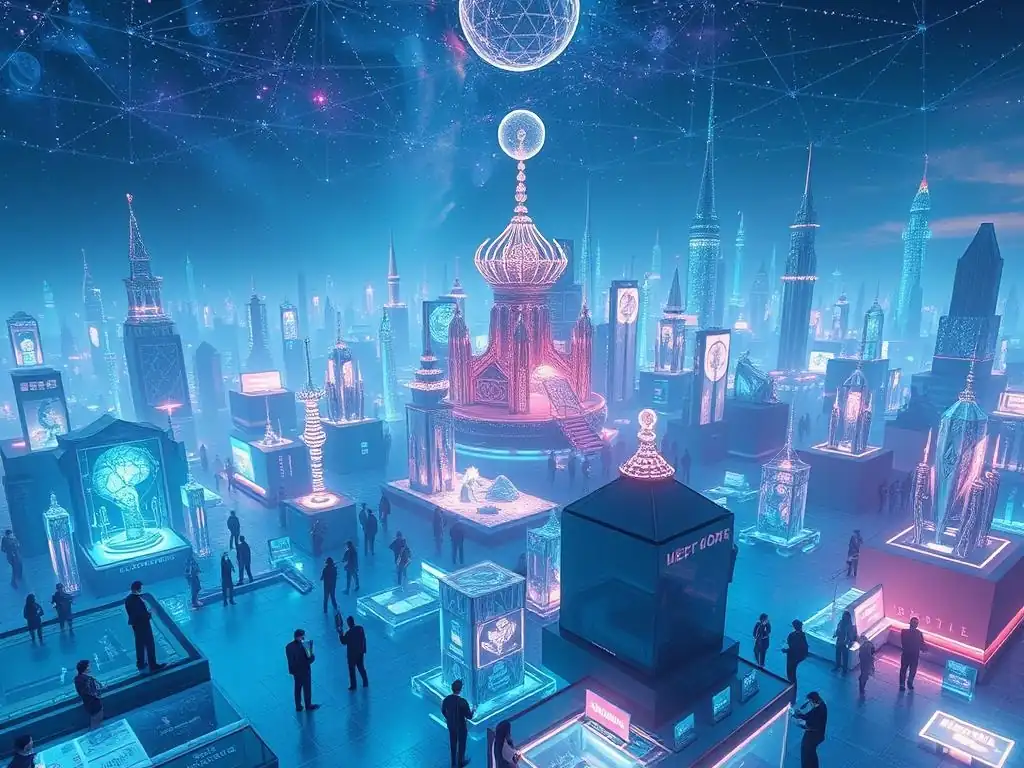
Welcome to Blockchain Trends, your compass navigating the ever-evolving landscape of blockchain technology. Beyond the headlines of cryptocurrency, we delve into the transformative power of decentralized systems. Ever wondered how blockchain is shaping the future of social interaction? This week, we explore the fascinating world of decentralized metaverse community building, uncovering the innovative ways people are connecting and creating vibrant ecosystems in virtual spaces. Discover the potential and the challenges ahead – the journey begins here.
- Understanding Decentralized Virtual World Community Building
- Benefits of Decentralized Community Engagement in Virtual Worlds
- Strategies for Building Thriving Decentralized Virtual World Communities
- Tools and Platforms for Decentralized Virtual World Community Building
- Case Studies: Successful Decentralized Virtual World Communities
- Overcoming Challenges in Decentralized Virtual World Community Building
- The Future of Social Interaction and Community in Decentralized Virtual Worlds
-
Frequently Asked Questions
- What is the significance of decentralization in the context of metaverse community building?
- How does blockchain technology facilitate socializing in the decentralized metaverse?
- What are some potential challenges in building and managing decentralized metaverse communities?
- Beyond social interaction, how can a decentralized metaverse benefit its community members economically?
- What role will regulation play in shaping the future of decentralized metaverse community building?
- Final Reflection: Weaving the Fabric of Tomorrow's Communities
- Shape the Metaverse: Step Into the Future of Connection!
Understanding Decentralized Virtual World Community Building
The concept of virtual worlds has been around for decades, evolving from text-based MUDs to graphically rich environments like Second Life. However, a fundamental shift is occurring with the advent of blockchain technology: the transition from centrally controlled platforms to user-owned social spaces. Traditional virtual worlds are governed by corporations, dictating rules, content moderation, and often monetizing user-generated content without equitable returns to creators.
In contrast, decentralized virtual worlds leverage blockchain to empower users with true ownership of digital assets, land, and identities. This shift is driven by a growing desire for digital sovereignty and a rejection of centralized control, particularly among communities that value transparency, self-governance, and equitable distribution of value. This paradigm shift is not just about technology; it represents a philosophical move towards a more democratic and user-centric internet, where individuals have greater agency and control over their digital experiences and social interactions.
This move towards user-owned spaces is further fueled by the increasing maturity of blockchain infrastructure and the growing understanding of its potential beyond just financial applications. Projects like Decentraland and Somnium Space, built on Ethereum, pioneered the concept of virtual land ownership represented by NFTs. These platforms are not simply games; they are nascent digital nations where users can build, socialize, and transact within economies they collectively shape.
The allure of these decentralized spaces lies in the promise of escaping the walled gardens of Web2 social platforms and participating in virtual worlds where users are stakeholders, not just renters. This ownership model fundamentally changes the dynamics of community building, shifting the focus from platform-centric to user-centric growth and development.
Key Characteristics of Virtual World Communities
Virtual world communities, whether centralized or decentralized, share some core characteristics, but decentralized environments introduce unique dynamics. Firstly, a strong sense of shared identity and purpose is crucial. Communities coalesce around common interests, activities, or goals, forming bonds through shared experiences within the virtual environment. This can range from gaming guilds in online RPGs to groups of artists showcasing their NFTs in virtual galleries.
Secondly, active participation and contribution are vital. Healthy virtual communities are not passive audiences but rather ecosystems where members actively create content, organize events, and engage with each other. Decentralized platforms often incentivize this participation through token rewards or governance rights. For example, in Decentraland, users who actively participate in events and community initiatives can earn MANA, the platform's native token.
However, decentralized virtual world communities are distinguished by their emphasis on user governance and economic empowerment. Ownership of digital assets, particularly land and in-world currencies, creates a vested interest in the community's success. This ownership fosters a stronger sense of responsibility and encourages long-term engagement compared to communities within centralized platforms where users have limited control and ownership.
Furthermore, decentralized governance models, often implemented through DAOs (Decentralized Autonomous Organizations), enable community members to collectively make decisions about platform development, resource allocation, and community guidelines. This participatory governance structure can lead to more resilient and adaptable communities that are truly shaped by their members, promoting a sense of collective ownership and direction absent in traditional virtual worlds.
Benefits of Decentralized Community Engagement in Virtual Worlds
Enhanced User Ownership and Control
One of the most compelling advantages of decentralized community engagement in virtual worlds is the enhanced user ownership and control. In traditional, centralized platforms, users are essentially tenants in a digital space controlled by a corporation. Their digital assets, identities, and even social connections are subject to the platform's terms of service, which can change arbitrarily. Decentralized virtual worlds, built on blockchain, flip this paradigm.
Users truly own their digital assets as NFTs, meaning they have verifiable ownership and control that extends beyond the platform itself. They can freely trade, transfer, and utilize these assets across different compatible platforms or even outside the virtual world ecosystem. This fundamental shift in ownership empowers users and mitigates the risks associated with platform dependence and centralized control.
This user ownership extends to governance as well. Decentralized communities often employ DAOs to distribute decision-making power among token holders. This means that users who are invested in the virtual world, often through land ownership or token holdings, have a direct say in shaping its future.
Decisions about platform upgrades, content moderation policies, and resource allocation are no longer solely in the hands of a central authority but are instead subject to community proposals and voting. This participatory governance model fosters a sense of collective responsibility and ensures that the virtual world evolves in a way that reflects the desires and needs of its community members. For example, in Somnium Space, land owners have voting rights and can participate in shaping the platform's roadmap and economic policies.
Fostering Collaboration and Innovation
Decentralized virtual world communities are fertile ground for collaboration and innovation due to their open and permissionless nature. Unlike closed, proprietary platforms, decentralized environments are often built on open-source principles, encouraging developers and creators to build upon existing infrastructure and contribute to the ecosystem. This open architecture lowers the barriers to entry for creators and fosters a culture of collaboration, where individuals can freely share ideas, tools, and resources.
The composability of blockchain technology further enhances this collaboration, allowing different decentralized applications and virtual worlds to interoperate and build upon each other's functionalities. This creates a dynamic and evolving ecosystem where innovation can flourish organically.
The economic incentives inherent in decentralized systems also drive collaboration and innovation. Token economies and NFT-based ownership models incentivize users to contribute to the community's growth and success. Creators are directly rewarded for their contributions, whether it's building experiences, creating content, or developing tools.
This direct alignment of incentives fosters a vibrant creator economy within the virtual world, encouraging individuals to collaborate and build innovative solutions that benefit the entire community. For instance, in Decentraland, the Builder tool empowers users to create scenes and experiences on their land, and many community members collaborate on larger projects, sharing resources and expertise to create richer and more engaging experiences for everyone.
Creating More Inclusive and Diverse Experiences
Decentralized virtual world communities have the potential to be significantly more inclusive and diverse than traditional online spaces. The open and permissionless nature of blockchain technology reduces gatekeeping and allows individuals from diverse backgrounds and locations to participate. Unlike centralized platforms that may impose geographical restrictions or censor content based on centralized policies, decentralized environments can offer greater freedom of expression and access to a global community. The focus on user ownership and governance also empowers marginalized communities to have a greater voice and shape virtual spaces that are more representative of their diverse needs and perspectives.
Furthermore, the economic models of decentralized virtual worlds can promote greater inclusivity. Token-based economies can create opportunities for economic participation for individuals who may be excluded from traditional financial systems. The ability to earn and trade digital assets within the virtual world can provide new income streams and empower individuals from underserved communities.
Moreover, the emphasis on community governance can ensure that the virtual world evolves in a way that is equitable and inclusive, addressing the needs and concerns of all community members, rather than being dictated by a centralized authority with potentially biased perspectives. For example, some decentralized virtual worlds are actively exploring ways to improve accessibility for users with disabilities, leveraging the flexibility of virtual environments to create more inclusive social experiences.
Strategies for Building Thriving Decentralized Virtual World Communities
Defining Community Purpose and Values
Building a thriving decentralized virtual world community begins with clearly defining its purpose and values. This foundational step is crucial for attracting like-minded individuals and establishing a strong sense of shared identity. A well-defined purpose provides a clear direction for the community, outlining its goals and what it aims to achieve within the virtual world.
This could be focused on creative expression, gaming, social interaction, education, commerce, or a combination of these. For example, a community might be built around showcasing and trading digital art NFTs, or it could be centered on collaborative game development within the virtual world. Clarity of purpose helps to attract the right members and fosters a sense of shared mission.
Equally important are the community's core values. These values act as guiding principles for community behavior and interactions, shaping the culture and norms within the virtual world. Values such as inclusivity, respect, collaboration, transparency, and innovation should be clearly articulated and actively promoted.
These values not only attract members who resonate with them but also provide a framework for resolving conflicts and maintaining a positive community environment. For instance, a community that values transparency might prioritize open communication and decentralized governance, while a community that values inclusivity would actively work to create a welcoming and accessible space for all members, regardless of their background or experience. Clearly defined purpose and values serve as the bedrock upon which a strong and sustainable decentralized virtual world community can be built.
Utilizing Decentralized Governance Models (DAOs) for Community Management
Decentralized governance models, particularly DAOs, are essential tools for managing decentralized virtual world communities effectively and equitably. DAOs leverage blockchain technology to create transparent and automated systems for community decision-making. Instead of relying on centralized moderators or platform administrators, DAOs empower community members to collectively govern the virtual world.
This is typically achieved through token-based voting, where users who hold a certain amount of the community's governance token have the right to propose and vote on decisions related to platform development, resource allocation, community guidelines, and more. This participatory governance model ensures that the community's direction is shaped by its members, fostering a sense of ownership and accountability.
Implementing a DAO for community management in a virtual world involves careful consideration of its structure and mechanisms. Key aspects include defining the governance token, establishing voting procedures, and outlining the scope of community decision-making. Different DAO frameworks and tools are available, such as Aragon and Snapshot, which can be used to create and manage DAOs effectively.
Successful DAO implementation requires clear communication and education to ensure that community members understand how the governance system works and how they can participate. When implemented effectively, DAOs can lead to more resilient, adaptable, and community-driven virtual worlds, fostering a sense of shared responsibility and ensuring that the platform evolves in a way that aligns with the collective interests of its members. Projects like Decentraland and Somnium Space are increasingly incorporating DAO elements into their governance structures to empower their communities.
Implementing Token-Based Incentive Systems for Engagement
Token-based incentive systems are powerful mechanisms for driving engagement and participation within decentralized virtual world communities. These systems leverage cryptocurrencies or platform-specific tokens to reward users for valuable contributions to the community. This can include activities such as creating content, participating in events, providing support to other members, curating experiences, or contributing to platform development. By incentivizing positive behaviors, token-based systems can foster a more active, vibrant, and collaborative community environment. The specific design of the token system is crucial, and it should be carefully aligned with the community's goals and values.
Various token incentive models can be implemented. "Proof-of-Contribution" models reward users based on the value and impact of their contributions, which can be assessed through community voting or algorithmic metrics. "Staking" mechanisms can incentivize long-term commitment by rewarding users for locking up their tokens and participating in governance or network security.
"Play-to-Earn" models, while often associated with gaming, can be adapted for broader community engagement by rewarding users for participating in various activities within the virtual world. The key is to design a token system that is fair, transparent, and sustainable, ensuring that rewards are distributed equitably and that the token economy supports the long-term health and growth of the community. Projects like The Sandbox and Axie Infinity demonstrate how token-based incentive systems can be effectively used to build thriving virtual world communities.
Leveraging NFTs for Community Membership and Identity
NFTs (Non-Fungible Tokens) offer unique opportunities for enhancing community membership and identity within decentralized virtual worlds. Beyond representing digital assets and collectibles, NFTs can serve as verifiable credentials for community membership, granting access to exclusive areas, events, or features within the virtual world. This creates a sense of exclusivity and belonging, strengthening community bonds and fostering a stronger sense of identity among members. For example, a virtual world community focused on digital art might issue NFTs as membership passes to exclusive art galleries or curator events within the metaverse.
NFTs can also be used to represent unique community roles and achievements. For instance, early contributors or active community members could be rewarded with special NFTs that signify their status and contributions. These NFTs can serve as digital badges of honor, recognizing valuable members and incentivizing continued participation.
Furthermore, NFTs can be customized to reflect individual member identities, allowing users to express their unique personalities and affiliations within the community. Avatars, virtual wearables, and even digital land ownership represented by NFTs can contribute to a richer and more personalized sense of identity within the decentralized virtual world. Projects like CryptoPunks and Bored Ape Yacht Club, although initially focused on collectibles, have demonstrated the power of NFTs in creating strong community identities and fostering a sense of belonging within the digital realm.
Tools and Platforms for Decentralized Virtual World Community Building
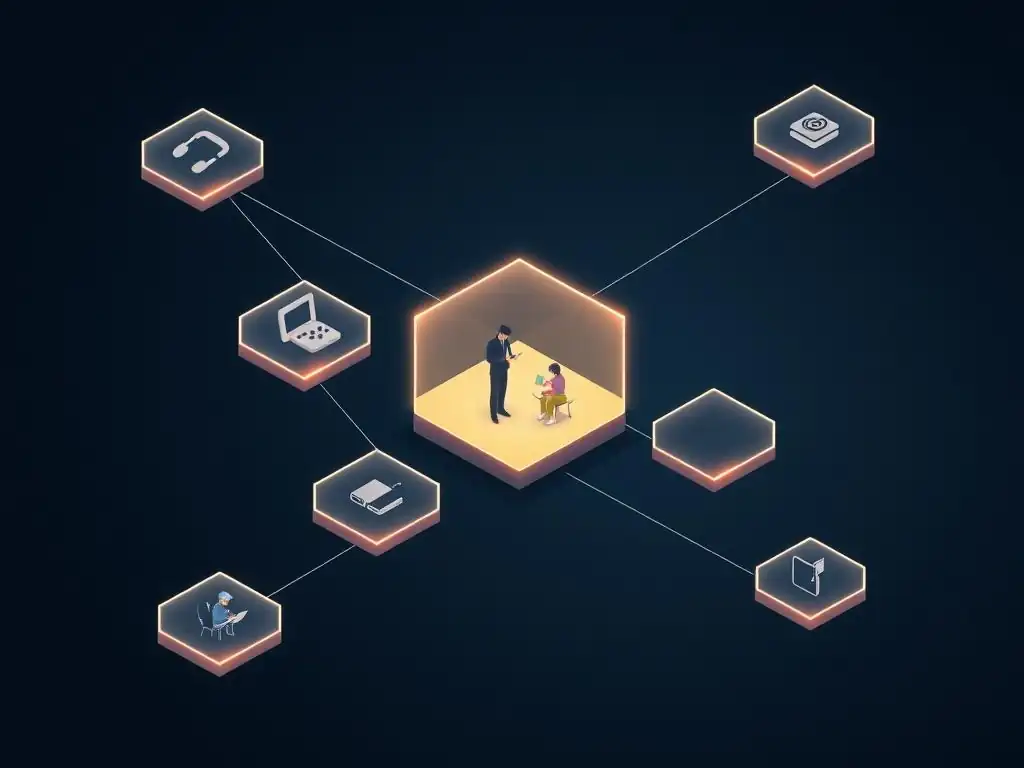
Overview of Leading Decentralized Platforms: Decentraland, Somnium Space, and Others
Several decentralized platforms are at the forefront of enabling decentralized virtual world community building. Decentraland, one of the earliest and most well-known, is a virtual world built on the Ethereum blockchain where users can buy, sell, and develop virtual land represented by NFTs. It offers a diverse range of experiences, from virtual casinos and art galleries to music venues and social hubs.
Decentraland is governed by a DAO, empowering LAND owners to vote on key decisions regarding the platform's future. Its open and decentralized nature has fostered a vibrant and diverse community of creators, developers, and users. As of late 2023, Decentraland boasts tens of thousands of active users and a thriving marketplace for virtual assets, demonstrating the potential of user-owned virtual spaces.
Somnium Space, another prominent platform built on Ethereum, emphasizes immersive and photorealistic virtual experiences. Like Decentraland, it utilizes NFTs for land ownership and assets, but it distinguishes itself with a focus on VR compatibility and a more curated aesthetic. Somnium Space also incorporates a DAO for community governance, allowing land owners to participate in platform decisions.
Its community is known for its strong focus on virtual real estate development and economic activity within the metaverse. While smaller than Decentraland in terms of user base, Somnium Space has a highly engaged community and a strong focus on building a high-fidelity, user-governed virtual world. Beyond these leaders, other emerging platforms like Cryptovoxels and Spatial are also contributing to the growing landscape of decentralized virtual worlds, each with its unique features and community focus, further diversifying the options available for decentralized metaverse community building.
Decentralized social media solutions are becoming increasingly important for fostering community interaction and engagement within decentralized virtual worlds. Traditional centralized social media platforms often present challenges in terms of data privacy, censorship, and platform dependence. Decentralized alternatives like Lens Protocol and Farcaster offer more user-centric and censorship-resistant solutions for social networking and community building that can be seamlessly integrated with virtual world experiences.
Lens Protocol, developed by the team behind Aave, is a decentralized social graph built on Polygon. It allows users to own their social data and content, represented as NFTs, and interact with decentralized applications in a permissionless and composable manner.
Farcaster, on the other hand, is a sufficiently decentralized social network focusing on short-form, Twitter-like messaging. It emphasizes censorship resistance and user control, allowing developers to build decentralized social applications on top of its network. Integrating platforms like Lens Protocol or Farcaster into decentralized virtual worlds enables users to maintain consistent digital identities across different virtual environments and social applications.
It facilitates seamless communication and community interaction, allowing users to connect with each other, share content, and organize events across various decentralized platforms. This integration is crucial for building a truly interconnected and interoperable metaverse ecosystem where communities can thrive beyond the confines of individual virtual worlds. The adoption of these decentralized social media solutions is still in its early stages, but their potential to enhance community building within decentralized virtual worlds is significant.
Using Blockchain-Based Communication Tools for Community Interaction: Discord with Collab.Land
While fully decentralized communication platforms are still evolving, existing tools, when combined with blockchain technology, can significantly enhance community interaction within decentralized virtual worlds. Discord, a popular communication platform for online communities, can be augmented with blockchain-based tools like Collab.Land to create more secure and decentralized community management systems. Collab.Land is a bot that integrates with Discord and other platforms, allowing community administrators to verify token ownership and grant access to exclusive channels or roles based on NFT or token holdings.
By integrating Collab.Land with a Discord server associated with a decentralized virtual world community, administrators can create gated communities where access is granted only to verified token holders or NFT owners. This enables the creation of exclusive spaces for community members who have demonstrated commitment or ownership within the virtual world ecosystem. For example, land owners in Decentraland or Somnium Space could gain access to private Discord channels reserved for land owners by verifying their LAND NFTs through Collab.Land.
This approach combines the user-friendliness and features of existing communication platforms like Discord with the security and decentralization of blockchain-based verification, providing a practical and effective solution for managing community access and fostering exclusive interactions within decentralized virtual world communities. While not a fully decentralized communication solution in itself, this approach represents a significant step towards leveraging blockchain to enhance community interaction within existing platforms.
Case Studies: Successful Decentralized Virtual World Communities
Decentraland's Builder Community: Fostering Creation and Collaboration
Decentraland's Builder Community stands out as a prime example of a successful decentralized virtual world community, particularly in fostering creation and collaboration. The Builder tool within Decentraland is a user-friendly interface that empowers anyone, regardless of coding skills, to create scenes and experiences on their virtual land parcels. This accessibility has been a key factor in attracting a diverse community of creators, ranging from artists and game developers to educators and entrepreneurs.
The community is not just passively consuming content but actively contributing to the growth and richness of the Decentraland metaverse. Estimates from early 2024 suggest that over 60% of Decentraland's LAND parcels have seen some form of user-generated content creation, highlighting the community's active participation.
Collaboration within the Builder Community is also a defining characteristic. Many creators work together on larger projects, sharing assets, expertise, and resources to build more ambitious and engaging experiences. Online forums, Discord channels, and in-world meetups facilitate these collaborations, fostering a supportive and collaborative environment.
Examples include community-led initiatives to build districts dedicated to specific themes like art, music, or gaming, showcasing the collective creativity of the community. Furthermore, the Decentraland DAO provides grants and funding opportunities to support community-led projects, further incentivizing collaboration and innovation. The success of Decentraland's Builder Community demonstrates how decentralized platforms can empower users to become active creators and collaborators, driving the organic growth and evolution of the virtual world.
Somnium Space's Land Owner Community: Driving Economic Activity and Governance
Somnium Space's Land Owner Community exemplifies how decentralized virtual world communities can drive economic activity and governance within these platforms. Land ownership in Somnium Space is a central aspect of the platform, with LAND NFTs representing parcels of virtual real estate that users can develop and monetize.
The Land Owner Community is highly engaged in the platform's economy, actively buying, selling, and developing LAND, creating a vibrant virtual real estate market. Transactions on the Somnium Space marketplace, primarily involving LAND NFTs and in-world assets, have consistently shown significant volume, indicating a robust and active economic ecosystem driven by the community.
Beyond economic activity, Somnium Space's Land Owner Community plays a crucial role in the platform's governance. Land owners are granted voting rights within the Somnium Space DAO, allowing them to participate in decisions related to platform development, feature prioritization, and economic policies. This participatory governance model ensures that the platform's direction is influenced by those who are most invested in its success – the land owners.
Community proposals and voting within the DAO have directly shaped platform updates and feature implementations, demonstrating the real impact of decentralized governance. The Somnium Space Land Owner Community serves as a case study in how ownership and governance can be effectively decentralized within a virtual world, empowering users to shape both the economic and developmental trajectory of the platform.
Overcoming Challenges in Decentralized Virtual World Community Building
Addressing Security and Privacy Concerns
Building thriving decentralized virtual world communities requires careful attention to security and privacy concerns. Decentralized platforms, while offering many advantages, are not immune to security vulnerabilities. Smart contract exploits, phishing attacks, and wallet security breaches are potential risks that community members may face.
Educating users about security best practices, such as using hardware wallets, being wary of suspicious links, and understanding smart contract risks, is crucial for mitigating these threats. Furthermore, platform developers must prioritize robust security audits and implement secure coding practices to minimize vulnerabilities in the underlying infrastructure. As decentralized virtual worlds handle valuable digital assets, security must be a paramount concern for both platform developers and community members.
Privacy is another critical aspect. While blockchain transactions are transparent, users still expect a degree of privacy in their social interactions and personal data. Decentralized platforms need to implement privacy-preserving technologies and mechanisms to protect user data and ensure that individuals have control over their personal information within the virtual world.
This could involve utilizing zero-knowledge proofs, homomorphic encryption, or other privacy-enhancing technologies. Striking a balance between transparency, inherent in blockchain, and user privacy is a key challenge for decentralized virtual world platforms. Open communication about data handling practices and clear privacy policies are essential for building trust and fostering a secure and privacy-respecting community environment.
Mitigating Toxicity and Misinformation
Mitigating toxicity and misinformation is a significant challenge in any online community, including decentralized virtual worlds. The open and permissionless nature of decentralized platforms, while fostering freedom of expression, can also create environments where harmful content, harassment, and misinformation can proliferate. Traditional centralized moderation approaches may not be fully applicable or desirable in decentralized environments. Community-driven moderation models, often facilitated through DAOs, offer a potential solution. These models empower community members to collectively define and enforce community guidelines, creating a more democratic and adaptable approach to content moderation.
However, decentralized moderation is not without its challenges. Ensuring fairness, preventing biases, and effectively addressing complex issues like hate speech and misinformation require careful design and implementation of moderation mechanisms. Token-based voting systems for moderation decisions, reputation systems to reward positive contributions and penalize harmful behavior, and clear escalation paths for resolving disputes are some potential strategies. Furthermore, fostering a community culture of respect, empathy, and critical thinking is crucial for proactively mitigating toxicity and misinformation. Education, clear community guidelines, and effective decentralized moderation mechanisms are all necessary components for creating safe and positive environments within decentralized virtual worlds.
Ensuring Scalability and Accessibility for all Users
Scalability and accessibility are crucial considerations for the long-term success and widespread adoption of decentralized virtual world communities. Blockchain technology, while revolutionary, currently faces scalability limitations. High transaction fees and slow transaction speeds on some blockchains can hinder user experience and limit the ability of decentralized virtual worlds to handle large numbers of concurrent users and complex interactions.
Layer-2 scaling solutions, such as rollups and sidechains, are being developed and implemented to address these scalability challenges, aiming to improve transaction throughput and reduce costs. Continued advancements in blockchain scalability are essential for ensuring that decentralized virtual worlds can accommodate growing communities and complex virtual environments.
Accessibility is equally important. Decentralized virtual worlds should be accessible to users with varying technical skills and resources. User-friendly interfaces, intuitive onboarding processes, and support for different devices and internet connections are crucial for lowering the barriers to entry. Furthermore, affordability is a key aspect of accessibility.
High entry costs, such as expensive virtual land or NFTs, can exclude many potential users. Exploring alternative models, such as fractional ownership, rental systems, or community-owned land initiatives, can help to make decentralized virtual worlds more accessible to a wider range of users, fostering more inclusive and diverse communities. Addressing both scalability and accessibility is paramount for realizing the full potential of decentralized virtual worlds and ensuring that they become truly inclusive and globally accessible social spaces.
The future of social interaction and community in decentralized virtual worlds is being shaped by several emerging trends in decentralized social technologies. One prominent trend is the development of more sophisticated and user-friendly decentralized social media protocols, like Lens Protocol and Farcaster, as previously mentioned. These protocols are evolving to offer richer features and functionalities, moving beyond basic messaging to support more complex social interactions, content sharing, and community organization. We can expect to see further innovation in decentralized identity solutions, enabling users to seamlessly manage their digital identities and reputations across different virtual worlds and decentralized applications.
Another key trend is the increasing integration of AI and machine learning into decentralized social platforms and virtual worlds. AI-powered tools can enhance community moderation, personalize user experiences, and facilitate more engaging social interactions. For example, AI could be used to detect and mitigate toxic content, recommend relevant communities and content to users, or even create more dynamic and interactive virtual world environments.
Furthermore, the rise of interoperability standards and cross-chain communication protocols is crucial for creating a more interconnected and seamless metaverse. As different decentralized virtual worlds and social platforms become more interoperable, users will be able to move more freely between environments, bringing their identities, assets, and social connections with them, fostering a truly interconnected and decentralized metaverse ecosystem.
Virtual worlds, particularly decentralized ones, are poised to play a significant role in shaping future social connections. As digital interactions become increasingly prevalent, virtual worlds offer immersive and engaging environments for social interaction, collaboration, and community building. They can transcend geographical limitations, connecting people from around the world based on shared interests and values.
Decentralized virtual worlds, with their emphasis on user ownership and governance, offer a compelling alternative to centralized social media platforms, potentially fostering more equitable and user-centric online social experiences. The ability to build and own digital assets within these worlds also creates new forms of digital economies and social interactions, blurring the lines between the physical and virtual realms.
Virtual worlds can also facilitate new forms of social expression and identity formation. Users can create avatars and digital identities that reflect their desired persona, experiment with different forms of self-expression, and build communities around shared virtual experiences.
The immersive nature of virtual worlds can foster deeper social connections and a stronger sense of presence compared to traditional text-based or 2D online interactions. As virtual reality and augmented reality technologies become more accessible, the immersive potential of virtual worlds will further enhance social interactions and community building, potentially leading to a future where virtual and physical social spaces are seamlessly integrated and interconnected.
Predictions for the Evolution of Decentralized Community Building
The evolution of decentralized community building in virtual worlds is likely to be characterized by several key developments. We can predict a continued growth in the sophistication and user-friendliness of decentralized governance tools and DAO frameworks, making it easier for communities to self-organize and manage virtual world platforms.
Token-based incentive systems will become more refined and nuanced, moving beyond simple rewards to incorporate more complex mechanisms for incentivizing diverse forms of community contribution and participation. NFTs will likely play an even greater role in community building, evolving beyond membership passes and digital collectibles to represent more complex forms of community identity, reputation, and access rights within virtual worlds.
Furthermore, we can anticipate a greater emphasis on creating more inclusive and accessible decentralized virtual worlds. Efforts to address scalability and cost barriers will continue, making these platforms more accessible to a wider global audience.
Community moderation mechanisms will evolve to become more effective and equitable, addressing toxicity and misinformation while preserving freedom of expression. Ultimately, the future of decentralized community building in virtual worlds is likely to be shaped by a continuous process of experimentation, innovation, and community feedback, leading to the emergence of more vibrant, user-owned, and socially impactful virtual spaces that redefine how we connect and build communities in the digital age.
Frequently Asked Questions
What is the significance of decentralization in the context of metaverse community building?
Decentralization ensures power is distributed, not held by a single entity. This fosters user ownership and creates more equitable governance within the metaverse communities.
Blockchain provides the underlying infrastructure for secure digital identities, transparent transactions, and verifiable ownership of digital assets, all crucial for metaverse social interactions.
What are some potential challenges in building and managing decentralized metaverse communities?
Challenges include governance complexities, scalability issues, and the need for effective moderation strategies to prevent harmful behavior in a decentralized environment.
The decentralized metaverse enables new economic models like play-to-earn games, NFT-based economies, and direct community funding, empowering members to generate value.
What role will regulation play in shaping the future of decentralized metaverse community building?
Regulation will need to balance innovation with consumer protection, addressing issues like data privacy, intellectual property rights, and financial security within the metaverse ecosystem.
Final Reflection: Weaving the Fabric of Tomorrow's Communities
The exploration of socializing within the decentralized metaverse reveals a landscape ripe with potential, yet also fraught with challenges. Decentralized metaverse community building is not merely a technological advancement; it's a fundamental shift in how we connect, collaborate, and construct shared realities. As we stand on the cusp of this new era, understanding the nuances of these virtual spaces is paramount to ensuring they foster inclusivity, creativity, and genuine human connection.
The impact of the decentralized metaverse extends far beyond gaming and entertainment. It promises to reshape education, commerce, and even governance, offering unprecedented opportunities for individuals to participate in shaping their own digital destinies. My own fascination with this space stems from the belief that it can empower marginalized voices and foster a more equitable world, provided we approach its development with intention and foresight. The metaverse is coming, and it will affect every product, company, and person that exists.
- Matthew Ball. This quote underscores the pervasive influence this technology will have, making thoughtful community building within it all the more crucial.
As you navigate the evolving landscape of the decentralized metaverse, I urge you to consider your role in shaping its future. Will you be a passive observer, or an active participant in building vibrant, inclusive communities? The choices we make today will determine the kind of world we inhabit tomorrow. Embrace the potential for connection, collaboration, and creativity, and let us collectively weave the fabric of a decentralized metaverse that reflects our highest aspirations for humanity.
Okay, I will create a Call to Action (CTA) for the end of a web article on "Socializing in the Decentralized Metaverse: Connecting and Building Communities" for Blockchain Trends (blockchaintrends.org), following your instructions. Here it is:
Shape the Metaverse: Step Into the Future of Connection!
Thank you for exploring the exciting possibilities of socializing in the decentralized metaverse! We hope you've gained valuable insights into how these emerging spaces are reshaping community and connection. Now, it's time to take these ideas from theory to reality.
Here are some immediate steps you can take to dive deeper:
- Attend a virtual event in a decentralized metaverse platform this week. Immerse yourself in the experience, observe how people interact, and start building your network.
- Share this article with your fellow crypto enthusiasts or gaming friends. Spark a conversation about the future of socializing online.
- Propose a collaborative art project or event concept to a community within a metaverse you resonate with and begin to build it.
Ready to become an active participant in shaping the future of social interaction in the metaverse? Share in the comments the name of the metaverse you will be exploring!
Leave a Reply