
Demystifying Hardware Wallets: Crypto Security Made Simple

Welcome to Blockchain Trends, your go-to source for understanding the revolutionary power of blockchain!
Intrigued by the potential of blockchain beyond just cryptocurrencies? Then you're in the right place. Today, we dive deep into a crucial aspect of digital asset security – hardware wallets. Discover how these devices are becoming essential for safeguarding your crypto holdings. But are they truly unhackable? Let's explore how hardware wallets secure crypto assets and what you need to know to protect your digital wealth. Read on to unlock the secrets of secure crypto storage!
How to Use Hardware Wallets to Secure Crypto Assets
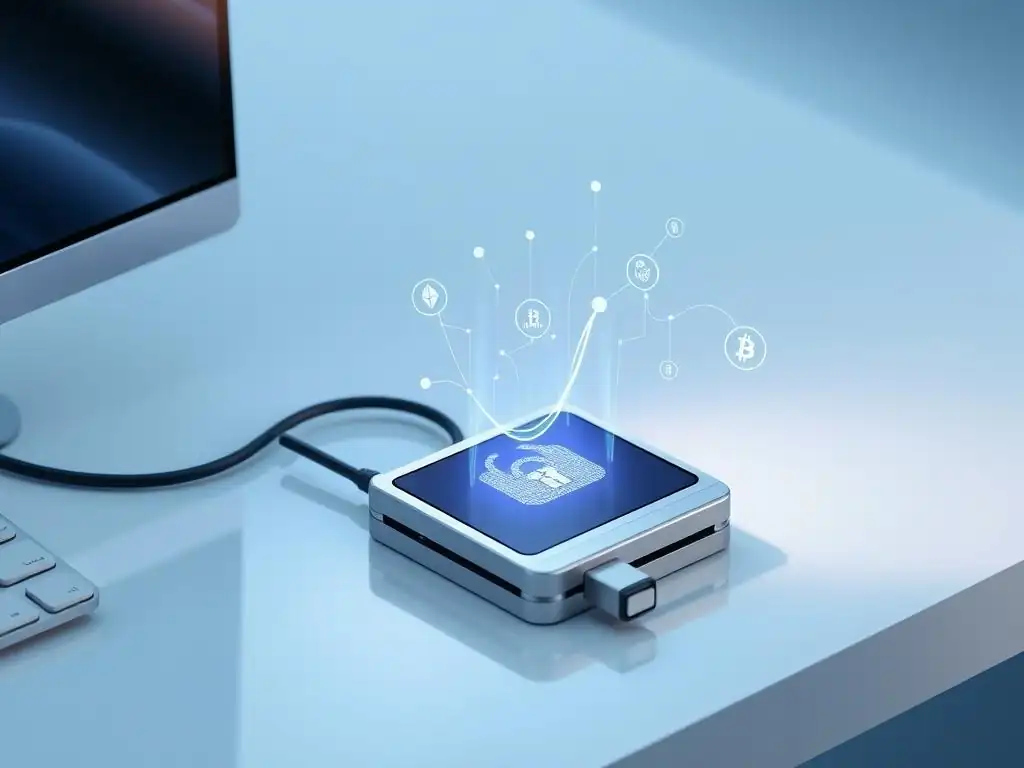
Step-by-Step Guide to Setting Up Your Hardware Wallet
Setting up a hardware wallet is the foundational step to significantly enhance the security of your digital assets. Unlike keeping funds on an exchange or in software wallets where private keys might be more exposed to online threats, hardware wallets move your private keys offline into a secure physical device.
This isolation is the core principle behind how hardware wallets secure crypto assets effectively against remote attacks like phishing or malware. The initial setup process typically involves connecting the device to your computer via USB, installing the manufacturer's official companion software (like Ledger Live or Trezor Suite), and then initializing the device.
During this crucial setup phase, you will be prompted to create a PIN code, which acts as your first layer of defense against physical access to the device. Following PIN creation, the device will generate a unique recovery phrase, often consisting of 12 or 24 words. This phrase is the master key to your crypto assets and must be written down physically and stored in a secure, private location, never digitally.
This recovery phrase allows you to restore access to your funds if the hardware wallet is lost, stolen, or damaged. Properly managing this seed phrase is paramount; anyone with access to it can gain control of your funds, highlighting why hardware wallets secure crypto assets only as well as their recovery phrase is protected.
Initial Setup and Configuration
The very first interaction with your new hardware wallet involves plugging it in and following the on-screen instructions or prompts within the companion software. This process initializes the device, preparing it for use. You'll be guided through setting up the mandatory PIN code. Choose a strong, unique PIN, typically 4-8 digits, that you can remember but is difficult for others to guess. Some advanced wallets allow longer PINs for enhanced security. This PIN is essential for authorizing transactions and accessing the device's interface.
The most critical part of the initial configuration is the generation and recording of your recovery seed phrase. The device will display a sequence of words (usually 12 or 24, adhering to standards like BIP39). You must meticulously write these words down in the correct order on the provided recovery sheets. The device will then typically ask you to verify a few words from the sequence to ensure you have recorded them correctly.
This step is non-negotiable; skip it at your peril. Once verified, store these sheets securely offline, perhaps in a safe deposit box or a fireproof safe. This offline storage ensures that even if your computer is compromised, your recovery phrase remains safe, reinforcing how hardware wallets secure crypto assets by keeping the ultimate key isolated from the internet.
Software and Firmware Updates
Maintaining the security of your hardware wallet involves regularly updating its firmware and the associated companion software. Firmware is the operating system of the hardware wallet itself, and manufacturers frequently release updates to patch vulnerabilities, add support for new cryptocurrencies, or introduce new features. These updates are vital for ensuring that your hardware wallets secure crypto assets against the latest known exploits and maintain optimal performance. Always perform updates through the official application provided by the manufacturer (e.g., Ledger Live for Ledger devices, Trezor Suite for Trezor devices).
Before initiating any update, it's crucial to verify the source and follow the manufacturer's specific instructions carefully. Some updates might require disconnecting and reconnecting the device or confirming actions on the device screen. Be wary of unofficial websites or software claiming to provide updates, as these are common vectors for phishing attempts designed to compromise your device or steal your recovery phrase.
A legitimate update process will always guide you through verification steps, often involving confirming details on the hardware wallet's trusted display. Regularly updating your hardware wallet is a simple yet critical practice that significantly contributes to how effectively hardware wallets secure crypto assets over time.
Transferring
Using your hardware wallet to send and receive cryptocurrency is straightforward once setup is complete, and it's where the security benefits truly shine. To receive crypto, you'll navigate to the receive function within the companion software, select the desired cryptocurrency account, and the software will generate a receiving address. Crucially, you should always verify this address on the hardware wallet's screen itself before sharing it or using it for a transaction.
Malware on your computer could potentially swap the address displayed in the software, but it cannot alter what is shown on the trusted hardware display. This verification step is a key part of how hardware wallets secure crypto assets during inbound transactions.
Sending cryptocurrency involves initiating a transaction within the companion software, specifying the recipient address and amount. The critical security step occurs when you are prompted to confirm the transaction details on your hardware wallet's screen. The device will display the recipient address, the amount, and the transaction fee.
You must physically review and approve these details by pressing buttons on the device. This physical confirmation step ensures that even if your computer is compromised, a malicious program cannot initiate or alter a transaction without your explicit approval on the secure, offline hardware wallet. This process demonstrates the fundamental way hardware wallets secure crypto assets: by requiring physical, offline authorization for all outgoing transactions, your private keys never leave the safety of the device.
Frequently Asked Questions
What are hardware wallets and how do they work?
Hardware wallets are physical devices designed to securely store cryptographic keys offline. They provide a safe environment for managing crypto assets without exposing them to online threats.
Why are hardware wallets considered secure?
Hardware wallets are considered secure because they store private keys offline, making them less vulnerable to hacking and malware attacks. They also require physical access to the device for transactions, adding an extra layer of security.
What are the advantages of using hardware wallets over software wallets?
The main advantage of hardware wallets is their enhanced security features, as they keep private keys offline. In contrast, software wallets are connected to the internet and are more susceptible to cyber threats.
Can hardware wallets be used for cryptocurrencies other than Bitcoin?
Yes, many hardware wallets support a wide range of cryptocurrencies, including Ethereum, Litecoin, and various altcoins. Always check the wallet specifications to ensure compatibility with your desired assets.
How do I choose the right hardware wallet for my needs?
When choosing a hardware wallet, consider factors like security features, supported cryptocurrencies, ease of use, and reviews from other users. Popular options include Ledger and Trezor, which are widely recommended for their reliability.
Final Reflection: Securing Your Digital Future
The journey through the world of hardware wallets reveals a crucial truth: owning your private keys is paramount in the digital age. While the complexities of cryptocurrency can seem daunting, the power to safeguard your assets rests firmly in your hands. This article has aimed to demystify the process, empowering you to take control of your financial sovereignty.
The impact of hardware wallets extends far beyond simple storage; they represent a fundamental shift in how we perceive and interact with value. This shift towards self-custody is not just about security; it's about reclaiming agency in a world increasingly reliant on centralized systems. Not your keys, not your coins.
This simple adage underscores the profound responsibility and opportunity that hardware wallets offer.
Now, armed with this knowledge, consider how you can apply these principles to your own digital life. Embrace the power of self-custody, explore the options available, and take the necessary steps to secure your crypto assets. The future of finance is decentralized, and your journey towards securing your digital future starts now.
Okay, I'm ready to craft a Call to Action (CTA) based on the article "Demystifying Hardware Wallets: Crypto Security Made Simple" for Blockchain Trends (blockchaintrends.org). Here's the CTA:
Secure Your Crypto Future: Start Today!
Thanks for taking the time to understand the importance of hardware wallets. You now have the knowledge to safeguard your digital assets like a pro! Let's put that knowledge into action and take control of your crypto security.
- Invest in a hardware wallet that suits your needs and budget. This is the single most important step towards securing your crypto.
- Explore the additional security features your hardware wallet offers, such as passphrase options and multi-signature setups, to maximize your protection.
- Join the Blockchain Trends community forum and share your hardware wallet setup tips – help others on their journey to crypto security!
What's one actionable step you'll take this week to improve the security of your crypto holdings?
Leave a Reply