
Blockchain's Impact on Ethical Supply Chain Regulation and Compliance


Welcome to Blockchain Trends, your guide to understanding the revolutionary power of blockchain beyond the hype. Are you curious about how this technology is shaping industries and creating a more equitable future?
Dive into our latest article to uncover how blockchain is revolutionizing blockchain supply chain ethics compliance, transforming how companies ensure responsible and transparent sourcing. Learn how this technology empowers consumers and regulators alike, creating a more ethical and accountable global marketplace. Ready to explore the future of trust and transparency?
Blockchain's Impact on Ethical Supply Chain Regulation and Compliance
- Introduction: Enhancing Ethical Practices with Blockchain in Supply Chains
- Understanding Blockchain's Core Capabilities for Supply Chain Transparency
- Blockchain Applications for Ethical Sourcing and Production
- Strengthening Supply Chain Regulation and Compliance with Blockchain
- Case Studies: Real-World Examples of Blockchain for Ethical Supply Chains
- Overcoming Challenges and Barriers to Blockchain Adoption in Supply Chains
- The Future of Blockchain and Ethical Supply Chain Compliance
- Conclusion: Blockchain as a Catalyst for Ethical and Compliant Supply Chains
-
Frequently Asked Questions
- How can blockchain technology improve supply chain transparency?
- What role does blockchain play in ensuring ethical sourcing of materials?
- How does blockchain help with regulatory compliance in supply chains?
- Can blockchain help combat counterfeit goods in the supply chain?
- What are the main challenges to implementing blockchain for supply chain ethics compliance?
- Final Reflection: Embracing Transparency and Trust
- Unleash Ethical Sourcing: Your Next Steps Await!
Introduction: Enhancing Ethical Practices with Blockchain in Supply Chains
The Growing Importance of Ethical Supply Chain Management
In an era of increasing global connectivity and consumer awareness, the ethical footprint of a company's supply chain has become a critical factor for reputation, consumer trust, and long-term viability. Stakeholders, from customers and investors to regulators and NGOs, are demanding greater transparency regarding labor practices, environmental impact, and the origin of goods.
Reports of forced labor, unsustainable sourcing, and human rights abuses in supply chains, often highlighted by investigative journalism and watchdog groups, have put significant pressure on companies to demonstrate robust ethical supply chain management. This heightened scrutiny makes effective Blockchain supply chain ethics compliance not just a moral imperative, but a strategic necessity.
The complexity and global reach of modern supply chains, often involving dozens or even hundreds of intermediaries across multiple countries, make it incredibly difficult for companies to have full visibility into every step, from raw material extraction to final product delivery. This lack of end-to-end transparency creates fertile ground for unethical practices to flourish undetected.
Consumers are increasingly willing to pay a premium for ethically sourced products, and companies that can credibly demonstrate their commitment to ethical standards through verifiable data gain a competitive advantage. Ensuring blockchain for ethical supply chain transparency is becoming a key differentiator in the market.
Addressing Compliance Challenges in Traditional Supply Chains
Traditional methods for ensuring supply chain compliance often rely on periodic audits, self-reporting by suppliers, and paper-based documentation. While these methods serve a purpose, they are inherently limited. Audits provide only a snapshot in time and can be costly and resource-intensive. Self-reporting is susceptible to inaccuracies or outright fraud. Paper trails are easily lost, altered, or fragmented across different systems and organizations, making it nearly impossible to trace a product's journey comprehensively and reliably. These limitations make it challenging to enforce regulations effectively and verify ethical claims, hindering robust supply chain ethics compliance.
Furthermore, the lack of a single, shared source of truth means that data about a product's origin, handling, or processing is often siloed within individual companies or systems. Reconciling this disparate information across a complex network is a monumental task, often leading to delays, disputes, and an inability to quickly identify and rectify non-compliant or unethical activities.
For instance, verifying that a product does not contain materials sourced from conflict zones or was not produced using child labor becomes an arduous, sometimes impossible, task with traditional methods. This highlights the urgent need for more robust, verifiable systems to support blockchain supply chain ethics compliance.
How Blockchain Technology Transforms Supply Chain Ethics
Blockchain technology offers a fundamentally different approach to supply chain management by providing a shared, immutable ledger that can record transactions and information at each step of a product's journey. This distributed ledger creates a transparent, verifiable history that is accessible to authorized participants in the network. By linking physical goods to digital records on the blockchain, companies can establish an undeniable chain of custody, from source to consumer. This inherent transparency is a game-changer for ethical sourcing and production, enabling unprecedented visibility into supply chain operations.
The core attributes of blockchain – immutability, transparency, and decentralization – directly address the shortcomings of traditional systems. Each transaction or piece of data added to the blockchain is cryptographically linked to the previous one, making it virtually impossible to alter past records without detection. This ensures data integrity and builds trust among participants. This verifiable record allows companies to confidently track the origin of materials, monitor working conditions, and verify compliance with ethical and sustainability standards, significantly enhancing blockchain supply chain ethics compliance efforts.
Understanding Blockchain's Core Capabilities for Supply Chain Transparency
Immutable Records: Ensuring Data Integrity in Supply Chain Operations
One of the most powerful features of blockchain technology is its immutability. Once data is recorded on a blockchain and validated by the network participants, it becomes exceptionally difficult, if not impossible, to alter or delete it retroactively. This is achieved through cryptographic hashing, where each new block of data is linked to the previous one using a unique digital fingerprint.
Any attempt to tamper with past data would break this chain, immediately signaling that the record has been compromised. This inherent resistance to manipulation is crucial for building trust and ensuring the reliability of information flowing through complex supply chains.
In the context of blockchain supply chain ethics compliance, immutable records provide an unalterable history of every event related to a product's journey. This includes details like the date and location of origin, handling information, quality checks, and certifications. For example, if a supplier claims a product is "fair trade" or "sustainably sourced," the relevant data and certifications can be recorded on the blockchain. This record cannot be later altered by the supplier to cover up non-compliant activities. This creates a single, trustworthy source of truth that all parties can rely on, drastically improving the verifiability of ethical claims.
Decentralized Ledger Technology (DLT) and its Role in Traceability
Blockchain is a type of Decentralized Ledger Technology (DLT), meaning the ledger is not stored in a single location or controlled by a single entity. Instead, copies of the ledger are distributed across a network of computers (nodes), and updates are agreed upon through a consensus mechanism. This decentralized nature eliminates the single point of failure and reduces reliance on a central authority, which could potentially manipulate data or restrict access. For supply chains, this means that traceability data is not held hostage by one company but is shared and verified across the network of participating partners.
This distributed and shared nature of the ledger is fundamental to achieving end-to-end traceability. As a product moves through the supply chain – from farm to processor, to manufacturer, to distributor, to retailer – each handoff and transformation can be recorded as a transaction on the blockchain. Because the ledger is shared and updated in near real-time, authorized participants gain unprecedented visibility into the product's journey. This allows for quick identification of bottlenecks, verification of origin, and confirmation that goods have been handled according to ethical guidelines, bolstering blockchain supply chain ethics compliance initiatives.
Smart Contracts: Automating Ethical Compliance in Supply Chains
Smart contracts are self-executing contracts with the terms of the agreement directly written into code. They run on the blockchain and automatically execute when predefined conditions are met, without the need for intermediaries. In supply chains, smart contracts can automate and enforce compliance with ethical standards and regulations. For example, a smart contract could be programmed to release payment to a supplier only after verifiable data indicating ethical labor practices (like confirmed working hours or safety checks) is recorded on the blockchain.
Smart contracts can significantly enhance supply chain ethics compliance by embedding ethical rules directly into the transaction flow. They can automate penalties for non-compliance or trigger alerts when ethical thresholds are breached. For instance, a smart contract could monitor temperature data for perishable goods to ensure they are transported ethically and safely, or verify that a specific component was sourced from an approved, ethical supplier before allowing the next step in the manufacturing process to proceed. This automation reduces the risk of human error, speeds up compliance checks, and provides a transparent, auditable record of enforcement.
Blockchain Applications for Ethical Sourcing and Production
Verifying Origin and Authenticity of Raw Materials with Blockchain
One of the most challenging aspects of ethical sourcing is verifying the true origin and authenticity of raw materials, especially in industries prone to counterfeiting or the use of conflict materials. Blockchain provides a robust solution by creating an immutable record of a material's journey from its source. By tagging materials at their point of origin (e.g., mine, farm, or forest) and recording this information on the blockchain, companies can establish a verifiable chain of custody. Subsequent handling, processing, and transportation steps are added to this digital trail, creating a comprehensive history.
This capability is particularly valuable in sectors like mining, where tracking conflict minerals (such as tin, tantalum, tungsten, and gold from certain regions) is mandated by regulations like the Dodd-Frank Act in the US or the EU Conflict Minerals Regulation. Companies using blockchain can demonstrate due diligence by proving that their materials were sourced from verified, non-conflict areas.
Similarly, in the luxury goods industry, blockchain can track diamonds, gold, or exotic skins to combat counterfeiting and ensure they are ethically sourced, directly contributing to blockchain supply chain ethics compliance. For instance, a pilot program for gold tracking might involve recording assay results, weight, and location as gold moves from a certified ethical mine to a refinery.
Monitoring Labor Practices and Preventing Exploitation using Blockchain Technology
Ensuring fair labor practices throughout the supply chain is a significant ethical challenge. Traditional audits often fail to capture the full picture of working conditions, wages, and hours. Blockchain technology offers new possibilities for monitoring labor practices by enabling the secure and transparent recording of relevant data. While directly tracking individual workers might raise privacy concerns, blockchain can track data points related to labor conditions, such as confirmed working hours against a standard, wage payments verified through integrated systems, or safety certifications linked to specific production batches.
Companies can utilize blockchain to create a verifiable ledger of labor compliance data provided by suppliers, potentially integrated with third-party verification services. For example, a garment manufacturer could record data showing that workers on a specific production line were paid at or above the minimum wage for hours worked on a particular batch of clothing.
This data, if verified and recorded on the blockchain, provides a far more credible demonstration of ethical labor practices than a simple declaration or a single audit report. This application directly supports blockchain supply chain ethics compliance by making labor condition claims auditable and transparent.
Ensuring Sustainable Production Processes through Blockchain-Based Tracking
Sustainability is a key component of ethical supply chains, encompassing environmental impact, resource usage, and waste management. Blockchain can play a vital role in tracking and verifying sustainable production processes and the movement of sustainable materials. By recording data points related to environmental impact, such as energy consumption per unit of production, water usage, or waste disposal methods, companies can create a transparent ledger of their sustainability performance. This data can be linked to specific product batches or production facilities.
For instance, a company committed to using recycled plastics could use blockchain to track the origin and quantity of recycled material used in each product run. This provides verifiable proof of their sustainability claims to consumers and regulators. Similarly, blockchain can track carbon emissions associated with transportation or production steps, allowing companies to accurately measure and report their environmental footprint. By making sustainability data verifiable and transparent on a shared ledger, blockchain helps drive accountability and incentivizes sustainable practices throughout the network, strengthening blockchain supply chain ethics compliance concerning environmental standards.
Strengthening Supply Chain Regulation and Compliance with Blockchain
Blockchain's Role in Meeting Regulatory Requirements for Supply Chain Transparency
Regulatory bodies worldwide are increasingly enacting legislation that requires companies to exercise due diligence and provide transparency regarding their supply chains, particularly concerning human rights and environmental impact. Examples include the UK Modern Slavery Act, the French Duty of Vigilance Law, and the upcoming EU directive on corporate sustainability due diligence. Meeting these complex and evolving requirements with traditional systems is a significant burden. Blockchain technology offers a powerful tool to streamline compliance by providing the required level of transparency and verifiable data.
By creating an immutable, shared record of supply chain activities, blockchain makes it easier for companies to collect, manage, and report the data needed to demonstrate compliance with these regulations. Instead of scrambling to gather fragmented information from various sources, companies can leverage the blockchain ledger as a central, trustworthy repository of compliance-relevant data. This facilitates the creation of accurate reports and reduces the risk of non-compliance penalties, significantly enhancing blockchain supply chain ethics compliance capabilities in the face of stringent regulations.
Streamlining Audits and Reporting with Blockchain-Enabled Systems
Audits are a cornerstone of supply chain compliance, but traditional audits can be time-consuming, expensive, and limited in scope. Auditors must sift through vast amounts of paper documents and disparate digital records, making the process inefficient and prone to errors. Blockchain-enabled systems can dramatically streamline the audit process by providing auditors with access to a complete, tamper-proof history of transactions and data points relevant to compliance.
With a blockchain ledger, auditors can quickly verify claims about origin, certifications, labor practices, or environmental standards by accessing the corresponding immutable records. This reduces the need for extensive document review and on-site visits, allowing auditors to focus on verifying the initial data entry points and the processes for recording data on the blockchain. This efficiency gains can significantly lower the cost and burden of audits while increasing their effectiveness, thereby improving overall supply chain ethics compliance verification. Reporting to regulators also becomes simpler, as the required data is readily available and verifiable on the distributed ledger.
Improving Accountability and Reducing Fraud in Supply Chains
The transparency and immutability provided by blockchain inherently improve accountability within the supply chain network. Because every participant's actions (as recorded on the blockchain) are visible and verifiable to authorized parties, there is a strong disincentive for engaging in unethical or non-compliant behavior. If a supplier falsifies data about the origin of materials or labor conditions, that false information is recorded on the immutable ledger, making it difficult to hide. This transparency fosters a culture of accountability among all supply chain partners.
Furthermore, blockchain's resistance to tampering makes it a powerful tool for reducing fraud. Counterfeiting, the diversion of goods, or the misrepresentation of product characteristics become much harder when a verifiable digital trail exists. By tracking products from source to destination, blockchain can confirm authenticity and provenance, protecting consumers and brands. This increased accountability and reduced fraud directly contribute to strengthening blockchain supply chain ethics compliance, ensuring that ethical standards are not just stated but actively upheld and verified throughout the network.
Case Studies: Real-World Examples of Blockchain for Ethical Supply Chains
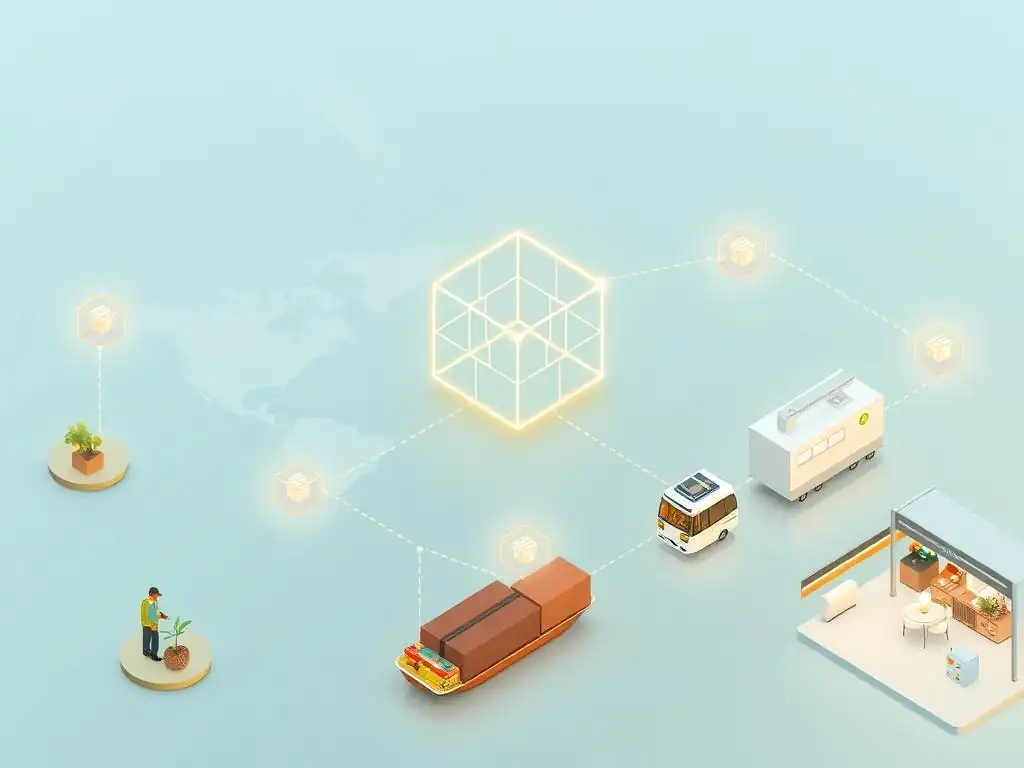
Case Study 1: De Beers and their Blockchain-Based Diamond Tracking Initiative
De Beers, the world's largest diamond producer, launched the Tracr™ platform, a blockchain-based system designed to track diamonds from mine to retailer. The diamond industry has historically faced scrutiny over the origin of stones, particularly concerning "conflict diamonds" used to finance wars. Tracr aims to provide an immutable record of a diamond's journey, including its weight, color, clarity, cut, and geological origin, as well as information about cutting, polishing, and certification.
By assigning a unique ID to each diamond registered on the platform, Tracr creates a digital twin that accumulates data at every step. This verifiable history helps assure consumers and regulators that diamonds are authentic and have been sourced and processed ethically, free from conflict. Participants on the platform, including miners, cutters, polishers, and retailers, contribute data, which is then validated and added to the shared ledger. This initiative directly addresses the need for blockchain supply chain ethics compliance within a high-value industry often criticized for its lack of transparency.
Case Study 2: Bumble Bee Foods Utilizing Blockchain for Tuna Traceability
Bumble Bee Foods, a major seafood company, partnered with SAP to implement a blockchain solution for tracking yellowfin tuna from Indonesia to the dinner table in the United States. The initiative allows consumers to scan a QR code on the product package and access detailed information about the tuna, including where and when it was caught, the name of the fishing vessel, the fishing method used (to ensure sustainability and ethical practices), and processing information.
This project provides unprecedented transparency in the seafood supply chain, an industry often plagued by issues like illegal fishing, mislabeling, and unethical labor practices. By recording key data points on the blockchain at various stages – from the fishing boat logging its catch details to the processor and distributor recording handling information – Bumble Bee creates a verifiable and accessible history for each tuna product. This empowers consumers with information to make informed choices and demonstrates Bumble Bee's commitment to ethical sourcing and sustainability, showcasing practical blockchain supply chain ethics compliance.
Analysis of Key Success Factors and Challenges in Implementing Blockchain for Supply Chain Ethics
These case studies highlight several key factors for successful blockchain implementation in enhancing supply chain ethics compliance. Firstly, clear value proposition: tracing conflict diamonds or ensuring sustainable seafood resonates with both regulators and consumers. Secondly, collaboration: involving multiple stakeholders across the value chain (miners, processors, retailers; fishermen, processors, distributors) is essential for populating the blockchain with accurate data. Thirdly, integration: linking the physical flow of goods with the digital data on the blockchain requires robust processes and technology integration at various points.
However, significant challenges remain. Data accuracy at the point of origin is paramount; "garbage in, garbage out" applies to blockchain just as it does to any database. Getting all supply chain partners, especially smaller ones in developing countries, to adopt and use the technology can be difficult due to cost, technical capacity, and trust issues.
Ensuring interoperability between different blockchain platforms or legacy systems is also a hurdle. Furthermore, balancing transparency with data privacy and competitive sensitivity requires careful design of the blockchain network and access permissions. Despite these challenges, the demonstrated benefits in traceability and verification are driving continued exploration and adoption of blockchain for blockchain supply chain ethics compliance.
Overcoming Challenges and Barriers to Blockchain Adoption in Supply Chains
Addressing Data Privacy and Security Concerns in Blockchain-Based Systems
While blockchain is designed for security and transparency, implementing it in supply chains raises data privacy and security concerns, particularly under regulations like GDPR. Recording sensitive business data or potentially identifiable information on a distributed ledger requires careful consideration. Public blockchains, where all data is visible, are generally unsuitable for private supply chain data. Private or permissioned blockchains, where access is restricted to known participants and data visibility can be controlled, offer a more viable solution.
Strategies to mitigate these concerns include using hashing to represent sensitive data on the chain rather than storing the data itself, storing sensitive information off-chain with only verifiable hashes on the blockchain, and implementing strict access controls. Companies must also establish clear data governance policies outlining what data is recorded, who has access, and how privacy is protected. Ensuring that data is only recorded with appropriate consent and anonymization techniques where necessary is crucial for maintaining trust and ensuring blockchain supply chain ethics compliance without violating privacy rights.
Ensuring Interoperability and Standardization Across Different Blockchain Platforms
The blockchain landscape is fragmented, with various platforms and protocols (e.g., Hyperledger Fabric, Ethereum, VeChain) being used for different supply chain applications. This creates a challenge for interoperability, as goods often move across supply chains that might utilize different blockchain networks. For end-to-end transparency, these disparate systems need to communicate and share data seamlessly, which is currently not always straightforward.
Establishing industry-wide standards for data formats, protocols, and network communication is essential for achieving true interoperability. Initiatives are underway by organizations like GS1 and the World Economic Forum to develop such standards. Until widespread standards are adopted, companies may need to rely on middleware or API layers to bridge different blockchain platforms or integrate blockchain data with legacy enterprise resource planning (ERP) systems. Achieving this interoperability is key to scaling blockchain supply chain ethics compliance across complex, multi-network environments.
Managing Costs and Scalability of Blockchain Implementations for Supply Chains
Implementing blockchain technology, especially across a vast network of supply chain partners, can involve significant upfront costs related to technology development, integration with existing systems, and training. Furthermore, depending on the blockchain platform and the volume of transactions, ongoing costs related to network operation and data storage can be a consideration. For small and medium-sized enterprises (SMEs) within a supply chain, these costs can be a significant barrier to participation.
Scalability is another challenge. While some blockchain platforms are designed for high transaction volumes, ensuring that the network can handle the immense amount of data generated by global supply chains – potentially millions of transactions per day – without performance degradation is critical. Solutions involve selecting appropriate blockchain architectures (e.g., private/permissioned chains optimized for enterprise use), utilizing layer-2 scaling solutions, and carefully designing which data is recorded on the chain versus off-chain. Addressing cost and scalability barriers is vital for widespread adoption and realizing the full potential of blockchain supply chain ethics compliance.
The Future of Blockchain and Ethical Supply Chain Compliance
Emerging Trends in Blockchain for Supply Chain Sustainability
Beyond basic traceability, blockchain is increasingly being explored for advanced sustainability tracking. Emerging trends include using blockchain to track and verify carbon footprints associated with specific products or supply chain activities. By integrating blockchain with IoT sensors, it's possible to automatically record energy consumption, emissions, or waste production data, providing an immutable ledger of environmental impact. This allows companies to credibly report on their sustainability performance and participate in carbon credit markets with verifiable data.
Another trend is the use of blockchain to facilitate circular economy initiatives. Blockchain can track the lifecycle of products and materials, enabling efficient sorting, recycling, and reuse. For instance, tracking the provenance of recycled materials or verifying that products are disposed of or recycled responsibly. As regulations around Extended Producer Responsibility (EPR) become more common, blockchain can provide the necessary transparency and accountability to manage product end-of-life processes effectively. These applications significantly broaden the scope of blockchain supply chain ethics compliance to encompass environmental stewardship.
Blockchain technology is poised to become a fundamental tool for companies serious about demonstrating Corporate Social Responsibility (CSR). Beyond compliance with minimum standards, CSR involves voluntarily integrating social and environmental concerns into business operations and interactions with stakeholders. Blockchain provides the infrastructure to back up CSR claims with verifiable data, moving beyond marketing rhetoric to tangible proof of ethical conduct.
By using blockchain to track fair labor practices, sustainable sourcing, ethical treatment of animals, or community impact initiatives within the supply chain, companies can build unprecedented trust with consumers, investors, and the public. A company claiming to source fair trade coffee can use blockchain to show the journey of coffee beans from a certified farm, including payment verification to farmers. This level of transparency enhances credibility and allows consumers to support companies that align with their values, making blockchain supply chain ethics compliance a cornerstone of modern CSR strategies.
Predictions for the Future of Blockchain-Driven Ethical Supply Chains
Looking ahead, it is likely that blockchain technology will become increasingly integrated into standard supply chain management systems, moving from pilot projects to widespread adoption, particularly driven by regulatory requirements and consumer demand for ethical products. We can expect to see more collaborative industry initiatives establishing common blockchain platforms and data standards for specific sectors like apparel, food, or electronics.
Furthermore, the integration of blockchain with other technologies like IoT, AI, and digital twins will create even more sophisticated systems for monitoring and verifying ethical compliance in real-time. Smart contracts will become more complex, automating compliance checks against a wider range of ethical and regulatory criteria. While challenges related to interoperability and scalability will persist, ongoing technological advancements and industry collaboration are expected to address these issues. The future points towards a supply chain landscape where blockchain supply chain ethics compliance is not an optional add-on but a fundamental requirement, underpinned by transparent, verifiable, and immutable data.
Conclusion: Blockchain as a Catalyst for Ethical and Compliant Supply Chains
Key Takeaways: How Blockchain is Transforming Supply Chain Ethics
Blockchain technology is not a panacea for all ethical issues in supply chains, but it is a powerful catalyst for positive change. Its core features – immutability, transparency, and decentralization – directly address the fundamental challenges of traditional supply chain management, namely lack of visibility, data fragmentation, and difficulty in verifying claims. By providing a shared, tamper-proof ledger, blockchain enables unprecedented traceability from origin to consumption.
This enhanced transparency allows companies to more effectively verify ethical sourcing, monitor labor practices, ensure sustainable production, and meet complex regulatory requirements. Real-world examples, such as De Beers tracking diamonds and Bumble Bee tracing tuna, demonstrate the practical application and benefits of blockchain in building trust and ensuring accountability. While challenges related to cost, scalability, interoperability, and data privacy remain, ongoing efforts are addressing these barriers, paving the way for broader adoption. Blockchain is fundamentally transforming the approach to blockchain supply chain ethics compliance by providing the technological foundation for verifiable ethical conduct.
Call to Action: Embracing Blockchain for a More Ethical and Transparent Future in Supply Chain Management
The imperative for ethical and compliant supply chains is growing stronger every day, driven by regulatory pressure, investor expectations, and consumer demand. Companies that proactively embrace technologies like blockchain to enhance their ethical practices and transparency will not only mitigate risks but also build stronger brands, gain competitive advantages, and contribute to a more sustainable and equitable global economy.
Implementing blockchain for supply chain ethics compliance requires strategic planning, collaboration across the value chain, and investment in technology and processes. It's a journey that begins with identifying critical ethical risks in your specific supply chain and exploring how blockchain's unique capabilities can address them. Engaging with industry consortia, piloting solutions, and fostering a culture of transparency and accountability are crucial steps. By leveraging the power of blockchain, businesses can move towards a future where ethical conduct in supply chains is not just a goal, but a verifiable reality.
Frequently Asked Questions
How can blockchain technology improve supply chain transparency?
Blockchain creates a permanent and immutable record of transactions, enabling enhanced traceability and visibility throughout the supply chain. This helps track products from origin to consumer, improving transparency.
What role does blockchain play in ensuring ethical sourcing of materials?
Blockchain enables verification of the origin and ethical practices associated with raw materials. This can help consumers and businesses ensure they are supporting sustainable and responsible sourcing.
How does blockchain help with regulatory compliance in supply chains?
Blockchain facilitates efficient data sharing and verification among stakeholders, streamlining compliance processes. It provides a reliable audit trail for regulatory bodies, reducing fraud.
Can blockchain help combat counterfeit goods in the supply chain?
Yes, blockchain can be used to create unique digital identities for products, making it harder to counterfeit them. This allows consumers to verify the authenticity of goods they purchase.
What are the main challenges to implementing blockchain for supply chain ethics compliance?
Challenges include scalability issues, lack of standardized protocols, and the need for collaboration among diverse stakeholders. These barriers need to be addressed for successful implementation.
Final Reflection: Embracing Transparency and Trust
The exploration of blockchain's potential to revolutionize ethical supply chain regulation and compliance reveals a critical truth: technology alone cannot guarantee ethical behavior, but it can provide the tools for unprecedented transparency and accountability. The journey from raw materials to finished product is often shrouded in complexity, making it difficult to ensure fair labor practices, environmental sustainability, and responsible sourcing. Blockchain offers a powerful mechanism to dismantle these opaque systems and foster a more ethical and trustworthy global marketplace.
This technology's influence extends far beyond mere efficiency gains; it fundamentally reshapes the cultural landscape of consumerism and corporate responsibility. The ability to trace a product's journey from origin to consumer empowers individuals to make informed choices and hold companies accountable for their actions. This shift towards conscious consumption is not a fleeting trend, but a growing movement fueled by a desire for greater transparency and ethical practices. As Margaret Mead wisely stated: Never doubt that a small group of thoughtful, committed citizens can change the world; indeed, it's the only thing that ever has.
Now, consider how you can leverage this knowledge to champion ethical practices in your own life. Whether you're a consumer, a business owner, or simply a concerned citizen, you have the power to demand greater transparency and support companies committed to ethical sourcing and production. Embrace the potential of blockchain and other technologies to create a more just and sustainable world, one transaction at a time. Let's work together to build a future where ethical supply chains are not just a compliance requirement, but a fundamental principle of global commerce.
Unleash Ethical Sourcing: Your Next Steps Await!
Thank you for exploring how blockchain can help create more ethical and transparent supply chains. We hope this article has shown how this technology can revolutionize compliance and promote responsible sourcing practices. Now, it's time to put that knowledge into action.
Here are some ways you can contribute to a more ethical future:
- Explore further: Map out your company's supply chain and consider implementing a pilot project to test blockchain-inspired transparency solutions.
- Share this article with colleagues and industry peers to spark discussions about the role of blockchain in promoting responsible sourcing.
- Investigate blockchain-based traceability platforms that align with your company's specific needs and ethical goals. Think about contributing to or joining open-source initiatives focused on ethical supply chains.
What concrete steps will you take to leverage blockchain for a more ethical and compliant supply chain? Share your thoughts in the comments below!
Leave a Reply