
Exploring Polkadot's Role in BlockchainBased Metaverse Interoperability


Welcome to Blockchain Trends, your guide to understanding the evolving landscape of blockchain technology.
Delve into the fascinating world beyond cryptocurrencies and discover how blockchain is reshaping industries. This week, we're tackling a critical piece of the puzzle: the Polkadot metaverse interoperability challenges. Can Polkadot truly unlock seamless experiences across different metaverses? Explore the hurdles and potential solutions as we unpack the future of interconnected virtual worlds. What obstacles stand in the way, and how can they be overcome? Read on to find out!
Exploring Polkadot's Role in Blockchain-Based Metaverse Interoperability
- Introduction: The Quest for Seamless Metaverse Interoperability
- Polkadot's Architecture and its Advantages for Metaverse Connectivity
- Addressing Polkadot Metaverse Interoperability Challenges: A Deep Dive
- Polkadot Parachains Designed for Metaverse Applications: Case Studies
- The Benefits of Using Polkadot for Metaverse Interoperability
- Polkadot vs. Other Interoperability Solutions for the Metaverse
- Future Developments and the Roadmap for Polkadot's Metaverse Integration
- Conclusion: Polkadot's Potential to Unlock a Truly Interoperable Metaverse
-
Frequently Asked Questions
- How does Polkadot facilitate metaverse interoperability?
- What are the main challenges hindering metaverse interoperability within the Polkadot ecosystem?
- How does Polkadot's parachain model differ from other interoperability solutions?
- What are some potential use cases for Polkadot in creating a more interoperable metaverse?
- What impact might regulation have on the development of Polkadot-based metaverse interoperability solutions?
- Final Reflection: Bridging Worlds with Polkadot
- Unlock the Metaverse: Dive Deeper into Polkadot's Potential!
Introduction: The Quest for Seamless Metaverse Interoperability
The Growing Need for Interoperability in Metaverse Platforms
The metaverse, envisioned as a network of interconnected, immersive digital worlds, is rapidly evolving from a futuristic concept to a tangible reality. As diverse metaverse platforms emerge, each often built on different blockchain technologies, the need for interoperability becomes increasingly critical. Users are no longer satisfied with walled gardens; they desire the ability to seamlessly move their digital identities, assets, and experiences across various virtual environments.
This demand for fluidity is not merely a matter of convenience; it's fundamental to realizing the true potential of a unified and expansive metaverse. Without interoperability, the metaverse risks becoming fragmented, hindering user adoption and limiting the overall growth of the digital economy. Imagine owning a unique digital artwork in one metaverse platform and being unable to showcase it or trade it in another – this scenario underscores the urgent need for solutions that bridge these isolated ecosystems.
Understanding the Limitations of Isolated Metaverse Ecosystems
Current metaverse platforms, while offering exciting experiences, often operate as independent silos. Built on different blockchains or proprietary technologies, these platforms lack the inherent ability to communicate and interact with each other. This isolation presents several significant limitations. Firstly, it fragments user communities, preventing the formation of a cohesive metaverse population. Users are forced to choose between platforms, potentially missing out on content, experiences, and social interactions available elsewhere.
Secondly, asset portability is severely restricted. Digital assets purchased or earned within one metaverse are typically locked within that ecosystem, diminishing their utility and value. This lack of interoperability also stifles innovation, as developers are constrained to building within specific platforms, limiting cross-platform collaborations and the emergence of truly interconnected metaverse experiences. The inability to share data and functionalities between metaverses also hinders the development of unified metaverse services and applications.
Introducing Polkadot as a Potential Solution for Metaverse Challenges
Polkadot, a blockchain network designed for interoperability, presents a compelling solution to the challenges of fragmented metaverse ecosystems. Unlike traditional blockchains that operate in isolation, Polkadot's architecture is specifically built to connect multiple specialized blockchains, known as parachains, into a unified network. This inherent interoperability makes Polkadot uniquely positioned to address the critical need for seamless communication and asset transfer between different metaverse platforms.
By leveraging Polkadot's cross-chain capabilities, metaverse developers can create platforms that are not isolated entities but rather interconnected components of a larger, more cohesive metaverse. Polkadot's focus on scalability, customization, and governance further enhances its suitability for building robust and evolving metaverse environments. Its innovative approach to blockchain architecture offers a promising pathway towards realizing the vision of a truly interoperable metaverse, where users can navigate seamlessly between virtual worlds, carrying their digital identities and assets with them.
Polkadot's Architecture and its Advantages for Metaverse Connectivity
Polkadot's Relay Chain: The Foundation for Interoperable Blockchains
At the heart of Polkadot's architecture lies the Relay Chain, which acts as the central hub for security, consensus, and interoperability. Think of the Relay Chain as the foundational layer that connects and secures all other blockchains within the Polkadot network. It doesn't handle application-specific transactions; instead, its primary function is to coordinate the entire network and ensure the secure communication between parachains.
This is achieved through a sophisticated consensus mechanism known as Nominated Proof-of-Stake (NPoS), which is energy-efficient and highly scalable. The Relay Chain provides shared security to all connected parachains, meaning that each parachain benefits from the collective security of the entire Polkadot network, without needing to establish its own independent security infrastructure. This shared security model is a significant advantage for metaverse projects, as it reduces the complexity and cost associated with securing their individual platforms, allowing them to focus on building innovative metaverse experiences.
Parachains: Customization and Scalability for Metaverse Applications
Parachains are the specialized, application-specific blockchains that connect to the Relay Chain. They are designed to be highly customizable and optimized for specific use cases, making them ideal for building diverse metaverse applications. Each parachain can have its own governance, consensus mechanism, and tokenomics, tailored to the specific needs of the metaverse platform it supports. This flexibility allows metaverse developers to create environments that are optimized for different types of experiences, such as gaming, social interaction, virtual commerce, or digital art. Furthermore, parachains benefit from the scalability of the Polkadot network. By distributing transaction processing across multiple parachains, Polkadot can handle a significantly higher volume of transactions compared to monolithic blockchains. This scalability is crucial for supporting the large user bases and complex interactions expected within metaverse environments. The ability to launch and customize parachains provides metaverse developers with a powerful toolkit to build scalable, specialized, and interconnected virtual worlds.
Cross-Chain Communication Protocol (XCMP): Enabling Seamless Asset Transfer
The Cross-Chain Message Passing (XCMP) protocol is a core component of Polkadot that enables secure and efficient communication between parachains. XCMP is the mechanism that truly unlocks interoperability within the Polkadot network, allowing parachains to send messages and transfer assets to each other without relying on external bridges or intermediaries.
This direct communication is crucial for creating seamless metaverse experiences where users can move digital assets, such as avatars, virtual land, or in-game items, between different metaverse platforms built on Polkadot parachains. XCMP ensures the integrity and security of cross-chain transfers, as it leverages the shared security of the Relay Chain.
For example, a user might earn a digital collectible in a metaverse game built on one parachain and then seamlessly transfer that collectible to a virtual marketplace built on another parachain within the Polkadot ecosystem. This ability to move assets fluidly between different metaverse environments is a fundamental step towards realizing a truly interconnected and user-centric metaverse.
Addressing Polkadot Metaverse Interoperability Challenges: A Deep Dive
Identifying Key Interoperability Obstacles in Current Metaverses
Despite the exciting potential of metaverses, several interoperability obstacles currently hinder their progress. Data standardization is a major hurdle. Each metaverse platform often uses proprietary data formats and protocols, making it difficult to exchange information and assets between them. For instance, avatar representations or virtual object descriptions might be incompatible across different platforms. Another significant challenge is liquidity fragmentation.
Digital assets are often siloed within individual metaverse ecosystems, leading to fragmented markets and reduced liquidity. This makes it harder for users to trade and utilize their assets across different virtual worlds. Furthermore, governance inconsistencies pose interoperability challenges. Different metaverses may have varying governance models and rules, creating complexities when users and assets move between them. Addressing these obstacles is crucial for unlocking the full potential of metaverse interoperability and creating a truly seamless and interconnected digital landscape.
How Polkadot Tackles Data Standardization using Parachains
Polkadot's parachain architecture offers a flexible approach to data standardization in the metaverse. While Polkadot itself does not enforce a single, universal data standard, it facilitates interoperability by allowing parachains to implement their own data standards while still being able to communicate with each other. This is achieved through the XCMP protocol, which provides a standardized communication layer, even if the data formats within each parachain are different.
Furthermore, the modular nature of Substrate, the framework used to build Polkadot parachains, allows developers to incorporate standardized data formats and protocols within their metaverse parachains. For example, metaverse parachains focused on digital art could adopt common NFT standards, while gaming-focused parachains could utilize standardized in-game asset formats.
This approach allows for a balance between flexibility and interoperability, enabling the metaverse to evolve organically while still promoting seamless data exchange where needed. Projects within the Polkadot ecosystem are also actively working on developing shared data standards and protocols specifically tailored for metaverse applications, further fostering interoperability.
Overcoming Liquidity Fragmentation with Polkadot's XCMP
Polkadot's XCMP protocol is instrumental in overcoming liquidity fragmentation in the metaverse by enabling seamless asset transfers between parachains. By allowing parachains to communicate and exchange assets directly, XCMP breaks down the silos that currently isolate metaverse ecosystems. This cross-chain asset transfer capability can lead to the creation of unified metaverse marketplaces where assets from different metaverse platforms can be traded and utilized.
For example, a decentralized exchange (DEX) built as a Polkadot parachain could facilitate the trading of virtual land NFTs from multiple metaverse platforms built on other parachains. This aggregation of liquidity across different metaverse platforms can significantly enhance the value and utility of digital assets.
Furthermore, XCMP enables the development of cross-metaverse applications that can leverage assets and functionalities from multiple parachains, creating richer and more interconnected user experiences. By fostering seamless asset movement and promoting the aggregation of liquidity, Polkadot's XCMP plays a crucial role in building a more unified and vibrant metaverse economy.
Polkadot Parachains Designed for Metaverse Applications: Case Studies
Acala Network: Enabling DeFi Integration within the Metaverse
Acala Network, a Polkadot parachain focused on decentralized finance (DeFi), plays a crucial role in bringing DeFi functionalities to the metaverse. Acala provides a suite of DeFi protocols, including a stablecoin (aUSD), a decentralized exchange (DEX), and staking derivatives. By integrating Acala into metaverse platforms built on Polkadot, users gain access to DeFi services directly within their virtual environments.
For example, users could use aUSD to purchase virtual goods, earn yield on their virtual assets through staking, or access decentralized lending and borrowing services within the metaverse. Acala’s cross-chain capabilities, enabled by XCMP, further extend its DeFi services to other parachains, facilitating seamless financial interactions across different metaverse platforms. This integration of DeFi into the metaverse, facilitated by Acala, is crucial for building a more robust and economically vibrant virtual world, where users can manage their digital finances and participate in decentralized economies directly within their metaverse experiences.
Moonbeam: Smart Contract Platform for Cross-Chain Metaverse Applications
Moonbeam, another prominent Polkadot parachain, functions as a developer-friendly smart contract platform that is compatible with Ethereum's tooling and ecosystem. This Ethereum compatibility is particularly significant for metaverse applications, as a large portion of metaverse development currently leverages Ethereum-based technologies. Moonbeam allows developers to easily deploy existing Ethereum-based smart contracts and decentralized applications (dApps) onto the Polkadot network, benefiting from Polkadot's interoperability and scalability.
For metaverse projects, Moonbeam offers a seamless migration path to Polkadot, enabling them to build cross-chain metaverse experiences without rewriting their entire codebase. Furthermore, Moonbeam’s XCMP capabilities allow smart contracts deployed on Moonbeam to interact with other parachains, facilitating the development of cross-chain metaverse applications that leverage functionalities and assets across different virtual worlds. Moonbeam bridges the gap between the existing Ethereum ecosystem and the Polkadot ecosystem, accelerating the development of interoperable metaverse platforms.
Bit.Country is a Polkadot parachain specifically designed to empower individuals to create their own metaverse social networks and virtual worlds. It provides a platform and tools for users to easily build and customize their own metaverses, fostering a decentralized and user-generated metaverse ecosystem. Bit.Country focuses on social interaction, community building, and digital ownership within these user-created metaverses.
By building on Polkadot, Bit.Country inherently benefits from interoperability, allowing user-created metaverses within Bit.Country to potentially connect and interact with other metaverse platforms built on different Polkadot parachains. This focus on user-generated content and social interaction, combined with Polkadot’s interoperability, positions Bit.Country as a key player in building a more decentralized and interconnected metaverse landscape, where individuals can create and own their own virtual spaces and communities within a larger, interoperable metaverse network.
The Benefits of Using Polkadot for Metaverse Interoperability
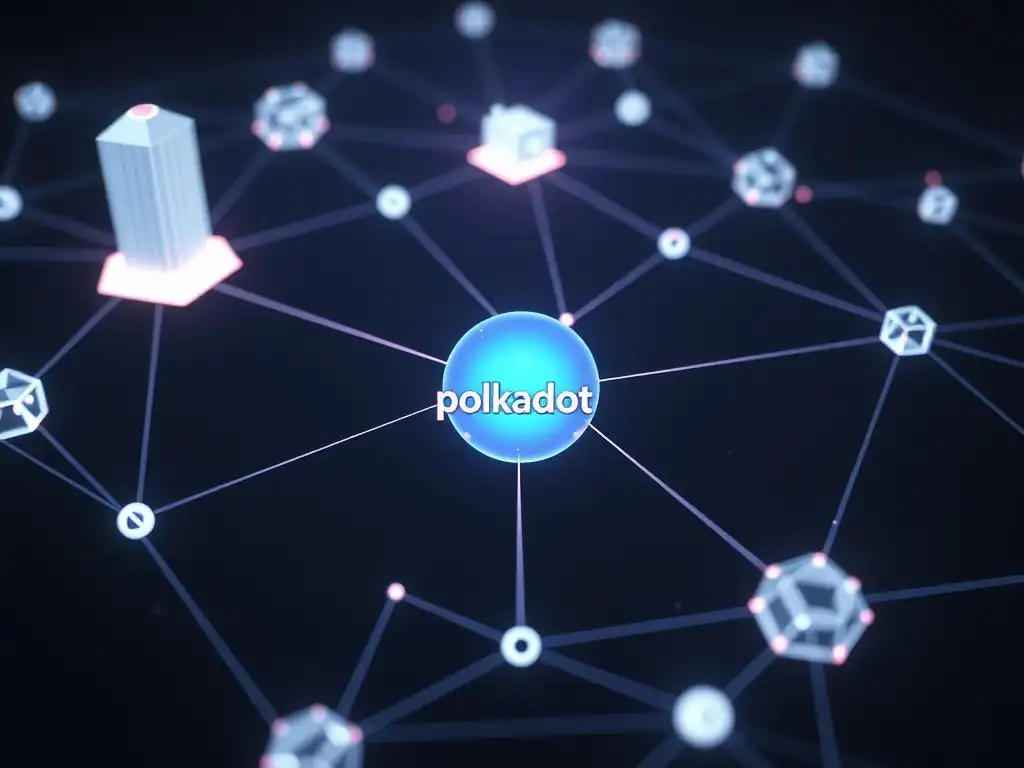
Enhanced User Experience through Seamless Asset Movement
Polkadot's interoperability capabilities directly translate to a significantly enhanced user experience within the metaverse. The ability to seamlessly move digital assets, such as avatars, virtual land, and in-game items, between different metaverse platforms eliminates the friction and limitations of siloed ecosystems. Users are no longer confined to a single virtual world; they can explore a diverse range of metaverse experiences while retaining ownership and control over their digital identities and assets.
This seamless asset movement fosters a more fluid and engaging metaverse experience, encouraging user exploration, participation, and investment in the digital world. Imagine a user being able to use the same avatar and digital collectibles across various metaverse games, social platforms, and virtual marketplaces – this level of interoperability creates a more unified and user-centric metaverse experience, driving broader adoption and engagement.
Increased Developer Innovation and Collaboration
Polkadot's interoperable architecture fosters a more collaborative and innovative environment for metaverse developers. By providing a platform for different metaverse projects to connect and interact, Polkadot encourages cross-platform collaborations and the sharing of resources and functionalities. Developers can build metaverse applications that leverage the strengths of different parachains, creating richer and more complex metaverse experiences.
For instance, a metaverse game could integrate DeFi functionalities from Acala, smart contract capabilities from Moonbeam, and social features from a Bit.Country-like parachain, all within a single interconnected metaverse environment. This collaborative ecosystem fosters innovation by reducing redundancy and encouraging developers to build upon each other's work, accelerating the overall development and evolution of the metaverse. The ability to easily integrate with other metaverse platforms also expands the potential market reach for individual metaverse projects, incentivizing developers to build within the Polkadot ecosystem.
Reduced Fragmentation and Improved Network Effects
By connecting disparate metaverse platforms, Polkadot directly addresses the issue of metaverse fragmentation and promotes stronger network effects. As more metaverse projects build on Polkadot and leverage its interoperability features, the metaverse ecosystem becomes more interconnected and cohesive. This increased interconnectedness creates stronger network effects, where the value of the metaverse for each user increases as more platforms and users join the network.
A more unified metaverse ecosystem attracts a larger user base, fosters greater liquidity for digital assets, and encourages further investment and innovation. Reduced fragmentation also simplifies user onboarding and navigation within the metaverse, making it more accessible and appealing to a wider audience. Polkadot's role in fostering interoperability is therefore crucial for unlocking the full potential of network effects within the metaverse, driving its growth and establishing it as a truly transformative technology.
Polkadot vs. Other Interoperability Solutions for the Metaverse
Comparing Polkadot to Cosmos
While Polkadot is a leading solution for blockchain interoperability, Cosmos is another prominent platform with similar goals. Both platforms aim to connect independent blockchains and enable cross-chain communication. However, they differ in their architecture and approach. Cosmos focuses on building an "Internet of Blockchains" through its Inter-Blockchain Communication Protocol (IBC). Each blockchain in the Cosmos ecosystem, known as a zone, maintains its own sovereignty and security.
Interoperability in Cosmos relies on IBC connections between these zones. Polkadot, in contrast, provides shared security through its Relay Chain, which secures all connected parachains. This shared security model is a key differentiator between Polkadot and Cosmos. While Cosmos offers greater sovereignty to individual blockchains, Polkadot provides stronger inherent security and more tightly integrated interoperability through its Relay Chain and XCMP protocol.
Analyzing the Strengths and Weaknesses of Each Approach
Cosmos' strength lies in its modularity and sovereignty. Blockchains built using the Cosmos SDK have greater control over their own security and governance. This can be advantageous for projects that prioritize independence and customization.
However, the reliance on individual blockchains to maintain their own security can also be a weakness, as smaller or newer blockchains may be more vulnerable to attacks. Polkadot's strength is its shared security model, which provides robust security to all parachains. This is particularly beneficial for metaverse projects that require high levels of security and trust.
Polkadot's XCMP protocol also offers a more integrated and efficient cross-chain communication mechanism compared to IBC in Cosmos. However, Polkadot's shared security model can also be seen as a limitation by projects that desire complete sovereignty. The choice between Polkadot and Cosmos often depends on the specific needs and priorities of the metaverse project, with Cosmos favoring sovereignty and Polkadot prioritizing security and integrated interoperability.
Why Polkadot Stands Out in Enabling True Metaverse Connectivity
Polkadot's architecture and features make it particularly well-suited for enabling true metaverse connectivity. Its shared security model provides a robust foundation for building secure and trustworthy metaverse platforms. The XCMP protocol offers a highly efficient and integrated mechanism for cross-chain communication and asset transfer, crucial for seamless metaverse experiences.
Polkadot's parachain architecture allows for the creation of specialized metaverse platforms optimized for different functionalities, while still being interconnected within the Polkadot ecosystem. Furthermore, the Substrate framework simplifies the process of building parachains, making it easier for metaverse developers to launch their own interoperable platforms on Polkadot. While Cosmos offers a valuable alternative for blockchain interoperability, Polkadot's focus on shared security, integrated cross-chain communication, and specialized parachain architecture positions it as a leading platform for realizing the vision of a truly interconnected and interoperable metaverse.
Future Developments and the Roadmap for Polkadot's Metaverse Integration
Ongoing Development of Polkadot's Interoperability Features
Polkadot's development is ongoing, with continuous enhancements to its interoperability features. Current and future development efforts are focused on further optimizing XCMP for greater efficiency and scalability, as well as exploring new interoperability paradigms. One notable area of development is the advancement of bridges to external blockchains, such as Ethereum and Bitcoin, which will further expand Polkadot's interoperability beyond its own ecosystem.
These bridges will enable seamless asset and data transfer between Polkadot and other major blockchain networks, enhancing the overall interconnectedness of the blockchain space and benefiting metaverse projects built on Polkadot. Research and development are also underway to improve the user experience of cross-chain interactions, making it even more seamless and intuitive for metaverse users to navigate between different platforms and manage their cross-chain assets.
Expected Impact on the Evolution of the Metaverse Landscape
Polkadot's continued development and adoption are expected to have a significant impact on the evolution of the metaverse landscape. As more metaverse projects build on Polkadot and leverage its interoperability features, the metaverse is likely to become increasingly interconnected and less fragmented. This trend towards interoperability will foster a more user-centric metaverse, where users have greater freedom and control over their digital identities and assets.
The increased ease of cross-chain asset transfer and communication will likely drive innovation in metaverse applications, leading to the emergence of new and more complex metaverse experiences that leverage functionalities from multiple platforms. Furthermore, Polkadot's focus on scalability and customization will enable the metaverse to support a growing user base and accommodate diverse metaverse applications, paving the way for the metaverse to become a mainstream digital platform.
The Role of Community and Governance in Shaping Polkadot's Metaverse Strategy
The Polkadot community and its governance mechanisms play a crucial role in shaping Polkadot's metaverse strategy. Polkadot's governance is decentralized and community-driven, allowing DOT token holders to participate in decision-making processes related to the network's development and direction. This includes proposals and decisions related to interoperability features, parachain slot auctions, and the overall roadmap for Polkadot's metaverse integration.
The Polkadot community actively engages in discussions and proposals related to metaverse use cases and interoperability solutions, contributing to the evolution of Polkadot as a metaverse-friendly platform. This decentralized governance model ensures that Polkadot's metaverse strategy is aligned with the needs and desires of its community and the broader metaverse ecosystem, fostering a collaborative and community-driven approach to building the interoperable metaverse of the future.
Conclusion: Polkadot's Potential to Unlock a Truly Interoperable Metaverse
Recap of Polkadot's Key Contributions to Metaverse Interoperability
Polkadot's architecture, particularly its Relay Chain, parachains, and XCMP protocol, provides a robust framework for achieving metaverse interoperability. Its shared security model, customization options, and efficient cross-chain communication capabilities address key challenges in building interconnected metaverse platforms. Parachains like Acala, Moonbeam, and Bit.Country demonstrate the diverse range of metaverse applications being built within the Polkadot ecosystem, showcasing the platform's versatility and potential. Polkadot's approach to interoperability offers significant benefits, including enhanced user experience, increased developer innovation, and reduced fragmentation, paving the way for a more unified and user-centric metaverse.
The Future of Blockchain-Based Metaverses with Polkadot
The future of blockchain-based metaverses is increasingly intertwined with interoperability solutions, and Polkadot is poised to play a central role in this evolution. As Polkadot's interoperability features continue to develop and mature, and as more metaverse projects adopt its platform, the vision of a truly interconnected metaverse becomes increasingly attainable. Polkadot’s technology offers a pathway to break down the silos between existing metaverse platforms, creating a more seamless and expansive digital world. The platform’s commitment to scalability, security, and community-driven governance further strengthens its position as a leading infrastructure provider for the next generation of interoperable metaverses.
Addressing Polkadot Metaverse Interoperability Challenges and Opportunities
While Polkadot offers a powerful solution for metaverse interoperability, challenges remain and new opportunities emerge. Ongoing efforts to standardize data formats and protocols within the Polkadot metaverse ecosystem are crucial for maximizing interoperability. Further development of bridges to external blockchains will expand Polkadot's reach and impact on the broader metaverse landscape.
As the metaverse continues to evolve, Polkadot's flexible and adaptable architecture positions it to address emerging interoperability challenges and capitalize on new opportunities. The platform's commitment to innovation and community collaboration ensures that Polkadot will remain at the forefront of the quest for a truly interoperable and interconnected metaverse, unlocking the full potential of this transformative technology.
Frequently Asked Questions
How does Polkadot facilitate metaverse interoperability?
Polkadot's parachain architecture allows different blockchains (parachains) to connect and communicate, enabling the transfer of assets and data between them. This cross-chain functionality is crucial for building a unified metaverse experience. The Relay Chain provides security.
What are the main challenges hindering metaverse interoperability within the Polkadot ecosystem?
Challenges include standardizing data formats across different parachains, ensuring consistent governance models, and addressing security vulnerabilities when transferring assets between chains. Technical complexity is also a hurdle.
How does Polkadot's parachain model differ from other interoperability solutions?
Unlike bridge-based solutions, Polkadot's parachain model offers shared security and native interoperability. This means parachains benefit from the Relay Chain's security, reducing the risk of attacks compared to externally validated bridges.
What are some potential use cases for Polkadot in creating a more interoperable metaverse?
Polkadot could enable the seamless transfer of digital assets (NFTs, in-game items) between different metaverse platforms. It can also facilitate cross-metaverse experiences where users can interact with multiple virtual worlds using a single identity.
What impact might regulation have on the development of Polkadot-based metaverse interoperability solutions?
Regulatory uncertainty surrounding digital assets and cross-chain transfers could slow down development. Clear and consistent regulations are needed to foster innovation while protecting users and ensuring compliance.
Final Reflection: Bridging Worlds with Polkadot
The exploration of Polkadot's role in metaverse interoperability reveals a landscape ripe with potential, yet shadowed by significant challenges. The promise of seamless asset and data transfer between virtual worlds hinges on overcoming these hurdles, impacting not only the technical architecture but also the very fabric of the emerging metaverse experience. This is not merely a technological pursuit; it's a quest to define the future of digital interaction and ownership.
The ongoing development of Polkadot's parachain ecosystem and its cross-chain messaging capabilities underscores the profound influence this technology has on shaping the metaverse. Witnessing the evolution of these solutions, and the collaborative spirit driving them, reinforces the belief that a truly interconnected metaverse is within reach. The metaverse is coming, and it will affect every product, company, and person it touches. The question is, will you be proactive, or reactive?
- Matthew Ball. This quote encapsulates the urgency and importance of addressing Polkadot metaverse interoperability challenges head-on.
As we stand at the cusp of this digital revolution, let us not shy away from the complexities that lie ahead. Instead, let us embrace the challenge of fostering a truly interoperable metaverse, one where creativity knows no bounds and digital ownership is respected across all virtual realms. Consider how you can contribute to this future, whether through innovation, collaboration, or simply by advocating for a more connected and equitable digital world. The future of the metaverse is not predetermined; it is being built, brick by digital brick, and your contribution matters.
Unlock the Metaverse: Dive Deeper into Polkadot's Potential!
Thank you for exploring Polkadot's pivotal role in shaping the future of metaverse interoperability with Blockchain Trends. We hope this article has shed light on how Polkadot can bridge the gaps between virtual worlds. Now, it's time to take action and become a part of this exciting evolution!
Here's how you can get involved:
- Start building! Explore Polkadot's Substrate framework and begin prototyping your own interoperable metaverse experiences.
- Delve into the Polkadot ecosystem. Research and support promising projects leveraging Polkadot for cross-chain metaverse development.
- Share this article with your network. Help spread the word about Polkadot's unique capabilities in driving metaverse interoperability and fostering a more connected digital future.
What innovative interoperability solutions will you help bring to the metaverse with Polkadot's technology? Share your thoughts in the comments below!
Leave a Reply