
The Democratization of Art: How NFTs are Fundamentally Changing the Art World

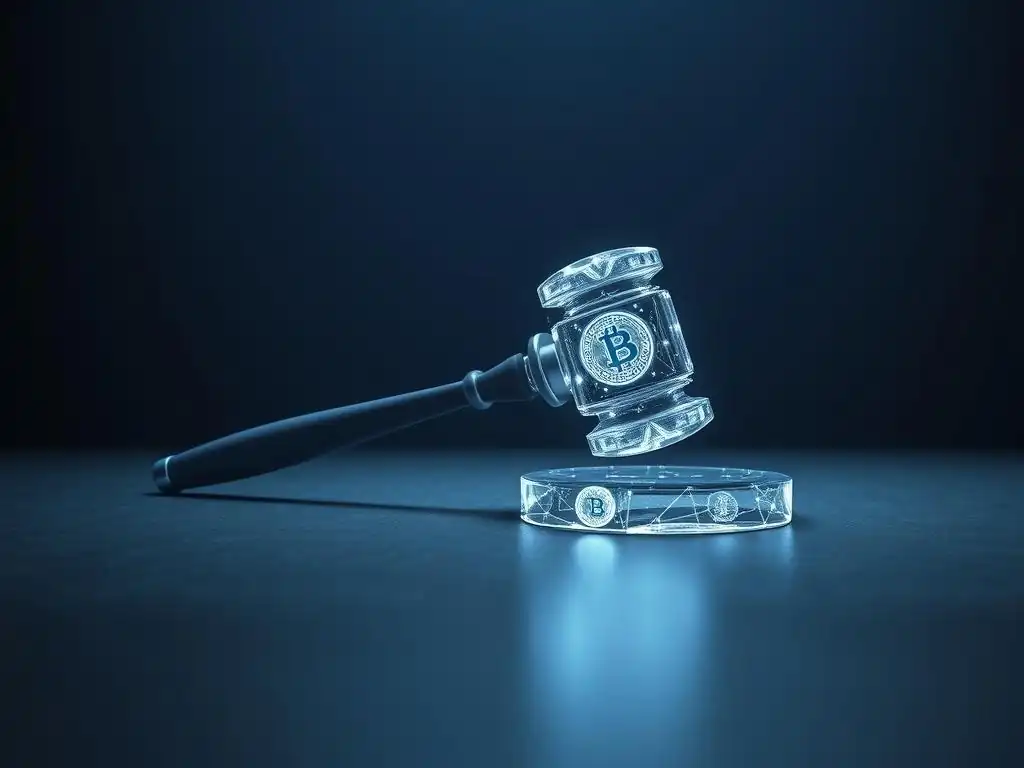
Welcome to Blockchain Trends, your compass in the evolving world of decentralized technologies! Beyond the hype, we delve into the real-world applications of blockchain, from reshaping finance to revolutionizing industries. Curious about how this technology is impacting the creative sphere? Discover how NFTs are transforming the art market, democratizing access and ownership in ways previously unimaginable. Explore this fascinating intersection of art and technology and unlock the potential of this groundbreaking shift.
The Democratization of Art: How NFTs are Fundamentally Changing the Art World
- Introduction: NFTs and the Revolution in Art Ownership
- The Traditional Art World: Barriers to Entry and Exclusivity
- NFTs Transforming Art Market: A New Paradigm for Artists
- How NFTs Democratize Art Access for Collectors
- The Impact of NFTs on Digital Art and Collectibles
- Overcoming Challenges in the NFT Art Space
- Case Studies: Successful Artists and NFT Projects
- The Future of Art: Beyond the Traditional Gallery System
- Conclusion: NFTs Ushering in a New Era for Art
-
Frequently Asked Questions
- What are NFTs and how are they connected to the art market?
- How are NFTs democratizing the art world?
- What are some potential benefits for artists who utilize NFTs?
- What are the main concerns or criticisms surrounding NFTs and the art market?
- What is the future outlook for NFTs in the art world, considering the current trends?
- Final Reflection: Embracing the Digital Canvas
- Ignite Your Inner Collector: Join the NFT Art Revolution!
Introduction: NFTs and the Revolution in Art Ownership
Blockchain Trends: Exploring the Intersection of Art and NFTs
The intersection of art and blockchain technology, specifically through Non-Fungible Tokens (NFTs), marks a significant paradigm shift in how art is created, owned, and distributed. Blockchain Trends, a platform dedicated to exploring the transformative potential of blockchain, recognizes NFTs as a pivotal development extending far beyond the realm of cryptocurrencies.
This technology is not merely a trend; it represents a fundamental restructuring of established systems, and the art world, with its inherent complexities and historical barriers, is ripe for this disruption. We are witnessing the genesis of a decentralized art ecosystem, powered by blockchain, that promises to redefine the roles of artists, collectors, and intermediaries.
NFTs, leveraging the security and transparency of blockchain, offer a unique digital certificate of ownership for art. This is particularly impactful in the digital realm, where replication and copyright infringement have historically posed challenges to artists. By tokenizing digital artworks, NFTs establish verifiable scarcity and provenance, addressing core issues that have plagued the digital art space. Blockchain Trends acknowledges that this technology is not without its complexities and challenges, but its potential to democratize access to art, empower creators, and foster new forms of artistic expression is undeniable and warrants in-depth exploration and analysis.
The Promise of NFTs: Empowering Artists and Collectors
The promise of NFTs lies in their ability to empower both artists and collectors in unprecedented ways. For artists, NFTs offer a direct pathway to monetize their work, bypassing traditional gatekeepers like galleries and auction houses. This direct-to-consumer model allows artists to retain a larger share of the revenue generated from their creations and establish a more direct relationship with their audience. Furthermore, NFTs can be programmed to include royalty clauses, ensuring that artists receive a percentage of secondary market sales, creating a sustainable income stream that was often absent in the traditional art market.
For collectors, NFTs provide verifiable ownership and provenance, mitigating concerns about authenticity, especially in the rapidly expanding digital art market. The transparent nature of the blockchain ledger ensures that the ownership history of an NFT is immutable and publicly accessible. This transparency builds trust and confidence in the digital art space, attracting a new generation of collectors who are comfortable with digital assets and appreciate the accessibility and community-driven aspects of the NFT art world. The promise of NFTs extends beyond mere transactional efficiency; it fosters a more equitable and engaged art ecosystem for all stakeholders.
The Traditional Art World: Barriers to Entry and Exclusivity
Gatekeepers of the Art World: Galleries, Auction Houses, and Curators
The traditional art world is characterized by a hierarchical structure with galleries, auction houses, and curators acting as significant gatekeepers. These institutions, while playing a vital role in art preservation and promotion, often control access and dictate the trajectory of artists' careers and market valuations. Galleries serve as intermediaries between artists and collectors, curating exhibitions and managing sales, but they also wield considerable power in selecting which artists are showcased and promoted.
Auction houses, such as Christie's and Sotheby's, historically dominate the high-end art market, setting price benchmarks and influencing perceptions of artistic value. Curators, particularly those in influential museums and institutions, shape artistic narratives and legitimize artists within the established art historical canon.
This concentration of power in the hands of a few institutions can create significant barriers for emerging and independent artists. The selection process for gallery representation is often highly competitive, and artists without established connections or significant financial resources may struggle to gain entry. Auction houses typically deal with established artists with proven market value, further limiting opportunities for newcomers.
While curators play a crucial role in scholarly discourse and artistic interpretation, their preferences and biases can also influence which artists receive critical attention and institutional recognition. This gatekeeping system, while intended to maintain quality and standards, can inadvertently stifle innovation and limit diversity within the art world.
Financial Barriers: High Commissions and Limited Access for Emerging Artists
Financial barriers in the traditional art world significantly impact both artists and aspiring collectors. Galleries typically charge commissions ranging from 40% to 60% on art sales, substantially reducing the income artists receive from their work. For emerging artists who are not yet commanding high prices, these commissions can make it challenging to sustain a viable artistic practice. Furthermore, the costs associated with art production, studio space, materials, and marketing can be prohibitive, especially for artists from marginalized backgrounds or those without independent financial means.
For collectors, the high prices in the traditional art market, particularly for established artists, create a significant barrier to entry. Acquiring art through galleries or auction houses often involves navigating complex processes, requiring substantial capital, and potentially engaging with art advisors or consultants, further increasing costs.
The lack of price transparency in some segments of the traditional art market can also be intimidating for new collectors, making it difficult to assess fair market value and potentially leading to unequal access based on financial resources and insider knowledge. These financial barriers contribute to the exclusivity of the traditional art world, limiting participation and perpetuating inequalities.
Lack of Transparency: Issues of Provenance and Authenticity
The traditional art world, despite its emphasis on connoisseurship and expertise, has historically grappled with issues of transparency, particularly concerning provenance and authenticity. Provenance, the documented history of ownership of an artwork, is crucial for establishing its legitimacy and value. However, tracing provenance can be complex and costly, especially for older artworks, and gaps in documentation or incomplete records can raise doubts about authenticity. Furthermore, the art market has been plagued by instances of forgery and art fraud, highlighting the vulnerabilities within the traditional system.
Authenticating artworks often relies on expert opinions, stylistic analysis, and scientific testing, but even these methods are not foolproof. Disputes over authenticity can be protracted and expensive, involving legal battles and potentially damaging the reputation of both artists and collectors.
The lack of a centralized, publicly accessible database of artworks and their provenance in the traditional system contributes to this opacity. While efforts are being made to improve transparency through digitization and art registries, the inherent complexities of the traditional art market and the reliance on subjective assessments continue to pose challenges to ensuring provenance and authenticity, creating risks for buyers and undermining trust in the system.
NFTs Transforming Art Market: A New Paradigm for Artists
NFTs: A Direct Connection Between Artists and Collectors
NFTs are transforming the art market by fostering a direct connection between artists and collectors, bypassing the traditional intermediary roles of galleries and auction houses. This direct connection is facilitated by NFT marketplaces, online platforms where artists can directly list and sell their work to a global audience of collectors. Platforms like OpenSea, Rarible, and Foundation provide artists with tools to mint their digital creations as NFTs and manage their sales, offering a decentralized alternative to the traditional gallery system.
This disintermediation empowers artists to control their own distribution and pricing, fostering a more transparent and equitable marketplace. Collectors, in turn, gain direct access to artists and their work, building communities around shared artistic interests. The direct artist-collector relationship facilitated by NFTs fosters a sense of ownership and engagement that goes beyond the purely transactional aspects of the traditional art market. This shift towards direct interaction is a key aspect of how NFTs are transforming art market dynamics, creating a more participatory and democratized ecosystem.
Cutting Out the Middleman: Lower Commissions and Increased Artist Revenue
One of the most significant ways NFTs are transforming art market dynamics is by cutting out the middleman and enabling lower commissions, resulting in increased revenue for artists. NFT marketplaces typically charge significantly lower commissions compared to traditional galleries and auction houses. While gallery commissions can range from 40% to 60%, NFT marketplace commissions are often in the range of 2.5% to 15%, depending on the platform. This drastic reduction in commission fees allows artists to retain a much larger percentage of the sale price of their work.
Moreover, NFTs enable artists to program in royalty clauses that guarantee them a percentage of secondary market sales, typically ranging from 5% to 10%. This feature, largely absent in the traditional art market for digital art, provides artists with a passive income stream from the ongoing trading of their NFTs, incentivizing continued engagement and creative output. The combination of lower initial commissions and secondary market royalties significantly enhances artists' earning potential and financial sustainability, making NFTs a compelling alternative for artists seeking greater control over their revenue streams and career trajectories.
Enhanced Transparency: Blockchain-Based Provenance and Authenticity Verification
NFTs, leveraging blockchain technology, bring enhanced transparency to the art market, particularly in provenance and authenticity verification. Each NFT contains metadata that records the artwork's creation details, artist information, and ownership history, all immutably stored on the blockchain. This transparent and publicly accessible ledger provides an unparalleled level of provenance documentation, making it significantly easier to track the ownership history of an NFT artwork compared to traditional art objects.
Blockchain's cryptographic security ensures the authenticity of NFTs. The unique identification of each NFT and its association with the artist's digital wallet provides verifiable proof of origin and ownership. This inherent transparency and security significantly mitigate the risks of forgery and art fraud, which have plagued the traditional art market. Collectors can confidently verify the authenticity and provenance of NFT artworks directly on the blockchain, fostering greater trust and confidence in the digital art market and contributing to the ongoing transformation of art market practices towards greater transparency and accountability.
How NFTs Democratize Art Access for Collectors
Fractional Ownership: Making High-Value Art Accessible to More People
NFTs are democratizing art access for collectors by enabling fractional ownership, making high-value art pieces accessible to a broader audience. Traditionally, owning high-value artworks, especially blue-chip art, required substantial capital, limiting ownership to a select few wealthy individuals and institutions. NFT technology allows for the fractionalization of ownership of digital or even physical artworks, dividing ownership into smaller, tradable tokens. This means that multiple individuals can collectively own a share of a valuable artwork represented by NFTs.
Platforms are emerging that facilitate the fractionalization of NFTs, allowing users to purchase fractions of high-value NFT artworks for a fraction of the overall price. This fractional ownership model lowers the financial barrier to entry for collecting high-value art, allowing more people to participate in the art market and own a piece of culturally significant or financially valuable artworks. Fractional ownership not only democratizes access but also fosters community ownership and shared appreciation for art, transforming the traditional model of individual art ownership.
Global Marketplace: Expanding the Reach of Art Beyond Geographical Boundaries
NFTs are transforming the art market into a truly global marketplace, expanding the reach of art beyond geographical boundaries. The traditional art market is often localized, with galleries and art fairs primarily catering to regional collectors and audiences. NFT marketplaces operate online and are accessible globally, connecting artists and collectors from anywhere in the world. This global reach breaks down geographical barriers and allows artists from diverse backgrounds and locations to showcase their work to a worldwide audience.
Collectors, similarly, can discover and acquire art from artists around the globe, diversifying their collections and engaging with a wider range of artistic styles and perspectives. The 24/7 nature of NFT marketplaces and the ease of online transactions further contribute to the global accessibility of art. This expansion beyond geographical limitations fosters a more interconnected and diverse art ecosystem, breaking down the traditional regional silos of the art world and enabling a truly global art market.
Community Building: Fostering Direct Engagement Between Artists and Collectors
NFTs are fostering community building and direct engagement between artists and collectors, creating a more interactive and participatory art ecosystem. NFT projects often build online communities around their collections, utilizing platforms like Discord and Twitter to facilitate communication and interaction between artists, collectors, and enthusiasts. These communities become spaces for shared appreciation of art, discussions about artistic vision, and collective participation in the project's evolution.
NFTs can also grant collectors membership or access to exclusive communities, events, or future drops, fostering a sense of belonging and shared identity. Artists can directly engage with their collectors, gather feedback, and build loyal fan bases. This direct interaction and community focus contrasts with the often more detached and hierarchical relationships in the traditional art world. The community-driven aspect of NFTs is reshaping the dynamics of art collecting, fostering a more collaborative and engaged ecosystem where artists and collectors are active participants in a shared artistic journey.
The Impact of NFTs on Digital Art and Collectibles
Empowering Digital Artists: Creating Value for Digital Creations
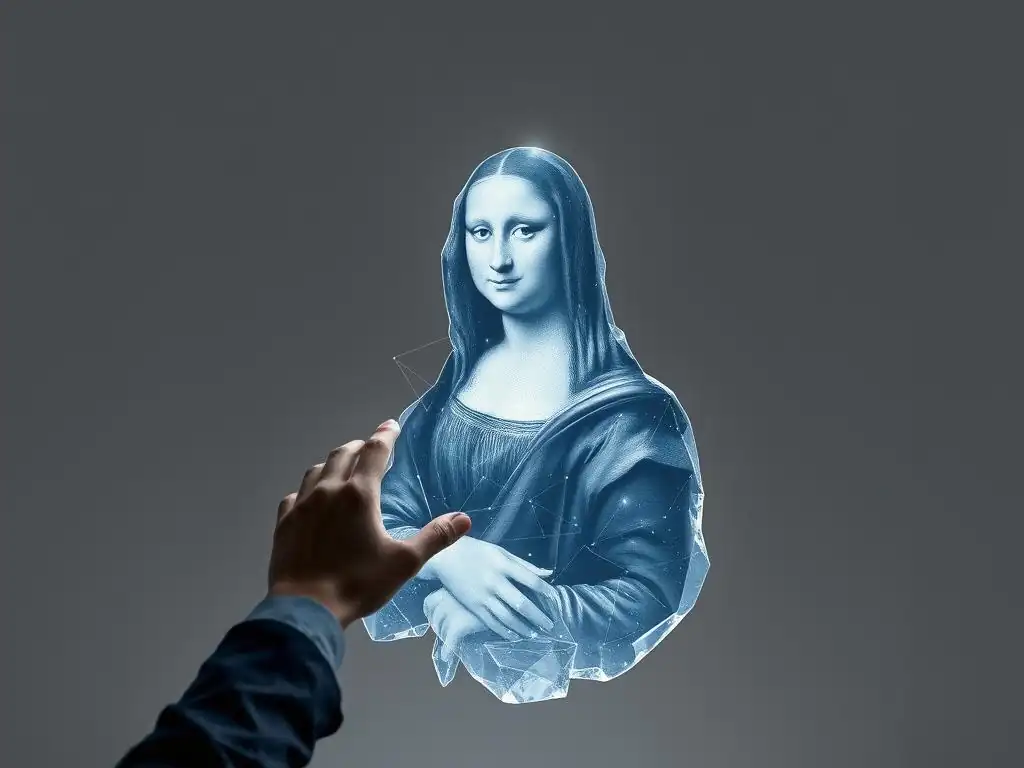
NFTs have profoundly impacted digital artists by providing a mechanism to create value and scarcity for their digital creations, which were previously easily replicable and difficult to monetize. Digital art, encompassing various forms such as digital paintings, animations, and 3D renders, has long existed, but artists struggled to establish ownership and control over their work in the digital realm. NFTs solve this problem by providing a unique and verifiable certificate of ownership for digital artworks, transforming them into scarce and collectible assets.
This empowerment has enabled digital artists to directly monetize their work, participate in the art market, and build sustainable careers. NFT platforms have become showcases for digital art, providing a dedicated space for digital artists to connect with collectors and sell their creations. The rise of NFTs has legitimized digital art as a valuable art form and has opened up new opportunities for digital artists who were previously marginalized within the traditional art world. NFTs are fundamentally changing the landscape for digital artists, providing them with the tools and recognition to thrive in the digital age.
New Forms of Artistic Expression: Exploring the Potential of Generative Art and Programmable Art
NFTs are not only enabling the monetization of existing digital art forms but also fostering new forms of artistic expression, particularly generative art and programmable art. Generative art, created through algorithms and code, finds a natural fit with NFTs, as the code can be embedded within the NFT itself, ensuring the artwork's unique and verifiable generation. NFTs allow artists to create and distribute generative art pieces that are unique and provably scarce, opening up new avenues for algorithmic and computational art.
Programmable art takes this further, allowing NFTs to evolve and change over time based on pre-defined parameters or external data. This dynamic and interactive nature of programmable NFTs expands the possibilities of artistic expression, enabling artists to create artworks that respond to their environment, collector interactions, or even market conditions. NFTs are serving as a catalyst for innovation in digital art, pushing the boundaries of artistic creation and exploring the unique potential of blockchain technology to redefine what art can be.
The Rise of Digital Collectibles: From PFP Projects to Virtual Land
The NFT space has witnessed the significant rise of digital collectibles, ranging from Profile Picture (PFP) projects like CryptoPunks and Bored Ape Yacht Club to virtual land and in-game assets. PFP projects, featuring unique and collectible avatars, have become cultural phenomena, representing digital identity and community membership within the NFT space. These projects often extend beyond mere collectibles, offering utilities such as access to exclusive communities, events, and future drops, blurring the lines between art, membership, and digital identity.
Virtual land NFTs represent ownership of digital real estate within metaverse platforms and virtual worlds. These NFTs enable users to own, develop, and monetize virtual spaces, creating new economies and social interactions within the metaverse. In-game asset NFTs represent ownership of unique items within video games, empowering players with true ownership of their digital assets and enabling play-to-earn models. The rise of digital collectibles demonstrates the versatility of NFTs beyond traditional art forms, showcasing their potential to represent ownership and value in various digital contexts and contributing to the broader ecosystem of digital ownership and the metaverse.
Overcoming Challenges in the NFT Art Space
Environmental Concerns: Addressing the Energy Consumption of NFT Creation
One of the significant challenges facing the NFT art space is environmental concerns, particularly related to the energy consumption associated with NFT creation and transactions, especially on proof-of-work blockchains like Ethereum. The initial wave of NFTs, largely based on Ethereum, raised concerns about the carbon footprint of minting and trading NFTs, prompting discussions about the environmental impact of blockchain technology.
Efforts are underway to address these concerns through various approaches. One approach is the transition to more energy-efficient blockchain technologies, such as proof-of-stake blockchains, which consume significantly less energy than proof-of-work systems. Ethereum itself is undergoing a transition to proof-of-stake, which is expected to drastically reduce its energy consumption.
Another approach is the adoption of layer-2 scaling solutions on Ethereum, which can increase transaction throughput and reduce gas fees, indirectly lowering energy consumption per transaction. Furthermore, carbon offsetting initiatives and environmentally conscious NFT platforms are emerging, aiming to mitigate the environmental impact of NFTs and promote sustainable practices within the NFT art space.
Security Risks: Mitigating the Potential for Fraud and Scams in the NFT Market
The rapid growth and nascent nature of the NFT market have also brought security risks, including the potential for fraud and scams. While blockchain technology itself is secure, the NFT ecosystem is vulnerable to various forms of manipulation and illicit activities. Counterfeit NFTs, representing artworks that are not authentic or authorized by the original artist, pose a threat to collectors and undermine trust in the market. Phishing scams and social engineering tactics are used to trick users into revealing their private keys or transferring NFTs to fraudulent accounts.
Market manipulation, such as wash trading and pump-and-dump schemes, can artificially inflate prices and create misleading market signals. Rug pulls, where NFT projects are abandoned after raising funds, leaving collectors with worthless NFTs, are another significant risk. Mitigating these security risks requires a multi-faceted approach, including enhanced security measures on NFT platforms, user education about scam prevention, and the development of robust authentication and verification mechanisms. Community vigilance and responsible platform practices are crucial to building a safer and more trustworthy NFT market.
Regulatory uncertainty poses another significant challenge for the NFT art space, as governments and regulatory bodies worldwide are grappling with how to classify and regulate NFTs. The legal status of NFTs as securities, collectibles, or a new asset class is still evolving, and different jurisdictions are taking varying approaches to NFT regulation. This regulatory uncertainty creates challenges for NFT platforms, artists, and collectors, as the legal framework governing NFTs is not yet clearly defined or globally harmonized.
Issues such as intellectual property rights, copyright enforcement, and taxation of NFT transactions are under scrutiny. Concerns about money laundering and illicit activities through NFTs are also prompting regulatory attention. Navigating this evolving legal landscape requires proactive engagement with regulators, compliance with emerging regulations, and a commitment to responsible and ethical practices within the NFT space. Clear and consistent regulatory frameworks are crucial for fostering the long-term growth and sustainability of the NFT art market, providing legal certainty and fostering investor confidence.
Case Studies: Successful Artists and NFT Projects
Beeple: From Digital Artist to Auction Sensation
The case of Beeple, the digital artist Mike Winkelmann, exemplifies the transformative impact of NFTs on the art world. Beeple was a relatively unknown digital artist who had been creating daily digital artworks for years before entering the NFT space.
His decision to tokenize his digital art as NFTs catapulted him to global fame and unprecedented financial success. In March 2021, Beeple's NFT "Everydays: The First 5000 Days," a collage of his daily artworks, sold at Christie's auction for a staggering $69.3 million, making it one of the most expensive artworks ever sold by a living artist, in both the traditional and NFT space.
Beeple's success demonstrated the mainstream acceptance of digital art and NFTs as legitimate art forms and valuable assets. It shattered preconceived notions about the value of digital art and opened up new possibilities for digital artists to achieve recognition and financial success. Beeple's story serves as a powerful example of how NFTs can transform an artist's career trajectory and disrupt the traditional art market hierarchy, paving the way for other digital artists to follow suit.
CryptoPunks: Pioneering Generative Art and Community Building
CryptoPunks, launched in 2017 by Larva Labs, are considered one of the pioneering NFT projects and a seminal example of generative art and community building in the NFT space. CryptoPunks are a collection of 10,000 unique pixelated characters generated algorithmically, each with distinct attributes and rarity. Initially given away for free, CryptoPunks quickly gained traction within the crypto community and became highly sought-after digital collectibles.
CryptoPunks demonstrated the potential of generative art NFTs and established the concept of PFP projects as digital identity and community membership. The scarcity and unique attributes of each CryptoPunk, combined with their historical significance as early NFTs, drove their value appreciation and fostered a strong community of collectors. CryptoPunks paved the way for the explosion of PFP projects and influenced the aesthetic and conceptual development of the NFT art space. Their success highlights the importance of originality, community engagement, and historical context in the NFT market.
Lessons Learned: Analyzing the Success Factors in the NFT Art Market
Analyzing successful artists and NFT projects like Beeple and CryptoPunks provides valuable lessons for navigating the NFT art market. One key success factor is originality and artistic quality. While hype and speculation can drive short-term trends, projects with genuine artistic merit and innovative concepts tend to have more enduring value. Community building and engagement are also crucial. Projects that foster strong communities and actively engage with their collectors often build stronger loyalty and long-term value.
Authenticity and transparency are paramount in the NFT space. Verifiable provenance and clear communication from project creators build trust and confidence among collectors. Scarcity and rarity, often algorithmically defined in generative art projects, contribute to the desirability and value of NFTs. Finally, timing and cultural relevance play a role. Projects that tap into current cultural trends or emerging technological developments can gain significant traction. These lessons highlight that success in the NFT art market requires a combination of artistic vision, community engagement, technical expertise, and a deep understanding of the evolving dynamics of this nascent space.
The Future of Art: Beyond the Traditional Gallery System
The Metaverse and Art: Exploring Virtual Galleries and Immersive Experiences
The metaverse, a network of persistent, shared virtual worlds, is poised to further revolutionize the art world, offering new possibilities for virtual galleries and immersive art experiences. NFTs are foundational to the metaverse, representing ownership of digital assets, including virtual land, avatars, and digital artworks within these virtual environments. Virtual galleries within the metaverse can showcase NFT artworks in immersive and interactive ways, transcending the limitations of physical gallery spaces.
Artists can create virtual exhibitions that are accessible to a global audience, 24/7, without geographical constraints or physical limitations. Collectors can explore virtual galleries, interact with artworks in 3D environments, and socialize with other art enthusiasts in the metaverse. The metaverse offers opportunities for creating interactive and gamified art experiences, blurring the lines between art, entertainment, and social interaction. Virtual galleries and immersive art experiences in the metaverse represent a significant evolution in how art is displayed, experienced, and accessed, extending the democratization of art beyond the transactional aspects of NFTs.
Decentralized Autonomous Organizations (DAOs) and Art: Collective Ownership and Governance
Decentralized Autonomous Organizations (DAOs) are emerging as a novel organizational structure that can further democratize the art world, enabling collective ownership and governance of art collections and initiatives. DAOs are community-led entities governed by smart contracts on a blockchain, allowing for transparent and decentralized decision-making and resource allocation. Art DAOs are forming to collectively acquire, curate, and manage NFT art collections, distributing ownership and governance rights among DAO members through tokens.
Art DAOs can democratize access to high-value art ownership, enabling collective investment and shared appreciation of art collections. They can also empower artists by providing funding and support through decentralized grants and artist residencies, fostering a more equitable and community-driven art ecosystem. DAOs can be used to govern virtual galleries, art platforms, and even physical art spaces, decentralizing control and empowering communities to shape the future of art. The emergence of art DAOs represents a significant step towards collective ownership and governance in the art world, further decentralizing power and fostering community participation.
NFTs as a Catalyst for Innovation in the Art World
NFTs are not merely a technological trend but a catalyst for broader innovation across the art world, prompting rethinking of traditional models and fostering experimentation with new forms of artistic expression and art market mechanisms. The success of NFTs has spurred innovation in digital art creation tools, platforms for NFT art curation and display, and financial instruments for art investment and fractional ownership. NFTs are driving the development of new business models for artists, galleries, and art institutions, challenging established practices and encouraging adaptation to the digital age.
The transparency and traceability of blockchain technology are inspiring innovation in provenance tracking and authentication for both digital and physical artworks. NFTs are also fostering cross-disciplinary collaborations between artists, technologists, and communities, leading to the emergence of new art forms and creative practices. The disruptive potential of NFTs is not limited to the digital realm; it is influencing the entire art ecosystem, prompting a re-evaluation of traditional structures and fostering a culture of innovation and experimentation that is likely to shape the future of art for years to come.
Conclusion: NFTs Ushering in a New Era for Art
The Enduring Legacy of NFTs: Redefining Art Ownership and Access
The enduring legacy of NFTs will be their role in fundamentally redefining art ownership and access, ushering in a new era of democratization within the art world. NFTs have broken down traditional barriers to entry for both artists and collectors, empowering digital artists, expanding access to art ownership through fractionalization, and creating a more global and interconnected art marketplace. The verifiable provenance and authenticity provided by blockchain technology have increased transparency and trust in the art market, particularly in the digital realm.
NFTs have challenged the traditional gatekeeping roles of galleries and auction houses, fostering direct artist-collector relationships and enabling lower commissions, leading to increased artist revenue. The community-driven nature of NFT projects and the emergence of art DAOs are fostering a more participatory and collaborative art ecosystem. While challenges remain in areas such as environmental impact, security risks, and regulatory uncertainty, the transformative potential of NFTs to democratize art ownership and access is undeniable and is likely to have a lasting impact on the art world.
Blockchain Trends: The Future of NFTs in Content Creation & Media
Blockchain Trends recognizes that the impact of NFTs extends far beyond the art world, with significant implications for content creation and media industries as a whole. NFTs offer a mechanism for creators of all types of digital content, including music, videos, writing, and games, to monetize their work directly, establish ownership and provenance, and engage with their audiences in new ways. NFTs can be used to create unique and collectible digital assets, reward content creators, and build stronger communities around content.
The principles of decentralization, transparency, and community empowerment inherent in NFTs align with the evolving trends in content consumption and media distribution. Blockchain Trends will continue to explore the future of NFTs in content creation and media, examining their potential to disrupt traditional media models, empower creators, and foster a more equitable and decentralized digital content ecosystem. The transformative potential of NFTs in art serves as a compelling case study for their broader application across various forms of digital content and media.
Embracing the Decentralized Art Revolution: Opportunities and Challenges Ahead
Embracing the decentralized art revolution powered by NFTs presents both significant opportunities and challenges for artists, collectors, institutions, and the broader art world. The opportunities include increased artist empowerment, greater access to art ownership, enhanced transparency, and the emergence of new forms of artistic expression and art market mechanisms. NFTs offer a pathway to create a more inclusive, equitable, and innovative art ecosystem that benefits a wider range of stakeholders.
However, navigating the challenges of environmental concerns, security risks, and regulatory uncertainty is crucial for realizing the full potential of NFTs and ensuring the long-term sustainability of the decentralized art revolution. Addressing these challenges requires collaboration, innovation, and responsible practices across the NFT space. Embracing the opportunities while proactively mitigating the challenges will pave the way for a future where art is more accessible, democratic, and vibrant, powered by the transformative potential of NFTs and blockchain technology.
Frequently Asked Questions
What are NFTs and how are they connected to the art market?
NFTs, or non-fungible tokens, are unique digital assets representing ownership of items like artwork. They provide a method of verifying authenticity and ownership in the digital art space, thereby transforming the art market.
How are NFTs democratizing the art world?
NFTs enable artists to directly connect with buyers, bypassing traditional gatekeepers like galleries. This allows for greater accessibility and control over their work and revenue streams.
What are some potential benefits for artists who utilize NFTs?
Artists can receive royalties on secondary sales of their NFTs, something often unavailable in the traditional art world. They also gain direct engagement with their audience and more control over pricing.
What are the main concerns or criticisms surrounding NFTs and the art market?
Concerns include the environmental impact of minting NFTs, potential for fraud and scams, and the volatile nature of the NFT market. These are all valid criticisms to consider.
What is the future outlook for NFTs in the art world, considering the current trends?
While the market is evolving, NFTs are likely to remain a significant part of the art world, offering new avenues for artistic expression and ownership. However, regulation and security measures will be crucial for long-term sustainability.
Final Reflection: Embracing the Digital Canvas
The journey we've explored, charting the rise of NFTs and their impact on the art world, culminates in a profound realization: the power to create, collect, and connect with art is no longer confined to the elite. The digital canvas, once a niche corner, is now a vibrant, accessible marketplace, reshaping the very foundations of artistic expression and ownership.
This transformation resonates deeply because it speaks to the core human desire for creativity and connection. The democratization of art through NFTs isn't just about technology; it's about empowering artists and collectors alike, fostering a more inclusive and dynamic cultural landscape. As the art world continues to evolve, it's crucial to remember the words of Marshall McLuhan: Art is anything you can get away with.
NFTs are allowing artists to "get away with" breaking down traditional barriers and forging new paths.
Now, as you step away from this exploration, consider the implications of this digital revolution. How can you, as an artist, collector, or simply an art enthusiast, embrace this new paradigm? Reflect on the ways NFTs are transforming not just the art market, but our understanding of value, ownership, and the very definition of art itself. Let us all strive to build a future where creativity flourishes, unburdened by the limitations of the past, and where the beauty of art is accessible to all.
Ignite Your Inner Collector: Join the NFT Art Revolution!
Thanks for exploring how NFTs are transforming the art world with us! You now see how artists are connecting directly with collectors, bypassing traditional gatekeepers. It's an exciting time to get involved.
Here's how you can participate:
- Begin collecting digital art. Look for works from emerging artists on popular platforms, and support creators by purchasing their pieces. It's simpler than you might think!
- Explore various NFT marketplaces to discover different styles and emerging trends. Find your unique space in this digital art landscape.
- Share this article with fellow art lovers and start a conversation about the future of art ownership and creation.
Are you ready to start building your digital art collection and support the future of art? Which artist or platform are you most eager to explore first?
Leave a Reply