
Blockchain in Fashion: Towards a More Sustainable and Ethical Industry


Welcome to Blockchain Trends, your go-to source for understanding the revolutionary power of blockchain beyond the hype. Dive into the world of decentralized finance, enterprise solutions, and the evolving regulatory landscape. But can blockchain truly contribute to a more sustainable future? Explore our in-depth analysis on how blockchain is transforming the fashion industry, offering a glimpse into a sustainable blockchain fashion supply chain and uncovering the potential for a more ethical and transparent future. Intrigued? Read on to discover how this innovative technology is reshaping the way we think about fashion and its impact on the planet.
Blockchain in Fashion: Towards a More Sustainable and Ethical Industry
- Introduction: The Need for Sustainability and Ethical Practices in Fashion
- Understanding the Sustainable Blockchain Fashion Supply Chain
- Applications of Blockchain for Sustainable Fashion
- Benefits of Implementing Blockchain in the Fashion Industry
- Challenges and Considerations for Blockchain Adoption in Fashion
- Real-World Examples of Blockchain in Fashion: Case Studies
- The Future of Sustainable Fashion with Blockchain
- Conclusion: Embracing Blockchain for a More Responsible Fashion Future
-
Frequently Asked Questions
- How can blockchain technology improve transparency in the fashion supply chain?
- What role does blockchain play in ensuring ethical sourcing of materials in fashion?
- How can blockchain contribute to reducing waste in the fashion industry?
- What are the potential benefits of using blockchain for counterfeit prevention in fashion?
- What are some key challenges in implementing blockchain solutions in the fashion industry?
- Final Reflection: Weaving a Sustainable Future with Blockchain
- Unveil the Future of Fashion: Start Building a Sustainable Wardrobe Today!
Introduction: The Need for Sustainability and Ethical Practices in Fashion
The fashion industry is one of the largest global sectors, yet it carries a significant environmental burden. Reports often highlight its substantial water consumption, estimated to be around 93 billion cubic meters annually, contributing to water scarcity in production regions. Furthermore, textile production is a major source of greenhouse gas emissions, accounting for an estimated 2-8% of global carbon emissions, primarily from energy-intensive manufacturing processes and transportation. The sheer volume of production, particularly driven by fast fashion models, results in vast amounts of textile waste, with a significant portion ending up in landfills rather than being recycled.
Beyond the environmental impact, the industry faces persistent social challenges. Issues such as forced labor, child labor, poverty wages, and unsafe working conditions remain prevalent in various parts of the supply chain, particularly in manufacturing hubs in developing countries.
The tragic collapse of the Rana Plaza building in Bangladesh in 2013, killing over 1,100 garment workers, starkly illustrated the devastating consequences of inadequate safety standards and lack of transparency regarding factory conditions. Addressing these environmental and social issues requires fundamental changes across the entire fashion supply chain, driving the urgent need for a more transparent and sustainable blockchain fashion supply chain.
Blockchain Technology: A Potential Solution for Fashion's Challenges
Blockchain technology, initially known for its role in cryptocurrencies, offers inherent characteristics that make it potentially valuable for tackling the fashion industry's complex challenges. Its core principles of decentralization, immutability, and transparency provide a robust framework for tracking information in a way that is resistant to tampering and accessible to authorized parties. By creating a shared, verifiable ledger, blockchain can record transactions and data points at various stages of a product's lifecycle, from raw material sourcing to retail and beyond.
These properties align well with the critical need for visibility within the fashion supply chain. Traditional supply chains are often opaque, making it difficult to verify claims about sustainability or ethical production. A sustainable blockchain fashion supply chain leverages this technology to create a single source of truth, allowing brands, suppliers, and potentially even consumers to access and verify information about a garment's journey. This enhanced transparency and accountability are foundational to building a more responsible and sustainable industry.
Understanding the Sustainable Blockchain Fashion Supply Chain
What is a Blockchain Supply Chain?
A blockchain supply chain refers to the application of distributed ledger technology to manage and track the flow of goods and information across the various stages of production, logistics, and distribution. Instead of relying on centralized databases or paper-based systems, which can be prone to errors, fraud, and limited access, a blockchain supply chain records each transaction or event (like a material shipment, a manufacturing step, or a quality check) as a block of data. These blocks are cryptographically linked together in a chain, creating an immutable and transparent history of the product's journey.
In the context of fashion, a blockchain supply chain means creating a digital record for each garment or batch of material as it moves from the farm or factory through dyeing, cutting, sewing, shipping, and eventually to the consumer. Each participant in the chain can add relevant data to the ledger, creating a comprehensive and verifiable history. This digital thread forms the backbone of a sustainable blockchain fashion supply chain, providing unprecedented visibility into its origins and processes.
Key Features of Blockchain for Fashion: Transparency, Traceability, and Security
Transparency is perhaps the most significant feature blockchain brings to the fashion industry. By recording data on a shared ledger, authorized participants can see the information added by others, breaking down the silos that typically exist between different supply chain partners. This allows brands to gain deeper insights into their suppliers and subcontractors, and enables consumers to potentially access information about where and how their clothes were made, moving beyond opaque labels like "Made in [Country]".
Traceability is the direct result of this transparency. With each step recorded on the blockchain, it becomes possible to trace a specific garment or material back to its origin. This is crucial for verifying the source of sustainable materials (like organic cotton or recycled fibers) or confirming ethical production practices (like fair wages or safe working conditions). Combined with the security offered by cryptography and the distributed nature of the ledger, which makes data virtually impossible to alter once recorded, blockchain provides a reliable mechanism for verifying claims and building a truly sustainable blockchain fashion supply chain.
Applications of Blockchain for Sustainable Fashion
Enhancing Supply Chain Transparency and Traceability with Blockchain
Blockchain provides a powerful tool for mapping and tracking the complex, multi-tiered fashion supply chain. For example, a brand can record the origin of its raw materials, such as cotton from a specific farm or recycled polyester from a particular recycling facility. As these materials move through spinning, weaving, dyeing, and cutting, each step can be logged as a transaction on the blockchain, including details like the factory location, date of processing, and relevant certifications.
This creates a detailed, immutable history for every batch of fabric or even individual garment. By assigning a unique digital identifier to a product (like a QR code or NFC tag), this blockchain record can be linked to the physical item. Scanning the tag could reveal the entire journey – from the field where the cotton was grown to the factory where it was sewn – providing a level of transparency previously unattainable. This granular tracking is fundamental to establishing a verifiable and sustainable blockchain fashion supply chain.
Verifying Ethical Sourcing and Production through Blockchain Technology
Ensuring ethical labor practices is a major challenge in global supply chains. Blockchain can help by providing a platform to record and verify data related to working conditions, wages, and compliance with labor standards. For instance, brands could record audit reports, certifications (like Fair Trade), or even aggregate, anonymized data points related to working hours or payment confirmations from suppliers onto the blockchain ledger. While blockchain itself doesn't guarantee ethical behavior, it makes it significantly harder to hide non-compliance.
Furthermore, blockchain can be used to track the provenance of materials often associated with ethical concerns, such as conflict minerals used in garment accessories or raw materials sourced from regions with known labor abuses. By creating an immutable record of origin and transfers, brands can demonstrate due diligence in their sourcing practices. This verifiable trail strengthens ethical claims and contributes to building a more responsible and sustainable blockchain fashion supply chain.
Combating Counterfeiting and Ensuring Product Authenticity using Blockchain
Counterfeiting is a significant problem in the fashion industry, costing brands billions annually. Counterfeit goods often bypass ethical and environmental standards entirely. Blockchain offers a solution by providing a secure way to create a unique digital identity for each genuine product. This digital identity, often represented by a non-fungible token (NFT) or similar token, is recorded on the blockchain and linked to the physical item, perhaps via a secure tag.
When a consumer purchases the item, they can verify its authenticity by checking the digital identity on the blockchain. This immutable record proves the item's origin and ownership history, making it difficult for counterfeiters to replicate. By securing the authenticity of legitimate products, brands protect their value and reputation and implicitly support the ethical and sustainable practices that went into producing the genuine article, thereby supporting the integrity of a sustainable blockchain fashion supply chain.
Empowering Consumers with Product Information and Provenance via Blockchain
One of the most impactful applications of blockchain in fashion is empowering consumers with direct access to information about the products they purchase. By scanning a QR code or using an app, consumers can retrieve the blockchain-verified history of an item, including details about its materials, manufacturing location, environmental impact data (e.g., estimated water usage for that specific batch), and ethical certifications.
This level of accessible, verifiable information allows consumers to make more informed purchasing decisions based on their values. They can choose to support brands that demonstrate a commitment to sustainability and ethical practices, verified by the transparent data on the blockchain. This consumer demand, fueled by reliable information from a sustainable blockchain fashion supply chain, creates market pressure for brands to improve their practices and transparency.
Benefits of Implementing Blockchain in the Fashion Industry
Increased Transparency and Accountability
Implementing blockchain fundamentally increases transparency within the fashion supply chain. Every recorded transaction, from the farm to the store, creates a clear and visible path for the product. This transparency makes it significantly harder for brands or suppliers to make false claims about sustainability or ethical production without being challenged. For instance, if a brand claims to use organic cotton, the blockchain record can show the origin and certifications of the cotton batch used in a specific garment.
This increased transparency naturally leads to greater accountability. Because actions and data points are recorded immutably on the ledger, participants in the supply chain are more accountable for their practices. Brands can hold their suppliers accountable based on the data recorded, and external stakeholders, including consumers and NGOs, can potentially verify claims. This shift towards verifiable accountability is a cornerstone of building a truly sustainable blockchain fashion supply chain.
Improved Supply Chain Efficiency and Reduced Costs
Beyond transparency, blockchain can streamline supply chain operations, leading to increased efficiency and reduced costs. The shared, immutable ledger reduces the need for manual data entry and reconciliation across different systems used by various partners. This minimizes errors, speeds up administrative processes, and can reduce delays caused by information discrepancies. Smart contracts, automated agreements executed directly on the blockchain, can further automate processes like payments upon verified delivery or completion of a production step.
Furthermore, enhanced visibility helps in identifying bottlenecks or inefficiencies in the supply chain. Reduced fraud through authenticity verification also saves costs. While initial implementation requires investment, the long-term benefits in terms of operational efficiency, reduced errors, and streamlined data management contribute to a more cost-effective and resilient sustainable blockchain fashion supply chain.
Enhanced Consumer Trust and Brand Reputation
In an era where consumers are increasingly skeptical of corporate claims and demand greater transparency, demonstrating a genuine commitment to sustainability and ethics is vital for brand reputation. By implementing a sustainable blockchain fashion supply chain, brands can back up their sustainability and ethical claims with verifiable data, accessible to the public. This builds trust with consumers who are willing to pay a premium for products that align with their values.
A strong reputation for transparency and responsibility can differentiate a brand in a crowded market. It not only attracts ethically-minded consumers but also appeals to investors increasingly focused on Environmental, Social, and Governance (ESG) factors. Brands that proactively adopt blockchain for sustainability position themselves as leaders, fostering loyalty and enhancing their overall market standing.
Facilitating Circular Economy Initiatives in Fashion
The linear "take-make-dispose" model of fashion is unsustainable. A circular economy aims to keep materials in use for as long as possible through repair, reuse, resale, and recycling. Blockchain can play a crucial role in enabling this shift. By creating a digital product passport for each garment, the blockchain record can store information vital for circularity, such as material composition, care instructions, repair history, and even previous ownership.
This information simplifies processes like sorting for recycling, verifying authenticity for resale platforms, or facilitating repair services. Brands can use blockchain to track returned garments in buy-back programs or incentivize recycling by linking token rewards to the return of a product verified via its blockchain identity. This technological framework is essential for scaling circular models and establishing a comprehensive sustainable blockchain fashion supply chain that extends beyond the point of sale.
Challenges and Considerations for Blockchain Adoption in Fashion
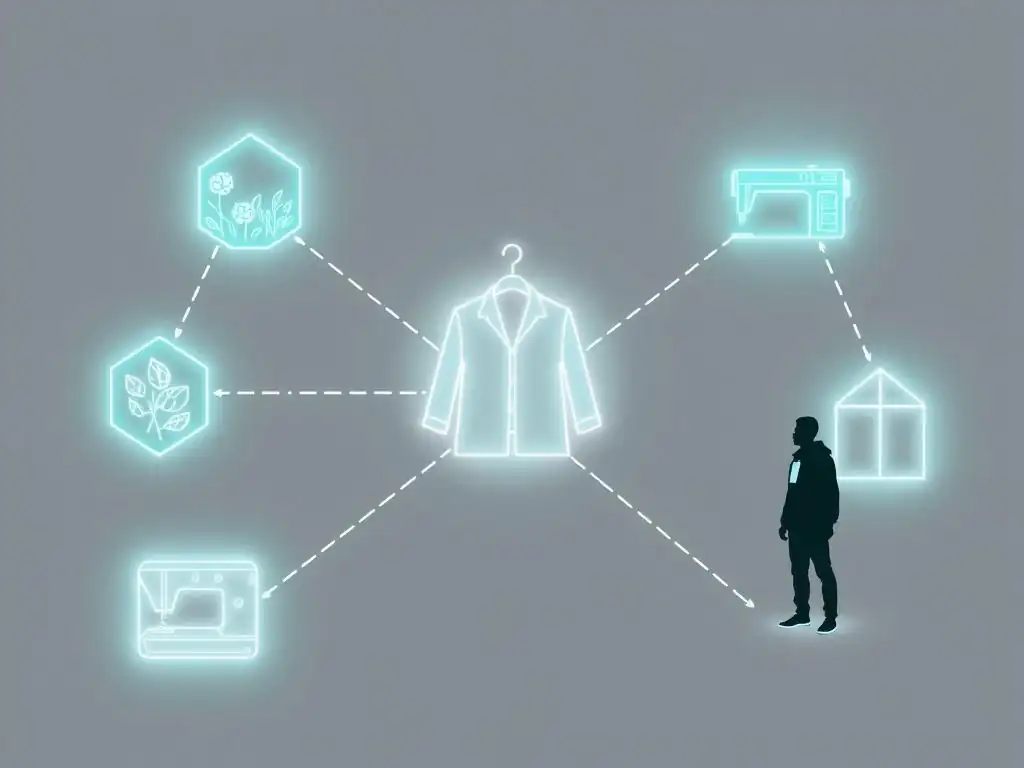
Scalability and Interoperability Issues
One significant challenge for widespread blockchain adoption in fashion is scalability. Public blockchains, like Ethereum, can face limitations in transaction speed and processing capacity when dealing with the enormous volume of transactions generated by a global industry. While private or consortium blockchains offer better speed and control, they introduce elements of centralization, potentially compromising the full transparency benefits. Choosing the right blockchain architecture that balances scalability with decentralization is crucial.
Interoperability is another hurdle. The fashion supply chain involves numerous participants using diverse, often legacy, IT systems. Integrating these disparate systems with a blockchain platform is complex. Furthermore, if different brands or consortia adopt different blockchain technologies, ensuring they can exchange data and interact seamlessly poses a significant technical challenge for creating a truly interconnected and sustainable blockchain fashion supply chain across the industry.
Data Privacy and Security Concerns
While blockchain is designed for secure, immutable data storage, concerns remain about data privacy, particularly in the context of sensitive business information. Supply chain data can include commercially sensitive details about suppliers, pricing, production volumes, and logistics routes. Deciding which data points are recorded on the public ledger versus kept private (perhaps using permissioned access or other privacy-preserving techniques) is a critical design consideration. Simply putting all data on a public chain is often not feasible for businesses.
Moreover, the accuracy of data entered onto the blockchain is paramount. Blockchain guarantees that data, once entered, cannot be altered, but it cannot verify the truthfulness of the initial data input. Ensuring reliable data capture mechanisms at every step of the supply chain, often involving manual processes or integration with potentially fallible sensors, remains a challenge. "Garbage in, garbage out" applies; inaccurate data on the blockchain does not contribute to a reliable sustainable blockchain fashion supply chain.
Regulatory Landscape and Compliance
The regulatory environment surrounding blockchain technology is still evolving globally. Different countries have varying stances on issues like data ownership, digital assets, and privacy regulations (such as GDPR in Europe). For a global industry like fashion, navigating this complex and fragmented regulatory landscape adds complexity to blockchain implementation. Ensuring compliance across multiple jurisdictions is essential but challenging.
Furthermore, potential future regulations might mandate certain levels of supply chain transparency or require digital product passports, which blockchain could facilitate. However, the uncertainty regarding the nature and timing of such regulations can make businesses hesitant to invest heavily in specific blockchain solutions that might need to be adapted later. This evolving legal framework adds a layer of risk to developing a sustainable blockchain fashion supply chain.
Cost of Implementation and Technological Barriers
Implementing a blockchain solution is a significant investment. It requires not only the cost of the technology itself but also investment in infrastructure, software development, and specialized expertise. Integrating blockchain with existing enterprise resource planning (ERP) systems and other supply chain management tools can be complex and expensive. This high initial cost can be a major barrier, particularly for smaller brands and suppliers who operate on tighter margins.
Beyond the cost, there are technological barriers among supply chain participants. Many smaller manufacturers, material suppliers, and logistics providers, particularly in developing countries, may lack the necessary digital infrastructure, reliable internet access, or technical literacy to effectively participate in a blockchain network. Ensuring equitable access and participation across the entire chain is necessary for a truly comprehensive and sustainable blockchain fashion supply chain, but it requires significant effort in capacity building and infrastructure development.
Real-World Examples of Blockchain in Fashion: Case Studies
Provenance and Their Work with Sustainable Brands
Provenance is a platform that utilizes blockchain to enable supply chain transparency and verify the impact of products, particularly for brands with strong sustainability and ethical commitments. They work with various industries, including fashion. A notable example of their application involves tracking the journey of materials, such as recycled ocean plastic used in garments or footwear. By recording data points like the location of plastic collection, the recycling process, and the manufacturing of the textile on the blockchain, Provenance helps brands verify and communicate the recycled content and origin of their products.
Their platform allows brands to create 'digital passports' for products, accessible via QR codes on labels. Consumers can scan these codes to see the verified history of the item, including information about its materials, production, and social or environmental impact claims. This empowers brands like Vivienne Westwood (an example of a high-profile brand that has reportedly explored blockchain for transparency) to share their sustainability stories with evidence and enables consumers to make informed choices based on verifiable data, contributing to a more transparent and sustainable blockchain fashion supply chain.
Arianee and Their Digital Product Passports
Arianee is another platform focused on creating digital identities for valuable goods, frequently used by luxury and fashion brands. They leverage blockchain to issue unique digital certificates or "digital passports" for physical products, often in the form of NFTs. These digital passports serve as a secure and verifiable record of ownership, authenticity, and provenance throughout the product's lifecycle.
For fashion, Arianee's digital passports provide a secure way to prove that an item is genuine, combating the issue of counterfeiting. Crucially, they also enable brands to attach information about the product's creation, materials, and care, facilitating circular economy initiatives. For example, a digital passport can track repair history, verify authenticity for resale platforms, or provide information needed for recycling. By creating a persistent digital twin for physical goods, Arianee helps brands build trust, enhance customer engagement, and support the longevity and circularity of their products within a verifiable sustainable blockchain fashion supply chain.
The Future of Sustainable Fashion with Blockchain
Emerging Trends and Innovations in Blockchain for Fashion
The application of blockchain in fashion is continuously evolving. Emerging trends include the integration of Internet of Things (IoT) devices with blockchain to automate data capture – for instance, using sensors in factories to record energy or water usage directly onto the ledger, providing real-time, verifiable environmental data. Smart contracts are also expected to play a larger role, automating payments or triggering actions based on verified conditions, such as ethical labor compliance or material delivery.
Another innovation involves the potential for tokenizing materials or even garments themselves. This could enable new business models, such as fractional ownership of high-value items or creating marketplaces for second-hand goods where authenticity and condition are verified on the blockchain. Decentralized Autonomous Organizations (DAOs) could potentially be used to govern supply chain standards or collective sustainability initiatives among industry participants, further decentralizing control within a sustainable blockchain fashion supply chain.
The Role of Blockchain in Promoting Circular Fashion Models
Blockchain is set to become an increasingly critical enabler of circularity in fashion. By providing a reliable method for tracking material composition and ownership history via digital product passports, it significantly simplifies the processes required for repair, resale, and recycling. Knowing the exact materials in a garment allows for more efficient and effective sorting for recycling, increasing the yield of high-quality recycled fibers.
Furthermore, blockchain-based platforms can create transparent and trusted marketplaces for pre-owned fashion. Digital passports verify authenticity and condition, building consumer confidence in buying second-hand. Brands can also leverage blockchain to track and manage take-back programs, incentivizing consumers to return garments for recycling or resale, thereby keeping valuable resources in use for longer and reducing waste within the sustainable blockchain fashion supply chain.
The Potential for Blockchain to Transform the Fashion Industry
Ultimately, blockchain has the potential to fundamentally transform the fashion industry from a predominantly linear, opaque model to one that is transparent, circular, and accountable. By providing a verifiable, immutable record of a garment's journey and characteristics, it addresses core issues of trust and visibility that have long plagued the sector's sustainability and ethical efforts.
This transformation goes beyond simple tracking; it enables new business models based on circularity, empowers consumers with information, and forces brands to move beyond marketing claims to verifiable actions. While challenges remain, the inherent capabilities of blockchain technology position it as a key driver for building a truly responsible and sustainable blockchain fashion supply chain that benefits businesses, consumers, and the planet.
Conclusion: Embracing Blockchain for a More Responsible Fashion Future
The Importance of Collaboration and Innovation
Building a truly sustainable blockchain fashion supply chain is not a task any single brand or technology provider can achieve alone. It requires unprecedented collaboration across the entire value chain – from farmers and material producers to manufacturers, logistics providers, brands, retailers, and technology developers. Establishing common standards for data collection, sharing, and interoperability across different platforms is essential to create a connected and effective system.
Innovation is also key to overcoming the technical and logistical challenges of implementation, particularly concerning scalability, data privacy, and integrating blockchain with existing systems. Continued research and development are needed to make blockchain solutions more accessible, affordable, and user-friendly for all participants in the supply chain, ensuring that technology serves the goal of sustainability rather than becoming an insurmountable barrier.
Call to Action: Exploring and Implementing Blockchain Solutions for Sustainability
The evidence suggests that blockchain technology offers significant potential to address some of the most pressing environmental and social issues in the fashion industry. Brands and supply chain partners should actively explore how blockchain can be integrated into their operations to enhance transparency, traceability, and accountability. Starting with pilot projects focused on specific areas, such as tracking key materials or verifying ethical production in a limited number of factories, can provide valuable insights and build expertise.
Embracing blockchain is not just about adopting a new technology; it's about committing to a more transparent, ethical, and responsible way of doing business. By leveraging the power of blockchain, the fashion industry can move closer to achieving a truly sustainable blockchain fashion supply chain, building consumer trust, reducing environmental impact, and improving the lives of workers, paving the way for a more responsible future.
Frequently Asked Questions
How can blockchain technology improve transparency in the fashion supply chain?
Blockchain provides a immutable ledger to track each stage of the production process. This allows for greater traceability and verification of claims related to origin, materials, and labor practices.
What role does blockchain play in ensuring ethical sourcing of materials in fashion?
By recording material origins and certifications on a blockchain, consumers can verify the authenticity of claims. This helps combat fraudulent labeling and promotes the use of sustainably sourced materials.
How can blockchain contribute to reducing waste in the fashion industry?
Blockchain facilitates better inventory management and demand forecasting. This minimizes overproduction and reduces waste from unsold or discarded garments through improved data analytics.
What are the potential benefits of using blockchain for counterfeit prevention in fashion?
Blockchain's tamper-proof nature and unique identifiers make it difficult to replicate products. This helps brands combat counterfeiting and protect their intellectual property, ensuring product authenticity.
What are some key challenges in implementing blockchain solutions in the fashion industry?
Challenges include lack of industry standardization, scalability issues with blockchain networks, and the initial cost of implementation for smaller businesses. Overcoming these hurdles is crucial for widespread adoption.
Final Reflection: Weaving a Sustainable Future with Blockchain
The journey through exploring blockchain's potential in fashion reveals a powerful truth: the future of a truly sustainable and ethical fashion industry hinges on transparency and traceability. The challenges of opaque supply chains and unethical practices are deeply entrenched, but blockchain offers a tangible path towards accountability and positive change. This isn't just about technology; it's about reimagining the entire fashion ecosystem.
This exploration has underscored the profound impact of consumer choices and the industry's responsibility to provide verifiable information. The ability to trace a garment from raw material to retail shelf, ensuring fair labor practices and environmentally sound processes, is no longer a futuristic dream, but a tangible possibility. The greatest threat to our planet is the belief that someone else will save it.
- Robert Swan. This quote resonates deeply, reminding us that collective action, driven by informed choices and technological innovation, is crucial for a sustainable future.
Now, consider the power you hold as a consumer and a member of this global community. How can you leverage this knowledge to demand greater transparency from the brands you support? How can you advocate for the adoption of blockchain technology to create a more equitable and environmentally responsible fashion industry? Let us all strive to be conscious consumers, informed advocates, and active participants in weaving a sustainable future, one blockchain-verified garment at a time.
Unveil the Future of Fashion: Start Building a Sustainable Wardrobe Today!
Thank you for exploring how blockchain technology can revolutionize the fashion industry! You've gained valuable insights into creating a more transparent and ethical supply chain, and now it's time to put that knowledge into action.
Here are a few things you can do right now to contribute to a more sustainable fashion future:
- Commit to researching and prioritizing brands that openly leverage blockchain technology to track their supply chains. This is the most impactful step you can take!
- Explore the possibility of participating in or creating decentralized autonomous organizations focused on promoting ethical fashion practices. This is a more novel and engaging step!
- Share this article with your friends, family, and colleagues, and start a conversation about the role of blockchain in fashion. Let's spread awareness together!
What specific blockchain-powered fashion brand are you most excited to support, and why? Share your thoughts in the comments below!
Leave a Reply