
Maintenance Made Easy: BlockchainBased Systems for Efficient Property Upkeep

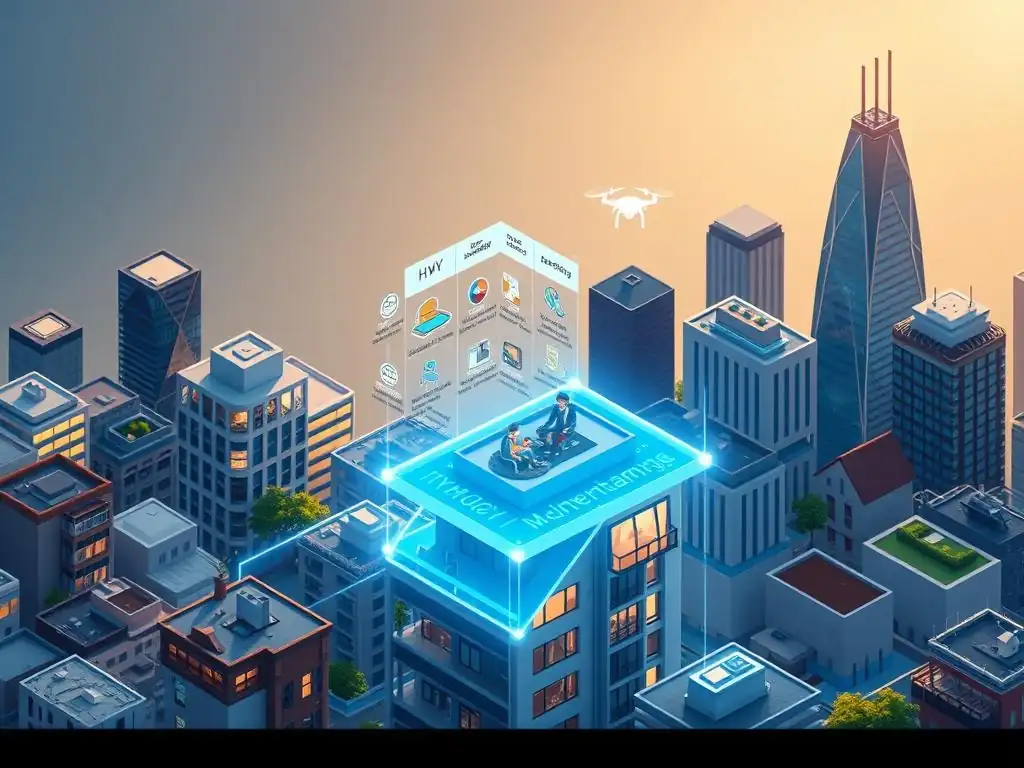
Welcome to Blockchain Trends, your source for understanding the real-world impact of blockchain technology. Beyond the hype of cryptocurrencies, discover how this groundbreaking technology is reshaping industries. Ever wondered how blockchain could streamline property management? Dive into our latest article to explore Blockchain property maintenance scheduling and uncover how it's poised to revolutionize efficiency and transparency in real estate. Intrigued? Keep reading to see how decentralized solutions are building a better future for property upkeep, one block at a time.
Maintenance Made Efficient: Blockchain Systems for Property Upkeep
- Introduction: Revolutionizing Property Maintenance with Blockchain
- Understanding Blockchain Property Maintenance Systems
- Benefits of Blockchain Implementation
- Use Cases: Blockchain Applications
- Choosing the Right Blockchain Platform
- Overcoming Implementation Challenges
- The Future of Blockchain in Property Maintenance
- Conclusion: Embracing Blockchain for Efficient Property Maintenance
-
Frequently Asked Questions
- What are the main benefits of using a blockchain-based system for property maintenance scheduling?
- How does blockchain improve the efficiency of property maintenance compared to traditional methods?
- Can a blockchain system for property maintenance help with regulatory compliance?
- Is it possible to integrate existing property management software with a blockchain-based maintenance scheduling system?
- What are the potential challenges in implementing a blockchain-based property maintenance scheduling system?
- Final Reflection: Building a Future of Seamless Property Care
- Revolutionize Your Property Management Today!
Introduction: Revolutionizing Property Maintenance with Blockchain
Challenges of Traditional Property Maintenance
Traditional property maintenance faces numerous hurdles that often lead to inefficiencies, increased costs, and tenant dissatisfaction. One significant challenge is the fragmented nature of communication and record-keeping. Property managers, tenants, and maintenance vendors often rely on disparate systems, emails, phone calls, and even paper logs, making it difficult to track requests, monitor progress, and verify work completion. This lack of a centralized, transparent system can result in missed appointments, delayed repairs, and disputes over service quality or billing.
Furthermore, the manual processes involved in scheduling, dispatching vendors, and processing payments are time-consuming and prone to human error. A single maintenance request might require multiple phone calls or emails to schedule, negotiate pricing, obtain approvals, and finally process payment. This convoluted workflow not only consumes valuable administrative time but also lacks real-time visibility into the status of ongoing work across a portfolio of properties. Industry reports often highlight that administrative overhead for maintenance can consume upwards of 15-20% of operational budgets in large property management firms, much of which is attributable to these inefficient processes.
Blockchain's Solution to Property Upkeep Inefficiencies
Blockchain technology offers a compelling solution to many of the long-standing inefficiencies plaguing property maintenance. By providing a decentralized, immutable ledger, blockchain can create a single source of truth for all maintenance-related activities. Every service request, scheduled task, vendor dispatch, and payment transaction can be recorded on the blockchain, providing a transparent and tamper-proof history accessible to all authorized parties. This eliminates the need for fragmented records and reduces the potential for information silos.
The implementation of smart contracts on a blockchain platform can automate key aspects of the maintenance workflow, including Blockchain property maintenance scheduling, service verification, and payment processing. For instance, a smart contract could be programmed to automatically release payment to a vendor once a tenant confirms a repair is completed, or once IoT sensors in a property verify a system is functional.
This automation significantly reduces administrative burden, speeds up transactions, and minimizes the potential for disputes by enforcing predefined rules agreed upon by all parties involved. Early adopters in the real estate sector using blockchain for specific functions like tenant onboarding or supply chain tracking have reported potential cost savings of 10-30% in related administrative tasks, indicating a similar potential for maintenance operations.
Understanding Blockchain Property Maintenance Systems
What is Blockchain-Based Maintenance Management?
Blockchain-based maintenance management refers to the application of distributed ledger technology and smart contracts to streamline, automate, and secure the processes involved in maintaining properties. Instead of relying on traditional centralized databases or manual workflows, a blockchain system creates a shared, append-only ledger where all maintenance activities are recorded. This ledger can track everything from the initial service request submitted by a tenant to the final payment made to a vendor, providing a comprehensive and verifiable history for each property asset and maintenance task.
At its core, this system leverages the inherent properties of blockchain, such as immutability and transparency, to build trust and efficiency among all stakeholders – property owners, managers, tenants, and service providers. Data entered into the blockchain cannot be altered or deleted, ensuring the integrity of maintenance records. Authorized participants can view the status of requests, access historical data, and verify actions taken, fostering a level of transparency previously unattainable with disparate systems. This foundational shift from siloed, opaque processes to a collaborative, transparent ledger is key to unlocking significant improvements in property upkeep.
Key Features of Blockchain Solutions
Immutability and Transparency in Records
One of the most powerful features of blockchain technology for property maintenance is the immutability of its records. Once a transaction or piece of data, such as a completed repair report or a timestamped service request, is added to the blockchain, it cannot be retrospectively altered or deleted. This creates a permanent, tamper-proof audit trail of all maintenance activities associated with a property. For property managers, this means they have indisputable proof of work performed, dates of service, and costs incurred, which is invaluable for compliance, accounting, and resolving potential disputes.
The transparency offered by a blockchain ledger allows authorized parties to access and view this immutable history. A property owner could easily verify when a specific HVAC repair was performed, which vendor completed the work, and how much it cost, simply by accessing the distributed ledger. Similarly, a tenant could track the status of their maintenance request in real-time.
This shared visibility builds trust and reduces the potential for misunderstandings or fraudulent activities. While full public transparency might not be desired for sensitive data, permissions can be set to ensure only relevant parties have access to specific information on the distributed ledger, balancing privacy with the need for verifiable records.
Smart Contracts for Automated Scheduling
Smart contracts are self-executing contracts with the terms of the agreement directly written into lines of code. Within a blockchain property maintenance system, smart contracts can automate complex workflows, including Blockchain property maintenance scheduling. For example, a smart contract could be triggered when a tenant submits a specific type of maintenance request (e.g., a leaky faucet). The contract could then automatically check vendor availability based on predefined criteria (location, specialization, rating), schedule the repair appointment, and notify both the tenant and the selected vendor.
Beyond initial scheduling, smart contracts can manage subsequent steps. A contract might automatically initiate payment to a vendor once the repair is confirmed complete by the tenant or verified via an IoT sensor. It could also trigger follow-up tasks, like scheduling a quality check a week after the repair.
This automation drastically reduces the manual effort required for coordination, minimizes delays caused by administrative bottlenecks, and ensures that scheduled tasks are executed according to predefined rules without human intervention. Estimates suggest that automating scheduling and verification processes via smart contracts could reduce administrative time spent on a single maintenance request by up to 50%.
Enhanced Security and Data Privacy
Blockchain technology inherently offers enhanced security compared to traditional centralized databases. The decentralized nature of the ledger means there is no single point of failure that can be easily attacked. Data is distributed across multiple nodes in the network, making it significantly harder for malicious actors to tamper with records. Cryptographic hashing and digital signatures are used to verify the authenticity and integrity of each transaction added to the chain, ensuring that records are accurate and have not been compromised.
While blockchain is transparent, it can also be designed to protect sensitive data through various methods. Permissioned blockchains allow only authorized participants to join the network and access specific data. Techniques like zero-knowledge proofs can enable verification of information (e.g., a vendor's license is valid) without revealing the underlying sensitive details.
Furthermore, data itself might not be stored directly on the public blockchain but rather referenced via a cryptographic hash, with the actual data stored off-chain in encrypted form, accessible only with the correct keys held by authorized parties. This approach balances the need for verifiable, immutable records with the necessity of protecting personal information and proprietary business data.
Benefits of Blockchain Implementation
Streamlining Processes and Reducing Costs
Implementing a blockchain property maintenance system significantly streamlines operational processes from request initiation to payment completion. The automation capabilities of smart contracts eliminate many manual steps involved in scheduling, dispatching, and verifying work. For instance, instead of a property manager manually calling multiple vendors to find availability for a specific repair, a smart contract can automatically identify suitable vendors based on criteria and send out automated scheduling requests. This reduces the time spent on administrative tasks, allowing staff to focus on more strategic activities.
The efficiency gains directly translate into cost reductions. Lower administrative overhead means fewer resources are needed to manage the maintenance workflow. Reduced errors in scheduling and dispatching lead to fewer missed appointments and associated costs. Furthermore, the transparency of the system can help identify inefficiencies in vendor performance or recurring issues in a property, allowing managers to make data-driven decisions to optimize spending. Case studies in related fields like supply chain logistics using blockchain have shown potential cost savings of 10-25% through process automation and enhanced transparency, suggesting similar potential for property maintenance operations.
Improving Communication and Collaboration
Connecting Managers, Tenants, and Providers
A blockchain-based system acts as a central, shared platform that connects all stakeholders involved in the property maintenance process: property managers, tenants, and service providers (vendors). Instead of relying on fragmented communication channels like emails, phone calls, or separate portals, all parties can interact and access relevant information through a single, secure interface built on the blockchain.
A tenant can submit a maintenance request directly onto the ledger; the property manager can review and approve it; a smart contract can notify and schedule a vendor; and the vendor can update the status of the work, all recorded immutably on the chain.
This unified platform eliminates communication silos and ensures that everyone is working with the same, up-to-date information. Tenants have visibility into the status of their requests, reducing the need for follow-up calls. Property managers can track vendor progress in real-time across their entire portfolio. Vendors receive clear work orders and have a transparent record of completed jobs. This enhanced connectivity and shared visibility foster better collaboration and significantly improve the overall communication flow, reducing misunderstandings and accelerating response times.
Enhancing Transparency and Accountability
Blockchain's inherent transparency ensures that every action taken within the property maintenance workflow is recorded on an immutable ledger accessible to authorized parties. This creates a high level of accountability. For example, if a vendor states they completed a repair at a certain time, the timestamped record on the blockchain provides verifiable proof (or lack thereof). Similarly, if a property manager approves a specific expenditure, that approval is permanently recorded. This transparency makes it difficult for any party to misrepresent facts or shirk responsibility.
This enhanced accountability extends to vendor performance. Property managers can track the response times, completion rates, and service quality of different vendors based on the verifiable records on the blockchain. This data allows for objective evaluation and helps in selecting reliable service providers. For tenants, the ability to see the progress of their requests and the history of maintenance performed on their unit builds trust in the property management. The clear, auditable trail reduces ambiguity and promotes responsible behavior from all participants.
Reducing Disputes and Improving Satisfaction
The combined benefits of transparency, immutability, smart contract automation, and enhanced communication significantly reduce the likelihood of disputes. Disagreements often arise from unclear communication, lost records, or differing accounts of events. With a blockchain system, all relevant information – service requests, scheduling details, work confirmations, payment records – is securely stored on a shared, verifiable ledger. If a dispute arises, all parties can refer to the same undeniable record on the blockchain to clarify the facts.
Automated processes managed by smart contracts also minimize points of contention, particularly around scheduling and payment. When payment is automatically released upon verified completion according to predefined rules, there's less room for arguments about when or how much should be paid. This reduction in disputes leads to smoother operations and, crucially, improved satisfaction among tenants, property owners, and vendors. Tenants appreciate the responsiveness and transparency, owners benefit from efficient and well-documented upkeep, and vendors experience faster, more reliable payment processes. Reports suggest that properties with highly efficient maintenance operations experience significantly higher tenant retention rates, sometimes exceeding 90%.
Use Cases: Blockchain Applications
Automated Scheduling with Smart Contracts
One of the most practical applications of blockchain in property maintenance is the automation of Blockchain property maintenance scheduling using smart contracts. Consider a common scenario: a tenant reports a plumbing issue. Instead of a manual process involving emails and phone calls, the tenant submits the request through a dApp (decentralized application) connected to the blockchain system. A smart contract, pre-configured with rules based on the type of issue, property location, and preferred vendors, is triggered.
The smart contract can automatically check the availability of qualified plumbers in the area registered on the network. It can then propose a schedule based on the plumber's availability and the tenant's preference. Once confirmed by the tenant (or manager, depending on the setup), the appointment is recorded on the blockchain, and automated notifications are sent to all relevant parties. This entire process can happen in minutes, compared to hours or days with manual methods. The smart contract ensures that scheduling adheres strictly to predefined policies and constraints, eliminating human error and accelerating response times for critical repairs.
Tracking History and Ensuring Compliance
Blockchain's immutable ledger is ideal for creating a detailed and verifiable history of all maintenance activities for a property. Every repair, inspection, upgrade, and service visit is recorded with timestamps and associated details (vendor, cost, description of work) on the chain. This creates a permanent, easily accessible digital logbook for each asset. This historical data is invaluable for various purposes, including warranty tracking, insurance claims, and assessing the long-term performance and maintenance costs of different property components.
Furthermore, this immutable history is crucial for regulatory compliance. Many building codes and insurance policies require documented proof of regular maintenance and inspections for systems like HVAC, fire safety, and structural components. A blockchain system provides an unassailable record that can be easily audited, demonstrating compliance with regulations. For example, proof of quarterly fire alarm inspections, including the date and vendor, can be readily retrieved from the blockchain, simplifying audits and ensuring that properties meet safety standards without the hassle of sifting through paper records or disparate digital files.
Managing Vendor Payments Securely
Managing payments to maintenance vendors can be a complex and time-consuming process, often involving invoicing, approvals, and bank transfers with potential delays. Blockchain, particularly when integrated with stablecoins or other digital currencies, can revolutionize this. Smart contracts can automate the payment release process based on verifiable triggers recorded on the blockchain.
For example, a smart contract could be programmed to hold payment for a vendor in escrow upon scheduling. Once the vendor marks the job as complete on the system, and this completion is verified by the tenant (via confirmation on the dApp) or an automated IoT sensor (e.g., a smart lock confirming access time), the smart contract automatically releases the payment directly to the vendor's digital wallet.
This eliminates the need for manual invoice processing and approval workflows, significantly speeding up payment cycles. Faster and more reliable payments are a major incentive for quality vendors to participate in the network, while the transparency of transactions recorded on the blockchain enhances security and reduces the risk of payment fraud or disputes.
Choosing the Right Blockchain Platform
Factors to Consider
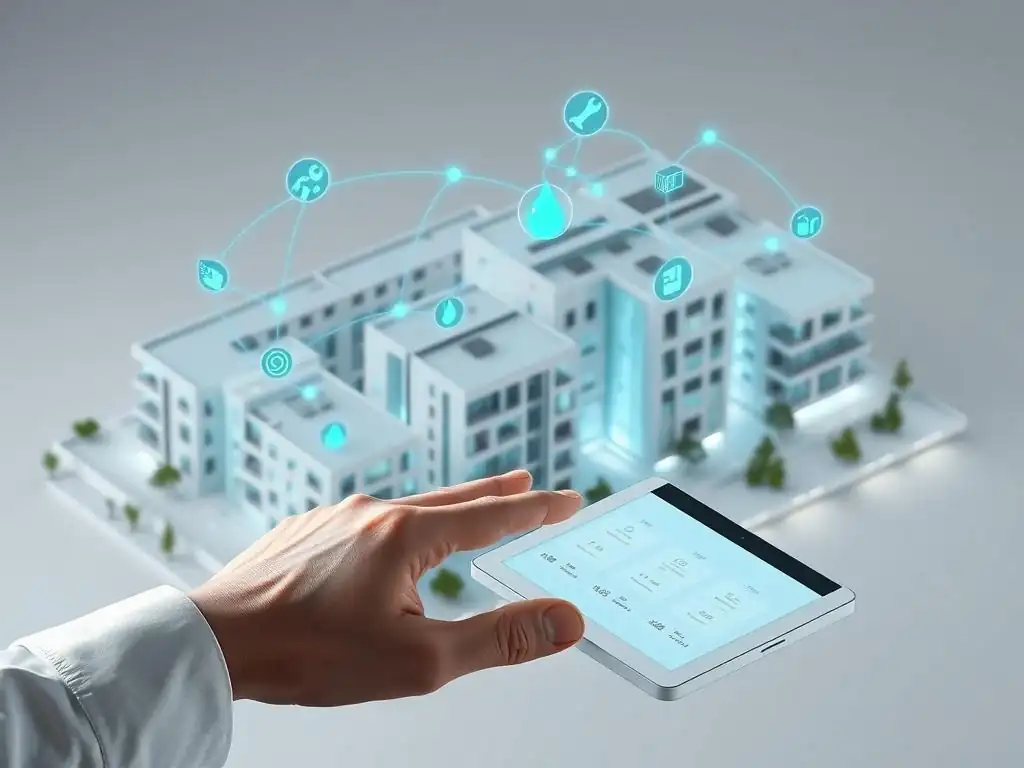
Selecting the appropriate blockchain platform is a critical decision when implementing a blockchain property maintenance system. Not all blockchains are created equal, and the choice will significantly impact the system's performance, cost, and suitability for property management needs. Key factors include the type of blockchain (public, private, or consortium), its consensus mechanism, and the underlying technology stack. A permissioned or consortium blockchain might be preferable for property management to control access and maintain data privacy, while a platform with a fast and efficient consensus mechanism is necessary for handling a high volume of transactions related to scheduling and payments.
The cost associated with using the platform is also a major consideration. This includes transaction fees (gas fees on platforms like Ethereum, though newer platforms offer lower or no fees) and the cost of developing and deploying smart contracts and dApps. Evaluating the developer ecosystem and available tools is also important, as a robust ecosystem can simplify development and integration. Finally, the platform's roadmap and long-term viability should be assessed to ensure the system remains supported and can evolve with future technological advancements in the blockchain space.
Scalability and Performance
Scalability is paramount for a blockchain property maintenance system, especially for managing large portfolios with numerous properties, tenants, and maintenance requests. The chosen platform must be able to handle a high volume of transactions per second without experiencing significant delays or prohibitive costs. Traditional blockchains like early versions of Ethereum faced scalability issues, leading to high transaction fees and slow confirmation times during periods of high network activity.
Modern blockchain platforms are designed with scalability in mind, utilizing techniques like sharding, layer-2 solutions (e.g., Polygon, Optimism), or different consensus mechanisms (like Proof-of-Stake or Delegated Proof-of-Stake) that allow for much higher transaction throughput. When evaluating platforms, look for reported transaction speeds (TPS) and demonstrated performance under load. A platform capable of thousands of transactions per second is likely necessary to efficiently manage the dynamic and frequent activities associated with Blockchain property maintenance scheduling and tracking across many properties.
Integration with Existing Systems
For property management firms, integrating a new blockchain system with existing legacy software is often a necessity. This includes integration with property management software (PMS) like AppFolio or Buildium, accounting systems, tenant portals, and potentially IoT devices installed in properties. The chosen blockchain platform should offer robust APIs (Application Programming Interfaces) and developer tools that facilitate seamless integration with these external systems.
A platform with strong enterprise adoption and proven integration capabilities will simplify the implementation process and minimize disruption. It's crucial to assess how easily data can flow between the blockchain system and existing databases or applications. Can maintenance requests initiated in a tenant portal automatically trigger a smart contract on the blockchain? Can payment data from the blockchain be easily reconciled with the accounting system? Evaluating the platform's interoperability and the availability of pre-built connectors or integration frameworks is essential for a smooth transition and successful deployment of the blockchain solution.
Security and Compliance Standards
Security is non-negotiable when dealing with sensitive property and financial data. The chosen blockchain platform must adhere to the highest security standards. This includes the cryptographic security of the ledger itself, the security of smart contract execution, and the overall network security. Look for platforms that have undergone rigorous security audits and have a strong track record of protecting data.
Compliance with relevant data privacy regulations (like GDPR, CCPA) and financial regulations is also critical. While blockchain offers data privacy features, the implementation must be designed to meet legal requirements. A permissioned blockchain might be necessary to control access and ensure only authorized parties can view specific data. The platform should support identity management and access controls that align with regulatory mandates. Consulting with legal and compliance experts is crucial during the platform selection phase to ensure the chosen technology and its implementation meet all necessary security and regulatory standards for property management operations.
Overcoming Implementation Challenges
Addressing Scalability Concerns
While modern blockchain platforms offer improved scalability, implementing a system that handles the volume of maintenance requests for a large portfolio still requires careful planning. One approach is to utilize Layer-2 scaling solutions built on top of a base blockchain, which can process a high volume of transactions off-chain before settling them on the main chain. This significantly increases throughput and reduces transaction costs.
Another strategy is to design the system architecture efficiently. Not all data needs to reside directly on the blockchain. Critical, verifiable events like request initiation, job completion, and payment confirmation should be on-chain, while less critical data or large files (like repair photos) can be stored off-chain in secure databases, with only a cryptographic hash stored on the blockchain for verification. This hybrid approach optimizes performance and storage requirements. Furthermore, careful smart contract design is essential to ensure they execute efficiently and don't become a bottleneck as transaction volume increases.
The regulatory landscape for blockchain technology is still evolving, which can present challenges for adoption in traditional industries like real estate and property management. Issues related to data privacy, smart contract legality, and the use of digital currencies need careful consideration. For instance, while blockchain offers transparency, it must be implemented in a way that complies with data protection laws, potentially requiring permissioned networks and careful data handling.
Property managers must work closely with legal counsel to understand the current regulations in their jurisdiction regarding the use of blockchain for contracts, record-keeping, and payments. It may be necessary to use smart contracts that are legally binding in the relevant jurisdiction, potentially requiring specific legal language embedded within the code or accompanying legal agreements. Navigating these hurdles requires a proactive approach, staying informed about regulatory developments, and designing the blockchain system with compliance as a core requirement from the outset.
Educating Stakeholders and Promoting Adoption
One of the biggest non-technical challenges is gaining buy-in from and educating all stakeholders: property owners, managers, tenants, and maintenance vendors. Many may be unfamiliar with blockchain technology or skeptical of its benefits. Property managers need to clearly articulate the value proposition – how the system will make maintenance more efficient, transparent, and reliable for everyone involved.
Providing comprehensive training and support is crucial. This includes demonstrating how to use the new system's interface (e.g., a mobile dApp for tenants to submit requests or for vendors to update job status), explaining the benefits they will experience (e.g., faster payment for vendors, quicker response times for tenants), and addressing concerns about security and complexity.
A phased rollout, starting with a pilot program on a smaller subset of properties or with a specific group of vendors, can help identify issues early and build confidence before a full-scale implementation. Successful adoption hinges on demonstrating tangible improvements and making the transition as smooth as possible for all users.
The Future of Blockchain in Property Maintenance
Emerging Trends and Innovations
The application of blockchain in property maintenance is still in its early stages, but several emerging trends promise further innovation. Integration with the Internet of Things (IoT) is a significant area of development. IoT sensors in properties can automatically detect issues (e.g., a water leak, an HVAC malfunction) and trigger a maintenance request directly on the blockchain via a smart contract, enabling predictive maintenance and faster responses. This eliminates the need for manual reporting in many cases.
Another trend is the development of more user-friendly interfaces and dApps that abstract away the complexity of the underlying blockchain technology, making it accessible to non-technical users. Furthermore, advancements in interoperability between different blockchain networks could allow for more seamless data exchange and collaboration across different property portfolios or service networks. The use of AI in conjunction with blockchain data could also enable more sophisticated analysis of maintenance history to predict future issues or optimize scheduling and resource allocation.
The Potential for DAOs
Decentralized Autonomous Organizations (DAOs) represent a potential future model for property management and maintenance. In a DAO structure, the rules and operations are encoded in smart contracts on a blockchain, and decisions are made collectively by token holders (who could be property owners, tenants, or even service providers) through voting mechanisms. A property maintenance DAO could automate the entire maintenance process, with community members proposing and voting on service providers, approving budgets, and overseeing operations directly on the blockchain.
While a fully realized property maintenance DAO is still a futuristic concept, elements of DAO governance could be incorporated into current blockchain systems. For example, vendors could be rated and selected based on verifiable performance data on the blockchain, with community input influencing preferred provider lists. Budgets for recurring maintenance tasks could be managed and approved through transparent, on-chain voting mechanisms. This shift towards decentralized governance could empower stakeholders and further enhance transparency and accountability in property upkeep.
Conclusion: Embracing Blockchain for Efficient Property Maintenance
The Transformative Power of Blockchain
Blockchain technology holds the potential to fundamentally transform property maintenance from a traditionally fragmented, inefficient, and often opaque process into a streamlined, transparent, and highly efficient operation. By providing an immutable, shared ledger and enabling the automation of workflows through smart contracts, blockchain addresses core challenges related to record-keeping, communication, scheduling, and payment. The ability to create a verifiable history of all maintenance activities enhances accountability and compliance, while improved transparency reduces disputes and builds trust among property owners, managers, tenants, and vendors.
The benefits extend beyond just process improvement, leading to tangible outcomes like reduced operational costs, faster response times for repairs, higher tenant satisfaction, and better-maintained assets. While implementation requires careful planning, addressing technical challenges like scalability and navigating regulatory landscapes, the long-term advantages of adopting a blockchain-based system for Blockchain property maintenance scheduling and overall management are significant.
Key Takeaways and Recommendations
Key takeaways for property managers considering blockchain for maintenance include recognizing the technology's power to create a single source of truth, automate key processes via smart contracts, and build trust through transparency. It's not just about adopting a new technology; it's about fundamentally rethinking how maintenance workflows are managed.
Recommendations for moving forward include:
- Start Small: Consider a pilot program focusing on a specific maintenance type or a subset of properties to test the technology and gather insights.
- Educate Stakeholders: Invest time in explaining the benefits and functionality to tenants, owners, and vendors to ensure buy-in and smooth adoption.
- Choose the Right Platform: Carefully evaluate blockchain platforms based on scalability, security, cost, and integration capabilities with existing systems.
- Focus on Use Cases: Prioritize implementing solutions for the most problematic areas, such as automated scheduling, vendor payment, or compliance tracking.
- Consult Experts: Work with blockchain developers, legal counsel, and cybersecurity professionals to design and implement a robust and compliant system.
Embracing blockchain offers a clear path towards more efficient, secure, and transparent property maintenance, ultimately enhancing asset value and stakeholder satisfaction.
Frequently Asked Questions
What are the main benefits of using a blockchain-based system for property maintenance scheduling?
A blockchain system offers increased transparency and security in scheduling and tracking maintenance requests. It facilitates immutable records, reducing disputes and enhancing trust between parties. This can lead to more efficient and reliable upkeep.
How does blockchain improve the efficiency of property maintenance compared to traditional methods?
Blockchain streamlines the process through smart contracts that automate scheduling and payments upon completion of tasks. This reduces administrative overhead and minimizes delays often associated with manual processes. It also creates a more auditable trail.
Can a blockchain system for property maintenance help with regulatory compliance?
Yes, the transparent and immutable nature of blockchain records provides a clear audit trail, simplifying compliance with property maintenance regulations. This provides readily available and verifiable data for regulatory bodies.
Is it possible to integrate existing property management software with a blockchain-based maintenance scheduling system?
Integration is possible, though it may require custom development. The key is to create an API that bridges the gap between the existing software's database and the blockchain network. This allows for seamless data exchange and enhanced functionality.
What are the potential challenges in implementing a blockchain-based property maintenance scheduling system?
Challenges include the initial cost of implementation, the need for staff training on blockchain technology, and concerns regarding data privacy and security. Scalability and interoperability with other systems also present potential hurdles.
Final Reflection: Building a Future of Seamless Property Care
The promise of blockchain-based property maintenance scheduling is no longer a futuristic fantasy, but a tangible solution poised to revolutionize how we manage and care for our built environment. The potential for increased transparency, efficiency, and cost savings, as explored throughout this article, resonates deeply in today's world where streamlined processes and reliable data are paramount for both property owners and service providers.
The integration of blockchain into property maintenance represents a significant shift, moving away from fragmented, often opaque systems towards a more collaborative and trustworthy ecosystem. This evolution is particularly compelling because it empowers individuals and communities to take greater control over the upkeep of their properties, fostering a sense of ownership and shared responsibility. The best way to predict the future is to create it.
- Peter Drucker. This quote encapsulates the proactive spirit driving the adoption of blockchain technology in property management, urging us to actively shape a more efficient and equitable future.
Now, consider the implications of this technology in your own life. How could blockchain-based systems simplify the management of your own property, or improve the services you provide? Take a moment to envision a world where property maintenance is no longer a source of stress and uncertainty, but a seamless and transparent process, powered by the trust and security of the blockchain. The future of property care is being built today, and your engagement is crucial in shaping its trajectory.
Revolutionize Your Property Management Today!
Thank you for exploring the potential of blockchain technology in property maintenance. We hope you've gained useful insights into how this innovation can streamline your processes and improve efficiency. Now, it's time to take action.
Begin by researching blockchain solutions designed specifically for property management. Look for providers and projects that match your property's size and needs. This is your first step—don't wait to get started.
Additionally, review case studies of successful blockchain-based maintenance systems to understand their real-world applications and lessons learned. Sharing this article with colleagues and industry peers can also help spread awareness of how blockchain can transform property upkeep.
What challenges do you believe blockchain can help you overcome in managing your properties? We welcome your thoughts in the comments below!
Leave a Reply