
Utility Tokens in DeFi: Fueling Decentralized Finance Applications


Welcome to Blockchain Trends, your compass in the rapidly evolving world of decentralized innovation. Beyond the buzzwords, we delve into the real-world applications of blockchain technology. This week, we're unraveling the often-overlooked benefits of DeFi utility tokens. Curious how these tokens are more than just speculative assets and are actually fueling the next generation of decentralized finance? Dive in to discover how they're transforming finance as we know it.
- Understanding DeFi Utility Tokens and Their Role
- DeFi Utility Token Benefits: A Deep Dive
- How DeFi Utility Tokens Drive Decentralized Applications (dApps)
- Examples of Successful DeFi Utility Tokens
- Risks and Challenges Associated with DeFi Utility Tokens
- The Future of Utility Tokens in the DeFi Landscape
- Analyzing the Tokenomics of DeFi Utility Tokens
- Choosing the Right DeFi Utility Token: Key Considerations
- DeFi Utility Tokens vs. Other DeFi Tokens: A Comparison
- Conclusion: The Power of Utility Tokens in Shaping DeFi's Future
-
Frequently Asked Questions
- What exactly is a DeFi utility token, and how does it function?
- What are some common benefits of holding DeFi utility tokens?
- How do utility tokens contribute to the overall functionality of DeFi platforms?
- What are some potential risks associated with investing in or using DeFi utility tokens?
- How might regulations impact the future of DeFi utility tokens and their benefits?
- Final Reflection: Embracing the Power of DeFi Utility Tokens
- Dive Deeper into DeFi: Shape the Future!
Understanding DeFi Utility Tokens and Their Role
What is a Utility Token in Decentralized Finance (DeFi)?
A utility token in the context of Decentralized Finance (DeFi) is a digital asset designed to provide holders with access to a specific product, service, or function within a decentralized application (dApp) or protocol. Unlike security tokens, which often represent ownership or a right to profits, utility tokens are fundamentally tools for interaction and participation within an ecosystem. Their value is derived from their usefulness and demand within the specific DeFi protocol they belong to, rather than from speculative investment based on the protocol's overall financial performance or profit distribution.
These tokens are the operational fuel for many DeFi platforms, enabling users to perform actions ranging from paying for services to participating in governance. For instance, a utility token might be required to access premium features on a decentralized exchange, pay for data feeds from an oracle network, or interact with lending and borrowing protocols.
The core idea is that holding the token grants the holder the ability to use the system, making it integral to the user experience and the protocol's functionality. The DeFi utility token benefits often center around enhancing this user interaction and providing incentives for engagement.
Distinguishing Utility Tokens from Security Tokens in DeFi
The distinction between utility tokens and security tokens is crucial, particularly from a regulatory standpoint. A security token typically represents an investment contract, signifying ownership, equity, or a right to dividends or profit sharing from an enterprise. The expectation of profit derived from the efforts of others is a key characteristic that often subjects security tokens to stringent financial regulations similar to traditional securities like stocks.
In contrast, a utility token's primary purpose is to grant access to a service or product. While holders may hope for an increase in the token's value, this increase is theoretically tied to the growing demand for the underlying service or product that the token enables access to, rather than a direct claim on the protocol's profits. For example, a token used solely to pay transaction fees on a decentralized network is a utility token.
However, a token that also grants holders a percentage of the transaction fees collected by the protocol might be classified as a security token. Understanding this difference is vital for both developers designing tokenomics and users navigating the DeFi landscape, as it impacts legal compliance and the fundamental nature of the asset.
Key Characteristics of DeFi Utility Tokens
DeFi utility tokens possess several defining characteristics that differentiate them within the broader crypto asset class. Firstly, their primary function is tied to the utility they provide within a specific decentralized protocol. This could be access to features, payment for services, or participation in network operations. Secondly, they are often integral to the protocol's tokenomics, serving as incentives for users to perform actions that benefit the network, such as providing liquidity or validating transactions.
Another key characteristic is their role in decentralized governance. Many DeFi utility tokens grant holders the right to vote on proposals related to the protocol's development, parameters, and future direction. This empowers the community and aligns user incentives with the health and evolution of the platform. Furthermore, utility tokens are typically built on programmable blockchains like Ethereum, leveraging smart contracts to define their rules, distribution, and functionality transparently. These characteristics collectively enable the various DeFi utility token benefits that drive user adoption and protocol growth.
DeFi Utility Token Benefits: A Deep Dive
Enhanced User Experience Through Utility Tokens
One of the significant DeFi utility token benefits is the enhancement of the user experience within decentralized applications. By holding or using a utility token, users can often access features, services, or levels of interaction that would otherwise be unavailable or more costly. For instance, some protocols might offer reduced trading fees on a decentralized exchange if transactions are paid for using the native utility token. Others might unlock access to advanced analytics or priority customer support for token holders.
This integration of utility tokens into the user flow creates a more seamless and rewarding experience. It moves beyond simple asset holding to active participation and utilization of the protocol's capabilities. The token acts as a key that unlocks the full potential of the dApp, encouraging users to engage more deeply with the platform and derive maximum value from its offerings. This direct link between token ownership/usage and tangible functional advantages is a core aspect of DeFi utility token benefits.
Governance and Voting Rights with DeFi Utility Tokens
A major DeFi utility token benefit is the power of governance and voting rights they often bestow upon holders. In decentralized protocols, there is no central authority making decisions. Instead, the community of token holders frequently governs the protocol's evolution. Utility tokens are commonly used as governance tokens, allowing individuals to propose changes to the protocol's parameters, such as fee structures, collateral ratios, or even significant upgrades, and then vote on these proposals.
Examples include protocols like Uniswap, where UNI token holders can vote on governance proposals affecting the protocol's treasury and future development. This democratic approach ensures that the protocol remains aligned with the interests of its users and contributors. The weight of a vote is typically proportional to the amount of tokens held, creating a vested interest among token holders in the protocol's success and security. This ability to directly influence the direction of a multi-billion dollar protocol represents a powerful DeFi utility token benefit.
Access to Exclusive Features and Services in DeFi Protocols
Beyond basic access, DeFi utility token benefits often extend to unlocking exclusive features and premium services. Protocols may tier access based on the amount of utility tokens held or staked. This could mean access to beta programs for new features, participation in private communities, or eligibility for airdrops and other rewards not available to non-token holders.
For example, a decentralized lending platform might offer lower interest rates on loans or higher yields on deposits for users who stake a certain amount of the platform's native utility token. A decentralized data service might provide access to higher-resolution data feeds or more frequent updates for token holders. These exclusive benefits incentivize users to acquire and hold the token, creating demand and fostering loyalty within the ecosystem. This model directly ties the token's utility to tangible advantages for the user.
Staking and Yield Farming Opportunities with DeFi Tokens
A significant driver of DeFi utility token benefits is their role in staking and yield farming mechanisms. Many DeFi protocols allow users to stake their utility tokens to secure the network, provide liquidity, or participate in specific protocol functions in exchange for earning additional tokens or other rewards. Staking involves locking up tokens to support network operations, often seen in Proof-of-Stake systems or specific protocol-level staking for security or governance.
Yield farming, often involving liquidity mining, allows users to deposit pairs of assets into liquidity pools on decentralized exchanges or lending protocols. In return for providing this crucial liquidity, users earn a portion of the transaction fees generated by the pool and are often rewarded with the protocol's native utility token. These opportunities provide token holders with a passive income stream, further enhancing the DeFi utility token benefits beyond simple protocol access and governance. This mechanism is vital for bootstrapping liquidity and encouraging active participation in the DeFi ecosystem.
How DeFi Utility Tokens Drive Decentralized Applications (dApps)
Fueling Transactions and Operations on DeFi Platforms
While not always used directly as payment for every single transaction like gas on a blockchain, DeFi utility tokens often fuel specific operations and interactions within their respective platforms. This can manifest in various ways. For instance, a token might be required to initiate certain smart contract functions, pay for premium protocol services, or access cross-chain bridges. In some models, a portion of the fees generated by the protocol might be used to buy back and burn the utility token, creating deflationary pressure and aligning the token's value with protocol activity.
Moreover, utility tokens incentivize the core actions that enable transactions and operations. For example, liquidity provider tokens (which can be considered a form of utility token representing a share of a liquidity pool) allow users to earn fees from trades, thereby ensuring there is sufficient capital for users to swap assets. Similarly, tokens used for staking in a consensus mechanism or a protocol's security module directly contribute to the operational integrity and reliability of the platform, making transactions possible and secure.
Incentivizing Participation and Engagement in DeFi Ecosystems
A primary role of DeFi utility tokens is to incentivize user participation and engagement, which are critical for the health and growth of decentralized networks. Protocols distribute utility tokens to users who perform valuable actions, such as providing liquidity, contributing code, participating in governance, or even simply using the protocol regularly. This distribution model, often referred to as liquidity mining or participation rewards, encourages users to become active stakeholders rather than passive observers.
For example, early decentralized exchanges famously distributed their governance/utility tokens to users who provided liquidity, attracting billions of dollars in capital within weeks. This incentive mechanism creates a positive feedback loop: more users are attracted by the potential to earn tokens, which in turn increases liquidity, trading volume, and overall network activity, further enhancing the protocol's utility and value. The potential for earning through active use is a significant part of the DeFi utility token benefits proposition.
Supporting the Development and Growth of DeFi Projects
Utility tokens are often central to funding and supporting the ongoing development and growth of DeFi projects. A portion of the total token supply is typically allocated to the project's core team, treasury, or foundation. These funds are then used to pay developers, conduct audits, cover operational costs, fund grants for ecosystem development, and market the protocol to a wider audience.
Furthermore, the success and adoption of the protocol directly impact the demand and perceived value of its utility token. As the protocol grows, attracts more users, and processes more volume, the utility token becomes more desirable due to its integral role in accessing services, participating in governance, and earning rewards. This creates a virtuous cycle where the token's value is aligned with the project's success, providing long-term incentives for the team and community to contribute to its growth and sustainability.
Examples of Successful DeFi Utility Tokens
UNI (Uniswap): Governance and Protocol Development
UNI is the native utility and governance token of Uniswap, one of the largest decentralized exchange protocols. While UNI doesn't need to be held to simply swap tokens on Uniswap, its primary utility lies in granting holders the right to participate in the governance of the Uniswap protocol. UNI holders can propose, discuss, and vote on changes to the protocol, including how the treasury funds are spent, which layer-2 solutions to integrate with, and adjustments to the protocol's fee structure.
The distribution of UNI, notably through a large retroactive airdrop to historical users, was a landmark event in DeFi, instantly creating a widely distributed governance body. As of late 2023, millions of UNI tokens have been used to vote on significant proposals, demonstrating the token's active role in shaping the future of the protocol. The ability to influence one of the most critical pieces of DeFi infrastructure is a powerful illustration of DeFi utility token benefits in practice.
LINK (Chainlink): Payment for Oracle Services
LINK is the utility token of the Chainlink network, a decentralized oracle network that provides real-world data to smart contracts on the blockchain. Unlike many other DeFi utility tokens used within a single protocol, LINK's utility is specifically for paying Chainlink node operators for the data feeds and computations they provide to smart contracts across various blockchains and dApps.
Smart contract developers and dApps that require external data – such as asset prices for lending protocols, weather data for parametric insurance, or event outcomes for prediction markets – use LINK to compensate the decentralized network of Chainlink nodes that fetch, aggregate, and deliver this information securely on-chain. Billions of dollars in value across DeFi and beyond rely on Chainlink's oracle services, creating consistent demand for the LINK token as the required medium of exchange for these services. This clear, transactional utility makes LINK a prime example of a functional DeFi utility token.
MKR (MakerDAO): Stability Fee Payments and Governance
MKR is the governance token of the Maker Protocol, which issues the decentralized stablecoin Dai. MKR holders are responsible for governing the Maker Protocol, including key risk parameters such as the types of collateral accepted for generating Dai, the collateralization ratios required, and the Stability Fee (the interest rate paid by users who generate Dai).
Beyond governance, MKR has a unique utility function tied to the solvency of the Dai system. If the system becomes undercollateralized during extreme market downturns, MKR can be minted and sold to recapitalize the protocol. Conversely, if the protocol accrues surplus revenue from Stability Fees, this revenue is used to buy back and burn MKR from the open market, reducing its supply.
MKR is also used to pay the Stability Fee itself, although this is less common than paying with Dai or other accepted collateral yield. This dual role in governance and as a recapitalization/burning mechanism directly ties MKR's utility to the health and stability of one of DeFi's foundational stablecoins.
Risks and Challenges Associated with DeFi Utility Tokens
Regulatory Uncertainty Surrounding DeFi Tokens
One of the primary risks facing DeFi utility tokens is the ongoing regulatory uncertainty worldwide. While proponents argue that most DeFi utility tokens are not securities because their value is tied to protocol usage rather than profit sharing, regulators in various jurisdictions are still examining how to classify and oversee these assets. The lines between utility and security can be blurry, and differing interpretations by regulatory bodies could lead to unexpected legal challenges or restrictions on token issuance, trading, or usage.
This lack of clear regulatory frameworks creates an unpredictable environment for both developers and users. A token widely considered a utility token today could potentially be deemed a security by a regulator tomorrow, leading to delisting from exchanges, legal battles, and a significant drop in value. Navigating this evolving landscape requires careful consideration and often legal expertise for projects building with and relying on utility tokens.
Price Volatility and Market Manipulation Concerns
Like most cryptocurrencies, DeFi utility tokens are subject to significant price volatility. Their value can fluctuate dramatically based on market sentiment, news events, protocol updates, and overall crypto market trends. This volatility poses a risk for users who acquire tokens for their utility but also hold them, as the value of their holdings can decrease rapidly. For protocols, extreme price swings can impact the cost of participation or the effectiveness of token-based incentives.
Furthermore, DeFi tokens, especially those with smaller market capitalizations or lower trading volumes, can be susceptible to market manipulation schemes like "pump and dump" or "wash trading." The decentralized nature of some trading platforms can make it challenging to monitor and prevent such activities effectively. While the DeFi utility token benefits are compelling, the inherent market risks associated with volatile digital assets remain a significant challenge.
Smart Contract Security Risks and Audits
DeFi utility tokens operate on smart contracts, and these contracts are susceptible to bugs, vulnerabilities, and exploits. A flaw in the smart contract governing a token's issuance, transfer, or utility functions could lead to tokens being stolen, frozen, or improperly minted. While many DeFi projects undergo rigorous smart contract audits by reputable firms, audits do not guarantee absolute security, and new vulnerabilities can always emerge.
Past incidents in the DeFi space have shown that smart contract exploits can result in the loss of millions or even billions of dollars worth of assets, including utility tokens held within vulnerable protocols (e.g., staked or held in liquidity pools). Users interacting with DeFi protocols and holding utility tokens must be aware of this underlying technical risk. The security of the smart contracts underpinning the token and the protocol it serves is paramount to mitigating potential losses.
The Future of Utility Tokens in the DeFi Landscape
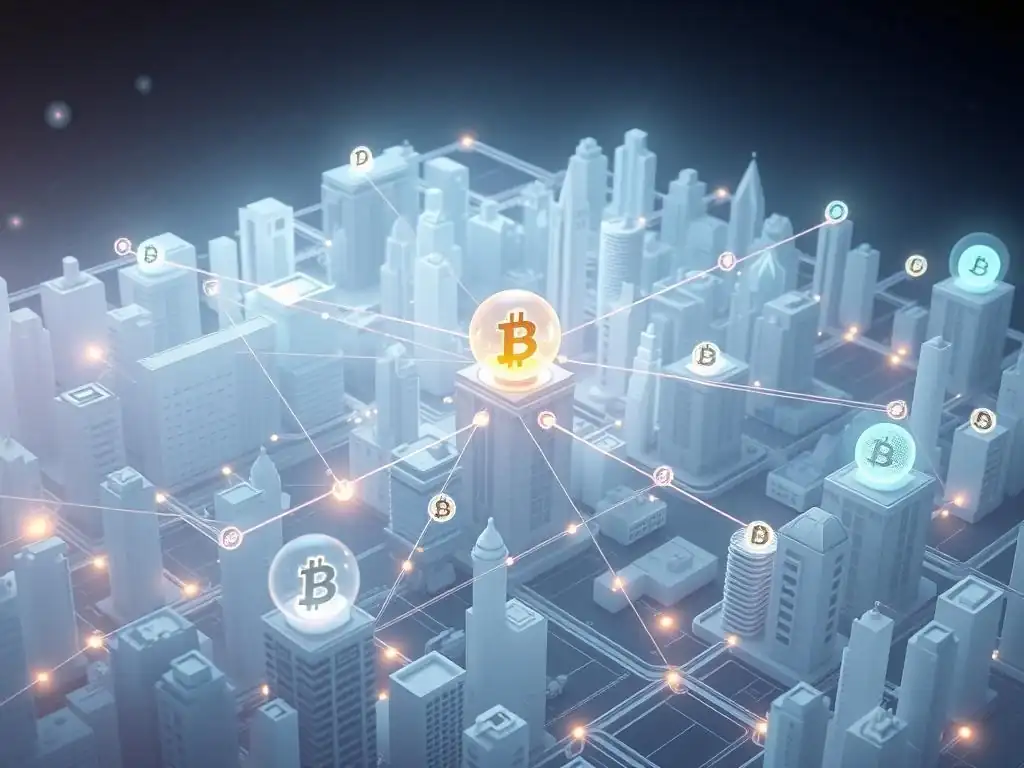
Emerging Trends in DeFi Tokenomics
The field of DeFi tokenomics is constantly evolving, with new trends emerging that seek to optimize the design and function of utility tokens. One trend is the move towards more complex token models that combine multiple utilities, such as governance, revenue sharing (in a compliant manner), and access to tiered services, within a single token. Another trend is the focus on sustainable token emissions and distribution models that avoid excessive inflation and better align long-term incentives.
We are also seeing increased experimentation with token sinks and burning mechanisms tied directly to protocol usage or revenue, aiming to create deflationary pressure and enhance token value as the protocol grows. Furthermore, protocols are exploring veToken models (vote-escrowed tokens) where users lock tokens for a period to gain enhanced voting power and boosted yield, encouraging long-term commitment over short-term speculation. These emerging trends aim to maximize DeFi utility token benefits and create more robust, sustainable ecosystems.
The Evolution of Utility Token Functionality
The functionality of DeFi utility tokens is expected to continue evolving beyond basic access and governance. As DeFi protocols become more sophisticated and integrate with real-world assets or services, utility tokens may take on new roles. This could include acting as credentials for decentralized identity systems, serving as collateral for new types of loans, or enabling participation in decentralized insurance pools.
The integration of utility tokens into cross-chain environments is also a significant area of development, allowing tokens to provide utility across multiple blockchain networks. As Layer 2 scaling solutions mature, the utility of tokens on these layers for faster and cheaper transactions will also become more prominent. This ongoing evolution of functionality means that the DeFi utility token benefits are likely to expand, making these assets even more integral to the decentralized economy.
The Impact of Utility Tokens on the Adoption of DeFi
Utility tokens are poised to play a crucial role in driving the mainstream adoption of DeFi. By providing tangible benefits like reduced fees, enhanced yields, and the ability to participate in governance, these tokens create compelling reasons for users to engage with decentralized applications. They transform passive users into active participants and stakeholders, fostering a sense of ownership and community.
Furthermore, the potential for earning utility tokens through activities like yield farming acts as a powerful onboarding mechanism, attracting users who might initially be hesitant about DeFi's complexity. As protocols become more user-friendly and the utility of their tokens becomes clearer and more valuable, the barrier to entry for new users decreases. Ultimately, the utility token acts as an incentive layer and a functional component that makes DeFi protocols more attractive, sticky, and accessible to a broader audience, accelerating overall adoption.
Analyzing the Tokenomics of DeFi Utility Tokens
Supply and Demand Dynamics Affecting Token Value
Understanding the tokenomics of a DeFi utility token, particularly its supply and demand dynamics, is critical for assessing its potential value and sustainability. The total supply of a token, whether fixed or inflationary, and its circulating supply significantly impact its scarcity. How tokens are distributed over time through vesting schedules, emissions programs, or unlocks affects the rate at which new tokens enter the market.
Demand for the token is primarily driven by its utility: how many users need the token to access services, participate in governance, stake for rewards, or pay for protocol functions? The growth and success of the underlying protocol directly influence this demand. Analyzing factors like active users, transaction volume, total value locked (TVL), and protocol revenue can provide insights into the fundamental demand for the token's utility. The interplay between the token's supply schedule and the growing or shrinking demand for its utility is the primary driver of its long-term value.
Distribution Mechanisms and Token Allocation Strategies
The initial and ongoing distribution mechanisms of a DeFi utility token are key components of its tokenomics. Common initial distribution methods include public sales, private sales to investors, airdrops to early users, and allocations to the project team, advisors, and treasury. The fairness and transparency of this initial distribution can impact community trust and decentralization.
Ongoing distribution often occurs through incentive programs like liquidity mining, staking rewards, or grants for ecosystem development. The strategy behind these allocations is crucial; it should align incentives, encourage desired behaviors (like providing liquidity or active governance), and ensure a broad distribution to prevent excessive concentration of power. Analyzing the token allocation breakdown – what percentage goes to the team, investors, treasury, and community incentives – provides insight into the project's priorities and potential centralization risks. A well-designed distribution strategy enhances DeFi utility token benefits for the wider community.
Burning Mechanisms and Token Scarcity
Burning mechanisms are a tokenomic feature where a portion of tokens are permanently removed from the circulating supply, often tied to protocol activity or revenue. This acts as a deflationary force, potentially increasing the scarcity and value of the remaining tokens. For example, a protocol might burn a percentage of the fees collected from transactions, or use protocol revenue to buy back tokens from the market and then burn them.
Analyzing the burning mechanism involves understanding what triggers the burn, the amount of tokens burned over time, and how it relates to the rate of new token issuance (inflation). A strong burning mechanism, especially one fueled by growing protocol usage, can significantly enhance the long-term value proposition of a utility token by counteracting inflationary pressures and creating positive price pressure. This mechanism directly contributes to the potential DeFi utility token benefits by increasing the value of existing holdings.
Choosing the Right DeFi Utility Token: Key Considerations
Assessing the Project's Fundamentals and Team
When considering a DeFi utility token, it is crucial to look beyond the token itself and thoroughly assess the underlying project's fundamentals. This includes evaluating the problem the protocol aims to solve, the size and growth potential of its target market, and the uniqueness and effectiveness of its solution compared to competitors. A protocol addressing a real need with a strong product is more likely to see increasing demand for its utility token.
Equally important is evaluating the project team. Research their experience, track record, and reputation in the blockchain and DeFi space. A transparent, skilled, and committed team is better positioned to navigate challenges, execute the roadmap, and build a successful protocol that drives demand for its utility token. Reviewing the project's whitepaper, roadmap, and community engagement provides further insight into its potential longevity and impact.
Evaluating the Token's Utility and Use Cases
The core of assessing a DeFi utility token lies in understanding its actual utility and practical use cases within the protocol. Ask: What can this token do? Is its utility essential for using key features of the protocol, or is it merely cosmetic? Is there a clear and growing demand for the services or access that the token provides?
Evaluate the specific DeFi utility token benefits it offers. Does it provide meaningful governance rights? Does it unlock valuable exclusive features? Are the staking or yield farming opportunities sustainable and attractive? A token with multiple, compelling use cases that are integral to a successful and growing protocol is generally more valuable than a token with limited or artificial utility. Look for tokens where demand for the protocol's services directly translates into demand for the token.
Understanding the Token's Tokenomics and Distribution
A deep dive into the token's tokenomics is essential before acquiring a DeFi utility token. Analyze the total supply, circulating supply, vesting schedules for the team and early investors, and the inflation rate from emissions. Understand how tokens are distributed through incentive programs and whether these programs are sustainable in the long term.
Furthermore, examine any burning mechanisms and how effectively they might offset inflation. Look at the token distribution among holders – is it highly concentrated among a few whales or relatively decentralized? Understand how the tokenomics are designed to align incentives and whether they encourage long-term holding and participation versus short-term speculation. A well-designed tokenomic model that balances supply, demand, and incentives is crucial for the token's long-term health and the realization of DeFi utility token benefits.
DeFi Utility Tokens vs. Other DeFi Tokens: A Comparison
Comparing Utility Tokens with Governance Tokens
In the evolving DeFi landscape, the lines between different token types can sometimes blur, but a key comparison is between pure utility tokens and governance tokens. While many tokens combine both functions, a pure utility token's primary role is to grant access to a service or pay for a function within a protocol. Its value is directly tied to the demand for that specific utility.
A pure governance token, on the other hand, is primarily used for voting on protocol proposals. While this voting right can be considered a form of utility (the utility of influencing the protocol), its value is derived more from the power and influence it grants rather than transactional use. However, in practice, most significant DeFi tokens combine both.
For example, UNI provides governance rights, which is a form of utility, and can also be staked for rewards (another utility). The key is that the DeFi utility token benefits are focused on active use and participation, including the utility of governance.
Comparing Utility Tokens with Reward Tokens
Reward tokens are distributed to users as incentives for performing specific actions within a protocol, such as providing liquidity, staking other assets, or referring new users. While many utility tokens are used as reward tokens in liquidity mining or staking programs, not all reward tokens necessarily have broader utility or governance functions outside of being earned and potentially sold or restaked.
For instance, a protocol might issue a temporary "farming" token with limited utility that is solely designed to bootstrap liquidity and is earned by staking the main utility token. Once earned, this reward token might only be tradable or stakeable in specific pools, without granting governance rights or access to core protocol features. Utility tokens, conversely, are designed with a fundamental purpose within the protocol's operation or governance from the outset, making their DeFi utility token benefits more deeply integrated into the platform's core functions.
The Interplay Between Different Token Types in DeFi
The DeFi ecosystem often features protocols where different token types interact. A protocol might have a stablecoin (like Dai) for transactions and value storage, a utility/governance token (like MKR) for protocol management and stability, and perhaps other reward tokens used in specific incentive programs. Understanding the relationships between these tokens is vital.
Often, the utility token serves as the central hub, connecting the various parts of the ecosystem. It might be required to access services related to the stablecoin, used in governance decisions that affect all token types, and distributed as rewards alongside other assets. This interplay creates a complex but often synergistic tokenomic model where the demand and utility of one token can positively impact the others, contributing to the overall health and growth of the decentralized protocol and amplifying the DeFi utility token benefits.
Conclusion: The Power of Utility Tokens in Shaping DeFi's Future
DeFi utility tokens are far more than just speculative assets; they are the functional backbone of decentralized finance applications. By providing tangible benefits such as enhanced user experience, crucial governance rights, access to exclusive features, and opportunities for earning through staking and yield farming, they incentivize participation and drive the growth of decentralized protocols. The DeFi utility token benefits are central to attracting users, bootstrapping liquidity, and fostering engaged communities.
While challenges like regulatory uncertainty, market volatility, and smart contract risks persist, the continuous evolution of tokenomics and functionality suggests a bright future for utility tokens in DeFi. They are becoming increasingly sophisticated, integrated, and essential to the operation and adoption of decentralized systems. As DeFi matures and expands into new use cases, the role and importance of utility tokens in fueling this transformation will only continue to grow, solidifying their position as a fundamental building block of the decentralized economy.
Frequently Asked Questions
What exactly is a DeFi utility token, and how does it function?
A DeFi utility token is a digital asset on a blockchain that grants holders specific access or benefits within a decentralized finance (DeFi) application. These tokens are not primarily designed as investments, but rather to power the ecosystem.
What are some common benefits of holding DeFi utility tokens?
Benefits can include governance rights, allowing holders to vote on protocol changes; access to premium features within the DeFi platform; and the ability to earn yield through staking or providing liquidity.
How do utility tokens contribute to the overall functionality of DeFi platforms?
Utility tokens act as essential components within DeFi ecosystems, incentivizing participation, facilitating transactions, and distributing power among users, thereby driving decentralization and innovation.
What are some potential risks associated with investing in or using DeFi utility tokens?
Risks include price volatility due to market fluctuations, smart contract vulnerabilities that could lead to loss of funds, and regulatory uncertainty surrounding the legal status of DeFi assets.
How might regulations impact the future of DeFi utility tokens and their benefits?
Increased regulatory scrutiny could lead to stricter rules around token issuance and trading, potentially limiting certain benefits or requiring platforms to comply with securities laws, which can affect adoption.
Final Reflection: Embracing the Power of DeFi Utility Tokens
The exploration of DeFi utility tokens reveals more than just technological innovation; it highlights a fundamental shift in financial power dynamics. The benefits of DeFi utility tokens, from enhanced governance to incentivized participation, are not merely theoretical advantages; they are actively shaping the future of finance as we know it. The decentralized nature of these tokens empowers users, fostering a more inclusive and equitable financial ecosystem, a stark contrast to traditional, centralized systems.
The impact of DeFi utility tokens extends far beyond the realm of cryptocurrency enthusiasts. They represent a paradigm shift towards community-driven finance, where individuals have a direct stake in the success and governance of the platforms they use. This democratization of finance is not without its challenges, but its potential to reshape our relationship with money and financial institutions is undeniable. Decentralized finance is not just about technology; it's about empowering individuals and communities to control their own financial destinies.
As we stand at the cusp of this financial revolution, let us not be passive observers. Consider how you can leverage the power of DeFi utility tokens to participate in a more equitable and transparent financial future. Explore the opportunities, understand the risks, and contribute to the development of a decentralized financial landscape that benefits all. The future of finance is being built today, and your engagement can help shape it for the better.
Here's a Call to Action (CTA) crafted for the end of your "Utility Tokens in DeFi: Fueling Decentralized Finance Applications" article, aimed at Blockchain Trends' audience:
Dive Deeper into DeFi: Shape the Future!
Thank you for exploring the potential of utility tokens in DeFi! We hope you now have a clearer understanding of how these digital assets are revolutionizing decentralized finance. Now, it's time to put that knowledge into action and contribute to the evolving landscape.
Here’s how you can get involved:
- Start small: Acquire a small amount of a DeFi utility token you researched in this article and experiment with staking or providing liquidity on a reputable platform. This hands-on experience is invaluable! (Primary Action)
- Explore advanced DeFi concepts by reading on our Blockchain Trends site or other reputable source. You might find out what is Yield Farming.
- Share your insights and questions with the Blockchain Trends community in the comments below. Let's learn from each other and build a better understanding of DeFi together!
What utility token are you most excited to experiment with, and why? Let's discuss!
Leave a Reply