
Decentralized Autonomous Organizations (DAOs): The Future of Blockchain Governance?


Welcome to Blockchain Trends, your compass in the rapidly evolving world of decentralized technologies!
Are you ready to unravel the complex web of DAOs governance blockchain future? Dive into our latest article to explore how Decentralized Autonomous Organizations are reshaping the very fabric of organizational structures and paving the way for a more transparent and equitable future. Discover the potential, the challenges, and the groundbreaking innovations that are driving this revolutionary shift. What if the future of governance is already here?
Decentralized Autonomous Organizations (DAOs): The Future of Blockchain Governance?
- Understanding Decentralized Autonomous Organizations (DAOs)
- The Evolution of DAO Governance Models
- DAOs and the Blockchain Governance Landscape
- Use Cases of DAOs: Real-World Applications
- The Challenges and Limitations of DAOs
- The Future of DAOs: Trends and Predictions
- Optimizing DAO Governance for a Decentralized Future
- Conclusion: DAOs - A New Paradigm for Organizational Structure and Blockchain Governance
- Frequently Asked Questions
- Final Reflection: Embracing the Decentralized Future
- Build Your DAO Vision Now!
Understanding Decentralized Autonomous Organizations (DAOs)
What are DAOs and How Do They Work?
Decentralized Autonomous Organizations, or DAOs, represent a novel form of organizational structure enabled by blockchain technology. At their core, DAOs are communities governed by rules encoded in smart contracts on a blockchain, rather than by a traditional hierarchical management structure. Imagine an organization where every rule, from how funds are spent to how decisions are made, is transparently and immutably recorded on a public ledger. This is the essence of a DAO. They operate autonomously, meaning once launched, they can function with minimal human intervention, executing actions based on pre-defined code and the collective will of their members.
The operational mechanism of a DAO revolves around smart contracts. These self-executing contracts automatically enforce the rules of the organization. Members, typically token holders, can submit proposals for changes or actions within the DAO. These proposals are then voted upon by the community, often proportionally to their token holdings. If a proposal reaches the required consensus, the smart contracts automatically execute the agreed-upon action, be it allocating funds, modifying rules, or initiating other predefined functions. This process eliminates the need for intermediaries, reduces the risk of corruption, and fosters a more democratic and transparent organizational environment.
Key Characteristics of DAOs: Transparency, Autonomy, and Community
Transparency is a cornerstone of DAOs. Because all rules, transactions, and voting processes are recorded on the blockchain, they are publicly auditable and verifiable. Anyone can inspect the DAO's code, financial records, and decision-making history, fostering trust and accountability among members. This radical transparency contrasts sharply with traditional organizations, where internal operations are often opaque. For instance, consider a traditional company's financial statements, which are typically only released periodically and may be subject to interpretation. In contrast, a DAO’s financial state is perpetually open for inspection in real-time on the blockchain.
Autonomy is another defining characteristic. DAOs operate based on code, minimizing the need for human intermediaries in day-to-day operations. Smart contracts automate processes, ensuring consistent and predictable execution of agreed-upon rules. This reduces the potential for human error, bias, or manipulation. Imagine a DAO managing a decentralized fund. Once the rules for fund allocation are coded into smart contracts, the distribution of funds occurs automatically when pre-defined conditions are met, without requiring manual approval from managers or committees. This autonomous operation streamlines processes and increases efficiency.
Community is central to the DAO concept. DAOs are inherently community-driven organizations. Members collectively govern the organization, shaping its direction and operations through voting and participation. This participatory governance model empowers individuals and fosters a sense of ownership and shared responsibility. For example, in a DAO focused on developing open-source software, community members might propose and vote on feature updates, bug fixes, and resource allocation, effectively becoming stakeholders in the software's development and evolution. This community-centric approach can lead to more resilient and adaptable organizations, as diverse perspectives and collective intelligence contribute to decision-making.
The Role of Smart Contracts in DAO Operations
Smart contracts are the foundational technology that enables the existence and operation of DAOs. They are self-executing agreements written in code and deployed on a blockchain. These contracts contain the rules and logic that govern a DAO, automating processes and enforcing decisions transparently and immutably. Without smart contracts, the concept of a DAO as a self-governing and autonomous entity would be practically impossible to realize. They provide the necessary infrastructure for trustless and decentralized governance.
Consider the lifecycle of a typical DAO operation, from proposal submission to execution. A member, holding governance tokens, proposes a new initiative, for example, a marketing campaign for a DeFi protocol managed by a DAO. This proposal is recorded on the blockchain. Smart contracts then facilitate the voting process, allowing token holders to cast their votes in proportion to their token stake.
Once the voting period concludes and the proposal reaches the predefined quorum and consensus threshold, the smart contracts automatically execute the outcome. In the case of the marketing campaign, this might involve automatically transferring funds from the DAO's treasury to a designated wallet, all without manual intervention or the need for intermediaries. This end-to-end automation and enforcement by smart contracts ensure that DAO operations are transparent, predictable, and resistant to censorship or manipulation.
The Evolution of DAO Governance Models
From Early Experiments to Sophisticated DAO Structures
The concept of DAOs is not entirely new, with early experiments dating back to the initial years of blockchain technology. One of the earliest and most notable examples was "The DAO" in 2016. While ultimately unsuccessful due to a critical security vulnerability in its smart contract code, "The DAO" served as a crucial learning experience, highlighting both the potential and the inherent risks of early DAO implementations.
Despite its failure, "The DAO" demonstrated the feasibility of decentralized governance and spurred further development in the field. It managed to raise over \$150 million worth of Ether at the time, showcasing significant interest in the DAO model, even in its nascent stage.
Following the lessons learned from early experiments like "The DAO," subsequent DAO projects have emerged with more sophisticated governance structures and security measures. Modern DAOs often incorporate modular smart contract architectures, allowing for easier upgrades and bug fixes without requiring a complete overhaul of the system. Furthermore, there's been a diversification in governance mechanisms beyond simple token-weighted voting.
Concepts like quadratic voting, conviction voting, and reputation-based systems are being explored to address issues like plutocracy and voter apathy, aiming for more inclusive and efficient decision-making processes. For instance, some DAOs now utilize delegated voting, allowing token holders to delegate their voting power to other members they trust, fostering expertise-based governance within the community.
Different Types of DAOs: Protocol DAOs, Grant DAOs, Collector DAOs
The DAO landscape is diverse, with different types emerging to serve various purposes. Protocol DAOs are common in the Decentralized Finance (DeFi) space. They govern the protocols themselves, managing upgrades, parameter adjustments, and treasury funds. Examples include MakerDAO, governing the DAI stablecoin, and Uniswap, governing the decentralized exchange protocol. These protocol DAOs are critical for the long-term sustainability and adaptability of DeFi ecosystems, allowing for community-driven evolution of the underlying technology.
Grant DAOs focus on funding projects and initiatives that align with their mission. They act as decentralized venture capital or philanthropic organizations. MolochDAO, for example, is a well-known Grant DAO that funds Ethereum ecosystem development. These DAOs democratize funding allocation, moving away from centralized gatekeepers and empowering communities to collectively decide which projects receive support. This can lead to a more diverse and innovative ecosystem as funding decisions are made by a broader group of stakeholders.
Collector DAOs are another interesting category. They are formed to collectively acquire and manage digital assets, such as NFTs or virtual land. PleasrDAO, for example, is famous for purchasing the Doge meme NFT. These DAOs demonstrate the potential for collective ownership and management of valuable digital assets, opening new possibilities for art, collectibles, and virtual real estate in the digital age. They represent a novel form of shared ownership facilitated by blockchain and DAO governance.
The Impact of DAO Size and Structure on Governance Efficiency
The size and structure of a DAO significantly impact its governance efficiency. Smaller DAOs, with a tightly knit community and clear objectives, can often make decisions more quickly and efficiently. However, they may lack the diversity of perspectives and resources that larger DAOs possess. Conversely, larger DAOs, while potentially benefiting from greater diversity and a larger pool of expertise, can face challenges in decision-making due to increased complexity and potential for slower consensus-building. This is often referred to as the "governance overhead" problem in larger decentralized organizations.
Different DAO structures are being experimented with to address these challenges. Hierarchical DAO structures, sometimes referred to as "nested DAOs" or "sub-DAOs," are emerging as a way to manage complexity in larger organizations. These structures involve dividing the DAO into smaller, specialized units or working groups, each responsible for specific areas and with a degree of autonomy within the broader DAO framework.
This modular approach can improve efficiency by allowing specialized groups to make decisions within their domain, while still being accountable to the overall DAO governance. Layered governance models, incorporating different tiers of participation and decision-making authority based on expertise or contribution, are also being explored to balance inclusivity and efficiency in larger DAOs.
DAOs and the Blockchain Governance Landscape
How DAOs are Revolutionizing Blockchain Project Governance
DAOs are fundamentally changing how blockchain projects are governed. Traditional blockchain projects often rely on centralized foundations or core teams for decision-making, which can lead to concerns about centralization and single points of failure. DAOs offer a decentralized alternative, distributing governance power among token holders and community members. This shift towards decentralized governance aligns with the core ethos of blockchain technology itself, promoting greater transparency, inclusivity, and resilience.
The revolution brought by DAOs in blockchain governance is evident in several key areas. Firstly, DAOs enable community-driven protocol upgrades. Instead of a core team unilaterally deciding on protocol changes, proposals are submitted and voted upon by the token-holding community, ensuring broader consensus and alignment with community interests. Secondly, DAOs decentralize treasury management.
Funds raised by blockchain projects are often held in DAOs, with spending decisions made through community proposals and voting, increasing transparency and accountability in fund allocation. Thirdly, DAOs foster more participatory governance models. Token holders are not just users but active participants in shaping the project's future, fostering a stronger sense of ownership and commitment to the blockchain ecosystem.
Comparing DAO Governance to Traditional Corporate Structures
DAO governance stands in stark contrast to traditional corporate structures. Traditional companies are typically hierarchical, with decision-making power concentrated at the top, in the hands of executives and boards of directors. Shareholders have limited direct influence on daily operations and strategic decisions, primarily exercising their influence through voting on major corporate actions and electing board members. Information flow is often top-down, and transparency can be limited, particularly regarding internal operations and decision-making processes.
In contrast, DAOs are inherently flat and decentralized. Decision-making power is distributed among token holders, who participate in governance through proposals and voting. Information flow is transparent and accessible to all members through the blockchain. This fundamental difference in structure leads to significant variations in organizational dynamics. DAOs are more democratic and community-driven, while traditional corporations are more hierarchical and management-centric. However, traditional corporations often benefit from established legal frameworks and clear lines of accountability, areas where DAOs are still navigating regulatory uncertainties and developing robust governance mechanisms.
The Benefits of Decentralized Decision-Making in Blockchain Ecosystems
Decentralized decision-making, facilitated by DAOs, offers several key benefits to blockchain ecosystems. Increased resilience is a major advantage. By distributing governance power, DAOs reduce reliance on single points of failure, making the ecosystem more resistant to censorship, manipulation, and internal conflicts. If a core team becomes compromised or makes poor decisions in a traditional project, the entire project can be at risk. In a DAO, governance is distributed across the community, mitigating this risk.
Enhanced transparency and trust are also significant benefits. The open and auditable nature of DAO operations on the blockchain fosters greater trust among participants. Decisions, fund flows, and rules are publicly verifiable, reducing information asymmetry and increasing accountability.
This transparency can attract more participants and users to the ecosystem, as they have greater confidence in the fairness and integrity of the governance process. Furthermore, decentralized decision-making can lead to more innovative and adaptable ecosystems. By incorporating diverse perspectives and community input, DAOs can be more responsive to changing market conditions and user needs, fostering continuous improvement and innovation within the blockchain space.
Use Cases of DAOs: Real-World Applications
DAOs in Decentralized Finance (DeFi) Governance
Decentralized Finance (DeFi) is arguably where DAOs have found their most prominent and impactful use cases. Many DeFi protocols rely heavily on DAOs for governance, managing critical aspects such as protocol upgrades, interest rate adjustments, tokenomics modifications, and treasury management. MakerDAO, governing the DAI stablecoin, is a prime example. MKR token holders vote on stability fees, collateral types, and other parameters that directly impact the DAI stablecoin's stability and functionality. Similarly, Uniswap's DAO governs the Uniswap protocol, allowing UNI token holders to vote on protocol upgrades, fee structures, and treasury allocations.
The use of DAOs in DeFi governance is crucial for ensuring the decentralization and community ownership that are central to the DeFi ethos. By distributing governance power to token holders, DeFi protocols avoid centralized control and potential censorship, aligning with the principles of open and permissionless finance.
This decentralized governance also allows for more agile and community-driven development of DeFi protocols, as proposals and changes are subject to community review and approval, fostering a more collaborative and evolutionary approach to protocol development. The total value locked (TVL) governed by DeFi DAOs is substantial, estimated to be in the billions of dollars, highlighting the significant impact of DAOs in shaping the future of finance.
DAOs in Supply Chain Management and Transparency
Beyond DeFi, DAOs are exploring applications in supply chain management, aiming to enhance transparency and efficiency. In traditional supply chains, information asymmetry and lack of transparency can lead to inefficiencies, delays, and ethical concerns. DAOs can facilitate more transparent and accountable supply chains by enabling decentralized tracking, verification, and governance of supply chain processes. Imagine a DAO governing a supply chain for ethically sourced coffee beans.
In such a scenario, a DAO could be used to track coffee beans from farm to consumer, recording each step on a blockchain. Farmers, processors, distributors, and retailers could all participate in the DAO, contributing data and verifying information. Smart contracts within the DAO could automate payments upon verification of milestones, ensuring timely and transparent transactions.
Consumers could access this information through the blockchain, verifying the origin and ethical sourcing of their coffee. This application of DAOs in supply chain management can enhance trust, reduce fraud, and improve efficiency by streamlining processes and fostering greater collaboration among supply chain participants. While still in early stages, this use case demonstrates the potential of DAOs to bring greater transparency and accountability to complex global supply chains.
DAOs in Intellectual Property (IP) Licensing and Management
DAOs are emerging as innovative tools for managing and licensing intellectual property (IP) in a decentralized manner. Traditional IP management often involves complex legal processes, intermediaries, and centralized control, which can be inefficient and limit access to IP rights. DAOs offer a potential solution by enabling decentralized ownership, licensing, and monetization of IP assets. Consider a DAO formed to manage the IP rights for a collection of open-source software libraries.
This IP DAO could allow developers to contribute to the libraries and receive governance tokens representing ownership and voting rights within the DAO. The DAO could then manage the licensing of these libraries, with smart contracts automating royalty distribution to token holders based on usage. This model could democratize access to IP ownership and management, empowering creators and fostering collaborative innovation.
Furthermore, DAOs can facilitate fractional ownership of IP, allowing for broader participation and investment in IP assets. While legal frameworks for IP DAOs are still evolving, the potential to disrupt traditional IP management models is significant, particularly in the context of digital assets and open-source innovation.
DAOs in Funding and Philanthropy
DAOs are revolutionizing funding and philanthropy by providing decentralized and transparent mechanisms for collective resource allocation. Traditional philanthropic organizations often face criticism regarding transparency, overhead costs, and centralized decision-making. Grant DAOs, as discussed earlier, offer a decentralized alternative, enabling communities to collectively decide which projects and causes receive funding. Beyond grant-making, DAOs are being explored for broader philanthropic initiatives. Imagine a DAO formed to support disaster relief efforts.
Such a DAO could be rapidly deployed to collect and distribute funds transparently and efficiently to affected communities. Smart contracts could automate fund allocation based on pre-defined criteria and community voting, ensuring accountability and minimizing administrative overhead. The transparency of blockchain transactions would allow donors to track their contributions and verify that funds are being used as intended. This decentralized approach to philanthropy can enhance trust, reduce bureaucracy, and potentially reach those in need more effectively. Furthermore, DAOs can facilitate more participatory and democratic philanthropic models, empowering communities to directly shape how resources are allocated to address social challenges.
The Challenges and Limitations of DAOs
Security Vulnerabilities and Smart Contract Risks in DAOs
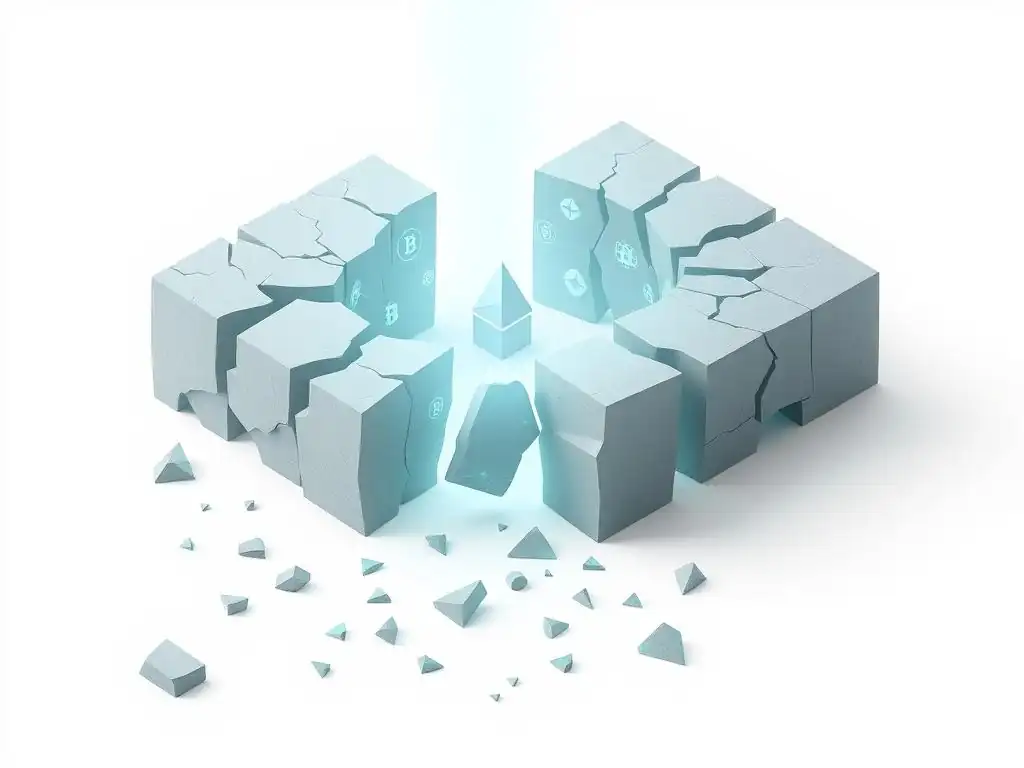
Despite their promise, DAOs are not without challenges, and security vulnerabilities in smart contracts are a significant concern. DAOs rely entirely on the security of their underlying smart contract code. If vulnerabilities exist, they can be exploited, potentially leading to loss of funds or governance manipulation. The infamous "The DAO" hack in 2016, where millions of dollars of Ether were stolen due to a coding flaw, serves as a stark reminder of these risks. Even with rigorous auditing, smart contracts are complex systems, and unforeseen vulnerabilities can emerge.
The immutability of smart contracts, while a strength in terms of transparency and predictability, also becomes a limitation when vulnerabilities are discovered. Once a smart contract is deployed on the blockchain, it is extremely difficult, if not impossible, to modify or patch without a hard fork or a complex and potentially contentious governance process.
This means that DAOs must prioritize security from the outset, employing thorough auditing, formal verification methods, and ongoing monitoring to mitigate smart contract risks. Regular security audits by reputable firms are becoming a standard practice for DAOs, but the evolving nature of smart contract vulnerabilities requires constant vigilance and proactive security measures.
Legal and Regulatory Uncertainties Surrounding DAOs
Legal and regulatory uncertainties pose another significant challenge for DAOs. The legal status of DAOs is still largely undefined in most jurisdictions. Are DAOs considered legal entities? If so, what type of entity are they? Are DAO token holders liable for the actions of the DAO? These questions remain largely unanswered, creating ambiguity and potential legal risks for DAO participants. Different jurisdictions are taking varying approaches to regulating DAOs, with some showing a more permissive stance while others are adopting a more cautious or even restrictive approach.
This lack of legal clarity can hinder the mainstream adoption of DAOs. Traditional businesses and institutions may be hesitant to interact with DAOs due to regulatory uncertainty and potential legal liabilities. Furthermore, the decentralized and borderless nature of DAOs complicates regulatory enforcement. Determining which jurisdiction's laws apply to a DAO operating globally can be complex and contentious. Addressing these legal and regulatory uncertainties is crucial for the long-term growth and acceptance of DAOs. Ongoing dialogue between DAO communities, legal experts, and regulators is necessary to develop appropriate legal frameworks that foster innovation while mitigating risks.
Scalability and Efficiency Issues in DAO Governance
Scalability and efficiency issues can also hinder DAO governance, particularly as DAOs grow in size and complexity. On-chain voting, the most common mechanism for DAO governance, can be slow and expensive, especially on blockchains with high transaction fees and limited throughput. Each vote often requires a separate transaction, which can become costly and time-consuming for DAOs with large memberships and frequent voting cycles. This can lead to low participation rates and governance bottlenecks.
Off-chain voting solutions and layer-2 scaling solutions are being explored to address these scalability challenges. Off-chain voting platforms allow for more cost-effective and faster voting processes, while layer-2 solutions aim to increase the transaction throughput of blockchains, making on-chain voting more scalable. However, off-chain voting introduces its own set of challenges, such as reliance on centralized platforms and potential security risks.
Finding a balance between scalability, security, and decentralization remains a key challenge for DAO governance. Furthermore, as DAOs grow larger, managing information flow, coordinating diverse opinions, and ensuring effective decision-making become increasingly complex, requiring sophisticated governance tools and processes.
The Problem of Voter Apathy and Low Participation in DAOs
Voter apathy and low participation are persistent challenges in DAO governance. Despite the promise of democratic and participatory governance, many DAOs struggle with low voter turnout in proposals and decision-making processes. Token holders may lack the time, expertise, or motivation to actively participate in governance, leading to a situation where a small percentage of token holders disproportionately influence DAO decisions. This can undermine the intended decentralization and community-driven nature of DAOs.
Several factors contribute to voter apathy. The complexity of governance proposals, the perceived lack of impact of individual votes, and the time commitment required to stay informed and participate actively can all discourage participation. Furthermore, the distribution of governance tokens can be uneven, with a significant portion held by a small number of whales, potentially leading to a sense of disenfranchisement among smaller token holders. Addressing voter apathy requires strategies to incentivize participation, simplify governance processes, improve information dissemination, and explore more inclusive governance mechanisms that empower a broader range of community members to actively contribute to DAO decision-making.
The Future of DAOs: Trends and Predictions
The Growth of DAO Tooling and Infrastructure
The future of DAOs is inextricably linked to the growth and maturation of DAO tooling and infrastructure. Currently, the DAO ecosystem is still relatively nascent, with limited readily available and user-friendly tools for creating, managing, and participating in DAOs. However, significant progress is being made in developing more robust and accessible DAO tooling. We are seeing the emergence of platforms that simplify DAO creation, providing no-code or low-code interfaces for launching DAOs with customizable governance structures.
Furthermore, tools for enhanced DAO communication, proposal management, voting, treasury management, and analytics are becoming increasingly sophisticated. These tools aim to streamline DAO operations, improve governance efficiency, and enhance the overall user experience for DAO members. The development of more modular and interoperable DAO tooling is also crucial, allowing DAOs to integrate with various blockchain protocols and decentralized applications seamlessly. As DAO tooling and infrastructure mature, we can expect to see a significant increase in the ease of creating and participating in DAOs, driving broader adoption and innovation in the space.
The Integration of DAOs with Web3 and the Metaverse
The integration of DAOs with Web3 and the Metaverse is a significant trend shaping the future of decentralized governance. Web3, the decentralized web, envisions a user-centric internet built on blockchain technology, where users have greater control over their data and digital assets. DAOs are a fundamental building block of Web3, providing decentralized governance structures for Web3 applications and platforms. As Web3 ecosystems expand, DAOs will play a crucial role in governing decentralized social networks, decentralized marketplaces, and other Web3 services.
The Metaverse, immersive virtual worlds, also presents exciting opportunities for DAO integration. DAOs can govern virtual land ownership, virtual economies, and virtual world experiences within the Metaverse. Imagine DAOs managing virtual communities, organizing virtual events, and governing virtual asset marketplaces in metaverse environments. The combination of DAOs, Web3, and the Metaverse has the potential to create entirely new forms of decentralized online communities and economies, where users collectively govern and benefit from digital spaces and experiences. This integration is likely to drive significant innovation and adoption of DAOs in the coming years.
The Potential for DAOs to Transform Traditional Organizations
Beyond blockchain-native projects, DAOs have the potential to transform traditional organizations across various sectors. While DAOs are still primarily associated with the crypto and blockchain space, the principles of decentralized governance, transparency, and community participation can be applied to traditional organizational structures as well. We are starting to see experiments with "hybrid DAOs" or "DAO-like" structures in traditional industries. For example, a cooperative or a non-profit organization could adopt DAO governance principles to enhance transparency, member participation, and accountability.
Imagine a decentralized cooperative governed by a DAO, where members collectively decide on key decisions through token-based voting. Or a non-profit organization using a DAO to transparently manage donations and allocate funds based on community proposals. While fully decentralized autonomous operation may not be suitable for all traditional organizations, incorporating elements of DAO governance, such as increased transparency, community participation mechanisms, and smart contract-based processes, can enhance efficiency, accountability, and stakeholder engagement in various organizational contexts. This gradual integration of DAO principles into traditional organizations could lead to more democratic and participatory organizational models across different sectors.
DAO's role in Shaping the Future of Blockchain Technology
DAOs are not just a governance mechanism within blockchain technology; they are poised to play a pivotal role in shaping the future of blockchain technology itself. As blockchain ecosystems mature and evolve, DAOs are becoming increasingly critical for ensuring the long-term sustainability, decentralization, and innovation of these ecosystems. DAOs are governing key blockchain protocols, driving protocol upgrades, managing community treasuries, and fostering decentralized innovation within blockchain networks.
The success of blockchain technology in the long run depends on its ability to remain decentralized and community-driven. DAOs are the key to achieving this, providing the governance infrastructure for blockchain ecosystems to evolve in a decentralized and participatory manner. Furthermore, DAOs are fostering a new wave of innovation within the blockchain space. By empowering communities to collectively build and govern blockchain projects, DAOs are unlocking new possibilities for decentralized applications, decentralized finance, and decentralized autonomous systems. The future of blockchain technology is inextricably linked to the evolution and adoption of DAOs as a core governance mechanism.
Optimizing DAO Governance for a Decentralized Future
Best Practices for Designing Effective DAO Governance Models
Designing effective DAO governance models is crucial for unlocking the full potential of decentralized autonomous organizations. Several best practices are emerging as the DAO landscape matures. Clear and well-defined governance rules are essential. DAOs should have transparent and easily understandable rules governing proposal submission, voting processes, quorum requirements, and decision-making mechanisms. These rules should be codified in smart contracts and readily accessible to all DAO members.
Progressive decentralization is another important principle. DAOs often start with a degree of centralized control, gradually decentralizing governance over time as the DAO matures and the community becomes more engaged. This phased approach allows for initial development and bootstrapping while progressively empowering the community. Robust security measures are paramount.
DAOs must prioritize smart contract security, implementing rigorous auditing, formal verification, and ongoing monitoring to mitigate vulnerabilities. Finally, adaptability and flexibility are key. DAO governance models should be designed to be adaptable and evolvable, allowing for adjustments and improvements based on community feedback and lessons learned. Governance mechanisms should be able to be upgraded through community consensus, ensuring the DAO can adapt to changing needs and circumstances.
The Importance of Community Engagement and Education in DAOs
Community engagement and education are vital for the success of DAOs. DAOs are fundamentally community-driven organizations, and active participation from community members is essential for effective governance. However, as discussed earlier, voter apathy and low participation can be challenges. Therefore, DAOs must prioritize community engagement and education to foster a vibrant and participatory governance environment. This includes clear and accessible communication channels, regular updates on DAO activities, and educational resources to help members understand governance processes and proposals.
Onboarding new members and providing them with the necessary knowledge and tools to participate actively is crucial. Incentivizing participation through rewards or recognition can also be effective in boosting engagement. Furthermore, fostering a strong sense of community and shared purpose among DAO members is essential for long-term sustainability and effective governance. DAOs that prioritize community engagement and education are more likely to build resilient, participatory, and successful decentralized organizations.
Addressing the Challenges to Unlock the Full Potential of DAOs
Addressing the challenges facing DAOs is crucial to unlock their full potential as a new paradigm for organizational structure and blockchain governance. Overcoming security vulnerabilities through rigorous smart contract auditing and ongoing security monitoring is paramount. Navigating legal and regulatory uncertainties requires proactive engagement with legal experts and regulators to develop appropriate legal frameworks for DAOs. Addressing scalability and efficiency issues in DAO governance necessitates exploring layer-2 solutions and optimizing governance mechanisms.
Combating voter apathy and low participation requires implementing strategies to incentivize participation, simplify governance processes, and improve community engagement. By proactively addressing these challenges, the DAO ecosystem can mature, become more robust, and realize its transformative potential. Ongoing research, development, and collaboration within the DAO community are essential to overcome these hurdles and pave the way for a decentralized future powered by DAOs.
Conclusion: DAOs - A New Paradigm for Organizational Structure and Blockchain Governance
Decentralized Autonomous Organizations represent a groundbreaking innovation in organizational structure and governance, leveraging the power of blockchain technology to create transparent, autonomous, and community-driven entities. While still in their early stages of evolution, DAOs are already demonstrating their transformative potential across various sectors, particularly within the blockchain ecosystem and increasingly beyond. From revolutionizing blockchain project governance to exploring use cases in DeFi, supply chain management, IP licensing, and philanthropy, DAOs are showcasing the benefits of decentralized decision-making and community-led initiatives.
Despite facing challenges related to security, legal uncertainties, scalability, and voter apathy, the ongoing development of DAO tooling, the integration with Web3 and the Metaverse, and the exploration of hybrid DAO models in traditional organizations point towards a promising future. Optimizing DAO governance through best practices, prioritizing community engagement, and proactively addressing existing limitations are crucial steps to unlock the full potential of DAOs.
As the DAO ecosystem matures and overcomes current hurdles, DAOs are poised to become a new paradigm for organizational structure, shaping not only the future of blockchain governance but also potentially transforming how organizations operate across diverse industries in the years to come, fostering a more decentralized, transparent, and participatory future.
Frequently Asked Questions
What exactly is a Decentralized Autonomous Organization (DAO)?
A DAO is essentially an internet-native organization governed by rules encoded on a blockchain. This means decision-making is automated and transparent, relying on smart contracts rather than traditional hierarchies.
How does blockchain technology facilitate DAO governance?
Blockchain provides the immutable and transparent ledger that DAOs need. All transactions and governance decisions are recorded on the blockchain, ensuring trust and accountability.
What are some potential benefits of using a DAO governance model?
DAOs offer increased transparency and efficiency compared to traditional organizational structures. They can also foster greater community participation and ownership in decision-making.
What are the main challenges facing DAOs today?
Challenges include regulatory uncertainty, security vulnerabilities in smart contracts, and the potential for low voter turnout in governance proposals.
How might DAOs shape the future of decentralized systems?
DAOs have the potential to revolutionize how we organize and collaborate online. They could lead to more democratic and equitable decentralized systems across various industries.
Final Reflection: Embracing the Decentralized Future
The exploration of Decentralized Autonomous Organizations (DAOs) reveals more than just a technological innovation; it unveils a fundamental shift in how we perceive governance and collaboration. The potential for DAOs to revolutionize blockchain governance is undeniable, offering a transparent, democratic, and efficient alternative to traditional hierarchical structures. This isn't just about code; it's about empowering communities and reshaping the future of organizations.
The impact of DAOs extends far beyond the blockchain space, influencing discussions on participatory democracy and the future of work. Witnessing the rise of DAOs has been a profound experience, highlighting the power of collective intelligence and the potential for technology to foster more equitable and inclusive systems. The future of organizations is decentralized, autonomous, and community-driven.
This quote encapsulates the transformative potential of DAOs, urging us to reconsider the very foundations of how we organize and interact.
As we stand at the cusp of this decentralized future, let us embrace the principles of transparency, collaboration, and community empowerment that DAOs embody. Reflect on how you can contribute to building a more decentralized and equitable world, whether through active participation in DAOs or by advocating for the adoption of decentralized principles in your own sphere of influence. The future of governance is in our hands; let us shape it together.
Build Your DAO Vision Now!
Thanks for exploring the exciting world of decentralized organizations with us! We hope you're now equipped with a clear understanding of how these innovative entities are transforming governance. It's time to turn that knowledge into action!
Here are a few ways you can deepen your involvement in the DAO movement:
- Define your own organization's mission. Think about a real-world challenge you're passionate about addressing and how a community-driven organization could provide a solution. This is your first step toward creating something impactful!
- Research existing organizations. Find one that aligns with your interests and actively participate in its decision-making or discussions. This hands-on experience will be invaluable.
- Share this article! Help raise awareness about decentralized organizations and their potential. Feel free to discuss DAO ideas with friends or colleagues.
What unique contribution can you see your own organization making to the blockchain community? Share your thoughts in the comments below!
Leave a Reply