
Crypto Tracking for Beginners: Simple and UserFriendly Portfolio Tools to Get Started


Welcome to Blockchain Trends, your guide to the revolutionary world of blockchain technology!
Are you ready to dive into the exciting possibilities of blockchain, beyond just cryptocurrencies? This week, we're focusing on a crucial aspect for anyone venturing into this space: mastering your assets. If you're new to the world of decentralized finance and crypto investments, navigating the landscape can feel overwhelming. That's why we're starting with the essentials – Blockchain portfolio tracking tools for beginners. Discover how these simple, user-friendly tools can help you manage your investments with confidence and clarity. Intrigued? Let's unlock the secrets to effortless crypto management!
- Introduction to Blockchain Portfolio Tracking Tools for Beginners
- What Are Blockchain Portfolio Tracking Tools?
- Top Blockchain Portfolio Tracking Tools for Beginners
- How to Choose the Right Blockchain Portfolio Tracking Tool
- Setting Up Your Crypto Portfolio Tracking Tool
- Maximizing Your Experience with Blockchain Portfolio Tracking Tools
- Common Mistakes Beginners Make with Crypto Portfolio Tracking
- Conclusion: Start Your Journey with Blockchain Portfolio Tracking Tools
-
Frequently Asked Questions
- What are some simple and user-friendly blockchain portfolio tracking tools suitable for beginners?
- Why is blockchain portfolio tracking important, especially for beginners?
- What are some key features to look for in blockchain portfolio tracking tools?
- How can blockchain portfolio tracking tools help me manage my risk as a beginner?
- What are some common mistakes beginners make when using blockchain portfolio tracking tools?
- Final Reflection: Navigating the Future with Crypto Clarity
- Unlock Your Crypto Potential: Start Tracking Today!
Introduction to Blockchain Portfolio Tracking Tools for Beginners
Understanding the Importance of Crypto Portfolio Tracking
Navigating the world of cryptocurrencies can be exciting, but also complex, especially for beginners. As you start acquiring different cryptocurrencies, it quickly becomes challenging to keep track of your investments. Imagine having investments in Bitcoin (BTC), Ethereum (ETH), and a few emerging altcoins like Solana (SOL) and Cardano (ADA), spread across different exchanges or wallets. Without a centralized system, you'd be constantly logging into each platform to check balances and calculate your overall portfolio performance.
This is where blockchain portfolio tracking becomes indispensable. Effective tracking not only simplifies monitoring your holdings but also provides crucial insights into your investment performance, helping you make informed decisions about buying, selling, or holding your crypto assets. For instance, knowing your portfolio's daily or weekly performance helps you understand market trends and the effectiveness of your investment strategy.
Furthermore, crypto portfolio tracking tools are essential for tax reporting. Cryptocurrency transactions are taxable events in many jurisdictions, and accurately reporting capital gains or losses requires meticulous record-keeping. Manually compiling transaction history from various exchanges and wallets can be incredibly time-consuming and prone to errors.
A dedicated portfolio tracker automates this process by syncing with your exchanges and wallets, providing a comprehensive and organized record of all your crypto activities. This not only simplifies tax preparation but also ensures compliance with regulatory requirements, which is increasingly important as governments worldwide are focusing on crypto taxation. For example, in the US, the IRS requires taxpayers to report all crypto transactions, and using a tracker can significantly reduce the stress and complexity of this process.
Overview of Blockchain Technology and Its Applications
Before diving deeper into portfolio tracking tools, it's important to understand the underlying technology: blockchain. At its core, blockchain is a decentralized, distributed, and immutable ledger that records transactions across many computers. Think of it as a digital record-keeping system that is transparent and secure.
The "blocks" in blockchain contain sets of transactions, and these blocks are chained together chronologically and cryptographically, making it extremely difficult to alter past records. This inherent security and transparency are key features that underpin the functionality of cryptocurrencies and many other applications. Bitcoin, the first and most well-known cryptocurrency, operates on its own blockchain, using it to record every Bitcoin transaction publicly and permanently.
However, blockchain technology extends far beyond cryptocurrencies. Its decentralized and secure nature makes it suitable for a wide range of applications across various industries. For example, in supply chain management, blockchain can provide a transparent and traceable record of goods as they move from origin to consumer, increasing efficiency and reducing fraud. In healthcare, blockchain can be used to securely store and manage patient medical records, improving data security and interoperability.
Financial institutions are also exploring blockchain for faster and more efficient payment systems and securities trading platforms. Even in voting systems, blockchain's transparency and immutability can enhance security and trust. Understanding this broader context of blockchain helps appreciate that crypto portfolio tracking tools are just one application within a much larger and rapidly evolving technological landscape.
What Are Blockchain Portfolio Tracking Tools?
Definition and Purpose of Crypto Portfolio Trackers
Blockchain portfolio tracking tools, often simply called crypto portfolio trackers, are software applications designed to help users monitor and manage their cryptocurrency investments. These tools serve as a centralized dashboard to aggregate information from various exchanges and wallets where users hold their digital assets.
Instead of manually checking each platform, users can get a consolidated view of their entire crypto portfolio in one place. The primary purpose of these trackers is to provide a clear and up-to-date overview of the total value of your crypto holdings, track the performance of individual assets, and analyze overall portfolio gains or losses over time.
Beyond basic tracking, these tools often offer a range of features to enhance investment management. They typically display real-time price data for cryptocurrencies, often sourced from multiple exchanges to provide an accurate market value. Many trackers also provide historical price charts, allowing users to visualize the price movements of their assets and identify trends.
Furthermore, advanced trackers may include features like profit and loss calculations, portfolio diversification analysis, and even tax reporting functionalities. By automating the process of monitoring crypto investments, these tools save users time and effort, while providing valuable insights to make more informed investment decisions. For beginners especially, the simplicity and organization provided by a crypto portfolio tracker can significantly reduce the overwhelming nature of managing multiple crypto assets.
Key Features of User-Friendly Portfolio Tools
For beginners venturing into the world of cryptocurrency investing, user-friendliness is paramount when choosing a blockchain portfolio tracking tool. Several key features contribute to a positive and accessible user experience. Firstly, an intuitive and clean user interface (UI) is crucial. A well-designed UI should be easy to navigate, with clear menus and straightforward layouts. Beginners should be able to quickly understand how to add their crypto holdings, view their portfolio balance, and access key features without feeling overwhelmed by complexity. Visualizations like charts and graphs should be clear and easy to interpret, providing at-a-glance insights into portfolio performance.
Secondly, seamless integration with multiple exchanges and wallets is essential. A user-friendly tracker should support a wide range of popular cryptocurrency exchanges like Coinbase, Binance, Kraken, and decentralized wallets such as MetaMask or Trust Wallet. The integration process should be simple and straightforward, ideally involving API key connections or address imports that are easy to set up even for those with limited technical knowledge.
The ability to automatically sync transaction data from these platforms eliminates the need for manual data entry, saving time and reducing the risk of errors. Finally, good customer support and educational resources are invaluable for beginners.
Access to FAQs, tutorials, or responsive customer support can help users quickly resolve any issues they encounter and learn how to effectively use all the features of the tracking tool. Some platforms even offer beginner-focused guides and articles on cryptocurrency investing, further enhancing their user-friendliness for newcomers to the crypto space.
Top Blockchain Portfolio Tracking Tools for Beginners
1. CoinMarketCap Portfolio Tracker
Features and Benefits of CoinMarketCap
CoinMarketCap, a widely recognized name in the cryptocurrency space, offers a free and accessible portfolio tracker directly integrated into its website and mobile app. One of the primary benefits of using CoinMarketCap's tracker is its extensive cryptocurrency coverage. CoinMarketCap tracks thousands of cryptocurrencies across numerous exchanges, ensuring that users can monitor virtually any digital asset they hold.
The portfolio feature allows users to add their crypto holdings manually or, in some cases, import them via CSV files, providing flexibility in how they input their data. Once set up, the tracker displays the current value of each asset, the total portfolio value, and the 24-hour change in portfolio value, offering a quick snapshot of overall performance.
Beyond basic portfolio tracking, CoinMarketCap provides a wealth of market data and information. Users can easily access real-time price charts, market capitalization data, trading volume, and historical price data for individual cryptocurrencies. This integration of portfolio tracking with comprehensive market information is a significant advantage, allowing beginners to quickly research and understand the assets they are holding.
CoinMarketCap also offers watchlists, price alerts, and news feeds, all accessible within the same platform. These features can help beginners stay informed about market movements and potential investment opportunities. The platform’s popularity also means there is a vast amount of community-generated content and tutorials available online, making it easier for new users to learn how to utilize its features effectively.
User Experience and Accessibility for Beginners
CoinMarketCap's portfolio tracker is designed with user-friendliness in mind, making it highly accessible for beginners. The interface is clean and intuitive, both on the website and the mobile app. Adding cryptocurrencies to your portfolio is a straightforward process, simply requiring users to search for the asset and input the quantity held. The portfolio dashboard is uncluttered, presenting key information clearly and concisely. Visual aids, such as charts displaying portfolio performance over different timeframes, are easy to understand, even for those new to financial tracking tools.
Accessibility is further enhanced by CoinMarketCap being a free service. Beginners can start tracking their crypto portfolios without any financial commitment, allowing them to experiment and learn without risk. The platform is available in multiple languages, catering to a global audience.
Furthermore, CoinMarketCap's vast database of cryptocurrency information serves as an educational resource for beginners. By exploring the platform, new users can learn about different cryptocurrencies, market trends, and basic trading concepts. The combination of a user-friendly interface, free access, and extensive educational resources makes CoinMarketCap Portfolio Tracker an excellent starting point for anyone new to blockchain portfolio tracking tools.
2. Blockfolio (FTX)
Unique Features of Blockfolio for New Users
Blockfolio, now associated with FTX (though the app still functions under its original name), gained significant popularity among cryptocurrency investors, particularly beginners, due to its mobile-first design and user-friendly features. One of Blockfolio's standout features was its focus on mobile accessibility. The app was designed to be intuitive and efficient on smartphones, making it convenient for users to track their portfolios on the go. For beginners who primarily manage their crypto investments through mobile devices, Blockfolio's mobile-centric approach was a major advantage.
Another unique feature was Blockfolio's "Signals" – direct updates from cryptocurrency project teams. This feature provided users with real-time news and announcements directly from the source, cutting through the noise of general crypto news and delivering potentially market-moving information directly to users within the tracking app. For beginners, this offered a valuable way to stay informed about the projects they were invested in, without needing to constantly scour multiple news sources.
Blockfolio also offered customizable alerts, allowing users to set price targets and receive notifications when their assets reached specific price levels. This feature helped beginners manage risk and identify potential buying or selling opportunities based on their investment strategies. While the association with FTX and its subsequent issues might raise concerns for some users, Blockfolio as a standalone tracking app historically offered compelling features tailored for new crypto investors.
Pros and Cons of Using Blockfolio
Blockfolio, despite its past popularity, presents both pros and cons, especially in light of its acquisition by FTX and the subsequent events. On the pro side, Blockfolio's user-friendly mobile interface remains a significant advantage. The app is easy to navigate, and adding transactions is relatively straightforward, even for beginners.
The "Signals" feature, while potentially less reliable given the FTX situation, was historically a valuable tool for receiving direct project updates. Blockfolio also supports a wide range of cryptocurrencies and exchanges, offering broad coverage for most beginner portfolios. The app is free to use, making it accessible to anyone starting out in crypto investing without any upfront costs.
However, there are cons to consider. The association with FTX and the company's bankruptcy has understandably eroded trust for some users. While the Blockfolio app itself may still function, users might be hesitant to rely on a platform linked to a collapsed entity. Furthermore, while Blockfolio offers basic charting and portfolio tracking, it lacks some of the more advanced analytical tools found in other trackers.
For beginners, this might not be a major drawback initially, but as their crypto knowledge grows, they might find themselves needing more sophisticated features. Finally, customer support for Blockfolio has historically been reported as somewhat limited, which could be a concern for beginners who might require assistance setting up or troubleshooting the app. Therefore, while Blockfolio has user-friendly aspects, beginners should weigh the pros and cons, especially considering its history and the current crypto landscape.
3. Delta Investment Tracker
Why Delta Stands Out as a Beginner-Friendly Tool
Delta Investment Tracker distinguishes itself as a beginner-friendly tool through its focus on a polished user interface, comprehensive exchange integrations, and a balance of simplicity and powerful features. Delta's user interface is often praised for its clean design and intuitive navigation. The app presents portfolio data in a visually appealing and easily digestible format, making it simple for beginners to understand their holdings and portfolio performance at a glance. The app uses clear charts and graphs to visualize data, and the overall layout is uncluttered and straightforward, reducing the learning curve for new users.
Delta excels in its integration capabilities, supporting connections to a vast number of cryptocurrency exchanges and brokers. This extensive integration allows beginners to automatically import their transaction history and portfolio balances, eliminating the need for manual data entry and ensuring accuracy. Delta also supports syncing across multiple devices, allowing users to access their portfolio information on their smartphones, tablets, or computers seamlessly. While offering a user-friendly experience, Delta doesn't compromise on features.
It provides detailed analytics, including profit and loss calculations, portfolio diversification breakdowns, and advanced charting tools. However, these advanced features are presented in a way that doesn't overwhelm beginners, allowing them to gradually explore and utilize more complex functionalities as they become more comfortable with crypto portfolio tracking. The combination of ease of use and feature richness makes Delta a strong choice for beginners looking for a tool that can grow with their crypto investment journey.
Pricing Plans and Features Breakdown
Delta Investment Tracker operates on a freemium model, offering both a free version and a premium subscription known as Delta PRO. The free version provides a robust set of features that are perfectly adequate for most beginners. This includes portfolio tracking for an unlimited number of assets, connections to multiple exchanges and wallets, basic charting, and price alerts. For many beginners, the free version of Delta provides all the necessary tools to effectively track and manage their cryptocurrency portfolios without any cost.
Delta PRO, the premium subscription, unlocks advanced features and enhanced capabilities. These include unlimited exchange and wallet connections, advanced portfolio analytics (such as custom reporting and deeper insights into portfolio performance), real-time data streaming, and priority customer support. Delta PRO also offers features tailored for more active traders, such as advanced order types and trading directly from within the app (on supported exchanges).
The pricing for Delta PRO typically varies depending on subscription length, with monthly or annual options available. While the free version is excellent for beginners, Delta PRO caters to more experienced investors who require advanced analytics, higher transaction volume tracking, and premium support. For someone just starting out with crypto portfolio tracking, the free version of Delta provides a feature-rich and cost-effective solution, with the option to upgrade to PRO as their needs evolve.
4. Crypto Pro
Overview of Crypto Pro’s Features and Usability
Crypto Pro is a dedicated cryptocurrency portfolio tracking app primarily available for iOS and macOS devices, known for its clean interface, robust features, and focus on privacy. One of Crypto Pro's key strengths is its user-friendly design. The app boasts a streamlined and intuitive interface, making it easy for beginners to navigate and understand their portfolio data. Setting up a portfolio is straightforward, with options to connect to exchanges via API keys or manually input transactions. The app presents portfolio information clearly, displaying current values, profit/loss, and asset allocation in a visually appealing manner.
Crypto Pro offers a comprehensive set of features beyond basic tracking. It provides real-time price updates from numerous exchanges, detailed charts with technical indicators, and customizable alerts for price movements. Users can set up multiple portfolios to track different investment strategies or accounts separately. Crypto Pro also includes a built-in news aggregator, pulling in relevant crypto news from various sources, helping users stay informed about market developments.
A notable feature is Crypto Pro's focus on privacy. The app does not require account registration and offers options for local data storage, giving users more control over their personal information. While primarily focused on the Apple ecosystem, Crypto Pro’s usability and feature set make it a compelling option for beginners who are Apple users and prioritize a well-designed and privacy-conscious tracking tool.
Recommendations for Beginners Using Crypto Pro
For beginners opting for Crypto Pro, several recommendations can enhance their experience. Firstly, take advantage of Crypto Pro's manual transaction entry feature initially to understand how portfolio tracking works. While API integration is convenient, manually adding a few initial transactions can help beginners grasp the process of recording buys and sells and how it impacts their portfolio value. Once comfortable, explore API key integration for exchanges to automate transaction syncing and save time. Ensure you understand API key permissions and only grant necessary access to your tracking app.
Secondly, utilize Crypto Pro's customizable alerts to stay informed about price movements without constantly checking the app. Set alerts for significant price changes in your held assets or for price levels you are targeting for buying or selling. This feature can help beginners manage risk and identify potential opportunities. Thirdly, explore Crypto Pro's charting tools, even if you are new to technical analysis. Start with basic candlestick charts and experiment with simple indicators like moving averages.
Observing price charts can help develop an understanding of market trends and asset volatility. Finally, leverage Crypto Pro's news aggregator to stay updated on crypto market news. Read headlines and summaries to get a sense of market sentiment and major events impacting the crypto space. By gradually exploring these features, beginners can maximize the benefits of Crypto Pro and develop a solid foundation for managing their crypto portfolios effectively.
How to Choose the Right Blockchain Portfolio Tracking Tool
Key Factors to Consider for Beginners
Choosing the right blockchain portfolio tracking tool as a beginner involves considering several key factors to ensure the tool meets your needs and skill level. The most important factors revolve around ease of use, functionality, security, and cost. For beginners, user interface and user experience (UI/UX) are paramount. Opt for a tool with a clean, intuitive interface that is easy to navigate and understand. Avoid overly complex platforms with advanced features you won't initially need. A simple and straightforward UI will make portfolio tracking less daunting and more enjoyable.
Integration with exchanges and wallets is another critical factor. Ensure the tool supports the exchanges and wallets where you currently hold or plan to hold your cryptocurrencies. Check for seamless API integration, which automates data syncing and eliminates manual entry. Confirm that the tool supports the specific cryptocurrencies you are interested in tracking.
Security features and privacy considerations are non-negotiable. Look for tools that offer robust security measures, such as encryption and secure data storage. Understand the tool's privacy policy and how it handles your data. If privacy is a major concern, consider tools that offer local data storage or do not require account registration.
Finally, consider the cost and pricing structure. Many excellent portfolio trackers offer free versions with sufficient features for beginners. Start with a free tool to learn the ropes, and then consider upgrading to a paid version if you need advanced features as your portfolio and experience grow. By carefully evaluating these key factors, beginners can choose a blockchain portfolio tracking tool that is both effective and suitable for their initial crypto investment journey.
User Interface and Experience
The user interface (UI) and user experience (UX) are arguably the most critical factors for beginners when selecting a blockchain portfolio tracking tool. A well-designed UI/UX can significantly ease the learning curve and make portfolio management a more pleasant and less overwhelming experience. A good UI should be clean, uncluttered, and visually appealing.
Menus and navigation should be intuitive, allowing users to easily find the features they need without confusion. Key information, such as portfolio balance, asset values, and performance metrics, should be prominently displayed and easy to understand at a glance. Avoid interfaces that are packed with too much information or use complex jargon that might be confusing for newcomers.
From a UX perspective, the tool should be easy to use and efficient. Adding transactions, connecting exchanges, and generating reports should be straightforward and require minimal effort. The onboarding process should be smooth, with clear instructions and helpful tutorials for first-time users. Consider trying out free trials or demo versions of different trackers to get a feel for their UI/UX before committing to one.
Read user reviews and look for feedback specifically mentioning the tool's ease of use for beginners. A positive user experience will not only make portfolio tracking more efficient but also encourage consistent usage, which is essential for effective crypto investment management. Prioritizing UI/UX will ensure that beginners choose a tool that is not only functional but also enjoyable and accessible to use from day one.
Integration with Exchanges and Wallets
Seamless integration with cryptocurrency exchanges and wallets is a crucial feature for any effective blockchain portfolio tracking tool, especially for beginners managing assets across multiple platforms. Integration streamlines the process of importing transaction data and updating portfolio balances, eliminating the need for tedious manual data entry and minimizing the risk of errors. A good tracker should support a wide range of popular exchanges like Coinbase, Binance, Kraken, KuCoin, and decentralized exchanges (DEXs) like Uniswap or SushiSwap. Similarly, it should integrate with commonly used wallets, both custodial and non-custodial, such as MetaMask, Trust Wallet, Ledger, and Trezor.
The integration process should be user-friendly, ideally utilizing API keys for exchanges and address imports for wallets. API key integration allows for automatic and continuous syncing of transaction history and balance updates, providing real-time portfolio tracking. Ensure the tracker provides clear instructions on how to set up API keys and what permissions are required. For wallets, address import should be straightforward, allowing users to easily add their public addresses to track holdings without compromising private keys.
Before choosing a tool, verify that it supports all the exchanges and wallets you currently use or plan to use in the future. Check for the frequency of data updates – real-time or near real-time updates are preferable for accurate portfolio monitoring. Robust and comprehensive integration is essential for efficient and accurate blockchain portfolio tracking, saving beginners time and effort while ensuring their portfolio data is always up-to-date.
Security Features and Privacy Considerations
Security and privacy are paramount when choosing a blockchain portfolio tracking tool, as these tools often handle sensitive information about your cryptocurrency holdings and transactions. Beginners should prioritize tools that implement robust security measures to protect their data and privacy. Look for trackers that utilize encryption to protect data both in transit and at rest. Two-factor authentication (2FA) adds an extra layer of security to your account, preventing unauthorized access. Secure data storage practices are crucial; reputable trackers should store user data on secure servers and have measures in place to prevent data breaches.
Privacy considerations are equally important. Understand the tracker's privacy policy and how it handles your personal and financial data. Some trackers prioritize user privacy by offering options for local data storage, meaning your portfolio data is stored only on your device and not on the tracker's servers. Others may offer anonymous usage without requiring account registration.
Be cautious of trackers that request excessive personal information or have vague privacy policies. Research the tracker's security reputation and look for any history of security breaches or privacy incidents. Reading user reviews and security audits can provide valuable insights. Opting for a tracker with strong security features and a clear commitment to user privacy is essential for protecting your crypto investments and personal information in the often-risky crypto space.
Setting Up Your Crypto Portfolio Tracking Tool
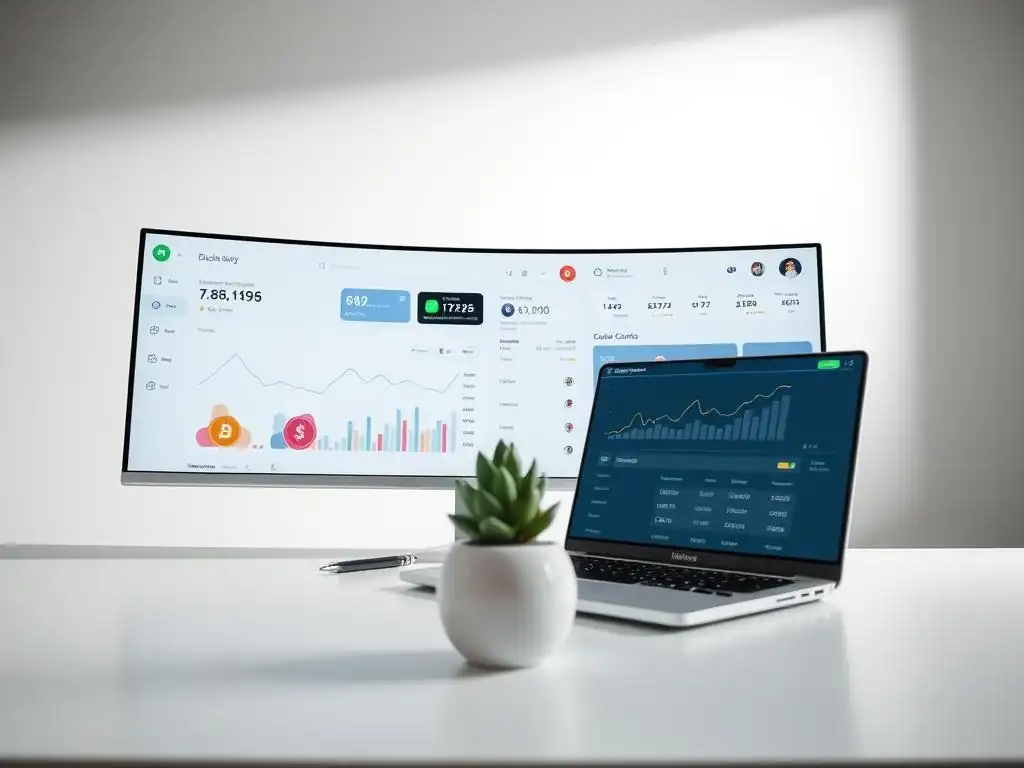
Step-by-Step Guide for Beginners
Setting up a blockchain portfolio tracking tool for the first time can seem daunting, but by following a step-by-step guide, beginners can get started quickly and efficiently. The general process involves creating an account, connecting your exchanges and wallets, and adding your initial crypto holdings.
Creating an Account on Your Chosen Tracker
The first step is to choose a portfolio tracking tool that suits your needs, considering the factors discussed earlier like user-friendliness, features, and security. Once you've selected a tool, navigate to their website or download their mobile app. Create an account. This usually involves providing an email address and creating a secure password.
Some trackers may offer social login options (e.g., Google, Apple), but using a dedicated email and strong password is generally recommended for security. Enable two-factor authentication (2FA) if the option is available. 2FA adds an extra layer of security by requiring a verification code from your phone or authenticator app in addition to your password, significantly reducing the risk of unauthorized access. After creating your account and enabling 2FA, you'll be ready to move on to the next step of adding your crypto assets.
Adding Your Crypto Assets and Investments
After setting up your account, the next step is to add your crypto assets and investment data to the tracker. Most tools offer two main methods: manual entry and automatic synchronization. For beginners, starting with manual entry for a few initial transactions can be helpful to understand how the tracking process works. To manually add a transaction, you'll typically need to specify the cryptocurrency, the quantity, the purchase price, the date of purchase, and the exchange or wallet used. Enter this information for each of your initial crypto holdings.
For a more efficient and ongoing tracking, connect your cryptocurrency exchanges and wallets. This usually involves using API keys for exchanges and importing wallet addresses for blockchain wallets. For exchanges, navigate to your exchange account settings and create API keys. Grant only necessary permissions (usually "view" or "read-only" access is sufficient for portfolio tracking; avoid granting "withdrawal" or "trading" permissions to tracking apps).
Copy the API key and secret and paste them into your portfolio tracking tool's integration settings. For wallets, simply copy your public wallet address and paste it into the tracker's wallet import section. Once connected, the tracker will automatically sync your transaction history and portfolio balances, providing a real-time view of your crypto holdings. Regularly review your portfolio within the tracking tool to ensure all transactions are accurately recorded and your portfolio balance is correctly reflected.
Tips for Maintaining Your Portfolio Tracking
Once your blockchain portfolio tracking tool is set up, maintaining it effectively is crucial for accurate and insightful investment management. Regularly update your portfolio with any new transactions, whether you buy, sell, or transfer cryptocurrencies. If you are using manual entry, make it a habit to record transactions promptly. If you are using API integration, periodically check that the synchronization is working correctly and that all recent transactions are being imported.
Review your portfolio performance regularly, perhaps weekly or monthly. Analyze your gains and losses, identify best and worst performing assets, and assess your overall investment strategy. Use the tracker's reporting features to generate performance reports and visualize your portfolio growth over time.
Keep your API keys and wallet addresses updated. If you change exchanges or wallets, or if you regenerate API keys, update the information in your tracking tool accordingly to maintain continuous syncing. Explore advanced features of your tracker as you become more comfortable with portfolio management. Many tools offer features like tax reporting, advanced analytics, and portfolio diversification analysis.
Learning to utilize these features can provide deeper insights and enhance your investment decision-making. Finally, periodically review the security settings of your tracking tool and ensure 2FA is enabled and your account is secure. By following these maintenance tips, beginners can ensure their blockchain portfolio tracking tool remains accurate, informative, and a valuable asset in their crypto investment journey.
Maximizing Your Experience with Blockchain Portfolio Tracking Tools
Utilizing Advanced Features for Better Insights
While basic blockchain portfolio tracking is essential, maximizing your experience involves utilizing the advanced features offered by many tools to gain deeper insights and make more informed investment decisions. One powerful feature is advanced analytics. Many trackers provide detailed breakdowns of your portfolio performance, including profit and loss calculations, average purchase prices, and asset allocation percentages.
Analyzing these metrics can help you understand the profitability of your investments, identify areas of strength and weakness, and assess your portfolio diversification. For example, understanding your asset allocation can help you ensure you are not overexposed to any single cryptocurrency and manage risk more effectively.
Customizable reporting is another valuable advanced feature. Some trackers allow you to generate custom reports based on specific timeframes, asset classes, or transaction types. These reports can be invaluable for tax preparation, performance analysis, or tracking specific investment strategies. Explore the charting tools offered by your tracker.
Many provide advanced charting capabilities with technical indicators, allowing you to visualize price trends, identify potential entry and exit points, and perform basic technical analysis. While technical analysis can be complex, even beginners can benefit from learning to interpret basic chart patterns and indicators. Finally, utilize portfolio simulation or backtesting features if available.
Some advanced tools allow you to simulate different investment scenarios or backtest historical portfolio performance based on various strategies. These features can help you refine your investment strategies and assess potential risks and rewards before making actual trades. By gradually exploring and utilizing these advanced features, beginners can transform their portfolio tracking from a simple monitoring exercise into a powerful analytical tool for enhancing their crypto investment journey.
Keeping Up with Market Trends Using Your Tracker
Blockchain portfolio tracking tools are not just for monitoring your existing holdings; they can also be valuable resources for staying informed about market trends and identifying potential investment opportunities. Many trackers integrate news feeds from reputable crypto news sources directly within the platform. This allows you to stay updated on the latest market news, regulatory developments, and project announcements without needing to switch between different apps or websites. Pay attention to news related to the cryptocurrencies you hold or are interested in, as news events can often significantly impact prices.
Utilize the market data and analysis features within your tracker. Most tools provide real-time price charts, market capitalization data, trading volume, and historical price data for thousands of cryptocurrencies. Explore these data points to understand market trends, identify trending assets, and assess the overall health of the crypto market.
Pay attention to price alerts features. Set up alerts for cryptocurrencies you are watching, triggering notifications when prices reach specific levels or experience significant percentage changes. This can help you identify potential buying or selling opportunities based on market movements.
Some trackers also offer sentiment analysis or social media integration, providing insights into market sentiment and the overall mood surrounding specific cryptocurrencies. While sentiment analysis should not be the sole basis for investment decisions, it can offer a supplementary perspective on market trends. By actively using the market data and news features within your blockchain portfolio tracking tool, beginners can stay informed, identify trends, and make more timely and informed investment decisions in the dynamic crypto market.
Common Mistakes Beginners Make with Crypto Portfolio Tracking
Avoiding Over-Analysis and Information Overload
While blockchain portfolio tracking tools provide valuable data and insights, beginners can sometimes fall into the trap of over-analysis and information overload, which can lead to anxiety and poor decision-making. One common mistake is constantly checking portfolio values and obsessing over short-term price fluctuations. Cryptocurrency markets are highly volatile, and frequent price swings are normal.
Continuously monitoring your portfolio every few minutes or hours can lead to emotional trading decisions driven by fear or greed, rather than sound investment strategy. Instead, establish a reasonable frequency for checking your portfolio, perhaps once or twice a day, or even less frequently for long-term investors.
Another pitfall is getting overwhelmed by too much data and indicators. Many trackers offer a wealth of metrics, charts, and technical indicators. While these can be useful, beginners can easily become confused and overwhelmed by trying to interpret too much information at once. Focus on a few key metrics that are relevant to your investment strategy, such as total portfolio value, profit/loss, and asset allocation. Avoid getting bogged down in complex technical analysis unless you are actively learning and understand its principles.
Resist the urge to react to every piece of news or market signal. The crypto space is filled with noise and speculation. Filter information critically and focus on reliable sources and long-term trends rather than reacting impulsively to short-term market fluctuations or hype. By being mindful of over-analysis and information overload, beginners can use portfolio tracking tools effectively without succumbing to anxiety-driven decision-making.
Failing to Update Portfolio Regularly
Conversely, another common mistake beginners make is failing to update their portfolio tracking tool regularly, which leads to inaccurate data and undermines the value of using a tracker in the first place. Neglecting to record new transactions is a primary issue. Whenever you buy, sell, or transfer cryptocurrencies, it's essential to update your tracker promptly.
If you rely solely on API integration, periodically check that the sync is working correctly and that all recent transactions are being imported. If you use manual entry, establish a routine for recording transactions, perhaps daily or weekly, to avoid accumulating a backlog of unrecorded trades.
Ignoring portfolio rebalancing can also lead to inaccuracies. If you rebalance your portfolio by selling some assets and buying others to maintain your desired asset allocation, make sure to reflect these rebalancing trades in your tracker. Failing to do so will skew your portfolio allocation data and performance metrics. Not reviewing and correcting errors can also compromise data accuracy.
Periodically review your transaction history in your tracker to identify and correct any errors or discrepancies. Mistakes can happen during manual entry or even during API synchronization. Regularly verifying your data ensures that your portfolio information remains accurate and reliable. By committing to regular portfolio updates and data verification, beginners can avoid the pitfalls of inaccurate tracking and ensure their blockchain portfolio tracking tool provides a true and valuable representation of their crypto investments.
Conclusion: Start Your Journey with Blockchain Portfolio Tracking Tools
Final Tips for Beginners Entering the Crypto Space
Entering the crypto space can be an exciting and potentially rewarding journey, and utilizing blockchain portfolio tracking tools is a smart step for beginners to manage their investments effectively. Firstly, start simple. Choose a user-friendly tracking tool with a clean interface and focus on mastering the basic features first. Don't feel pressured to use all the advanced functionalities immediately.
Begin with tracking your portfolio value, monitoring performance, and gradually explore more complex features as you become comfortable. Prioritize security and privacy. Always choose reputable tracking tools with robust security measures and clear privacy policies. Enable two-factor authentication and be mindful of the permissions you grant to API keys.
Be patient and learn continuously. The crypto market is constantly evolving, and there's always more to learn. Use your portfolio tracking tool as a learning aid, exploring market data, charts, and news feeds to enhance your understanding of crypto markets and investment strategies. Don't invest more than you can afford to lose. Cryptocurrency investments are inherently risky.
Start with a small amount you are comfortable potentially losing, and gradually increase your investments as your knowledge and experience grow. Stay informed but avoid information overload. Keep up with market trends and news, but filter information critically and avoid getting overwhelmed by excessive data or hype. By following these tips, beginners can navigate the crypto space more confidently and utilize blockchain portfolio tracking tools effectively to manage their investments and learn along the way.
Encouraging Continuous Learning and Exploration of Blockchain Technology
Blockchain technology, the foundation of cryptocurrencies and portfolio tracking tools, is a transformative innovation with far-reaching potential beyond just digital currencies. Beginners in the crypto space are encouraged to go beyond just tracking prices and explore the broader implications and applications of blockchain technology. Learn about the underlying technology. Take time to understand the basics of blockchain, its decentralized nature, its security features, and its various use cases.
Numerous online resources, courses, and articles are available to educate yourself about blockchain fundamentals. Explore different blockchain applications. Beyond cryptocurrencies, blockchain is being applied in supply chain management, healthcare, finance, voting systems, and many other industries. Investigate these diverse applications to appreciate the wide-ranging potential of this technology.
Stay updated on blockchain innovations and developments. The blockchain space is rapidly evolving, with new projects, protocols, and applications emerging constantly. Follow reputable blockchain news sources, attend webinars or conferences, and engage with the blockchain community to stay informed about the latest advancements. Consider experimenting with blockchain-based platforms and applications. Explore decentralized finance (DeFi) platforms, non-fungible tokens (NFTs), or other blockchain-based services to gain hands-on experience with the technology.
Engage with the crypto and blockchain community. Join online forums, social media groups, or local meetups to connect with other enthusiasts, share knowledge, and learn from experienced individuals. Continuous learning and exploration are key to thriving in the dynamic and evolving world of blockchain technology. By embracing a mindset of continuous learning, beginners can not only become proficient in managing their crypto portfolios but also contribute to and benefit from the broader blockchain revolution.
Frequently Asked Questions
What are some simple and user-friendly blockchain portfolio tracking tools suitable for beginners?
Many platforms offer intuitive interfaces. Consider starting with CoinMarketCap, CoinGecko, or Blockfolio for basic tracking. They often provide portfolio management features.
Why is blockchain portfolio tracking important, especially for beginners?
Tracking helps you monitor performance, understand your asset allocation, and identify profitable or problematic investments. This is crucial for learning and improving your strategy.
What are some key features to look for in blockchain portfolio tracking tools?
Look for tools that support automatic transaction importing, offer real-time price updates, and provide portfolio analytics. Beginners may also prioritize simple, clean interfaces.
How can blockchain portfolio tracking tools help me manage my risk as a beginner?
By visualizing your portfolio diversification, tracking can highlight over-allocation to risky assets. This helps you rebalance your holdings and manage potential losses.
What are some common mistakes beginners make when using blockchain portfolio tracking tools?
Failing to accurately record transactions, not understanding portfolio metrics, and relying solely on the tool without independent research are common pitfalls. Always verify data.
The proliferation of cryptocurrencies has undeniably transformed the financial landscape, making accessible and user-friendly portfolio tracking tools more vital than ever for newcomers. This article underscores the importance of empowering beginners with the knowledge and resources to confidently navigate the often-complex world of crypto investing, ensuring they can make informed decisions and manage their assets effectively.
The ability to monitor and understand one's crypto holdings is not merely a convenience; it's a fundamental necessity for responsible participation in this evolving market. My own journey into the world of crypto was significantly eased by having access to simple tracking tools, and I believe everyone deserves that same advantage. The best investment you can make is in yourself. The more you learn, the more you'll earn.
- Warren Buffett. This quote perfectly encapsulates the importance of continuous learning and self-improvement, especially when venturing into new and potentially volatile markets like cryptocurrency.
As you embark on or continue your crypto journey, remember that knowledge is your greatest asset. Take the time to explore the blockchain portfolio tracking tools discussed, experiment with different strategies, and never stop learning. The future of finance is being written now, and with the right tools and a commitment to understanding, you can play an active and informed role in shaping it.
Unlock Your Crypto Potential: Start Tracking Today!
Thank you for exploring the world of crypto tracking with us! We hope you've gained valuable insights into how these tools can simplify managing your portfolio and help you make smarter investment decisions. Now, it's time to put that knowledge into practice.
Take these immediate steps:
- Try a free trial of a beginner-friendly portfolio tracker such as CoinGecko or Blockfolio. This is the quickest way to experience the benefits firsthand!
- Explore the advanced features of your chosen tracker, like price alerts and customizable reports, to gain deeper insights.
- Share your favorite tracking tips with other crypto enthusiasts on online forums or social media to encourage valuable discussions.
What is one unexpected insight you've discovered about your crypto holdings through tracking? Share your experiences in the comments below!
Leave a Reply