
Immutable Health Records: Blockchain's Promise for Telemedicine Data Integrity


Welcome to Blockchain Trends, your guide to understanding the revolutionary potential of blockchain technology beyond the hype.
Imagine a future where your telemedicine data is completely secure and tamper-proof. In this article, we delve into Blockchain healthcare data security, exploring how this innovative technology is poised to transform the integrity of health records. Curious to learn how immutable ledgers are revolutionizing patient privacy and data management in telemedicine? Read on to uncover the promise of blockchain in safeguarding our health information.
Immutable Health Records: Blockchain's Promise for Telemedicine Data Integrity
- Introduction: Blockchain Revolutionizing Telemedicine Data Management
- Understanding the Vulnerabilities of Traditional Telemedicine Data Systems
- Blockchain for Healthcare Data Security: A Decentralized Solution
- Key Benefits of Immutable Health Records Using Blockchain
- Use Cases: Blockchain Applications in Telemedicine Data Security
- Addressing the Challenges of Blockchain Implementation in Healthcare
- The Future of Blockchain in Telemedicine: Data Security and Beyond
- Conclusion: Blockchain as a Catalyst for Secure and Efficient Telemedicine
-
Frequently Asked Questions
- How does blockchain enhance data security in telemedicine health records?
- What are the primary benefits of using blockchain for healthcare data management?
- What role does DeFi (Decentralized Finance) play in the future of blockchain healthcare?
- What are the key regulatory challenges surrounding the implementation of blockchain in healthcare?
- Beyond data security, how can blockchain improve the overall efficiency of telemedicine?
- Final Reflection: Securing the Future of Telehealth
- Secure Your Future in Telemedicine: Transform Data Integrity Now!
Introduction: Blockchain Revolutionizing Telemedicine Data Management
The Growing Need for Secure Telemedicine Data Handling
The rapid expansion of telemedicine, accelerated by global health events, has dramatically increased the volume and sensitivity of digital patient data being transmitted and stored. Healthcare providers and patients alike rely on these platforms for consultations, remote monitoring, and sharing critical health information. However, this digital transformation introduces significant cybersecurity risks. Protecting sensitive patient records, which contain everything from diagnoses and treatment plans to financial and personal identifiers, is paramount.
Ensuring robust blockchain healthcare data security is no longer optional but a fundamental requirement for building trust and maintaining patient privacy in the telemedicine ecosystem. Reports consistently show healthcare as a prime target for cyberattacks, with breaches potentially affecting millions of records annually and costing organizations substantial sums in recovery and regulatory fines. The integrity and confidentiality of this data are essential not only for patient trust but also for the accuracy and effectiveness of medical treatment delivered via telehealth.
Exploring Blockchain's Potential in Healthcare Data Security
Blockchain technology, fundamentally a decentralized and immutable ledger, offers a compelling paradigm shift for managing sensitive information like health records. Unlike traditional centralized databases, blockchain distributes data across a network of computers, making it significantly harder for malicious actors to tamper with or steal information from a single point of failure. Its inherent security features, including cryptographic hashing and consensus mechanisms, ensure that once data is recorded, it cannot be altered without detection.
This distributed and secure nature makes blockchain uniquely suited to enhance blockchain healthcare data security within telemedicine. By creating a tamper-proof record of every transaction and data access, blockchain can provide unprecedented levels of transparency and auditability. Exploring blockchain's potential involves understanding how its core principles can be applied to protect patient information, streamline data sharing among authorized parties, and ultimately build a more secure and trustworthy foundation for the future of digital healthcare.
Understanding the Vulnerabilities of Traditional Telemedicine Data Systems
Centralized Databases: A Single Point of Failure for Patient Data
Traditional telemedicine platforms often rely on centralized databases to store vast amounts of patient information. While efficient for certain operations, this architecture presents a significant vulnerability: a single point of failure. If a cyberattacker breaches the security defenses of this central server, they can potentially gain access to, steal, or even corrupt the records of thousands or millions of patients simultaneously. This concentrated risk makes these systems highly attractive targets for sophisticated hacking groups.
The consequences of such a breach extend far beyond financial loss for the healthcare provider. Compromised patient data can lead to medical identity theft, insurance fraud, and even put patients at risk if their treatment information is altered or inaccessible during an emergency. The inherent structure of a centralized database, despite layers of security protocols, remains a prime target, underscoring the urgent need for more resilient architectures to bolster blockchain healthcare data security.
Data Breaches and Privacy Concerns in Telemedicine Platforms
The healthcare sector consistently faces a high volume of data breaches, and telemedicine platforms are increasingly becoming part of this trend. Attackers exploit vulnerabilities ranging from weak passwords and phishing scams to sophisticated ransomware attacks that encrypt critical patient data and hold it hostage. These incidents not only expose sensitive personal and medical information but also erode patient trust in digital healthcare services.
Privacy concerns are intrinsically linked to data breaches. Regulations like HIPAA in the United States mandate strict controls over protected health information (PHI). A data breach involving a telemedicine provider can lead to severe penalties, including hefty fines that can cripple an organization. Beyond regulatory compliance, the ethical obligation to protect patient privacy demands robust security measures, making the exploration of technologies like blockchain for healthcare data security a critical endeavor.
Challenges in Maintaining Data Integrity and Auditability
Maintaining the integrity of telemedicine data is crucial for accurate diagnosis and treatment. In traditional systems, ensuring that data has not been accidentally or maliciously altered after its initial entry can be challenging. While audit logs exist, they can sometimes be manipulated or deleted by determined attackers, making it difficult to definitively prove the state of data at any given time or trace who accessed or modified it.
Furthermore, comprehensive auditability – the ability to track every interaction with patient data – is often complex and fragmented across different systems. This lack of a unified, tamper-proof audit trail hinders investigations into security incidents and makes it difficult to ensure accountability. The challenge of guaranteeing data integrity and providing irrefutable audit trails highlights a fundamental weakness in many existing telemedicine data management systems, pointing towards the need for more secure and transparent solutions for blockchain healthcare data security.
Blockchain for Healthcare Data Security: A Decentralized Solution
How Blockchain Ensures Data Integrity in Telemedicine
Blockchain technology fundamentally addresses the challenge of data integrity through its distributed and immutable nature. When patient data, or more commonly, a cryptographic hash representing that data, is added to a blockchain, it is bundled into a block with other transactions. This block is then cryptographically linked to the previous block, forming a chain. Each block contains a unique digital fingerprint (hash) of the previous block, meaning any attempt to alter data in an earlier block would change its hash, breaking the chain and immediately signaling tampering to the entire network.
This structure ensures that once a record is added and validated by the network's consensus mechanism, it becomes practically impossible to alter it without the change being detected by all participants. For telemedicine, this means a patient's diagnosis, prescription, or consultation notes, once recorded on a blockchain-based system, can be trusted as accurate and unaltered. This inherent tamper-evidence significantly enhances blockchain healthcare data security by providing an irrefutable record of truth.
Enhanced Security through Cryptography and Distributed Ledgers
Blockchain's security is rooted in advanced cryptography and its distributed ledger architecture. Cryptographic hashing ensures that data within each block is secure and that blocks are securely linked. Public and private key cryptography is used to control access and authenticate users. A patient's data entry might be signed with their private key, and healthcare providers accessing it would use their own keys, creating secure, verifiable transactions.
The distributed nature means that instead of data residing on a single server, copies of the ledger are spread across multiple nodes in a network. To successfully compromise the data, an attacker would need to simultaneously hack a significant portion of the network participants (often requiring over 50% control in a public blockchain, though private/consortium blockchains have different models). This distributed resilience makes blockchain a far more secure foundation for telemedicine data compared to centralized systems, drastically improving blockchain healthcare data security.
Improved Audit Trails and Accountability in Healthcare Data
Every transaction or data access event recorded on a blockchain creates a permanent, transparent, and tamper-proof entry on the distributed ledger. This inherent feature provides an unparalleled audit trail for healthcare data. Any action taken on a patient's record – whether it's a doctor accessing information, a lab adding results, or a patient granting permission – is logged chronologically and immutably on the chain.
This comprehensive and secure auditability drastically improves accountability within telemedicine systems. It becomes clear who accessed what data and when, making it easier to detect unauthorized access or modifications. In the event of a security incident, investigators have access to a reliable log that cannot be altered by the perpetrators. This level of transparency and accountability is a significant leap forward for blockchain healthcare data security and compliance efforts.
Key Benefits of Immutable Health Records Using Blockchain
Enhanced Patient Data Security and Privacy
The most significant benefit of using blockchain for immutable health records in telemedicine is the drastic enhancement of patient data security and privacy. By leveraging cryptographic techniques and a distributed, tamper-proof ledger, the risk of widespread data breaches from a single point of attack is substantially reduced. Patient records, or secure hashes of these records, are protected by the collective security of the network.
Furthermore, blockchain can enable more granular control over data access. Patients could potentially use private keys to grant specific healthcare providers permission to view certain parts of their medical history for a limited time. This shifts control from the institution to the individual, empowering patients while simultaneously strengthening blockchain healthcare data security by limiting unnecessary access.
Improved Data Interoperability and Sharing Among Healthcare Providers
A major challenge in healthcare is the lack of seamless data interoperability between different providers, hospitals, and systems. Patient records are often siloed in incompatible electronic health record (EHR) systems, making it difficult to share critical information quickly and efficiently, especially in telemedicine scenarios where providers may be geographically dispersed.
Blockchain can act as an underlying layer or index that points to patient data stored securely elsewhere (e.g., off-chain). By creating a standardized, secure, and shared ledger of data pointers and access permissions, blockchain can facilitate smoother, more controlled sharing of patient information across disparate systems. This improved interoperability, built on a foundation of strong blockchain healthcare data security, ensures that authorized healthcare professionals have timely access to comprehensive patient histories, leading to better-informed decisions and care coordination.
Streamlined Data Management and Reduced Administrative Costs
Managing patient data in traditional healthcare systems is often a complex, fragmented, and labor-intensive process involving numerous intermediaries, manual checks, and reconciliation efforts. This complexity contributes significantly to administrative overheads. Implementing blockchain for healthcare data security and management can streamline many of these processes.
By providing a single source of truth for data transactions and access logs, blockchain reduces the need for duplicate record-keeping and manual verification. Smart contracts (self-executing contracts with the terms of the agreement directly written into code) can automate processes like data access approvals or insurance claims processing based on verified data on the chain. While initial implementation costs exist, the long-term potential for reducing administrative burdens and associated costs is considerable, freeing up resources that can be redirected towards patient care.
Increased Trust and Transparency in Telemedicine Services
Building trust is paramount for the widespread adoption of telemedicine. Patients need to feel confident that their sensitive health information is secure and that the digital interactions they have with healthcare providers are transparent and reliable. The inherent transparency and immutability of blockchain technology can significantly boost this trust.
With a blockchain-based system, patients can have visibility into who has accessed their records (with appropriate permissions and privacy safeguards). The tamper-proof nature ensures that the data they see is accurate and unaltered. This increased transparency, coupled with robust blockchain healthcare data security, helps establish telemedicine platforms as trustworthy and accountable services, encouraging greater patient adoption and engagement.
Use Cases: Blockchain Applications in Telemedicine Data Security
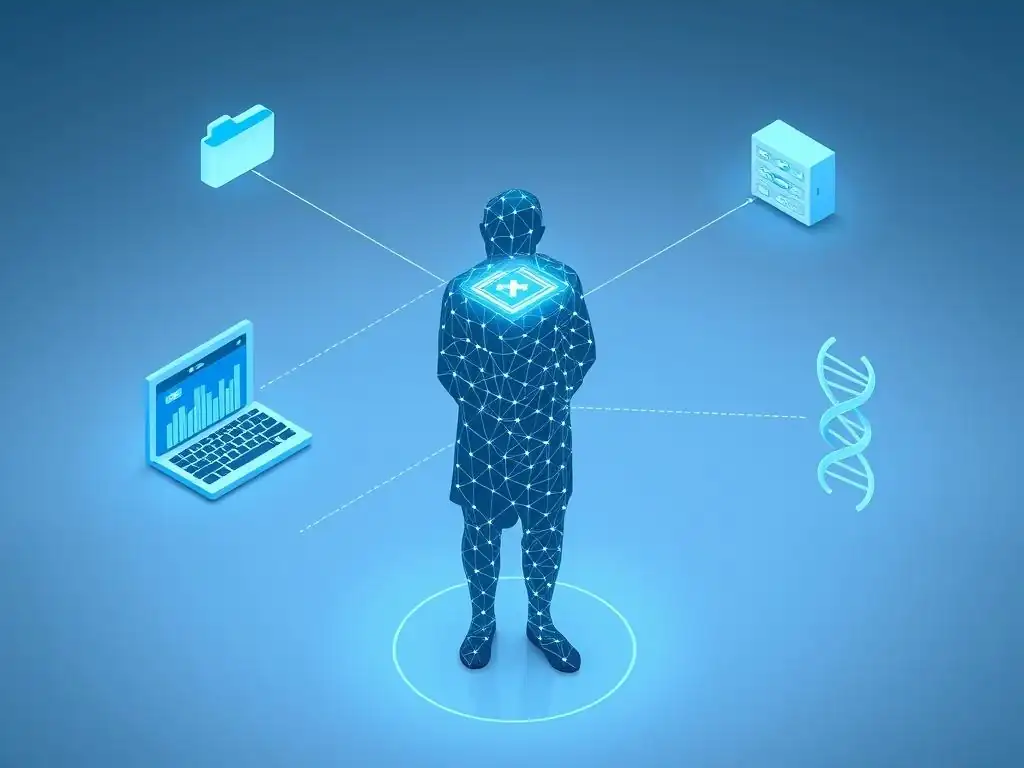
Secure Storage and Sharing of Medical Images
Medical images, such as X-rays, MRIs, and CT scans, are large, sensitive files that require secure storage and efficient sharing among specialists, often remotely in telemedicine contexts. Traditional methods often involve physical media or insecure digital transfers. Storing these images directly on a blockchain is typically impractical due to file size, but blockchain can be used to manage metadata, ownership, and access permissions for these images stored off-chain in secure, decentralized storage systems.
A blockchain ledger could hold a cryptographic hash of the image file, along with metadata like the patient ID, date, and type of scan. Access permissions, granted by the patient or authorized clinician, are also recorded on the blockchain. When a remote specialist needs to view an image for a telemedicine consultation, they request access via the blockchain system, which verifies their credentials and permissions before allowing them to retrieve the image from the secure off-chain storage. This approach ensures blockchain healthcare data security for sensitive image files while facilitating necessary sharing.
Management of Electronic Health Records (EHRs) on a Blockchain
Managing comprehensive Electronic Health Records (EHRs) is perhaps the most impactful use case for blockchain in healthcare. Instead of having fragmented records across various clinics and hospitals, a blockchain-based system could create a longitudinal, patient-centric record. Similar to medical images, the full EHR data wouldn't necessarily reside on the blockchain itself due to scalability and privacy concerns.
However, the blockchain can serve as a secure index and access control layer for EHR data stored in compliant, secure databases. Each entry or update to the EHR could be hashed and recorded on the blockchain, creating an immutable audit trail of the patient's medical history. Patients could control who has access to their full record or specific parts of it using private keys. This approach enhances blockchain healthcare data security, improves data integrity, and empowers patients with greater control over their health information, enabling seamless access for telemedicine providers when authorized.
Secure Remote Patient Monitoring and Data Transmission
Telemedicine heavily relies on remote patient monitoring (RPM), where data from wearable devices, sensors, and home health equipment is transmitted to healthcare providers. This data, including vital signs, activity levels, and medication adherence, is highly sensitive and requires robust security during transmission and storage. Blockchain can secure the data pipeline from the device to the provider.
Data points from RPM devices can be timestamped, encrypted, and batched before being hashed and anchored onto a blockchain. This creates an immutable log of the collected data, ensuring its integrity from the point of collection. Smart contracts can be used to trigger alerts or actions based on specific data thresholds recorded on the chain, automating parts of the monitoring process securely. This application of blockchain enhances blockchain healthcare data security for real-time patient data, crucial for effective and safe remote care.
Identity Management and Authentication in Telemedicine
Securely identifying and authenticating both patients and healthcare providers is fundamental to telemedicine. Traditional systems often rely on passwords and usernames, which are susceptible to phishing and brute-force attacks. Blockchain can provide a decentralized, secure identity management layer.
Patients and providers could have decentralized digital identities anchored on a blockchain. Access to telemedicine platforms or patient data would require authentication using cryptographic keys associated with their blockchain identity. This eliminates the need for multiple usernames and passwords across different systems and provides a more secure method of verifying identity. By establishing trust in the identities participating in telemedicine interactions, blockchain significantly strengthens the overall blockchain healthcare data security framework.
Addressing the Challenges of Blockchain Implementation in Healthcare
Scalability Issues and Potential Solutions for Large-Scale Data Storage
One significant challenge for implementing blockchain in healthcare, especially concerning the vast amounts of data generated, is scalability. Public blockchains like Bitcoin or Ethereum (Proof-of-Work) can process a limited number of transactions per second, which is insufficient for a global healthcare system. Storing raw patient data directly on any blockchain is also impractical due to storage limitations and privacy concerns.
Solutions being explored include using private or consortium blockchains, which can offer higher transaction throughput. Layer 2 scaling solutions, like state channels or sidechains, can process transactions off the main chain and periodically record summaries on the blockchain. Furthermore, the prevalent model involves storing large data files (like images or full EHRs) off-chain in secure, compliant databases or decentralized storage systems, with only hashes and access permissions managed on the blockchain. This hybrid approach leverages blockchain for security and integrity while addressing the scalability needs for large-scale blockchain healthcare data security.
Regulatory Compliance and Data Privacy Regulations (e.g., HIPAA)
Navigating complex healthcare regulations like HIPAA in the United States or GDPR in Europe is a major hurdle for blockchain adoption. These regulations mandate specific requirements for data privacy, security, and the right to access or even potentially erase personal data. Blockchain's immutability, while beneficial for integrity, conflicts with the "right to be forgotten" concept in some regulations.
Healthcare organizations must implement blockchain solutions in a way that complies with these laws. This often involves storing identifiable patient data off-chain in HIPAA-compliant storage, with only pseudonymized data, hashes, and access control information on the blockchain. The blockchain then acts as a secure index and audit log. Legal frameworks and industry standards are still evolving to specifically address blockchain healthcare data security and compliance, requiring careful consideration and potentially new legal interpretations.
Interoperability with Existing Healthcare Systems and Standards
Integrating blockchain technology with the myriad of legacy systems currently used in healthcare (such as existing EHR systems, lab information systems, and billing software) is a complex technical challenge. These systems often use different data formats, communication protocols, and standards (like HL7 or FHIR). A blockchain solution needs to be able to interact seamlessly with these disparate systems to be practical.
Developing standardized APIs and middleware is crucial for bridging the gap between blockchain networks and existing healthcare IT infrastructure. Industry-wide adoption of data standards compatible with blockchain architecture is also necessary. Achieving true interoperability while maintaining robust blockchain healthcare data security requires collaborative efforts between technology developers, healthcare providers, and standards bodies to build the necessary bridges.
Educating Healthcare Professionals on Blockchain Technology
For blockchain solutions to be effectively implemented and utilized in healthcare, the professionals who will use them – doctors, nurses, administrators, IT staff – need to understand the technology's capabilities and implications. Blockchain is a relatively new and complex concept for many, and a lack of understanding can lead to resistance to adoption or improper use, potentially compromising data security.
Training programs and educational resources are essential to demystify blockchain for healthcare professionals. They need to understand how it enhances blockchain healthcare data security, how to interact with blockchain-based applications, and the benefits it brings to patient care and administrative efficiency. Addressing this knowledge gap is critical for successful implementation and realizing the full potential of blockchain in telemedicine.
The Future of Blockchain in Telemedicine: Data Security and Beyond
Emerging Trends in Blockchain-Based Healthcare Solutions
The future of blockchain in telemedicine is promising, with several emerging trends pushing the boundaries beyond basic data storage and security. We are seeing increased focus on using blockchain for secure clinical trial data management, ensuring the integrity and transparency of research data. Decentralized Autonomous Organizations (DAOs) are being explored for managing patient communities or collaborative research efforts.
Another trend involves leveraging blockchain for supply chain management of medical devices and pharmaceuticals used in remote care, ensuring their authenticity and tracking their journey from manufacturer to patient. The development of interoperability layers and standards specifically for healthcare blockchain is accelerating, aiming to create a more connected and secure ecosystem for blockchain healthcare data security across the industry.
The Role of Smart Contracts in Automating Healthcare Processes
Smart contracts are poised to play a transformative role in automating various healthcare processes within telemedicine. These self-executing pieces of code, stored on the blockchain, can automatically trigger actions when predefined conditions are met, based on verified data on the ledger.
Examples include automating payments to telemedicine providers upon completion of a consultation logged on the blockchain, or automatically releasing patient data to a specialist once the patient's consent (recorded on the chain) is verified. Smart contracts can also manage access controls dynamically, granting or revoking permissions based on real-time events. This automation, built on a secure blockchain foundation, can increase efficiency, reduce administrative overhead, and improve the reliability of processes dependent on secure blockchain healthcare data security.
Enabling Secure and Transparent Pharmaceutical Supply Chains
Ensuring the authenticity and safety of pharmaceuticals delivered to patients, especially in remote or telemedicine contexts where prescriptions might be filled differently, is critical. Counterfeit drugs are a significant global problem. Blockchain can create a secure and transparent ledger tracking the journey of a drug from its origin at the manufacturer through distributors, pharmacies, and finally to the patient.
Each step in the supply chain can be recorded as a transaction on the blockchain, including batch numbers, location data, and transfers of ownership. This immutable record makes it incredibly difficult to introduce counterfeit drugs or tamper with the supply chain without detection. Patients and providers could potentially scan a product's QR code to view its entire history on the blockchain, verifying its legitimacy. This application directly contributes to patient safety and enhances blockchain healthcare data security by ensuring the integrity of the medical products patients receive.
Conclusion: Blockchain as a Catalyst for Secure and Efficient Telemedicine
Recap of Blockchain's Benefits for Healthcare Data Security
Blockchain technology offers significant advantages for enhancing blockchain healthcare data security within the rapidly expanding field of telemedicine. Its core features – decentralization, immutability, cryptography, and transparent audit trails – directly address the key vulnerabilities of traditional centralized systems, including single points of failure, risks of data breaches, and challenges in maintaining data integrity and accountability.
By providing a tamper-proof record of health information and access events, blockchain empowers patients with greater control over their data, improves interoperability among providers, streamlines administrative processes, and builds essential trust in digital healthcare services. Use cases ranging from secure image sharing and EHR management to remote monitoring and identity verification demonstrate the practical applications of this technology in securing sensitive patient information.
The Path Forward for Widespread Adoption of Blockchain in Telemedicine
While promising, the widespread adoption of blockchain for healthcare data security in telemedicine requires overcoming several challenges. These include addressing scalability concerns through hybrid architectures, navigating complex regulatory landscapes like HIPAA and GDPR, ensuring seamless interoperability with existing legacy systems, and educating healthcare professionals about the technology.
The path forward involves continued collaboration between technology developers, healthcare institutions, regulators, and patients. Pilot programs, development of industry standards, and clear regulatory guidance are essential steps. As these challenges are addressed, blockchain is poised to become a fundamental component of telemedicine infrastructure, acting as a powerful catalyst for creating more secure, efficient, transparent, and patient-centric digital healthcare systems globally.
Frequently Asked Questions
How does blockchain enhance data security in telemedicine health records?
Blockchain's decentralized and immutable nature makes it difficult for hackers to alter or tamper with patient data. Each transaction is recorded on a distributed ledger, ensuring data integrity and traceability.
What are the primary benefits of using blockchain for healthcare data management?
Blockchain offers enhanced data security, improved data interoperability between different healthcare providers, and increased patient control over their own health information.
What role does DeFi (Decentralized Finance) play in the future of blockchain healthcare?
While less direct, DeFi concepts can facilitate transparent and secure payment processing for telemedicine services and potentially enable novel funding models for research and development in healthcare.
What are the key regulatory challenges surrounding the implementation of blockchain in healthcare?
Current healthcare regulations, such as HIPAA, need to be adapted to address the unique aspects of blockchain technology, particularly regarding data privacy, data ownership, and compliance requirements.
Beyond data security, how can blockchain improve the overall efficiency of telemedicine?
Blockchain can streamline processes like identity verification, appointment scheduling, and insurance claim processing, leading to reduced administrative overhead and improved patient experiences in telemedicine.
Final Reflection: Securing the Future of Telehealth
The promise of telemedicine, once a futuristic vision, is now a vital component of modern healthcare. However, its reliance on digital data necessitates robust security measures, making blockchain's potential for ensuring data integrity more critical than ever. The vulnerabilities inherent in centralized systems demand innovative solutions, and the immutable nature of blockchain offers a compelling answer to the challenges of maintaining secure and trustworthy health records in the rapidly expanding telehealth landscape.
The implementation of blockchain in healthcare is not merely a technological upgrade; it represents a fundamental shift in how we perceive and manage sensitive patient information. This paradigm shift, driven by the need for enhanced security and transparency, has profoundly impacted my understanding of the ethical responsibilities that come with technological advancement in healthcare. The key to the future of healthcare lies in harnessing the power of technology to empower patients and protect their data.
This quote encapsulates the essence of our pursuit: a future where patients have control over their health information and can trust that it is secure and unalterable.
As we move forward, let us not only embrace the technological advancements that blockchain offers but also reflect on the profound implications for patient privacy and data security. Consider how you can advocate for the responsible implementation of blockchain technology in healthcare, ensuring that it serves as a tool for empowerment and trust, rather than a source of anxiety and vulnerability. The future of healthcare data security is in our hands; let us build it with integrity and foresight.
Secure Your Future in Telemedicine: Transform Data Integrity Now!
Thank you for exploring how blockchain is revolutionizing telemedicine data integrity. You've gained valuable insights into the power of immutable records and their potential to enhance patient care. Now, it's time to take action and become part of this important evolution.
Here are some steps you can take today:
- Dive Deep: Start researching practical blockchain applications within your specific telemedicine field. What are the immediate challenges blockchain can address?
- Explore Further: Investigate the technical aspects of permissioned blockchains suitable for healthcare, focusing on security and scalability. What are the current regulatory obstacles, and how can they be overcome?
- Amplify Awareness: Share this article with your network and spark discussions about the importance of data integrity in telemedicine. What concerns do your colleagues have about adopting blockchain solutions, and how can those be alleviated?
What initial steps will you take to champion blockchain-secured data integrity in the future of telemedicine? Share your thoughts in the comments below!
Leave a Reply