
Can Blockchain Eradicate Counterfeit Medications? The Pharma Industry's Hope

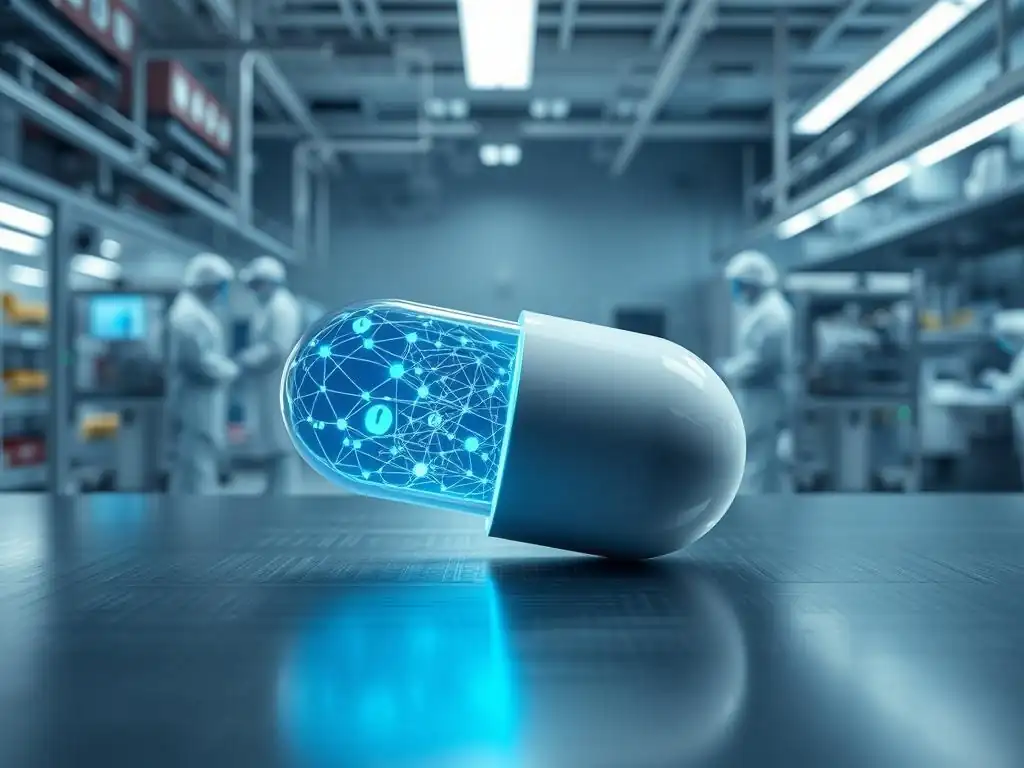
Welcome to Blockchain Trends, your guide to navigating the revolutionary world of blockchain technology. Beyond the hype of cryptocurrencies, lies a vast landscape of innovation. Intrigued by how blockchain can reshape industries? Dive into our latest exploration of blockchain combat counterfeit medications and discover how this technology is being deployed to safeguard the pharmaceutical supply chain, offering a beacon of hope in the fight against fake drugs. Read on to uncover the potential and challenges of this groundbreaking application within the healthcare sector.
Can Blockchain Eradicate Counterfeit Medications? The Pharma Industry's Hope
- Introduction: The Growing Threat of Counterfeit Drugs and Blockchain's Potential
- The Problem: How Counterfeit Medications Infiltrate the Supply Chain
- How Blockchain Technology Helps Combat Counterfeit Medications
- Blockchain Solutions for Pharma: A Deeper Dive
- Benefits of Blockchain in Pharma: Reducing Counterfeit Drugs
- Challenges and Limitations of Blockchain Implementation in Pharma
- Real-World Examples: Blockchain Projects Fighting Fake Drugs
- The Future of Blockchain in the Pharmaceutical Industry
- Conclusion: Blockchain as a Key Tool in Combating Pharmaceutical Counterfeiting
-
Frequently Asked Questions
- How can blockchain technology help combat counterfeit medications?
- What are the key benefits of using blockchain to track medications in the pharmaceutical industry?
- What are some of the challenges in implementing blockchain solutions for tracking medications?
- How does blockchain help ensure the authenticity of medications throughout the supply chain?
- What are the potential regulatory implications of using blockchain to track medications, and how might they impact the pharmaceutical industry?
- Final Reflection: Blockchain's Promise for Authentic Medicine
- Uncover the Future of Pharma: Become a Blockchain Advocate!
Introduction: The Growing Threat of Counterfeit Drugs and Blockchain's Potential
The Alarming Rise of Fake Pharmaceuticals: A Global Health Crisis
Counterfeit medications represent a significant and growing global health crisis, posing a direct threat to patient safety and undermining trust in healthcare systems. These illicit products are often indistinguishable from genuine drugs, containing incorrect dosages, harmful substances, or no active ingredients at all.
The World Health Organization (WHO) estimates that 10% of medical products in low- and middle-income countries are substandard or falsified, a figure that can rise to 50% in some areas. The economic impact is staggering, with global trade in fake pharmaceuticals estimated to be worth tens of billions of dollars annually, diverting resources from legitimate healthcare and funding criminal enterprises.
The proliferation of online pharmacies and complex global supply chains has exacerbated this problem, making it easier for counterfeiters to distribute their products across borders with limited oversight. Patients unknowingly purchase these fake drugs, leading to treatment failures, adverse health effects, and even death. For instance, counterfeit antibiotics may lack the active ingredient, contributing to antimicrobial resistance, while fake cancer drugs can offer false hope and delay life-saving treatment. Addressing this crisis requires robust, verifiable systems that can ensure the authenticity and integrity of pharmaceuticals throughout their journey from manufacturer to patient.
Blockchain Technology: A Promising Solution for Pharmaceutical Supply Chain Security
Blockchain technology, widely known for its role in cryptocurrencies, offers a fundamentally different approach to data management that holds significant promise for securing the pharmaceutical supply chain. At its core, a blockchain is a distributed, immutable ledger that records transactions across a network of computers. Each transaction is grouped into a 'block', which is cryptographically linked to the previous block, creating a chain. This structure makes it exceptionally difficult to alter past records without consensus from the network participants, providing a high degree of data integrity and transparency.
Applying blockchain technology to the pharmaceutical supply chain can create an unalterable record of a drug's journey, from its production and packaging to its distribution and dispensing. This digital trail can include critical information such as manufacturing details, batch numbers, expiration dates, handling conditions (like temperature), and ownership transfers. By providing a secure, verifiable history for each unit of medication, blockchain offers a powerful tool to combat counterfeit medications by making it significantly harder for fake products to enter or move undetected within the legitimate supply chain.
The Problem: How Counterfeit Medications Infiltrate the Supply Chain
Identifying Weak Points: Vulnerabilities in the Traditional Pharmaceutical Supply Chain
The traditional pharmaceutical supply chain is inherently complex and fragmented, involving numerous intermediaries such as manufacturers, wholesalers, distributors, pharmacies, and logistics providers. This multi-stakeholder environment, combined with paper-based documentation or disparate, incompatible digital systems, creates numerous weak points vulnerable to infiltration by counterfeit products. At transfer points between parties, lack of real-time visibility and standardized verification processes allows fake drugs to be introduced, mixed with, or substituted for genuine stock.
Furthermore, inefficiencies in recall processes and the difficulty in tracing products back to their origin quickly exacerbate the problem. If a batch is suspected of being counterfeit or compromised, traditional systems struggle to pinpoint affected products rapidly and accurately across the entire distribution network. This delay not only prolongs patient exposure to harmful substances but also makes it harder to identify the source of the infiltration, allowing counterfeiters to continue their illicit activities. The lack of a single, trustworthy source of truth for product data across the entire chain is a critical vulnerability.
The Impact of Fake Drugs: Health Risks, Economic Losses, and Reputational Damage
The consequences of counterfeit drugs are far-reaching and devastating. The most critical impact is on public health and patient safety. Substandard or falsified medications can lead to treatment failure, exacerbation of illness, disability, and death. For instance, the WHO reported that in 2015, a batch of counterfeit meningitis vaccines caused the deaths of 12 children in Niger. Beyond direct health risks, the use of fake drugs contributes to antibiotic resistance, making it harder to treat infections globally.
Economically, the impact is substantial. Pharmaceutical companies suffer significant financial losses from lost sales, damage to brand reputation, and the costs associated with investigating and addressing counterfeiting incidents. A 2018 study by the European Union Intellectual Property Office (EUIPO) estimated that the legitimate pharmaceutical sector in the EU loses €10.2 billion annually due to counterfeiting.
Governments also face increased healthcare costs treating patients harmed by fake drugs and lose tax revenue. Moreover, the presence of counterfeit drugs erodes patient and healthcare provider trust in the legitimate pharmaceutical supply chain, creating a climate of suspicion that can discourage people from seeking necessary medical treatment.
How Blockchain Technology Helps Combat Counterfeit Medications
Blockchain's Immutable Ledger: Ensuring Transparency and Traceability
One of the most powerful features of blockchain technology in the fight against counterfeit medications is its immutable and transparent ledger. Once data is recorded on a blockchain, altering or deleting it becomes virtually impossible without the consensus of the network participants. This means that every step a pharmaceutical product takes – from manufacturing date and location, through each change of custody, to its final destination – can be recorded as a permanent, verifiable transaction on the blockchain.
This creates an unprecedented level of transparency across the entire supply chain. Regulators, manufacturers, distributors, and even patients (depending on the system design) can potentially access this ledger to view the history of a specific drug package. This shared, tamper-proof record makes it incredibly difficult for counterfeit drugs, which lack a legitimate entry or history on the blockchain, to blend in with genuine products. Any attempt to introduce a fake product or alter its recorded history would immediately become evident to other network participants, triggering alerts and enabling rapid investigation.
Tracking and Tracing Pharmaceuticals: From Manufacturer to Patient with Blockchain
Blockchain technology provides the foundation for highly effective track-and-trace systems within the pharmaceutical industry. By assigning a unique identifier (like a serialized code) to each individual drug package or bottle, and recording key events associated with that identifier on the blockchain, a comprehensive digital twin of the physical product's journey is created. Each time the product changes hands, its location and ownership transfer are logged as a transaction on the distributed ledger.
This allows stakeholders to trace the product backward to its origin (manufacturer) and track its forward movement through the distribution network in near real-time. For example, a pharmacist receiving a shipment can scan a drug's unique code and instantly verify its complete history on the blockchain, confirming its legitimacy and authorized path through the supply chain. This granular level of traceability is crucial for isolating and removing suspicious or counterfeit products quickly and efficiently, significantly limiting their potential harm to patients and bolstering the overall ability of blockchain combat counterfeit medications.
Enhanced Security: Preventing Tampering and Data Manipulation
Beyond immutability, blockchain technology incorporates advanced cryptographic techniques that significantly enhance data security and prevent tampering. Each block in the chain is cryptographically linked to the previous one using a hash function. This means that even a minor alteration to the data in an earlier block would change its hash, breaking the link to the subsequent block and invalidating the entire chain from that point forward. This makes undetected data manipulation virtually impossible.
Furthermore, in many blockchain implementations, transactions are validated by multiple participants (nodes) in the network through a consensus mechanism (like Proof-of-Work or Proof-of-Stake). This decentralized validation process adds another layer of security, ensuring that no single entity can unilaterally approve fraudulent transactions or alter the ledger. This distributed security model is far more resilient to cyberattacks and internal collusion than traditional centralized databases, making it a robust tool for protecting sensitive pharmaceutical data and ensuring the integrity of the supply chain record.
Blockchain Solutions for Pharma: A Deeper Dive
Use Case 1: Tracking Vaccine Provenance and Authenticity
Tracking the provenance and authenticity of vaccines is a critical application for blockchain technology, especially given their sensitivity to handling conditions and the global scale of distribution. Vaccines require strict cold chain management, and verifying that a vaccine has been stored and transported within the required temperature range is paramount for its efficacy and safety. A blockchain system can record the temperature data from sensors attached to vaccine shipments at regular intervals, logging this information immutably alongside ownership transfers and location data.
This creates a transparent and verifiable history of the vaccine's journey, ensuring that it has not been exposed to temperature excursions that could compromise its potency. Furthermore, by recording the unique serial number and manufacturing details of each vaccine dose on the blockchain at the point of production, healthcare providers can scan the vaccine vial upon receipt or before administration to instantly verify its authenticity and confirm that it has followed an approved path through the supply chain.
This use case directly contributes to the ability of blockchain combat counterfeit medications and substandard vaccine products, which can have devastating public health consequences.
Use Case 2: Verifying Oncology Drug Serial Numbers and Batch Information
Oncology drugs, often high-value and life-saving, are particularly attractive targets for counterfeiters. Verifying the authenticity of these critical medications through their serial numbers and batch information is essential. Blockchain technology can facilitate this by creating a decentralized, secure database of all manufactured oncology drug serial numbers and their associated batch details. When a pharmacist or hospital receives a shipment, they can scan the unique serial number on each package.
This scan triggers a query to the blockchain network, which verifies if the serial number is legitimate, if it belongs to the specified batch, and if it has already been dispensed or marked as suspicious. Any discrepancy, such as a serial number not present on the blockchain, one that has already been recorded as sold, or one linked to a recalled batch, would immediately flag the product as potentially counterfeit or diverted.
This instant verification capability at the point of dispensing significantly reduces the likelihood of fake or compromised oncology drugs reaching vulnerable patients, strengthening the overall system using blockchain combat counterfeit medications.
Use Case 3: Smart Contracts for Temperature-Controlled Pharmaceutical Logistics
Pharmaceutical logistics for temperature-sensitive drugs, like biologics or certain vaccines, relies heavily on maintaining specific environmental conditions throughout transit. Failure to do so can render the medication ineffective or even harmful. Smart contracts, self-executing contracts with the terms of the agreement directly written into code on a blockchain, can automate and enforce these critical logistics requirements.
A smart contract could be programmed to hold payment to a logistics provider in escrow until verifiable data, streamed from temperature sensors and recorded on the blockchain, confirms that the shipment maintained the required temperature range throughout the entire journey. If the temperature deviates outside the acceptable range, the smart contract could automatically trigger penalties, initiate a recall process, or even refuse payment, all based on the immutable data recorded on the blockchain.
This not only incentivizes strict adherence to cold chain protocols but also provides an automated, trustless mechanism for ensuring product quality and safety during transit, further enhancing the ability of blockchain combat counterfeit medications and ensuring product integrity.
Benefits of Blockchain in Pharma: Reducing Counterfeit Drugs
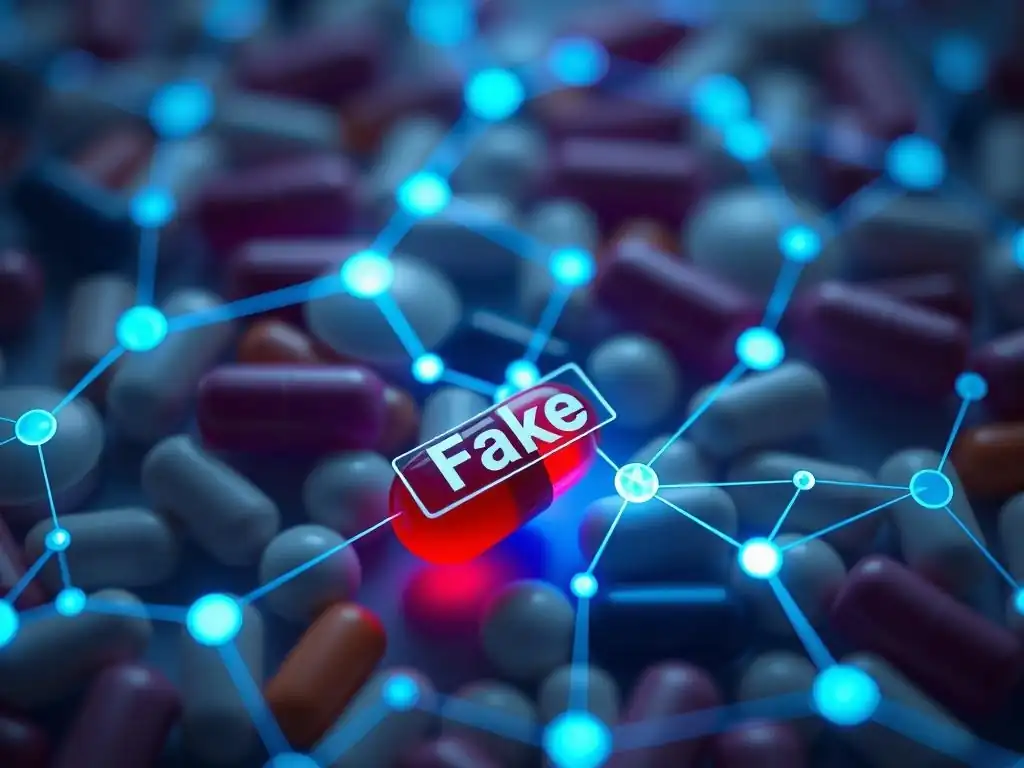
Improved Supply Chain Visibility: Real-Time Tracking and Monitoring
Implementing blockchain technology dramatically improves visibility across the pharmaceutical supply chain, moving away from opaque, siloed systems. With a blockchain-based system, every authorized participant can potentially have access to a shared, real-time view of a drug's location and status as it moves through the network. This level of transparency allows stakeholders to monitor the movement of goods with unprecedented detail, from the moment they leave the manufacturing plant to when they arrive at a pharmacy or healthcare facility.
This enhanced visibility is crucial for identifying bottlenecks, inefficiencies, and, most importantly, suspicious activities. If a shipment takes an unexpected route or experiences an unusual delay, the system can flag it for investigation. This real-time monitoring capability makes it much harder for counterfeit products to be introduced or diverted without detection, as their presence would not align with the verifiable, expected chain of custody recorded on the blockchain. This direct insight into the supply chain is a primary benefit of using blockchain combat counterfeit medications.
Enhanced Data Security: Protecting Sensitive Pharmaceutical Information
The decentralized and cryptographic nature of blockchain technology offers superior data security compared to many traditional centralized databases, which are more susceptible to single points of failure and cyberattacks. In a blockchain network, data is distributed across multiple nodes, making it extremely difficult for a malicious actor to compromise the entire system by attacking a single server. The cryptographic linking of blocks ensures that data, once recorded, cannot be altered retroactively without detection.
Sensitive pharmaceutical data, such as batch records, serial numbers, and transaction histories, are secured using advanced encryption techniques. Access to specific data can be controlled through permissions granted to different participants in the network, ensuring that sensitive business information remains private while still allowing for the necessary transparency to verify product authenticity. This robust security framework protects against data breaches and manipulation, building a more trustworthy environment for tracking pharmaceuticals and supporting the efforts to blockchain combat counterfeit medications.
Increased Trust and Transparency: Building Confidence in the Pharmaceutical Supply Chain
A key benefit of blockchain in the pharmaceutical sector is its ability to foster trust among disparate stakeholders and increase transparency for regulators and consumers. By providing a shared, immutable record of a drug's journey, blockchain eliminates the need for participants to blindly trust each other's paper records or proprietary databases. Instead, trust is placed in the technology and the consensus mechanisms that validate transactions.
This increased transparency allows regulatory bodies to monitor the supply chain more effectively, streamlining compliance and inspections. For patients and healthcare providers, the ability to verify the authenticity of a medication by scanning a code and viewing its history on a public or permissioned blockchain can significantly boost confidence in the drugs they receive and administer. This shift towards verifiable trust and transparency is fundamental to building a safer global pharmaceutical supply chain and empowering the industry to effectively blockchain combat counterfeit medications.
Streamlined Processes: Reducing Inefficiencies and Costs
Beyond security and traceability, blockchain technology can streamline various processes within the pharmaceutical supply chain, leading to reduced inefficiencies and costs. Automating verification steps that currently require manual checks or reconciliation between different systems saves time and reduces administrative burden. Smart contracts, as discussed earlier, can automate payments, compliance checks, and even product recalls based on predefined conditions recorded on the blockchain.
Furthermore, having a single, shared source of truth for product data reduces disputes and errors caused by conflicting information in disparate databases. This can accelerate processes like invoicing, auditing, and regulatory reporting. While initial implementation costs can be significant, the long-term operational efficiencies, reduced losses from counterfeiting and recalls, and improved compliance can lead to substantial cost savings across the entire ecosystem. Streamlining these processes is an indirect but important way that blockchain combat counterfeit medications by making the legitimate supply chain more robust and efficient.
Challenges and Limitations of Blockchain Implementation in Pharma
Scalability Issues: Handling Large Volumes of Pharmaceutical Data
One significant challenge for implementing blockchain technology in the pharmaceutical industry is scalability. The global pharmaceutical supply chain generates an enormous volume of data daily, from manufacturing details for billions of individual packages to temperature logs and transfer records. Public blockchains, while highly decentralized, can sometimes struggle with transaction throughput and latency when handling such massive data streams efficiently and cost-effectively.
Permissioned or private blockchains, where participation is restricted to known entities, offer better scalability and speed, often handling thousands of transactions per second compared to the much lower rates of some public chains. However, even these require careful design to ensure they can accommodate the sheer volume and velocity of data generated by a global pharmaceutical distribution network.
Solutions like off-chain data storage with on-chain hashes, or utilizing layer-2 scaling solutions, are being explored, but ensuring the system can handle the full scale of operations while maintaining performance remains a key hurdle for the widespread use of blockchain combat counterfeit medications.
Interoperability Challenges: Integrating with Existing Pharmaceutical Systems
The pharmaceutical industry relies on a complex ecosystem of legacy systems, including Enterprise Resource Planning (ERP) systems, Warehouse Management Systems (WMS), and various databases used by manufacturers, distributors, and pharmacies. Integrating a new blockchain-based tracking system with this heterogeneous landscape of existing technologies presents significant interoperability challenges.
Ensuring seamless data flow between blockchain ledgers and traditional systems requires developing robust Application Programming Interfaces (APIs) and standardized data formats. Different participants in the supply chain may use different software providers and standards, necessitating custom integrations or the adoption of industry-wide data standards for blockchain implementation. Overcoming these technical hurdles and achieving smooth data exchange across diverse platforms is crucial for the successful deployment of blockchain combat counterfeit medications efforts on a large scale.
The pharmaceutical industry is one of the most heavily regulated sectors globally, with strict requirements governing manufacturing, distribution, and dispensing of medications. Implementing blockchain technology must align with existing and evolving regulations from bodies like the FDA in the US (e.g., DSCSA) or the EMA in Europe. These regulations often mandate specific data capture, reporting, and verification requirements.
Ensuring a blockchain solution meets these diverse regulatory demands across different jurisdictions is complex. Regulators need to understand and approve the technology, and the system must be designed to provide auditors and inspectors with the necessary access to verifiable data while adhering to privacy requirements. Navigating this complex legal and regulatory landscape, and potentially advocating for updated regulations that accommodate blockchain capabilities, is a significant challenge for widespread adoption aimed at enabling blockchain combat counterfeit medications effectively.
Data Privacy and Compliance: GDPR and HIPAA Considerations
While blockchain offers transparency and security, it also presents challenges regarding data privacy, particularly concerning regulations like GDPR in Europe and HIPAA in the US. These regulations impose strict rules on how personal health information (PHI) and personal data are collected, stored, and processed. Recording sensitive information, such as patient identifiers or even detailed dispensing data linked to specific individuals, directly onto an immutable blockchain raises privacy concerns.
Designing blockchain solutions for pharma requires careful consideration of what data is stored on-chain versus off-chain. PHI must be handled with extreme care, often stored off-chain in secure, compliant databases, with only anonymized identifiers or hashes recorded on the blockchain for verification purposes. Ensuring compliance with these stringent privacy regulations while leveraging the benefits of blockchain's immutability and transparency is a critical challenge that must be addressed for pharmaceutical blockchain projects to succeed in their goal to blockchain combat counterfeit medications.
Real-World Examples: Blockchain Projects Fighting Fake Drugs
Case Study 1: MediLedger Network for Pharmaceutical Supply Chain
The MediLedger Network is a prominent example of a blockchain-based initiative specifically designed for the pharmaceutical industry to address supply chain challenges, including the fight against counterfeit drugs. Launched by a consortium of pharmaceutical companies including large players, MediLedger uses a permissioned blockchain to create a secure, interoperable network for verifying product authenticity and managing chargebacks.
The network enables participants – manufacturers, wholesalers, and distributors – to verify the legitimacy of returned products and manage complex chargeback processes more efficiently. Crucially, it provides a framework for serial number verification, allowing network members to confirm whether a specific product identifier is valid and has followed an authorized path. While initially focused on returns and chargebacks, the underlying infrastructure and principles are directly applicable to track-and-trace requirements under regulations like the US Drug Supply Chain Security Act (DSCSA), demonstrating a real-world effort using blockchain combat counterfeit medications by securing verification processes.
Case Study 2: IBM Food Trust for Tracking Pharmaceuticals
While primarily known for tracking food products, the IBM Food Trust platform, built on IBM Blockchain (a permissioned Hyperledger Fabric network), has demonstrated its adaptability for other supply chains, including pharmaceuticals. The platform allows participants to securely share supply chain data, creating an immutable record of a product's journey.
In the context of pharmaceuticals, a system based on the IBM Food Trust model could track drug shipments, recording key events like manufacturing, packaging, shipping, and receiving across multiple parties. Participants would contribute data to the shared ledger, creating end-to-end visibility. While less focused specifically on serial number verification than MediLedger, such a platform provides robust traceability and transparency, making it harder for unauthorized products to enter the chain undetected. This illustrates how established blockchain platforms can be adapted to help blockchain combat counterfeit medications by enhancing overall supply chain visibility and data integrity.
The Future of Blockchain in the Pharmaceutical Industry
Emerging Trends: Advancements in Blockchain Technology for Pharma
The application of blockchain in the pharmaceutical sector is constantly evolving, driven by advancements in the technology itself and the specific needs of the industry. Emerging trends include the development of more scalable blockchain platforms capable of handling the high transaction volumes required for item-level tracking of billions of drug packages. Solutions like sharding, sidechains, and layer-2 protocols are being explored to improve throughput and reduce costs.
Furthermore, there is increasing interest in integrating blockchain with other cutting-edge technologies. The combination of blockchain with IoT (Internet of Things) sensors can provide real-time, automated recording of critical data like temperature and humidity directly onto the ledger, enhancing the integrity of cold chain management. Artificial intelligence (AI) can be used to analyze the vast amounts of data stored on the blockchain to identify patterns indicative of potential counterfeiting or diversion activities more quickly than human analysis, strengthening the ability of blockchain combat counterfeit medications proactively.
The Role of Blockchain in Building a Safer and More Secure Pharmaceutical Supply Chain
Blockchain is poised to play a transformative role in building a safer and more secure global pharmaceutical supply chain. By providing an immutable, transparent, and verifiable record of a drug's journey, it addresses fundamental vulnerabilities in traditional systems that counterfeiters exploit. The technology enables precise tracking and tracing, allowing for rapid identification and isolation of suspicious products.
Beyond technical capabilities, blockchain fosters a collaborative environment where supply chain partners can share critical data securely and efficiently, building a shared source of truth. This collaboration, underpinned by trust in the technology, is essential for a coordinated global effort to combat pharmaceutical crime. As regulatory frameworks evolve to incorporate blockchain capabilities, the technology will become an even more integral part of ensuring the integrity and security of the medications patients rely on, solidifying blockchain combat counterfeit medications as a key strategy.
Predictions: How Blockchain Will Transform the Fight Against Counterfeit Medications in the Coming Years
Over the next few years, it is predicted that blockchain adoption in the pharmaceutical supply chain will accelerate significantly, driven by regulatory mandates (like the final phases of DSCSA in the US), increasing awareness of the technology's benefits, and successful pilot implementations scaling up. We can expect to see more industry consortia forming to build shared blockchain networks for verification and traceability.
The focus will shift from pilot projects to broader implementation across entire product lines or regions. Interoperability solutions will mature, making it easier for companies to connect to blockchain networks regardless of their existing systems.
While blockchain may not eradicate counterfeiting entirely on its own – it's a complex problem requiring multi-faceted solutions including law enforcement and public awareness – it will become an indispensable tool that drastically reduces the opportunities for fake drugs to infiltrate and circulate within the legitimate supply chain. The ability of blockchain combat counterfeit medications will be significantly enhanced by these developments, making the supply chain demonstrably more secure for everyone.
Conclusion: Blockchain as a Key Tool in Combating Pharmaceutical Counterfeiting
Blockchain's Transformative Potential for Pharma Supply Chain Security
The threat of counterfeit medications is a clear and present danger to global health and the integrity of the pharmaceutical industry. Traditional supply chain models, with their inherent vulnerabilities and lack of end-to-end transparency, have struggled to effectively counter this sophisticated criminal activity. Blockchain technology offers a paradigm shift, providing a robust, secure, and transparent framework that can fundamentally transform pharmaceutical supply chain security.
By creating an immutable record of a drug's journey from manufacturing to patient, blockchain enables unprecedented traceability and verification. This makes it significantly harder for counterfeit products to enter the legitimate supply chain undetected and allows for rapid identification and removal of suspicious items. The enhanced data security, increased trust among stakeholders, and potential for process streamlining collectively position blockchain as a powerful tool in the ongoing fight against pharmaceutical counterfeiting. Its ability to provide a single, verifiable source of truth across a complex network is its most significant contribution to securing the drug supply chain.
Call to Action: Embracing Blockchain to Protect Patients from Fake Drugs
Protecting patients from the dangers of fake drugs is a shared responsibility that requires collective action from pharmaceutical manufacturers, distributors, pharmacies, regulators, and technology providers. Embracing innovative solutions like blockchain technology is not just a technical upgrade; it is a critical step towards building a safer and more trustworthy global healthcare system.
Industry stakeholders should actively explore, pilot, and implement blockchain-based solutions that align with regulatory requirements and industry standards. Collaboration through consortia and shared networks is essential to create interoperable systems that span the entire supply chain. Regulators should continue to engage with the technology, developing frameworks that facilitate its adoption while ensuring patient safety and data privacy. By leveraging the power of blockchain combat counterfeit medications, the pharmaceutical industry can significantly enhance the security and integrity of its supply chain, ultimately safeguarding patient health and restoring confidence in the medications we all depend on.
Frequently Asked Questions
How can blockchain technology help combat counterfeit medications?
Blockchain provides an immutable and transparent record of a medication's journey, from manufacturer to consumer, making it difficult for counterfeiters to introduce fake drugs into the supply chain. This enhanced traceability allows for easy verification of a drug's authenticity.
What are the key benefits of using blockchain to track medications in the pharmaceutical industry?
The primary benefits include increased supply chain transparency, reduced risk of counterfeit drugs reaching patients, and improved patient safety through authentication. Also, faster recall processes.
What are some of the challenges in implementing blockchain solutions for tracking medications?
Some challenges include the cost of implementation, the need for industry-wide collaboration to establish standardized protocols, and ensuring data privacy and security.
How does blockchain help ensure the authenticity of medications throughout the supply chain?
Blockchain creates a shared, unchangeable ledger that records each step in the drug's journey. This allows verification of the medication's origin and authenticity at any point in the supply chain using unique identifiers.
What are the potential regulatory implications of using blockchain to track medications, and how might they impact the pharmaceutical industry?
Regulatory bodies might require specific standards for data storage and security related to blockchain-based tracking. This could lead to increased compliance costs but also improve public trust and safety in the pharmaceutical supply chain.
Final Reflection: Blockchain's Promise for Authentic Medicine
The fight against counterfeit medications is a global health crisis, and the potential of blockchain technology to address this challenge is undeniably significant. The promise of immutable, transparent tracking from manufacturer to patient offers a powerful weapon in the arsenal against this deadly trade. This article has explored the mechanisms by which blockchain can combat counterfeit medications, highlighting its potential to restore trust and integrity to the pharmaceutical supply chain.
This issue has profoundly shaped my perspective on the intersection of technology and healthcare. Witnessing the potential for blockchain to safeguard vulnerable populations from the dangers of fake drugs underscores the urgency of its implementation. The best way to predict the future is to create it.
- Peter Drucker. This quote resonates deeply, as the proactive adoption of blockchain in the pharmaceutical industry is not just about preventing fraud, but about actively building a healthier and more secure future for all.
As you reflect on the information presented, consider the role you can play in advocating for the adoption of blockchain solutions in the pharmaceutical industry. What steps can you take, whether through supporting research, raising awareness, or demanding greater transparency from pharmaceutical companies, to contribute to a world where access to safe and authentic medications is a reality for everyone? Let us all strive to be part of the solution, ensuring that the promise of blockchain translates into tangible benefits for global health.
Uncover the Future of Pharma: Become a Blockchain Advocate!
Thank you for exploring how blockchain technology can revolutionize the pharmaceutical industry and combat counterfeit medications. Now that you’re informed, it’s time to take action and help create a safer, more transparent future for healthcare worldwide.
Here’s how you can make a difference:
- Ask your healthcare providers about their methods for verifying medication authenticity and encourage them to consider blockchain-based solutions.
- Share this article with friends and family to raise awareness about the potential of blockchain technology in preventing counterfeit drugs.
- Continue learning by exploring other articles on blockchain applications in healthcare to deepen your understanding of this transformative technology.
Do you have questions about how blockchain can be used to fight pharmaceutical counterfeiting? Let’s explore them together.
Leave a Reply