
Real Estate Token Offerings (RTOs): A New Fundraising Model for Developers


Welcome to Blockchain Trends, your compass in the rapidly evolving world of decentralized technologies! Beyond the hype, we delve into the real-world applications transforming industries. Curious about how blockchain is reshaping the future of fundraising? Discover the innovative possibilities of Real Estate Token Offerings (RTOs) and how they're creating new opportunities for developers in our in-depth article. Uncover the potential – and the pitfalls – of this cutting-edge model and explore the future of blockchain in real estate. Let's dive in!
Real Estate Token Offerings (RTOs): A New Fundraising Model for Developers
- Introduction: Revolutionizing Real Estate Fundraising with Blockchain
- What are Real Estate Token Offerings (RTOs)? Understanding the Basics
- Benefits of RTOs for Real Estate Developers: A New Funding Avenue
- Benefits of RTOs for Investors: Democratizing Real Estate Investment
- The Regulatory Landscape of Real Estate Token Offerings (RTOs)
- Case Studies: Successful Examples of Real Estate Tokenization
- The Future of Real Estate Fundraising: RTOs and Beyond
- Conclusion: Embracing the Future of Real Estate with Blockchain
- Frequently Asked Questions
- Final Reflection: Embracing the Future of Real Estate Investment
- Unlock Your Real Estate Future: Dive Deeper into RTOs!
Introduction: Revolutionizing Real Estate Fundraising with Blockchain
Traditional real estate fundraising has long been characterized by significant barriers to entry, illiquidity, and complex, lengthy transaction processes. Developers typically rely on a mix of bank loans, private equity, and joint ventures, often requiring substantial capital commitments and navigating intricate legal and financial structures. This traditional landscape, while functional, limits access to a broader pool of investors and can slow down the pace of development.
The advent of blockchain technology is poised to fundamentally alter this paradigm. Beyond its origins in cryptocurrencies, blockchain offers unique capabilities for creating transparent, secure, and potentially more efficient systems for asset management and capital formation. One of the most compelling applications emerging is the Real Estate Token Offering (RTO), which leverages blockchain to create innovative Real estate blockchain fundraising models. These models promise to streamline the fundraising process for developers and democratize access to real estate investment for a wider audience.
What are Real Estate Token Offerings (RTOs)? Understanding the Basics
Real Estate Token Offerings (RTOs) represent a method where ownership or economic rights in a real estate asset are digitized and represented by tokens on a blockchain. Unlike traditional investment methods where investors might own a physical share of a property or a stake in a fund through paper certificates or centralized digital ledgers, RTOs issue digital tokens that function as programmable units of value and ownership recorded on a distributed ledger. These tokens can represent equity in a property, a share of rental income, or even debt secured by the real estate.
This tokenization process allows for the fractionalization of high-value assets, meaning a single property can be divided into thousands or millions of tokens, each representing a small, manageable stake. This contrasts sharply with traditional direct property ownership or even fractional schemes which often still require significant minimum investments. RTOs leverage the inherent characteristics of blockchain—immutability, transparency (of transactions), and security—to create a new framework for investing in and raising capital for real estate projects.
Tokenization of Real Estate Assets: A Deeper Dive
The core of an RTO lies in the tokenization of the underlying real estate asset. This process typically involves establishing a legal structure, often a Special Purpose Vehicle (SPV), that legally owns the physical property or the rights to its income. The SPV then issues digital tokens on a blockchain, and these tokens represent shares or interests in the SPV, and by extension, in the underlying real estate asset.
Smart contracts, self-executing contracts with the terms of the agreement directly written into code, are crucial here. They can automate processes like the distribution of rental income (dividends) or the execution of voting rights associated with the tokens. Common token standards used for security tokens, like ERC-20 or ERC-1400 on the Ethereum blockchain, or standards on other networks like Stellar or Algorand, define how these tokens function and interact within the digital ecosystem.
Beyond the technical process, tokenization fundamentally changes the characteristics of real estate as an asset class. By breaking down large, illiquid assets into smaller, divisible tokens, it enables fractional ownership. For instance, a commercial building valued at $100 million could be tokenized into 100 million tokens, each notionally representing $1 of value.
This fractionalization significantly lowers the investment threshold for potential buyers. Furthermore, because these tokens exist on a blockchain, their ownership is recorded transparently and immutably, reducing disputes over title and simplifying audits. The potential for increased liquidity through secondary trading platforms is also a key benefit, addressing one of the major drawbacks of traditional real estate investment.
Benefits of RTOs for Real Estate Developers: A New Funding Avenue
For real estate developers, RTOs offer a compelling alternative to traditional financing routes. Accessing capital through RTOs can potentially accelerate fundraising timelines compared to securing large bank loans or orchestrating complex private equity rounds, which can often take many months. By leveraging a token offering, developers can tap into a potentially global pool of investors, including those who might be priced out of traditional real estate investment or geographically distant from the project location.
This expanded access to capital is particularly valuable for innovative or niche development projects that might struggle to fit within the rigid criteria of conventional lenders. RTOs enable developers to structure funding rounds with greater flexibility, potentially offering different classes of tokens representing various rights or income streams from a single project. This flexibility in structuring is a key advantage of the new Real estate blockchain fundraising models emerging in the market.
Lowering the Barriers to Entry in Real Estate Development Funding
One of the most significant advantages of RTOs for developers is the potential reduction in the cost and complexity of raising capital. Traditional financing methods involve substantial legal fees, underwriting costs, due diligence expenses, and often require lengthy negotiation periods. While setting up an RTO also involves legal and technical costs, the process can be streamlined, especially as platforms and legal frameworks mature.
By attracting a larger number of smaller investors, developers can aggregate significant capital without the need for a few large institutional checks. For example, instead of needing a handful of investors capable of committing $1 million each, a developer might raise the same amount from 1,000 investors contributing $1,000 each via tokens, significantly broadening the potential investor base.
Furthermore, the speed and efficiency offered by blockchain technology can dramatically shorten funding cycles. Once the legal and technical setup is complete, the issuance and distribution of tokens can be executed rapidly via smart contracts.
Investor verification (KYC/AML) can often be integrated into specialized RTO platforms, further accelerating the process compared to manual checks required in traditional private placements. While a traditional development financing round might take 6 to 12 months to close, an RTO, depending on its scale and regulatory requirements, could potentially be completed in 3 to 6 months, allowing developers to deploy capital and begin projects faster.
Benefits of RTOs for Investors: Democratizing Real Estate Investment
For investors, RTOs unlock access to real estate investment in ways previously unavailable to most individuals. The fractional ownership model allows investors to participate in high-value real estate projects with significantly smaller capital outlays than required for direct property purchases or traditional fund investments. This democratization means that someone with a few hundred or thousand dollars can now potentially own a stake in a commercial building or a development project that would traditionally require tens or hundreds of thousands of dollars as a minimum investment.
Beyond lower entry points, RTOs also hold the promise of increased liquidity. While traditional real estate is notoriously illiquid, tokens can theoretically be traded on secondary markets, allowing investors to buy and sell their stakes more easily than selling a physical property or exiting a closed-end fund. This potential for liquidity is a major draw for investors using these new Real estate blockchain fundraising models.
Accessing Previously Unreachable Real Estate Opportunities
The fractional nature of Real Estate Token Offerings is a powerful tool for expanding investor access. It allows individuals to invest in specific, high-profile real estate assets or development projects that were previously only accessible to wealthy individuals or institutional investors. Imagine being able to own a fraction of a landmark hotel in a major city or a cutting-edge logistics facility with an investment of just $1,000.
Traditionally, such opportunities might require a minimum investment of $50,000, $100,000, or even more through private syndications or limited partnerships. Tokenization breaks down this barrier, allowing investors to build a diversified portfolio of real estate assets across different sectors and geographies, even with limited capital.
Moreover, RTOs can provide access to real estate markets and asset types that might be difficult or impractical for individual investors to navigate directly. Investing in a property in a foreign country, for example, involves complex legal, tax, and management challenges. Tokenization allows investors to gain exposure to such markets by simply acquiring tokens representing a share in a professionally managed asset or portfolio located abroad.
Similarly, specialized real estate types like data centers, renewable energy facilities, or specific types of infrastructure projects can be tokenized, offering investors exposure to these sectors without requiring deep industry expertise or large capital commitments typically needed in traditional structures. These expanded horizons are a core benefit delivered by innovative Real estate blockchain fundraising models.
The Regulatory Landscape of Real Estate Token Offerings (RTOs)
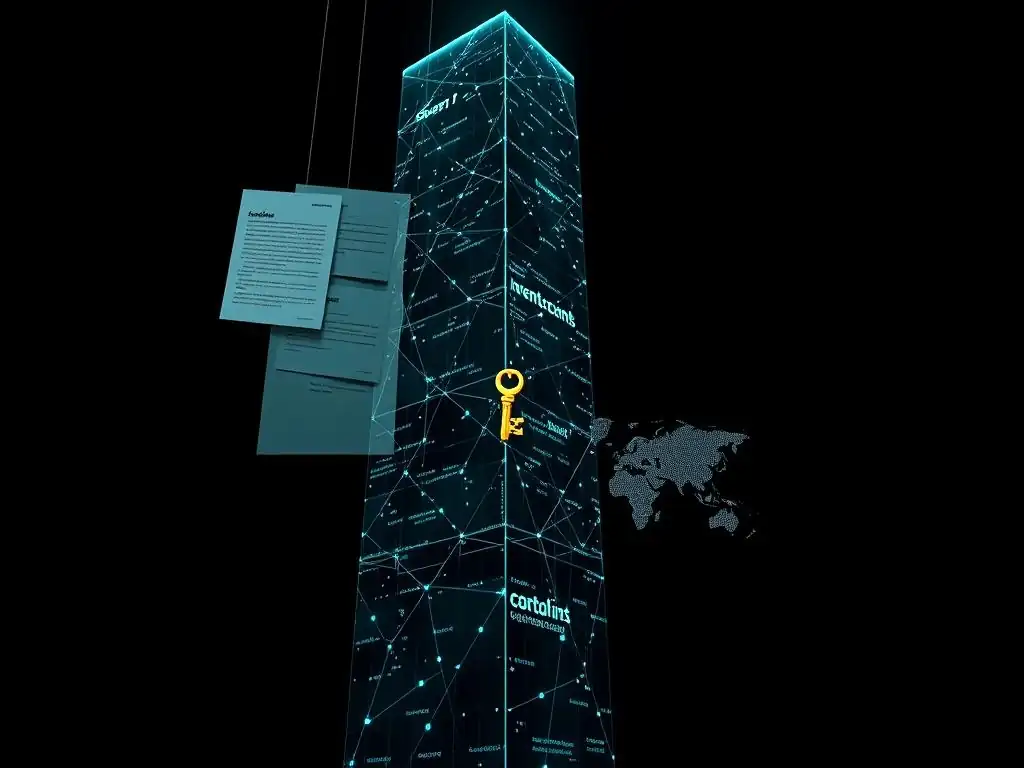
While the technological promise of RTOs is significant, the regulatory environment is a critical factor that developers and investors must navigate carefully. Tokens representing ownership or economic rights in real estate are typically classified as securities by financial regulators in most major jurisdictions, including the United States, Europe, and Asia. This classification brings RTOs under the purview of existing securities laws, which govern how investments can be offered and sold to the public.
Compliance with securities regulations is paramount. This includes requirements for investor verification (Know Your Customer/Anti-Money Laundering), potentially limiting offerings to accredited investors depending on the jurisdiction and structure (e.g., under Regulation D or Regulation A in the US), and adhering to disclosure requirements similar to traditional public or private offerings. The evolving nature of regulations surrounding blockchain and digital assets means that the legal framework for Real estate blockchain fundraising models is still developing and can vary significantly from country to country.
The primary legal complexity in conducting RTOs stems from their classification as securities. This classification means they are subject to the same stringent rules designed to protect investors as traditional stocks or bonds. Developers must determine the appropriate regulatory path for their offering, which could involve registration with securities authorities (like the SEC in the US) or qualifying for specific exemptions (such as those for private placements or smaller public offerings).
Compliance involves detailed legal documentation, including offering memoranda, subscription agreements, and investor accreditation procedures. The use of smart contracts adds another layer, as the code must accurately reflect the legal rights and obligations of token holders, requiring careful legal and technical integration.
Jurisdictional differences further complicate the landscape of Real estate blockchain fundraising models. A platform or developer operating globally must understand and comply with the securities laws of every country where they market or sell tokens.
For instance, some countries like Liechtenstein or Germany have established specific legal frameworks for tokenized securities, potentially offering more clarity, while others may rely on applying existing laws to this new asset class. Ongoing compliance is also necessary; managing shareholder relations, distributing income, facilitating potential secondary trading, and ensuring any token transfers adhere to securities regulations (e.g., transfer restrictions under Rule 144 in the US) all require continuous legal oversight and robust platform capabilities.
Case Studies: Successful Examples of Real Estate Tokenization
While still an emerging field, several pioneering projects have demonstrated the potential of real estate tokenization. One notable early example was the tokenization of a portion of the equity in the St. Regis Aspen Resort in Colorado, USA, which aimed to raise capital by offering digital tokens representing fractional ownership. Other projects have involved tokenizing commercial buildings, residential portfolios, and even development projects on various platforms designed specifically for security tokens. These early initiatives, though varied in scale and structure, provide valuable insights into the practical application of Real estate blockchain fundraising models.
Platforms dedicated to issuing and managing real estate tokens have also emerged, facilitating these offerings. While some early platforms faced challenges or pivoted, others continue to operate, providing the infrastructure for developers to conduct RTOs and for investors to potentially trade tokens. Analyzing these case studies helps to understand the opportunities and challenges, from the initial fundraising phase to the management of the tokenized asset and the potential for secondary market liquidity.
Analyzing the Performance of Existing Blockchain Real Estate Funds
Analyzing the performance of existing tokenized real estate projects provides crucial insights, although comprehensive, publicly available data on specific token returns can be limited in this nascent market. Early projects have focused on demonstrating the viability of the fundraising mechanism and the ability to manage the tokenized asset.
For example, projects tokenizing rental properties have successfully distributed rental income to token holders, proving the operational aspect of using smart contracts for yield distribution. While specific capital appreciation figures for tokenized assets vary based on the underlying property's market performance, some projects report yields comparable to traditional real estate investments in similar asset classes, potentially in the range of 3% to 6% annually for income-generating properties, depending on location and type.
A key area of analysis for these Real estate blockchain fundraising models is secondary market performance and liquidity. The promise of enhanced liquidity is a major selling point for tokenization. However, the reality for many early projects is that secondary trading volume on nascent security token exchanges can be low.
This means that while the potential for liquidity exists, investors in some tokenized properties may still find it challenging to sell their tokens quickly at their desired price, similar to aspects of traditional private real estate investments. Despite these challenges, the successful completion of fundraising rounds for various properties, ranging from single-family homes to larger commercial properties and developments (some raising several million dollars per project), demonstrates the growing viability of RTOs as a capital formation method.
The Future of Real Estate Fundraising: RTOs and Beyond
The trajectory for Real Estate Token Offerings appears promising, suggesting they will become an increasingly important part of the capital structure for real estate projects. As regulatory clarity improves and institutional comfort with digital assets grows, the scale and frequency of RTOs are expected to increase. Furthermore, the integration of tokenized real estate with the broader decentralized finance (DeFi) ecosystem could unlock new possibilities, such as using tokens as collateral for loans or participating in decentralized exchanges.
Beyond simple equity or debt tokenization, the future could see more complex financial instruments related to real estate being tokenized, such as mortgages, real estate-backed securities, or even future development rights. This evolution points towards a fundamental shift in how real estate is financed, managed, and traded, with Real estate blockchain fundraising models at the forefront of this transformation.
Predictions for the Growth of Blockchain Real Estate Fundraising Models
Industry analysts and market participants generally predict significant growth in the tokenized real estate market over the next decade. While precise figures vary, some forecasts suggest the market capitalization of tokenized real estate could reach into the trillions of dollars globally as the technology matures and adoption accelerates.
This growth will likely be driven by increasing developer and investor familiarity, the development of more robust and regulated platforms, and the continued demand for alternative investment opportunities that offer fractional ownership and potential liquidity. As more successful case studies emerge and regulatory frameworks become clearer, institutional investors, who currently dominate traditional real estate finance, are expected to allocate increasing amounts of capital to tokenized assets, further legitimizing and expanding the market for Real estate blockchain fundraising models.
Looking ahead, the innovation in real estate fundraising models leveraging blockchain extends beyond simple tokenization of existing equity. We can anticipate the development of more sophisticated structures, such as tokenized debt offerings for real estate development, peer-to-peer lending platforms secured by tokenized property shares, or even tokenized future income streams from properties under development.
Technological advancements, including improved blockchain interoperability and the integration of complementary technologies like AI for valuation and property management, will likely enhance the efficiency and attractiveness of these models. This continuous evolution suggests that blockchain will not just supplement, but potentially transform, the entire real estate capital stack, creating a more dynamic and accessible market.
Conclusion: Embracing the Future of Real Estate with Blockchain
Real Estate Token Offerings (RTOs) represent a significant evolution in the way real estate development is funded and how investors access property markets. By leveraging the power of blockchain technology, RTOs facilitate fractional ownership, lower investment minimums, and promise increased liquidity, addressing key limitations of traditional real estate investment. For developers, they offer a new, potentially faster, and more flexible avenue for raising capital from a global investor base.
While regulatory navigation and market liquidity remain areas of development, the successful early examples and the clear benefits suggest that RTOs are poised to play a crucial role in the future of real estate finance. As these Real estate blockchain fundraising models mature, they hold the potential to make real estate investment more accessible, transparent, and efficient for everyone involved. Embracing blockchain technology is becoming essential for those looking to innovate within the real estate sector.
Frequently Asked Questions
What are Real Estate Token Offerings (RTOs)?
Real Estate Token Offerings (RTOs) are fundraising models that utilize blockchain technology to tokenize real estate assets, allowing developers to raise capital more efficiently.
How do RTOs differ from traditional fundraising methods?
Unlike traditional methods, RTOs enable fractional ownership of properties through tokens, making it easier for smaller investors to participate in real estate markets.
What are the benefits of using blockchain in real estate fundraising?
Blockchain offers transparency, reduces transaction costs, and enhances the speed of transactions, making real estate fundraising more accessible and efficient.
Are there regulatory considerations for RTOs?
Yes, RTOs must comply with local and international regulations, which can vary greatly depending on the jurisdiction and can impact how tokens are issued and sold.
What is the future outlook for real estate blockchain fundraising models?
The future of real estate blockchain fundraising models looks promising, with increasing adoption of decentralized finance (DeFi) solutions and growing interest from developers and investors alike.
Final Reflection: Embracing the Future of Real Estate Investment
The exploration of Real Estate Token Offerings (RTOs) reveals more than just a novel fundraising mechanism; it unveils a fundamental shift in how real estate developers can access capital and engage with investors. The potential for democratized investment, increased liquidity, and enhanced transparency positions RTOs as a transformative force in the industry, offering a glimpse into a future where traditional barriers to entry are significantly lowered.
This innovative approach is not merely a technological advancement; it's a cultural evolution impacting the very fabric of real estate investment. The ability to fractionalize ownership and trade tokens on secondary markets opens doors for a wider range of investors, fostering a more inclusive and dynamic ecosystem. The future of finance is decentralized, and real estate is poised to be a major beneficiary.
This quote encapsulates the profound potential of RTOs to reshape the investment landscape and empower both developers and investors alike.
As we stand at the cusp of this new era, I invite you to consider the implications of RTOs for your own financial future. Reflect on the possibilities of participating in real estate ventures that were once beyond reach, and explore how this innovative model can empower you to build a more diversified and resilient portfolio. Embrace the potential of real estate blockchain fundraising models and become an active participant in shaping the future of real estate investment.
Unlock Your Real Estate Future: Dive Deeper into RTOs!
Thank you for exploring the exciting world of real estate token offerings and their potential to revolutionize fundraising for developers. Now that you understand the basics, it's time to take the next step and become part of this innovative trend.
Ready to explore the possibilities? Here are a few actions you can take today:
- Discover available token offerings: Explore opportunities and learn more about properties being tokenized.
- Join the conversation! Visit community forums dedicated to blockchain and real estate.
- Research the legal landscape of RTOs: Understand the regulations in your area to ensure compliance and security.
What steps will you take to leverage token offerings for your real estate goals? Share your plans and questions in the comments below!
Leave a Reply