
Sustainable Sourcing Verified: Blockchain's Role in Ethical Material Procurement

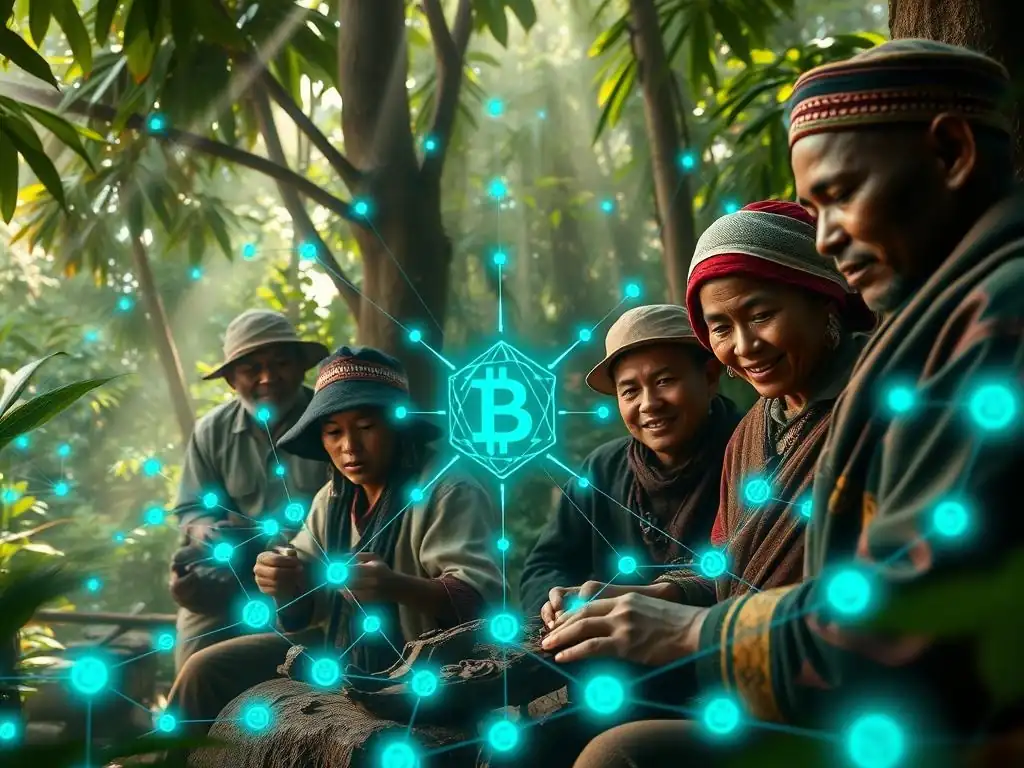
Welcome to Blockchain Trends, your compass in the evolving landscape of decentralized technology.
Dive into Sustainable Sourcing Verified: Blockchain's Role in Ethical Material Procurement and discover how the revolutionary power of blockchain is being harnessed to build blockchain ethical supply chains, ensuring transparency and accountability from origin to consumer. Are we on the cusp of a truly ethical and traceable global marketplace? Explore the possibilities and challenges within.
Sustainable Sourcing Verified: Blockchain's Role in Ethical Material Procurement
- Introduction: The Urgent Need for Ethical and Sustainable Supply Chains
- Understanding Blockchain Technology for Supply Chain Management
- Blockchain's Impact on Ethical Material Procurement
- Implementing Blockchain for a Verified Ethical Supply Chain
- Real-World Examples: Blockchain Ethical Supply Chain Success Stories
- Benefits of Using Blockchain for Sustainable Sourcing
- Challenges and Considerations for Blockchain-Based Supply Chains
- The Future of Blockchain and Ethical Supply Chains
- Conclusion: Blockchain as a Catalyst for Ethical and Sustainable Business Practices
-
Frequently Asked Questions
- What specific problem does blockchain solve in ethical supply chain management?
- How does blockchain ensure data integrity within a supply chain?
- What are some real-world examples of companies using blockchain for ethical supply chains?
- What are the regulatory challenges associated with using blockchain in supply chain management?
- How can smaller suppliers afford to implement blockchain solutions for ethical sourcing?
- Final Reflection: Empowering Ethical Consumption Through Transparency
- Ignite Change: Champion Ethical Sourcing!
Introduction: The Urgent Need for Ethical and Sustainable Supply Chains
Addressing Supply Chain Transparency Challenges
Traditional supply chains often suffer from a severe lack of transparency, making it incredibly difficult to track the origin and journey of materials. This opacity can hide unethical practices such as forced labor, unsafe working conditions, and environmentally destructive methods. For instance, tracing the source of conflict minerals like tantalum or tungsten through complex global networks can involve dozens of intermediaries, each adding a layer of obscurity.
A 2021 report by the KnowTheChain initiative found that across 60 large global companies in ICT, food and beverage, and apparel sectors, the average score on forced labor benchmarks was only 29 out of 100, highlighting significant gaps in transparency and accountability regarding labor practices deep within their supply chains. Without clear visibility, companies struggle to verify claims about ethical sourcing, and consumers are left without assurance about the products they purchase.
The consequences of this lack of transparency extend beyond ethical concerns to significant business risks, including reputational damage, legal penalties, and supply chain disruptions. Companies face increasing pressure from regulators, investors, and consumers to demonstrate responsible sourcing. For example, the European Union's upcoming Corporate Sustainability Due Diligence Directive (CSDDD) will mandate companies to identify and mitigate adverse human rights and environmental impacts in their value chains.
This necessitates a fundamental shift towards more open and verifiable supply chain data, moving away from relying solely on audits that provide only snapshots in time and can be subject to manipulation or human error. The complexity and global scale of modern supply chains demand a technological solution capable of providing continuous, immutable records of material flow and associated data.
The Promise of Blockchain for Sustainable Sourcing
Blockchain technology offers a compelling solution to the long-standing transparency issues plaguing supply chains, particularly in the context of ethical material procurement. Its core characteristics—immutability, transparency (for authorized participants), and decentralization—create a digital ledger that can record every transaction and movement of a material from its origin point to the final product.
This capability allows stakeholders to verify the provenance of goods and the ethical practices involved at each stage. Imagine tracking cocoa beans from a specific farm, verifying fair wages paid to farmers, and confirming sustainable farming methods – blockchain makes this level of detail potentially accessible and verifiable.
The application of a Blockchain ethical supply chain can fundamentally transform how companies manage and verify their sourcing practices. By creating a shared, tamper-proof record, blockchain significantly reduces the risk of fraud, misrepresentation, and data manipulation that can occur in traditional paper-based or centralized digital systems. This enhanced data integrity provides a reliable foundation for verifying ethical claims, whether related to labor standards, environmental impact, or anti-corruption measures.
Early implementations show promise; for example, pilot projects tracking minerals have demonstrated the ability to link specific batches to certified mines, reducing the risk of conflict mineral entry into the supply chain. This foundational capability positions blockchain as a powerful tool for building genuinely sustainable and verifiable sourcing operations.
Understanding Blockchain Technology for Supply Chain Management
How Blockchain Enables Traceability and Accountability
Blockchain enables end-to-end traceability in supply chains by creating a chain of digital records, or blocks, linked together chronologically and cryptographically. Each block contains data about a transaction or event, such as a material being harvested, processed, shipped, or sold. Once a block is added to the chain, it is exceptionally difficult to alter or remove, ensuring the integrity of the historical record.
Participants in the blockchain network, with appropriate permissions, can view this immutable history, tracing a product's journey backward to its origin and forward through various transformations. For example, in tracking timber, each transfer of ownership or processing step—from forest to mill to manufacturer—can be recorded as a transaction on the blockchain, creating a verifiable log of its path.
This granular traceability inherently fosters accountability among supply chain participants. Because each action is recorded and attributable (to a participant's digital identity), it becomes harder for entities to deny involvement in specific processes or transactions. If a batch of material is found to be sourced unethically or produced using harmful practices, the blockchain record can pinpoint exactly where and when the material passed through certain hands or facilities.
This shared, verifiable history encourages compliance with ethical standards, as non-compliance becomes more easily detectable and attributable. Smart contracts, automated agreements executed on the blockchain, can further enforce accountability by triggering actions or payments only when predefined conditions related to ethical sourcing (like receiving a certification document) are met.
Key Features: Immutability, Transparency, and Decentralization
The power of blockchain for building a Blockchain ethical supply chain stems from its core features. Immutability means that once data is recorded on the blockchain and a block is added to the chain, it cannot be retroactively changed or deleted without altering all subsequent blocks, a feat that is computationally infeasible on a public or widely distributed ledger. This permanence ensures that the historical record of a material's journey and associated ethical data (like labor certifications or environmental impact reports) is reliable and tamper-proof, providing a high degree of trust in the data's integrity.
Transparency, often configurable based on the type of blockchain (public vs. permissioned), allows authorized participants to view the transaction history on the ledger. In a permissioned supply chain blockchain, this might mean that manufacturers can see data from suppliers, and auditors can see data from all participants they are authorized to review. This shared, accessible ledger breaks down information silos that exist in traditional supply chains, where data is often held privately by individual companies.
Decentralization, meaning the ledger is not stored in a single location but distributed across multiple nodes or computers, adds resilience and security. There is no single point of failure or control that could be compromised to alter the entire record, further enhancing the trustworthiness of the Blockchain ethical supply chain data.
Blockchain's Impact on Ethical Material Procurement
Ensuring Fair Labor Practices with Blockchain Solutions
Ensuring fair labor practices throughout complex global supply chains is a significant challenge, often hidden by multiple layers of subcontracting. Blockchain technology can provide a verifiable record of labor conditions and payments associated with material production. By integrating blockchain with systems used at the point of production, such as digital identity verification for workers or recording payments made via mobile money, companies can create an immutable log linking specific batches of material to verified labor data.
For example, a system could record proof of payment of minimum wage or the completion of safety training for workers involved in harvesting a raw material. This data, once on the blockchain, provides a transparent and auditable trail that goes beyond traditional paper records or sporadic on-site inspections.
Furthermore, smart contracts can be programmed to automate compliance checks based on labor standards. A smart contract could hold payment to a supplier in escrow until verified data confirming adherence to specific labor conditions—like limiting working hours or providing safety equipment—is uploaded to the blockchain. This creates a strong incentive for suppliers to comply and provides buyers with a higher level of assurance.
Projects are exploring how digital worker IDs and blockchain can track hours worked and payments received, particularly in sectors like agriculture or textiles, where informal labor is common. This immutable record of labor data, accessible to auditors and potentially workers themselves, significantly enhances accountability and helps ensure that ethical sourcing commitments regarding labor are genuinely met.
Combating Counterfeit Goods and Fraudulent Claims
Counterfeit goods and fraudulent claims about material origin or quality pose significant risks to consumer safety, brand reputation, and ethical sourcing efforts. For instance, falsely claiming that a product contains ethically sourced materials when it does not undermines genuine sustainability initiatives. Blockchain provides a powerful tool to combat this by creating a unique, verifiable digital identity for materials and products as they move through the supply chain. Each step, from raw material to finished product, can be recorded, creating a verifiable history that proves authenticity and origin.
By assigning unique identifiers (like QR codes or RFID tags) to products or batches of material that are linked to a blockchain entry, consumers and businesses can scan these identifiers to access the immutable history of the item. This allows them to verify its provenance, confirm it came from a certified ethical source, and ensure it is not a counterfeit. For example, in the luxury goods industry, blockchain can track an item's journey from manufacturer to retailer, proving its authenticity.
In ethical sourcing, this means verifying that a product labeled as "fair trade" or "organic" genuinely originated from certified sources recorded on the blockchain, making it far more difficult to pass off unethically sourced materials as compliant. This level of verifiable proof builds trust and protects the integrity of ethical claims.
Promoting Environmentally Responsible Sourcing
Environmental responsibility is a critical component of ethical material procurement, involving practices like sustainable forestry, responsible mining, and reducing carbon footprints. Blockchain can help track and verify environmental data associated with material production and transportation. Data points such as energy consumption during manufacturing, waste disposal methods, carbon emissions from shipping, or certifications for sustainable practices (like FSC certification for timber or organic certification for agricultural products) can be recorded on the blockchain.
By creating an immutable ledger of environmental data linked to specific material batches, companies can provide verifiable proof of their sustainable sourcing efforts. For instance, tracking carbon emissions associated with transporting materials across different legs of the journey can be recorded, allowing for more accurate reporting and potentially identifying areas for reduction.
Smart contracts can also incentivize environmentally responsible behavior; for example, a contract could release payment only upon verification that a supplier has disposed of waste according to agreed-upon environmental standards, with proof recorded on the blockchain. This verifiable data trail empowers companies to make informed decisions based on environmental impact and allows them to credibly communicate their sustainable sourcing practices to stakeholders.
Implementing Blockchain for a Verified Ethical Supply Chain
Step 1: Identifying Critical Data Points for Tracking
The first crucial step in implementing a Blockchain ethical supply chain is to clearly define what needs to be tracked to verify ethical sourcing claims. This involves mapping out the supply chain and identifying the key stages and participants where ethical risks are highest or where critical ethical data is generated.
For example, for cocoa, critical data points might include farm location, farmer identity, proof of fair wage payment, certification status (e.g., Fairtrade, organic), use of pesticides (or lack thereof), and harvest date. For minerals, it would include mine location, proof of legal extraction permits, data on labor safety conditions, and chain of custody through refiners and manufacturers.
This step requires collaboration across different departments within a company (sourcing, compliance, sustainability) and engagement with supply chain partners to understand existing data flows and identify gaps. It's vital to focus on data that is both verifiable and directly relevant to the ethical claims being made. Attempting to track too much data initially can overwhelm the system and participants. A phased approach is often best, starting with a few critical data points and expanding as the system matures. Defining these points precisely ensures that the blockchain solution is built to capture the necessary information to truly verify ethical sourcing.
Step 2: Choosing the Right Blockchain Platform [Considerations for Permissioned vs. Permissionless Blockchains]
Selecting the appropriate blockchain platform is a critical decision that impacts the system's governance, scalability, and accessibility. Two primary types exist: permissionless (like public Bitcoin or Ethereum networks) and permissioned (like Hyperledger Fabric or R3 Corda). For a Blockchain ethical supply chain, permissioned blockchains are often preferred. In a permissioned network, participation is restricted; only known and authorized entities (e.g., companies in the supply chain, auditors, regulators) can join the network and access data, although the level of data access can be customized. This is crucial for protecting sensitive business data while still providing necessary transparency to authorized parties.
Permissioned blockchains typically offer higher transaction speeds and lower costs compared to public networks, which is important for handling the high volume of transactions in a complex supply chain. They also allow for more control over governance and data privacy. However, the choice depends on the specific requirements.
If the goal is maximum public transparency for consumers, a hybrid approach or even a carefully designed public chain application might be considered, though privacy concerns usually favor permissioned networks for B2B supply chain data. Evaluating factors like transaction throughput, cost per transaction, ease of integration, data privacy requirements, and the need for controlled access is essential before committing to a platform.
Step 3: Integrating Blockchain with Existing Supply Chain Systems
Integrating a new blockchain system with existing legacy supply chain management (SCM) systems, enterprise resource planning (ERP) systems, and Internet of Things (IoT) devices is a significant technical challenge. Data needs to flow seamlessly from the physical world and existing digital systems onto the blockchain ledger without manual intervention to ensure accuracy and efficiency.
This requires developing Application Programming Interfaces (APIs) and middleware to connect disparate systems. For instance, data from a warehouse scanner recording the receipt of a material batch needs to be automatically pushed to the blockchain, or data from an IoT sensor monitoring temperature during transport needs to be recorded.
The success of a Blockchain ethical supply chain hinges on this integration. If data entry is manual, it introduces points of potential error or manipulation, undermining the blockchain's immutability. Effective integration ensures that the blockchain ledger reflects real-world events accurately and in near real-time. This step often requires significant technical expertise and collaboration between internal IT teams, blockchain platform providers, and potentially third-party integration specialists. Pilot projects focusing on a specific part of the supply chain or a single material can help identify integration challenges and refine the process before a full-scale rollout.
Step 4: Establishing Verification and Audit Processes
While blockchain provides an immutable record, the data put onto the blockchain must still be verified at the source. The principle of "garbage in, garbage out" applies; if inaccurate or fraudulent data is initially recorded, the immutable ledger will simply preserve that inaccuracy. Therefore, robust processes for verifying the authenticity and accuracy of data before it is added to the blockchain are essential. This involves establishing clear protocols for data collection, using reliable data sources (like certified scales, validated sensors, or verified documents), and implementing checks and balances at the data entry points.
Furthermore, independent audit processes are crucial to provide external validation of the entire system. Auditors can be granted permissioned access to the blockchain ledger to trace transactions and cross-reference the digital record with physical checks or traditional documentation at various points in the supply chain.
Smart contracts can facilitate audits by automatically flagging transactions that deviate from expected norms or by providing auditors with streamlined access to relevant data. Establishing clear roles, responsibilities, and protocols for data verification and external audits ensures that the Blockchain ethical supply chain is not just technologically sound but also trustworthy in practice, building confidence among all stakeholders.
Real-World Examples: Blockchain Ethical Supply Chain Success Stories
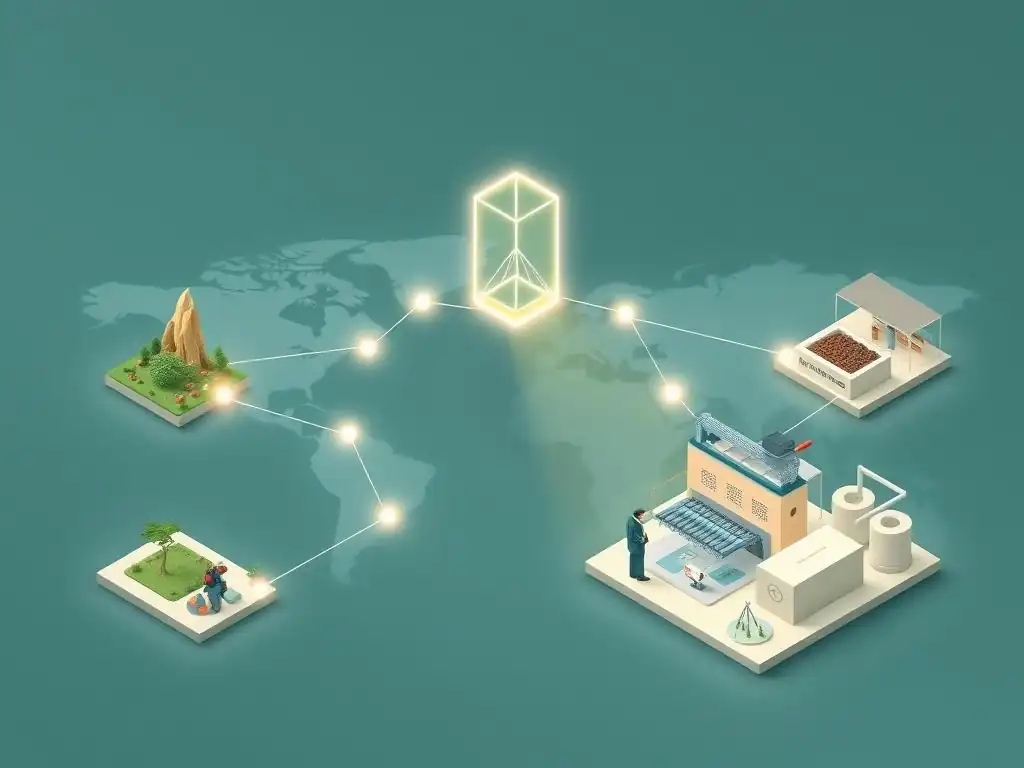
Case Study 1: Farmer Connect and Traceable Coffee Beans
Farmer Connect is a platform that utilizes IBM's Food Trust blockchain solution to bring traceability to the coffee industry, directly addressing challenges in the Blockchain ethical supply chain for agricultural products. Coffee supply chains are notoriously complex, involving millions of smallholder farmers, multiple intermediaries, and significant price volatility, often leaving farmers with a small share of the final price. Farmer Connect aims to connect consumers more directly with farmers and provide transparency on the coffee's journey and the impact on farmers.
Through the "Thank My Farmer" app, consumers can scan a QR code on coffee packaging to trace their coffee back to the specific farm. The blockchain records data points such as farm location, harvest information, washing station data, roasting details, and shipping routes. Critically, the platform also allows consumers to support farmers directly through projects funded via the app.
While specific global impact data is still emerging, initial pilots with companies like Jacobs Douwe Egberts (JDE) and Sucafina have demonstrated the technical feasibility and consumer interest in verifying coffee provenance and supporting ethical practices through a blockchain-based system. This provides a tangible example of how blockchain can move beyond simple tracking to enable direct support and build trust in a complex ethical supply chain.
Case Study 2: De Beers and Ethical Diamond Sourcing
The diamond industry has long faced challenges related to "blood diamonds" and ensuring ethical sourcing. De Beers, a leading diamond company, launched the Tracr blockchain platform to enhance transparency and traceability for diamonds, aiming to build a verifiable Blockchain ethical supply chain for these valuable gems. Tracr creates an immutable digital record for each diamond from the moment it is unearthed.
Data points recorded on the blockchain include the diamond's rough weight and characteristics, details from the cutting and polishing process, and information about its certification and journey through the supply chain. This unique digital fingerprint, linked to the physical diamond, makes it significantly harder to introduce conflict diamonds or stones from unverified sources into the legitimate supply chain.
Participants, including miners, cutters, polishers, and retailers, record data on the platform, creating a shared, tamper-proof history. While adoption across the entire industry is ongoing, Tracr represents a significant effort by a major player to leverage blockchain technology to guarantee the ethical provenance of diamonds and build consumer confidence in the integrity of the diamond Blockchain ethical supply chain.
Case Study 3: Provenance and Sustainable Seafood Tracking
Provenance is a platform that uses blockchain to enable transparency and traceability, with a notable focus on the seafood industry, addressing critical issues in the Blockchain ethical supply chain for marine products. Illegal, unreported, and unregulated (IUU) fishing and issues like forced labor on fishing vessels are significant problems, making it difficult for consumers to know if their seafood was caught legally and ethically. Provenance's solution creates a digital passport for seafood, tracking it from catch to plate.
Data recorded on the blockchain includes information about the fishing vessel, catch location, date, species, processing details, and certifications (e.g., Marine Stewardship Council). This allows businesses and consumers to verify the origin and sustainability claims of the seafood.
For instance, a pilot project with the tuna industry in Indonesia tracked tuna from small-scale fisheries onto the blockchain, providing verifiable proof of legal and sustainable practices. By making this information accessible and verifiable on an immutable ledger, Provenance helps combat fraud in seafood labeling, supports sustainable fishing practices, and provides assurance to consumers seeking ethically sourced seafood, demonstrating the practical application of a Blockchain ethical supply chain in a challenging sector.
Benefits of Using Blockchain for Sustainable Sourcing
Enhanced Transparency and Traceability
One of the most significant benefits of implementing a Blockchain ethical supply chain is the dramatic improvement in transparency and traceability. Traditional systems often involve siloed databases and paper records, making it difficult and time-consuming to track a material's journey accurately. Blockchain creates a single, shared, and immutable ledger accessible to authorized participants, providing end-to-end visibility from the point of origin to the final product. This enhanced transparency allows companies to pinpoint exactly where materials came from, how they were processed, and by whom, making it far easier to identify and address unethical practices.
For example, if a claim of child labor emerges in a specific region, a blockchain-based system could potentially trace materials back to the exact farm or facility involved, rather than relying on broad, less specific audits. This level of granular traceability empowers companies to verify the ethical credentials of their suppliers and sub-suppliers with a higher degree of certainty than ever before. It shifts from a system of trust based on assertions to one based on verifiable, immutable data, fundamentally changing how ethical sourcing is managed and validated.
Improved Efficiency and Reduced Costs
Implementing a Blockchain ethical supply chain can lead to significant operational efficiencies and cost reductions over time. By digitizing and automating the tracking process, blockchain reduces the reliance on manual data entry and paper documentation, which are prone to errors and delays. The shared, immutable ledger minimizes disputes over data accuracy among supply chain partners, streamlining reconciliation processes. Smart contracts can automate payments and other actions based on verifiable data on the blockchain, speeding up transactions and reducing administrative overhead.
Furthermore, enhanced traceability can help optimize logistics and inventory management by providing real-time, accurate information on material flow. Reducing fraud and counterfeit goods also saves costs associated with recalls, warranty claims, and damage to brand reputation. While initial implementation requires investment, the long-term benefits in terms of reduced manual work, fewer errors, faster transactions, and mitigating risks can lead to substantial cost savings across the supply chain, making the Blockchain ethical supply chain not just an ethical choice but also a smart business decision.
Increased Consumer Trust and Brand Reputation
In today's market, consumers are increasingly concerned about the ethical and environmental impact of the products they buy. They want to know where their products come from and that they were produced responsibly. A verifiable Blockchain ethical supply chain allows companies to credibly demonstrate their commitment to sustainable sourcing by providing consumers with access to verifiable information about the product's journey and ethical credentials. This transparency builds trust and strengthens brand reputation.
By scanning a QR code linked to a blockchain entry, consumers can potentially see details about the origin farm, fair wages paid, or environmental certifications, providing a level of assurance that traditional marketing claims often lack. This direct connection and verifiable proof differentiate brands committed to ethical sourcing from those that are not. Companies that can demonstrate transparency through a Blockchain ethical supply chain are better positioned to attract ethically-minded consumers, command premium pricing for responsibly sourced products, and enhance their brand image as leaders in sustainability, creating a competitive advantage.
Stronger Regulatory Compliance
Navigating the complex and evolving landscape of regulations related to ethical sourcing, conflict minerals, forced labor, and environmental standards is a major challenge for global companies. Upcoming regulations, such as the EU's CSDDD, place increasing responsibility on companies to conduct due diligence throughout their value chains and report on their efforts. A Blockchain ethical supply chain provides a robust system for collecting, managing, and reporting the data required to meet these regulatory obligations.
The immutable and auditable nature of blockchain records makes it easier for companies to demonstrate compliance to regulators. The system provides a clear, verifiable audit trail of material provenance and associated ethical data, streamlining compliance reporting and reducing the burden of manual data collection and verification. By providing regulators with access to a trusted source of data, companies can proactively demonstrate their adherence to ethical sourcing laws and standards, reducing the risk of fines, penalties, and legal challenges. This proactive approach to regulatory compliance, facilitated by blockchain, is essential for businesses operating in an increasingly scrutinized global market.
Challenges and Considerations for Blockchain-Based Supply Chains
Scalability Issues and Potential Solutions
One significant challenge for blockchain adoption in large-scale supply chains is scalability. Public blockchains, while decentralized, can be slow and expensive due to the consensus mechanisms required to validate transactions across a vast network. While permissioned blockchains offer better performance, even they can face limitations when processing the massive volume of transactions generated by global supply chains involving millions of products and countless interactions daily. For example, tracking every single screw or thread on a public blockchain might currently be cost-prohibitive and technically challenging.
Potential solutions to scalability issues include using layer-2 scaling solutions built on top of existing blockchains, employing different consensus mechanisms (like Proof-of-Authority or Proof-of-Stake variants common in permissioned networks), or utilizing specialized blockchain platforms designed for high transaction throughput. Off-chain data storage with on-chain hashing (storing large data files like certificates off the blockchain but recording a tamper-proof hash of the data on-chain) can reduce the amount of data stored directly on the ledger, improving performance.
Careful design and selection of the blockchain architecture based on the specific needs and scale of the supply chain are critical to address these scalability challenges effectively.
Data Security and Privacy Concerns
While blockchain is inherently secure due to its cryptographic nature, data security and privacy remain key considerations, particularly in a permissioned Blockchain ethical supply chain where sensitive business data is involved. Determining who has access to what data is paramount. While the ledger is shared, not all participants need to see all data. For instance, a raw material supplier might not need to see the pricing information between the manufacturer and the retailer. Ensuring that sensitive commercial data or personally identifiable information (like worker details) is appropriately permissioned or anonymized before being recorded on the blockchain is crucial.
Furthermore, the security of the infrastructure surrounding the blockchain, including the systems collecting data and the interfaces used to interact with the ledger, is vital. Weaknesses outside the blockchain itself can compromise the integrity of the data entering the system. Implementing robust access controls, encryption for data at rest and in transit, and secure key management practices are essential to protect the data within a blockchain-based supply chain system. Balancing the need for transparency to verify ethical claims with the requirement to protect sensitive business and personal data requires careful planning and implementation of privacy-preserving techniques.
Interoperability with Legacy Systems
Integrating blockchain with the myriad of existing, often outdated, legacy systems used throughout global supply chains presents a significant technical hurdle. Companies use diverse ERP systems, SCM software, warehouse management systems, and various databases that were not designed to interact seamlessly with a distributed ledger technology like blockchain. Getting these disparate systems to communicate and exchange data accurately and in real-time is complex and requires significant development effort.
Data formats, protocols, and standards often vary widely between different systems and across different companies in a supply chain. Creating robust APIs and middleware to translate and transfer data reliably is essential but can be time-consuming and expensive. The success of a Blockchain ethical supply chain depends heavily on its ability to integrate smoothly into existing operational workflows without requiring a complete overhaul of all IT infrastructure. Focusing on phased integration and leveraging industry standards where possible can help mitigate these interoperability challenges.
Regulatory Landscape and Compliance Requirements
The regulatory landscape surrounding blockchain technology is still evolving, and this uncertainty can pose challenges for companies implementing a Blockchain ethical supply chain. Regulations vary significantly across different jurisdictions regarding data privacy (e.g., GDPR), the legal status of blockchain records, and industry-specific requirements for traceability and reporting. Ensuring that a blockchain solution complies with all relevant national and international laws is complex.
For instance, the "right to be forgotten" under GDPR conflicts with the immutable nature of public blockchains. Permissioned blockchains can offer more control over data access and deletion (by removing access to data, although the record hash might remain), but navigating these requirements still requires careful legal consideration.
Furthermore, specific industry regulations for tracking certain materials (like pharmaceuticals or food) need to be met by the blockchain system. Companies must work closely with legal and compliance experts to design and implement their Blockchain ethical supply chain in a way that meets current and anticipated regulatory requirements, ensuring that the system provides regulatory advantages rather than creating compliance risks.
The Future of Blockchain and Ethical Supply Chains
Emerging Trends in Sustainable Blockchain Solutions
The field of sustainable blockchain solutions is rapidly evolving, with ongoing developments aimed at making blockchain technology itself more environmentally friendly and enhancing its capabilities for ethical sourcing. One major trend is the shift away from energy-intensive Proof-of-Work (PoW) consensus mechanisms, like those used by Bitcoin, towards more energy-efficient alternatives such as Proof-of-Stake (PoS) or Proof-of-Authority (PoA), which consume significantly less energy. This move addresses concerns about the environmental footprint of some blockchain networks, making the technology itself more aligned with sustainability goals.
Another emerging trend is the development of purpose-built blockchains or specialized protocols optimized for supply chain traceability and sustainability data. These platforms often incorporate features specifically designed for tracking physical goods, managing complex relationships between supply chain partners, and integrating with IoT devices.
Furthermore, there is growing interest in using blockchain for tokenizing sustainable assets or carbon credits within supply chains, creating verifiable digital representations of environmental benefits or ethical contributions that can be tracked and traded on a ledger. These advancements are making blockchain a more practical and environmentally conscious tool for building a robust Blockchain ethical supply chain.
The Role of IoT and AI in Enhancing Blockchain Traceability
The convergence of blockchain with other cutting-edge technologies like the Internet of Things (IoT) and Artificial Intelligence (AI) is set to revolutionize supply chain traceability and the effectiveness of a Blockchain ethical supply chain. IoT devices—sensors, GPS trackers, smart tags—can collect real-time data about a material's condition, location, and environment (e.g., temperature, humidity, shock) as it moves through the supply chain. This data can be automatically fed onto the blockchain ledger, creating a rich, continuous, and objective record of the product's journey and handling conditions, minimizing reliance on manual input.
AI can analyze the vast amounts of data collected by IoT devices and recorded on the blockchain to identify patterns, detect anomalies, and predict potential issues related to ethical sourcing or sustainability. For example, AI could analyze historical data to flag shipments that deviate from expected routes or transit times, potentially indicating diversion or tampering.
AI could also analyze labor data recorded on the blockchain to identify potential signs of forced labor or unsafe conditions based on patterns of working hours or injury reports. This integration of AI and IoT with blockchain creates a powerful system for enhanced monitoring, verification, and proactive risk management within a Blockchain ethical supply chain.
Predictions for the Adoption of Blockchain in Material Procurement
Predictions suggest a significant increase in the adoption of blockchain technology for supply chain management and ethical procurement in the coming years. Market research firms project substantial growth in the blockchain in supply chain market; for instance, some reports estimate the global market size could reach tens of billions of dollars by the mid-2020s. While widespread adoption across all industries will take time, particularly in complex and fragmented sectors, the momentum is building, driven by regulatory pressure, consumer demand for transparency, and the clear benefits in terms of traceability and accountability.
Early adoption is likely to continue in high-value sectors or those facing significant ethical challenges, such as diamonds, precious metals, conflict minerals, high-end fashion, and certain agricultural products like coffee, cocoa, and seafood. As the technology matures, implementation costs decrease, and standardized solutions emerge, adoption is expected to expand to other industries. The increasing focus on Environmental, Social, and Governance (ESG) factors by investors and governments will further accelerate the need for verifiable ethical sourcing, positioning the Blockchain ethical supply chain as a key enabler for businesses seeking to meet these growing demands and demonstrate genuine commitment to sustainability.
Conclusion: Blockchain as a Catalyst for Ethical and Sustainable Business Practices
Embracing Transparency and Accountability in the Supply Chain
The journey towards truly ethical and sustainable material procurement is complex, requiring fundamental shifts in how global supply chains operate. At its core, this transformation hinges on embracing transparency and accountability at every step. Traditional methods have proven insufficient in providing the verifiable data needed to assure consumers, regulators, and stakeholders that materials are sourced without exploiting labor, harming the environment, or funding conflict. The opacity inherent in multi-tiered supply chains has long been a barrier to achieving genuine ethical sourcing.
Blockchain technology offers a powerful catalyst for overcoming these challenges. By providing an immutable, shared, and verifiable ledger of transactions and events, it creates the foundation for a transparent and accountable Blockchain ethical supply chain. From tracking the origin of raw materials to verifying labor practices and environmental compliance, blockchain enables companies to move beyond assertions to provide verifiable proof of their ethical commitments.
This enhanced transparency empowers consumers, strengthens regulatory compliance, and builds trust, ultimately driving more responsible business practices across global value chains. Embracing blockchain is not just about adopting a new technology; it's about committing to a future where ethical sourcing is not just a claim, but a verifiable reality.
Frequently Asked Questions
What specific problem does blockchain solve in ethical supply chain management?
Blockchain provides immutable and transparent records, making it significantly harder to falsify information and allowing for greater traceability of materials and products throughout the supply chain. This combats issues like forced labor and unsustainable sourcing.
How does blockchain ensure data integrity within a supply chain?
Blockchain's decentralized nature means that data is distributed across multiple nodes, making it extremely difficult to tamper with. Each transaction is linked to the previous one, creating a permanent and verifiable chain of information.
What are some real-world examples of companies using blockchain for ethical supply chains?
Several companies are using blockchain to track commodities like coffee, diamonds, and textiles. These systems provide consumers with proof of origin and assurance that products were sourced ethically and sustainably.
What are the regulatory challenges associated with using blockchain in supply chain management?
Regulations surrounding data privacy, liability, and cross-border data transfer present significant hurdles. Establishing clear legal frameworks is crucial for widespread adoption of blockchain in ethical supply chains.
How can smaller suppliers afford to implement blockchain solutions for ethical sourcing?
Collaboration and shared platforms can reduce costs for smaller suppliers. Open-source blockchain solutions and industry-wide initiatives can also make the technology more accessible and affordable.
Final Reflection: Empowering Ethical Consumption Through Transparency
The journey of materials from origin to consumer is often shrouded in opacity, but blockchain technology offers a powerful tool to illuminate this path and ensure ethical sourcing. The insights explored in this article highlight the transformative potential of blockchain in creating a more transparent and accountable supply chain, ultimately empowering consumers to make informed choices that align with their values.
The impact of blockchain on ethical material procurement extends far beyond mere traceability; it's about fostering a culture of responsibility and trust. Witnessing the evolution of supply chains from opaque systems to verifiable networks has been profoundly inspiring, demonstrating the power of technology to drive positive social change. The future of supply chains is not just about efficiency; it's about ethics, transparency, and building trust with consumers.
This shift is crucial in an era where consumers are increasingly demanding accountability from the brands they support.
As we conclude this exploration, I invite you to consider your own role in fostering ethical consumption. Let us embrace the potential of blockchain and other innovative technologies to demand greater transparency from the products we purchase. By supporting businesses committed to ethical sourcing, we can collectively contribute to a more sustainable and just world, one transaction at a time.
Ignite Change: Champion Ethical Sourcing!
Thanks for exploring how blockchain is revolutionizing ethical material procurement! We hope this article highlighted the importance of transparency and traceability. Now, let's turn that knowledge into action.
Ready to be part of the solution?
- Demand Transparency: Actively seek out brands that utilize blockchain to verify their supply chains. This simple step can help promote widespread industry change.
- Dive Deeper: Explore blockchain platforms that support sustainable sourcing efforts and learn about the technology driving ethical practices.
- Join the Discussion: Share this article and your thoughts on social media using hashtags like #BlockchainForGood and #EthicalSourcing. Together, we can amplify this message!
What specific ethical sourcing challenge are you most passionate about addressing with blockchain technology? Share your thoughts below!
Leave a Reply