
Creating Your First NFT: A StepbyStep Guide for Digital Artists

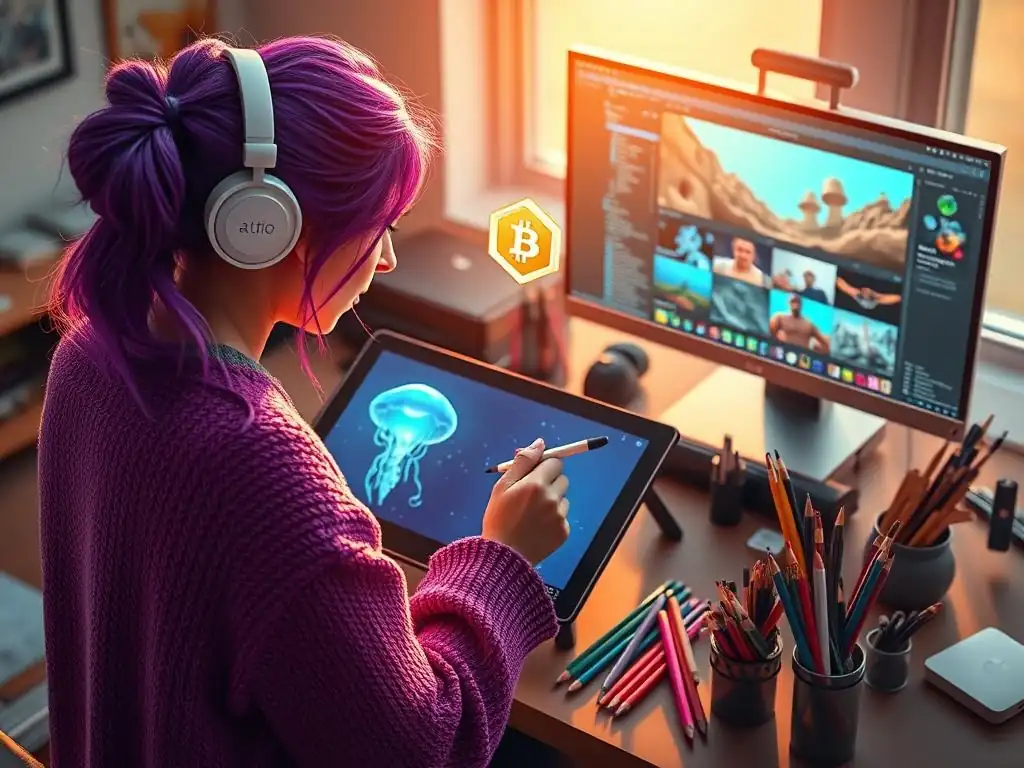
Welcome to Blockchain Trends, your guide to understanding the revolution beyond Bitcoin. Curious about how blockchain is transforming industries? In this article, we dive into the exciting world of tokenization and explore NFT creation for digital artists. Ready to turn your art into a unique digital asset? Let's get started and unlock the potential of blockchain for your creative work!
Creating Your First NFT: A Step-by-Step Guide for Digital Artists
- Introduction: Empowering Digital Artists with NFT Creation
- Step 1: Choosing Your Artwork for NFT Minting
- Step 2: Selecting an NFT Marketplace for Digital Artists
- Step 3: Setting Up Your Crypto Wallet for NFTs
- Step 4: Minting Your Digital Art as an NFT
- Step 5: Listing and Promoting Your NFT Art
- Step 6: Managing and Maintaining Your NFT Collection
- Conclusion: The Future of Digital Art and NFT Creation
-
Frequently Asked Questions
- How can blockchain technology benefit digital artists beyond just selling their work as NFTs?
- What are the key steps involved in NFT creation for digital artists?
- Which blockchain platforms are best suited for NFT creation, particularly for digital artists?
- How does DeFi (Decentralized Finance) relate to NFTs and digital artists?
- What are the potential regulatory challenges digital artists might face when creating and selling NFTs?
- Final Reflection: Embracing the Digital Canvas
- Unleash Your Inner Digital Artist: Create Your NFT Today!
Introduction: Empowering Digital Artists with NFT Creation
Understanding the NFT Revolution for Creators
The emergence of Non-Fungible Tokens (NFTs) has initiated a significant paradigm shift in the digital art landscape, offering creators unprecedented opportunities. Unlike traditional digital files, which are infinitely reproducible, an NFT provides a unique, verifiable token on a blockchain that proves ownership of a specific digital asset. This technological innovation allows digital artists to authenticate their work, transforming ephemeral digital creations into scarce, ownable assets with intrinsic value. The concept is similar to how a physical painting can be authenticated and owned, but applied to the digital realm, enabling a new form of digital art ownership and collection.
This shift has unlocked new revenue streams and distribution channels for artists globally. Before NFTs, digital artists often struggled to monetize their work directly, facing challenges like easy duplication and lack of provenance. NFTs address these issues by embedding ownership history and scarcity directly into the digital asset's metadata on a decentralized ledger.
This empowers artists by giving them direct control over their creations, allowing them to sell directly to collectors without intermediaries and potentially earn royalties on secondary sales, a feature often missing in traditional art markets. The process of NFT creation for digital artists is becoming increasingly accessible, lowering barriers to entry for those looking to participate in this evolving market.
Why Digital Artists Should Embrace NFTs
For digital artists, embracing NFTs means tapping into a global, permissionless market for their work. This technology provides a direct connection between creators and collectors, bypassing traditional gatekeepers like galleries or agents, although some platforms curate artists.
This direct access can lead to higher profit margins for artists, as they retain a larger percentage of sales compared to traditional models. Furthermore, the embedded royalty feature in many NFT smart contracts ensures that artists can receive a percentage (often set between 5% and 10%) of the sale price every time their NFT is resold on a marketplace that supports this function, creating a potential long-term income stream from a single piece of art.
Beyond financial incentives, NFTs offer a new way for artists to build community and engage with their audience. Collectors who purchase NFTs often become invested in the artist's journey and future projects. Many artists leverage this by offering exclusive content, early access to new drops, or other benefits to their NFT holders, fostering a loyal base of supporters.
The transparency of the blockchain also provides a public, immutable record of an artist's sales history and collector base, adding a layer of credibility and prestige. Mastering NFT creation for digital artists is becoming an essential skill set for those seeking to thrive in the digital economy.
What You'll Learn in This NFT Creation Guide
This guide will walk you through the essential steps required to transform your digital art into a marketable NFT. We will cover everything from preparing your artwork and choosing the right platform to the technical process of minting and strategies for promoting your newly created NFT. You will gain practical knowledge on selecting appropriate marketplaces based on their features and fee structures, setting up a secure cryptocurrency wallet, and understanding the costs involved in the minting process on different blockchains.
By the end of this guide, you will have a clear understanding of the NFT creation process from start to finish. You will learn how to write effective descriptions and metadata to enhance the discoverability of your art, how to set appropriate prices and royalties, and effective methods for marketing your work to potential collectors.
We will also touch upon important considerations like intellectual property and the ongoing management of your NFT collection. This guide aims to equip digital artists with the knowledge and confidence needed to successfully navigate the world of NFTs and leverage this technology for their artistic careers.
Step 1: Choosing Your Artwork for NFT Minting
Selecting Your Digital Masterpiece for NFT Creation
The first crucial step in NFT creation for digital artists is selecting the specific piece of digital art you wish to tokenize. This artwork can be in various formats, including illustrations, animations, photographs, generative art, music, or even interactive experiences. Consider choosing a piece that represents your unique style and holds significant artistic value to you.
Think about what resonates most with your audience or what you believe has the highest potential for market appeal. It's often recommended to start with a strong, finished piece that you are proud of and that you feel is ready to be presented to potential collectors on a global stage.
When selecting your masterpiece, also consider the technical aspects. While many marketplaces support various file types, common formats include JPG, PNG, GIF, SVG, MP4, and GLB (for 3D models). Ensure your chosen artwork is saved in a high-quality format suitable for display. Some platforms have file size limits, so keep that in mind. Furthermore, consider the potential for animation or interactivity if your art supports it, as dynamic NFTs can sometimes command higher interest. The choice of artwork is fundamental, as it is the core asset that the NFT will represent on the blockchain.
Considering Copyright and Ownership Before Minting NFTs
A critical legal consideration before proceeding with NFT creation is ensuring you hold the necessary rights to the artwork you intend to tokenize. Minting an NFT essentially links a unique token to a specific digital file and typically implies that the creator is the original artist and rights holder. It is imperative that you own the copyright to the work or have explicit permission to tokenize and sell it. Minting work you do not own or have rights to can lead to legal issues, potential delisting from marketplaces, and damage to your reputation as an artist.
Understand that selling an NFT typically transfers ownership of the token linked to the artwork, not necessarily the full copyright or intellectual property rights of the underlying digital file itself. Unless explicitly stated otherwise in the terms of the sale or smart contract, the artist usually retains the copyright, allowing them to create derivatives or use the art in other ways.
However, the buyer gains verifiable ownership of the specific, tokenized version of the artwork and the right to display it and potentially resell the NFT. It's wise to be clear in your NFT description about what rights the buyer is acquiring.
Preparing Your Digital Art File for NFT Conversion
Once your artwork is selected and you've confirmed your rights, the next step is to prepare the digital file for minting. This involves ensuring it meets the technical specifications of the marketplace you plan to use. Check the platform's requirements for file type, resolution, and size. For example, many platforms recommend high-resolution files (e.g., 300 DPI for images) to allow collectors to appreciate the detail, but also require file sizes below a certain limit, often ranging from 50MB to 200MB depending on the marketplace and file type.
Optimization is key. While maintaining quality, you may need to compress the file slightly to meet size requirements without significantly degrading the visual fidelity. Ensure the aspect ratio is suitable for display on marketplace galleries. For animated pieces, confirm the loop settings and duration are as intended. Having a high-quality, properly formatted file is essential for a successful NFT creation process, as it is the digital asset that gives the NFT its value and appeal to potential collectors.
Step 2: Selecting an NFT Marketplace for Digital Artists
Exploring Popular NFT Marketplaces for Digital Art
Choosing the right NFT marketplace is a crucial decision for digital artists embarking on NFT creation. Numerous platforms exist, each with different focuses, fee structures, and user bases. Some popular general marketplaces include OpenSea, which supports multiple blockchains like Ethereum, Polygon, and Klaytn, and has a wide variety of digital assets. Rarible is another prominent platform known for empowering creators and supporting Ethereum, Flow, and Tezos. For artists focused on curated platforms with potentially higher-value sales, options like Foundation, SuperRare, and Nifty Gateway exist, which often have stricter application processes but attract serious collectors.
Other marketplaces cater to specific niches or blockchains. For example, KnownOrigin focuses on authentic digital art on Ethereum, while platforms like Magic Eden or Solsea are popular for NFTs on the Solana blockchain, known for lower transaction fees. Artists creating generative art might explore platforms like Art Blocks. When exploring, consider the type of art you create, the community on the platform, and whether it aligns with your artistic goals and target audience. Researching active sales and trending artists on different platforms can provide insight into where your work might fit best.
Comparing NFT Marketplace Fees, Royalties, and Features
Marketplace fees can significantly impact your earnings from NFT creation. Most platforms charge a fee for various actions, including minting, listing, and selling.
Common fees include a primary sale commission (a percentage taken from the initial sale price, often around 2.5% to 5% on major platforms like OpenSea), and a secondary sale commission (taken on resales, typically around 2.5% on OpenSea, in addition to the artist's royalty). Minting fees can vary greatly depending on the blockchain used; Ethereum traditionally has higher "gas fees" (transaction costs) which fluctuate based on network congestion, while platforms on Polygon or Solana offer significantly lower, sometimes negligible, minting costs.
Royalties are another critical feature to compare. Most marketplaces allow artists to set a royalty percentage on secondary sales, commonly ranging from 5% to 10%. Ensure the platform you choose fully supports the royalty structure you desire. Other features to consider include ease of use, wallet compatibility, discoverability tools for artists, community features, and the platform's reputation and security measures. Some platforms offer "lazy minting," where the NFT is only created on the blockchain when it is purchased, deferring the minting fee to the buyer and making initial NFT creation free for the artist.
Choosing the Right Blockchain for Your NFT (Ethereum, Polygon, Solana)
The choice of blockchain is fundamental to your NFT creation experience and can affect costs, speed, and environmental impact. Ethereum has been the dominant blockchain for NFTs, hosting the largest volume of sales and the most established marketplaces. However, it is known for high and volatile "gas fees," which can make minting and selling expensive, especially for lower-priced items. Ethereum's transition to Proof-of-Stake (Ethereum 2.0) has significantly reduced its energy consumption.
Alternative blockchains offer lower transaction costs and faster speeds. Polygon, a layer-2 scaling solution for Ethereum, allows for much cheaper and faster transactions while still benefiting from Ethereum's security. Many major marketplaces like OpenSea support Polygon for NFT creation.
Solana is another popular choice, offering extremely low fees (often fractions of a cent per transaction) and high transaction throughput, making it attractive for high-volume or lower-priced NFT drops. Flow, developed by Dapper Labs (creators of CryptoKitties and NBA Top Shot), is designed specifically for NFTs and dApps, offering a developer-friendly environment and reasonable fees. Your choice depends on your priorities: access to the largest market (Ethereum), lower costs (Polygon, Solana, Flow), or specific platform features.
Step 3: Setting Up Your Crypto Wallet for NFTs
Creating a Secure Crypto Wallet for NFT Transactions
To engage in NFT creation and transactions on a blockchain, you need a cryptocurrency wallet. This digital wallet is where you will store the cryptocurrency needed to pay for minting fees (like Ethereum's gas) and where you will receive payment from NFT sales. It's also the tool you'll use to connect to NFT marketplaces and authorize transactions. The most common type of wallet for NFTs on Ethereum and Polygon is a browser extension wallet like MetaMask, which is widely supported across various platforms. Other popular options include Coinbase Wallet, Trust Wallet, and Rainbow Wallet.
When creating your wallet, you will be given a "seed phrase" (a sequence of 12 or 24 words). This phrase is the master key to your wallet. Write it down physically and store it in a safe, secure location offline. Never share your seed phrase with anyone, as possession of this phrase grants full access to your funds and NFTs. Losing it means losing access to your wallet forever. Treat your wallet like a physical bank account and its seed phrase like the key to a vault; security is paramount to protect your digital assets.
Funding Your Crypto Wallet for NFT Minting Fees
Before you can mint your first NFT, you'll need to add some cryptocurrency to your wallet to cover the associated fees. The type of cryptocurrency required depends on the blockchain your chosen marketplace uses. For marketplaces on Ethereum, you'll need Ether (ETH). For those on Polygon, you might need MATIC or ETH (sometimes wrapped as WETH). Solana marketplaces require SOL. The amount needed varies significantly based on the blockchain and current network conditions, particularly for Ethereum gas fees, which can range from a few dollars to over a hundred for a single transaction during peak times.
You can acquire cryptocurrency by purchasing it from a centralized exchange (like Coinbase, Binance, or Kraken) and then withdrawing it to your newly created crypto wallet address. Your wallet address is a public identifier, similar to an account number, and can be safely shared to receive funds. Start by funding your wallet with a modest amount, perhaps enough to cover a few potential minting transactions based on current fee estimates for your chosen blockchain. Always double-check the wallet address before sending funds to avoid irreversible loss.
Connecting Your Wallet to Your Chosen NFT Marketplace
Once your wallet is set up and funded, you need to connect it to the NFT marketplace where you plan to perform your NFT creation. This process is generally straightforward. On the marketplace website, look for a "Connect Wallet" or "Sign In" button, usually located in the top corner. Clicking this will typically bring up a list of supported wallets. Select the wallet you created (e.g., MetaMask). Your browser extension wallet will then prompt you to confirm the connection request from the marketplace.
Review the permissions requested by the marketplace to ensure they seem reasonable (e.g., viewing your wallet address, requesting signatures for transactions). Approve the connection, and your wallet address or a truncated version will usually appear on the marketplace site, indicating you are logged in. You are now ready to interact with the marketplace, including uploading and minting your digital art. Remember to always be cautious about which websites you connect your wallet to and verify the site's authenticity to avoid phishing scams.
Step 4: Minting Your Digital Art as an NFT
Uploading Your Artwork to the NFT Marketplace
With your wallet connected and funded, you can begin the actual NFT creation process on the marketplace. Navigate to the section for creating or minting an NFT, often labeled "Create," "Mint," or "Add Item." The platform will guide you through uploading your digital art file. Select the file you prepared earlier from your computer. The marketplace will often display a preview of your artwork after upload.
During the upload process, you may be asked to choose whether you are creating a single, unique edition of your artwork (1/1) or multiple editions (e.g., 10/10). For your first NFT, many artists choose to create a unique 1/1 piece to emphasize its scarcity. Ensure the file type and size meet the platform's requirements. Some marketplaces allow you to upload a preview image or video in addition to the main high-resolution file.
Setting the Price and Royalty for Your NFT
Determining the price for your first NFT can be challenging. Consider factors such as the complexity and quality of the artwork, your reputation as an artist, and the current market trends on the platform. You can list your NFT for a fixed price, put it up for auction (either timed or with a reserve price), or list it as an open offer where collectors can make bids.
Researching the sale prices of similar artists or artworks on the platform can provide valuable context. For a first piece, some artists start with a modest price to attract initial collectors, while others price based on their perceived value of the work.
Setting royalties is a critical step in NFT creation for digital artists. This is the percentage of future secondary sales that you, as the original artist, will receive. Most platforms allow you to set this percentage, commonly between 5% and 10%. For example, if you set a 10% royalty and your NFT is resold for 1 ETH, you would automatically receive 0.1 ETH. This passive income stream is a significant benefit of NFTs for creators. Choose a royalty percentage that feels fair and sustainable for future sales.
Writing a Compelling NFT Description and Metadata
The title, description, and metadata for your NFT are essential for discoverability and conveying the story behind your art. The title should be clear and engaging. The description is your opportunity to tell potential collectors about the artwork, your inspiration, the techniques used, and what makes this piece special. Explain the significance of the work and its context within your broader artistic practice. A compelling narrative can significantly increase a collector's interest.
Metadata includes properties, levels, or stats that add context or utility to your NFT. For digital art, this might include the year of creation, the medium (e.g., "Digital Painting," "3D Animation"), the style (e.g., "Surreal," "Abstract"), or specific traits if it's part of a collection. Accurate and detailed metadata helps collectors filter and find your work and adds potential value or context to the NFT. Ensure all information is accurate and well-written to present your work professionally.
Completing the NFT Minting Process: A Step-by-Step Walkthrough
After uploading your artwork, setting details, and writing the description, you will initiate the minting process. This is the action that creates the unique token on the blockchain, permanently linking it to your digital art file and establishing your ownership. The marketplace interface will typically have a prominent "Create Item," "Mint NFT," or similar button. Clicking this will trigger a transaction request from your connected crypto wallet.
Your wallet (e.g., MetaMask) will pop up, showing the details of the transaction, including the action being performed (minting) and the associated network fee (gas fee on Ethereum, a smaller fee on Polygon/Solana). Review the details, especially the fee amount. If the fee is acceptable, confirm the transaction in your wallet.
The transaction will then be processed on the blockchain, which can take anywhere from a few seconds to several minutes depending on network congestion and the blockchain used. Once confirmed, your NFT is officially minted and appears in your wallet and on the marketplace. Congratulations, you have completed your first NFT creation!
Step 5: Listing and Promoting Your NFT Art
Listing Your NFT for Sale on the Marketplace
Once your NFT is minted and visible in your profile on the marketplace, the next step in NFT creation for digital artists is to list it for sale. Navigate to your profile or collection and select the NFT you wish to sell. You will find options to list the item, typically offering choices like "Fixed Price," "Auction," or "Bundle." Select your preferred method based on the pricing strategy you decided on earlier.
If listing at a fixed price, simply enter the desired price in the cryptocurrency supported by the platform (commonly ETH, WETH, or SOL). If setting up an auction, you'll define parameters like the starting bid, reserve price (if any), and duration of the auction. Review all details carefully before confirming the listing. Like minting, listing often requires a small transaction fee, especially on Ethereum, to record the listing action on the blockchain. Confirm the transaction in your wallet to make your NFT available for purchase by collectors.
Marketing Your NFT Art to Potential Collectors
Simply listing your NFT is often not enough to guarantee a sale. Effective marketing is crucial for digital artists engaged in NFT creation. You need to actively promote your work to potential collectors. Start by announcing your new NFT drop on your social media channels, artist website, and any communities you are part of (like Discord servers or Telegram groups related to NFTs or digital art). Share compelling visuals of your artwork and link directly to the NFT listing page on the marketplace.
Consider reaching out to NFT curators, collectors, or influencers who might be interested in your style of work. Engage with the broader NFT community online, participating in discussions and supporting other artists. Building genuine connections can help increase visibility. Highlight the unique aspects of your piece, its story, and why a collector should consider owning it. Consistency in promotion is key to building momentum and attracting attention to your NFT creations.
Social media platforms are powerful tools for digital artists promoting their NFT creation efforts. Twitter is particularly popular within the NFT community for quick updates, announcements, and engaging with collectors and other artists. Use relevant hashtags like #NFT, #CryptoArt, #DigitalArt, #NFTartist, and the name of the blockchain or marketplace you used (e.g., #Ethereum, #Solana, #OpenSea). Share high-quality images or short videos of your NFT, perhaps showing the process of creation or different angles/details.
Instagram and TikTok can be effective for visual promotion, showcasing your art in engaging ways. LinkedIn can be useful for a more professional network. Consider running targeted ad campaigns if you have a marketing budget. Consistency in posting and genuine interaction with your audience are more effective than simply broadcasting links. Share your journey, talk about your inspiration, and build a personal brand around your digital art NFTs.
Building a Community Around Your Digital Art NFTs
Beyond individual promotion, fostering a community around your work can significantly boost your success with NFT creation. Consider creating a dedicated Discord server or Telegram group where interested collectors and fans can connect with you and each other. Use these platforms to share behind-the-scenes content, announce future drops, host Q&A sessions, or even offer exclusive perks to holders of your NFTs.
Engage regularly with your community, responding to comments and questions. Building a loyal base of supporters who are genuinely interested in your art creates advocates who may help promote your work and become repeat collectors. This sense of community adds value beyond the artwork itself and is a hallmark of many successful NFT artists. Cultivating these relationships is an ongoing process that complements the technical steps of NFT creation.
Step 6: Managing and Maintaining Your NFT Collection
Tracking Sales and Performance of Your NFTs
After successfully listing and promoting your NFT creations, it's important to monitor their performance. Most NFT marketplaces provide a dashboard or profile section where you can track views, likes, offers, and sales of your listed items. Pay attention to which pieces receive the most interest and try to understand why. This data can inform your future NFT creation strategies, helping you identify what resonates most with your audience.
Keep a record of your sales, including the date, price, and buyer (if visible and you wish to track). This helps you manage your income and understand your market performance over time. Be aware of the cryptocurrency value fluctuations if you are holding earnings in crypto; the fiat value of your sales can change. Analyzing sales data is a key part of maturing as a digital artist in the NFT space.
Engaging with Your NFT Collectors
Building relationships with the collectors who purchase your NFTs is incredibly valuable. They are not just buyers; they are patrons who have invested in your work and your career. Engage with them on social media, in your community channels, or through direct messages if appropriate. Thank them for their support. Consider offering exclusive content, early access to future drops, or other benefits to your NFT holders as a way to show appreciation and build loyalty.
Some artists create private channels or groups specifically for their NFT holders. This can foster a sense of exclusivity and community among collectors. Maintaining a positive relationship with collectors can lead to repeat business and word-of-mouth promotion, further supporting your NFT creation efforts and overall artistic career.
Understanding NFT Smart Contracts and Security
While you don't need to be a blockchain developer to engage in NFT creation, having a basic understanding of smart contracts is beneficial. The smart contract is the code deployed on the blockchain that governs the creation and ownership of your NFT, including rules for royalties on secondary sales. Marketplaces typically use standardized smart contracts, but understanding the concept adds a layer of confidence.
Security is paramount in the NFT space. Your crypto wallet is the gateway to your assets. Always use strong, unique passwords and enable two-factor authentication (2FA) on your marketplace and exchange accounts. Be extremely cautious of phishing attempts – never click on suspicious links or share your seed phrase or private keys. Only connect your wallet to reputable websites. Regularly review your wallet activity for any unauthorized transactions. Protecting your digital identity and assets is as important as the NFT creation itself.
Conclusion: The Future of Digital Art and NFT Creation
Embracing the Opportunities of NFTs for Digital Artists
The advent of NFTs has undeniably opened up transformative opportunities for digital artists. By providing a mechanism for verifiable ownership and scarcity in the digital realm, NFTs allow creators to monetize their work in ways previously unimaginable. The ability to sell directly to a global audience, earn royalties on secondary sales, and build direct relationships with collectors represents a significant shift towards empowering artists in the digital age. Mastering NFT creation is becoming an integral part of a successful digital art career.
While the market can be volatile and competitive, the underlying technology offers a powerful framework for artists to assert control over their creations and build sustainable careers. The ongoing evolution of marketplaces, blockchains, and tools continues to make NFT creation more accessible and environmentally friendly on certain networks. Artists who understand and leverage these tools are well-positioned to thrive in the evolving digital art landscape.
The Evolving Landscape of the NFT Art Market
The NFT art market is dynamic and constantly evolving. We've seen periods of explosive growth followed by corrections, reflecting the speculative nature of emerging technologies. However, the underlying trend shows increasing adoption by artists, collectors, and institutions. New platforms are emerging, offering different features, fee structures, and blockchain options, providing artists with more choices for their NFT creation and distribution.
Trends like fractional ownership of NFTs, generative art, and the integration of NFTs into gaming and virtual worlds are shaping the future. As the technology matures and regulations develop, the market is likely to become more stable and integrated into mainstream art and commerce. Staying informed about these developments is crucial for digital artists navigating this space. The potential for innovation within NFT creation remains vast.
Resources for Further Learning About NFT Creation and Blockchain Trends
To deepen your understanding of NFT creation and the broader blockchain ecosystem, numerous resources are available. Explore the documentation and guides provided by major NFT marketplaces like OpenSea, Rarible, and Foundation, which offer detailed instructions on using their specific platforms. Many blockchain platforms, such as Ethereum, Polygon, and Solana, have extensive developer and user documentation that explains the underlying technology.
Follow reputable news sources and publications covering blockchain trends, NFTs, and cryptocurrency. Engage with online communities on platforms like Twitter, Discord, and Reddit where artists, collectors, and developers discuss the latest developments. Consider online courses or tutorials specifically focused on NFT creation or blockchain basics. Continuous learning is essential to stay ahead in this rapidly advancing field and maximize the potential of your digital art NFTs.
Frequently Asked Questions
How can blockchain technology benefit digital artists beyond just selling their work as NFTs?
Blockchain offers artists proof of ownership and immutable records of their work, which can help prevent copyright infringement and establish provenance. It also enables direct engagement with their audience without intermediaries.
What are the key steps involved in NFT creation for digital artists?
The main steps include choosing a blockchain, creating a crypto wallet, selecting an NFT marketplace, uploading your artwork, setting a price, and minting the NFT.
Which blockchain platforms are best suited for NFT creation, particularly for digital artists?
Ethereum is the most popular, but platforms like Solana and Tezos offer lower fees and faster transactions, making them attractive alternatives for beginners.
How does DeFi (Decentralized Finance) relate to NFTs and digital artists?
DeFi allows artists to explore new revenue streams through fractionalized ownership of NFTs, lending and borrowing against NFTs, and participation in decentralized autonomous organizations (DAOs).
What are the potential regulatory challenges digital artists might face when creating and selling NFTs?
Regulatory uncertainty surrounding NFTs, particularly regarding securities laws and tax implications, poses a challenge. Artists need to stay informed about evolving legal landscapes.
Final Reflection: Embracing the Digital Canvas
The journey into Non-Fungible Tokens (NFTs) may seem daunting at first, but as we've explored, it's a landscape ripe with opportunity for digital artists. The power to directly connect with collectors and monetize your creativity is no longer a distant dream, but a tangible reality. This guide has aimed to demystify the process, empowering you to take control of your digital destiny.
The rise of NFTs has undeniably reshaped the art world, offering artists unprecedented autonomy and control. This shift resonates deeply with the desire for artists to be recognized and rewarded for their unique contributions. It's not just about selling digital assets; it's about building communities and fostering genuine connections. The purpose of art is washing the dust of daily life off our souls.
- Pablo Picasso. This quote encapsulates the transformative potential of NFTs, allowing artists to share their vision and connect with audiences on a profound level.
Now, armed with the knowledge and tools outlined in this guide, it's time to embark on your own NFT creation journey. Reflect on your artistic vision, identify your target audience, and embrace the learning process. The digital canvas awaits your unique expression. Create, connect, and contribute to the ever-evolving world of NFTs.
Unleash Your Inner Digital Artist: Create Your NFT Today!
Thank you for exploring the exciting world of NFTs with us! We hope this guide has empowered you with the knowledge to transform your digital creations into valuable assets. Now, it’s time to put that knowledge into action.
Here’s how to take your NFT journey to the next level:
- Mint your first NFT! Follow our step-by-step instructions and bring your digital art to the blockchain.
- Join the community discussion and share your new NFT with other creators. Let’s build a supportive environment for digital artists.
- Consider donating a portion of your initial NFT sales to an organization supporting digital artists to give back to the community.
What digital masterpiece will you immortalize as your first NFT? Share your plans in the comments below!
Leave a Reply