
Digital Identity on the Blockchain: Securing Citizen Data and Public Records

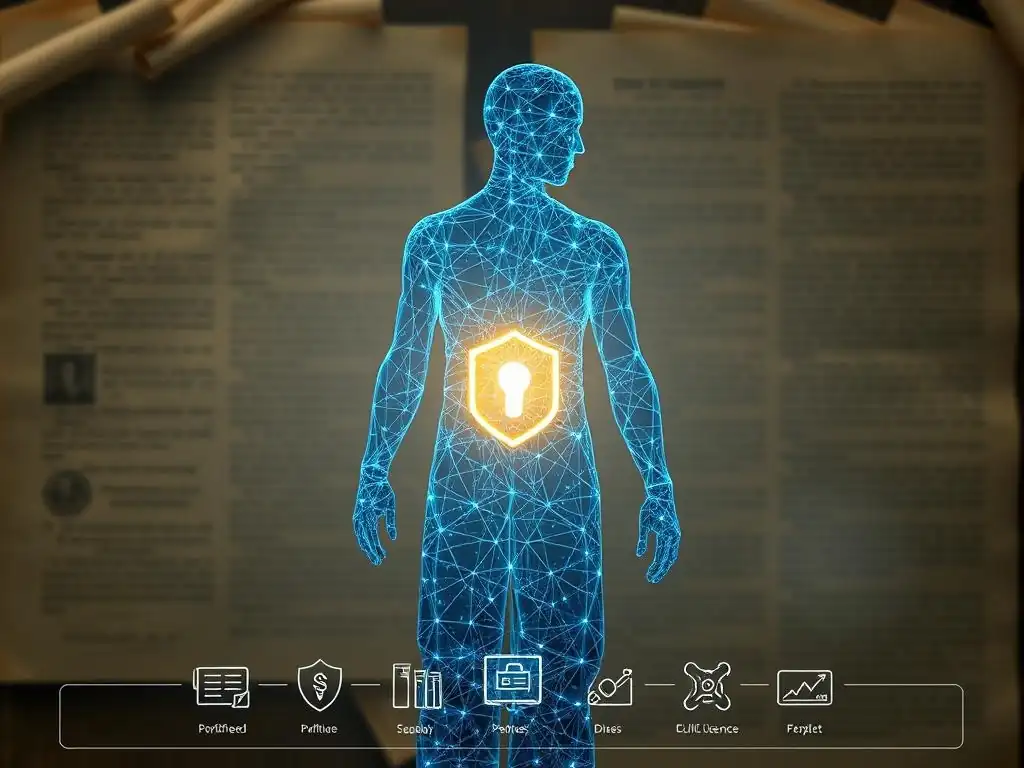
Welcome to Blockchain Trends, your compass in the rapidly evolving world of decentralized technologies. Delve into the transformative power of blockchain, far beyond the realm of cryptocurrency. In this insightful piece, we explore the crucial intersection of Blockchain Digital Identity Security and governance. How can this technology revolutionize the way we secure citizen data and public records? Join us as we unpack the potential and challenges, and discover how blockchain is shaping a more secure and transparent future.
Digital Identity on the Blockchain: Securing Citizen Data and Public Records
- Introduction: The Need for Secure Digital Identities
- Understanding Blockchain Digital Identity Security
- Blockchain for Public Records: Enhancing Security and Trust
- Benefits of Blockchain-Based Digital Identity for Citizens
- Implementing Blockchain Digital Identity: Challenges and Considerations
- Real-World Examples and Pilot Projects
- The Future of Digital Identity and Blockchain Technology
- Conclusion: Blockchain as a Cornerstone of Secure Citizen Data Management
-
Frequently Asked Questions
- How does blockchain technology enhance digital identity security compared to traditional systems?
- What are the primary benefits of using blockchain for managing citizen data and public records?
- How can blockchain-based digital identity solutions address privacy concerns related to citizen data?
- What role does regulation play in the adoption of blockchain for digital identity security, particularly in government applications?
- Beyond security, what are some potential future applications of blockchain digital identity in areas like DeFi or enterprise solutions?
- Final Reflection: Embracing Secure Digital Futures
- Reclaim Your Digital Sovereignty Today!
Introduction: The Need for Secure Digital Identities
The Growing Importance of Digital Identity in the Modern World
In an increasingly interconnected world, digital identity has become paramount. It is the digital representation of an individual, enabling access to a wide array of online services, from banking and healthcare to government portals and social media platforms. The proliferation of online interactions and transactions has made a robust and reliable digital identity system not just a convenience, but a necessity for participation in modern society.
Consider the surge in e-commerce, remote work, and online education; all these rely heavily on the ability to verify individuals' identities digitally. As societies become more digitally integrated, the importance of a secure, verifiable, and universally accepted digital identity framework will only continue to escalate.
The COVID-19 pandemic further accelerated the shift towards digital interactions, highlighting the critical need for effective digital identity solutions. Governments worldwide implemented digital services for citizen support, healthcare access, and economic aid distribution. This rapid digitalization underscored the vulnerabilities of existing identity systems and the urgency to develop more secure and efficient alternatives.
According to a report by McKinsey, the pandemic accelerated the adoption of digital technologies by several years, making digital identity a core component of national infrastructure and economic resilience. This acceleration necessitates a fundamental rethinking of how we manage and secure digital identities in the 21st century.
Challenges with Current Digital Identity Systems: Security and Privacy Concerns
Current digital identity systems are often fragmented, centralized, and vulnerable to security breaches and privacy violations. Many rely on username-password combinations, which are notoriously weak and susceptible to phishing, hacking, and brute-force attacks. Data breaches are increasingly common, exposing sensitive personal information of millions of individuals. In 2021 alone, data breaches exposed 5.3 billion records globally, according to Risk Based Security, demonstrating the scale of the problem. These breaches not only lead to financial losses and identity theft but also erode public trust in digital systems and institutions.
Furthermore, centralized identity systems concentrate vast amounts of personal data in single points of failure, making them attractive targets for cybercriminals. These systems often lack transparency and user control, raising significant privacy concerns. Individuals have limited visibility into how their data is collected, used, and shared, leading to a sense of powerlessness and vulnerability.
The Cambridge Analytica scandal, where personal data of millions of Facebook users was harvested without consent, highlighted the risks associated with centralized data management and the potential for misuse of personal information. These challenges underscore the urgent need for more secure, privacy-preserving, and user-centric digital identity solutions.
How Blockchain Technology Can Revolutionize Digital Identity Management
Blockchain technology offers a paradigm shift in digital identity management by providing a decentralized, secure, and transparent infrastructure. Unlike traditional centralized systems, blockchain distributes data across a network of computers, making it significantly more resilient to single points of failure and cyberattacks. Its cryptographic nature ensures data integrity and immutability, meaning that once information is recorded on the blockchain, it cannot be altered or deleted, enhancing trust and security. This inherent security makes blockchain a compelling technology for safeguarding sensitive personal data and public records.
Moreover, blockchain can empower individuals with greater control over their digital identities through self-sovereign identity (SSI) models. SSI allows users to own and manage their identity data, granting them control over who has access to their information and for what purpose. This user-centric approach contrasts sharply with current systems where individuals are often passive subjects of data collection and processing.
By leveraging blockchain's decentralized and secure properties, we can move towards a digital identity ecosystem that is not only more secure but also more respectful of individual privacy and autonomy. This shift towards user empowerment is central to the transformative potential of blockchain in digital identity management.
Understanding Blockchain Digital Identity Security
What is Blockchain Digital Identity? A Decentralized Approach
Blockchain digital identity refers to a system where an individual's identity is managed and verified using blockchain technology. It moves away from traditional centralized models where identity information is stored and controlled by a single entity, such as a government agency or a corporation. Instead, blockchain digital identity leverages a distributed ledger to record and verify identity attributes. This decentralized approach enhances security, privacy, and user control, as no single entity has complete control over the identity data.
In a blockchain-based identity system, individuals can have a digital wallet or application that holds their identity credentials. These credentials can be verified by authorized parties without revealing the underlying personal data, thanks to cryptographic techniques like zero-knowledge proofs. For example, when verifying age, a system can confirm that an individual is over 18 without needing to reveal their exact date of birth.
This selective disclosure of information is a key feature of blockchain digital identity, enhancing privacy and reducing the risk of data exposure. The decentralized nature and cryptographic security of blockchain provide a robust foundation for a more secure and user-centric digital identity framework.
Key Features of Blockchain-Based Identity Solutions: Immutability, Transparency, and Control
Blockchain-based identity solutions are characterized by several key features that enhance security and trust. Immutability is a core characteristic, meaning that once identity information is recorded on the blockchain, it cannot be altered or tampered with. This ensures the integrity and reliability of identity data over time. Transparency is another crucial feature. While personal data itself can be kept private, the transactions and verifications on the blockchain are auditable and transparent, allowing for greater accountability and trust in the system. This transparency helps in detecting and preventing fraudulent activities.
Furthermore, blockchain offers enhanced control to individuals over their identity data. Through self-sovereign identity (SSI) principles, users can control who accesses their identity information and for what purpose. They can grant and revoke permissions, and they have a clear audit trail of who has accessed their data. This level of control is a significant departure from traditional systems where individuals often have limited visibility and control over their personal information. These features – immutability, transparency, and user control – collectively contribute to the robustness and trustworthiness of blockchain-based digital identity solutions, making them a compelling alternative to current systems.
Benefits of Leveraging Blockchain for Digital Identity Verification
Leveraging blockchain for digital identity verification offers numerous benefits across various sectors. Firstly, it significantly enhances security. The decentralized and cryptographic nature of blockchain makes it extremely difficult for malicious actors to tamper with or forge identity credentials. This reduces the risk of identity theft and fraud, which are major concerns in current digital systems. For example, in sectors like finance and healthcare, secure identity verification is critical for regulatory compliance and protecting sensitive data.
Secondly, blockchain can streamline and simplify identity verification processes. Instead of relying on multiple intermediaries and complex procedures, blockchain enables direct and efficient verification of identity attributes. This can reduce costs, improve efficiency, and enhance user experience. For instance, in government services, blockchain can simplify citizen onboarding and access to services, reducing bureaucratic hurdles and improving service delivery.
Finally, blockchain promotes interoperability between different identity systems. By establishing a common, decentralized framework, blockchain can facilitate seamless identity verification across various platforms and organizations, fostering a more integrated and efficient digital ecosystem. These benefits highlight the transformative potential of blockchain in revolutionizing identity verification processes across various domains.
Blockchain for Public Records: Enhancing Security and Trust
Current State of Public Records Management: Inefficiencies and Vulnerabilities
The current management of public records often suffers from inefficiencies and vulnerabilities. Many systems rely on paper-based processes or outdated digital infrastructure, leading to slow processing times, data silos, and potential for errors or loss of records. For instance, land registries in many countries still operate with manual systems, making property transactions cumbersome and prone to disputes. These inefficiencies not only create administrative burdens but also hinder economic development and citizen access to essential services.
Moreover, traditional public record systems are vulnerable to tampering and fraud. Paper records can be easily altered or destroyed, and even digital systems can be susceptible to cyberattacks and data manipulation. Corruption and insider threats can further compromise the integrity of public records. According to Transparency International's Global Corruption Barometer, public services, including registries and permits, are often cited as areas prone to corruption. These vulnerabilities undermine public trust in government institutions and can have significant legal and economic consequences. The need for more secure, efficient, and transparent public record management systems is increasingly urgent in the digital age.
Blockchain's Role in Securing Public Records: Tamper-Proofing and Accessibility
Blockchain technology offers a robust solution for securing public records by providing tamper-proofing and enhanced accessibility. Its immutable nature ensures that once a record is registered on the blockchain, it cannot be altered or deleted, guaranteeing the integrity and authenticity of public documents. This tamper-proof characteristic is crucial for sensitive records like land titles, birth certificates, and legal documents, where trust and reliability are paramount. By storing hashes of public records on a blockchain, verification of authenticity becomes straightforward and verifiable by anyone with access to the blockchain.
Furthermore, blockchain can enhance the accessibility of public records. By digitizing and securely storing records on a blockchain, governments can make them more readily accessible to authorized users, including citizens and government agencies. This can streamline administrative processes, reduce bureaucratic delays, and improve citizen access to information. For example, citizens could access their digital birth certificates or property titles online, securely and efficiently. Blockchain's combination of tamper-proofing and enhanced accessibility makes it a powerful tool for modernizing and securing public record management systems, fostering greater transparency and trust.
Use Cases: Land Registry, Birth Certificates, and Academic Credentials on the Blockchain
Several compelling use cases demonstrate the potential of blockchain for securing public records. Land registries are a prime example. By recording land titles and property transactions on a blockchain, governments can create a transparent and immutable record of ownership, reducing fraud and disputes. Countries like Georgia and Sweden have already explored blockchain-based land registries to improve the security and efficiency of their land administration systems. This can lead to increased investment, reduced legal costs, and greater transparency in property ownership.
Birth certificates are another critical public record that can benefit from blockchain technology. Digitizing and securing birth certificates on a blockchain can prevent fraud, simplify identity verification, and streamline access to social services. For instance, in developing countries where birth registration rates are low, blockchain could provide a more reliable and accessible system for recording and verifying births.
Similarly, academic credentials such as diplomas and degrees can be secured on a blockchain to combat credential fraud and simplify verification for employers and educational institutions. MIT, for example, has piloted blockchain-based diplomas to provide students with tamper-proof digital credentials. These use cases illustrate the broad applicability of blockchain in securing and modernizing various types of public records, enhancing trust and efficiency.
Benefits of Blockchain-Based Digital Identity for Citizens
Enhanced Citizen Data Security and Privacy with Blockchain
Blockchain-based digital identity significantly enhances citizen data security and privacy compared to traditional systems. By decentralizing identity data and leveraging cryptography, blockchain reduces the risk of large-scale data breaches that are common in centralized databases. Sensitive personal information is not stored in a single vulnerable location but distributed across a network, making it much harder for hackers to access and compromise. Furthermore, cryptographic techniques like encryption and zero-knowledge proofs can be used to protect the confidentiality of personal data.
Moreover, blockchain promotes privacy-preserving identity verification. Instead of sharing full personal details every time identity needs to be verified, blockchain allows for selective disclosure of information. Citizens can prove specific attributes, such as age or nationality, without revealing unnecessary personal data.
This minimizes data exposure and enhances privacy. Self-sovereign identity (SSI) models built on blockchain further empower citizens by giving them control over their data and allowing them to decide who has access to their information and for what purpose. This shift towards user-centricity and enhanced security makes blockchain a powerful tool for protecting citizen data in the digital age.
Increased Control and Ownership of Personal Information
One of the most significant benefits of blockchain-based digital identity for citizens is increased control and ownership of their personal information. Traditional identity systems often treat citizens as passive subjects of data collection and processing, with limited control over how their data is used. Blockchain, particularly through self-sovereign identity (SSI), flips this paradigm. SSI empowers individuals to own and manage their digital identities, granting them control over their personal data.
With SSI, citizens can create and control their own digital identities, storing their identity credentials in a secure digital wallet. They can choose which attributes to share, with whom, and for how long. They can also revoke access permissions at any time.
This level of control contrasts sharply with current systems where individuals often have to rely on third-party providers and have limited visibility or control over their data. By giving citizens greater agency over their personal information, blockchain-based digital identity fosters a more equitable and privacy-respecting digital society. This user empowerment is a fundamental shift in how digital identity is managed and perceived.
Streamlined Access to Government Services and Public Records
Blockchain digital identity can streamline citizen access to government services and public records, making interactions with government agencies more efficient and user-friendly. With a secure and verifiable digital identity, citizens can access online government portals, apply for services, and retrieve public records without the need for cumbersome paperwork or in-person visits. This can significantly reduce bureaucratic delays and improve citizen satisfaction with government services. For example, applying for permits, accessing healthcare records, or paying taxes could become much simpler and faster with a blockchain-based digital identity.
Furthermore, blockchain can facilitate seamless cross-border access to services. A globally recognized and interoperable digital identity system based on blockchain could allow citizens to access services and conduct transactions across different jurisdictions more easily. This is particularly relevant in an increasingly globalized world where individuals frequently interact with services and institutions in different countries. By simplifying and securing access to government services and public records, blockchain digital identity can enhance efficiency, reduce costs, and improve the overall citizen experience, fostering a more citizen-centric and responsive government.
Implementing Blockchain Digital Identity: Challenges and Considerations
Scalability and Performance Considerations for Blockchain Identity Systems
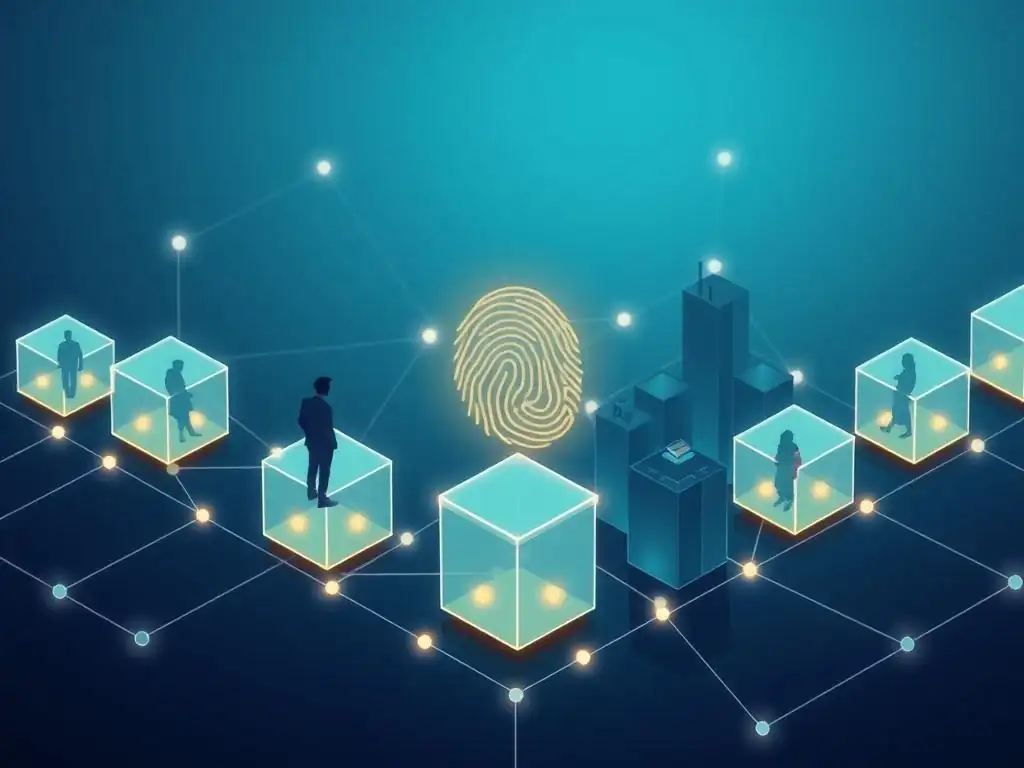
Implementing blockchain digital identity systems presents scalability and performance challenges that need careful consideration. Public blockchains, while highly secure and decentralized, can have limitations in transaction throughput and speed compared to centralized systems. When dealing with potentially millions or billions of citizen identities and transactions, the scalability of the chosen blockchain platform becomes critical. Transaction processing speeds and network congestion can impact the user experience and the efficiency of identity verification processes.
Solutions to address scalability include using layer-2 scaling solutions, such as state channels or rollups, which can offload transaction processing from the main blockchain. Alternatively, permissioned or private blockchains, which have higher transaction throughput and lower latency, may be considered for specific applications where decentralization is less critical than performance.
Careful selection of the blockchain platform and architecture, along with optimization of identity management protocols, is crucial to ensure that blockchain-based identity systems can handle the demands of large-scale deployments and provide a seamless user experience. Performance testing and ongoing monitoring are essential to address scalability challenges as adoption grows.
Regulatory Landscape and Compliance Requirements for Digital Identity Solutions
The regulatory landscape for digital identity solutions is still evolving, and compliance requirements vary across jurisdictions. Implementing blockchain digital identity systems requires careful consideration of legal and regulatory frameworks related to data privacy, identity verification, and cross-border data flows. Regulations like GDPR in Europe, CCPA in California, and similar laws worldwide impose strict requirements on the collection, processing, and storage of personal data, which must be adhered to when designing and deploying blockchain identity solutions.
Furthermore, specific regulations may govern the use of digital identity for certain sectors, such as financial services or healthcare. Compliance with KYC (Know Your Customer) and AML (Anti-Money Laundering) regulations is crucial for blockchain identity solutions used in financial applications. Understanding and navigating the complex and evolving regulatory landscape is essential for ensuring legal compliance and building trust in blockchain-based digital identity systems. Engaging with regulatory bodies and legal experts is crucial to address compliance challenges and ensure that blockchain identity solutions operate within legal boundaries and protect citizen rights.
Interoperability and Integration with Existing Systems
Interoperability and integration with existing systems are crucial considerations for the successful implementation of blockchain digital identity. Public sector organizations often rely on legacy systems and databases, and seamless integration of blockchain identity solutions with these existing infrastructures is essential to avoid disruption and ensure a smooth transition. Interoperability between different blockchain identity platforms and with traditional identity systems is also important to create a cohesive and user-friendly digital identity ecosystem.
Challenges in interoperability arise from the diverse range of blockchain platforms, identity protocols, and data formats. Standardization efforts are underway to address these challenges and promote interoperability between different blockchain identity solutions. Organizations like the Decentralized Identity Foundation (DIF) and the W3C Verifiable Credentials Working Group are working on developing open standards and protocols for decentralized identity. Adopting these standards and focusing on open APIs and integration frameworks are crucial steps towards achieving interoperability and ensuring that blockchain digital identity systems can seamlessly integrate with the broader digital ecosystem and provide a unified and user-centric experience.
Real-World Examples and Pilot Projects
Case Study: Estonia's Digital Identity Ecosystem
Estonia stands as a pioneering example of a nation that has successfully implemented a comprehensive digital identity ecosystem, although not entirely blockchain-based yet, it provides valuable insights for future blockchain implementations. Estonia's digital identity system, known as e-Estonia, provides citizens with secure digital identities that enable access to a wide range of government services online, from voting and tax filing to healthcare and business registration. This ecosystem has significantly improved efficiency, reduced bureaucracy, and enhanced citizen convenience.
While e-Estonia's current system is centralized, it demonstrates the transformative potential of digital identity for governance. Estonia is exploring blockchain technology for various applications, including data integrity and security. Their experience highlights the importance of strong government leadership, robust legal frameworks, and citizen trust in building a successful digital identity ecosystem. Estonia's case study provides valuable lessons for other nations considering implementing blockchain-based digital identity systems, particularly in terms of user adoption, security considerations, and the integration of digital identity into public services.
Example: Blockchain Solutions for Secure Voting and Elections
Blockchain technology is being explored for enhancing the security and transparency of voting and election processes. Traditional voting systems are often criticized for vulnerabilities to fraud and manipulation, and blockchain offers a potential solution to address these concerns. By recording votes on an immutable and transparent blockchain ledger, it becomes significantly harder to tamper with election results. Blockchain-based voting systems can also enhance auditability and transparency, allowing for independent verification of election outcomes.
Pilot projects and trials of blockchain voting systems have been conducted in various countries and regions. For example, Voatz, a mobile voting platform using blockchain, has been used in some elections in the United States. While blockchain voting is still in its early stages of adoption and faces challenges related to scalability, security, and accessibility, it holds significant promise for creating more secure, transparent, and trustworthy election processes. Further development and refinement of blockchain voting solutions are needed to address these challenges and realize the full potential of blockchain in electoral systems.
Initiatives in Decentralized Identity (DID) and Self-Sovereign Identity (SSI)
Significant initiatives are underway in the field of Decentralized Identity (DID) and Self-Sovereign Identity (SSI), paving the way for the widespread adoption of blockchain-based digital identity. The W3C Verifiable Credentials Working Group has developed standards for DIDs and Verifiable Credentials, providing a technical foundation for interoperable and user-centric digital identity systems. These standards enable individuals to create and control their own digital identities without relying on centralized intermediaries.
Organizations like the Decentralized Identity Foundation (DIF) are fostering collaboration and innovation in the DID and SSI space, bringing together industry leaders, researchers, and developers to advance the adoption of decentralized identity technologies. Numerous projects and platforms are emerging that implement DID and SSI principles, offering solutions for various use cases, including identity verification, data sharing, and secure authentication. These initiatives demonstrate the growing momentum behind decentralized identity and the increasing recognition of its potential to revolutionize digital identity management and empower individuals with greater control over their personal information.
The Future of Digital Identity and Blockchain Technology
Emerging Trends: Biometric Authentication and Blockchain Integration
Emerging trends in digital identity point towards the integration of biometric authentication with blockchain technology. Biometrics, such as fingerprint scanning, facial recognition, and iris scanning, offer a strong and convenient method for identity verification. Combining biometrics with blockchain can further enhance security and usability of digital identity systems. Biometric data can be securely linked to a blockchain-based digital identity, providing a robust and user-friendly authentication mechanism.
For example, a blockchain-based identity system could use biometric authentication to unlock a user's digital wallet or to authorize transactions. This combination can enhance security by adding an extra layer of protection against unauthorized access. Furthermore, biometrics can improve user experience by providing a seamless and passwordless authentication method. The integration of biometric authentication with blockchain is a promising trend that can lead to more secure, user-friendly, and widely adopted digital identity solutions in the future.
The Role of Blockchain in Creating a More Secure and Trustworthy Digital Society
Blockchain technology has a significant role to play in creating a more secure and trustworthy digital society. By providing a decentralized, transparent, and immutable infrastructure for managing digital identities and data, blockchain can address many of the security and privacy challenges plaguing current digital systems. Blockchain can enhance trust in online interactions and transactions by providing verifiable and auditable records. This is particularly crucial in areas such as digital identity, supply chain management, and online voting, where trust and transparency are paramount.
Furthermore, blockchain can empower individuals with greater control over their digital lives, fostering a more equitable and user-centric digital society. Self-sovereign identity (SSI) built on blockchain principles can give individuals ownership and control over their personal data, reducing their reliance on centralized intermediaries and enhancing their privacy. By promoting security, transparency, and user empowerment, blockchain technology can contribute to building a more secure, trustworthy, and inclusive digital society for all.
Predictions for the Adoption of Blockchain Digital Identity in the Public Sector
Predictions for the adoption of blockchain digital identity in the public sector are optimistic, with increasing recognition of its potential to modernize government services and enhance citizen trust. While widespread adoption may take time due to regulatory complexities, legacy system integration challenges, and the need for standardization, pilot projects and proof-of-concepts are gaining momentum in various countries and regions. Governments are increasingly exploring blockchain for applications such as digital identity, public records management, and social welfare distribution.
Over the next decade, we can expect to see gradual but steady adoption of blockchain digital identity in the public sector, starting with specific use cases and pilot projects. As regulatory frameworks become clearer and interoperability standards emerge, adoption is likely to accelerate. Governments that embrace blockchain digital identity early will be better positioned to enhance citizen services, improve efficiency, and build a more secure and trustworthy digital infrastructure. The long-term potential of blockchain to transform public sector identity management is significant, and its adoption is likely to become increasingly prevalent in the coming years.
Conclusion: Blockchain as a Cornerstone of Secure Citizen Data Management
Summarizing the Benefits of Blockchain for Digital Identity Security
Blockchain technology offers substantial benefits for enhancing digital identity security and citizen data management. Its decentralized nature, immutability, and cryptographic security provide a robust foundation for protecting sensitive personal information from unauthorized access, tampering, and fraud. Blockchain empowers individuals with greater control and ownership of their digital identities through self-sovereign identity (SSI) models, promoting privacy and user autonomy. It streamlines identity verification processes, reduces bureaucratic inefficiencies, and enhances transparency and trust in digital interactions.
Furthermore, blockchain's application in public records management ensures the integrity and accessibility of crucial government documents, reducing vulnerabilities and improving citizen access to essential information and services. By addressing the security and privacy limitations of traditional centralized systems, blockchain emerges as a powerful tool for building a more secure, user-centric, and trustworthy digital identity ecosystem. Its potential to revolutionize citizen data management and public services is undeniable.
Call to Action: Embracing Blockchain for a More Secure and Efficient Future for Public Records
Embracing blockchain technology for digital identity and public records management is a strategic imperative for governments and organizations seeking to build a more secure and efficient future. The transition to blockchain-based systems requires careful planning, collaboration, and investment in infrastructure and expertise. However, the long-term benefits of enhanced security, improved efficiency, and increased citizen trust far outweigh the initial challenges. Governments should actively explore and pilot blockchain solutions for digital identity and public records, fostering innovation and collaboration with technology providers and stakeholders.
Investing in standardization efforts, regulatory clarity, and interoperability frameworks is crucial to facilitate the widespread adoption of blockchain digital identity. Educating citizens and government officials about the benefits and potential of blockchain is also essential to build trust and encourage user adoption. By proactively embracing blockchain technology, we can pave the way for a more secure, transparent, and citizen-centric digital future for public records and digital identity management.
Final Thoughts: The Potential of Decentralized Identity Systems
The potential of decentralized identity systems, powered by blockchain technology, to transform the digital landscape is immense. Decentralized identity offers a paradigm shift from centralized, siloed identity management to a user-centric, privacy-preserving, and secure ecosystem. It empowers individuals with greater control over their digital lives, fostering a more equitable and trustworthy digital society. As blockchain technology matures and adoption accelerates, decentralized identity is poised to become a cornerstone of the future digital infrastructure.
The journey towards widespread adoption of decentralized identity will require ongoing innovation, collaboration, and a commitment to user empowerment and data privacy. However, the vision of a digital world where individuals have sovereign control over their identities, and where digital interactions are secure and trustworthy, is a compelling and achievable goal. Decentralized identity systems represent a significant step towards realizing this vision and building a more secure and human-centric digital future for all.
Frequently Asked Questions
How does blockchain technology enhance digital identity security compared to traditional systems?
Blockchain offers enhanced security through decentralization and cryptographic hashing. This makes it significantly harder for malicious actors to tamper with or alter identity data stored on the chain.
What are the primary benefits of using blockchain for managing citizen data and public records?
Using blockchain offers improved transparency, immutability, and auditability. Citizens gain greater control over their data, and public records become more resistant to fraud and corruption.
Blockchain solutions can incorporate privacy-enhancing technologies like zero-knowledge proofs and selective disclosure. These methods allow verification without revealing the underlying sensitive data itself.
What role does regulation play in the adoption of blockchain for digital identity security, particularly in government applications?
Clear and well-defined regulations are crucial for building trust and ensuring compliance. They provide a framework for responsible development and deployment of blockchain-based identity systems.
Beyond security, what are some potential future applications of blockchain digital identity in areas like DeFi or enterprise solutions?
Blockchain digital identity can streamline KYC/AML processes in DeFi, and enhance supply chain traceability and security in enterprise applications by providing verifiable credentials.
Final Reflection: Embracing Secure Digital Futures
The exploration of blockchain technology for securing digital identities and public records underscores a critical need in our increasingly interconnected world. The promise of enhanced privacy, security, and control over personal data is no longer a futuristic ideal, but a pressing imperative for governments and individuals alike. The vulnerabilities inherent in centralized systems demand innovative solutions, and blockchain offers a compelling path forward, ensuring citizen data remains protected and accessible only with verifiable consent.
This journey into blockchain digital identity security has profoundly impacted how we perceive data ownership and trust in digital systems. The potential for individuals to manage their own identities, verified and secured on a decentralized ledger, represents a paradigm shift in the relationship between citizens and their governments. This shift is not merely technological; it's a fundamental re-evaluation of power and control. Information is power. But like all power, there are those who want to keep it for themselves.
- Aaron Swartz. This quote resonates deeply, highlighting the importance of empowering individuals with control over their own information.
As we conclude this exploration, consider the implications of a future where digital identities are truly secure and self-sovereign. What role will you play in advocating for and implementing these technologies? How can you contribute to a world where citizen data is protected, and public records are transparent and immutable? Embrace the potential of blockchain to revolutionize digital identity security, and become a champion for a future where trust and transparency are the cornerstones of our digital world.
Reclaim Your Digital Sovereignty Today!
Thank you for exploring the potential of blockchain-secured digital identities. We hope this has deepened your understanding of how innovative technology can enhance data security and give individuals more control over their personal information. Now, take the next step!
Here are some actions you can take today:
- Begin exploring decentralized identity (DID) wallets. Download an established, open-source DID wallet and start experimenting with managing your own data securely.
- Share this article with your network to raise awareness about how blockchain can protect citizen data and encourage meaningful discussions.
- Look into local blockchain initiatives focused on digital identity. Consider contributing your skills or offering feedback to help improve these projects.
What concerns do you have about current digital identity systems, and how do you believe blockchain could help address them? Share your thoughts in the comments below!
Leave a Reply