
Revolutionizing Pharmaceutical Supply Chains: Blockchain Case Study Breakdowns


Welcome to Blockchain Trends, your go-to source for demystifying the transformative power of blockchain technology. In this article, we delve into a fascinating application beyond cryptocurrencies: the blockchain pharma supply chain. But how exactly is this technology revolutionizing the industry, ensuring authenticity, and streamlining distribution? Prepare to explore real-world case studies that reveal the tangible benefits and potential challenges of implementing blockchain in pharmaceutical supply chains, leaving you with a clear understanding of its future impact. Dive in and discover how this cutting-edge technology is shaping the future of medicine!
Revolutionizing Pharmaceutical Supply Chains: Blockchain Case Study Breakdowns
- Introduction: The Need for Transparency in Pharma Supply Chains
- Case Study 1: MediLedger - Enhancing Traceability with Blockchain
- Case Study 2: Modum - Optimizing Cold Chain Management Using Blockchain
- Case Study 3: IBM Food Trust (Pharma Application) - Interoperability and Data Sharing in Pharma
- Key Benefits of Blockchain in Pharmaceutical Supply Chain Management
- Challenges and Considerations for Blockchain Implementation in Pharma
- The Future of Blockchain in Pharma: Trends and Predictions
- Conclusion: Blockchain's Transformative Potential for Pharma Supply Chains
-
Frequently Asked Questions
- What are the primary benefits of using blockchain in the pharma supply chain?
- How can blockchain technology help address the issue of counterfeit drugs in the pharmaceutical industry?
- What are some real-world examples of blockchain implementation in pharma supply chains?
- What are the main regulatory considerations when implementing blockchain in the pharma supply chain?
- What are the potential challenges in adopting blockchain across the entire pharmaceutical supply chain?
- Final Reflection: Securing the Future of Medicine
- Ignite Your Blockchain Journey: Secure the Future of Pharmaceuticals!
Introduction: The Need for Transparency in Pharma Supply Chains
The pharmaceutical industry faces significant challenges in ensuring the integrity, security, and efficiency of its global supply chains. From manufacturing to distribution and dispensing, drugs pass through a complex network of stakeholders. This complexity creates vulnerabilities, including the risk of counterfeiting, diversion, and temperature excursions, all of which can compromise patient safety and erode public trust. Traditional paper-based systems and disparate digital solutions often lack the necessary transparency and immutability to effectively track and verify products at every step.
Ensuring the provenance and condition of sensitive medications is paramount. The current infrastructure often struggles to provide end-to-end visibility, making it difficult to pinpoint the origin of issues or verify product authenticity quickly. This lack of a single, trusted source of truth hinders regulatory compliance, slows down recalls, and complicates business processes like chargebacks and returns. A more robust, transparent, and secure system is urgently needed to safeguard the pharmaceutical supply chain.
Challenges in Traditional Pharmaceutical Supply Chains
Traditional pharmaceutical supply chains are plagued by fragmentation and a lack of interoperability between different systems used by manufacturers, distributors, pharmacies, and healthcare providers. Data silos prevent seamless information flow, leading to delays, errors, and inefficiencies. The reliance on manual processes or outdated electronic systems makes it difficult to achieve real-time visibility into product movement and condition.
Counterfeiting is a major global threat, estimated by the WHO to represent up to 10% of the total global pharmaceutical market, potentially reaching much higher percentages in developing countries. These fake drugs pose serious health risks and cost the industry billions annually. Proving the legitimacy of a product through complex, multi-layered distribution networks using current methods is challenging. Furthermore, managing chargebacks and rebates between manufacturers and distributors often involves lengthy reconciliation processes based on inconsistent data, leading to disputes and administrative overhead.
How Blockchain Technology Addresses Pharma Supply Chain Issues
Blockchain technology offers a promising solution to many of these entrenched problems by providing a decentralized, immutable, and transparent ledger. Each transaction or event recorded on the blockchain is timestamped and cryptographically linked to the previous one, creating a secure and verifiable history of a product's journey through the supply chain. This inherent security and transparency make it significantly harder to tamper with records or introduce counterfeit products undetected.
Implementing a blockchain pharma supply chain solution allows all authorized participants – from the manufacturer to the pharmacy – to access a shared, trusted view of the product's status and history. This shared ledger eliminates data silos and provides end-to-end traceability. Smart contracts, self-executing contracts with the terms of the agreement directly written into code, can automate processes like payments, chargebacks, or compliance checks, reducing manual intervention and potential for error. The distributed nature of blockchain also enhances resilience and security compared to centralized databases.
Case Study 1: MediLedger - Enhancing Traceability with Blockchain
MediLedger is a blockchain network built by the pharmaceutical industry for the pharmaceutical industry, specifically designed to meet the requirements of the U.S. Drug Supply Chain Security Act (DSCSA). This initiative focuses on bringing transparency and efficiency to complex inter-company processes that have historically been manual and inefficient, particularly concerning product verification and contract administration.
The network was founded by industry participants and technology providers like Chronicled, aiming to create a shared, secure platform where trading partners can collaborate and exchange necessary data without revealing sensitive competitive information. Their focus on specific, high-value problems within the existing workflow demonstrates a practical application of blockchain in pharma supply chain management.
MediLedger's Problem: Chargebacks, Rebates, and Contract Reconciliation
A significant pain point in the pharmaceutical distribution model in the U.S. involves chargebacks. Manufacturers offer specific pricing to healthcare providers (like hospitals or clinics) through contracts, and distributors process these sales at the contract price, then "charge back" the manufacturer for the difference between their acquisition cost and the contract price. This process is incredibly complex, involving thousands of contracts, millions of transactions, and often results in discrepancies and disputes due to mismatched data, incorrect eligibility, or contract terms interpretation.
Reconciliation of these chargebacks can take weeks or even months, consuming significant resources for both manufacturers and distributors. Disputes arise frequently, leading to delayed payments, cash flow issues, and strained trading partner relationships. The lack of a single, trusted source of truth for contract eligibility and transaction verification makes resolving these disputes cumbersome and inefficient.
Blockchain Solution Implemented by MediLedger
MediLedger deployed a blockchain network specifically for pharmaceutical trading partners to automate and streamline chargeback reconciliation. The solution involves manufacturers placing contract eligibility data onto the blockchain in a secure, privacy-preserving manner. Distributors can then query this data via the network to verify contract eligibility before processing a sale at a contract price.
When a sale occurs, relevant transaction details are cryptographically linked and shared on the network, allowing manufacturers to automatically match the distributor's chargeback claim against the verified contract eligibility and sale data on the immutable ledger. This process drastically reduces the opportunity for discrepancies and provides a shared, verifiable record of the transaction and its eligibility, leveraging the power of blockchain pharma supply chain technology.
Results and Benefits: Streamlined Contract Management and Reduced Disputes
The implementation of the MediLedger network for chargebacks has demonstrated significant improvements in efficiency and accuracy. By enabling automated verification against a shared, trusted source of contract data on the blockchain, the system minimizes errors upfront and accelerates the reconciliation process.
Trading partners involved in the network have reported a substantial reduction in the time and effort required to process chargebacks. The transparency and immutability of the blockchain ledger provide a clear audit trail, making it easier and faster to identify and resolve the disputes that do occur.
Quantifiable Metrics: Reduction in Chargeback Disputes (%)
While specific company-wide percentages can vary, early adopters and participants in the MediLedger network have reported reducing chargeback disputes by up to 70% in some cases. This dramatic reduction is attributed to the ability to verify contract eligibility in real-time before the transaction is completed and the availability of a shared, immutable record for automated matching and reconciliation. The significant decrease in manual intervention and dispute resolution time translates directly into cost savings and improved operational efficiency for both manufacturers and distributors using this blockchain pharma supply chain solution.
Enhanced Collaboration Through Blockchain Verification
Beyond quantifiable reductions in disputes, the MediLedger network fosters enhanced collaboration among trading partners. By agreeing to use a shared blockchain ledger for verifying contract eligibility and transactions, companies build trust based on a common, verifiable source of truth. This shared platform facilitates smoother interactions, reduces friction, and allows partners to focus on strategic business objectives rather than tedious, dispute-ridden administrative tasks. The network effect of more participants joining further strengthens the value proposition, creating a more efficient ecosystem for pharmaceutical distribution.
Case Study 2: Modum - Optimizing Cold Chain Management Using Blockchain
Maintaining precise temperature control is critical for the efficacy and safety of many pharmaceutical products, such as vaccines, biologics, and certain insulins. These "cold chain" drugs require strict temperature ranges (typically 2°C to 8°C) throughout their journey from manufacturing plant to patient. Failure to maintain the required temperature can render medications ineffective or even harmful, leading to significant financial losses, waste, and potential health risks.
Traditional cold chain monitoring often relies on manual checks, data loggers that are downloaded at the end of a shipment, or systems that lack real-time visibility and verifiable data integrity. Proving that temperature requirements were met throughout the entire chain of custody, especially across multiple logistics partners, can be challenging and susceptible to data manipulation.
The Cold Chain Challenge: Maintaining Temperature Integrity
The complexity of the pharmaceutical cold chain involves multiple handoffs between different logistics providers, warehouses, and transportation modes (air, sea, road). Each transition point introduces a risk of temperature deviation. Factors like delays, equipment failures, and improper handling can break the cold chain, compromising the integrity of temperature-sensitive drugs.
Current monitoring methods can be siloed or rely on data that is only accessible retrospectively, making it difficult to intervene in real-time or definitively prove compliance for every segment of the journey. Regulatory bodies like the EMA and FDA have strict requirements for cold chain documentation, and the lack of a seamless, trustworthy record across the entire blockchain pharma supply chain makes compliance audits more complex and time-consuming.
Modum's Blockchain-Based Cold Chain Monitoring System
Modum.io developed a solution that combines IoT temperature sensors with a blockchain platform to provide a robust cold chain monitoring system for pharmaceuticals. The system uses validated, tamper-evident temperature loggers placed with the shipments. These loggers record temperature data at regular intervals throughout the transportation process.
Upon arrival at a checkpoint or destination, data from the loggers is uploaded and securely recorded onto a blockchain. This process creates an immutable and auditable record of the temperature conditions the shipment experienced from origin to destination. The use of blockchain ensures that the temperature data, once recorded, cannot be altered, providing a high level of data integrity and trust for all stakeholders involved in the blockchain pharma supply chain.
Real-Time Temperature Tracking and Alerting Mechanisms
While the core Modum system focuses on end-of-journey data upload to the blockchain for verification, more advanced iterations or integrated solutions incorporating real-time IoT connectivity can provide immediate alerts. If a temperature excursion occurs during transit, sensors can trigger alerts to relevant parties (e.g., logistics provider, recipient).
This real-time capability, when integrated with the blockchain ledger, allows for prompt corrective action and ensures that any excursion event is immediately recorded and verified on the immutable ledger. This level of transparency and verifiable alerting is crucial for managing risks associated with temperature-sensitive pharmaceutical products and maintaining the integrity of the pharma blockchain.
Outcomes: Reduced Spoilage and Improved Medication Integrity
By providing a trustworthy, immutable record of temperature conditions throughout the cold chain, Modum's blockchain-based solution helps pharmaceutical companies and logistics providers ensure that temperature-sensitive medications arrive in optimal condition. This verifiable proof of temperature compliance significantly reduces the likelihood of spoilage due to temperature excursions.
Anecdotal evidence and pilot programs using such systems suggest that verifiable cold chain monitoring can lead to a reduction in product losses attributed to temperature deviations. While specific industry-wide figures are hard to obtain, estimated losses due to cold chain failures in the pharmaceutical industry are substantial, potentially reaching billions of dollars annually. Solutions like Modum's aim to mitigate these losses by providing undeniable evidence of compliance or non-compliance, thereby improving overall medication integrity within the blockchain pharma supply chain.
Data Integrity and Auditability in Drug Distribution
A key outcome of using blockchain for cold chain monitoring is the enhanced data integrity and auditability it provides. The temperature data recorded on the blockchain is immutable, meaning it cannot be changed or deleted after being added. This provides a secure and verifiable audit trail for every shipment, which is essential for regulatory compliance (e.g., documenting adherence to Good Distribution Practices).
Auditors and regulators can trust the data recorded on the blockchain, streamlining the compliance process. Furthermore, in the event of a product quality issue potentially linked to temperature, the blockchain record provides clear, indisputable evidence of the temperature conditions experienced during transit, enabling faster root cause analysis and more effective risk management within the pharmaceutical supply chain blockchain.
Case Study 3: IBM Food Trust (Pharma Application) - Interoperability and Data Sharing in Pharma
While initially designed for the food industry, the principles and underlying technology of IBM Food Trust, a blockchain-based platform, are highly applicable to pharmaceuticals. The platform focuses on creating a permissioned network where participants can securely share data across a complex supply chain, improving traceability and transparency. IBM has explored adapting this framework for the unique requirements of the pharmaceutical sector, particularly concerning data interoperability and collaborative information sharing among disparate entities.
The need for such a platform in pharma stems from the fragmented nature of information flow. Different companies use different systems, making it difficult to share data seamlessly and securely, even when it's necessary for regulatory compliance, product verification, or recall management.
The Problem of Data Silos in the Pharmaceutical Industry
Within the pharmaceutical supply chain, critical data about product batches, expiry dates, handling instructions, and ownership changes often resides in isolated databases belonging to individual companies. Manufacturers have their data, distributors have theirs, and pharmacies or hospitals have yet another set. Sharing this information across organizational boundaries is often done through manual processes, faxes, emails, or incompatible electronic data interchange (EDI) systems.
This fragmentation creates "data silos," hindering end-to-end visibility and making it challenging to trace a product's journey quickly and accurately. In the event of a recall or suspected counterfeit, aggregating the necessary data from multiple sources is a slow, complex, and error-prone process. This lack of interoperability is a major obstacle to improving efficiency and security in the pharma blockchain ecosystem.
IBM Food Trust's Collaborative Blockchain Platform for Pharma Data
Leveraging the Hyperledger Fabric blockchain framework, IBM Food Trust provides a foundation for a permissioned network where pharmaceutical supply chain participants can join and share specific, authorized data points about products and shipments. The platform is designed to be highly scalable and secure, allowing different companies to connect their existing systems and contribute data to the shared ledger.
In a pharmaceutical context, this means a manufacturer could record batch information and initial ownership. As the product moves, distributors, wholesalers, and pharmacies could add their own data points (e.g., change of ownership, location updates) to the ledger. Access to this data is controlled by permissions, ensuring that sensitive business information remains private while necessary traceability data is available to authorized parties on the blockchain pharma supply chain.
Secure Data Sharing and Regulatory Compliance
A core benefit of using a platform like IBM Food Trust for pharmaceuticals is the ability to share data securely while maintaining privacy. Participants only share the data they choose to share, and access is granted on a need-to-know basis via smart contracts and network rules. The blockchain provides an immutable record of who shared what data and when, enhancing accountability.
This secure data sharing capability directly supports regulatory compliance requirements, such as those under the DSCSA in the U.S. or Falsified Medicines Directive (FMD) in Europe, which mandate enhanced traceability and verification. By providing a standardized, secure way to share verifiable data across the supply chain, the platform helps companies meet these complex regulatory obligations more efficiently using the pharma blockchain.
Impact: Improved Supply Chain Visibility and Product Recall Efficiency
Implementing a collaborative blockchain platform like IBM Food Trust for pharmaceutical data sharing dramatically improves end-to-end supply chain visibility. Instead of relying on fragmented data sources, authorized network participants can access a shared, near real-time view of a product's location, ownership history, and associated data (like temperature logs if integrated).
This enhanced visibility is particularly impactful during product recalls. Instead of spending days or weeks manually gathering data from multiple partners, companies can query the blockchain ledger to quickly identify the affected batches, their current locations, and the parties responsible for them. This can potentially reduce recall times from weeks to days or even hours, minimizing patient exposure to potentially harmful products and reducing the financial and reputational damage for pharmaceutical companies leveraging the blockchain pharma supply chain.
Improved Collaboration Among Pharmaceutical Companies
By providing a neutral, trusted platform for data sharing, a system based on the IBM Food Trust model fosters improved collaboration among companies that are otherwise competitors. The shared need for supply chain security and efficiency encourages participation. The platform provides the technical and governance framework necessary for multiple parties to contribute data and gain value from the collective intelligence of the network without compromising their own proprietary information. This collaborative aspect is crucial for building a truly effective blockchain pharma supply chain ecosystem.
Key Benefits of Blockchain in Pharmaceutical Supply Chain Management
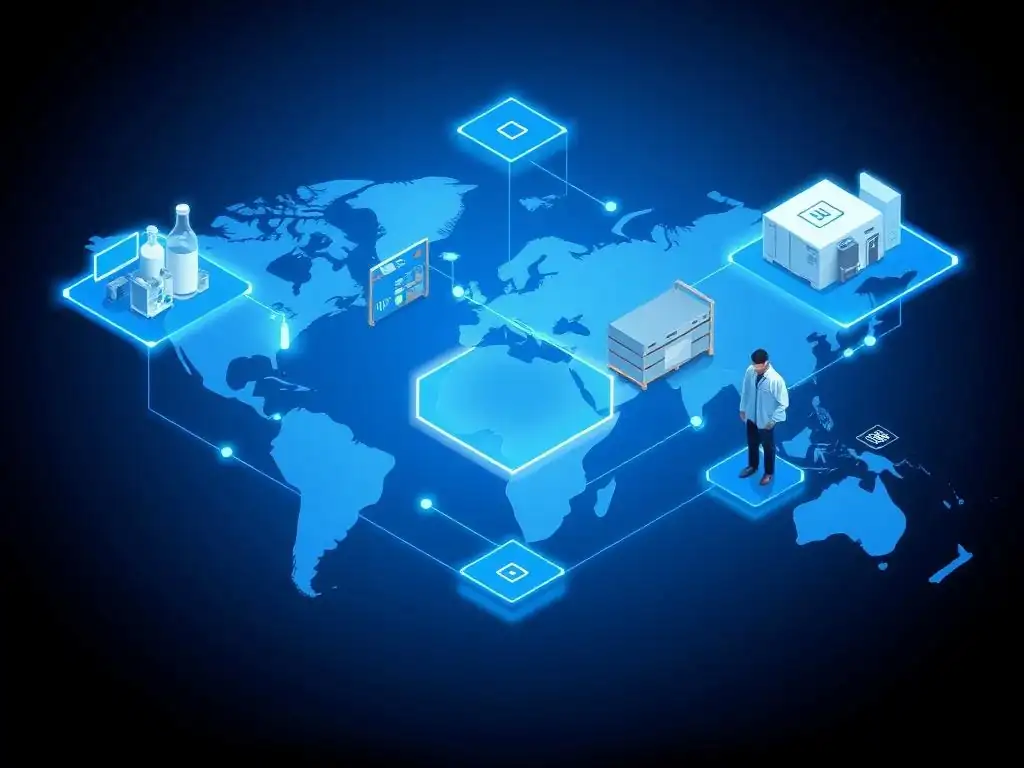
The case studies of MediLedger, Modum, and the potential application of platforms like IBM Food Trust highlight several transformative benefits of integrating blockchain technology into the pharmaceutical supply chain. These benefits extend across various aspects of operations, from security and efficiency to compliance and patient safety.
Implementing a blockchain pharma supply chain solution offers a paradigm shift from traditional, siloed systems to a collaborative, transparent, and secure network. This section delves into the most significant advantages realized through the adoption of this technology.
Enhanced Product Authentication and Anti-Counterfeiting Measures
One of the most critical benefits of blockchain in pharmaceuticals is its potential to combat the pervasive problem of counterfeit drugs. By creating an immutable record of a drug's origin, manufacturing batch, and entire chain of custody, blockchain makes it significantly harder for counterfeit products to enter or go undetected within the legitimate supply chain. Each unit or batch can be assigned a unique identifier recorded on the blockchain at the point of manufacture.
As the product moves through the supply chain, each change of ownership or location is recorded on the ledger. Distributors, pharmacies, and even patients (through verification apps) can potentially scan a product's code and verify its authenticity and history against the trusted blockchain record. Any discrepancy or lack of a verifiable history would immediately flag the product as potentially counterfeit, enhancing patient safety and protecting brand integrity in the pharma blockchain.
Increased Transparency and Traceability Across the Supply Chain
Blockchain provides unprecedented transparency and end-to-end traceability for pharmaceutical products. Every step a product takes, from raw material sourcing (potentially) to manufacturing, packaging, distribution, and dispensing, can be recorded on the distributed ledger. This creates a complete, verifiable history accessible to authorized participants.
This level of transparency allows stakeholders to track the precise location and status of any drug at any point in time. In the event of a quality issue or recall, this granular traceability enables rapid identification of affected products and their distribution paths, drastically reducing the scope and time of recalls compared to traditional methods. This enhanced visibility is a cornerstone of an effective blockchain pharma supply chain.
Improved Efficiency and Reduced Costs in Logistics
While initial implementation requires investment, blockchain solutions can lead to significant long-term efficiencies and cost reductions in pharmaceutical logistics. Automating processes like chargeback reconciliation (as seen with MediLedger) reduces administrative overhead and disputes. Streamlining verification processes reduces the need for manual checks and paperwork.
Furthermore, improved visibility and data accuracy can optimize inventory management, reduce waste due to spoilage (as targeted by Modum), and minimize losses from counterfeiting or diversion. Smart contracts can automate payments and contractual agreements, further reducing transaction costs and delays across the pharmaceutical supply chain blockchain.
Streamlined Regulatory Compliance and Auditing
The pharmaceutical industry is heavily regulated, with stringent requirements for documentation, traceability, and reporting. Blockchain's immutable and auditable ledger is inherently well-suited to meet these demands. The secure, timestamped record of all transactions and events provides a reliable source of truth for regulatory compliance.
Generating reports for audits or inspections becomes more straightforward and less time-consuming when data is stored on a shared, verifiable blockchain ledger. Compliance checks, such as verifying trading partner licenses or ensuring proper handling procedures were followed, can be automated or significantly simplified, reducing the burden of regulatory adherence within the blockchain pharma supply chain.
Enhanced Data Security and Patient Safety
By distributing data across multiple nodes and using cryptographic security, blockchain enhances the security of sensitive supply chain information compared to centralized databases, which are more vulnerable to single points of failure or cyberattacks. The immutability of the ledger ensures that once data is recorded, it cannot be retrospectively altered without detection, building trust in the information.
Ultimately, all these benefits converge to enhance patient safety. By ensuring the authenticity of drugs, maintaining proper handling conditions (like temperature), enabling faster recalls, and providing a secure and transparent record, blockchain technology helps ensure that patients receive safe, effective, and legitimate medications. This focus on patient well-being is the driving force behind the adoption of blockchain in pharmaceuticals.
Challenges and Considerations for Blockchain Implementation in Pharma
Despite the compelling benefits, implementing blockchain technology in the pharmaceutical supply chain is not without its challenges. The industry is complex, highly regulated, and involves numerous stakeholders with established processes and systems. Successfully integrating blockchain requires addressing technical, regulatory, and organizational hurdles.
Understanding and planning for these challenges is crucial for any pharmaceutical company or consortium considering a blockchain pharma supply chain initiative. Overcoming these obstacles requires careful planning, collaboration, and a phased approach.
Scalability and Interoperability Issues
One significant technical challenge is ensuring that blockchain networks can scale to handle the massive volume of transactions generated by the global pharmaceutical supply chain. Public blockchains like Bitcoin or Ethereum may face throughput limitations and variable transaction costs. Permissioned blockchains, like those used in enterprise solutions, offer better control and scalability but require careful design.
Furthermore, interoperability between different blockchain networks, or between blockchain systems and existing legacy IT infrastructure (like ERP systems), is a major hurdle. The pharmaceutical ecosystem is vast, and different companies might adopt different blockchain solutions. Ensuring these systems can communicate and exchange data seamlessly is essential for achieving true end-to-end visibility in the pharma blockchain. Developing industry-wide standards is key to addressing this.
Data Privacy and Regulatory Hurdles (e.g., GDPR)
Pharmaceutical supply chain data often includes sensitive commercial information (e.g., pricing, quantities, customer details) and potentially links to patient data (though most pharma supply chain solutions focus on product, not patient, data). Ensuring data privacy while using a transparent ledger is critical. Permissioned blockchains with strict access controls and privacy-enhancing techniques (like zero-knowledge proofs or data partitioning) are necessary.
Navigating the complex global regulatory landscape is also challenging. Regulations like GDPR in Europe impose strict requirements on processing personal data, including the "right to be forgotten," which conflicts with the immutable nature of blockchain. Designing blockchain solutions that comply with these regulations, potentially by storing sensitive data off-chain with hash references on the ledger, is a significant consideration for any blockchain pharma supply chain project.
The Importance of Standardization and Governance
For a blockchain network to be widely adopted and effective across the pharmaceutical supply chain, industry-wide standards for data formats, protocols, and governance are essential. Without standardization, different participants using different systems or networks will struggle to interoperate, fragmenting the ecosystem.
Establishing a robust governance framework for the blockchain network is equally important. This framework must define rules for participation, data validation, dispute resolution, and network evolution. Given the competitive nature of the industry, reaching consensus on these standards and governance models among multiple stakeholders is a complex, but necessary, undertaking for the widespread adoption of the pharma blockchain.
Overcoming Resistance to Change within the Pharmaceutical Industry
The pharmaceutical industry is traditionally conservative and risk-averse, given the critical nature of its products and the heavy regulatory burden. Adopting a fundamentally new technology like blockchain requires significant changes to existing processes, workflows, and IT infrastructure. This often meets with resistance from employees comfortable with current systems and management wary of the investment and perceived risks associated with new technology.
Educating stakeholders about the benefits, addressing concerns about complexity and security, and demonstrating clear ROI through pilot programs and case studies are crucial steps in overcoming this resistance. A cultural shift towards greater collaboration and data sharing is also necessary to fully leverage the potential of a blockchain pharma supply chain.
The Future of Blockchain in Pharma: Trends and Predictions
The journey of blockchain in the pharmaceutical supply chain is still in its early to middle stages, with several initiatives demonstrating proof of concept and early-stage adoption. Looking ahead, the technology is poised to become an integral part of the industry's infrastructure, driven by increasing regulatory pressure, the need for enhanced security, and the pursuit of greater efficiency.
Several key trends and predictions point towards the expanding role of blockchain in transforming how pharmaceuticals are tracked, verified, and managed across the globe. The evolution of the blockchain pharma supply chain will likely involve integration with other emerging technologies and a move towards broader, interconnected networks.
Integration with IoT and AI for Enhanced Supply Chain Visibility
The combination of blockchain with Internet of Things (IoT) devices and Artificial Intelligence (AI) holds immense potential for the future of pharmaceutical supply chains. IoT sensors can collect real-time data on conditions like temperature, humidity, and location. Recording this data immutably on a blockchain provides verifiable proof of handling conditions throughout the journey.
AI can then analyze the vast datasets collected via IoT and stored on the blockchain to identify patterns, predict potential risks (e.g., likely temperature excursions on a specific route), optimize logistics, and detect anomalies that might indicate tampering or fraud. This integration creates an intelligent, self-monitoring, and highly transparent blockchain pharma supply chain.
Blockchain-Based Patient Data Management and Drug Provenance
While current pharma supply chain blockchain applications primarily focus on product traceability, future developments could explore secure, consent-based patient data management linked to drug provenance. Imagine a scenario where a patient's electronic health record (EHR) securely references the specific batch number of the medication they received, verified on a blockchain.
This could enable more precise tracking of drug efficacy and adverse events linked to specific batches, potentially improving pharmacovigilance. It could also empower patients with verifiable information about the medications they receive. However, implementing this requires overcoming significant privacy and regulatory hurdles (like HIPAA and GDPR) and ensuring robust patient consent mechanisms within the pharma blockchain.
The Role of Blockchain in Combatting Drug Diversion
Beyond counterfeiting, drug diversion – the redirection of legitimate prescription drugs for illicit use – is a major problem. Blockchain's ability to create a transparent and immutable record of ownership and location changes throughout the supply chain can play a crucial role in identifying and preventing diversion.
By tracking the chain of custody from manufacturer to the final dispensing point (pharmacy or hospital), anomalies in the expected flow or discrepancies in inventory records become much easier to detect. Law enforcement and regulatory bodies, with appropriate permissions, could use the blockchain ledger to investigate suspicious activities and pinpoint where diversion might be occurring within the blockchain pharma supply chain.
Global Adoption of Blockchain in the Pharmaceutical Industry
While early blockchain initiatives in pharma have often focused on specific regions or use cases (like the U.S. DSCSA), the trend is moving towards broader, potentially global adoption. The benefits of enhanced security, traceability, and efficiency are universally applicable. Regulatory bodies worldwide are also increasingly exploring how digital technologies, including blockchain, can support stricter supply chain security mandates.
As pilot programs prove successful and industry consortia establish standards, the network effect will likely accelerate global adoption. International collaboration is essential to create interconnected blockchain networks that can track pharmaceuticals across borders seamlessly, building a truly global blockchain pharma supply chain ecosystem.
Conclusion: Blockchain's Transformative Potential for Pharma Supply Chains
The pharmaceutical supply chain, a complex and critical global network, is ripe for transformation through the application of blockchain technology. The inherent challenges of fragmentation, lack of transparency, and vulnerability to counterfeiting and diversion necessitate a fundamental shift in how drugs are tracked and verified. As demonstrated by case studies and ongoing initiatives, blockchain offers a powerful foundation for building a more secure, efficient, and trustworthy system.
From streamlining internal processes like chargeback reconciliation to enabling end-to-end product traceability and enhancing cold chain integrity, blockchain provides solutions to long-standing industry problems. While challenges related to scalability, interoperability, regulation, and change management remain, ongoing pilot programs and collaborative initiatives are paving the way for broader adoption of the blockchain pharma supply chain.
Key Takeaways from the Case Studies
The case studies of MediLedger, Modum, and the application of IBM Food Trust principles highlight practical benefits of using blockchain in pharmaceuticals:
- MediLedger shows how blockchain can automate complex inter-company processes, significantly reducing disputes and administrative costs (e.g., potentially cutting chargeback disputes by a large percentage).
- Modum illustrates the value of verifiable data integrity for critical conditions like temperature monitoring, helping to reduce spoilage and ensure product quality.
- Platforms like IBM Food Trust demonstrate blockchain's capability to break down data silos and improve overall supply chain visibility, leading to faster and more efficient responses, such as during product recalls.
These examples provide tangible evidence that blockchain is not just a theoretical concept but a viable technology capable of delivering real improvements in the pharmaceutical supply chain.
The Path Forward for Blockchain Adoption in Pharmaceuticals
The future of blockchain in the pharmaceutical industry looks promising, with continued innovation expected in areas like integration with IoT and AI, and potential expansion into patient-centric applications. However, realizing the full potential of the blockchain pharma supply chain requires sustained effort.
Key steps for the path forward include:
- Continued collaboration among stakeholders (manufacturers, distributors, pharmacies, regulators, technology providers) to develop and adopt industry-wide standards and governance models.
- Investment in pilot programs and phased rollouts to demonstrate ROI and build confidence in the technology.
- Development of interoperable solutions that can connect different blockchain networks and integrate with existing legacy systems.
- Proactive engagement with regulatory bodies to ensure that blockchain solutions meet compliance requirements and potentially inform future regulations.
By addressing challenges collaboratively and focusing on clear use cases that deliver tangible value, the pharmaceutical industry can harness the transformative power of blockchain to build a safer, more efficient, and more transparent supply chain for the benefit of all stakeholders, most importantly, the patients.
Frequently Asked Questions
What are the primary benefits of using blockchain in the pharma supply chain?
Blockchain offers enhanced transparency and traceability in the supply chain. This helps to combat counterfeit drugs and improve patient safety by ensuring the authenticity of medications.
How can blockchain technology help address the issue of counterfeit drugs in the pharmaceutical industry?
By creating an immutable record of each transaction, blockchain makes it significantly harder to introduce counterfeit drugs into the supply chain. Each product's journey can be easily verified.
What are some real-world examples of blockchain implementation in pharma supply chains?
Several companies are piloting or implementing blockchain solutions to track drugs from manufacturer to patient, improving supply chain visibility. This includes tracking temperature-sensitive medications.
What are the main regulatory considerations when implementing blockchain in the pharma supply chain?
Compliance with regulations like the Drug Supply Chain Security Act (DSCSA) is crucial. Ensuring data privacy and security under regulations like GDPR is also essential.
What are the potential challenges in adopting blockchain across the entire pharmaceutical supply chain?
The primary challenges include lack of standardization across the industry and the need for collaboration among various stakeholders. Interoperability between different blockchain platforms is also a concern.
Final Reflection: Securing the Future of Medicine
The journey through blockchain's potential in revolutionizing pharmaceutical supply chains, as explored in this article, underscores a critical truth: transparency and trust are paramount in safeguarding public health. The vulnerabilities exposed in traditional systems demand innovative solutions, and blockchain offers a compelling path towards enhanced security, traceability, and efficiency in the distribution of life-saving medications.
The impact of counterfeit drugs and compromised supply chains extends far beyond mere economic losses; it directly threatens lives and erodes public confidence in the healthcare system. Witnessing the potential of blockchain to combat these issues firsthand has been profoundly impactful, reinforcing the urgent need for widespread adoption. The future of healthcare is not just about treating illness, but about preventing it. A secure and transparent pharmaceutical supply chain is a vital component of that preventative approach.
As we conclude this exploration, let us not simply acknowledge the potential of blockchain in the pharmaceutical industry, but actively champion its implementation. Consider how you, as a patient, healthcare professional, or industry stakeholder, can contribute to building a more secure and trustworthy future for medicine. Embrace the challenge, advocate for change, and become a part of the revolution that ensures safe and effective medications reach those who need them most.
Ignite Your Blockchain Journey: Secure the Future of Pharmaceuticals!
Thank you for exploring how blockchain is transforming pharmaceutical supply chains! You've seen firsthand how this technology can enhance transparency and prevent counterfeiting. Are you ready to take the next step toward building a safer, more efficient industry?
Here's how you can get involved:
- Develop and propose a blockchain solution for a specific challenge within your organization or community. This is your opportunity to apply what you've learned and become an innovator.
- Share this article with your network to encourage discussions about the potential of blockchain in healthcare. Let’s inspire others to explore its possibilities!
- Reach out to smaller pharmaceutical companies that are exploring blockchain solutions—they often look for support and collaboration.
What aspect of the pharmaceutical supply chain do you think blockchain could improve immediately? What initial steps would you take? Share your ideas in the comments below!
Leave a Reply