
The Educational Potential of Decentralized Metaverses: Learning in Immersive Environments

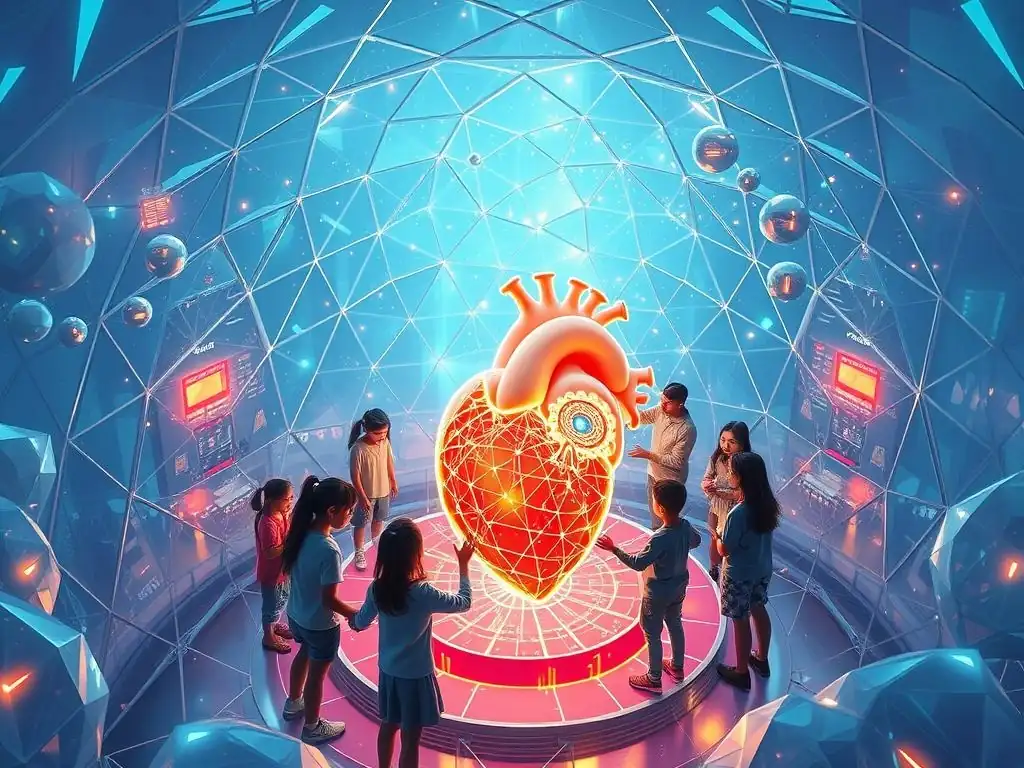
Welcome to Blockchain Trends, your gateway to understanding the evolving landscape of blockchain technology beyond the hype. In this article, we delve into the fascinating potential of decentralized metaverse learning environments, exploring how immersive, blockchain-powered worlds are poised to revolutionize education. But what exactly makes these environments so groundbreaking, and how will they reshape the future of learning? Discover the answers and more as we unlock the educational possibilities within the decentralized metaverse.
The Educational Potential of Decentralized Metaverses: Learning in Immersive Environments
- Introduction: Revolutionizing Education with Decentralized Metaverse Learning Environments
- Understanding Decentralized Metaverses and Their Core Principles
-
Benefits of Decentralized Metaverse Learning Environments
- Enhanced Engagement and Motivation in Immersive Learning Spaces
- Personalized Learning Paths within Decentralized Metaverse Platforms
- Increased Accessibility to Educational Resources Globally
- Fostering Collaborative Learning Experiences in Virtual Worlds
- The Power of Gamification in Decentralized Metaverse Education
-
Use Cases: Decentralized Metaverse Learning in Action
- Virtual Field Trips and Simulations: Experiential Learning in the Metaverse
- Skill Development and Training in Decentralized Metaverse Environments
- Language Learning through Immersive Cultural Experiences
- Collaborative Research and Innovation in Virtual Labs
- Decentraland's Education District: Fostering Community-Driven Learning
-
Addressing the Challenges of Decentralized Metaverse Education
- Technical Barriers: Accessibility and Infrastructure Requirements
- Content Creation and Curriculum Development for Metaverse Learning
- Security and Privacy Concerns in Decentralized Educational Platforms
- Economic Sustainability and Funding Models for Metaverse Education
- Addressing Digital Literacy and the Digital Divide
- The Future of Education in Decentralized Metaverses
- Conclusion: Embracing the Potential of Decentralized Metaverse Learning Environments
-
Frequently Asked Questions
- What are decentralized metaverse learning environments and how do they differ from traditional online learning?
- How can blockchain enhance the security and transparency of educational credentials in a metaverse learning environment?
- What are some potential challenges in implementing decentralized metaverse learning environments?
- How can Decentralized Finance (DeFi) be integrated into metaverse learning environments to incentivize participation and achievement?
- What is the future outlook for decentralized metaverse learning environments and their impact on traditional education?
- Final Reflection: Embracing the Future of Immersive Education
- Unlock Your Metaverse Learning Journey!
Introduction: Revolutionizing Education with Decentralized Metaverse Learning Environments
The Convergence of Blockchain, Metaverse, and Education
The intersection of blockchain technology, metaverse platforms, and education is creating a paradigm shift in how we approach learning and knowledge acquisition. Blockchain, with its decentralized and transparent nature, provides the foundational infrastructure for secure and verifiable digital ownership, crucial for educational credentials and content distribution.
Metaverses, on the other hand, offer immersive, interactive virtual environments that transcend the limitations of traditional online learning platforms, creating spaces where students can engage with subjects in a more profound and experiential way. When these technologies converge with education, they unlock the potential for decentralized metaverse learning environments, promising a future where education is more accessible, engaging, and personalized.
This convergence is not merely a technological upgrade; it represents a fundamental reimagining of the educational landscape. Imagine students learning about ancient civilizations by virtually walking through reconstructed historical sites, or medical students practicing complex surgical procedures in realistic, risk-free virtual operating rooms. Decentralized metaverse learning environments can offer these experiences and more, moving beyond passive consumption of information to active participation and exploration. The decentralized nature ensures that these environments are not controlled by a single entity, promoting open access, data privacy, and user empowerment within the educational sphere.
Why Decentralized Metaverses Offer Unique Educational Opportunities
Decentralized metaverses present a constellation of unique opportunities that centralized platforms simply cannot replicate in the educational context. Firstly, decentralization fosters greater accessibility and inclusivity. By removing reliance on centralized servers and infrastructures, decentralized platforms can potentially overcome geographical barriers and reach learners in underserved communities with limited access to traditional educational resources. This is particularly impactful in regions with unreliable internet connectivity, as blockchain-based solutions can operate more efficiently in less-than-ideal conditions.
Secondly, decentralized metaverse learning environments empower both educators and learners through data ownership and control. In traditional systems, student data is often held and utilized by centralized institutions. Decentralized platforms, leveraging blockchain's inherent transparency and security, can give learners greater agency over their learning data, allowing them to control who accesses it and how it is used.
For educators, decentralized systems can facilitate the creation and distribution of educational content with greater control over intellectual property and revenue models, potentially incentivizing the development of high-quality, innovative learning materials. This shift towards user-centricity and data sovereignty is a core advantage of decentralized metaverse learning environments.
Understanding Decentralized Metaverses and Their Core Principles
What is a Decentralized Metaverse? Key Characteristics Explained
A decentralized metaverse is a persistent, shared, virtual world characterized by user ownership, interoperability, and decentralized governance, built upon blockchain technology. Unlike centralized metaverses controlled by corporations, decentralized metaverses aim to distribute power and control among its users. Key characteristics include digital asset ownership through NFTs, allowing users to truly own virtual land, avatars, and in-world items; interoperability, enabling assets and identities to potentially move between different virtual worlds; and decentralized governance, often through DAOs, giving the community a voice in the platform's development and rules.
Decentralization in this context is not merely a technical feature; it is a philosophical shift towards user empowerment and community-driven development. In a decentralized metaverse learning environment, students and educators are not just users but stakeholders. This ownership extends beyond digital assets to include participation in the governance of the educational space itself. For instance, students might have a say in curriculum development or platform improvements, while educators could collectively manage learning resources and standards within the decentralized metaverse. This participatory model contrasts sharply with the top-down structure often found in traditional educational institutions and centralized online learning platforms.
Blockchain Technology: The Foundation of Decentralized Metaverse Learning
Blockchain technology provides the essential infrastructure for decentralized metaverse learning environments, offering crucial functionalities like secure digital identity, transparent record-keeping, and verifiable ownership of digital assets. The immutability and transparency of blockchain ensure that educational credentials, such as diplomas and certifications earned within the metaverse, are tamper-proof and easily verifiable by employers or other educational institutions. This removes the potential for fraud and streamlines the verification process, enhancing the credibility of metaverse-based education.
Furthermore, blockchain enables the creation of tokenized incentive systems within decentralized metaverse learning environments. Students could earn tokens for completing courses, participating in collaborative projects, or contributing to the learning community. These tokens could then be used to access premium educational content, unlock new features within the metaverse, or even be exchanged for real-world value, creating a powerful motivation loop.
Similarly, educators could be rewarded with tokens for creating high-quality learning materials or providing exceptional instruction, fostering a vibrant and incentivized ecosystem for decentralized metaverse learning. The use of smart contracts on the blockchain can automate these reward systems, ensuring transparency and fairness in the distribution of incentives.
Immersive Learning: Defining the Educational Metaverse Experience
Immersive learning in the context of decentralized metaverses refers to educational experiences that leverage virtual reality (VR), augmented reality (AR), and mixed reality (MR) technologies to create highly engaging and interactive learning environments. Unlike passive learning methods, immersive learning in the metaverse actively involves students in the learning process, allowing them to learn by doing, exploring, and experiencing concepts firsthand in virtual simulations and environments. This experiential approach can significantly enhance understanding and retention compared to traditional lecture-based or text-based learning.
Imagine learning about the human circulatory system by virtually shrinking down and traveling through blood vessels, or understanding complex physics principles by manipulating virtual objects in a zero-gravity environment. Decentralized metaverse learning environments can offer these kinds of transformative educational experiences.
The immersive nature of these environments can also cater to diverse learning styles, offering visual, auditory, and kinesthetic learners different ways to engage with the material. Moreover, the social presence afforded by metaverses, where students can interact with each other and educators as avatars in a shared virtual space, can foster a sense of community and collaboration that is often lacking in traditional online learning settings.
Benefits of Decentralized Metaverse Learning Environments
Enhanced Engagement and Motivation in Immersive Learning Spaces
Decentralized metaverse learning environments have the potential to drastically enhance student engagement and motivation by creating immersive and interactive learning experiences. Studies have shown that immersive technologies like VR can significantly increase student attention and focus compared to traditional learning methods. For example, a study by the University of Maryland found that learning in VR environments resulted in an 8.8% improvement in recall rate compared to learning on a desktop computer. This enhanced engagement stems from the novelty and interactivity of the metaverse, making learning feel more like a game or an adventure than a chore.
Furthermore, the sense of presence and agency within a decentralized metaverse can significantly boost student motivation. When students feel like they are actively participating in a virtual world and have control over their learning experience, they are more likely to be intrinsically motivated to learn. The ability to customize avatars, interact with virtual environments, and collaborate with peers in real-time creates a sense of ownership and investment in the learning process.
This contrasts with the often passive and isolating nature of traditional online learning, where students may feel disconnected and unmotivated. Decentralized metaverse learning environments aim to foster a more active, engaging, and ultimately, more effective learning experience.
Personalized Learning Paths within Decentralized Metaverse Platforms
Decentralized metaverse platforms offer the potential for highly personalized learning paths tailored to individual student needs and learning styles. By leveraging data analytics and AI algorithms, these platforms can track student progress, identify learning gaps, and adapt the learning experience in real-time. For instance, if a student is struggling with a particular concept, the metaverse environment can automatically provide additional resources, offer alternative explanations, or adjust the difficulty level of tasks to ensure they are appropriately challenged and supported.
Moreover, decentralized metaverse learning environments can accommodate diverse learning styles and preferences. Some students learn best visually, while others are more auditory or kinesthetic learners. The metaverse can cater to these different learning styles by offering a variety of learning modalities, such as interactive simulations, virtual labs, gamified challenges, and collaborative projects.
Students can choose the learning activities that best suit their individual preferences and learning styles, leading to a more effective and enjoyable learning experience. This level of personalization is difficult to achieve in traditional classroom settings or standardized online courses, highlighting a significant advantage of decentralized metaverse learning environments.
Increased Accessibility to Educational Resources Globally
One of the most significant benefits of decentralized metaverse learning environments is their potential to democratize access to education on a global scale. Geographical barriers, socioeconomic disparities, and physical limitations can often restrict access to quality education. Decentralized metaverses can transcend these barriers, providing access to educational resources for anyone with an internet connection, regardless of their location or background. This is particularly crucial for learners in remote or underserved communities who may lack access to traditional educational institutions.
Furthermore, decentralized platforms can facilitate the creation and distribution of educational content in multiple languages and formats, catering to a diverse global audience. Imagine a student in a rural village in Africa accessing a world-class physics lecture delivered in their native language within a decentralized metaverse. Or a student with mobility limitations participating in a virtual field trip to the Amazon rainforest from the comfort of their home.
Decentralized metaverse learning environments can break down geographical and physical barriers, making education more inclusive and accessible to learners worldwide. This democratization of education is a core promise of decentralized metaverse learning environments.
Fostering Collaborative Learning Experiences in Virtual Worlds
Decentralized metaverse learning environments are designed to foster rich and engaging collaborative learning experiences. Unlike traditional online learning platforms that often rely on asynchronous communication and limited interaction, metaverses offer real-time, synchronous collaboration in shared virtual spaces. Students can interact with each other and educators as avatars, engaging in group projects, discussions, and problem-solving activities in a highly immersive and social context. This sense of social presence and shared experience can significantly enhance the learning process.
For example, students could collaborate on building a virtual city in a metaverse to learn about urban planning, or work together to solve a complex scientific problem in a virtual lab. The immersive nature of the metaverse can facilitate more natural and intuitive communication and collaboration compared to text-based or video conferencing tools.
Furthermore, decentralized platforms can incorporate collaborative game mechanics and challenges to incentivize teamwork and peer-to-peer learning. By fostering a sense of community and shared purpose, decentralized metaverse learning environments can create more engaging and effective collaborative learning experiences that prepare students for the collaborative demands of the modern workforce.
The Power of Gamification in Decentralized Metaverse Education
Gamification, the application of game-design elements and game principles in non-game contexts, holds immense potential in decentralized metaverse education. By incorporating game-like elements such as points, badges, leaderboards, and challenges into learning activities, decentralized metaverses can make education more engaging, motivating, and fun. Gamification can tap into students' intrinsic motivation to learn by providing a sense of progress, achievement, and reward.
For instance, students could earn badges for completing modules, climb leaderboards for demonstrating mastery of concepts, or unlock new virtual items for consistent participation. Gamified learning experiences in decentralized metaverses can also provide immediate feedback and personalized challenges, adapting to individual student progress and keeping them engaged. Moreover, gamification can foster a sense of healthy competition and collaboration among students, encouraging them to learn from each other and strive for improvement. By making learning more interactive and rewarding, gamification in decentralized metaverse education can significantly enhance student motivation and learning outcomes.
Use Cases: Decentralized Metaverse Learning in Action
Virtual Field Trips and Simulations: Experiential Learning in the Metaverse
Decentralized metaverses are ideally suited for creating immersive virtual field trips and simulations that offer experiential learning opportunities unavailable in traditional educational settings. Imagine a history class taking a virtual field trip to ancient Rome, walking through the Colosseum and Forum reconstructed in detail within the metaverse. Or biology students dissecting a virtual frog in a 3D lab simulation, learning anatomy without the ethical concerns or logistical challenges of using real specimens.
These virtual experiences are not mere passive observations; they are interactive and engaging. Students can explore the virtual environments at their own pace, interact with virtual objects, and even participate in simulations that mimic real-world scenarios. For example, medical students could practice surgical procedures in a risk-free virtual operating room, or engineering students could design and test virtual bridges in a physics simulation. Decentralized metaverse learning environments can provide access to a vast library of virtual field trips and simulations, offering experiential learning opportunities across diverse subjects and disciplines, making learning more memorable and impactful.
Skill Development and Training in Decentralized Metaverse Environments
Decentralized metaverse environments are emerging as powerful platforms for skill development and professional training across various industries. The immersive and interactive nature of metaverses allows for realistic simulations of workplace scenarios, providing hands-on training in a safe and controlled environment. For example, aviation students can practice flying aircraft in realistic flight simulators within the metaverse, experiencing various weather conditions and emergency scenarios without real-world risks. Similarly, retail employees can undergo customer service training in virtual store environments, practicing interactions with virtual customers and handling different scenarios.
Beyond technical skills, decentralized metaverses can also facilitate the development of soft skills, such as communication, collaboration, and problem-solving. Virtual team projects and collaborative simulations within the metaverse can provide opportunities for students to practice these essential skills in a realistic and engaging context. Furthermore, decentralized platforms can connect learners with industry professionals and mentors within the metaverse, providing valuable networking and career development opportunities. The potential for decentralized metaverse learning environments to bridge the skills gap and prepare individuals for the future of work is immense.
Language Learning through Immersive Cultural Experiences
Decentralized metaverses offer unique opportunities for immersive language learning through virtual cultural experiences. Imagine learning Spanish by virtually traveling to Spain, interacting with virtual native speakers in realistic virtual environments that recreate Spanish cities, markets, and cultural landmarks. Students can practice their language skills in authentic conversational contexts, immersing themselves in the language and culture in a way that traditional language learning methods cannot replicate.
Furthermore, decentralized metaverses can connect language learners from around the world, creating virtual communities of practice where students can interact with native speakers and fellow learners, practicing their language skills in real-time. Virtual cultural events, festivals, and celebrations can be hosted within the metaverse, providing learners with authentic cultural immersion experiences. The combination of immersive environments, interactive conversations, and cultural immersion makes decentralized metaverse learning environments a highly effective and engaging platform for language acquisition.
Collaborative Research and Innovation in Virtual Labs
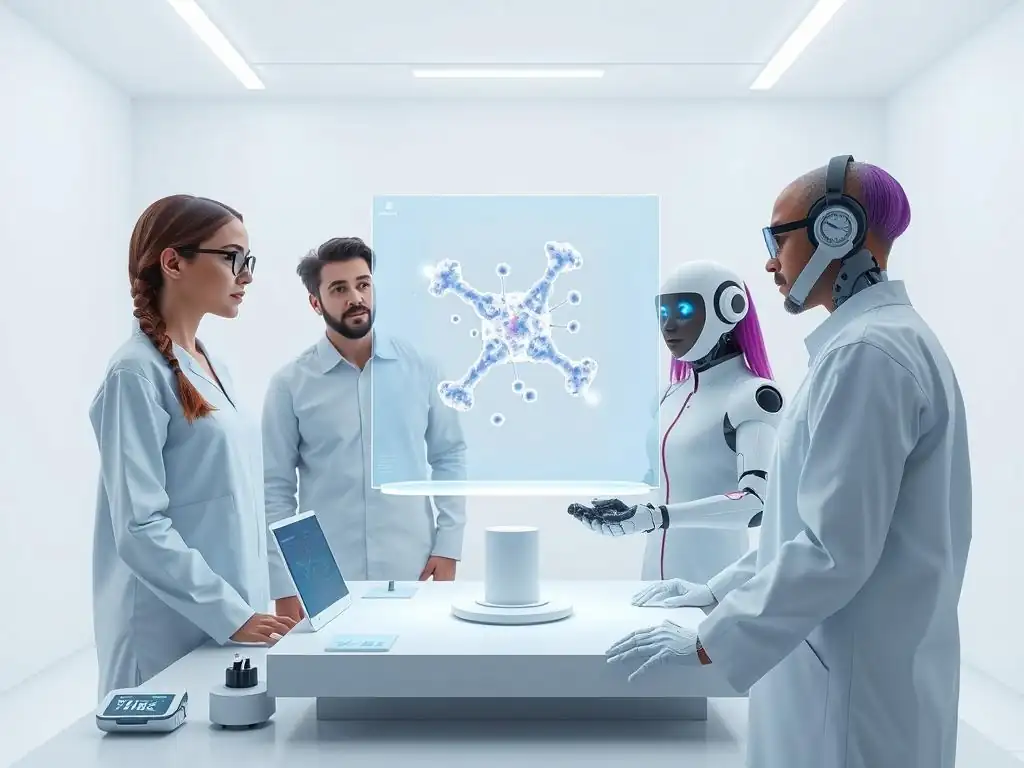
Decentralized metaverse environments are transforming collaborative research and innovation by providing virtual labs and shared workspaces for scientists and researchers across geographical boundaries. Imagine researchers from different universities collaborating on a complex scientific experiment in a virtual lab within the metaverse, manipulating virtual instruments, sharing data in real-time, and visualizing results in 3D. This virtual collaboration can accelerate research progress, reduce costs associated with physical labs, and foster interdisciplinary collaboration.
Decentralized platforms can also facilitate the sharing of research data and findings in a transparent and secure manner using blockchain technology. Virtual conferences and workshops can be hosted within the metaverse, allowing researchers to present their work, network with colleagues, and engage in discussions in an immersive and interactive environment. The potential for decentralized metaverse learning environments to revolutionize scientific research and innovation by fostering collaboration and accessibility is significant.
Decentraland's Education District: Fostering Community-Driven Learning
Decentraland, a prominent decentralized metaverse platform, showcases the real-world application of decentralized metaverse learning environments through its Education District. This district is a user-created and community-driven space dedicated to education and knowledge sharing. Various organizations and individuals have established virtual spaces within the Education District, offering a diverse range of learning experiences, from virtual classrooms and interactive exhibits to language learning centers and skill-building workshops.
The Decentraland Education District exemplifies the potential of decentralized metaverses to empower communities to create and manage their own educational spaces and resources. It demonstrates how individuals and organizations can leverage the decentralized nature of the metaverse to offer accessible, engaging, and community-driven learning opportunities. While still in its early stages, the Education District serves as a compelling example of the practical application of decentralized metaverse learning environments and its potential to shape the future of education.
Addressing the Challenges of Decentralized Metaverse Education
Technical Barriers: Accessibility and Infrastructure Requirements
Despite the immense potential, decentralized metaverse education faces several technical barriers, primarily concerning accessibility and infrastructure requirements. Access to VR/AR headsets and high-speed internet remains a significant hurdle for widespread adoption, particularly in developing countries and underserved communities. The cost of VR/AR hardware can be prohibitive for many individuals and institutions, creating a digital divide in access to decentralized metaverse learning environments.
Furthermore, the computational demands of rendering complex virtual environments and supporting real-time interactions require robust internet infrastructure and powerful computing devices. Many regions lack the necessary infrastructure to support seamless metaverse experiences, limiting the accessibility of decentralized metaverse education. Addressing these technical barriers requires ongoing efforts to reduce the cost of VR/AR hardware, improve internet infrastructure globally, and optimize metaverse platforms for lower-bandwidth environments. Bridging this digital divide is crucial for ensuring equitable access to decentralized metaverse learning opportunities.
Content Creation and Curriculum Development for Metaverse Learning
Creating high-quality educational content and developing effective curricula for decentralized metaverse learning environments presents a significant challenge. Traditional educational content often relies on text-based or video-based formats, which may not be well-suited for the immersive and interactive nature of metaverses. Developing engaging and pedagogically sound learning experiences in the metaverse requires new approaches to content creation and curriculum design.
Educators and content creators need to learn new skills in 3D modeling, virtual world design, and interactive storytelling to create compelling metaverse learning experiences. Furthermore, pedagogical frameworks and best practices for metaverse education are still evolving. Research and development are needed to explore effective teaching methodologies, assessment strategies, and curriculum structures for decentralized metaverse learning environments. Addressing these challenges requires collaboration between educators, technologists, and content creators to develop innovative and effective metaverse-based learning content and curricula.
Security and Privacy Concerns in Decentralized Educational Platforms
Security and privacy concerns are paramount in decentralized educational platforms, particularly when dealing with sensitive student data and educational credentials. While blockchain technology offers enhanced security and transparency, decentralized systems are not immune to security risks. Data breaches, smart contract vulnerabilities, and identity theft are potential threats that need to be addressed to ensure the security and privacy of decentralized metaverse learning environments.
Robust security protocols, data encryption, and secure identity management systems are crucial for protecting student data and preventing unauthorized access. Furthermore, clear privacy policies and data governance frameworks are needed to ensure transparency and user control over personal information within decentralized educational platforms. Addressing these security and privacy concerns is essential for building trust and fostering the widespread adoption of decentralized metaverse education.
Economic Sustainability and Funding Models for Metaverse Education
Ensuring the economic sustainability and developing viable funding models for metaverse education is a critical challenge. Developing and maintaining decentralized metaverse learning environments requires significant investment in technology infrastructure, content creation, and platform development. Traditional funding models for education, such as government funding and tuition fees, may not be directly applicable to decentralized metaverse education.
Exploring alternative funding models, such as tokenized incentive systems, micro-transactions for educational content, and decentralized grants, is crucial for ensuring the long-term sustainability of metaverse education. Furthermore, developing business models that incentivize content creators and educators to contribute to decentralized learning platforms is essential for fostering a vibrant and self-sustaining ecosystem. Addressing the economic sustainability challenge requires innovative funding models and business strategies tailored to the unique characteristics of decentralized metaverse education.
Addressing Digital Literacy and the Digital Divide
Beyond technical infrastructure, addressing digital literacy and the broader digital divide is essential for realizing the full potential of decentralized metaverse education. Effective participation in decentralized metaverse learning environments requires a certain level of digital literacy, including basic computer skills, internet navigation, and familiarity with virtual environments. Many individuals, particularly in older generations and underserved communities, may lack these essential digital skills.
Bridging the digital literacy gap requires targeted training programs and educational initiatives to equip individuals with the necessary skills to navigate and benefit from decentralized metaverse education. Furthermore, addressing the broader digital divide, which encompasses access to technology, internet connectivity, and digital literacy, is crucial for ensuring equitable access to decentralized metaverse learning opportunities. Efforts to promote digital inclusion and enhance digital literacy are essential for maximizing the societal impact of decentralized metaverse education.
The Future of Education in Decentralized Metaverses
The Role of NFTs and Tokenization in Education
Non-Fungible Tokens (NFTs) and tokenization are poised to play a transformative role in the future of education within decentralized metaverses. NFTs can be used to represent and verify educational credentials, such as diplomas, certifications, and badges, providing tamper-proof and easily verifiable proof of academic achievements. Imagine a digital diploma stored as an NFT on the blockchain, instantly verifiable by employers and educational institutions worldwide, eliminating the need for traditional paper-based diplomas and transcripts.
Tokenization can also be used to incentivize learning and participation in decentralized metaverse education. Students could earn tokens for completing courses, contributing to learning communities, or demonstrating mastery of skills. These tokens could then be used to access premium educational content, unlock new features within the metaverse, or even be exchanged for real-world value, creating a powerful motivation loop. Furthermore, tokens can be used to reward educators and content creators for their contributions to the decentralized learning ecosystem, fostering a vibrant and self-sustaining educational marketplace within the metaverse.
Decentralized Autonomous Organizations (DAOs) for Educational Governance
Decentralized Autonomous Organizations (DAOs) offer a novel approach to governance in decentralized metaverse education. DAOs are community-governed organizations that operate based on rules encoded in smart contracts on the blockchain. In the context of education, DAOs could be used to govern decentralized learning platforms, educational institutions within the metaverse, or even specific courses and learning communities.
DAOs can empower students, educators, and other stakeholders to participate in the decision-making processes that shape their learning experiences. Decisions regarding curriculum development, platform upgrades, resource allocation, and dispute resolution could be made through community voting within a DAO, ensuring transparency and democratic governance. DAOs have the potential to revolutionize educational governance, moving away from centralized, hierarchical structures towards more participatory and community-driven models within decentralized metaverse learning environments.
Interoperability and the Development of a Unified Educational Metaverse
Interoperability is crucial for the long-term success and widespread adoption of decentralized metaverse education. Currently, different metaverse platforms operate in silos, with limited interoperability between them. For decentralized metaverse education to truly flourish, there needs to be greater interoperability, allowing students, educators, and educational content to seamlessly move between different metaverse platforms.
Imagine a student earning a certificate in one metaverse platform and being able to use that credential to enroll in courses or access resources in another metaverse platform. Or educators being able to create educational content that can be easily deployed and accessed across multiple metaverse platforms. Developing open standards and protocols for interoperability is essential for creating a unified educational metaverse, fostering a more connected and accessible learning ecosystem. This interoperability will unlock the full potential of decentralized metaverse learning environments.
Prediction: Personalized AI Tutors Integrated into Metaverse Learning
Looking ahead, the integration of personalized AI tutors into decentralized metaverse learning environments is a highly probable and transformative development. AI tutors can provide personalized learning support to students within the metaverse, adapting to their individual learning styles, paces, and needs. Imagine a virtual AI tutor guiding a student through a complex physics problem in a metaverse simulation, providing real-time feedback, offering hints, and adjusting the difficulty level based on the student's progress.
AI tutors can also provide personalized learning recommendations, curate relevant educational resources, and track student progress over time, offering data-driven insights to both students and educators. The combination of immersive metaverse environments and personalized AI tutoring has the potential to create highly effective and engaging learning experiences, catering to individual student needs at scale. This integration of AI-powered personalized learning within decentralized metaverses represents a significant step towards the future of education.
Conclusion: Embracing the Potential of Decentralized Metaverse Learning Environments
The Transformative Power of Immersive and Decentralized Education
Decentralized metaverse learning environments hold transformative power for the future of education. By combining the immersive capabilities of metaverses with the decentralized principles of blockchain technology, these platforms offer a unique opportunity to revolutionize how we learn and acquire knowledge. They promise to enhance engagement, personalize learning paths, increase accessibility, foster collaboration, and unlock new possibilities for experiential learning.
The shift towards decentralized metaverse learning environments is not just a technological advancement; it is a paradigm shift that empowers learners, educators, and communities. It represents a move towards more democratic, accessible, and engaging educational experiences, breaking down geographical barriers and fostering a global community of learners. The potential to reshape education as we know it is immense, promising a future where learning is more immersive, personalized, and accessible to all.
Moving Forward: Developing and Implementing Effective Metaverse Learning Strategies
Realizing the full potential of decentralized metaverse learning environments requires a concerted effort to develop and implement effective learning strategies. This includes investing in research and development to explore best practices in metaverse pedagogy, content creation, and curriculum design. Educators need to be trained in metaverse teaching methodologies, and content creators need to develop engaging and pedagogically sound metaverse learning materials.
Furthermore, addressing the technical challenges, such as accessibility, infrastructure requirements, security, and privacy, is crucial for widespread adoption. Collaboration between educators, technologists, policymakers, and industry stakeholders is essential to create a robust and sustainable ecosystem for decentralized metaverse education. Moving forward requires a proactive and collaborative approach to harness the transformative power of decentralized metaverse learning environments effectively.
Decentralized Metaverses: Shaping the Future of Lifelong Learning
Decentralized metaverses are not just shaping the future of formal education; they are also poised to revolutionize lifelong learning. The accessibility, engagement, and personalized nature of metaverse learning environments make them ideal platforms for continuous skill development, professional upskilling, and personal enrichment throughout life. Individuals can access a vast library of learning resources, participate in virtual workshops and courses, and connect with mentors and communities of practice within decentralized metaverses, regardless of their age, location, or background.
Decentralized metaverse learning environments can empower individuals to take control of their lifelong learning journeys, fostering a culture of continuous learning and adaptation in a rapidly changing world. As technology continues to evolve and the metaverse becomes more integrated into our lives, decentralized metaverse learning environments will play an increasingly vital role in shaping the future of lifelong learning, ensuring that education remains accessible, engaging, and relevant for everyone throughout their lives.
Frequently Asked Questions
What are decentralized metaverse learning environments and how do they differ from traditional online learning?
Decentralized metaverse learning environments utilize blockchain technology to create immersive and user-owned educational experiences. Unlike traditional online learning, they offer greater control and ownership to learners and educators.
How can blockchain enhance the security and transparency of educational credentials in a metaverse learning environment?
Blockchain provides an immutable and verifiable record of academic achievements. This enhances trust and prevents fraud by securing credentials and making them easily verifiable by employers or institutions.
What are some potential challenges in implementing decentralized metaverse learning environments?
Challenges include scalability issues of blockchain networks, the digital divide limiting access, and the lack of clear regulatory frameworks surrounding decentralized systems.
How can Decentralized Finance (DeFi) be integrated into metaverse learning environments to incentivize participation and achievement?
DeFi can offer innovative funding models for education and reward learner participation. This includes staking mechanisms and token-based rewards for completing courses and contributing to the learning community.
What is the future outlook for decentralized metaverse learning environments and their impact on traditional education?
The future points to increased adoption as technology matures and accessibility improves. Decentralized metaverses can supplement traditional education by providing immersive, engaging, and personalized learning experiences.
Final Reflection: Embracing the Future of Immersive Education
The exploration of decentralized metaverse learning environments reveals a paradigm shift in education, moving beyond traditional constraints to offer unparalleled immersive experiences. This potential for personalized, engaging, and accessible learning is not just a futuristic concept; it's a rapidly evolving reality with the power to reshape how we acquire knowledge and skills. The convergence of blockchain technology, virtual reality, and decentralized governance is creating spaces where learning is no longer confined to textbooks and classrooms, but rather unfolds through interactive exploration and collaborative creation.
The impact of these decentralized metaverse learning environments extends far beyond simply replicating traditional educational models in a virtual space. It's about fostering a sense of ownership, empowering learners to become active participants in their own education, and building communities of knowledge that transcend geographical boundaries. The future of learning is not about passively receiving information, but about actively constructing knowledge through experience and collaboration.
This shift towards learner-centric education has the potential to democratize access to quality learning resources and create a more equitable and inclusive educational landscape.
As we stand on the cusp of this educational revolution, it's crucial to consider the implications and opportunities presented by decentralized metaverse learning environments. What role will you play in shaping this future? How can you leverage these immersive technologies to enhance your own learning journey or contribute to the development of innovative educational experiences for others? The possibilities are vast and the potential for positive impact is immense. Embrace the challenge, explore the possibilities, and let us collectively build a future where learning is truly limitless.
Unlock Your Metaverse Learning Journey!
Thank you for exploring the fascinating potential of decentralized metaverses in education with us. You've gained insights into how immersive environments can revolutionize learning. Now, it's time to take action!
Here are some ways to further explore the future of education in the metaverse:
- Experience it firsthand: Visit a decentralized metaverse platform such as Decentraland or Somnium Space to see how educational content is already being integrated.
- Join the conversation: Share this article with educators and technology enthusiasts to spark discussions about the possibilities of metaverse-based learning.
- Innovate and create: Think about unique skills that could be taught more effectively within immersive environments. What kind of educational experience would you design for the metaverse if resources were unlimited? Share your ideas in the comments below!
Leave a Reply