
Blockchain for Ethical Food Systems: From Farm to Table Transparency

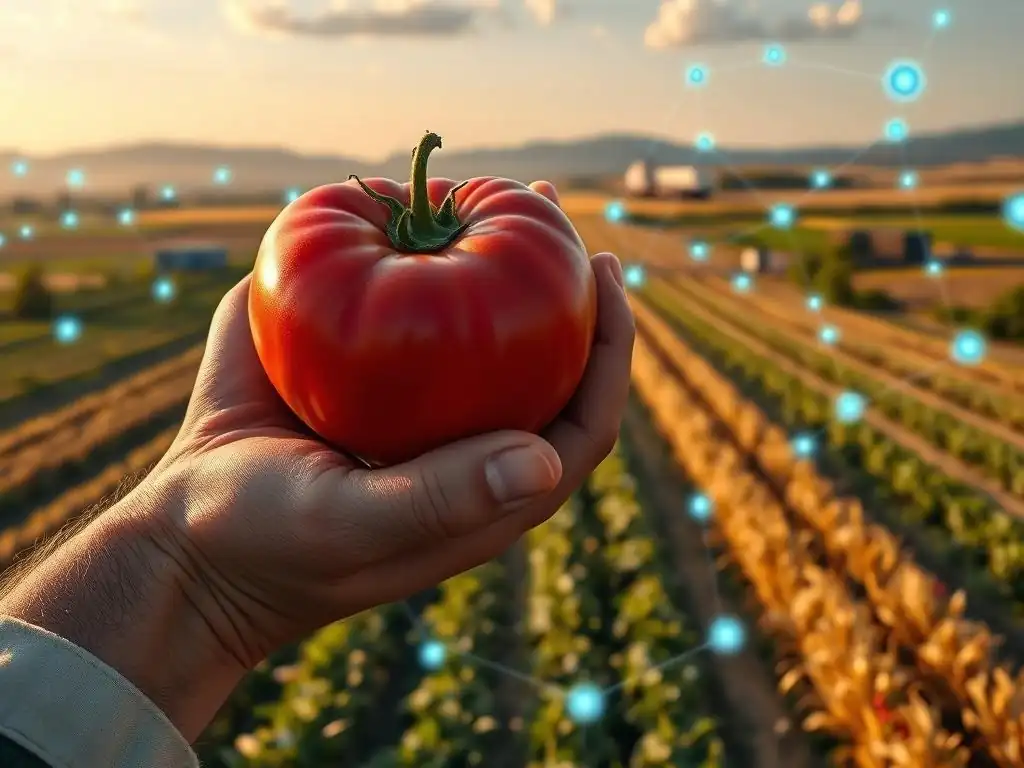
Welcome to Blockchain Trends, your guide to understanding the revolutionary power of blockchain technology beyond the hype.
Ever wondered how blockchain can ensure the authenticity and ethical sourcing of your food? Dive into our exploration of blockchain food supply transparency and discover how this technology is transforming our food systems, creating unprecedented visibility from farm to table. Learn how decentralized solutions are building trust and accountability in an industry ripe for disruption, and begin to unravel the future of ethical and sustainable food production.
Blockchain for Ethical Food Systems: From Farm to Table Transparency
- Introduction: The Need for Transparency in Food Supply Chains
- Understanding Blockchain and its Application to Food Systems
- Blockchain Solutions for Enhanced Food Supply Transparency
- Implementing Blockchain for Ethical Food Sourcing
- Overcoming Challenges in Blockchain Adoption for Food Systems
- The Future of Blockchain in Food: Trends and Predictions
- Conclusion: Blockchain as a Catalyst for a More Ethical and Transparent Food System
-
Frequently Asked Questions
- What role does blockchain play in enhancing food supply chain transparency?
- How can blockchain technology improve food safety and reduce foodborne illnesses?
- What are the benefits for consumers when blockchain is used for food tracking?
- What are some challenges in implementing blockchain for food supply chains?
- How does blockchain contribute to ethical and sustainable food systems?
- Final Reflection: Cultivating Trust Through Transparency
- Empower Your Plate: Cultivate a More Ethical Food Future!
Introduction: The Need for Transparency in Food Supply Chains
The Growing Consumer Demand for Ethical and Sustainable Food
Consumers today are increasingly conscious of the origin, production methods, and ethical implications of the food they purchase. Global surveys consistently show a rising preference for products that are sustainable, ethically sourced, and transparent about their journey from farm to table. For instance, a 2023 report indicated that over 70% of consumers in developed markets consider sustainability or ethical sourcing as important factors in their food purchasing decisions.
This demand extends beyond environmental impact to include fair labor practices, animal welfare, and the economic viability of farmers. This shift in consumer behavior puts pressure on food companies to provide verifiable information about their supply chains, driving the need for enhanced blockchain food supply transparency.
This heightened awareness is fueled by increased access to information and concerns about global issues such as climate change, social inequality, and public health crises. Consumers want to trust that the food they eat is not contributing to deforestation, exploitation of workers, or the spread of foodborne illnesses.
They are often willing to pay a premium for products that can demonstrate these attributes credibly. This growing segment of the market is actively seeking brands that align with their values, making blockchain food supply transparency not just a matter of compliance or risk management, but a significant market opportunity for companies that can effectively communicate their ethical sourcing and sustainability efforts.
Challenges in Current Food Supply Chain Transparency
Despite the growing demand, achieving true transparency in complex global food supply chains remains a significant challenge. Traditional paper-based tracking systems are prone to errors, delays, and intentional manipulation. Information is often siloed between different stakeholders—farmers, processors, distributors, retailers—making it difficult to gain an end-to-end view of a product's journey.
This lack of interconnected data makes it hard to quickly identify the source of contamination during a food safety scare or verify claims about a product's ethical attributes, such as organic certification or fair trade status. The opacity inherent in these systems allows for food fraud, mislabeling, and unethical practices to persist undetected.
Furthermore, the sheer number of intermediaries involved in moving food from origin to consumer adds layers of complexity. Each handover represents a potential point where information can be lost, altered, or become inconsistent. This fragmented data landscape hinders effective recall management, leading to larger and more costly recalls than necessary.
It also erodes consumer trust, as companies struggle to provide definitive proof for their sustainability or ethical claims. The current state of food supply chains lacks a single, reliable source of truth accessible to all relevant parties, highlighting the urgent need for disruptive technologies that can build trust and enhance blockchain food supply transparency.
How Blockchain Technology Can Revolutionize Food Traceability
Blockchain technology offers a fundamentally new approach to tracking and managing information within food supply chains, promising to revolutionize transparency and build trust. By creating a distributed, immutable ledger, blockchain can record every transaction and event in a product's journey—from the initial harvest or production on the farm, through processing, packaging, transportation, and finally to the retail shelf. Each step is recorded as a block of data, linked chronologically to the previous one, forming a chain that is incredibly difficult to alter retroactively without detection. This inherent security and transparency address many of the shortcomings of traditional systems.
Implementing blockchain food supply transparency allows stakeholders, with appropriate permissions, to access a shared, tamper-evident history of a food item. This means regulators can more quickly trace the origin of a contaminated product, consumers can verify ethical claims by scanning a QR code, and companies can gain unprecedented visibility into their supply chain operations.
The technology facilitates the creation of a single, trusted source of information that benefits everyone involved, from improving food safety and reducing waste to enabling credible ethical sourcing and empowering consumers with knowledge. It shifts the paradigm from fragmented, opaque systems to a connected, transparent ecosystem.
Understanding Blockchain and its Application to Food Systems
What is Blockchain and How Does it Work?
At its core, a blockchain is a type of distributed ledger technology (DLT) that records transactions across a network of computers. Instead of storing data in a single, centralized database, copies of the ledger are maintained and updated simultaneously on multiple nodes within the network. When a new transaction occurs, it is bundled with other transactions into a "block."
This block is then verified by the network participants using consensus mechanisms. Once verified, the block is added to the end of the chain of previous blocks using cryptographic hashes. Each new block contains a hash of the previous block, creating a secure, chronological link that makes it extremely difficult to tamper with any data already recorded on the chain.
This distributed and cryptographic nature provides key properties: immutability (data, once recorded, is nearly impossible to change), transparency (transactions are visible to network participants, though identities can be pseudonymized), and security (data is protected by cryptography and distributed across the network). These properties make blockchain ideal for creating a trusted record of events in complex systems like food supply chains.
For example, recording the temperature of a shipment, the date of harvest, or the location of processing on a blockchain creates a verifiable history that all approved parties can access and trust, forming the foundation for reliable blockchain food supply transparency.
Key Benefits of Blockchain in the Food Industry
Blockchain technology offers a suite of compelling benefits for the food industry, directly addressing critical pain points related to trust, safety, efficiency, and consumer engagement. Its ability to create a shared, immutable record of transactions and events provides a level of visibility and accountability previously unattainable. This enhanced transparency not only helps companies meet regulatory requirements and consumer demands but also unlocks operational efficiencies and builds stronger relationships across the supply chain. The implementation of blockchain food supply transparency fundamentally changes how food products are tracked and verified.
From improving the speed and accuracy of recalls to enabling credible marketing of sustainable and ethical products, the advantages are multifaceted. Companies can gain deeper insights into their operations, reduce risks associated with fraud and contamination, and ultimately deliver higher-quality, safer food to consumers. These benefits collectively contribute to a more resilient, trustworthy, and sustainable food system, demonstrating the transformative potential of applying distributed ledger technology to this vital sector.
Enhanced Traceability and Provenance Tracking
One of the most significant benefits of blockchain in the food industry is its capacity for enhanced traceability and provenance tracking. By recording each point a food item touches—from farm to processing plant, distribution center, retailer, and even potentially the consumer—a complete, immutable history is created. This allows stakeholders to trace a product back to its origin with high precision and speed.
For example, if a batch of lettuce is linked to a foodborne illness outbreak, authorities and companies can use the blockchain record to pinpoint exactly which farms supplied that batch, which processing facilities handled it, and which stores received it. This granular traceability is far more efficient than traditional methods, which might involve sifting through stacks of paper records across multiple companies.
This level of detail not only helps in identifying the source of problems but also in verifying the origin and journey of premium or specialty products. Consumers are willing to pay more for products with verified geographical origin (e.g., Champagne from France, specific coffee beans from a particular region) or specific production methods (e.g., grass-fed beef, organic produce). Blockchain provides a credible way to prove these claims, building consumer trust and supporting premium pricing strategies. The ability to demonstrate clear and verifiable blockchain food supply transparency adds significant value to brands.
Improved Food Safety and Quality Control
Blockchain plays a crucial role in improving food safety and quality control by providing a reliable platform for recording and verifying critical data points throughout the supply chain. Information such as temperature logs during transportation, handling procedures at processing plants, and inspection results can be recorded on the blockchain. This ensures that quality standards are met at each stage and provides an auditable trail. If a product requires refrigeration, the blockchain can store immutable records from IoT sensors showing that the required temperature range was maintained throughout transit, providing assurance of quality and safety.
In the event of a food safety incident, such as contamination or an allergen issue, the enhanced traceability allows for rapid and targeted recalls. Instead of recalling vast quantities of product that might only be tangentially related, companies can use the blockchain data to identify the exact affected batches and locations, significantly reducing the scope, cost, and public health impact of recalls.
For instance, a major retailer using blockchain reduced the time to trace a product from days or weeks down to mere seconds. This speed is critical in preventing further illness and protecting public health, showcasing a tangible benefit of blockchain food supply transparency.
Increased Efficiency and Reduced Waste
The increased visibility and data accuracy provided by blockchain technology lead to significant operational efficiencies and a reduction in waste within the food supply chain. Better tracking of inventory, expiry dates, and product movement helps minimize spoilage and optimize logistics. Real-time data on product location and condition allows companies to manage their supply chain more proactively, rerouting shipments if necessary or identifying potential issues before they result in lost product.
Furthermore, automating processes using smart contracts, which are self-executing contracts with the terms of the agreement directly written into code, can streamline transactions and reduce administrative overhead. For example, payment to a farmer could be automatically released via a smart contract once a shipment of produce is verified as received and meeting quality standards on the blockchain. This reduces delays, paperwork, and disputes, leading to a more efficient and less wasteful supply chain. This optimization is a direct result of the improved data flow and trust enabled by blockchain food supply transparency.
Empowered Consumers with Access to Information
Perhaps one of the most impactful benefits of blockchain in the food industry is the empowerment of consumers through direct access to verifiable information about the food they buy. By scanning a QR code on product packaging, consumers can potentially access a wealth of data stored on the blockchain, including the product's origin, harvest date, processing history, transportation route, certifications (like organic or fair trade), and even stories about the farmers who produced it. This level of transparency allows consumers to make more informed purchasing decisions based on their values and preferences.
This direct connection fosters trust between consumers and brands. When companies can credibly back up their claims about sustainability, ethical sourcing, or quality with immutable blockchain data, they build stronger relationships with their customers. This not only enhances brand loyalty but also drives market demand for products that demonstrate high levels of blockchain food supply transparency. Empowered consumers become advocates for more responsible and ethical practices throughout the food system.
Blockchain Solutions for Enhanced Food Supply Transparency
Case Study: IBM Food Trust
IBM Food Trust is a prominent example of a blockchain-based solution designed specifically to enhance food supply chain transparency and efficiency. Launched in 2018, it is a permissioned blockchain network built on the Hyperledger Fabric framework. It connects growers, processors, wholesalers, distributors, manufacturers, retailers, and others through a shared, permissioned record of food origin, journey, and status. Participants contribute data about their part of the supply chain, creating an end-to-end view that was previously impossible. Major retailers like Walmart and Carrefour, along with numerous suppliers, have joined the network to improve traceability and food safety.
The platform allows participants to upload data such as harvest dates, packaging information, shipping details, temperature data, and even audit certificates. This data is then cryptographically secured and shared with network members based on defined permissions. For example, a retailer might be able to see the entire history of a product, while a farmer might only see information related to their harvest and subsequent handoffs. This selective sharing of data ensures privacy while enabling necessary transparency for specific use cases, demonstrating a practical application of blockchain food supply transparency in a large-scale network.
Implementing Blockchain for Mango Traceability
Walmart's implementation of IBM Food Trust for tracing mangoes is a frequently cited example of the platform's capabilities. Prior to using blockchain, tracing a package of mangoes back to its farm of origin could take days or even weeks, requiring manual collection and review of disparate paper and electronic records from multiple intermediaries. This delay was a significant risk during potential food safety outbreaks.
By implementing the blockchain solution, Walmart and its mango suppliers were able to record key data points on the distributed ledger. This included information from the farm (e.g., location, harvest date), the packer (e.g., packaging date, facility), the distributor (e.g., shipping date, temperature logs), and the retailer (e.g., receiving date, store location).
With this data securely stored on the blockchain, the time required to trace a package of mangoes back to the farm was reduced dramatically, from approximately 7 days to just 2.2 seconds in a pilot test. This incredible improvement highlights the power of blockchain food supply transparency in critical situations.
Benefits Realized: Reduced Recall Time and Enhanced Brand Trust
The primary benefit realized in cases like Walmart's mango traceability is the dramatic reduction in the time required for traceback and recall. This speed is paramount in minimizing the impact of foodborne illness outbreaks, potentially saving lives and significantly reducing the financial cost and reputational damage associated with large-scale recalls. By quickly identifying the affected products and their distribution points, companies can issue more targeted recalls, avoiding the need to pull vast amounts of safe product from shelves.
Beyond safety, the ability to provide verifiable provenance information enhances brand trust. Consumers gain confidence in the product's origin and journey when companies can back up their claims with immutable blockchain data. This transparency builds loyalty and differentiates brands that invest in traceable, ethical supply chains. The success stories from early adopters like Walmart and Carrefour demonstrate the tangible benefits of implementing blockchain food supply transparency for both operational efficiency and consumer confidence.
Different Types of Blockchain Platforms for Food Supply Chains
When considering implementing blockchain for food supply chains, organizations must evaluate different types of blockchain platforms, as the choice impacts factors like data privacy, accessibility, and scalability. The main distinction lies between public and private blockchains, and within those, whether they are permissioned or permissionless. Each type offers different characteristics suited for varying needs within the complex food ecosystem, influencing how blockchain food supply transparency is achieved and managed.
The specific requirements of a food supply chain—such as the need to share sensitive business data among partners, comply with regulations, and ensure data integrity without exposing all information publicly—often lead companies towards certain types of platforms. Understanding the trade-offs between these models is essential for selecting the most appropriate blockchain solution that aligns with the organization's goals for transparency, security, and collaboration across the supply chain.
Public vs. Private Blockchains: Choosing the Right Solution
Public blockchains, like Bitcoin or Ethereum, are open networks where anyone can join, participate in the consensus mechanism, and typically view all transactions on the ledger. They are decentralized and highly resistant to censorship but may not be suitable for enterprise food supply chains where sensitive business data (e.g., pricing, supplier agreements) needs to be kept confidential among participants. The high volume of transactions and the need for rapid consensus in a food supply chain can also be a challenge on some public blockchains due to scalability limitations and transaction costs (gas fees).
Private blockchains, on the other hand, are closed networks where participation is restricted to known entities (e.g., the members of a specific supply chain consortium). A single organization or a consortium of organizations controls who can join the network and participate in validating transactions. While more centralized than public blockchains, they offer greater control over data privacy, higher transaction speeds, and lower costs. For most enterprise food supply chain applications requiring controlled data sharing among business partners, private or consortium-based blockchains are generally preferred for achieving managed blockchain food supply transparency.
Permissioned vs. Permissionless Ledgers: Considerations for Data Security
Permissionless ledgers, typical of public blockchains, allow anyone to read data and participate in validation. While this offers maximum transparency and decentralization, it means sensitive supply chain data would potentially be visible to anyone, which is often not feasible for businesses.
Permissioned ledgers, used in private or consortium blockchains, restrict who can access data and who can participate in network activities (like validating transactions). Participants require permission to join the network and are often assigned specific roles that determine what data they can view or contribute. This model is well-suited for food supply chains where different stakeholders need to share specific, but not necessarily all, information.
For example, a regulator might have permission to view all safety-related data, while a retailer only sees data relevant to the products they receive. This controlled access is critical for maintaining data security and privacy while still enabling targeted blockchain food supply transparency among authorized parties. Hyperledger Fabric and R3 Corda are examples of permissioned blockchain frameworks often used for enterprise supply chain solutions.
Key Features of a Blockchain-Based Food Tracking System
An effective blockchain-based system for enhancing food supply transparency incorporates several key features that leverage the inherent strengths of the technology. These features work together to create a robust, secure, and efficient platform for tracking food products from origin to consumption. The successful implementation of these elements is crucial for delivering on the promise of verifiable and trustworthy information within the food ecosystem, thereby maximizing blockchain food supply transparency.
These features go beyond simply recording data; they enable automation, ensure data integrity, and integrate with other technologies to provide a comprehensive view of the supply chain. Understanding these core components is vital for anyone looking to develop or adopt a blockchain solution for food traceability and ethical sourcing.
Immutable Records for Enhanced Trust
The fundamental feature of a blockchain-based food tracking system is the creation of immutable records. Once data about a transaction or event—such as a product being harvested, processed, or shipped—is added to the blockchain, it is nearly impossible to alter or delete without detection. This is due to the cryptographic linking of blocks; changing data in an old block would require re-calculating the hashes of that block and every subsequent block, a computationally infeasible task on a distributed network.
This immutability is critical for building trust among supply chain partners and with consumers. It ensures that the history of a food product, including its origin, handling, and certifications, is accurate and tamper-evident. Unlike traditional databases where records can be easily modified, the blockchain provides a single, verifiable source of truth that all parties can rely on. This guarantee of data integrity is the bedrock upon which effective blockchain food supply transparency is built.
Smart Contracts for Automated Processes
Smart contracts are self-executing programs stored on the blockchain that automatically carry out the terms of an agreement when predefined conditions are met. In a food supply chain context, smart contracts can automate various processes, reducing the need for manual intervention, paperwork, and intermediaries. For example, a smart contract could be programmed to automatically trigger payment to a farmer once a shipment of produce arrives at a distribution center and its quality is verified on the blockchain.
Other potential uses include automating regulatory compliance checks, managing inventory levels based on real-time data, or triggering alerts if temperature deviations occur during transit. Smart contracts increase efficiency, reduce the risk of errors or disputes, and ensure that agreements are executed reliably and transparently. Their use streamlines operations and adds another layer of automation and trust to the system, enhancing the overall efficiency of blockchain food supply transparency initiatives.
IoT Integration for Real-Time Data Collection
Integrating Internet of Things (IoT) devices, such as sensors for temperature, humidity, and location, with a blockchain platform allows for the automated collection of real-time data directly from the physical world. These sensors can be placed in shipping containers, warehouses, or even on individual product pallets to monitor conditions throughout the supply chain journey. The data collected by these sensors can be automatically written to the blockchain, creating an immutable and verifiable record of environmental conditions and location at every step.
This real-time, verifiable data is invaluable for maintaining product quality and safety, especially for perishable goods. If a shipment of frozen food experiences a temperature excursion above a critical threshold, the IoT sensor detects it, and the data is immediately recorded on the blockchain. This allows for prompt action—either diverting the shipment, notifying relevant parties, or triggering an automated process via a smart contract. IoT integration provides the granular, verifiable data necessary to power robust blockchain food supply transparency and proactive supply chain management.
Implementing Blockchain for Ethical Food Sourcing
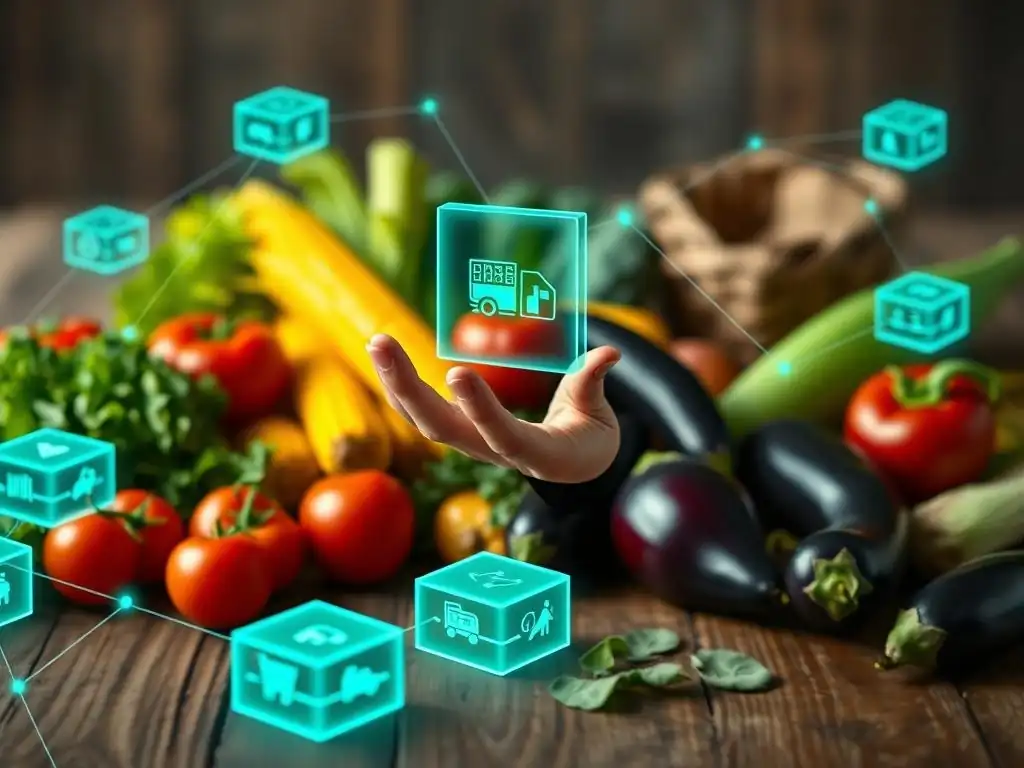
Verifying Ethical Claims with Blockchain Technology
Beyond tracking the physical movement of food, blockchain technology is a powerful tool for verifying and demonstrating ethical claims made by food producers and companies. Claims related to fair labor practices, sustainable farming methods, and animal welfare can be notoriously difficult for consumers to verify. Blockchain provides a mechanism to record and make auditable the data points that support these claims, building trust and credibility for ethical sourcing initiatives. By linking certifications, audit reports, and specific practice records to the blockchain, companies can offer verifiable proof of their commitments, significantly boosting blockchain food supply transparency regarding ethical practices.
This capability is particularly valuable in combating "greenwashing" or misleading ethical marketing. Consumers are increasingly skeptical of unsubstantiated claims. A blockchain-based system allows them to potentially scan a product and see an immutable record of its ethical journey, providing confidence that the product aligns with their values.
Fair Trade Practices and Blockchain
Verifying fair trade practices throughout a complex supply chain, especially for commodities like coffee, cocoa, or tea, can be challenging. Blockchain can help by creating a transparent record of transactions between buyers and producers, including payment amounts and dates. Farmers or cooperatives can record their produce deliveries on the blockchain, and buyers can record their payments. Smart contracts can be used to ensure that fair trade premiums are paid directly and transparently to the intended recipients.
For example, a pilot program in the coffee industry used blockchain to track coffee beans from farmers in Colombia to roasters and consumers. By recording each transaction and payment on the ledger, the system provided verifiable proof that farmers received a fair price for their beans, including the fair trade premium. This level of transparency builds trust with both the farmers and the end consumers, providing credible evidence of fair labor practices and demonstrating tangible blockchain food supply transparency in the fair trade value chain.
Organic Certification and Blockchain Verification
Organic certification involves adhering to strict standards regarding farming methods, soil quality, pest control, and the absence of synthetic inputs. Maintaining and verifying this certification across multiple stages of the supply chain is complex. Blockchain can streamline this process by providing an immutable record of compliance data. Farmers can record the use of approved organic inputs, soil testing results, and inspection dates on the blockchain. Processors and handlers can record their certified organic handling procedures.
When a product moves through the supply chain, its organic status can be verified by checking the blockchain record, which is linked to the specific batch or lot. This makes it harder for non-organic products to be fraudulently labeled as organic at any point in the chain. It also provides regulators and consumers with a reliable way to audit and trust the organic claim, reinforcing blockchain food supply transparency specifically for certified products. Several initiatives are exploring how to link digital organic certificates to blockchain records for enhanced verification.
Combating Food Fraud and Counterfeiting
Food fraud, which includes intentional adulteration, mislabeling, and counterfeiting, is a significant global problem estimated to cost the industry billions of dollars annually. It poses serious public health risks and erodes consumer trust. Blockchain's immutable ledger and enhanced traceability are powerful tools in combating food fraud. By creating a secure, verifiable history of a product from its origin, blockchain makes it extremely difficult to introduce counterfeit or adulterated products into the legitimate supply chain undetected.
If a product's blockchain record indicates it originated from a specific farm and followed a documented path, any product claiming the same identity but lacking that verifiable blockchain history can be flagged as potentially fraudulent. For high-value products like olive oil, honey, or seafood, blockchain can provide a digital identity linked to the physical product (e.g., via QR codes or tamper-evident tags) that consumers or authorities can scan to verify authenticity. This capability directly enhances blockchain food supply transparency and security, making it much harder for fraudsters to operate.
Tracking Food Miles and Reducing Carbon Footprint with Blockchain
Understanding and reducing the environmental impact of food transportation—often referred to as "food miles"—is a key aspect of sustainable food systems. Tracking the exact journey of a food product from its origin to its final destination allows for the calculation of the distance traveled and associated carbon emissions. Blockchain, integrated with GPS and logistics data, can provide the necessary transparency to accurately track these movements.
By recording each leg of the journey on the blockchain, companies can analyze transportation routes, identify inefficiencies, and work towards optimizing logistics to reduce fuel consumption and emissions. This data can also be shared with consumers, providing verifiable information about the environmental footprint of their food choices. Furthermore, smart contracts could potentially be used to incentivize suppliers who choose more sustainable transportation methods. This application of blockchain food supply transparency contributes directly to environmental sustainability goals within the food sector.
Supporting Smallholder Farmers and Promoting Fair Prices Through Blockchain
Blockchain technology has the potential to empower smallholder farmers, who are often at a disadvantage in complex supply chains due to lack of market access, information asymmetry, and reliance on intermediaries. By providing a direct, transparent record of their produce and sales on the blockchain, farmers can gain more visibility and control over their transactions. This can help them negotiate fairer prices and ensure they receive timely payments.
Platforms are being developed that allow farmers to record their harvests and sell directly or through more transparent cooperatives using blockchain. The immutable ledger provides a verifiable record of their production, which can help build trust with buyers and potentially access financing. Smart contracts can automate payments, ensuring farmers receive their share promptly and transparently. This application of blockchain food supply transparency helps level the playing field and promotes more equitable distribution of value within the food system, directly benefiting producers at the source.
Overcoming Challenges in Blockchain Adoption for Food Systems
Despite the significant potential, the widespread adoption of blockchain technology in food systems faces several notable challenges. These hurdles range from technical complexities and infrastructure requirements to issues of data management, cost, and human factors like awareness and willingness to change. Addressing these challenges is crucial for successfully implementing blockchain food supply transparency on a large scale and realizing its full benefits.
Overcoming these obstacles requires collaborative efforts from technology providers, food industry stakeholders (from farmers to retailers), regulators, and consumers. It involves developing scalable and interoperable solutions, establishing clear data governance standards, demonstrating clear return on investment, and educating participants about the technology's value proposition and practical use.
Scalability and Interoperability Issues
Scalability is a major concern for blockchain networks, especially when dealing with the massive volume of transactions and data generated by the global food supply chain. Public blockchains have faced challenges with transaction speed and capacity. While private and permissioned blockchains offer better performance, ensuring they can handle the data flow from countless individual products and transactions across diverse supply chains remains a technical challenge.
Interoperability is another critical issue. The food industry involves numerous disparate systems and technologies used by different companies (e.g., inventory management, logistics software, quality control databases). For a blockchain solution to be effective, it must be able to seamlessly integrate with these existing systems. Furthermore, different blockchain platforms may need to communicate with each other as products move between different supply chains or consortiums. Developing standards and protocols for interoperability between different blockchain networks and legacy systems is essential for creating a truly connected and transparent food ecosystem enabled by comprehensive blockchain food supply transparency.
Data Privacy and Security Concerns
While blockchain is inherently secure and immutable for data on the chain, concerns exist regarding data privacy and the security of data before it is added to the chain or when it is accessed. In permissioned networks, controlling access to sensitive business data is paramount. Ensuring that only authorized parties can view specific types of information, while maintaining the integrity and transparency required for traceability, requires careful design of the network's permission structure and data architecture.
Furthermore, the accuracy of information on the blockchain is dependent on the quality and integrity of the data entered into the system. The principle of "garbage in, garbage out" applies. If incorrect or fraudulent data is initially recorded, the immutable record will perpetuate that inaccuracy. Ensuring data is accurate at the source, and implementing secure methods for collecting and submitting data (e.g., using verified IoT devices or validated entry points), are critical security considerations. Addressing these issues is vital for maintaining trust in blockchain food supply transparency.
Cost of Implementation and Maintenance
Implementing a blockchain solution for a food supply chain requires a significant initial investment. This includes the cost of software development or platform subscription, hardware upgrades (e.g., for running nodes or integrating IoT devices), system integration with existing infrastructure, and training personnel. For small businesses, particularly farmers or small processors, these costs can be prohibitive, creating a barrier to participation.
Ongoing maintenance costs, including network fees (if applicable), system administration, and updates, also need to be considered. Demonstrating a clear return on investment (ROI) through reduced costs (e.g., faster recalls, less waste), increased revenue (e.g., through premium ethical products), or risk mitigation (e.g., reduced fraud, improved compliance) is essential for driving adoption. Making the technology accessible and affordable for all participants in the supply chain is key to achieving widespread blockchain food supply transparency.
Lack of Awareness and Education
Despite the growing buzz around blockchain, there is still a significant lack of understanding about the technology and its specific applications in the food industry among many stakeholders. Farmers, small producers, and even personnel within larger companies may not fully grasp how blockchain works, what benefits it offers, or how to use a blockchain-based system. This lack of awareness creates resistance to adoption and hinders effective participation.
Educating all participants in the supply chain about the value of blockchain food supply transparency, how the system protects their data, and the simple steps required to contribute information is crucial. Training programs, clear documentation, and user-friendly interfaces are necessary to ensure that everyone, regardless of their technical expertise, can effectively use the platform. Building trust and encouraging participation requires a concerted effort in education and change management across the entire food ecosystem.
The Future of Blockchain in Food: Trends and Predictions
The application of blockchain technology in the food industry is still in its relatively early stages, but several trends and predictions point towards its increasing integration and impact on creating more transparent and ethical food systems. As the technology matures and pilot programs yield tangible results, we can expect to see broader adoption and evolution of blockchain-based solutions. These trends will shape the future of blockchain food supply transparency.
Future developments are likely to focus on enhancing the capabilities of current platforms, expanding their reach across different food categories and geographies, and integrating with other emerging technologies to create even more intelligent and responsive supply chains. The role of consumers and regulatory bodies will also be critical in driving the direction of blockchain adoption in the food sector.
Integration with AI and Machine Learning
A key trend is the integration of blockchain with Artificial Intelligence (AI) and Machine Learning (ML). While blockchain provides the secure, immutable data layer, AI and ML can analyze the vast amounts of data collected on the blockchain to extract valuable insights. For example, AI algorithms can analyze historical blockchain data on temperature logs, transportation routes, and product quality to predict potential spoilage risks or identify inefficiencies in the supply chain.
ML models can also be used to detect anomalies in the data that might indicate potential fraud or quality issues, alerting stakeholders proactively. This combination of technologies creates intelligent, predictive supply chains that go beyond simple tracking. AI/ML analyzing blockchain data can optimize logistics, improve quality control, and provide deeper insights into ethical sourcing practices, enhancing the value derived from blockchain food supply transparency.
Expansion to New Food Categories
Early blockchain applications in food supply chains often focused on high-value products (like seafood, meat, or specific produce) or those with significant safety concerns. However, the technology is expected to expand to a much wider range of food categories, including grains, dairy, processed foods, and even ingredients. As the technology becomes more affordable and scalable, its application will become economically viable for a broader array of products.
This expansion will lead to a more comprehensive and interconnected network of traceable food products. As more parts of the food system adopt blockchain, the benefits of interoperability and network effects will grow, further driving the adoption of blockchain food supply transparency across the entire industry, from staple crops to complex prepared meals.
Increased Consumer Adoption and Engagement
As companies implement blockchain traceability and begin to offer consumers access to provenance data, consumer adoption and engagement with these tools are expected to increase. User-friendly interfaces, such as mobile apps that allow scanning a QR code on packaging, will make it easy for consumers to access information about their food's journey.
Increased consumer demand for transparency will, in turn, pressure more food companies to adopt blockchain solutions. As consumers become more aware of the possibility of accessing detailed, verifiable information about their food, they will increasingly choose brands that provide this level of transparency, making robust blockchain food supply transparency a competitive advantage and eventually a standard expectation.
The Role of Government and Regulatory Bodies
Government agencies and regulatory bodies play a crucial role in driving the adoption of blockchain for food safety and transparency. Regulations requiring enhanced traceability for certain products, or providing guidelines and standards for using blockchain in food supply chains, can accelerate implementation. For example, regulatory bodies could mandate that certain critical data points be recorded on a verifiable distributed ledger.
Furthermore, government support for pilot programs, funding for research and development, and initiatives to build industry consortia can help overcome barriers to adoption. Collaboration between regulatory bodies and the industry is essential to establish trust frameworks and ensure that blockchain systems meet necessary safety and compliance requirements, solidifying the foundation for widespread blockchain food supply transparency.
Conclusion: Blockchain as a Catalyst for a More Ethical and Transparent Food System
The Potential for Blockchain to Transform the Food Industry
Blockchain technology holds immense potential to fundamentally transform the global food industry. By providing a secure, immutable, and shared ledger for tracking food products and related information, it can build trust, enhance safety, improve efficiency, and enable genuine ethical sourcing. The technology moves the industry away from opaque, fragmented systems towards a connected, transparent ecosystem where every participant, from farmer to consumer, has access to verifiable information about the food's journey and attributes. This shift towards comprehensive blockchain food supply transparency is not just an incremental improvement but a foundational change.
The ability to quickly and accurately trace products during recalls, verify ethical and sustainability claims, combat fraud, and empower consumers with information are all significant advancements enabled by blockchain. While challenges remain in terms of scalability, interoperability, cost, and education, ongoing developments and increasing adoption suggest that these hurdles can be overcome. The pilots and implementations already underway demonstrate the tangible benefits that can be achieved, paving the way for broader integration of this transformative technology.
Key Takeaways and Recommendations for Stakeholders
For food industry stakeholders, the key takeaway is that blockchain is no longer just a theoretical concept but a practical tool with proven use cases for enhancing transparency and efficiency. Companies should evaluate how blockchain can address their specific pain points related to traceability, food safety, ethical sourcing, or supply chain management. Starting with pilot programs on specific products or regions can be a valuable way to understand the technology and its benefits.
Recommendations include collaborating with supply chain partners to build consortiums, investing in the necessary infrastructure and training, and focusing on collecting accurate and verifiable data at the source. Technology providers should continue to focus on developing scalable, interoperable, and user-friendly platforms. Consumers should seek out brands that provide transparent information and engage with initiatives that use technology like blockchain to demonstrate ethical and sustainable practices, driving the demand for greater blockchain food supply transparency. Regulators should explore how blockchain can support food safety regulations and establish clear guidelines for its use.
Call to Action: Embracing Blockchain for a Sustainable Food Future
The future of food depends on building systems that are not only safe and efficient but also ethical and sustainable. Blockchain technology offers a powerful catalyst for achieving these goals by creating unprecedented transparency and accountability throughout the supply chain. Embracing blockchain food supply transparency is an investment in a more trustworthy and responsible food future.
Companies that proactively adopt and implement blockchain solutions will be better positioned to meet evolving consumer demands, comply with regulations, mitigate risks, and build stronger brands based on trust and verifiable ethical practices. It's time for the food industry, from farm to table, to explore and adopt blockchain technology, leveraging its power to create a more transparent, ethical, and sustainable food system for everyone.
Frequently Asked Questions
What role does blockchain play in enhancing food supply chain transparency?
Blockchain provides a shared, immutable ledger to track food products from farm to consumer, increasing visibility and reducing fraud. This allows consumers to trace the origin and journey of their food.
How can blockchain technology improve food safety and reduce foodborne illnesses?
By providing a detailed record of each step in the supply chain, blockchain allows for faster identification and isolation of contaminated products, minimizing the impact of recalls.
What are the benefits for consumers when blockchain is used for food tracking?
Consumers gain greater confidence in the authenticity and safety of their food. They can access information about the origin, processing, and transportation history of the products they buy.
What are some challenges in implementing blockchain for food supply chains?
Data standardization, lack of interoperability between different systems, and the cost of implementation can be significant hurdles. Also important is encouraging all participants to adopt the technology.
How does blockchain contribute to ethical and sustainable food systems?
Blockchain can verify that food production adheres to fair labor practices and environmental standards, promoting responsible sourcing and reducing waste throughout the supply chain.
Okay, here's a final reflection designed to close your article "Blockchain for Ethical Food Systems: From Farm to Table Transparency," optimized for the keyword "Blockchain food supply transparency," and following the structure you provided:
Final Reflection: Cultivating Trust Through Transparency
The journey of food from farm to table is often shrouded in mystery, but blockchain food supply transparency offers a powerful solution to build trust and accountability within the system. The insights shared throughout this article demonstrate how this technology is not just a futuristic concept, but a tangible tool being implemented today to address critical issues of food safety, ethical sourcing, and consumer empowerment.
The potential of blockchain to revolutionize food systems extends far beyond simple tracking; it fosters a deeper connection between consumers and producers, allowing us to make more informed and ethical choices. This shift towards transparency is not just a trend, but a fundamental change in how we understand and interact with our food. The future of food is traceability. Consumers want to know where their food comes from, how it was produced, and that it is safe.
- Cathy Burns, CEO of the Produce Marketing Association.
As we look ahead, let us embrace the possibilities that blockchain offers to create a more sustainable and equitable food future. Consider how you, as a consumer, producer, or policymaker, can champion blockchain food supply transparency and contribute to a system where every bite is a step towards a more ethical and responsible world. Let's cultivate a future where trust is not just desired, but guaranteed, through the power of transparent technology.
Empower Your Plate: Cultivate a More Ethical Food Future!
Thank you for exploring how blockchain can revolutionize food transparency with us. You've gained valuable insights into creating a more ethical and sustainable food system, and now it's time to take action!
Here are a few ways you can contribute to a blockchain-powered food future:
- Demand Transparency: Support food brands that utilize blockchain technology to provide verifiable information about their products' origins and journey. Look for certifications and QR codes that allow you to trace your food back to the source.
- Dig Deeper: Research existing blockchain-based food traceability projects and initiatives. Understand the challenges and opportunities involved in implementing these solutions on a larger scale.
- Share the Knowledge: Start conversations about the potential of blockchain for ethical food systems. Share this article with friends, family, and your online networks to raise awareness and inspire others to take action.
Are you ready to use your purchasing power to support a more transparent and ethical food supply chain? What small change will you make in your grocery shopping habits this week?
Leave a Reply