
Blockchain for Digital Identity: A Deep Dive into the Technology

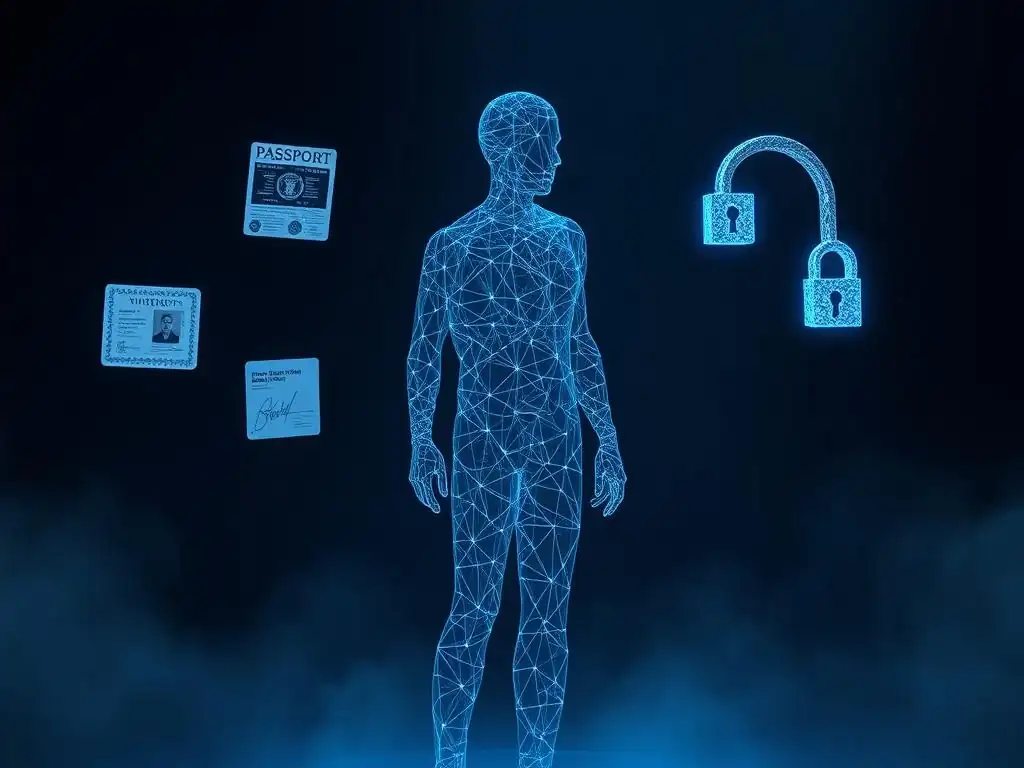
Welcome to Blockchain Trends, your guide to understanding the revolutionary world of blockchain technology. Beyond the hype of cryptocurrencies, discover how blockchain is reshaping industries and redefining possibilities. Intrigued by the potential of decentralized systems? Then delve into our latest article, where we explore the transformative power of blockchain digital identity management solutions and how they're poised to revolutionize how we prove who we are online. Ready to unlock the future of secure and verifiable identities?
Blockchain for Digital Identity: A Deep Dive into the Technology
- Introduction: The Promise of Blockchain in Revolutionizing Digital Identity
- Understanding Blockchain Technology for Identity Solutions
- Blockchain Digital Identity Management Solutions: A Comprehensive Overview
- Use Cases of Blockchain in Digital Identity Management
- Benefits of Blockchain Digital Identity Management Solutions
- Challenges and Limitations of Blockchain-Based Identity Systems
- The Future of Blockchain in Digital Identity
- Implementing Blockchain Digital Identity Management Solutions: A Practical Guide
- Conclusion: Blockchain's Transformative Potential for Digital Identity
-
Frequently Asked Questions
- What is digital identity management and why is it important?
- How can blockchain technology improve digital identity management solutions?
- What are some examples of blockchain-based digital identity solutions?
- What are the potential benefits of using blockchain for digital identity management?
- What are the challenges and limitations of implementing blockchain digital identity management solutions?
- Final Reflection: Embracing Decentralized Trust
- Ignite Your Digital Future: Embrace Blockchain Identity!
Introduction: The Promise of Blockchain in Revolutionizing Digital Identity
The Current Challenges of Traditional Digital Identity Systems
Traditional digital identity systems face numerous significant challenges in today's interconnected world. Centralized databases are prime targets for cyberattacks, leading to massive data breaches that compromise millions of individuals' personal information. For instance, the Equifax breach in 2017 exposed the sensitive data of approximately 147 million people, highlighting the vulnerability of storing vast amounts of identity data in single points of failure.
Users often have little control over their data, which is scattered across countless online services, making it difficult to track how it's used or shared. This fragmentation also leads to repetitive and cumbersome verification processes, such as Know Your Customer (KYC) procedures in finance, which are costly and inefficient for both individuals and institutions.
Furthermore, the current landscape fosters a lack of trust between users and service providers regarding data handling. Identity theft remains a pervasive and costly problem, with millions of cases reported annually. The Federal Trade Commission (FTC) reported over 1.4 million cases of identity theft in the US in 2020, illustrating the scale of the issue. Individuals often rely on usernames and passwords, which are easily compromised, or physical documents that are prone to loss or forgery. These challenges underscore the urgent need for a more secure, private, and user-centric approach to managing digital identities.
Why Blockchain Offers a Solution for Secure Digital Identity Management
Blockchain technology presents a compelling alternative to traditional, centralized identity systems by offering a decentralized, secure, and user-controlled framework. At its core, blockchain is a distributed ledger technology that records transactions across many computers, making it incredibly difficult to alter past entries without the consensus of the network participants.
This inherent immutability and transparency (on public chains) provide a foundation of trust that is often lacking in centralized systems. Unlike traditional models where a single entity holds and manages identity data, blockchain allows identity attributes or pointers to them to be anchored securely on a distributed ledger, putting the individual in control.
The cryptographic principles underlying blockchain ensure the integrity and authenticity of identity-related data. Private keys enable users to control access to their identity information and sign transactions or assertions cryptographically, proving ownership without revealing sensitive data directly. This paradigm shift enables self-sovereign identity (SSI), where individuals manage their own identity data and decide who can access it and under what conditions.
This contrasts sharply with current models where corporations and governments act as custodians of personal data. By leveraging blockchain digital identity management solutions, we can potentially reduce the risk of large-scale data breaches, minimize identity fraud, and empower individuals with unprecedented control over their digital selves.
Understanding Blockchain Technology for Identity Solutions
What is Blockchain and How Does It Work?
Blockchain is fundamentally a type of distributed ledger technology (DLT) that maintains a continuously growing list of records, called blocks, which are linked together using cryptography. Each block contains a cryptographic hash of the previous block, a timestamp, and transaction data.
This linking forms a 'chain', where altering a block would require altering all subsequent blocks, a task computationally infeasible for an attacker against a large, distributed network. The ledger is replicated across multiple nodes (computers) in the network, and updates are validated through consensus mechanisms (like Proof-of-Work or Proof-of-Stake), ensuring that all participants agree on the state of the ledger.
When a new transaction occurs (e.g., an identity attribute being asserted or verified), it is bundled into a new block. This block is then broadcast to the network nodes. Nodes validate the transactions within the block based on predefined rules.
Once validated by a sufficient number of nodes according to the consensus mechanism, the block is added to the chain. Because the ledger is distributed and immutable, it provides a transparent and tamper-proof history of all transactions. For blockchain digital identity management solutions, this means that assertions about an individual's identity (like a verified credential) can be recorded in a way that is highly resistant to fraud and accessible to authorized parties without needing a central authority to vouch for its validity.
Key Features of Blockchain Relevant to Digital Identity: Security, Transparency, and Immutability
Several core features of blockchain technology make it particularly well-suited for developing robust digital identity management solutions. Security is paramount; cryptographic techniques like hashing and digital signatures ensure that data is protected and that transactions are authenticated. Each identity assertion or credential can be cryptographically signed by the issuer and potentially by the user, providing strong proof of origin and consent. The use of public/private key pairs is fundamental, allowing users to control access to their identity information and prove ownership without revealing their private key.
Transparency, particularly on public blockchains, allows participants to view transactions on the network, increasing accountability. While sensitive identity data itself is typically not stored directly on a public blockchain for privacy reasons, hashes or pointers to verifiable credentials can be, allowing anyone to verify the integrity of the record.
Immutability ensures that once an identity assertion or credential is added to the blockchain, it cannot be retroactively altered or deleted without invalidating the entire chain, providing a reliable audit trail and preventing tampering. These features collectively contribute to building trust and reliability in blockchain digital identity management solutions, moving away from systems that rely on the trustworthiness of a single, often vulnerable, entity.
Exploring Different Types of Blockchains for Identity Management (Public, Private, Consortium)
The choice of blockchain type significantly impacts the design and implementation of blockchain digital identity management solutions. Public blockchains, like Ethereum or Bitcoin, are permissionless, meaning anyone can join the network, read transactions, and participate in consensus. They offer high levels of transparency and decentralization, making them suitable for self-sovereign identity (SSI) solutions where the goal is maximum user control and independence from any single entity. However, public blockchains can face scalability challenges and may not be ideal for storing sensitive data directly due to their transparency.
Private blockchains are permissioned networks typically controlled by a single organization. Participation is restricted, and access to read or write data is granted only to authorized nodes. They offer faster transaction speeds and higher scalability compared to public chains, as well as greater privacy since the ledger is not openly accessible. Private blockchains are often used for internal enterprise identity management or supply chain tracking where control and privacy are critical.
Consortium blockchains are a hybrid, controlled by a group of organizations rather than a single one. They are permissioned, with participants chosen by the consortium members. This type balances decentralization with control and performance, making them suitable for industry-wide identity solutions, such as KYC consortia in finance or credential networks in education, where multiple trusted parties need to share and verify identity data securely within a defined ecosystem.
Blockchain Digital Identity Management Solutions: A Comprehensive Overview
Decentralized Identity (DID) and Self-Sovereign Identity (SSI) Explained
Decentralized Identity (DID) and Self-Sovereign Identity (SSI) are foundational concepts in the realm of blockchain digital identity management solutions. DID is a technical specification, often standardized by bodies like the W3C (World Wide Web Consortium), that defines a new type of identifier designed to enable verifiable, decentralized digital identities.
Unlike traditional identifiers (like email addresses or government IDs) tied to centralized authorities, DIDs are globally unique identifiers that do not require a centralized registry. They are designed to be resolvable to a DID document, which contains cryptographic material (like public keys) and service endpoints associated with the DID, allowing entities to prove control over it.
Self-Sovereign Identity (SSI) is the overarching concept and movement enabled by technologies like DIDs. It represents a paradigm shift where individuals or organizations have complete ownership and control over their digital identity. In an SSI model, users manage their identity data, store it securely (often off-chain, perhaps encrypted), and selectively disclose specific pieces of information (verifiable credentials) to relying parties.
This contrasts with the current system where users grant permission to third parties to store and manage their data. SSI solutions built on blockchain empower individuals to be the central authority for their own identity, fostering greater privacy, security, and autonomy.
How Blockchain Enables Self-Sovereign Identity
Blockchain technology serves as a critical enabling layer for Self-Sovereign Identity systems. While sensitive personal data is generally not stored directly on the blockchain due to privacy concerns and immutability challenges (like the "right to be forgotten" under GDPR), the blockchain acts as a tamper-evident, decentralized anchor for key components of the SSI model. Specifically, blockchain can be used to record and verify the public keys associated with DIDs, ensuring that the DID controller is indeed the legitimate owner. It can also store hashes or digital signatures related to verifiable credentials issued to an individual.
When an issuer (like a university or government agency) issues a verifiable credential (e.g., a degree or driver's license) to a user, they cryptographically sign it. A reference to this credential (like a hash or the issuer's signature anchored to the user's DID) can be recorded on the blockchain. When a relying party (e.g., an employer) needs to verify the credential, they can use the information on the blockchain to confirm that the issuer is legitimate and that the credential has not been tampered with since issuance.
The user presents the credential directly to the relying party, often from a secure digital wallet, retaining control over which information is shared. This architecture, enabled by blockchain, provides a trustworthy, verifiable, and decentralized framework for managing identity assertions without relying on a central database of personal information.
The Role of Cryptography in Securing Blockchain-Based Identities
Cryptography is the cornerstone of security in blockchain digital identity management solutions. Asymmetric key cryptography, involving public and private key pairs, is fundamental. Each user in an SSI system typically possesses a private key, which is kept secret and used to cryptographically sign transactions or identity assertions. This digital signature proves that the transaction originated from the owner of the private key and that the data has not been altered since signing.
Correspondingly, a public key is derived from the private key and can be shared openly. It is used by others to verify the digital signature created by the private key. The blockchain can store the public key or a hash related to it, linking it to a DID.
Hashing is another critical cryptographic tool. Hashing algorithms take an input (like a document or a set of data) and produce a fixed-size string of characters (the hash). Even a minor change in the input data results in a completely different hash. This property is used to ensure data integrity.
Hashes of verifiable credentials or identity attributes can be stored on the blockchain. Anyone with a copy of the original data can compute its hash and compare it to the one on the blockchain to verify that the data is authentic and hasn't been tampered with. Together, these cryptographic techniques provide the robust security, integrity, and non-repudiation necessary for reliable blockchain digital identity management solutions.
Use Cases of Blockchain in Digital Identity Management
Healthcare: Secure and Interoperable Patient Records
In healthcare, managing patient identities and records securely and efficiently is a significant challenge. Traditional systems often suffer from data silos across different providers, making it difficult to share critical patient information quickly and securely, especially in emergencies. Blockchain digital identity management solutions can empower patients with control over their health records. A patient could have a decentralized identity (DID) linked to hashes or pointers to their medical history, stored securely off-chain. They could then grant specific healthcare providers temporary or permanent access to view or add to their records using verifiable credentials.
For example, a patient visiting a new specialist could use their blockchain identity wallet to grant access to relevant past treatment records from a previous hospital. This improves interoperability between disparate systems and ensures that only authorized parties access sensitive health information, potentially reducing medical errors and improving care coordination. While storing full patient records directly on a public blockchain is unsuitable due to privacy regulations like HIPAA, a blockchain can serve as a secure, immutable audit trail for data access permissions and record updates, enhancing trust and security in healthcare data exchange.
Finance: Streamlining KYC and AML Processes with Blockchain Identity
Financial institutions spend enormous resources on Know Your Customer (KYC) and Anti-Money Laundering (AML) compliance, involving repetitive verification of customer identities across different banks and services. Estimates suggest global spending on KYC/AML compliance reaches tens of billions of dollars annually. Blockchain digital identity management solutions offer a path to streamline these processes significantly. Instead of each institution performing full identity verification from scratch, a customer could undergo verification once with a trusted issuer (e.g., a verified identity provider or even a consortium of banks).
This verification could result in the issuance of verifiable credentials (e.g., "Verified Passport Holder", "Verified Address in London") linked to the customer's decentralized identity. The customer can then present these credentials to other financial institutions. These institutions can cryptographically verify the credentials against the issuer's public key, potentially anchored on a consortium blockchain shared among financial entities. This approach reduces redundancy, lowers costs (potentially by 10-20% or more for institutions), speeds up customer onboarding, and provides a more consistent and secure way to manage identity verification data across the financial ecosystem.
Government: Enhancing Citizen Identity and Voting Systems
Governments are exploring blockchain digital identity management solutions to improve citizen services, enhance security, and increase efficiency. A decentralized citizen identity could provide individuals with a secure digital representation that they control, simplifying interactions with various government agencies, applying for benefits, or accessing public services. Estonia, a leader in digital governance, uses blockchain technology (specifically, Keyless Signature Infrastructure - KSI) not for core identity itself, but as a tamper-proof audit trail for its existing digital identity and e-government services, demonstrating the value of blockchain's immutability in verifying the integrity of digital interactions.
Blockchain could also revolutionize voting systems by providing a transparent, secure, and immutable record of votes. While large-scale blockchain voting faces significant hurdles (scalability, security of voting devices, coercion), pilot projects have shown promise. For instance, West Virginia used a mobile blockchain voting application for overseas military personnel in the 2018 midterm elections. A secure blockchain identity is fundamental to such systems, ensuring that only eligible citizens can vote, that each citizen votes only once, and that votes are recorded accurately and cannot be altered after submission.
Supply Chain: Verifying Product Authenticity and Traceability
In supply chain management, verifying the identity of participants (suppliers, manufacturers, distributors) and the authenticity of products is crucial to combat counterfeiting and ensure ethical sourcing. The global trade in counterfeit goods is estimated to be worth hundreds of billions of dollars annually. Blockchain digital identity management solutions can provide verifiable identities for every entity and even potentially every individual product involved in a supply chain.
Using blockchain, a product can be assigned a unique digital identity (e.g., a serial number or QR code linked to a DID). As the product moves through the supply chain, each party handling it can digitally sign transactions on a blockchain, creating an immutable record of its journey. This requires that each party in the chain also has a verifiable blockchain identity.
Consumers could scan a product's QR code and instantly access its history, verified by the identities of the parties involved in its production and distribution. This enhances transparency, builds consumer trust, and provides a powerful tool for combating counterfeit goods and ensuring ethical sourcing, as demonstrated by initiatives like IBM Food Trust which tracks food items from farm to table using blockchain.
Education: Secure and Verifiable Credentials
The education sector can benefit significantly from blockchain digital identity management solutions, particularly for issuing and verifying academic credentials like diplomas, transcripts, and certificates. Traditional paper-based or easily forgeable digital credentials are prone to fraud, making verification for employers or other institutions time-consuming and uncertain. Using blockchain, educational institutions can issue verifiable credentials linked to a student's decentralized identity.
Standards like Blockcerts, developed initially by MIT Media Lab, allow institutions to issue cryptographic proofs of academic achievement that students can own and manage in a digital wallet. When a student applies for a job or further education, they can share these verifiable credentials directly with the relying party. The employer or institution can instantly and reliably verify the credential's authenticity by checking the issuer's signature against the public key recorded on the blockchain. This process is faster, more secure, and reduces the administrative burden and cost associated with verifying academic qualifications, combating credential fraud effectively.
Benefits of Blockchain Digital Identity Management Solutions
Enhanced Security and Reduced Identity Theft
One of the most significant advantages of blockchain digital identity management solutions is the dramatic improvement in security compared to traditional systems. By decentralizing identity data and relying on robust cryptography, the risk associated with centralized honeypots of personal information is significantly reduced. Instead of vulnerable databases holding millions of records, sensitive data can be stored securely by the user (often off-chain, encrypted), with only cryptographic proofs or hashes anchored on the distributed ledger.
The immutability of the blockchain makes it virtually impossible for attackers to tamper with identity records or transaction histories without being detected. Digital signatures ensure the authenticity of identity assertions and prevent forgery. While no system is entirely immune, this architecture makes large-scale identity theft through database breaches much harder. By empowering users with control and leveraging cryptographic security, blockchain identity management solutions offer a fundamentally more secure approach to protecting personal information.
Increased Privacy and Control Over Personal Data
Self-Sovereign Identity, enabled by blockchain, shifts the power dynamic from institutions to individuals regarding personal data. In current systems, users often have to hand over excessive amounts of personal information to access services, with little control over how it's stored or shared. Blockchain digital identity management solutions allow users to store their identity attributes and verifiable credentials in a secure digital wallet they control.
Crucially, users can employ techniques like selective disclosure or zero-knowledge proofs to share only the minimum necessary information required for a transaction or verification. For example, instead of revealing their date of birth to prove they are over 18, they could use a zero-knowledge proof to simply assert "I am over 18" which can be cryptographically verified without revealing the actual birth date. This granular control enhances privacy significantly, giving individuals agency over their digital footprint and reducing the risk of data misuse.
Improved Efficiency and Reduced Costs
Implementing blockchain digital identity management solutions can lead to substantial improvements in efficiency and reductions in operational costs for organizations across various sectors. Processes like customer onboarding, identity verification (KYC/AML), and credential checking are often manual, time-consuming, and expensive. By leveraging verifiable credentials anchored on a blockchain, these processes can be automated and accelerated.
For instance, verifying a customer's identity using pre-verified credentials from a trusted issuer can take minutes instead of days or weeks. This reduces the administrative burden and allows businesses to onboard customers faster. The cost savings in compliance, fraud prevention, and manual processing can be significant. While initial investment in developing or integrating blockchain solutions is required, the long-term operational efficiencies offered by streamlined blockchain digital identity management can provide a strong return on investment.
Greater Transparency and Trust
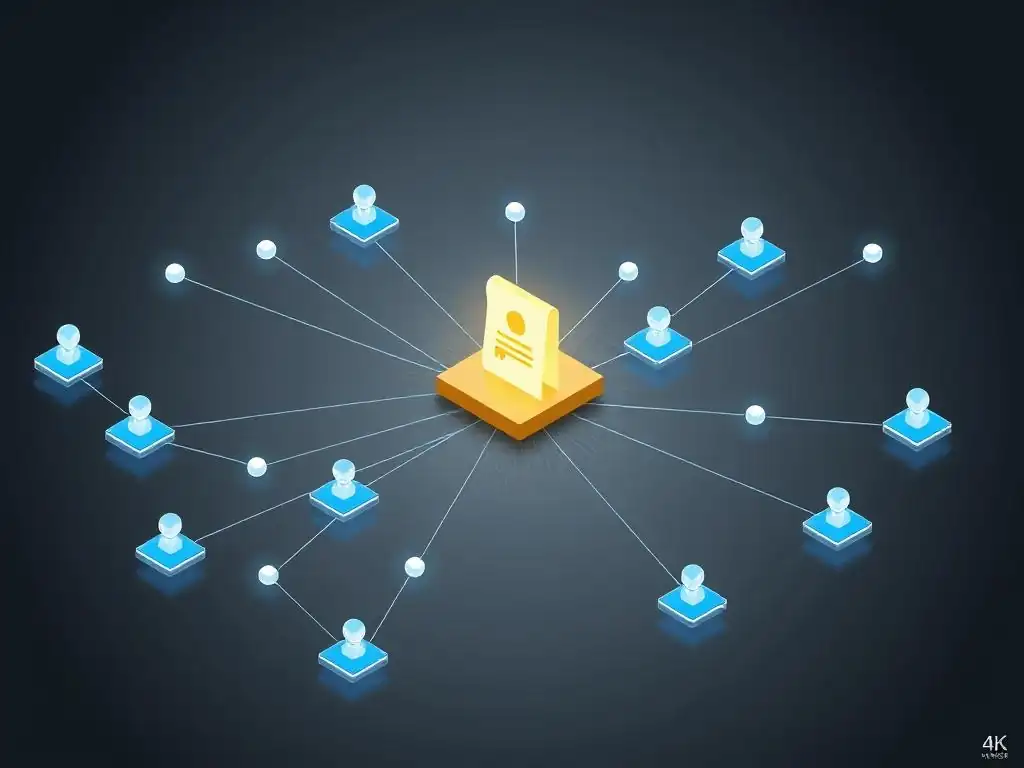
Blockchain's inherent transparency (particularly on public or consortium chains) and immutability build trust among participants. While personal data isn't exposed, the history of identity assertions, credential issuances, and verification events can be recorded in a tamper-evident manner. This creates an auditable trail that increases accountability.
In systems like supply chains or financial KYC consortia utilizing blockchain digital identity management solutions, participants can trust the validity of identity assertions and credential provenance because the record is verifiable on a shared, immutable ledger, rather than relying solely on the assertion of a single party. This increased transparency regarding the process of identity verification, combined with the cryptographic integrity of the data, fosters a higher level of trust in digital interactions.
Interoperability and Portability of Identities
Current digital identity systems are often siloed, meaning an identity established with one service provider (e.g., a bank, a social media platform, a government agency) is not easily transferable or usable with another. This forces users to create and manage multiple separate digital identities. Blockchain digital identity management solutions, particularly those based on standards like W3C DIDs and Verifiable Credentials, promote interoperability and portability.
A decentralized identity owned by the user can serve as a universal identifier across different services and platforms. Verifiable credentials issued by various entities can be stored in a single digital wallet and used interchangeably wherever accepted. This means a verified university degree credential could be used for job applications, professional licensing, or further education, regardless of the specific system used by the relying party, as long as they support the relevant standards. This seamless portability dramatically improves the user experience and reduces fragmentation in the digital world.
Challenges and Limitations of Blockchain-Based Identity Systems
Scalability and Performance Issues
While blockchain technology offers significant benefits, scalability remains a major challenge for many networks, particularly public blockchains. Processing millions or even billions of identity transactions (like issuing or verifying credentials) globally requires a network that can handle a high throughput of transactions per second with low latency. Traditional blockchains like Bitcoin or early Ethereum were not designed for such high transaction volumes, leading to congestion and high fees.
While newer blockchain platforms and Layer 2 scaling solutions are addressing these issues, ensuring that a blockchain digital identity management solution can scale to meet the demands of widespread adoption is critical. Private and consortium blockchains generally offer better performance and scalability for specific use cases, but they sacrifice some degree of decentralization compared to public chains. Choosing the right platform based on the required transaction volume and decentralization needs is crucial during implementation.
Regulatory Uncertainty and Compliance Challenges
The decentralized nature of blockchain and Self-Sovereign Identity creates complex regulatory challenges. Existing regulations around data privacy (like GDPR, CCPA), data ownership, and digital signatures were largely designed for centralized or federated identity models. The concept of a user truly owning and controlling their identity data, potentially across borders, doesn't fit neatly into current legal frameworks.
Specifically, the "right to be forgotten" under GDPR poses a challenge for the immutability of some blockchain designs. While sensitive data isn't typically stored on-chain, even hashes or metadata could potentially be linked back to an individual, raising questions about how to comply with requests to erase data. Navigating these legal ambiguities and ensuring compliance with evolving regulations is a significant hurdle for the widespread adoption of blockchain digital identity management solutions.
Technical Complexity and Adoption Barriers
Implementing blockchain digital identity management solutions requires specialized technical expertise in blockchain development, cryptography, and decentralized system design. This can be a barrier for organizations without in-house capabilities. Furthermore, user adoption requires individuals to understand concepts like digital wallets, private keys, and verifiable credentials, which can be daunting for non-technical users.
Developing user-friendly interfaces and providing adequate education and support are essential to overcome these adoption barriers. The ecosystem of interoperable identity solutions, including identity wallets, issuers, and verifiers, is still maturing. Convincing large institutions and the general public to transition from familiar, albeit flawed, systems to new decentralized models requires significant effort in terms of user experience design, education, and building trust in the new technology.
Data Privacy Concerns and GDPR Compliance
Despite the promise of increased privacy through user control, blockchain digital identity management solutions must carefully address data privacy concerns, especially in light of regulations like GDPR. Storing sensitive personal data directly on an immutable public blockchain is generally not advisable due to privacy risks and the inability to delete data. While storing hashes or pointers is common, even these can potentially be correlated over time, leading to privacy leaks.
Designing solutions that comply with regulations like GDPR requires careful consideration of what data is stored on-chain vs. off-chain, how off-chain data is secured, and how the "right to be forgotten" can be addressed (e.g., by revoking credentials, using privacy-preserving technologies like zero-knowledge proofs, or designing systems where data referenced on-chain can be deleted off-chain). Implementing privacy-by-design principles is crucial for building compliant and trustworthy blockchain identity systems.
The Risk of Key Loss and Recovery Mechanisms
In a self-sovereign identity model, the user's private key is paramount – it's their control mechanism. Losing a private key associated with a blockchain identity could mean losing access to and control over one's digital identity and associated credentials, potentially permanently. This is a significant risk, as users are accustomed to password recovery mechanisms in centralized systems.
Robust and user-friendly key management and recovery mechanisms are essential for the viability of blockchain digital identity management solutions. Solutions range from mnemonic phrases (seed phrases) that must be stored securely offline, to trusted third-party custodians (which reintroduces a degree of centralization), to social recovery mechanisms where a user can regain access with the help of a trusted network of friends or family. Designing secure and accessible recovery methods that don't compromise the user's sovereignty is a critical challenge.
The Future of Blockchain in Digital Identity
Emerging Trends and Innovations
The field of blockchain digital identity management solutions is rapidly evolving, driven by exciting emerging trends and innovations. Zero-Knowledge Proofs (ZKPs) are poised to play a crucial role, enabling users to prove the truth of a statement (e.g., "I am over 18") without revealing any other information (e.g., their date of birth). This significantly enhances privacy in identity verification. Decentralized Autonomous Organizations (DAOs) are also exploring the use of blockchain identities for membership, voting, and governance, linking participation and rights to verifiable identity attributes.
Another key trend is the development of cross-chain and multi-chain identity solutions. As the blockchain landscape diversifies, ensuring that an identity established on one chain can be recognized or linked to identities on other chains is vital for true interoperability. Research into decentralized key management and more user-friendly interfaces continues to address the technical complexity challenges, aiming to make blockchain identity accessible to everyone.
The Role of Interoperability Standards
The widespread adoption of blockchain digital identity management solutions hinges on the establishment and adherence to common interoperability standards. Initiatives like the W3C's Decentralized Identifiers (DIDs) specification and Verifiable Credentials (VCs) data model are critical steps in this direction. These standards provide a framework for creating, presenting, and verifying digital credentials in a way that is independent of any specific platform or vendor.
As more organizations and identity networks adopt these standards, it becomes easier for users to manage their identity across different services and for verifiers to trust credentials issued by various sources. Future developments will likely focus on refining these standards, developing robust testing frameworks, and encouraging broad industry adoption to ensure seamless portability and widespread utility of blockchain-based identities.
Integration with Biometric Authentication Systems
Integrating blockchain digital identity management solutions with biometric authentication systems offers a powerful combination for enhancing security and proof of personhood. Biometrics (like fingerprint scans, facial recognition, or iris scans) provide a strong link between a digital identity and a physical individual. However, storing raw biometric data in centralized databases is highly risky due to the irreversible nature of breaches.
In a blockchain identity system, biometric data would typically not be stored on the chain. Instead, biometrics could be used locally on a user's device to unlock their secure digital wallet or authorize the use of their private key for signing identity assertions or transactions. The blockchain ensures the integrity and verifiability of the identity claims and credentials, while biometrics add an additional layer of assurance that the person using the digital identity is indeed the rightful owner. This integration could significantly strengthen authentication methods while maintaining user control over sensitive biometric information.
Impact on Cross-Border Identity Verification
Current cross-border identity verification processes are often cumbersome, involving physical documents, manual checks, and reliance on disparate national identity systems. This creates friction for international travel, commerce, and accessing services abroad. Blockchain digital identity management solutions have the potential to revolutionize cross-border identity verification by providing a globally interoperable framework.
A user with a decentralized identity and verifiable credentials issued by trusted authorities (e.g., a national government issuing a passport credential) could use their digital wallet to prove their identity to entities in other countries. Relying parties could verify the credentials against the issuer's public key, potentially anchored on a global or regional identity network built on blockchain. This could significantly streamline processes like opening international bank accounts, crossing borders, or accessing healthcare while traveling, reducing fraud and improving efficiency by providing a universally verifiable digital proof of identity.
Implementing Blockchain Digital Identity Management Solutions: A Practical Guide
Choosing the Right Blockchain Platform
Selecting the appropriate blockchain platform is a critical first step in implementing blockchain digital identity management solutions. The choice depends heavily on the specific use case and requirements. For public, self-sovereign identity solutions aiming for maximum decentralization and user control, public blockchains that support smart contracts and DID methods (like Ethereum or newer, faster alternatives) may be suitable, though scalability and cost need careful consideration.
For enterprise-specific identity management, supply chain, or financial consortia use cases where performance, privacy, and permissioned access are priorities, private or consortium blockchains (like Hyperledger Fabric, R3 Corda, or specialized identity networks) are often preferred. Evaluating factors such as transaction throughput, latency, cost, consensus mechanism, smart contract capabilities, security features, and the maturity of the developer ecosystem is essential when making this platform decision. Pilot projects can help assess a platform's suitability before full-scale deployment.
Developing a Secure and User-Friendly Identity Application
The success of blockchain digital identity management solutions heavily relies on the development of secure and user-friendly applications, typically in the form of digital identity wallets. These applications serve as the interface for users to manage their DIDs, store verifiable credentials, and interact with issuers and verifiers. Security is paramount; the wallet must securely store the user's private keys, potentially using hardware security modules or advanced encryption techniques.
However, security cannot come at the expense of usability. The application must simplify complex cryptographic processes for the end-user. Features like intuitive interfaces for receiving, storing, and presenting credentials, clear explanations of data sharing permissions, and robust yet accessible key recovery mechanisms are vital. Designing the application with a focus on excellent user experience is crucial for driving adoption and ensuring that individuals feel comfortable and empowered managing their digital identity.
Integrating with Legacy Identity Infrastructure
Most organizations already have existing identity infrastructure, such as centralized databases, directories (like Active Directory), and single sign-on systems. Implementing blockchain digital identity management solutions often requires integrating with these legacy systems rather than replacing them entirely. This integration is necessary to bridge the gap between existing identity processes and the new decentralized framework.
Integration strategies may involve using APIs and middleware to allow existing systems to interact with the blockchain network. For example, an existing HR system might use an API to request a verifiable credential (like proof of employment) from an employee's blockchain wallet, or an onboarding system might verify a new hire's credentials using a blockchain verifier service. Careful planning is needed to ensure data synchronization, maintain security across integrated systems, and manage the transition without disrupting existing operations.
Addressing Data Privacy and Security Concerns
Addressing data privacy and security is not just a challenge but a continuous process during the implementation of blockchain digital identity management solutions. This involves incorporating privacy-by-design principles from the outset. Sensitive personal data should ideally be stored off-chain in encrypted form, with hashes or minimal references stored on the blockchain. Implementing technologies like zero-knowledge proofs allows for verification of attributes without revealing the underlying data.
Robust key management strategies for both users and organizations are critical. For users, providing secure and usable key recovery options is essential. For organizations acting as issuers or verifiers, securing their own private keys and infrastructure is paramount. Compliance with relevant data protection regulations (like GDPR, CCPA) must be a core requirement, potentially necessitating legal and technical expertise to ensure that the solution meets all regulatory obligations while leveraging the benefits of decentralization and immutability responsibly.
Conclusion: Blockchain's Transformative Potential for Digital Identity
The Path Towards a More Secure and Decentralized Future for Identity Management
Blockchain technology offers a truly transformative potential for digital identity, moving away from the current model of fragmented, insecure, and institution-controlled identities towards a future where individuals are empowered with self-sovereignty. By leveraging the inherent security, immutability, and transparency of distributed ledgers, blockchain digital identity management solutions can significantly reduce the risks of data breaches and identity theft that plague traditional systems.
The shift towards Decentralized Identity (DID) and Self-Sovereign Identity (SSI) represents a fundamental change in how we perceive and interact with our digital selves. It promises a future where users control their data, share it selectively, and rely on cryptographically verifiable credentials rather than trusting centralized authorities implicitly. While challenges related to scalability, regulation, and adoption remain, ongoing innovation and increasing standardization are paving the way for this more secure, private, and user-centric future for digital identity management.
Evaluating Blockchain Digital Identity Solutions for Organizational Needs
Organizations considering implementing blockchain digital identity management solutions must carefully evaluate their specific needs, resources, and the current technological and regulatory landscape. It is crucial to identify the specific problems the organization aims to solve, whether it's streamlining KYC, enhancing supply chain transparency, securing employee credentials, or empowering customers with data control.
A thorough assessment should include evaluating different blockchain platforms based on the use case requirements (public, private, or consortium), considering the technical expertise needed for development and integration, understanding the regulatory environment, and planning for user adoption and support. Pilot projects can be invaluable for testing the feasibility and effectiveness of blockchain identity solutions in a controlled environment before committing to a full-scale rollout. By carefully weighing the benefits against the challenges and aligning the technology with strategic goals, organizations can leverage blockchain's potential to build more secure, efficient, and trustworthy identity systems.
Frequently Asked Questions
What is digital identity management and why is it important?
Digital identity management involves securely managing and verifying an individual's or entity's online persona. It's crucial for online security, preventing fraud, and ensuring trust in digital interactions.
How can blockchain technology improve digital identity management solutions?
Blockchain offers a decentralized and tamper-proof way to store and verify identity data. This enhances security, reduces reliance on central authorities, and gives users greater control over their data.
What are some examples of blockchain-based digital identity solutions?
Examples include systems using self-sovereign identity (SSI) where individuals control their credentials, and consortium blockchains used by organizations to share verified identity information.
What are the potential benefits of using blockchain for digital identity management?
Benefits include enhanced security against identity theft, increased user privacy and control, and improved efficiency in verifying credentials across various platforms.
What are the challenges and limitations of implementing blockchain digital identity management solutions?
Challenges include scalability concerns, regulatory uncertainty surrounding blockchain technologies, and the need for widespread adoption and interoperability among different systems.
Final Reflection: Embracing Decentralized Trust
The exploration of blockchain's potential for digital identity management reveals a critical juncture in our digital evolution. The promise of self-sovereign identity, secured and verified through decentralized ledgers, is no longer a futuristic concept but a tangible solution to the growing challenges of data privacy and security in today's interconnected world. The need for robust and user-centric digital identity solutions has never been more pressing, and blockchain offers a compelling path forward.
This technology's influence on the cultural and social landscape is only beginning to unfold. The shift towards individuals controlling their own data, rather than relying on centralized authorities, represents a fundamental power shift with profound implications for trust, transparency, and individual autonomy. Identity is the new perimeter of security, and blockchain offers a way to build a more secure and trustworthy digital future.
This quote encapsulates the essence of the transformative potential that blockchain holds for digital identity.
As we conclude this exploration, I invite you to consider the role you can play in shaping this future. Reflect on the power of owning your digital identity and the responsibility that comes with it. Embrace the potential of blockchain digital identity management solutions to create a more secure, private, and equitable digital world, and actively seek out opportunities to learn, contribute, and advocate for this transformative technology.
Ignite Your Digital Future: Embrace Blockchain Identity!
Thank you for delving into the world of blockchain and digital identity with Blockchain Trends. We hope you've found this deep dive informative and empowering. Now, let's put that knowledge into action and shape the future of digital ownership together!
Here are a few ways you can get started right now:
- Revolutionize your personal data: Explore decentralized identity (DID) platforms like Sovrin or uPort to understand how you can take control of your digital identity.
- Share this insight: Discuss how blockchain could change the identity verification in the social media or in any other industry that you are familiar with.
- Surprise challenge: Explore the feasibility of creating a simple blockchain-based identity solution for a real-world problem in your local community, such as verifying residents for community events.
What innovative applications of blockchain for digital identity do you envision for the future? Share your thoughts below!
Leave a Reply