
BlockchainBased Healthcare Marketplaces: Connecting Patients and Providers Directly


Welcome to Blockchain Trends, your compass in the rapidly evolving world of decentralized technology. Beyond the headlines of cryptocurrencies lies a universe of possibilities, from revolutionizing finance to reshaping industries. This week, we delve into the burgeoning world of enterprise blockchain solutions, specifically exploring the groundbreaking potential of blockchain healthcare marketplaces benefits. How can this technology connect patients and providers directly, improving access and efficiency? Discover the transformative impact and unlock the secrets within.
- Blockchain-Based Healthcare Marketplaces: Connecting Patients and Providers Directly
- Understanding Blockchain Healthcare Marketplaces
- Key Benefits of Blockchain Healthcare Marketplaces for Patients
- Advantages for Healthcare Providers in Blockchain Marketplaces
- Use Cases of Blockchain Healthcare Marketplaces
- Challenges and Considerations for Blockchain Healthcare Marketplaces
- The Future of Blockchain in Healthcare Marketplaces
-
Frequently Asked Questions
- How do blockchain-based healthcare marketplaces benefit patients?
- What advantages do healthcare providers gain from participating in these marketplaces?
- How does blockchain technology ensure data security and privacy in these marketplaces?
- What are some of the challenges associated with implementing blockchain healthcare marketplaces?
- Beyond direct patient-provider connections, what other potential applications exist for blockchain in healthcare?
- Final Reflection: Empowering Healthcare Through Decentralization
- Empower Your Health Journey: Explore Blockchain Healthcare Now!
Blockchain-Based Healthcare Marketplaces: Connecting Patients and Providers Directly
Introduction: Revolutionizing Healthcare with Blockchain Marketplaces
Blockchain technology, initially popularized by cryptocurrencies, holds immense potential to transform various sectors, and healthcare is emerging as a prime candidate for its disruptive capabilities. The inherent characteristics of blockchain, such as immutability, transparency, and security, address many long-standing inefficiencies and challenges within the traditional healthcare system. From managing patient data to streamlining supply chains and facilitating payments, the distributed ledger technology offers a new paradigm for secure and efficient operations.
One of the most promising applications of this technology is the development of blockchain-based healthcare marketplaces. These platforms aim to create a decentralized ecosystem where patients and providers can interact directly, bypassing traditional intermediaries. This direct connection promises greater control for patients over their health information and offers providers streamlined administrative processes, ultimately leading to a more efficient, transparent, and patient-centric healthcare experience. Understanding the specific blockchain healthcare marketplaces benefits is crucial to appreciating their potential impact.
Understanding Blockchain Healthcare Marketplaces
What are Blockchain Healthcare Marketplaces?
Blockchain healthcare marketplaces are decentralized online platforms designed to facilitate direct interactions and transactions between patients seeking healthcare services and providers offering them. Unlike traditional systems that often rely on centralized databases and intermediaries like insurance companies or third-party administrators, these marketplaces leverage blockchain technology to create a secure, transparent, and peer-to-peer environment. The core principles revolve around decentralization, data integrity, and user control.
Key features typically include immutable records of interactions and transactions, cryptographic security to protect sensitive patient data, and smart contracts to automate processes like appointment scheduling or service payments. These platforms can list various healthcare services, from consultations and diagnostics to specialized treatments. Patients can search for providers based on criteria like location, specialty, or price, and providers can manage their profiles, list services, and interact directly with prospective patients, all underpinned by the trust and security offered by the underlying blockchain.
How Blockchain Enhances Healthcare Marketplaces
Blockchain significantly enhances healthcare marketplaces by fundamentally improving data security and privacy. Patient health information (PHI) is incredibly sensitive, and traditional centralized databases are often vulnerable to breaches. By using blockchain, patient data can be stored in a distributed, encrypted manner across multiple nodes, making it significantly harder for malicious actors to compromise. Furthermore, access to this data can be controlled through cryptographic keys, often held by the patient themselves, ensuring that sharing is done on a permissioned basis.
Beyond security, blockchain brings enhanced transparency to healthcare transactions and processes. Every interaction recorded on the blockchain, whether it's an appointment booking, a payment, or the sharing of a medical record, creates an immutable and auditable trail. This transparency helps build trust between patients and providers and can also be invaluable for regulatory compliance and dispute resolution. Additionally, the automation capabilities of smart contracts deployed on a blockchain can significantly increase efficiency, reducing administrative overhead associated with billing, claims processing, and record keeping, presenting clear blockchain healthcare marketplaces benefits.
Key Benefits of Blockchain Healthcare Marketplaces for Patients
Empowering Patients with Control over Their Health Data
One of the most significant blockchain healthcare marketplaces benefits for patients is the shift towards a patient-centric model where individuals gain unprecedented control and ownership over their medical records. Instead of having their health information scattered across various provider systems and potentially inaccessible, blockchain platforms allow patients to aggregate their data into a single, secure, and portable format. This empowers patients to decide who can access their sensitive information and for what purpose, requiring explicit permission for data sharing.
This control is facilitated through digital wallets or interfaces where patients hold the private keys to their encrypted data stored on the blockchain or linked securely to it. For example, a patient needing a second opinion from a new specialist can grant temporary, auditable access to their full medical history instantly, without the delays and complexities typically involved in requesting records from multiple previous providers. This level of access and permissioning enhances privacy and streamlines the process of seeking care from different providers, ensuring continuity and accuracy of information.
Increased Access to Healthcare Services and Providers
Blockchain healthcare marketplaces substantially increase patients' access to a wider array of healthcare services and providers, overcoming geographical and logistical barriers. These platforms act as global or regional directories where patients can discover and connect with practitioners regardless of their physical location, provided services can be delivered remotely or travel is feasible. This is particularly impactful for individuals in remote areas or those needing specialized care not available locally.
The platforms are highly conducive to facilitating telemedicine and remote consultations. Patients can easily find providers offering virtual appointments, book sessions, and securely share relevant health data for the consultation, all within the marketplace environment. This expanded access reduces the need for travel, saves time, and makes healthcare more convenient and accessible for a broader population. For instance, a patient in a rural area might connect with a specialist in a major city for a virtual consultation, a process made simpler and more secure by the marketplace structure.
Lowering Healthcare Costs Through Direct Engagement
Blockchain healthcare marketplaces hold the potential to significantly lower healthcare costs for patients by reducing or eliminating traditional intermediaries. By connecting patients directly with providers, the need for third-party administrators, complex billing systems, and insurance company processing fees can be minimized. This direct engagement streamlines the transaction process and reduces the administrative burden on both sides.
Furthermore, these marketplaces can foster a more competitive environment by making pricing structures more transparent. Providers can list their service fees upfront, allowing patients to compare costs easily and potentially negotiate prices directly, especially for non-emergency or elective procedures. While insurance integration remains a challenge, the core model of direct interaction facilitates a more efficient market where costs associated with complex billing, claims, and administrative overhead are reduced, translating into potential savings for the patient – a key aspect of blockchain healthcare marketplaces benefits.
Advantages for Healthcare Providers in Blockchain Marketplaces
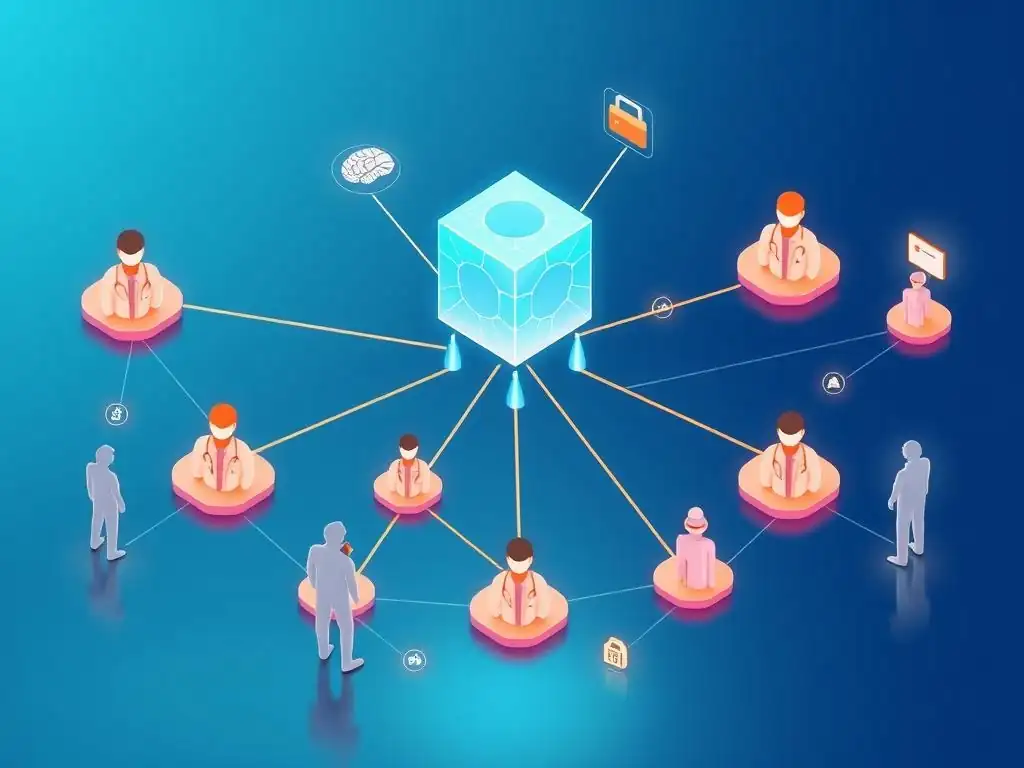
Expanding Patient Reach and Growing Practice
For healthcare providers, joining a blockchain healthcare marketplace offers a powerful avenue for expanding patient reach beyond their immediate geographical location. These platforms serve as digital storefronts where providers can showcase their services, expertise, and credentials to a global or regional audience actively seeking care. This visibility can attract new patients who might not otherwise discover the practice through traditional referral networks or local advertising.
By building a comprehensive profile and actively engaging with the marketplace community, providers can build a strong online presence and reputation based on verified patient reviews and transparent service delivery. This can lead to a significant increase in patient volume and facilitate practice growth. For example, a specialized clinic might attract patients from different states or even countries seeking their specific expertise, enabled by the marketplace's ability to bridge distances and connect supply with demand efficiently.
Streamlining Administrative Processes and Reducing Costs
Blockchain technology embedded within these marketplaces can significantly streamline administrative processes for healthcare providers, leading to substantial cost reductions. Smart contracts, self-executing contracts with the terms of the agreement directly written into code, can automate routine tasks such as appointment confirmations, billing, and payment processing. Once a service is rendered and verified, a smart contract can automatically trigger the payment from the patient's escrow or digital wallet to the provider, reducing the need for manual invoicing and follow-up.
This automation minimizes paperwork, reduces the likelihood of billing errors, and frees up administrative staff to focus on patient care rather than complex billing and claims management. The immutable nature of blockchain records also simplifies auditing and financial reconciliation. By reducing the overhead associated with administrative tasks, providers can operate more efficiently, potentially leading to lower operational costs and allowing them to focus more resources on delivering quality care.
Enhancing Trust and Transparency with Patients
Operating within a blockchain healthcare marketplace enhances trust and transparency in the patient-provider relationship. The inherent transparency of the blockchain means that service listings, pricing, and transaction histories can be made visible and auditable (while maintaining patient data privacy). This openness builds confidence with patients, who can see exactly what they are paying for and how their interactions are being recorded.
Furthermore, the secure and immutable nature of the blockchain ensures the integrity of patient records shared through the platform and the history of care provided. This reliability fosters stronger relationships based on mutual trust. Providers benefit from a system where service delivery and payment are clearly documented and verifiable, reducing disputes and enhancing accountability. This move towards greater transparency in pricing and service delivery addresses a common point of friction in traditional healthcare systems, contributing significantly to the blockchain healthcare marketplaces benefits.
Use Cases of Blockchain Healthcare Marketplaces
Secure Electronic Health Record (EHR) Management
One of the most compelling use cases for blockchain within healthcare marketplaces is the secure and interoperable management of Electronic Health Records (EHRs). Traditional EHR systems are often siloed, making it difficult for patients and providers to access and share information across different healthcare organizations. Blockchain offers a solution by creating a decentralized, immutable, and auditable layer for linking or storing encrypted EHR data.
In a blockchain-based marketplace, patients can potentially grant permissioned access to their entire health history stored or referenced on the blockchain to any provider they engage with via the platform. This contrasts sharply with the current system where transferring records can take days or weeks and often involves insecure methods like fax or mail. Companies like MedRec (a research project) or platforms aiming for interoperability demonstrate the potential for blockchain to serve as a secure index or storage layer for patient-controlled health data, facilitating seamless sharing while ensuring privacy and security.
Supply Chain Management for Pharmaceuticals
Blockchain healthcare marketplaces can extend their utility beyond direct patient-provider interactions to address critical issues in the pharmaceutical supply chain. Counterfeit drugs are a major global problem, posing significant health risks and causing substantial financial losses. Blockchain's ability to create an immutable, transparent ledger can track pharmaceuticals from the point of manufacture to the point of dispense.
By recording each transfer of custody on the blockchain, stakeholders in the supply chain – manufacturers, distributors, pharmacies, and ultimately, patients – can verify the authenticity and origin of medications. For instance, a pharmacist or patient could scan a QR code on a drug package, and the blockchain record would provide a history of its journey, confirming its legitimacy. Projects like MediLedger have explored using blockchain to improve drug traceability and prevent counterfeiting, enhancing patient safety and supply chain integrity within or alongside marketplace functionalities.
Clinical Trial Data Management and Integrity
Ensuring the integrity, transparency, and security of clinical trial data is paramount for developing new treatments and therapies. Blockchain technology can significantly improve clinical trial data management by providing an immutable record of trial design, patient consent, data collection, and results. This prevents data manipulation and enhances trust in the trial outcomes.
Within a marketplace context, blockchain can facilitate secure sharing of clinical trial data with authorized researchers, regulatory bodies, and even participating patients (with appropriate privacy controls). The immutability of the blockchain ensures that the trial data remains tamper-proof, enhancing scientific validity and regulatory compliance. Companies like TrialChain or platforms focused on research data management are leveraging blockchain to improve the efficiency and trustworthiness of clinical trials, making the data more reliable and accessible to approved parties.
Challenges and Considerations for Blockchain Healthcare Marketplaces
Regulatory Hurdles and Compliance Requirements
One of the most significant challenges facing blockchain healthcare marketplaces is navigating the complex and stringent regulatory landscape governing healthcare data. Regulations like the Health Insurance Portability and Accountability Act (HIPAA) in the United States, GDPR in Europe, and similar laws globally impose strict requirements on the privacy and security of Protected Health Information (PHI). Integrating blockchain technology must be done in a manner that ensures full compliance with these regulations.
This often involves careful consideration of how data is stored (on-chain vs. off-chain with on-chain hashes), how patient consent is managed and recorded, and how data access is controlled. Ensuring that the decentralized nature of blockchain does not conflict with requirements for data access control, audit trails, and the "right to be forgotten" (where applicable and permissible for health data) is crucial. Developers must work closely with legal and compliance experts to build platforms that meet or exceed these regulatory standards, which can be a time-consuming and complex process.
Scalability and Interoperability Issues
Scalability remains a key technical challenge for many blockchain networks. Healthcare marketplaces need to handle a potentially massive volume of transactions, including appointment bookings, data access requests, and payments, across a large number of users and providers. Current blockchain technologies, particularly public blockchains, can face limitations in transaction speed and throughput compared to centralized databases, which could impact the performance and user experience of a busy marketplace.
Furthermore, ensuring interoperability with existing legacy healthcare systems (like hospital EHRs, lab systems, and billing software) is vital for widespread adoption. A blockchain marketplace cannot operate in isolation; it needs to seamlessly connect and exchange information with the systems providers and patients currently use. Developing standards and protocols for secure and efficient data exchange between blockchain platforms and traditional healthcare IT systems is a significant technical hurdle that requires industry-wide collaboration.
Data Security and Privacy Concerns
Despite blockchain's reputation for security, implementing it in healthcare marketplaces still presents specific data security and privacy concerns that must be rigorously addressed. While the blockchain itself is highly resistant to tampering, the points where data enters or leaves the blockchain (or where access keys are managed) can be vulnerable. Securely managing private keys, preventing phishing attacks, and ensuring the security of off-chain data storage linked to the blockchain are critical challenges.
Furthermore, while blockchain can enhance privacy by allowing patients control over access, the immutable nature means that once certain types of data are on-chain, they are permanently recorded. Careful design is needed to ensure that sensitive PHI is not directly stored on a public blockchain but rather referenced through secure hashes, with the actual encrypted data stored off-chain in compliance with regulations. Building robust security protocols, implementing multi-factor authentication, and conducting regular security audits are essential to mitigate risks and maintain user trust in the platform's ability to protect sensitive health information.
The Future of Blockchain in Healthcare Marketplaces
Emerging Trends and Innovations
The landscape of blockchain healthcare marketplaces is continuously evolving, driven by emerging trends and technological innovations. One significant trend is the exploration of decentralized finance (DeFi) applications within healthcare. This could involve using blockchain for transparent and automated payment systems, tokenized healthcare credits, or even decentralized insurance pools, potentially further reducing costs and increasing financial transparency within the marketplace.
Another critical area is the integration of Artificial Intelligence (AI) with blockchain platforms. AI can be used within marketplaces for tasks like matching patients with the most suitable providers based on complex criteria, analyzing anonymized aggregated data for public health insights (with patient consent), or providing personalized health recommendations. Blockchain can provide the secure, immutable data foundation that AI algorithms rely on, ensuring the integrity and provenance of the data used for analysis and decision-making within the marketplace ecosystem.
Predictions and Forecasts for the Market Growth
Market analysts predict substantial growth in the adoption of blockchain technology in healthcare, including the expansion of blockchain healthcare marketplaces. While precise figures vary, reports consistently forecast a significant compound annual growth rate (CAGR) for the blockchain in healthcare market. For instance, some reports estimate the global blockchain in healthcare market size could reach several billion US dollars by the mid-2020s, growing from a much smaller base just a few years prior.
This growth is expected to be driven by the increasing recognition of the blockchain healthcare marketplaces benefits, such as improved data security, reduced costs, and enhanced efficiency. As regulatory frameworks mature and technological challenges like scalability are addressed through layer-2 solutions or more efficient consensus mechanisms, the widespread adoption of these platforms is likely to accelerate. The ongoing digital transformation in healthcare, coupled with the push for greater patient empowerment and data control, positions blockchain marketplaces as a key component of the future healthcare ecosystem.
Conclusion: The Transformative Potential of Blockchain Healthcare Marketplaces
Blockchain healthcare marketplaces represent a significant step towards revolutionizing how patients access care and how providers deliver it. By leveraging the core principles of blockchain – security, transparency, and decentralization – these platforms promise to create a more efficient, cost-effective, and patient-centric healthcare system. The blockchain healthcare marketplaces benefits are multifaceted, ranging from empowering patients with control over their data and increasing access to services, to streamlining administrative processes and enhancing trust for providers.
While significant challenges remain, particularly concerning regulation, scalability, and integration with existing systems, ongoing technological advancements and increasing industry interest suggest a promising future. As these hurdles are overcome, blockchain healthcare marketplaces have the potential to fundamentally reshape the healthcare industry, fostering direct connections, improving data integrity, and ultimately contributing to better health outcomes for individuals worldwide. Their transformative potential lies in their ability to build a foundation of trust and efficiency in an industry long plagued by complexity and fragmentation.
Frequently Asked Questions
How do blockchain-based healthcare marketplaces benefit patients?
Blockchain marketplaces offer patients greater control over their data, enhanced data security through encryption, and the potential for reduced healthcare costs by cutting out intermediaries.
What advantages do healthcare providers gain from participating in these marketplaces?
Providers benefit from streamlined administrative processes, direct access to a wider patient pool, and improved data interoperability with other providers in the network.
How does blockchain technology ensure data security and privacy in these marketplaces?
Blockchain utilizes cryptographic techniques and a decentralized, immutable ledger to protect patient data from unauthorized access and alteration, ensuring HIPAA compliance.
What are some of the challenges associated with implementing blockchain healthcare marketplaces?
Challenges include regulatory uncertainty, the need for industry-wide standardization of data formats, and overcoming resistance to change from traditional healthcare institutions.
Beyond direct patient-provider connections, what other potential applications exist for blockchain in healthcare?
Blockchain can also be used for supply chain management of pharmaceuticals, verifying credentials of healthcare professionals, and facilitating clinical trial management with increased transparency.
Final Reflection: Empowering Healthcare Through Decentralization
The exploration of blockchain-based healthcare marketplaces reveals a powerful potential to reshape the industry, and its relevance is more pronounced than ever in our increasingly digital and interconnected world. The promise of enhanced data security, transparency, and direct patient-provider interaction offered by these marketplaces is not just a technological advancement, but a fundamental shift towards patient empowerment and a more equitable healthcare ecosystem. This is particularly crucial as we grapple with issues of data breaches, rising healthcare costs, and the need for greater patient autonomy.
The impact of blockchain on healthcare extends far beyond mere efficiency; it's about fostering trust and control within a system often perceived as opaque and inaccessible. Witnessing the potential for individuals to own and manage their health data, and directly connect with providers without intermediaries, is truly transformative. The future of healthcare is in the hands of the patient, and blockchain technology is the key to unlocking that potential.
This vision underscores the profound shift towards a patient-centric model, where individuals are active participants in their own care, driving innovation and demanding greater accountability.
As we conclude this exploration, I invite you to consider the implications of blockchain healthcare marketplaces in your own life. How might this technology empower you to take greater control of your health journey? What role can you play in advocating for a more transparent and accessible healthcare system? Let us embrace the potential of blockchain to build a future where healthcare is not just a service, but a collaborative partnership between patients and providers, fueled by trust, transparency, and the unwavering pursuit of well-being.
Empower Your Health Journey: Explore Blockchain Healthcare Now!
Thank you for exploring the innovative world of blockchain-based healthcare marketplaces. We hope you gained valuable insights into how this technology can transform patient care and improve access to healthcare providers. Now, take the next step and become part of this exciting evolution.
Here are some ways you can get involved:
- Research blockchain healthcare platforms active in your local area or region. This proactive approach can expand your knowledge and potentially connect you with innovative healthcare solutions.
- Follow Blockchain Trends on social media to stay informed about the latest developments and success stories in blockchain healthcare. Share this article with your network to promote a broader conversation about the future of healthcare.
- Consider attending a conference focused on blockchain or healthcare technology. Networking with industry experts and entrepreneurs can open up new opportunities.
Are you ready to discover how blockchain can transform your healthcare experience and help create a more transparent, patient-centered system? Share your thoughts in the comments below!
Leave a Reply