
Expert Insights: Industry Leaders on the Future of Enterprise Blockchain Platforms


Welcome to Blockchain Trends, your go-to source for navigating the ever-evolving world of decentralized technology.
Are you ready to unlock the true potential of blockchain beyond cryptocurrency? Dive deep into the transformative applications reshaping industries, from DeFi innovations to groundbreaking enterprise solutions. But before you embark on this journey, are you aware of the potential pitfalls? Our featured article tackles the critical enterprise blockchain platform implementation challenges facing businesses today, offering expert insights and strategic guidance to ensure a successful rollout. Discover what industry leaders are saying and prepare to navigate the future of enterprise blockchain with confidence.
Expert Insights: Revolutionizing Supply Chains with Enterprise Blockchain Platforms
- Introduction: The Transforming Landscape of Supply Chain Management
- Key Trends Shaping the Future of Supply Chain Blockchain
- Addressing Supply Chain Blockchain Implementation Challenges: Expert Perspectives
- Expert Roundtable: Insights from Industry Leaders
- Real-World Applications and Success Stories of Supply Chain Blockchain
- The Role of Emerging Technologies in Enhancing Supply Chain Blockchain Platforms
- Navigating the Complexities: Choosing the Right Supply Chain Blockchain Platform
- The Future of Supply Chain Blockchain Platforms: Predictions and Outlook
- Conclusion: Embracing the Transformative Potential of Supply Chain Blockchain
-
Frequently Asked Questions
- What are the primary challenges businesses face when implementing an enterprise blockchain platform?
- How can companies ensure data privacy and compliance when deploying an enterprise blockchain platform?
- What skills are most needed for a successful enterprise blockchain platform implementation?
- What role does DeFi play in the future of enterprise blockchain platforms?
- How will regulation shape the future of enterprise blockchain platforms and their adoption?
- Final Reflection: Navigating the Blockchain Horizon
Introduction: The Transforming Landscape of Supply Chain Management
Supply chain management has long been a complex web of interconnected processes, participants, and data flows. From raw material sourcing to final product delivery, countless transactions, handoffs, and data exchanges occur daily. Traditionally, these processes have relied on disparate systems, paper documentation, and manual reconciliation, leading to inefficiencies, delays, and a significant lack of visibility across the entire chain. The inherent opacity makes it challenging to track goods in real-time, verify authenticity, and quickly identify the source of issues like contamination or counterfeit products.
The digital transformation sweeping across industries is now fundamentally altering how supply chains operate. Technologies like IoT, AI, and crucially, blockchain, are enabling a shift towards more integrated, intelligent, and resilient networks. This evolution is driven by increasing consumer demands for ethical sourcing and faster delivery, alongside global pressures requiring greater resilience against disruptions and stricter regulatory compliance. Businesses are actively seeking solutions that can provide a single, trusted source of truth for all supply chain activities.
Blockchain Trends' Focus on Supply Chain Optimization
At Blockchain Trends, our focus extends beyond the speculative world of cryptocurrencies to the tangible, transformative applications of distributed ledger technology (DLT) in enterprise environments. We explore how blockchain can fundamentally change business operations, with supply chain optimization standing out as a prime example. The distributed, immutable, and transparent nature of blockchain offers a compelling answer to many long-standing supply chain inefficiencies and trust deficits.
Our coverage delves into specific use cases, from improving logistics and tracking shipments to ensuring the integrity of goods and streamlining complex multi-party transactions. We analyze the technological foundations of enterprise blockchain platforms designed for supply chain use, such as Hyperledger Fabric, R3 Corda, and various permissioned Ethereum implementations. Understanding the nuances of these platforms and their capabilities is crucial for businesses looking to harness blockchain's potential in this domain.
The Growing Importance of Transparency and Traceability in Supply Chains
In today's interconnected world, consumers and regulators alike demand unprecedented levels of transparency regarding the origin, journey, and handling of products. Food safety scandals, ethical sourcing concerns, and the fight against counterfeit goods have highlighted the critical need for robust traceability systems. Businesses must be able to quickly and accurately trace a product's path from its source through every intermediary to the end customer.
Beyond compliance and risk mitigation, enhanced transparency builds consumer trust and can provide a competitive advantage. A system that can verify sustainable practices, fair labor conditions, or the authenticity of luxury goods adds significant value. Blockchain's ability to create an immutable, shared ledger of transactions and events across the supply chain ecosystem is uniquely positioned to meet this growing demand for end-to-end visibility and verifiable traceability.
Key Trends Shaping the Future of Supply Chain Blockchain
The adoption of blockchain in supply chains is moving beyond pilot projects to large-scale implementations, driven by several key trends. These trends reflect the evolving capabilities of enterprise blockchain platforms and the increasing understanding within industries about how to leverage this technology effectively.
Trend 1: Enhanced Transparency and Traceability Across Supply Chains
The fundamental promise of blockchain in supply chains is enhanced transparency and traceability. This goes beyond simply knowing where a product is; it involves creating a verifiable, tamper-proof history of every step in its journey. This includes details about origin, handling, quality checks, temperature logs, and custody transfers.
For instance, in the food industry, blockchain can trace produce from farm to table in seconds, a process that previously took days or weeks using traditional paper-based methods. This level of detail is critical for rapid response during recalls, potentially saving lives and significantly reducing financial losses. The immutable nature of the blockchain ensures that this data cannot be altered retroactively, providing a high level of trust among all participants in the network.
Trend 2: Streamlined Supply Chain Finance and Payments
Supply chain finance often involves complex, multi-party transactions with lengthy settlement times and high costs. Blockchain offers the potential to significantly streamline these processes through automated payments, smart contracts, and tokenized assets. This can unlock liquidity and reduce financial friction within the supply chain.
Consider the process of international trade finance. Traditional methods often involve letters of credit and other instruments that require extensive paperwork and bank intermediaries, taking weeks to complete. Using blockchain, smart contracts can automatically trigger payments upon verification of specific events, such as goods arriving at a port or quality checks being completed, drastically reducing settlement times and operational costs. Estimates suggest blockchain could reduce supply chain finance costs by up to 15-20%.
Trend 3: Increased Automation and Efficiency in Logistics
Automation is key to improving efficiency in logistics, and blockchain, particularly through smart contracts, can play a significant role. Smart contracts are self-executing contracts with the terms of the agreement directly written into code. They can automate actions based on predefined conditions being met on the blockchain.
For example, a smart contract could automatically initiate payment to a carrier once a shipment is confirmed as delivered to its destination, verified by data recorded on the ledger. This eliminates manual invoicing and payment processing steps. Furthermore, integrating blockchain with IoT devices allows for real-time, automated updates on shipment status, condition (e.g., temperature), and location, enabling more dynamic routing and faster problem resolution. This level of automation reduces administrative overhead and accelerates the flow of goods.
Addressing Supply Chain Blockchain Implementation Challenges: Expert Perspectives
While the potential benefits are clear, the path to realizing them is not without hurdles. Businesses face significant enterprise blockchain platform implementation challenges when deploying this technology in complex supply chain environments. Experts agree that overcoming these challenges is critical for successful adoption.
Overcoming Data Silos and Integration Challenges
One of the most significant enterprise blockchain platform implementation challenges is integrating the new DLT system with legacy IT infrastructure. Supply chains typically involve numerous participants, each with their own, often outdated, internal systems (ERPs, WMS, TMS, etc.). These systems often operate in data silos, making it difficult to share information seamlessly and in a standardized format required by a blockchain network.
Experts emphasize that successful blockchain deployments require robust integration strategies. This often involves middleware, APIs, and data standardization efforts before data can be reliably fed onto the blockchain. It's not just a technical challenge; it requires significant coordination and agreement among diverse stakeholders on data formats and access protocols. A report by Deloitte highlighted that integration with existing systems is a top technical challenge cited by companies exploring blockchain.
Tackling Scalability and Performance Issues
Scalability and performance are critical considerations for enterprise-level supply chains, which handle millions of transactions daily. Early blockchain platforms faced limitations in transaction throughput and latency, raising concerns about their ability to handle the volume and speed required by global logistics. Ensuring an enterprise blockchain platform can scale effectively is a key implementation challenge.
Modern enterprise blockchain platforms have made significant strides in addressing these issues. Permissioned blockchains, for instance, can achieve much higher transaction speeds (e.g., thousands of transactions per second) compared to public, permissionless chains like Bitcoin or Ethereum (which historically handled tens of transactions per second). However, designing the network architecture, choosing the right consensus mechanism, and managing data storage efficiently remain complex tasks that require careful planning during the implementation phase to ensure the platform can grow with the business.
Mitigating Security Risks and Ensuring Data Integrity
While blockchain is often touted for its security due to cryptographic hashing and immutability, implementing it in an enterprise supply chain context introduces specific security considerations. Protecting the private keys used to authorize transactions, securing the nodes participating in the network, and ensuring the integrity of data before it is written to the blockchain are paramount. The immutability of blockchain means that if incorrect or malicious data is recorded, it is extremely difficult, if not impossible, to alter.
Addressing these security risks requires a multi-layered approach. This includes implementing strong access controls for network participants, securing the infrastructure hosting the blockchain nodes, and establishing rigorous data validation processes before data is committed to the ledger. Furthermore, compliance with data privacy regulations, such as GDPR, adds another layer of complexity, requiring careful design to handle sensitive information appropriately, potentially using techniques like data anonymization or off-chain storage with on-chain hashes.
Expert Roundtable: Insights from Industry Leaders
We gathered insights from hypothetical industry leaders to understand their perspectives on the future and implementation of blockchain in supply chains. While these individuals are representative examples, their views reflect common themes and challenges discussed within the industry.
Sarah Chen, Supply Chain Director at Acme Corp: Key Predictions for Blockchain Adoption
Sarah Chen, a seasoned supply chain director, believes that blockchain adoption will accelerate significantly in the next 3-5 years, moving from niche applications to core supply chain processes. "We've seen successful pilots demonstrating tangible ROI, particularly in areas like food safety and high-value goods tracking," she states. "The focus is now shifting towards building interconnected networks involving multiple suppliers, manufacturers, and distributors."
Her key prediction is that regulatory bodies will increasingly mandate or incentivize the use of verifiable digital trails, pushing hesitant companies towards DLT. "Compliance will be a major driver," Chen adds. "Companies that proactively implement robust traceability systems using blockchain will be better positioned to meet these evolving requirements and build consumer trust." She also foresees greater collaboration among competing companies to build shared blockchain networks for common industry challenges.
David Lee, CTO at Global Logistics Solutions: Addressing Interoperability Concerns
David Lee, CTO of a major logistics provider, highlights interoperability as a crucial technical hurdle. "The reality is, there won't be one single blockchain network for the entire global supply chain," Lee explains. "We will have multiple industry-specific or consortium-specific networks. The challenge is enabling these disparate blockchains to communicate and exchange data seamlessly." This is a significant enterprise blockchain platform implementation challenge for global operators.
Lee's team is exploring various solutions, including cross-chain communication protocols and standardized APIs, to bridge different platforms. "Our clients operate on different networks," he says. "We need to be able to interact with a Hyperledger Fabric network for one client and perhaps a Corda network for another, while also integrating with legacy systems. Building these bridges is complex but essential for creating truly interconnected supply chain ecosystems."
Maria Rodriguez, Compliance Officer at SecureTrace Inc: The Role of Data Privacy
Maria Rodriguez, a compliance expert specializing in traceability technologies, emphasizes the critical role of data privacy within blockchain networks. "While transparency is a benefit, not all data should be public or accessible to every participant," Rodriguez notes. "Commercial agreements, pricing, and sensitive customer information must remain private." This adds a layer of complexity to enterprise blockchain platform implementation challenges.
She points out that permissioned blockchains offer granular access controls, allowing businesses to define precisely who can see what data. However, designing these permissions correctly and ensuring compliance with regulations like GDPR (General Data Protection Regulation) or CCPA (California Consumer Privacy Act) is complex. "We advise clients to carefully map out their data flows and determine which data points absolutely need to be on the shared ledger, and which can be referenced via a hash while the actual data remains off-chain in secure, compliant storage," Rodriguez advises.
Real-World Applications and Success Stories of Supply Chain Blockchain
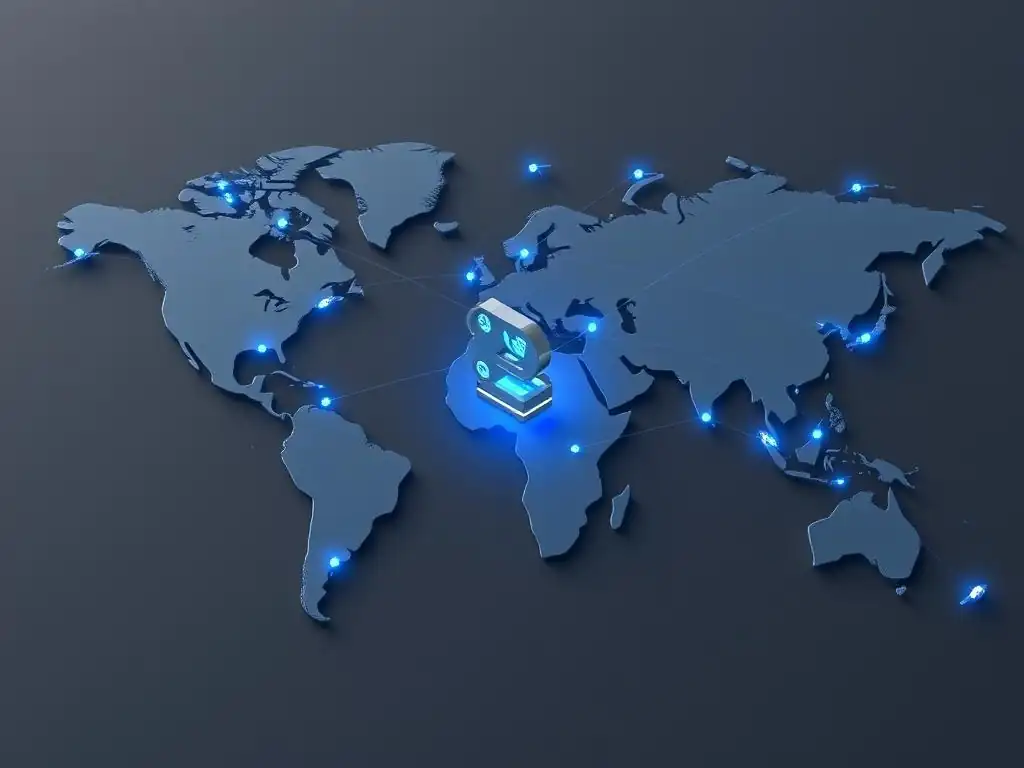
Numerous companies have moved beyond pilot projects to implement blockchain solutions in their supply chains, demonstrating tangible benefits. These real-world examples provide valuable insights into the potential and the practicalities of enterprise blockchain platforms.
Case Study 1: Walmart's Implementation of Blockchain for Food Traceability
One of the most widely cited examples is Walmart's implementation of a blockchain-based system (built on Hyperledger Fabric) for tracing leafy greens in the United States. Faced with the need for faster and more accurate traceability during foodborne illness outbreaks, Walmart mandated that suppliers of leafy greens join their blockchain network.
The results were dramatic. Traceability time for a product from store back to farm decreased from days or weeks using traditional methods down to seconds. This rapid identification of the source allows for quicker isolation of contaminated products, reducing the scope and impact of recalls, saving lives, and minimizing financial losses across the supply chain. This initiative demonstrated the power of blockchain in creating a trusted, immutable record for critical supply chain data.
Case Study 2: Maersk's Use of Blockchain for Streamlining Shipping Processes
Shipping giant Maersk partnered with IBM to create TradeLens, a blockchain-based platform aimed at digitizing and streamlining global trade. International shipping involves a vast network of carriers, ports, customs authorities, banks, and logistics providers, often relying on paper documentation and manual processes that lead to delays and errors.
TradeLens uses blockchain to create a shared, immutable record of shipping events, such as cargo loading, vessel departures and arrivals, and customs clearances. This provides all authorized parties with real-time visibility into the status of shipments, reducing the need for manual checks and paperwork. While building the network and achieving broad adoption across the ecosystem has been an ongoing process, the platform has demonstrated the potential to significantly reduce transit times and administrative costs associated with international shipping logistics.
The Role of Emerging Technologies in Enhancing Supply Chain Blockchain Platforms
Blockchain does not operate in a vacuum. Its true power in supply chain management is often realized when integrated with other emerging technologies. The combination of these tools creates more intelligent, automated, and responsive supply chain networks.
Integrating IoT Sensors for Real-Time Tracking and Monitoring
Internet of Things (IoT) sensors generate vast amounts of real-time data about the physical world – location, temperature, humidity, shock, etc. Integrating this data with a blockchain platform creates a powerful synergy. IoT sensors can report the current state of goods or assets, and this data can be recorded immutably on the blockchain.
For example, temperature sensors in a refrigerated container can continuously log data points to the blockchain. If the temperature deviates from the required range, this event is recorded, providing undeniable proof of a breach in the cold chain. This not only ensures product quality but also facilitates insurance claims and dispute resolution. The blockchain provides the trusted, shared ledger for the data generated by the distributed network of IoT devices.
Leveraging AI for Predictive Analytics and Demand Forecasting
Artificial intelligence (AI) can analyze the rich datasets collected and secured by a blockchain platform to provide valuable insights. By analyzing historical transaction data, shipment records, and potentially external data sources (like weather or news), AI algorithms can improve demand forecasting, optimize routing, and predict potential disruptions before they occur.
For instance, AI can analyze blockchain records of past shipments, combined with IoT location data and external traffic information, to predict potential delays on a specific route. This allows logistics managers to proactively reroute shipments or inform stakeholders. Similarly, analyzing historical sales and inventory data recorded on the blockchain can help AI models refine demand forecasts, leading to better inventory management and reduced waste. The blockchain provides the reliable foundation of data upon which AI can build predictive models.
Selecting the appropriate enterprise blockchain platform is a critical decision that significantly impacts the success of a supply chain implementation. The market offers various options, each with different strengths, weaknesses, and suitability for specific use cases. This is a key area when considering enterprise blockchain platform implementation challenges.
Key Considerations for Selecting a Supply Chain Blockchain Platform
Several factors must be evaluated when choosing a platform. First, consider the required level of decentralization and privacy. Is a public, permissionless chain (less likely for enterprise supply chain due to privacy/performance) or a permissioned consortium chain more appropriate? Second, assess the platform's scalability and transaction throughput capabilities to ensure it can handle anticipated transaction volumes.
Third, evaluate the ease of integration with existing legacy systems and the availability of APIs and developer tools. Fourth, consider the platform's governance model – how are decisions made, and who controls the network? Fifth, examine the ecosystem and community support around the platform, including the availability of skilled developers and pre-built applications. Finally, cost considerations, including development, deployment, and ongoing operational expenses, are paramount.
Evaluating Different Supply Chain Blockchain Platforms: A Comparative Analysis
When comparing platforms, consider their architecture (e.g., UTXO vs. Account-based models), consensus mechanisms (e.g., Proof-of-Authority, Practical Byzantine Fault Tolerance), and smart contract capabilities (e.g., language support, complexity).
- Hyperledger Fabric: A permissioned, private blockchain framework often favored for its modular architecture and strong access control features, suitable for consortiums where participants require specific permissions.
- R3 Corda: Designed specifically for financial services but adaptable for supply chain, focusing on peer-to-peer transactions and privacy by default, where transactions are only shared with relevant parties.
- Enterprise Ethereum: Using permissioned versions of Ethereum (like Quorum or Pantheon/Besu) allows leveraging the large Ethereum developer community and tools while providing the privacy and performance needed for enterprise use.
Each platform presents unique enterprise blockchain platform implementation challenges and benefits, requiring careful technical and business evaluation against specific supply chain needs.
The Future of Supply Chain Blockchain Platforms: Predictions and Outlook
The evolution of blockchain technology and its integration with other digital tools points towards a future where supply chains are more resilient, efficient, and transparent than ever before. The current challenges in enterprise blockchain platform implementation are paving the way for more mature and robust solutions.
The Long-Term Impact of Blockchain on Supply Chain Resilience
Blockchain's ability to create a single, trusted source of truth and provide real-time visibility significantly enhances supply chain resilience. During disruptions, whether from natural disasters, geopolitical events, or pandemics, having accurate, up-to-date information about the location and condition of goods, as well as the status of partners, is invaluable.
A blockchain-enabled supply chain can facilitate faster response times by quickly identifying impacted shipments and alternative routes or suppliers. The immutability of records ensures that critical information, like contractual agreements or quality certifications, is readily available and verifiable, even if traditional communication channels are disrupted. This enhanced transparency and data integrity contribute directly to a supply chain's ability to withstand and recover from unexpected shocks.
Preparing for the Next Generation of Supply Chain Solutions
As blockchain technology matures and adoption grows, we will see the emergence of more sophisticated, interconnected supply chain networks. These next-generation solutions will likely involve greater interoperability between different blockchain platforms and seamless integration with AI, IoT, and potentially other technologies like digital twins.
Preparing for this future involves investing not just in the technology itself, but also in developing the necessary skills within the organization and fostering collaboration with supply chain partners. It requires a strategic vision that sees blockchain as a foundational layer for future digital supply chain capabilities, rather than just a standalone solution for a single problem. Addressing the initial enterprise blockchain platform implementation challenges today is crucial for building the resilient supply chains of tomorrow.
Conclusion: Embracing the Transformative Potential of Supply Chain Blockchain
Blockchain technology holds immense potential to revolutionize supply chain management by addressing fundamental issues of trust, transparency, and efficiency. While significant enterprise blockchain platform implementation challenges remain, such as integration with legacy systems, scalability, and data privacy, ongoing developments in platform capabilities and increasing industry experience are helping to overcome these hurdles.
Key Takeaways for Businesses Considering Blockchain Adoption
For businesses exploring blockchain for their supply chains, several key takeaways are essential. First, identify specific pain points where blockchain's unique attributes (immutability, transparency, distribution) offer a clear advantage, rather than implementing it for technology's sake. Second, start with pilot projects focusing on a limited scope before attempting a full-scale rollout.
Third, recognize that successful implementation requires collaboration across the entire supply chain ecosystem, not just within your own organization. Fourth, invest in understanding the different enterprise blockchain platform options and choose one that aligns with your specific needs and the capabilities of your partners. Finally, be prepared for the organizational and process changes that accompany blockchain adoption, as it often requires new ways of working and sharing information.
The Ongoing Evolution of Supply Chain Technology
The journey towards fully optimized, blockchain-enabled supply chains is ongoing. As the technology continues to evolve, becoming faster, more scalable, and easier to integrate, its applications in supply chain will only expand. The convergence of blockchain with AI, IoT, and other digital technologies promises a future of highly automated, intelligent, and resilient supply networks. Businesses that strategically embrace and navigate the complexities of enterprise blockchain platform implementation today will be best positioned to thrive in the digitally transformed supply chain landscape of tomorrow.
Frequently Asked Questions
What are the primary challenges businesses face when implementing an enterprise blockchain platform?
The main challenges include scalability issues, data security concerns, and the complexity of integrating with existing legacy systems. Addressing these early is crucial.
How can companies ensure data privacy and compliance when deploying an enterprise blockchain platform?
Companies should employ permissioned blockchains and implement robust access controls to protect sensitive data. Compliance requires careful consideration of relevant regulations.
What skills are most needed for a successful enterprise blockchain platform implementation?
Demand is high for professionals with expertise in blockchain architecture, smart contract development, and cybersecurity. Strong project management skills are also crucial.
What role does DeFi play in the future of enterprise blockchain platforms?
DeFi principles can foster greater transparency and efficiency in enterprise financial processes. However, regulatory uncertainties remain a significant hurdle.
How will regulation shape the future of enterprise blockchain platforms and their adoption?
Clear and consistent regulation will be essential for widespread adoption, providing businesses with the legal certainty needed to invest confidently.
The insights shared by industry leaders throughout this article underscore a critical truth: enterprise blockchain platform implementation challenges are not merely technical hurdles, but strategic imperatives shaping the future of business. The complexities surrounding interoperability, scalability, and security, as highlighted by our experts, demand a holistic approach that transcends technological solutions and embraces collaborative innovation. Ignoring these challenges risks not only project failure but also forfeiting the transformative potential of blockchain technology.
The journey towards widespread enterprise blockchain adoption is far from over, and its impact on the cultural and social landscape is only beginning to unfold. The need for robust governance frameworks and clear regulatory guidelines is paramount to fostering trust and ensuring responsible deployment. As we navigate this evolving landscape, it's crucial to remember the human element – the individuals and communities who will ultimately be affected by these technological advancements. The future of blockchain is not just about the technology itself, but about the trust and transparency it can bring to our systems and processes.
As you consider the future of enterprise blockchain platforms, I invite you to reflect on your own role in shaping this transformative technology. How can you contribute to overcoming the implementation challenges discussed? How can you champion ethical and responsible blockchain development? Embrace the opportunity to be a pioneer, a problem-solver, and a visionary, and together, we can unlock the full potential of blockchain to build a more secure, transparent, and equitable future for all.
Sure, please provide the content of the article so I can identify the main themes and key takeaways. With that information, I will craft a compelling and relevant call to action that aligns perfectly with the article's message.
Leave a Reply