
Blockchain for Supply Chain Accountability: Beyond Traceability to Ethical Practices


Welcome to Blockchain Trends, your guide to understanding the revolutionary power of blockchain beyond the hype.
Are you ready to delve into the ethical implications of blockchain technology? Our latest article, "Blockchain for Supply Chain Accountability: Beyond Traceability to Ethical Practices," explores how we can leverage distributed ledger technology to create truly transparent and accountable supply chains. Discover how blockchain supply chain ethics tracking is transforming industries and promoting responsible sourcing. What if we could finally ensure fair labor practices and environmentally sound production from source to consumer? Read on to uncover the possibilities!
Blockchain for Supply Chain Accountability: Beyond Traceability to Ethical Practices
- Introduction: The Imperative of Ethical Supply Chains and Blockchain's Role
- Understanding the Challenges in Traditional Supply Chains
- Blockchain's Potential for Revolutionizing Supply Chain Ethics Tracking
- Key Applications of Blockchain in Supply Chain Accountability
-
Implementing Blockchain for Ethical Supply Chain Management: A Step-by-Step Guide
- Step 1: Identifying Key Ethical Considerations and Defining Metrics
- Step 2: Selecting the Appropriate Blockchain Platform and Technology Stack
- Step 3: Onboarding Suppliers and Stakeholders onto the Blockchain Network
- Step 4: Integrating Data from Various Sources and Building a Unified View
- Step 5: Developing Smart Contracts for Automated Compliance and Enforcement
- Step 6: Ensuring Data Privacy and Security within the Blockchain Network
- Overcoming Challenges in Blockchain Adoption for Supply Chain Accountability
- Real-World Examples: Blockchain Success Stories in Ethical Supply Chains
- The Future of Blockchain in Supply Chain Ethics Tracking
- Conclusion: Embracing Blockchain for a More Ethical and Accountable Future
-
Frequently Asked Questions
- What are the main benefits of using blockchain for supply chain ethics tracking?
- How does blockchain technology improve traceability in supply chains?
- What role does blockchain play in ensuring ethical labor practices within a supply chain?
- How can blockchain help combat counterfeiting and fraud in supply chains?
- What are the key challenges to implementing blockchain for supply chain ethics tracking?
- Final Reflection: Forging a Chain of Ethical Trust
- Unleash Ethical Supply Chains: Your Next Steps
Introduction: The Imperative of Ethical Supply Chains and Blockchain's Role
The Growing Demand for Ethical and Transparent Supply Chains
In today's interconnected world, consumers are increasingly conscious of the ethical implications behind the products they purchase. A 2023 study by NielsenIQ revealed that 73% of global consumers say they would definitely or probably change their consumption habits to reduce their impact on the environment. This heightened awareness extends beyond environmental concerns to encompass fair labor practices, human rights, and responsible sourcing.
Consumers are demanding transparency, wanting to know not just where their products come from, but also how they are made and under what conditions. This surge in ethical consumerism is not merely a trend; it's a fundamental shift in market expectations, compelling businesses to prioritize ethical and transparent supply chains to maintain brand reputation and consumer trust.
Furthermore, regulatory pressures are mounting globally. Legislation like the European Union's Corporate Sustainability Reporting Directive (CSRD) and the German Supply Chain Due Diligence Act are pushing companies to take greater responsibility for their supply chains, requiring them to identify, assess, and mitigate environmental and human rights risks.
These legal frameworks are not just about compliance; they represent a systemic move towards holding businesses accountable for ethical practices across their entire value chain. Failure to adhere to these evolving standards can result in significant legal repercussions, financial penalties, and damage to brand image, making ethical supply chain management a critical business imperative.
Moving Beyond Traceability: Integrating Ethics into Supply Chain Management
For years, supply chain management focused primarily on traceability – the ability to track the movement of goods from origin to consumer. While traceability remains crucial, the focus is now expanding to encompass ethics. Simply knowing the location of a product at each stage is insufficient; stakeholders now demand verifiable assurance that products are sourced and manufactured ethically.
This means ensuring fair wages for workers, safe working conditions, environmentally sustainable practices, and the absence of forced labor or child labor throughout the supply chain. The shift is from knowing where something is to knowing how it was made and by whom, emphasizing the ethical dimensions of production and sourcing.
Integrating ethics into supply chain management necessitates a holistic approach. It requires businesses to move beyond reactive measures, such as audits that often provide only a snapshot in time, to proactive strategies that embed ethical considerations into every stage of the supply chain. This includes establishing robust ethical sourcing policies, conducting thorough due diligence on suppliers, and implementing continuous monitoring systems.
The goal is to build resilient supply chains grounded in ethical principles, ensuring not just efficiency and cost-effectiveness but also social and environmental responsibility. This proactive ethical integration is essential for building long-term sustainability and trust in the global marketplace.
Blockchain Technology: A Foundation for Trust and Accountability
Blockchain technology emerges as a powerful tool to address the growing need for ethical and transparent supply chains. Its inherent characteristics of transparency, immutability, and decentralization offer a robust foundation for building trust and accountability in complex supply networks. Unlike traditional databases that are centralized and vulnerable to manipulation, blockchain provides a shared, distributed ledger where every transaction is recorded permanently and transparently. This inherent transparency can significantly enhance visibility across the supply chain, allowing stakeholders to track products and verify claims of ethical sourcing and production.
Moreover, blockchain's immutability ensures the integrity of supply chain data. Once information is recorded on a blockchain, it cannot be altered or deleted, providing an auditable and tamper-proof record of product journey and ethical compliance. This feature is particularly valuable in combating fraud and counterfeiting, as well as verifying ethical claims. By leveraging blockchain, businesses can create a secure and transparent ecosystem where ethical practices can be reliably tracked, verified, and communicated to consumers and stakeholders, fostering greater trust and accountability throughout the supply chain.
Understanding the Challenges in Traditional Supply Chains
Lack of Transparency and Visibility in Complex Supply Networks
Modern supply chains are often incredibly complex and globally dispersed, involving numerous tiers of suppliers, subcontractors, and intermediaries. This intricate web of participants makes it exceptionally challenging to achieve true transparency and visibility. For example, a garment might involve cotton sourced from one country, spun into yarn in another, woven into fabric in a third, dyed and cut in a fourth, and finally assembled in a fifth before reaching the consumer.
Each stage introduces potential opacity, making it difficult to trace the origins of materials and monitor working conditions at every level. This lack of end-to-end visibility creates blind spots, hindering companies' ability to effectively identify and address ethical risks within their supply chains.
Furthermore, information asymmetry is a significant problem. Often, primary suppliers have limited visibility beyond their direct customers, and brands at the end of the supply chain lack direct insight into the practices of lower-tier suppliers. This information gap allows unethical practices to remain hidden, as issues occurring deep within the supply chain may not be readily apparent to those at the top.
Traditional supply chain management systems, often reliant on fragmented data and manual processes, struggle to provide the comprehensive, real-time visibility required for effective ethical oversight. This opacity not only impedes ethical sourcing but also increases vulnerability to disruptions and reputational damage.
The Difficulty of Verifying Ethical Practices in Supply Chains
Verifying ethical claims in traditional supply chains is a notoriously difficult and resource-intensive process. Current methods often rely on audits, certifications, and self-reporting, which are susceptible to limitations and biases. Traditional audits, for instance, are often point-in-time assessments, providing only a snapshot of compliance at a specific moment. Suppliers may temporarily improve conditions to pass audits, only to revert to previous practices afterward. Moreover, audits can be costly and time-consuming, especially for companies with extensive global supply chains, making frequent and comprehensive verification challenging.
Certifications, while offering a degree of assurance, also have limitations. The proliferation of certification schemes, each with varying standards and levels of rigor, can lead to confusion and greenwashing. Furthermore, the reliance on self-reporting by suppliers creates inherent risks of inaccurate or incomplete information. Without robust and independent verification mechanisms, it is difficult to confidently ascertain the true ethical practices within a supply chain. This lack of reliable verification undermines consumer trust and makes it challenging for businesses to demonstrably prove their commitment to ethical sourcing and production.
Data Silos and Information Asymmetry: Impediments to Accountability
Traditional supply chain management often suffers from data silos, where information is fragmented and stored in disparate systems across different organizations and tiers of the supply chain. Each participant in the supply chain typically maintains its own records, using different formats and systems, making it difficult to share and consolidate data effectively. This lack of interoperability creates information asymmetry, where different stakeholders have incomplete and inconsistent views of the supply chain. For example, a brand may have data on its direct suppliers, but lack access to information about the practices of sub-suppliers further down the chain.
These data silos and information asymmetries severely impede accountability. When information is fragmented and difficult to access, it becomes challenging to track the flow of goods, identify responsibility for ethical lapses, and implement effective corrective actions. The lack of a unified, transparent data platform hinders collaboration and information sharing among supply chain partners, making it difficult to establish a shared understanding of ethical performance and drive collective improvement. Overcoming these data silos is crucial for building truly accountable and ethical supply chains, requiring a shift towards more integrated and collaborative data management approaches.
Blockchain's Potential for Revolutionizing Supply Chain Ethics Tracking
Enhanced Traceability and Provenance with Blockchain Technology
Blockchain technology offers a transformative solution for enhancing traceability and provenance in supply chains, crucial for effective blockchain supply chain ethics tracking. By recording every transaction and movement of goods on a distributed ledger, blockchain creates an immutable and transparent record of a product's journey from origin to consumer. Each participant in the supply chain can contribute data to the blockchain, creating a shared and verifiable history of the product. This enhanced traceability allows for the clear identification of the origin of materials, the different stages of production, and the parties involved at each step.
For example, in the food industry, blockchain can track a product like coffee beans from the farm to the cup. Information such as the farm location, harvesting date, processing details, transportation records, and roasting information can be recorded on the blockchain, providing consumers with unprecedented visibility into the coffee's provenance.
This detailed traceability not only builds consumer trust but also enables businesses to verify ethical sourcing claims, such as fair trade or organic certification, with greater accuracy and efficiency. Blockchain's ability to provide a comprehensive and auditable trail of product history is a significant step forward in ensuring supply chain transparency and accountability.
Immutable Records: Ensuring Data Integrity and Trust in Supply Chain Data
The immutability of blockchain records is a cornerstone of its value for ethical supply chain tracking. Once data is recorded on a blockchain, it cannot be altered or deleted, ensuring the integrity and trustworthiness of supply chain information. This feature is particularly critical in combating fraud and misrepresentation, as it eliminates the risk of tampering with records to conceal unethical practices or falsify product origins. In traditional systems, data can be manipulated or lost, undermining the reliability of supply chain information. Blockchain's immutable ledger provides a secure and auditable record that all stakeholders can trust.
Consider the example of verifying the authenticity of luxury goods. Counterfeiting is a major problem in the luxury industry, eroding brand value and consumer trust. By registering unique product identifiers on a blockchain, luxury brands can create an immutable digital certificate of authenticity. Consumers can then verify the genuineness of a product by scanning a QR code or NFC tag linked to the blockchain record, ensuring they are purchasing an authentic item. This immutability of data on the blockchain provides a powerful tool for protecting brands and consumers from fraud, while also fostering trust in the supply chain.
Smart Contracts: Automating Ethical Compliance and Enforcement
Smart contracts, self-executing agreements written in code and stored on the blockchain, offer a powerful mechanism for automating ethical compliance and enforcement within supply chains. These contracts can be programmed to automatically trigger actions when predefined conditions are met, eliminating the need for manual intervention and reducing the risk of human error or bias. In the context of ethical supply chains, smart contracts can be used to automate payments to suppliers upon verification of ethical practices, or to trigger alerts if deviations from ethical standards are detected.
For instance, a smart contract could be designed to automatically release payment to a coffee farmer once a third-party certification body verifies that the coffee beans meet fair trade standards and the data is recorded on the blockchain. Similarly, smart contracts can be used to enforce labor standards.
If IoT sensors in a factory detect unsafe working conditions, such as excessive temperatures or lack of safety equipment, a smart contract could automatically trigger alerts to relevant stakeholders and potentially halt production until the issues are addressed. This automation of compliance and enforcement through smart contracts enhances efficiency, reduces costs, and strengthens the integrity of ethical supply chain management.
Improved Visibility: Tracking Products from Origin to Consumer
Blockchain technology significantly enhances supply chain visibility, enabling stakeholders to track products from their origin to the end consumer with unprecedented clarity. By creating a shared and transparent ledger of transactions, blockchain breaks down data silos and provides a unified view of the entire supply chain. This improved visibility empowers businesses to identify bottlenecks, optimize processes, and, crucially, monitor ethical practices at every stage. Consumers also benefit from enhanced visibility, gaining access to verifiable information about the products they purchase, fostering greater trust and informed purchasing decisions.
For example, in the pharmaceutical industry, tracking drugs from manufacturing to dispensing is critical for patient safety and combating counterfeit medications. Blockchain can provide end-to-end visibility throughout the pharmaceutical supply chain, tracking the movement of drugs, monitoring temperature conditions during transportation, and verifying the authenticity of medications at the point of dispensing. This enhanced visibility reduces the risk of counterfeit drugs entering the market and ensures that patients receive safe and genuine medications. The ability to track products from origin to consumer with blockchain provides a powerful tool for improving supply chain efficiency, security, and ethical accountability.
Key Applications of Blockchain in Supply Chain Accountability
Ethical Sourcing and Fair Trade Verification using Blockchain
Blockchain is revolutionizing ethical sourcing and fair trade verification by providing a transparent and immutable platform to track and validate ethical claims. Traditional fair trade certifications often rely on manual audits and paper-based systems, which can be inefficient and susceptible to fraud. Blockchain enables a more robust and trustworthy verification process by recording all relevant data, from farm to consumer, on a shared ledger. This includes information about farmer cooperatives, labor practices, environmental sustainability, and fair pricing, creating a verifiable record of ethical sourcing.
For instance, consider the sourcing of cocoa beans for chocolate production. Blockchain can track cocoa beans from smallholder farms, verifying that farmers receive fair prices, child labor is not used, and sustainable farming practices are employed. Consumers can then scan a QR code on the chocolate packaging to access this blockchain-verified information, providing assurance that their purchase supports ethical and sustainable cocoa production. Blockchain's transparency and immutability make it a powerful tool for building trust in fair trade and ethical sourcing initiatives, empowering consumers to make informed choices and supporting producers committed to ethical practices.
Combating Counterfeiting and Ensuring Product Authenticity
Counterfeiting is a pervasive problem across numerous industries, costing businesses billions of dollars annually and posing risks to consumer safety. Blockchain offers a powerful solution for combating counterfeiting and ensuring product authenticity through its ability to create unique digital identities for products and track their provenance. By registering products on a blockchain, businesses can create an immutable record of authenticity that consumers can easily verify. This is particularly valuable for high-value goods, luxury items, and pharmaceuticals, where counterfeiting is rampant.
For example, in the fashion industry, blockchain can be used to create digital passports for garments, containing information about the materials used, manufacturing origin, and design details. Consumers can verify the authenticity of a garment by scanning a tag or QR code linked to the blockchain record, ensuring they are purchasing a genuine product. This use of blockchain for product authentication not only protects brands from counterfeiting but also enhances consumer trust and transparency in the supply chain. The immutable and verifiable nature of blockchain records makes it an effective tool in the fight against counterfeit goods.
Monitoring Labor Practices and Preventing Exploitation with Blockchain
Blockchain can play a crucial role in monitoring labor practices and preventing exploitation within supply chains, a critical aspect of blockchain supply chain ethics tracking. Traditional methods of monitoring labor conditions, such as audits, are often limited in scope and frequency. Blockchain can enable more continuous and transparent monitoring by recording data related to working conditions, wages, and worker rights directly onto the ledger. This can include data from IoT sensors monitoring factory conditions, records of worker contracts and payments, and even worker feedback mechanisms integrated with the blockchain.
For instance, in the garment industry, blockchain can be used to track worker hours, wages, and working conditions in factories. Smart contracts can be implemented to ensure that workers are paid fairly and on time, and that factories comply with labor regulations. If violations are detected, such as unpaid wages or unsafe working conditions, alerts can be automatically triggered, and corrective actions can be initiated. By providing a transparent and auditable record of labor practices, blockchain empowers stakeholders to hold businesses accountable for ensuring fair and ethical treatment of workers throughout their supply chains.
Sustainable Supply Chains: Tracking Environmental Impact and Promoting Responsibility
Blockchain is increasingly being utilized to promote sustainable supply chains by tracking environmental impact and fostering corporate responsibility. Environmental sustainability is becoming a critical concern for consumers and regulators alike, driving demand for transparent and verifiable information about the environmental footprint of products. Blockchain can be used to track key environmental metrics, such as carbon emissions, water usage, and waste generation, throughout the supply chain. This data can be used to verify sustainability claims, incentivize eco-friendly practices, and enable consumers to make more sustainable purchasing decisions.
For example, in the agriculture sector, blockchain can track the environmental impact of food production, from farm to table. Data on fertilizer use, pesticide application, water consumption, and land management practices can be recorded on the blockchain, providing consumers with a comprehensive environmental footprint of their food. This transparency can encourage farmers to adopt more sustainable practices and enable consumers to support environmentally responsible agriculture. Blockchain's ability to track and verify environmental data makes it a valuable tool for promoting sustainable supply chains and fostering a more environmentally conscious economy.
Implementing Blockchain for Ethical Supply Chain Management: A Step-by-Step Guide
Step 1: Identifying Key Ethical Considerations and Defining Metrics
The first crucial step in implementing blockchain for ethical supply chain management is to clearly identify the key ethical considerations relevant to your industry and define measurable metrics for tracking progress. This requires a thorough assessment of your supply chain to pinpoint potential ethical risks, such as forced labor, unsafe working conditions, environmental degradation, or unfair sourcing practices. Engage with stakeholders, including suppliers, NGOs, and industry experts, to gain a comprehensive understanding of the ethical landscape and prioritize the most pressing concerns.
Once key ethical considerations are identified, define specific and measurable metrics to track performance. For example, if fair labor is a priority, metrics could include average wages paid to workers, working hours, and compliance with safety standards. For environmental sustainability, metrics might include carbon emissions per unit of production, water consumption, and waste reduction rates.
These metrics should be specific, measurable, achievable, relevant, and time-bound (SMART) to ensure effective tracking and evaluation of ethical performance. Clearly defining ethical considerations and metrics provides a roadmap for blockchain implementation and ensures that the technology is applied strategically to address the most critical ethical challenges.
Step 2: Selecting the Appropriate Blockchain Platform and Technology Stack
Choosing the right blockchain platform and technology stack is essential for successful implementation in ethical supply chain management. Several blockchain platforms are available, each with different characteristics in terms of permissioning, scalability, cost, and functionality. For supply chain applications, permissioned or private blockchains are often preferred over public blockchains due to data privacy concerns and the need for controlled access to sensitive supply chain information. Permissioned blockchains allow for selective access to data, ensuring that only authorized participants can view and contribute information.
Consider factors such as transaction throughput, scalability to accommodate future growth, integration capabilities with existing systems, and the cost of implementation and operation when selecting a platform. Evaluate different blockchain platforms like Hyperledger Fabric, Ethereum (private deployments), or Corda, based on your specific needs and technical capabilities. Additionally, consider the broader technology stack, including data integration tools, APIs, and user interface development frameworks, required to build a comprehensive blockchain-based supply chain solution. Selecting the appropriate platform and technology stack ensures that the blockchain solution is robust, scalable, and aligned with your ethical supply chain goals.
Step 3: Onboarding Suppliers and Stakeholders onto the Blockchain Network
Successfully onboarding suppliers and other stakeholders is critical for creating a functional and effective blockchain network for ethical supply chain management. This process requires clear communication, education, and incentivization to encourage participation and ensure data integrity. Start by engaging key suppliers and stakeholders early in the process, explaining the benefits of blockchain for ethical tracking and addressing any concerns they may have about data sharing or technological complexity. Provide training and support to help suppliers understand how to interact with the blockchain platform and contribute data accurately.
Incentivize participation by highlighting the advantages of blockchain for suppliers, such as increased transparency, improved efficiency, and enhanced reputation. For example, suppliers who demonstrate strong ethical performance on the blockchain could gain preferential access to contracts or receive faster payment processing. Establish clear protocols for data sharing, data quality, and data governance to ensure that all participants adhere to agreed-upon standards.
A phased onboarding approach, starting with a pilot project involving a smaller group of suppliers, can help to refine processes and address challenges before wider deployment. Successful onboarding of suppliers and stakeholders is essential for building a collaborative and impactful blockchain network for ethical supply chain management.
Step 4: Integrating Data from Various Sources and Building a Unified View
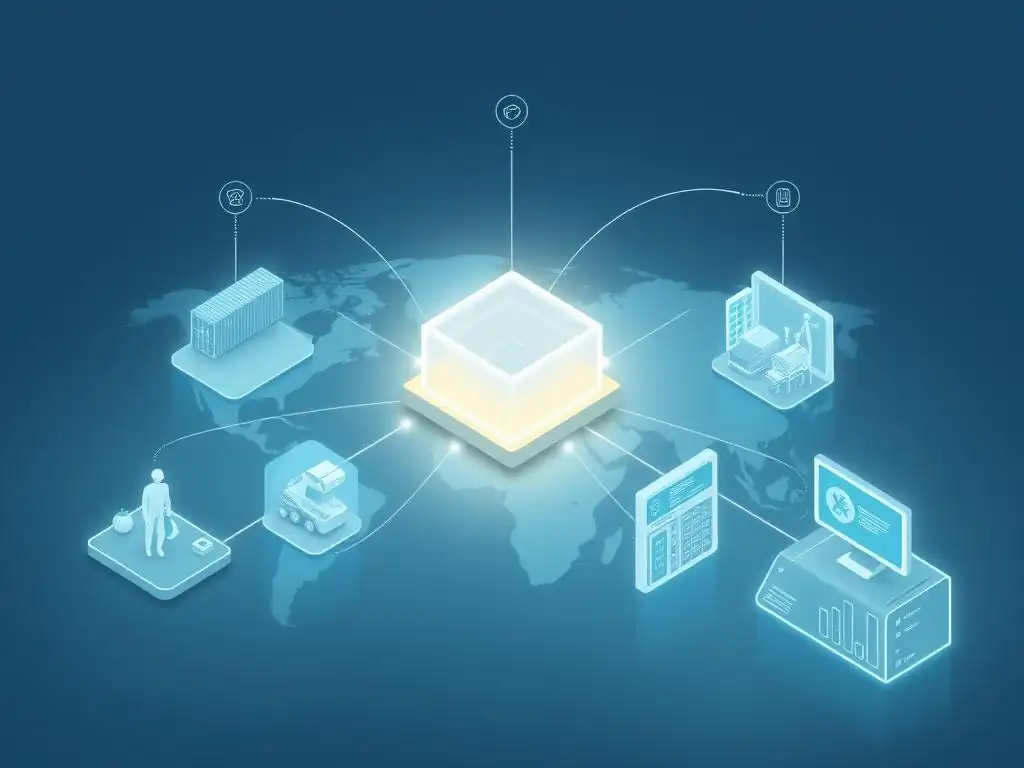
A key challenge in implementing blockchain for supply chain accountability is integrating data from diverse sources and creating a unified view of the supply chain. Data relevant to ethical tracking may reside in various systems, including supplier databases, ERP systems, certification bodies, IoT sensors, and logistics providers. Effective data integration is crucial for creating a comprehensive and accurate picture of ethical performance across the entire supply chain. Utilize APIs and data integration tools to connect different systems and pull relevant data onto the blockchain platform.
Establish data standards and protocols to ensure data consistency and interoperability across different sources. Consider using data aggregation and analytics tools to process and analyze blockchain data, generating insights into ethical performance and identifying areas for improvement. Develop dashboards and visualization tools to present a unified view of supply chain data to stakeholders, enabling them to monitor ethical metrics and track progress towards sustainability goals. Data integration is not just about connecting systems; it's about creating a coherent and meaningful dataset that provides actionable insights for ethical supply chain management.
Step 5: Developing Smart Contracts for Automated Compliance and Enforcement
Developing smart contracts is a crucial step in leveraging blockchain for automated compliance and enforcement of ethical standards in supply chains. Smart contracts can be programmed to automatically verify ethical compliance based on predefined rules and data inputs, triggering actions such as payments, alerts, or sanctions when conditions are met or violated. Identify key compliance requirements and translate them into smart contract logic. For example, a smart contract could verify fair trade certification data, labor standards compliance based on IoT sensor readings, or environmental sustainability metrics.
Test and validate smart contracts thoroughly to ensure they function as intended and accurately reflect ethical compliance requirements. Consider using oracles to securely feed external data, such as certification data or IoT sensor readings, into smart contracts. Implement mechanisms for dispute resolution and exception handling within smart contracts to address unforeseen circumstances or disagreements. Smart contracts offer a powerful way to automate ethical compliance, reduce manual oversight, and enhance the efficiency and transparency of ethical supply chain management.
Step 6: Ensuring Data Privacy and Security within the Blockchain Network
Data privacy and security are paramount considerations when implementing blockchain for ethical supply chain management, particularly when dealing with sensitive supply chain information and potentially personal data. Choose a blockchain platform that offers robust security features and data privacy controls. Permissioned blockchains provide enhanced privacy compared to public blockchains, as access to data is controlled and restricted to authorized participants. Implement data encryption techniques to protect sensitive data both at rest and in transit.
Carefully consider data governance and access control policies to ensure that data is only accessible to authorized stakeholders and used for legitimate purposes. Comply with relevant data privacy regulations, such as GDPR or CCPA, when designing and implementing your blockchain solution. Regularly audit and monitor the blockchain network for security vulnerabilities and data breaches. Prioritizing data privacy and security is essential for building trust and ensuring the long-term viability of blockchain-based ethical supply chain management systems.
Overcoming Challenges in Blockchain Adoption for Supply Chain Accountability
Scalability Issues and Transaction Costs on Blockchain Networks
Scalability and transaction costs are significant challenges in the widespread adoption of blockchain for supply chain accountability. Many blockchain platforms, especially early generations, have limitations in terms of transaction throughput and speed, which can become bottlenecks when processing large volumes of supply chain data. Public blockchains, in particular, can experience high transaction fees, especially during periods of network congestion, making them potentially costly for large-scale supply chain deployments.
Explore layer-2 scaling solutions or consider using more scalable blockchain platforms designed for enterprise applications. Optimize data structures and transaction processing to minimize transaction size and computational overhead. Carefully evaluate the cost implications of different blockchain platforms and consensus mechanisms to find a balance between scalability, security, and cost-effectiveness. As blockchain technology continues to evolve, scalability solutions are improving, and transaction costs are expected to decrease, making blockchain increasingly viable for large-scale supply chain applications.
Data Privacy Concerns and the Need for Permissioned Blockchains
Data privacy concerns are a major hurdle in blockchain adoption for supply chain accountability, especially when dealing with sensitive business information and potentially personal data. Public blockchains, by their nature, are transparent, with all transaction data publicly visible. This lack of privacy is often unacceptable for businesses that need to protect confidential information. Permissioned or private blockchains offer a solution to data privacy concerns by controlling access to data and allowing for selective disclosure of information.
Utilize permissioned blockchain platforms that provide robust access control mechanisms and data privacy features. Implement data encryption and anonymization techniques to protect sensitive data within the blockchain network. Carefully design data governance policies and access control rules to ensure that data is only shared with authorized stakeholders and used for legitimate purposes. Educate stakeholders about data privacy measures and address their concerns to build trust and encourage adoption. Permissioned blockchains and robust data privacy practices are essential for overcoming data privacy concerns and enabling wider blockchain adoption in supply chains.
Interoperability Challenges Between Different Blockchain Platforms
Interoperability challenges between different blockchain platforms pose a significant obstacle to seamless data exchange and collaboration across supply chains. Currently, different blockchain platforms often operate in silos, making it difficult to transfer data or interact between them. This lack of interoperability can limit the potential benefits of blockchain, especially in complex supply chains involving multiple organizations using different blockchain solutions.
Promote the development and adoption of interoperability standards and protocols for blockchain platforms. Explore cross-chain communication technologies and bridging solutions that enable data exchange between different blockchains. Encourage collaboration among blockchain platform providers and industry stakeholders to foster interoperability and create a more connected and integrated blockchain ecosystem. Addressing interoperability challenges is crucial for unlocking the full potential of blockchain for supply chain accountability and enabling seamless data flow across diverse supply chain networks.
Resistance to Change and the Need for Stakeholder Education
Resistance to change and a lack of understanding of blockchain technology among stakeholders are significant barriers to adoption. Implementing blockchain often requires significant changes to existing processes, systems, and workflows, which can be met with resistance from organizations and individuals accustomed to traditional methods. Many stakeholders may lack a clear understanding of blockchain technology, its benefits, and how it can be applied to improve supply chain accountability.
Invest in comprehensive stakeholder education and training programs to build awareness and understanding of blockchain technology and its potential benefits for ethical supply chain management. Clearly communicate the value proposition of blockchain, highlighting how it can improve transparency, efficiency, and ethical performance. Address concerns and misconceptions about blockchain and provide practical examples and case studies to demonstrate its effectiveness. Engage stakeholders in the implementation process and involve them in decision-making to foster buy-in and reduce resistance to change. Overcoming resistance to change through education and stakeholder engagement is crucial for successful blockchain adoption in supply chains.
Real-World Examples: Blockchain Success Stories in Ethical Supply Chains
Case Study 1: Tracking Tuna from Ocean to Table with Blockchain
The tuna industry faces significant challenges related to illegal fishing, fraud, and unsustainable practices. To address these issues, companies like Provenance have partnered with fisheries to use blockchain to track tuna from the ocean to the consumer's table. Fishermen record data such as catch location, fishing method, and landing date directly onto the blockchain. This data is then linked to each tuna fish throughout the supply chain, including processing, distribution, and retail. Consumers can scan a QR code on the tuna packaging to access this blockchain-verified information, ensuring the tuna is legally and sustainably sourced.
This blockchain-based tuna tracking system enhances transparency and accountability in the seafood supply chain. It empowers consumers to make informed choices about the seafood they consume and incentivizes sustainable fishing practices. By providing verifiable proof of origin and sustainability, blockchain helps combat illegal fishing and promotes responsible sourcing in the tuna industry. Initial results have shown increased consumer confidence and improved traceability in pilot programs, demonstrating the potential of blockchain to transform seafood supply chains.
Case Study 2: Verifying Organic Cotton Production using Blockchain
The organic cotton industry is plagued by fraud and mislabeling, making it difficult for consumers to be certain they are purchasing genuine organic cotton. To address this issue, initiatives like TextileGenesis are using blockchain to track organic cotton from farm to finished garment. Farmers, ginners, spinners, weavers, and garment manufacturers record data about the cotton at each stage of the supply chain onto the blockchain. Certifications, such as GOTS (Global Organic Textile Standard), are also linked to the blockchain record, providing verifiable proof of organic status.
Consumers can scan a QR code on clothing labels to access the blockchain-verified journey of the organic cotton, ensuring transparency and authenticity. This blockchain-based system enhances trust in organic cotton claims and supports farmers who are committed to sustainable and organic farming practices. By providing a transparent and tamper-proof record of organic cotton production, blockchain helps combat fraud and promotes the integrity of the organic textile industry. Pilot projects have shown improved traceability and reduced fraud, indicating the effectiveness of blockchain in verifying organic cotton supply chains.
Case Study 3: Ensuring Fair Labor Practices in Garment Manufacturing with Blockchain
The garment industry is notorious for labor exploitation and unsafe working conditions in some parts of the world. To address these ethical concerns, initiatives are emerging that leverage blockchain to improve transparency and accountability in garment manufacturing supply chains. Companies are exploring using blockchain to track worker wages, working hours, and factory conditions, providing a verifiable record of labor practices. Smart contracts can be used to automate fair wage payments and ensure compliance with labor regulations.
For example, worker identity and wage information can be securely recorded on a blockchain, providing a transparent and auditable record of payments. IoT sensors in factories can monitor working conditions, such as temperature and air quality, and trigger alerts if standards are violated. By providing enhanced visibility into labor practices, blockchain empowers brands and consumers to hold garment manufacturers accountable for ethical labor standards. While still in early stages, these initiatives demonstrate the potential of blockchain to improve worker welfare and promote fair labor practices in the garment industry.
The Future of Blockchain in Supply Chain Ethics Tracking
Integration with IoT and AI for Enhanced Monitoring and Automation
The future of blockchain in supply chain ethics tracking will be significantly shaped by its integration with other emerging technologies like the Internet of Things (IoT) and Artificial Intelligence (AI). IoT devices, such as sensors and trackers, can provide real-time data about product conditions, location, and environmental factors throughout the supply chain. This data can be automatically recorded on the blockchain, providing a continuous and granular view of supply chain operations. AI algorithms can analyze blockchain and IoT data to identify anomalies, predict risks, and optimize ethical compliance.
For example, IoT sensors can monitor temperature and humidity conditions during the transportation of temperature-sensitive goods, ensuring product quality and safety. AI can analyze blockchain data to detect patterns of unethical sourcing or labor practices, triggering alerts for investigation. The combination of blockchain, IoT, and AI will create more intelligent, automated, and responsive ethical supply chain management systems, enabling proactive risk mitigation and enhanced accountability. This technological convergence will drive greater efficiency, transparency, and ethical performance in supply chains.
The Rise of Decentralized Supply Chain Platforms
The future will likely see the rise of decentralized supply chain platforms built on blockchain technology. These platforms will move away from centralized, proprietary systems towards more open, collaborative, and transparent ecosystems. Decentralized platforms will enable direct interaction and data sharing among all supply chain participants, fostering greater trust and reducing reliance on intermediaries. These platforms can facilitate peer-to-peer transactions, streamline information flow, and empower smaller suppliers and producers by providing them with direct access to markets and consumers.
Decentralized supply chain platforms can also promote greater resilience and security by distributing data and control across multiple nodes, reducing vulnerability to single points of failure. These platforms can be governed by decentralized autonomous organizations (DAOs), ensuring community ownership and democratic decision-making. The shift towards decentralized supply chain platforms will foster greater transparency, collaboration, and equity in global trade, creating more ethical and sustainable supply chains.
The Role of Regulatory Frameworks in Promoting Blockchain Adoption
Regulatory frameworks will play a crucial role in promoting the responsible and widespread adoption of blockchain for supply chain ethics tracking. Governments and international organizations are increasingly recognizing the potential of blockchain to enhance transparency, accountability, and sustainability in supply chains. Regulatory initiatives can provide clarity on legal and compliance requirements for blockchain applications, fostering trust and encouraging investment. Standards and guidelines for data privacy, security, and interoperability in blockchain-based supply chains are also needed to ensure responsible and ethical implementation.
Governments can incentivize blockchain adoption through tax breaks, subsidies, or public-private partnerships. Regulatory frameworks can also mandate the use of blockchain for specific supply chain applications, such as tracking critical goods or verifying ethical sourcing claims. International cooperation and harmonization of regulatory frameworks are essential to facilitate cross-border blockchain adoption and create a level playing field for businesses. Clear and supportive regulatory frameworks will be critical for unlocking the full potential of blockchain to drive ethical and sustainable supply chain practices.
Blockchain and the Circular Economy: Enabling Traceability and Recycling
Blockchain can be a powerful enabler of the circular economy by enhancing traceability and accountability in product lifecycles and recycling processes. The circular economy aims to minimize waste and maximize resource utilization by keeping products and materials in use for as long as possible. Blockchain can track products and materials throughout their lifecycle, from production to consumption and end-of-life, providing valuable data for recycling and reuse. This enhanced traceability can facilitate product take-back programs, improve recycling rates, and enable the creation of secondary material markets.
For example, blockchain can track the materials used in a product, making it easier to identify recyclable components at the end of its life. Blockchain-based systems can incentivize consumers to return used products for recycling by rewarding them with digital tokens or credits. By providing a transparent and verifiable record of product lifecycle data, blockchain can support the transition to a more circular and sustainable economy, minimizing waste and maximizing resource efficiency. The integration of blockchain with circular economy principles will drive greater sustainability and resource responsibility across industries.
Conclusion: Embracing Blockchain for a More Ethical and Accountable Future
Blockchain as a Catalyst for Positive Change in Supply Chains
Blockchain technology holds immense potential to act as a catalyst for positive change in global supply chains, particularly in driving ethical practices and enhancing accountability. By providing enhanced transparency, immutability, and decentralization, blockchain addresses many of the fundamental challenges that have hindered progress towards ethical and sustainable supply chains.
From combating fraud and counterfeiting to verifying fair labor practices and promoting environmental sustainability, blockchain offers a powerful toolkit for building more responsible and trustworthy supply networks. Its ability to create a shared and verifiable record of supply chain data empowers stakeholders to make informed decisions and hold businesses accountable for their ethical commitments.
The examples of blockchain applications in tracking tuna, verifying organic cotton, and monitoring labor practices demonstrate the tangible benefits of this technology. As blockchain technology matures and becomes more widely adopted, its impact on supply chain ethics is expected to grow significantly. Embracing blockchain is not just about adopting a new technology; it's about embracing a new paradigm of transparency, trust, and accountability in global commerce.
The Importance of Collaboration and Standardization for Widespread Adoption
Widespread adoption of blockchain for ethical supply chain management hinges on collaboration and standardization across industries and stakeholders. No single company or organization can solve the complex challenges of ethical supply chains in isolation. Collaboration among businesses, suppliers, NGOs, technology providers, and regulatory bodies is essential to build effective and interoperable blockchain solutions. Industry-wide standards for data formats, protocols, and governance are needed to ensure seamless data exchange and interoperability between different blockchain platforms and supply chain systems.
Open-source initiatives and collaborative platforms can foster innovation and accelerate blockchain adoption. Sharing best practices, lessons learned, and technology resources can reduce duplication of effort and drive collective progress. Industry consortia and alliances can play a crucial role in developing and promoting standards, facilitating collaboration, and advocating for supportive regulatory frameworks. Collaboration and standardization are key enablers for realizing the full potential of blockchain to transform supply chains and create a more ethical and accountable global marketplace.
Moving Towards a Future Where Ethical Practices are Verifiable and Enforceable.
The journey towards ethical and accountable supply chains is ongoing, and blockchain technology offers a significant leap forward in this endeavor. By leveraging blockchain, we are moving towards a future where ethical practices are not just aspirations but verifiable and enforceable realities. Blockchain empowers consumers to demand transparency and make informed purchasing decisions based on verifiable ethical claims. It enables businesses to demonstrate their commitment to ethical sourcing and production with greater credibility and build stronger relationships with stakeholders based on trust.
As blockchain technology continues to evolve and mature, its role in driving ethical supply chain management will only become more prominent. By embracing blockchain and fostering collaboration, we can collectively build a future where global supply chains are not only efficient and cost-effective but also ethical, sustainable, and contribute to a more just and equitable world. The potential of blockchain to create a more ethical and accountable future for supply chains is immense, and realizing this potential requires continued innovation, collaboration, and a commitment to building a more responsible global economy.
Frequently Asked Questions
What are the main benefits of using blockchain for supply chain ethics tracking?
Blockchain offers enhanced transparency and immutability, making it easier to verify the origin and ethical practices associated with products. This builds trust and ensures accountability throughout the supply chain.
How does blockchain technology improve traceability in supply chains?
Blockchain creates a permanent, distributed ledger that records every transaction and movement of goods. This unalterable record allows for end-to-end visibility, making it easier to trace products back to their source.
What role does blockchain play in ensuring ethical labor practices within a supply chain?
Blockchain can be used to verify worker conditions and ensure fair wages. By recording information on the blockchain, companies can demonstrate their commitment to ethical sourcing and improve labor standards.
How can blockchain help combat counterfeiting and fraud in supply chains?
The immutable record provided by blockchain makes it difficult to introduce counterfeit products into the supply chain. Each product can be assigned a unique digital identity, making it easier to verify authenticity.
What are the key challenges to implementing blockchain for supply chain ethics tracking?
Some challenges include scalability, the integration of legacy systems, and the need for industry-wide collaboration to establish common standards and protocols for data sharing.
Final Reflection: Forging a Chain of Ethical Trust
The journey through blockchain's potential in supply chain ethics tracking reveals a powerful truth: technology alone is not enough; it's the intention behind its application that truly matters. While traceability offers unprecedented visibility into product origins and movements, it's the commitment to ethical practices, enforced and verified through blockchain's immutable ledger, that can fundamentally reshape global commerce.
The impact of this shift extends far beyond mere efficiency gains. It touches the very core of how we consume, forcing us to confront the human cost behind our purchases and empowering us to demand better. This is not just about knowing where a product came from; it's about ensuring that its journey was free from exploitation and environmental degradation. Ethical supply chains are not just a business imperative; they are a moral one.
This quote underscores the urgency and responsibility we all share in building a more just and sustainable world.
As we stand at the cusp of this technological revolution, let us not be passive observers. Let us be active participants in shaping a future where blockchain serves as a beacon of transparency and accountability. Consider how you, as a consumer, a business leader, or a policymaker, can champion the adoption of blockchain-based ethical tracking systems. The power to forge a chain of ethical trust lies within each of us. Let's use it wisely.
Unleash Ethical Supply Chains: Your Next Steps
Thank you for exploring how blockchain can revolutionize supply chain accountability and promote ethical practices. You've gained valuable insights into moving beyond simple traceability to create a more responsible and transparent system. Now, it's time to take action.
Here are some practical steps you can take to contribute to a more ethical supply chain future:
- Become a Champion: Identify a product or supply chain you interact with regularly and research its ethical practices. Share your findings on social media using relevant hashtags to raise awareness. This is your primary call to action to spark immediate engagement!
- Explore Blockchain Solutions: Investigate specific blockchain platforms designed for supply chain management. Research different providers and identify at least three key features that could enhance accountability within a particular industry.
- Engage in Dialogue: Join online forums and communities dedicated to blockchain and supply chain ethics. Share your insights, ask questions, and connect with like-minded individuals who are passionate about driving positive change.
What's one actionable step you'll commit to this week to promote ethical supply chains within your sphere of influence? Share your pledge in the comments below!
Leave a Reply