
NFT Taxes Explained: How Software Simplifies Reporting Digital Collectibles


Welcome to Blockchain Trends, your guide to understanding the revolutionary impact of blockchain technology beyond just digital currencies. Are you navigating the complex world of NFT taxes? Our latest article, "NFT Taxes Explained: How Software Simplifies Reporting Digital Collectibles," delves into how specialized NFT tax reporting software is streamlining the process. Discover how these tools are changing the game for digital artists, collectors, and investors alike – and what you need to know to stay compliant. Intrigued? Explore further and unlock the secrets to painless NFT tax reporting!
- Understanding NFT Taxes: An Overview of Digital Collectibles Taxation
- The Importance of NFT Tax Reporting Software
- Top NFT Tax Reporting Software Solutions
- How to Use NFT Tax Reporting Software Effectively
- Best Practices for NFT Tax Reporting
- Conclusion: The Future of NFT Tax Reporting and Software Solutions
-
Frequently Asked Questions
- What is NFT tax reporting software and why is it needed?
- How does NFT tax reporting software simplify the process of reporting digital collectibles?
- What are some key features to look for in NFT tax reporting software?
- What types of NFT transactions are taxable?
- Where can I find reliable NFT tax reporting software?
- Final Reflection: Simplifying the Digital Frontier
- Simplify Your NFT Tax Journey Now!
Understanding NFT Taxes: An Overview of Digital Collectibles Taxation
What are NFTs and Why do They Matter for Tax Reporting?
Non-Fungible Tokens, or NFTs, have rapidly transformed the digital landscape, offering unique ownership of digital assets ranging from art and music to virtual real estate and collectibles. Unlike cryptocurrencies like Bitcoin, where each coin is identical and interchangeable, NFTs are distinct and irreplaceable, each representing a specific digital item.
This uniqueness, secured by blockchain technology, is what gives NFTs their value and makes them subject to taxation. When considering your financial obligations in the digital realm, understanding NFTs is crucial because they are not just digital novelties; they are assets with real-world financial implications, demanding careful consideration for tax reporting.
The relevance of NFTs to tax reporting stems from their classification as property by tax authorities in many jurisdictions, including the IRS in the United States. Just like traditional assets such as stocks, real estate, or artwork, NFTs are subject to capital gains tax when sold at a profit and may also be subject to income tax under certain circumstances, such as when they are earned through play-to-earn games or received as payment for services. Therefore, any transaction involving NFTs, whether buying, selling, trading, or even minting, can create taxable events.
Ignoring these obligations can lead to penalties and legal issues, making accurate NFT tax reporting an essential aspect of participating in the NFT ecosystem. As the NFT market matures and regulatory frameworks become clearer, utilizing NFT tax reporting software is becoming increasingly vital for compliant and efficient tax management.
The Tax Implications of Buying, Selling, and Trading NFTs
The tax implications surrounding NFTs can be intricate and depend on the nature of the transaction and the jurisdiction in which the taxpayer resides. When you buy an NFT, the tax implications are generally deferred until a taxable event occurs, such as selling or trading it. However, the purchase price establishes your cost basis in the NFT, which is crucial for calculating capital gains or losses later.
This cost basis includes not only the price of the NFT itself but also any transaction fees, often referred to as "gas fees" on blockchains like Ethereum, incurred during the purchase. Keeping meticulous records of these costs is essential for accurate NFT tax reporting.
Selling or trading NFTs triggers capital gains tax if you sell for a profit or capital loss if you sell for a loss compared to your cost basis. The profit or loss is calculated as the difference between the selling price and your cost basis.
The tax rate applied to capital gains depends on how long you held the NFT. In many tax jurisdictions, assets held for longer than a year are taxed at a lower long-term capital gains rate, while those held for a year or less are taxed at the higher short-term capital gains rate, often aligned with your ordinary income tax rate.
Furthermore, trading NFTs, even for other NFTs, can also be a taxable event, especially if it's considered a like-kind exchange which, under current regulations in many regions, is not applicable to cryptocurrencies or NFTs. Navigating these nuances necessitates a robust system for tracking transactions, and NFT tax reporting software provides a streamlined solution.
Common Misconceptions About NFT Tax Obligations
One prevalent misconception surrounding NFTs is that they are not subject to taxation, often due to their novelty and perceived status as mere digital collectibles. This belief is inaccurate. Tax authorities worldwide are increasingly clarifying that digital assets, including NFTs, are indeed taxable property. Ignoring tax obligations based on this misconception can lead to significant financial repercussions, including penalties and interest on unpaid taxes. It is crucial to understand that the lack of explicit, NFT-specific tax guidance in some regions does not imply tax exemption; rather, existing tax principles governing property and capital gains are generally applied.
Another common misconception is that only large NFT transactions are taxable, or that small transactions or losses do not need to be reported. This is also incorrect. In most tax systems, all capital gains, regardless of size, are technically taxable, and capital losses can be used to offset gains, potentially reducing your overall tax liability. While there might be de minimis rules in some jurisdictions that exempt very small amounts, it's generally prudent to report all NFT transactions to ensure full compliance. Furthermore, some individuals believe that if they hold their NFTs in a decentralized wallet and do not convert them back to fiat currency, they are not taxable. However, taxable events occur when you sell, trade, or otherwise dispose of your NFTs, regardless of whether you convert the proceeds back to traditional currency. To dispel these misconceptions and ensure accurate reporting, leveraging NFT tax reporting software is highly recommended.
The Importance of NFT Tax Reporting Software
How NFT Tax Reporting Software Can Simplify Your Tax Filing Process
Filing taxes for NFTs manually can be a complex and time-consuming ordeal, especially for individuals who actively trade or collect digital assets across multiple marketplaces and blockchains. The manual process typically involves gathering transaction histories from various platforms, calculating cost basis and capital gains for each NFT sale or trade, and then compiling this data into a format suitable for tax reporting.
This process is not only laborious but also prone to errors due to the sheer volume of transactions and the intricacies of tax regulations. NFT tax reporting software emerges as a vital tool to streamline and simplify this cumbersome task.
NFT tax reporting software automates the entire tax filing process for digital collectibles. These platforms are designed to connect with major NFT marketplaces and blockchain wallets, automatically importing transaction data. Once connected, the software categorizes transactions, calculates capital gains and losses based on various accounting methods (like FIFO or LIFO), and generates tax reports in formats compatible with tax filing systems, such as Form 8949 in the United States.
By automating these steps, NFT tax reporting software drastically reduces the time and effort required for tax preparation, minimizes the risk of manual errors, and ensures compliance with tax regulations. This efficiency is particularly beneficial as the NFT space continues to grow and transaction volumes increase, making manual reporting increasingly impractical.
Key Features to Look for in NFT Tax Reporting Software
User-Friendly Interface for Easy Navigation
Navigating the complexities of NFT taxation can be daunting, especially for individuals who are not tax professionals. Therefore, a user-friendly interface is a paramount feature in effective NFT tax reporting software. The software should be intuitive and easy to navigate, even for users with limited technical expertise. This includes clear menus, straightforward data import processes, and easily understandable reports. A well-designed interface reduces the learning curve and allows users to quickly grasp how to use the software to manage their NFT taxes efficiently.
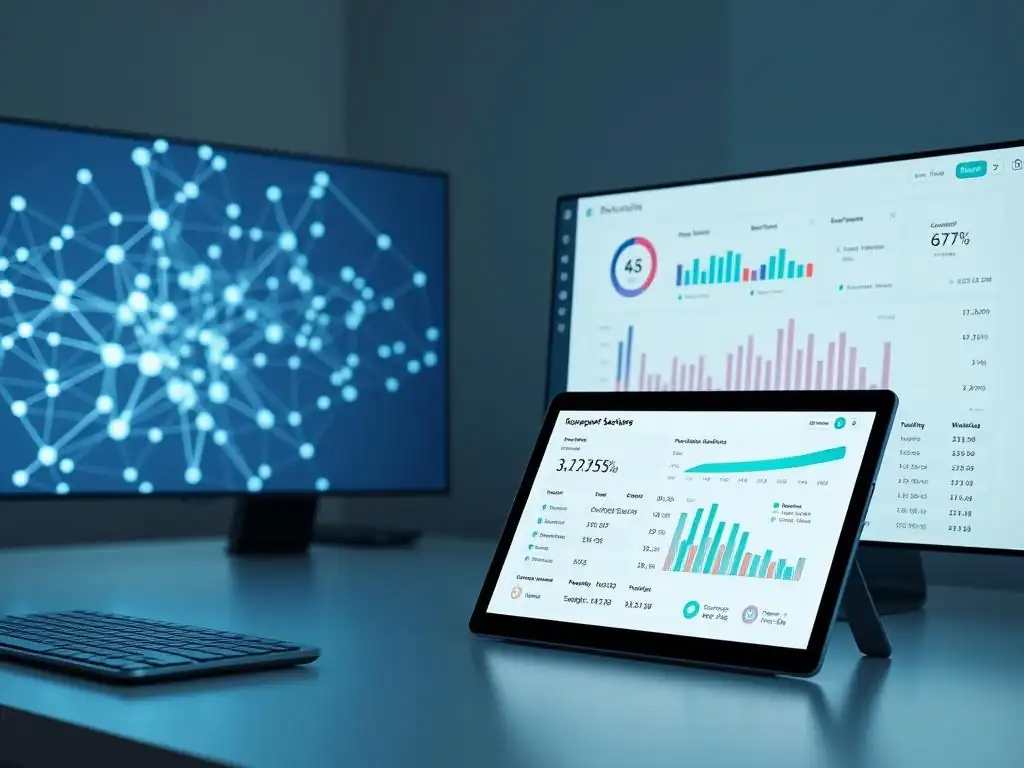
A user-friendly interface also enhances the overall experience, making the often-stressful task of tax preparation less intimidating. Features like visual dashboards that summarize tax liabilities, interactive charts illustrating transaction history, and readily accessible customer support are all elements that contribute to a positive user experience. Furthermore, clear instructions and tooltips within the software can guide users through each step of the tax reporting process, ensuring that they can confidently manage their NFT tax obligations without feeling overwhelmed. The goal is to empower users to take control of their NFT taxes, and a user-friendly interface is fundamental to achieving this.
Automated Calculations for Accurate Reporting
Accurate tax reporting hinges on precise calculations of capital gains and losses, which can be particularly challenging in the NFT space due to the fluctuating values and diverse transaction types. NFT tax reporting software excels by automating these complex calculations. It accurately determines the cost basis of NFTs, tracks sales proceeds, and calculates the resulting capital gains or losses, factoring in various tax rules and accounting methods. This automation is crucial for minimizing errors and ensuring compliance, as manual calculations are prone to mistakes, especially when dealing with a large volume of transactions.
Beyond basic capital gains calculations, sophisticated NFT tax reporting software can handle more intricate scenarios, such as airdrops, forks, and wash trading rules, depending on the jurisdiction. The software should also be capable of applying different accounting methods, such as First-In, First-Out (FIFO) or Last-In, First-Out (LIFO), as allowed by tax regulations, giving users flexibility in optimizing their tax outcomes. By automating these calculations, NFT tax reporting software not only saves time but also provides a higher degree of accuracy and reliability compared to manual methods, reducing the risk of tax-related issues.
Integration with Major NFT Marketplaces (e.g., OpenSea, Rarible)
Seamless integration with major NFT marketplaces is a critical feature for any effective NFT tax reporting software. Marketplace integration allows the software to automatically import transaction data directly from platforms like OpenSea, Rarible, Magic Eden, and others. This eliminates the need for manual data entry, which is time-consuming, error-prone, and often incomplete. Automatic data import ensures that all NFT transactions, including purchases, sales, and trades conducted across different marketplaces, are accurately captured and accounted for in tax calculations.
The extent of marketplace integration can significantly impact the user experience. Software that supports API integration offers the most seamless data transfer, automatically syncing transaction data in real-time or on a scheduled basis. Alternatively, some software may rely on CSV file uploads from marketplaces, which still offer a significant improvement over manual data entry.
The breadth of marketplace integrations is also important; the more marketplaces supported, the more comprehensive and convenient the software is for users who are active across multiple NFT platforms. Robust marketplace integration is essential for streamlining data collection and ensuring accurate and complete NFT tax reporting.
Real-Time Transaction Tracking for Compliance
Staying compliant with tax regulations requires ongoing monitoring of NFT transactions throughout the tax year, not just during tax filing season. NFT tax reporting software that offers real-time transaction tracking provides significant advantages in this regard. Real-time tracking allows users to monitor their NFT activity as it happens, providing an up-to-date view of their potential tax liabilities. This proactive approach enables users to make informed decisions throughout the year, such as realizing losses to offset gains or adjusting their trading strategies to optimize their tax outcomes.
Real-time tracking also facilitates better record-keeping and reduces the risk of missing transactions when it comes time to file taxes. By continuously syncing with marketplaces and wallets, the software maintains a comprehensive and current record of all NFT activity. This can be particularly valuable in the fast-paced NFT market, where transaction volumes can be high and keeping track of everything manually can be challenging. Furthermore, real-time data allows for timely identification of any discrepancies or errors in transaction records, enabling users to address them promptly and maintain accurate financial records for tax purposes.
Top NFT Tax Reporting Software Solutions
1. [CryptoTrader.Tax]: Streamlining Your NFT Tax Reporting
[CryptoTrader.Tax] has established itself as a prominent player in the crypto tax software space, extending its capabilities to effectively handle NFT tax reporting. Known for its user-friendly interface and robust features, [CryptoTrader.Tax] aims to simplify the often-complex process of reporting taxes on digital assets, including NFTs. The platform offers a range of tools designed to streamline data aggregation, calculation, and reporting, making it accessible to both novice and experienced NFT traders and collectors.
Features and Benefits of CryptoTrader.Tax
[CryptoTrader.Tax] boasts a suite of features tailored to simplify NFT tax reporting. Key benefits include seamless integration with numerous major NFT marketplaces like OpenSea and Rarible, allowing for automatic import of transaction history. The software supports various blockchains, ensuring comprehensive coverage for NFTs across different ecosystems.
It automatically calculates capital gains and losses based on industry-standard accounting methods, generating IRS-compliant tax forms such as Form 8949. Users benefit from clear and concise tax reports that summarize their NFT tax obligations, making tax filing straightforward. Furthermore, [CryptoTrader.Tax] offers resources and support to guide users through the NFT tax reporting process, enhancing user confidence and compliance.
Pricing Plans and Affordability
[CryptoTrader.Tax] offers tiered pricing plans designed to accommodate users with varying transaction volumes. The basic plan, often priced around $49 per tax year, typically supports a limited number of transactions, suitable for casual NFT collectors. Mid-tier plans, ranging from approximately $99 to $299, cater to more active traders with higher transaction volumes and may include features like priority support and advanced reporting.
Premium plans, priced at $499 or higher, are designed for high-volume traders and businesses, offering unlimited transactions, dedicated account management, and potentially tax professional review services. While the exact pricing may vary, [CryptoTrader.Tax] strives to provide affordable options for users at different levels of NFT activity, making NFT tax reporting software accessible to a broad audience.
2. [Koinly]: Comprehensive Tools for NFT Tax Calculations
[Koinly] emerges as another leading NFT tax reporting software, recognized for its comprehensive feature set and global reach. [Koinly] supports a vast array of cryptocurrencies, blockchains, and NFT marketplaces, making it a versatile solution for users with diverse digital asset portfolios. The platform is designed to handle complex tax scenarios and cater to users worldwide, accommodating different tax regulations and reporting requirements across various jurisdictions.
Key Features and Advantages of Koinly
[Koinly] distinguishes itself with its extensive integrations, supporting over 700+ exchanges, 50+ blockchains, and numerous NFT marketplaces. This broad compatibility ensures that users can consolidate their transaction data from virtually any platform they use. The software automatically identifies and categorizes different types of NFT transactions, including sales, purchases, airdrops, and minting, accurately calculating capital gains and income. [Koinly] offers robust reporting capabilities, generating detailed tax reports that are compliant with tax regulations in multiple countries. A significant advantage is [Koinly]'s international focus, providing tax reports tailored to specific country requirements, making it a valuable tool for global NFT investors.
User Reviews and Success Stories
Users frequently commend [Koinly] for its user-friendly interface and comprehensive functionality. One user, a digital artist who sells NFTs on multiple platforms, stated, "Before [Koinly], NFT tax reporting was a nightmare. [Koinly] integrated with all my marketplaces, and the tax reports were incredibly detailed and easy to understand. It saved me hours of work and gave me peace of mind."
Another user, an active NFT trader, praised [Koinly]'s accuracy, saying, "[Koinly]'s automated calculations are spot on. I used to spend days manually calculating my crypto and NFT taxes, and I was always worried about making mistakes. [Koinly] eliminated that stress completely." These testimonials highlight [Koinly]'s effectiveness in simplifying NFT tax reporting and providing users with accurate and reliable tax solutions.
3. [TaxBit]: Simplifying NFT Tax Compliance for Creators
[TaxBit] is positioned as a sophisticated NFT tax reporting software solution, particularly emphasizing its capabilities in simplifying tax compliance for NFT creators and businesses. While catering to a broad range of users, [TaxBit] offers specialized features and tools designed to address the unique tax challenges faced by NFT creators, such as reporting income from royalties and minting activities. The platform aims to provide enterprise-grade solutions, making it suitable for both individual creators and larger NFT-focused organizations.
How TaxBit Addresses NFT Tax Reporting Challenges
[TaxBit] tackles the specific challenges of NFT creator tax reporting by providing features that automate the tracking and categorization of various income streams, including royalties earned from secondary sales and income from minting and initial sales. The software accurately classifies these transactions and applies the appropriate tax treatment, ensuring compliance with income tax regulations as well as capital gains tax rules.
[TaxBit] also offers tools for managing and reporting expenses related to NFT creation and business operations, which can help creators maximize deductions and minimize their tax liabilities. Furthermore, [TaxBit]'s platform is designed to scale, making it a suitable solution for creators experiencing rapid growth in their NFT ventures.
Pricing and Plans: Is it Worth the Investment?
[TaxBit]'s pricing plans are generally positioned at a premium compared to some other NFT tax reporting software, reflecting its enterprise-grade features and focus on comprehensive compliance. Individual plans may start around $179 per tax year and can scale up to several hundred dollars depending on transaction volume and features required. Enterprise solutions for businesses and larger organizations are typically custom-priced based on specific needs and scale.
While the cost may be higher, the investment can be justified by the robust features, accuracy, and time savings offered by [TaxBit], particularly for NFT creators and businesses with complex tax reporting requirements. For creators who prioritize comprehensive tax compliance and require advanced features for managing income from various NFT activities, [TaxBit] can represent a worthwhile investment.
4. [ZenLedger]: Efficient NFT Tax Solutions for Investors
[ZenLedger] is recognized for providing efficient and user-friendly NFT tax solutions, particularly catering to NFT investors and traders. The platform focuses on simplifying the tax reporting process through automation and intuitive design, making it accessible to a wide range of users, from beginners to experienced NFT market participants. [ZenLedger] aims to streamline data aggregation, calculation, and report generation, helping users accurately and efficiently manage their NFT tax obligations.
Unique Selling Points of ZenLedger
[ZenLedger] distinguishes itself with its emphasis on user-friendliness and efficiency. The platform is designed for easy navigation and straightforward data import, supporting integrations with numerous major NFT marketplaces and blockchains. [ZenLedger] offers robust automation for transaction categorization and tax calculations, generating comprehensive tax reports that are IRS-compliant and easy to understand. A unique selling point is [ZenLedger]'s focus on providing clear and actionable insights into users' tax liabilities, helping them make informed decisions and optimize their tax outcomes. Furthermore, [ZenLedger] often provides educational resources and support to assist users in navigating the complexities of NFT taxation.
Customer Testimonials on ZenLedger's Effectiveness
Customers frequently highlight [ZenLedger]'s ease of use and effectiveness in simplifying NFT tax reporting. One NFT investor stated, "I was dreading doing my NFT taxes, but [ZenLedger] made it surprisingly easy. The software was simple to set up, and it automatically imported all my transactions from OpenSea. The tax report was clear and professional."
Another user praised [ZenLedger]'s customer support, saying, "I had a question about a specific NFT transaction, and [ZenLedger]'s support team was incredibly helpful and responsive. They walked me through the issue and ensured my tax report was accurate." These testimonials underscore [ZenLedger]'s commitment to providing efficient, user-friendly, and reliable NFT tax solutions, making it a popular choice among NFT investors seeking to simplify their tax reporting process.
How to Use NFT Tax Reporting Software Effectively
Step-by-Step Guide to Reporting NFTs Using Software
Step 1: Gathering Your Transaction Data
The first crucial step in using NFT tax reporting software effectively is gathering all your relevant transaction data. This involves compiling records of all your NFT activities throughout the tax year. Essential data points include transaction dates, the type of transaction (buy, sell, trade, mint), the NFTs involved (names or identifiers), the quantity of NFTs, the price paid or received (in cryptocurrency or fiat), and any transaction fees incurred (gas fees). This data is typically scattered across various sources, including NFT marketplaces, blockchain explorers, and cryptocurrency wallets.
To gather this data, start by logging into your accounts on all NFT marketplaces where you have transacted, such as OpenSea, Rarible, and others. Download your transaction history from each platform, usually available in CSV format. Next, access your cryptocurrency wallets used for NFT transactions.
You may need to export transaction history from these wallets as well, or connect them directly to the NFT tax reporting software if supported. Ensure you collect data for the entire tax year to ensure accurate and complete NFT tax reporting. Organizing this data meticulously is the foundation for a smooth and accurate tax reporting process using NFT tax reporting software.
Step 2: Importing Data into the NFT Tax Software
Once you have gathered your NFT transaction data, the next step is to import it into your chosen NFT tax reporting software. Most software platforms offer multiple methods for data import to accommodate different user preferences and data formats. The most seamless method is often API integration, where you connect your marketplace and wallet accounts directly to the software. This allows for automatic and real-time data synchronization, eliminating the need for manual uploads. Follow the software's instructions to securely link your accounts using API keys or OAuth authentication.
If API integration is not available or preferred, most NFT tax reporting software supports CSV file uploads. This involves uploading the transaction history files you downloaded from marketplaces and wallets in Step 1. Ensure that the CSV files are in the correct format required by the software, typically specified in the software's documentation.
Some software may also offer manual data entry options for smaller numbers of transactions or for transactions not easily exported in CSV format. Carefully follow the software's import instructions for each marketplace and wallet to ensure all your transaction data is accurately transferred into the NFT tax reporting software.
Step 3: Reviewing and Confirming Tax Calculations
After importing your NFT transaction data, the software will automatically process the information and calculate your capital gains, losses, and any income from NFT activities. It is crucial to thoroughly review these calculations to ensure accuracy and identify any potential discrepancies or errors. Examine the generated tax reports, paying close attention to the categorization of transactions, the calculated cost basis for each NFT, and the resulting gains or losses.
Compare the software's calculations against your own records or estimations to verify their correctness. If you notice any discrepancies, investigate the source of the error. It might be due to incorrect data import, missing transactions, or miscategorized transaction types. Most NFT tax reporting software allows you to manually adjust transaction details or re-categorize transactions if needed. Take advantage of the software's features to review transaction details, accounting methods used, and tax rules applied. Only after you have carefully reviewed and confirmed the accuracy of the tax calculations should you proceed to the final step of tax filing.
Step 4: Filing Your Taxes with Confidence
The final step in using NFT tax reporting software is to utilize the generated tax reports to file your taxes. Most reputable NFT tax reporting software platforms produce tax reports in formats compatible with tax filing requirements, such as IRS Form 8949 in the United States. Download the generated tax reports in the appropriate format. These reports typically summarize your NFT transactions, capital gains, and losses in a structured and compliant manner.
Depending on your tax filing method, you can either manually enter the summarized data from the reports into your tax return forms or, in some cases, directly import the tax reports into tax filing software like TurboTax or TaxAct if integration is supported. When filing, ensure you are using the correct tax forms and following the specific instructions provided by your tax authority. By using NFT tax reporting software and diligently following these steps, you can file your NFT taxes with confidence, knowing that you have accurately reported your digital asset transactions and complied with relevant tax regulations.
Best Practices for NFT Tax Reporting
Keeping Accurate Records of Your NFT Transactions
Maintaining meticulous and accurate records of all your NFT transactions is paramount for effective tax reporting and compliance. While NFT tax reporting software simplifies the process, the quality of your tax reporting still relies heavily on the completeness and accuracy of your underlying records. Beyond just relying on software, establish a robust system for tracking all NFT-related activities throughout the tax year. This system should include detailed records of every NFT purchase, sale, trade, minting, or airdrop.
For each transaction, meticulously record the date, time, type of transaction, the specific NFT involved (name, collection, ID), the quantity, the price paid or received (in cryptocurrency and its fiat value at the time of transaction), the cryptocurrency used, the recipient or sender of the NFT, transaction fees (gas fees), and the marketplace or platform used. Store these records securely, both digitally and potentially in physical backups.
Utilize spreadsheets, dedicated transaction tracking apps, or note-taking tools to organize this information. Consistent and diligent record-keeping throughout the year will not only streamline your tax preparation process when using NFT tax reporting software but also provide essential documentation in case of audits or inquiries from tax authorities.
While the tax landscape for NFTs is still evolving, understanding potential tax deductions and credits related to your NFT activities can be beneficial in minimizing your tax liability. Just like with traditional investments or businesses, certain expenses associated with your NFT activities may be deductible. If you are engaged in NFT trading or creation as a business, you may be able to deduct ordinary and necessary business expenses, such as software subscriptions for NFT tax reporting software, internet and computer expenses, marketing and advertising costs, and potentially even home office expenses if applicable and properly documented.
Furthermore, capital losses from selling NFTs at a loss can be used to offset capital gains, potentially reducing your overall tax burden. Keep detailed records of all expenses related to your NFT activities and consult with a tax professional to determine which deductions and credits are applicable to your specific circumstances and jurisdiction. Tax regulations regarding deductions and credits can be complex and vary by location, so professional guidance is crucial to ensure you are taking advantage of all eligible tax benefits legally and compliantly.
Staying Compliant with Changing Regulations in NFT Taxation
The regulatory landscape for NFT taxation is dynamic and constantly evolving as tax authorities worldwide grapple with the implications of this novel asset class. Maintaining compliance requires staying informed about the latest changes in tax laws and guidelines related to NFTs in your jurisdiction. Tax authorities are increasingly issuing guidance and clarifications on how NFTs are taxed, and it is crucial to stay updated on these developments.
Regularly check for updates from your local tax authority (e.g., IRS in the US, HMRC in the UK) regarding cryptocurrency and NFT taxation. Follow reputable sources of tax news and analysis that specialize in digital assets. Consider consulting with a tax professional who is knowledgeable about cryptocurrency and NFT taxation to ensure you are interpreting and applying the regulations correctly to your specific NFT activities. Tax regulations can change frequently, and proactive monitoring and professional advice are essential to ensure ongoing compliance and avoid potential penalties or legal issues related to NFT tax reporting.
Conclusion: The Future of NFT Tax Reporting and Software Solutions
Embracing Technology for Efficient NFT Tax Compliance
As the NFT market continues to expand and mature, the complexity of NFT tax reporting is only set to increase. Embracing technology, specifically NFT tax reporting software, is no longer just a convenience but a necessity for efficient and accurate tax compliance. Manual methods of tracking and calculating NFT taxes are becoming increasingly impractical and error-prone, especially for active NFT traders and collectors. NFT tax reporting software offers the automation, accuracy, and scalability needed to manage the growing complexities of digital asset taxation effectively.
By automating data aggregation, calculations, and report generation, NFT tax reporting software saves significant time and effort, reduces the risk of errors, and ensures compliance with evolving tax regulations. This technological adoption empowers individuals and businesses to confidently navigate the tax implications of NFTs and participate in the digital asset space without the overwhelming burden of manual tax preparation. The future of NFT tax compliance is inextricably linked to the continued development and refinement of these software solutions, making them indispensable tools for anyone involved in the NFT ecosystem.
Final Thoughts on Choosing the Right NFT Tax Reporting Software
Selecting the right NFT tax reporting software is a crucial decision that depends on individual needs and circumstances. Consider factors such as the volume of your NFT transactions, the number of marketplaces and blockchains you use, your technical expertise, and your budget. For casual NFT collectors with a limited number of transactions, a basic plan from a reputable provider might suffice. Active traders and businesses with high transaction volumes and complex reporting needs should opt for more comprehensive software with advanced features and robust integrations, even if it comes at a higher price point.
Prioritize software with a user-friendly interface, automated calculations, seamless marketplace integrations, and reliable customer support. Read user reviews and compare pricing plans to find the best fit for your requirements. Remember that investing in quality NFT tax reporting software is an investment in your financial compliance and peace of mind. As the NFT landscape evolves, choosing the right software will be instrumental in navigating the complexities of NFT taxation and ensuring accurate and efficient tax reporting for years to come.
Frequently Asked Questions
What is NFT tax reporting software and why is it needed?
NFT tax reporting software is designed to automate the process of tracking and calculating taxes on NFT transactions. It's needed because NFT transactions are complex and require accurate record-keeping for compliance.
How does NFT tax reporting software simplify the process of reporting digital collectibles?
These software solutions integrate with various marketplaces and wallets to automatically import transaction data. They then calculate capital gains or losses, and generate reports suitable for tax filing.
What are some key features to look for in NFT tax reporting software?
Key features include integration with multiple blockchains, accurate cost basis calculation, and the ability to generate comprehensive tax reports. Also, look for support for different tax jurisdictions.
What types of NFT transactions are taxable?
Generally, any transaction involving the sale, trade, or exchange of an NFT can be taxable. This includes profit from sales, airdrops (depending on jurisdiction), and even some staking rewards can be considered taxable income.
Where can I find reliable NFT tax reporting software?
Several software options are available, and it's best to do your research. Look for solutions that are well-reviewed, comply with current tax regulations, and offer strong customer support.
Final Reflection: Simplifying the Digital Frontier
The complexities of NFT taxation, as we've explored, are no longer a distant concern but a present-day reality for a rapidly growing community. The digital art world, once perceived as a niche hobby, has exploded into a multi-billion dollar industry, demanding clear and accessible solutions for navigating its financial obligations. The rise of NFT tax reporting software is not just a convenience; it's a crucial step in legitimizing and securing the future of this exciting new asset class.
The impact of NFTs extends far beyond mere collectibles. They represent a fundamental shift in how we perceive ownership, creativity, and value in the digital age. This shift necessitates a corresponding evolution in our understanding of financial responsibility, and the tools we use to manage it. The only constant in life is change.
- Heraclitus. This quote resonates deeply with the NFT space, where innovation and adaptation are paramount, and embracing tools that simplify complex processes is essential for long-term success and compliance.
Now, as you navigate the exciting world of NFTs, consider the importance of proactive tax planning. Don't let the complexities of digital asset reporting deter you from participating in this revolutionary space. Embrace the available tools, educate yourself on the evolving regulations, and ensure your digital endeavors are built on a foundation of transparency and compliance. The future of NFTs is bright, and by simplifying the tax reporting process, we can all contribute to a more sustainable and accessible digital ecosystem.
Simplify Your NFT Tax Journey Now!
Thank you for exploring the world of NFT taxes with Blockchain Trends. You've now gained the knowledge to navigate the complexities of reporting your digital collectibles. It's time to put that knowledge into action and ensure your compliance is seamless.
Here's how you can take the next steps:
- Try a free trial of leading NFT tax software: Simplify your reporting process and avoid costly errors by exploring dedicated tools.
- Join our community forum on blockchaintrends.org to share your experiences with NFT taxes and learn from fellow collectors.
- Delve deeper into related articles on Blockchain Trends and expand your understanding of blockchain finance.
What's the first NFT tax reporting task you'll tackle with your new knowledge? Share in the comments below!
Leave a Reply