
The Role of Blockchain in Facilitating Game Modding Communities

Welcome to Blockchain Trends, your compass navigating the ever-evolving landscape of decentralized technology.
Ever wondered how blockchain can revolutionize more than just finance? Dive into our latest exploration of blockchain game modding communities 🌍✨ and discover how this powerful technology is fostering creativity, ownership, and unprecedented collaboration among gamers and developers. The possibilities are only just beginning... are you ready to explore them with us?
The Role of Blockchain in Facilitating Game Modding Communities
- Introduction: Blockchain's Impact on Game Modding and the Rise of Decentralized Communities
- How Blockchain Technology Empowers Game Modding Communities
- Key Benefits of Blockchain for Game Mods
- Use Cases: Examples of Blockchain-Enabled Game Modding Platforms
- Integrating NFTs into Game Mods: Ownership and Scarcity
- Overcoming Challenges in Implementing Blockchain for Game Modding
- The Future of Blockchain Game Modding Communities: A Decentralized Ecosystem
- Conclusion: Embracing Blockchain for a More Empowered Game Modding Future
-
Frequently Asked Questions
- How can blockchain technology benefit game modding communities?
- What are the potential challenges of implementing blockchain in game modding?
- How does blockchain enable true ownership of game modifications?
- What is the potential impact of blockchain on the relationship between game developers and modders?
- How might regulations impact the use of blockchain in game modding communities?
- Final Reflection: Empowering Creativity Through Decentralization
- Ignite the Future of Game Modding!
Introduction: Blockchain's Impact on Game Modding and the Rise of Decentralized Communities
Understanding the Current Landscape of Game Modding
Game modding, short for game modification, has been a vibrant part of the gaming culture for decades. It represents the creative endeavors of players who seek to expand, alter, or enhance their favorite games beyond the original developer's vision. From simple texture replacements to complex gameplay overhauls, modding communities have consistently added longevity and depth to countless titles.
Games like Minecraft, Grand Theft Auto V, and The Elder Scrolls V: Skyrim owe a significant portion of their enduring popularity to their thriving modding scenes. These communities are often decentralized and grassroots, driven by passion and a shared love for specific games, with modders freely sharing their creations through online forums, mod repositories, and community platforms.
This landscape, while rich and dynamic, is not without its limitations. Modders often operate in a space that is not formally supported or recognized by game developers, leading to challenges in distribution, monetization, and intellectual property rights. The current ecosystem relies heavily on goodwill, community spirit, and often fragmented platforms, which can hinder the potential for wider adoption and professionalization of game modding. The lack of centralized support also means that modders frequently face issues with compatibility, version control, and the risk of their work being exploited or misused without proper attribution or compensation.
The Challenges Faced by Traditional Game Modding Communities
Traditional game modding communities, despite their creativity and passion, encounter several persistent challenges. One major hurdle is the lack of direct monetization avenues for modders. While some platforms offer donation systems, these are often inconsistent and insufficient to reward the significant time and effort invested in creating high-quality mods. This lack of financial incentive can discourage talented individuals from dedicating themselves to modding, potentially stifling innovation and community growth. A 2021 survey by ModDB indicated that less than 15% of modders reported earning any form of income from their modding activities, highlighting the economic precarity of this creative pursuit.
Furthermore, intellectual property rights are often ambiguous and complex in the modding world. Modders typically rely on the original game's assets, raising questions about ownership and usage rights. While many developers tolerate or even encourage modding, the legal framework surrounding the use of copyrighted material in mods is often unclear, leaving modders vulnerable to potential legal disputes. Additionally, the centralized nature of existing mod distribution platforms can lead to issues of censorship, platform dependence, and a lack of transparency in moderation policies. This centralized control can limit the freedom and autonomy of modding communities and potentially stifle creative expression.
How Blockchain Technology Empowers Game Modding Communities
Enhanced Security and Transparency for Mod Creators
Blockchain technology offers a paradigm shift in how game modding communities can operate, particularly in enhancing security and transparency for mod creators. By leveraging the immutable and transparent nature of blockchain, modders can register their creations, establishing a clear and verifiable record of authorship and timestamps. This registration process, often facilitated through Non-Fungible Tokens (NFTs), can act as a digital certificate of authenticity, protecting modders from plagiarism and unauthorized distribution of their work. The transparent ledger of the blockchain ensures that every transaction and modification related to a mod is publicly auditable, fostering trust and accountability within the community.
Moreover, blockchain can facilitate secure and transparent distribution channels for mods. Decentralized platforms built on blockchain can eliminate the reliance on centralized intermediaries, giving modders greater control over how their mods are distributed and accessed. Smart contracts, self-executing agreements coded on the blockchain, can automate the distribution process and ensure that modders receive proper attribution and compensation according to pre-defined terms. This enhanced security and transparency not only protects modders' intellectual property but also builds a more trustworthy and equitable ecosystem for game modding.
Blockchain-Based Intellectual Property (IP) Protection for Mods
Blockchain technology presents a novel solution to the complex issue of Intellectual Property (IP) protection in game modding. Traditionally, modders have limited recourse against IP infringement, often relying on the goodwill of game developers or the slow and costly process of legal action. Blockchain, through the use of NFTs, can provide modders with a verifiable and immutable record of ownership for their creations. When a mod is registered as an NFT on a blockchain, the creator gains a cryptographic proof of ownership that is globally recognized and extremely difficult to tamper with.
This blockchain-based IP protection extends beyond simple authorship verification. Smart contracts associated with mod NFTs can define the terms of use, distribution, and even licensing of the mod. For instance, a modder could specify whether their mod is free to use, requires a license for commercial use, or can be incorporated into other mods under certain conditions. This granular control over IP rights, enforced by blockchain technology, empowers modders to protect their creations and potentially monetize their work in a more structured and secure manner, fostering a more sustainable and professional modding ecosystem.
Decentralized Governance and Community Voting on Mod Integration
Decentralized governance, facilitated by blockchain, has the potential to revolutionize how game modding communities are managed and how mods are integrated into games. Traditional modding communities often rely on hierarchical structures or developer-led decisions regarding which mods are officially supported or integrated. Blockchain enables the implementation of Decentralized Autonomous Organizations (DAOs) within modding communities, empowering members to collectively govern and make decisions through transparent and democratic voting mechanisms.
Using blockchain-based voting systems, modding communities can democratically decide on various aspects of mod integration, such as which mods should be featured, prioritized for development, or even officially incorporated into the base game by developers. Tokenized governance models, where community members hold tokens that grant voting rights, can ensure that decision-making power is distributed fairly and transparently among active contributors. This decentralized governance model fosters a sense of ownership and participation within the community, encouraging collaboration, innovation, and a more equitable distribution of influence in shaping the future of game modding.
Key Benefits of Blockchain for Game Mods
Tokenized Incentives and Rewards for Modders: Earning Crypto for Creativity
One of the most compelling benefits of blockchain for game modding is the potential for tokenized incentives and rewards. Traditionally, modders have often worked on a voluntary basis, driven by passion and community spirit, with limited financial compensation. Blockchain enables the creation of tokenized ecosystems where modders can be directly rewarded for their contributions in cryptocurrency or platform-specific tokens. These tokens can be earned for creating, maintaining, and contributing to popular and valuable mods, providing a tangible financial incentive for their creative efforts.
This tokenized reward system can take various forms. Platforms can implement "play-to-mod" models where players can earn tokens by engaging with modded content, and these tokens can then be distributed to mod creators based on the popularity and usage of their mods. Alternatively, modders can directly sell or license their mod NFTs in decentralized marketplaces, earning cryptocurrency for their creations. The introduction of tokenized incentives not only recognizes the value of modders' work but also creates a more sustainable and professional ecosystem, attracting more talent and fostering greater innovation in game modding.
Microtransactions and New Revenue Streams for Modders
Blockchain technology can unlock new and sustainable revenue streams for game modders through microtransactions and decentralized marketplaces. Traditional modding often relies on donations or limited platform-based monetization options, which are often insufficient and inconsistent. Blockchain enables the implementation of microtransaction systems where players can directly support modders by purchasing in-mod items, cosmetic enhancements, or access to premium mod features using cryptocurrency. These microtransactions can be facilitated through smart contracts, ensuring transparent and automated payments to mod creators.
Furthermore, blockchain-based decentralized marketplaces provide modders with platforms to directly sell or license their mods as NFTs. These marketplaces eliminate the need for intermediaries and allow modders to set their own prices and terms of sale. The use of NFTs ensures provable scarcity and ownership of mods, making them attractive digital assets for players and collectors. These new revenue streams, enabled by blockchain, can transform game modding from a largely volunteer-driven activity into a potentially viable career path, fostering greater creativity and innovation within the gaming industry.
Fostering Collaboration and Open-Source Development with Blockchain
Blockchain technology can significantly enhance collaboration and open-source development within game modding communities. Traditional modding projects, especially large-scale ones, often face challenges in coordinating contributions, managing versions, and ensuring fair attribution to all contributors. Blockchain-based platforms can provide tools and mechanisms to streamline collaborative mod development in a transparent and decentralized manner.
Smart contracts can be used to manage collaborative projects, defining roles, responsibilities, and reward distribution among contributors. Decentralized version control systems, built on blockchain, can track changes and contributions to mods in a transparent and immutable ledger, ensuring accountability and preventing conflicts. Tokenized governance models can further facilitate collaborative decision-making, allowing community members to collectively vote on project direction and resource allocation. By fostering transparency, accountability, and shared ownership, blockchain can create a more collaborative and efficient environment for open-source game modding, leading to the development of more complex and innovative mods.
Use Cases: Examples of Blockchain-Enabled Game Modding Platforms
Modding with Enjin: Cross-Game Assets and Community Creation
Enjin is a prominent blockchain platform that has been actively exploring and implementing blockchain solutions for gaming, including game modding. Enjin provides tools and infrastructure that allow game developers and modders to integrate blockchain assets, particularly NFTs, into their games and mods. A key feature of Enjin is its focus on cross-game assets, enabling players to use NFTs acquired in one game or mod in other compatible games or mods within the Enjin ecosystem. This cross-game compatibility enhances the utility and value of mod assets, fostering a more interconnected and dynamic gaming experience.
For game modding communities, Enjin offers the potential to create and trade mod assets as NFTs, providing modders with new monetization opportunities and players with verifiable ownership of their modded items. Enjin's platform also facilitates the creation of decentralized mod marketplaces where modders can directly list and sell their creations to players. Examples of games and platforms utilizing Enjin for modding-related applications include projects aiming to create cross-game cosmetic items or mod assets that can be used across multiple titles within the Enjin ecosystem, showcasing the practical application of blockchain in enhancing game modding.
Decentralized Mod Marketplace: A Hub for Independent Creators
The concept of a decentralized mod marketplace, powered by blockchain, represents a significant advancement in the modding ecosystem. Traditional mod marketplaces are often centralized platforms controlled by companies, which can impose fees, restrictions, and censorship. A decentralized mod marketplace, built on blockchain, aims to create a more open, transparent, and equitable platform for independent mod creators to distribute and monetize their work. These marketplaces leverage blockchain technology to ensure secure transactions, transparent ownership, and censorship resistance.
In a decentralized mod marketplace, modders can directly list their mods as NFTs, setting their own prices and terms of sale. Smart contracts automate the transaction process, ensuring that modders receive payments directly and securely. The decentralized nature of the platform eliminates intermediaries and reduces fees, maximizing the revenue for mod creators.
Furthermore, blockchain's immutability and transparency ensure that mod ownership and transaction history are publicly verifiable, fostering trust and accountability within the marketplace. Projects like "The Sandbox" and "Decentraland," while not solely focused on modding, demonstrate the feasibility of decentralized marketplaces for user-generated content, paving the way for dedicated blockchain-based mod marketplaces.
Blockchain-Based Mod Verification: Ensuring Security and Authenticity
Blockchain technology offers a robust solution for mod verification, addressing critical concerns about security and authenticity within game modding communities. Traditionally, players download mods from various sources, often without reliable mechanisms to verify the mod's integrity or origin. This lack of verification can expose players to risks such as malware, viruses, or tampered mods that can compromise their game or system security. Blockchain-based mod verification leverages the cryptographic properties of blockchain to ensure the authenticity and integrity of mods.
By registering mods on a blockchain, developers or authorized modding platforms can create a verifiable record of the mod's original version and creator. This registration process involves creating a cryptographic hash of the mod files and storing it on the blockchain. Players can then use blockchain-based tools to verify the downloaded mod against the registered hash, ensuring that the mod is authentic and has not been tampered with.
This verification process significantly enhances the security of modding, protecting players from malicious or corrupted mods and fostering a more trustworthy modding environment. Projects exploring blockchain-based digital certificates and verification systems are laying the groundwork for implementing secure mod verification in the gaming industry.
Integrating NFTs into Game Mods: Ownership and Scarcity
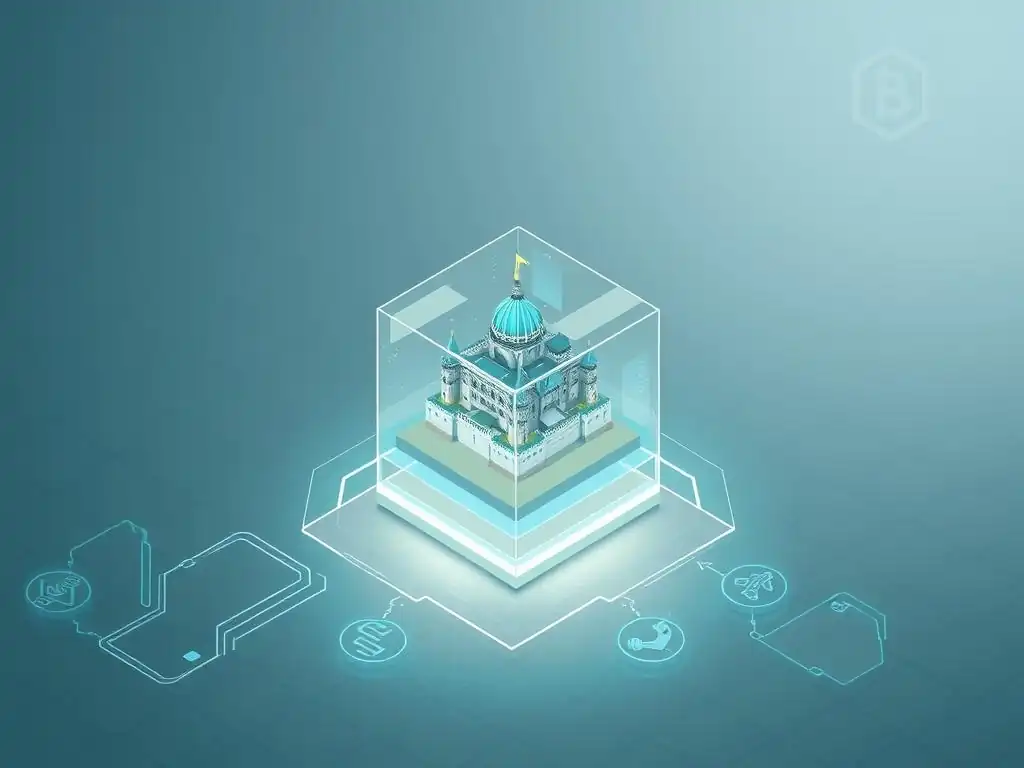
NFTs as Unique Mod Assets: Digital Collectibles and Customization
Non-Fungible Tokens (NFTs) are revolutionizing the concept of digital ownership and scarcity within the gaming world, and their integration into game mods opens up exciting possibilities for unique mod assets and customization. Traditionally, in-game items and mod assets are often centralized and lack true ownership for players. NFTs, on the other hand, represent provably unique and scarce digital assets stored on a blockchain, granting players verifiable ownership and control over their in-game items and modded content.
Within game mods, NFTs can be used to represent unique cosmetic items, custom characters, special abilities, or even entire mod modules. These NFT mod assets can be designed to be limited in quantity, creating digital scarcity and collectibility. Players can acquire, trade, and showcase their NFT mod assets, fostering a vibrant economy around modded content. The use of NFTs for mod assets not only provides players with true digital ownership but also empowers modders to create and monetize unique and valuable in-game content, enhancing the customization and collectibility aspects of game modding.
Verifiable Ownership of Mods and In-Game Items via NFTs
A core benefit of integrating NFTs into game mods is the establishment of verifiable ownership for both mods themselves and in-game items created within mods. Traditional modding often lacks a clear system for proving ownership, leading to issues of plagiarism, unauthorized distribution, and a lack of recognition for mod creators. NFTs provide a cryptographic solution to this problem by creating an immutable record of ownership on the blockchain.
When a mod or an in-game item within a mod is represented as an NFT, the blockchain ledger records the owner of that NFT. This ownership record is publicly verifiable and extremely difficult to tamper with, providing modders and players with undeniable proof of ownership.
This verifiable ownership empowers modders to protect their intellectual property, monetize their creations through NFT sales, and build a reputation based on their verifiable contributions. For players, NFT ownership means they truly own their in-game items and modded content, enabling them to trade, sell, or use these assets across different platforms or games that support the same NFTs.
The Potential for Cross-Game Mod Compatibility with NFTs
NFTs hold significant potential to unlock cross-game mod compatibility, a long-sought-after feature in the gaming and modding communities. Currently, mods are typically game-specific and incompatible with other titles, limiting the utility and portability of modded content. NFTs, by representing mod assets on a blockchain, can create a standardized format for digital assets that can potentially be recognized and utilized across different games and mod platforms.
If game developers and modding platforms adopt NFT standards, mod assets created as NFTs could potentially be used in multiple compatible games or mods. For example, a player could acquire an NFT weapon mod in one game and then use that same weapon in another game that supports the same NFT standard. This cross-game compatibility would significantly enhance the value and utility of mod assets, fostering a more interconnected and interoperable gaming ecosystem. While technical and standardization challenges remain, the potential of NFTs to enable cross-game mod compatibility represents a promising future for the evolution of game modding.
Overcoming Challenges in Implementing Blockchain for Game Modding
Scalability Issues and Transaction Costs on Blockchain Networks
Implementing blockchain for game modding is not without its challenges, and scalability issues and transaction costs on blockchain networks are significant hurdles to overcome. Many popular blockchain networks, particularly those relying on proof-of-work consensus mechanisms, face limitations in transaction throughput and can experience high transaction fees, especially during periods of network congestion. These scalability and cost issues can pose challenges for applications like game modding, which might require frequent and low-cost transactions for mod asset creation, trading, and in-game interactions.
For widespread adoption of blockchain in game modding, it is crucial to address these scalability and cost concerns. Solutions such as layer-2 scaling solutions (e.g., sidechains, rollups) and the adoption of more scalable blockchain networks (e.g., proof-of-stake blockchains) are being explored to mitigate these issues. Optimizing blockchain infrastructure and developing efficient transaction processing mechanisms are essential to ensure that blockchain-based modding platforms can handle the demands of a large and active modding community without incurring prohibitive costs or performance bottlenecks.
Regulatory Uncertainty and Legal Considerations for Tokenized Mods
Regulatory uncertainty and legal considerations surrounding tokenized mods represent another significant challenge in implementing blockchain for game modding. The legal and regulatory landscape for cryptocurrencies and NFTs is still evolving globally, and there is a lack of clear and consistent regulations in many jurisdictions. This uncertainty can create challenges for blockchain-based modding platforms, particularly in areas such as token classification (e.g., security vs. utility token), taxation, and compliance with anti-money laundering (AML) regulations.
The legal status of tokenized mods and the rights and obligations associated with them need to be clarified to ensure legal certainty and protect both mod creators and players. Engaging with regulators and legal experts is crucial to navigate the evolving regulatory landscape and develop compliant and sustainable blockchain-based modding platforms. Addressing these regulatory and legal challenges is essential for fostering trust and encouraging wider adoption of blockchain technology within the game modding ecosystem.
User Adoption and Education: Bridging the Gap for Traditional Gamers
User adoption and education are critical factors in the successful implementation of blockchain for game modding. Many traditional gamers may be unfamiliar with blockchain technology, cryptocurrencies, and NFTs. Bridging this knowledge gap and ensuring user-friendliness are essential to encourage mainstream adoption of blockchain-based modding platforms. The complexity of blockchain concepts and the perceived technical barriers can deter traditional gamers from embracing blockchain-enabled modding.
Efforts to simplify the user experience, provide clear and accessible educational resources, and highlight the benefits of blockchain for modding are crucial to overcome user adoption challenges. Developing intuitive user interfaces, onboarding processes, and in-game tutorials can help traditional gamers seamlessly transition to blockchain-based modding platforms. Focusing on the tangible benefits for gamers, such as true ownership, new monetization opportunities, and enhanced security, can also incentivize user adoption and bridge the gap between traditional gaming and the emerging world of blockchain-powered game modding.
The Future of Blockchain Game Modding Communities: A Decentralized Ecosystem
Predictions for the Growth of Blockchain-Based Modding Platforms
The future of blockchain-based modding platforms appears promising, with predictions pointing towards significant growth and adoption in the coming years. As blockchain technology matures and scalability solutions improve, the barriers to entry for blockchain-based gaming and modding platforms are decreasing. The increasing awareness and acceptance of NFTs and cryptocurrencies among gamers are also driving demand for blockchain-enabled gaming experiences, including modding.
Industry analysts predict a substantial increase in the market size of blockchain gaming and NFTs in the coming years. This growth is expected to be fueled by the adoption of blockchain by both traditional game developers and independent modding communities. The emergence of more user-friendly blockchain platforms and tools will further facilitate the development and deployment of blockchain-based modding platforms. As the benefits of blockchain for modding, such as enhanced security, monetization opportunities, and decentralized governance, become more apparent, the growth of blockchain-based modding platforms is expected to accelerate, transforming the landscape of game modding.
The Potential for DAOs (Decentralized Autonomous Organizations) in Mod Management
Decentralized Autonomous Organizations (DAOs) hold immense potential to revolutionize mod management and community governance within the blockchain-based modding ecosystem. Traditional modding communities often rely on centralized platforms or hierarchical structures for decision-making and resource allocation. DAOs offer a decentralized and democratic alternative, empowering community members to collectively govern and manage modding projects through transparent and automated mechanisms.
Within a DAO-managed modding community, token holders can vote on proposals related to mod development, integration, funding, and community rules. Smart contracts can automate the execution of DAO decisions, ensuring transparency and accountability. DAOs can facilitate fair and equitable resource allocation, reward distribution, and conflict resolution within modding communities. The use of DAOs can foster a more collaborative, democratic, and community-driven approach to mod management, empowering modders and players to collectively shape the future of their favorite games and mods.
The Impact on Game Development and Player Engagement
The integration of blockchain into game modding is poised to have a significant impact on both game development practices and player engagement. Blockchain-based modding can empower game developers to foster more vibrant and innovative modding communities around their games. By providing modders with blockchain-based tools and incentives, developers can encourage greater community contribution and extend the lifespan and appeal of their games.
Furthermore, blockchain can facilitate a closer and more direct relationship between game developers and modding communities. Developers can leverage DAOs to involve modders in game development decisions, solicit community feedback, and even integrate successful mods into official game content. For players, blockchain-based modding offers enhanced ownership, customization, and monetization opportunities, leading to increased engagement and investment in the games they play. The convergence of blockchain and game modding has the potential to create a more collaborative, player-centric, and innovative gaming ecosystem, benefiting both developers and players alike.
Conclusion: Embracing Blockchain for a More Empowered Game Modding Future
Summarizing the Benefits and Opportunities
Blockchain technology presents a transformative opportunity for game modding communities, addressing many of the challenges inherent in the traditional modding landscape. Blockchain enhances security and transparency for mod creators, provides robust IP protection, and enables decentralized governance and community voting. It unlocks new revenue streams through tokenized incentives and microtransactions, fostering collaboration and open-source development. NFTs integrated into mods offer verifiable ownership, scarcity, and the potential for cross-game compatibility.
While challenges such as scalability, regulatory uncertainty, and user adoption exist, the benefits of blockchain for game modding are compelling and far-reaching. Blockchain empowers modders with greater control, recognition, and monetization opportunities, while providing players with enhanced ownership, security, and customization options. The decentralized and community-driven nature of blockchain aligns perfectly with the ethos of game modding, promising a more equitable, innovative, and sustainable future for this vibrant and creative aspect of the gaming world.
Call to Action: Exploring Blockchain-Based Game Modding
The time is ripe for game developers, modders, and players to explore and embrace the potential of blockchain-based game modding. Developers should consider integrating blockchain tools and infrastructure into their games to foster thriving modding communities and unlock new avenues for player engagement. Modders are encouraged to experiment with blockchain technologies, explore NFT creation, and participate in the development of decentralized modding platforms.
Players should seek out and support blockchain-enabled mods and games, contributing to the growth of this exciting new ecosystem. By collectively embracing blockchain, the game modding community can unlock a more empowered, innovative, and rewarding future for all involved, pushing the boundaries of gaming creativity and player agency.
Frequently Asked Questions
How can blockchain technology benefit game modding communities?
Blockchain provides transparent ownership of mods, allowing creators to monetize their work and receive fair compensation. It also fosters a decentralized marketplace free from centralized control.
What are the potential challenges of implementing blockchain in game modding?
Challenges include scalability issues within blockchain networks, the complexity of integrating blockchain into existing game engines, and user adoption barriers due to the technical nature of the technology.
How does blockchain enable true ownership of game modifications?
Blockchain uses NFTs (Non-Fungible Tokens) to represent unique mods, ensuring verifiable ownership and the ability to trade or sell these mods independently.
What is the potential impact of blockchain on the relationship between game developers and modders?
Blockchain can create a more collaborative ecosystem, empowering modders and potentially allowing developers to integrate successful mods into official game releases with proper compensation.
How might regulations impact the use of blockchain in game modding communities?
Unclear or restrictive regulations concerning NFTs and digital assets could hinder the growth and adoption of blockchain-based modding platforms, creating legal uncertainties for both creators and users.
Okay, here's a final reflection designed to conclude your article "The Role of Blockchain in Facilitating Game Modding Communities," optimized for the keyword "Blockchain game modding communities" and following your specified structure:
Final Reflection: Empowering Creativity Through Decentralization
The exploration of blockchain's potential within game modding communities reveals a powerful synergy, and it's clear that decentralized ownership and transparent governance are poised to revolutionize how games are created and experienced. This isn't just about adding new skins or levels; it's about fundamentally shifting power back to the players and creators, fostering a more collaborative and innovative ecosystem.
The impact of blockchain on game modding extends beyond mere technical enhancements. It fosters a sense of ownership and community that was previously difficult to achieve. This shift resonates deeply with the core values of the modding community, where passion and creativity are paramount. The power of the blockchain is that it allows us to create a truly decentralized and collaborative environment, where everyone can contribute and benefit from the collective effort.
This quote encapsulates the transformative potential of blockchain in empowering creators and fostering a more equitable and vibrant game modding landscape.
As we look to the future, let us embrace the possibilities that blockchain offers to game modding communities. Consider how you can contribute to this evolving landscape, whether as a player, a creator, or simply an advocate for decentralized innovation. The future of gaming is being written now, and your participation can help shape a more open, creative, and rewarding experience for everyone.
Ignite the Future of Game Modding!
Thank you for exploring the exciting possibilities of blockchain in game modding. We hope you've gained valuable insights into how this technology can empower creators and transform the gaming industry. Now, it's time to take action!
Here's how you can get involved:
- Try Out a Modding Game: Download and install a game that supports modding and is experimenting with blockchain integration. Become an active participant by providing feedback to the developers—your input can make a difference!
- Explore Blockchain-Based Modding Platforms: Research platforms that facilitate mod development and trading using blockchain technology. Understanding these platforms can open up new opportunities for creators.
- Share Your Ideas: Discuss this article and the potential of blockchain-enabled modding with your gaming friends and online communities. Starting conversations can help spread awareness of this innovative technology.
What creative blockchain-based modding projects would you like to create or support? Share your thoughts in the comments below!
Leave a Reply