
NFT Use Cases Beyond Art and Collectibles in Virtual Worlds

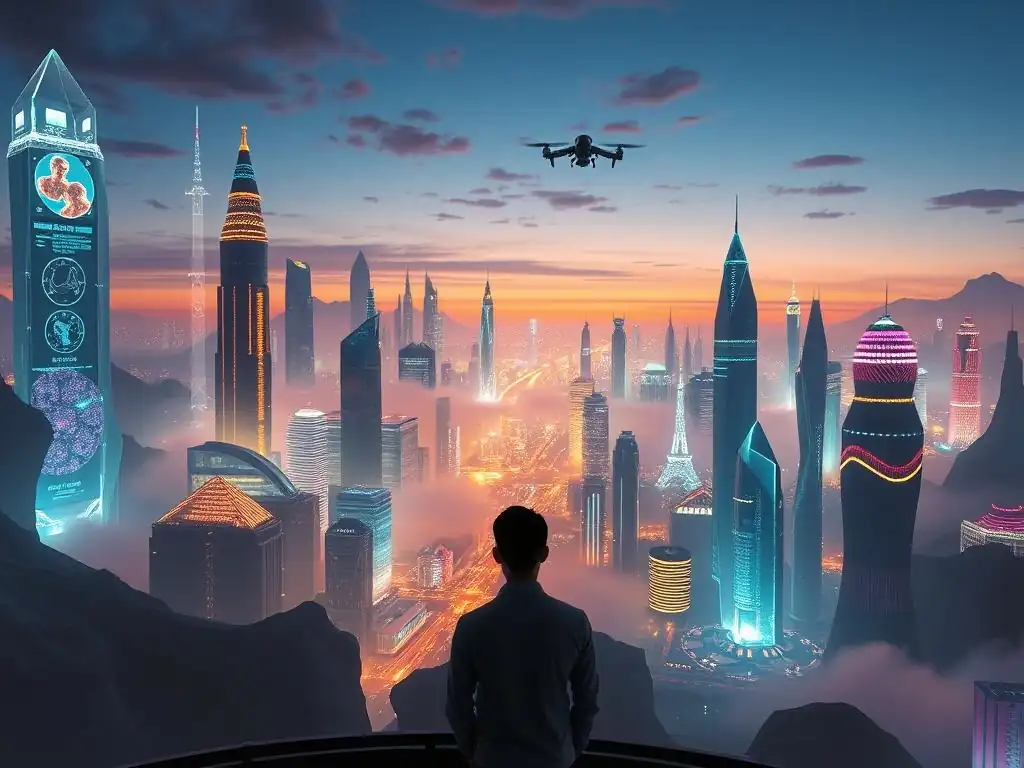
Welcome to Blockchain Trends, your guide to understanding the revolutionary impact of blockchain technology. Dive into a world beyond cryptocurrencies and discover its true potential. Are you ready to explore how NFTs are reshaping virtual worlds far beyond just art and collectibles? Prepare to uncover exciting use cases and possibilities in the metaverse, right here.
NFT Use Cases Beyond Art and Collectibles in Virtual Worlds
- Exploring the Expanding Universe of NFTs: Beyond Art and Digital Collectibles in Virtual Worlds
- NFTs in Virtual Worlds: A New Frontier
- Unlocking Novel NFT Applications in Virtual Worlds
- Real-World Applications Mirrored in the Virtual World with NFTs
- The Future of NFTs: Expanding Possibilities in Virtual Worlds
- Conclusion: The Transformative Impact of NFTs on Virtual Worlds and Beyond
-
Frequently Asked Questions
- What are some NFT use cases beyond art and collectibles in virtual worlds?
- How does blockchain technology enable ownership of virtual world assets through NFTs?
- How are NFTs changing the economics of virtual worlds?
- What are the regulatory challenges surrounding NFTs in virtual worlds?
- What is the future outlook for NFTs and virtual world applications?
- Final Reflection: Embracing the NFT Revolution in Virtual Worlds
- Unearth the Hidden Potential of NFTs in Your Virtual Life!
Exploring the Expanding Universe of NFTs: Beyond Art and Digital Collectibles in Virtual Worlds
Non-Fungible Tokens (NFTs) have rapidly transcended their initial association with digital art and collectibles, carving out a significant niche within the burgeoning realm of virtual worlds. While the early days of NFTs were dominated by high-profile sales of digital artworks and collectible avatars, their utility is now expanding to encompass a far broader spectrum of applications, particularly within immersive digital environments. This evolution signals a paradigm shift in how we perceive and interact with digital ownership, identity, and experiences in virtual spaces.
The transformative potential of NFTs in virtual worlds stems from their ability to confer verifiable and unique ownership of digital assets. This fundamental characteristic opens up a myriad of possibilities, extending far beyond mere digital art galleries. From virtual land ownership and in-game item management to digital identities and access control, NFTs are becoming the building blocks of decentralized and user-centric virtual economies. As virtual worlds mature and become increasingly integral to our digital lives, understanding the diverse applications of NFTs within these spaces is crucial for grasping the future of digital interaction and ownership.
NFTs in Virtual Worlds: A New Frontier
Understanding the Core Value Proposition of NFTs in Virtual Environments
The core value proposition of NFTs in virtual environments lies in their ability to establish provable digital scarcity and ownership in a space where digital assets have traditionally been easily replicated and lacked true ownership. In virtual worlds, NFTs transform digital items from mere data points within a centralized database to unique, verifiable assets owned by individual users. This shift is fundamental, as it empowers users with genuine control over their digital possessions, fostering a sense of investment and participation that was previously unattainable.
Consider the traditional model of in-game assets. Users might spend considerable time and resources acquiring virtual items, but these items are typically tied to the game developer's platform. If the game shuts down or the user's account is banned, these assets are lost.
NFTs change this dynamic by representing these items on a blockchain, independent of any single platform. This means users truly own their digital assets, can trade them freely on open marketplaces, and potentially even utilize them across different virtual worlds that support the same NFT standards. This fundamental shift towards user-owned digital assets is the bedrock upon which a multitude of novel applications in virtual environments are being built.
The Evolution of NFT Applications: From Digital Art to Immersive Experiences
The initial wave of NFT adoption was largely driven by digital art and collectibles, with platforms like CryptoPunks and Bored Ape Yacht Club capturing significant attention and value. These early applications demonstrated the viability of NFTs for proving ownership and authenticity of unique digital creations. However, the evolution of NFTs is rapidly moving beyond simple collectibles towards more complex and interactive experiences, especially within virtual worlds.
This evolution is characterized by a shift from passive ownership to active utility. NFTs are no longer just about owning a unique digital image; they are becoming keys to unlock experiences, access virtual land, represent in-game items with real utility, and even serve as digital identities within virtual environments.
For instance, virtual worlds like Decentraland and The Sandbox exemplify this shift, where NFTs represent land parcels that users can develop, monetize, and utilize for various interactive experiences. This progression from static digital art to dynamic and functional assets within virtual worlds marks a significant expansion in the utility and impact of NFTs.
Unlocking Novel NFT Applications in Virtual Worlds
Virtual Land Ownership and Management with NFTs
NFT-Based Land Deeds: Securing Ownership in the Metaverse
One of the most prominent applications of NFTs in virtual worlds is the representation of virtual land ownership. In platforms like Decentraland and Cryptovoxels, land parcels are tokenized as NFTs, effectively acting as digital deeds. These NFT-based land deeds provide a transparent and immutable record of ownership, secured by the blockchain. This system eliminates the ambiguity and centralized control associated with traditional virtual land ownership models.
The use of NFTs for land ownership ensures that users have verifiable and absolute control over their virtual properties. Just as physical land deeds confer legal ownership, these NFT land parcels grant users the right to develop, rent, or sell their virtual land as they see fit.
This ownership is not dependent on the platform itself, but rather on the blockchain, providing a layer of security and permanence that is absent in centralized virtual world environments. For example, a user owning a parcel of land in Decentraland as an NFT can be confident that their ownership is recorded and verifiable on the Ethereum blockchain, irrespective of the platform's future.
Monetizing Virtual Land: Rental, Advertising, and Development Opportunities Using NFTs
NFT-based virtual land ownership unlocks diverse monetization opportunities within virtual worlds. Landowners can rent out their virtual spaces to other users or businesses for events, virtual storefronts, or social gatherings. The NFT framework simplifies the rental process, enabling smart contracts to automate lease agreements and payment processing, ensuring transparency and efficiency.
Furthermore, virtual land NFTs facilitate advertising and development opportunities. Landowners can sell advertising space on their virtual properties, attracting virtual world residents and businesses. They can also develop their land to create unique experiences, games, or services, attracting users and generating revenue through in-world transactions or subscriptions. For example, a user might develop a virtual art gallery on their NFT land in Somnium Space, charging admission or showcasing and selling NFT art pieces, creating a self-sustaining virtual business within their owned digital space.
In-Game Assets and Virtual Item Ownership via NFTs
NFTs for Unique In-Game Items: Skins, Weapons, and Equipment
NFTs are revolutionizing in-game asset ownership by transforming virtual items into provably scarce and user-owned assets. Traditional in-game items are typically locked within the game's ecosystem, lacking real-world value or ownership outside of the game. NFTs, however, represent in-game items like skins, weapons, equipment, and characters as unique digital assets on a blockchain, granting players true ownership and control.
This shift to NFT-based in-game assets enables players to buy, sell, and trade their virtual items on open marketplaces, creating player-driven economies and new revenue streams. For example, in games like Axie Infinity, digital creatures called Axies are NFTs. Players can breed, battle, and trade these Axies, creating a play-to-earn model where in-game assets have tangible financial value. This contrasts sharply with traditional gaming models where in-game purchases are often sunk costs with no external value.
Interoperability of NFT Game Assets Across Different Virtual Worlds
A particularly exciting prospect of NFT-based in-game assets is their potential for interoperability across different virtual worlds. Currently, assets acquired in one game are typically confined to that specific game's ecosystem. However, with NFTs, there is the possibility of creating game assets that are not tied to a single platform, enabling them to be used in multiple virtual worlds and games that adopt compatible NFT standards.
Imagine owning a unique sword as an NFT that you can use not only in one specific RPG but also in a different metaverse fighting game, or even display in your virtual home in another virtual world. While still in its early stages, this interoperability vision promises to create a more interconnected and user-centric metaverse where digital assets are truly portable and valuable across various virtual experiences.
Achieving this requires industry-wide collaboration and the development of common NFT standards, but the potential to create a truly open and interoperable metaverse economy is a powerful driver for NFT adoption in virtual worlds.
Digital Identity and Avatars Enhanced by NFTs
NFT Avatars: Representing Your Unique Identity in the Metaverse
NFTs are emerging as powerful tools for representing digital identities and avatars within virtual worlds. While traditional avatars are often tied to specific platforms and lack verifiable uniqueness, NFT avatars offer a way to create and own a truly unique digital representation of oneself in the metaverse. Projects like CryptoPunks and Bored Ape Yacht Club, initially conceived as collectibles, have evolved into status symbols and digital identities within various virtual communities.
NFT avatars provide users with a sense of digital self-sovereignty. Owning an NFT avatar means controlling your digital representation across different virtual platforms that support NFT integration. This contrasts with platform-dependent avatars that are controlled and potentially censored by centralized entities. NFT avatars can also be customized and personalized, further enhancing their role as unique digital identities. For instance, a user might choose a specific CryptoPunk or Bored Ape as their avatar across various metaverse platforms and online communities, establishing a consistent and recognizable digital identity.
Decentralized Identity Management Using NFTs
Beyond avatars, NFTs can facilitate decentralized identity management within virtual worlds. NFTs can be used to represent verifiable credentials, achievements, and reputation within virtual environments. For example, completing a virtual course or achieving a certain level in a virtual game could be represented by an NFT credential, which is verifiable and portable across different platforms.
This concept of NFT-based decentralized identity empowers users to control their digital reputation and credentials without relying on centralized authorities. Users can accumulate a portfolio of NFT credentials representing their skills, achievements, and contributions within virtual worlds, creating a more holistic and user-centric digital identity. Imagine a virtual world where your NFT profile, containing your avatar and verifiable credentials, seamlessly travels with you across different experiences, establishing your reputation and unlocking opportunities based on your accumulated digital identity.
Access Control and Membership via NFT Technology
NFT-Based Access Passes to Exclusive Virtual Events and Experiences
NFTs are proving to be highly effective as access passes to exclusive virtual events and experiences within virtual worlds. Traditional methods of access control in virtual environments often rely on centralized ticketing systems or whitelists, which can be cumbersome and lack transparency. NFT access passes offer a decentralized and verifiable alternative, granting entry to virtual concerts, conferences, exclusive areas within virtual worlds, and other gated experiences.
Using NFTs for access control ensures that only verified NFT holders can gain entry to exclusive events, creating scarcity and exclusivity. These NFT access passes can be easily traded or transferred on NFT marketplaces, adding another layer of utility and potential value for holders. For example, a virtual music festival could issue NFT tickets that grant access to online concerts and backstage virtual areas. Holders of these NFT tickets would have exclusive access, and the NFTs themselves could become collectible items after the event, further enhancing their value.
Community Building and Governance Through NFT Memberships
NFTs are also fostering new models of community building and governance within virtual worlds. NFT membership tokens can grant holders access to exclusive online communities, forums, and even voting rights within decentralized autonomous organizations (DAOs) operating within virtual environments. These NFT memberships create a sense of belonging and shared ownership within virtual communities.
By using NFTs for community memberships, organizations can create more decentralized and engaged communities. NFT holders often gain access to exclusive channels, early access to projects, and even voting rights on community decisions, fostering a sense of ownership and participation. For example, a virtual world project could issue NFT membership tokens that grant holders voting rights on future development decisions, creating a decentralized governance model where the community directly influences the project's direction.
Real-World Applications Mirrored in the Virtual World with NFTs
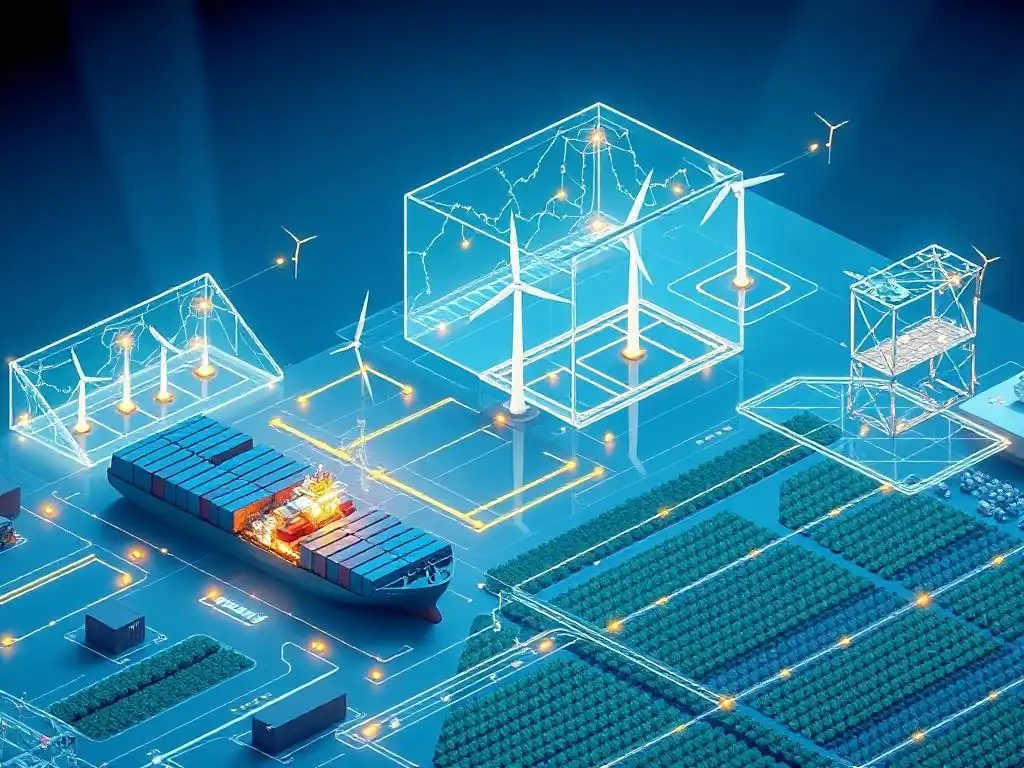
Supply Chain Tracking and Verification with NFTs in Virtual Environments
Tracking Virtual Goods Provenance with NFTs
While initially focused on physical supply chains, NFT technology can be effectively applied to track the provenance of virtual goods within virtual environments. In virtual worlds where digital assets are created, traded, and modified, NFTs can provide a transparent and immutable record of a virtual item's origin, creation history, and ownership lineage. This is particularly relevant for virtual fashion, digital art created within virtual worlds, and other unique digital assets.
By embedding provenance information within an NFT, creators and users can verify the authenticity and history of a virtual item. This can be crucial in combating counterfeiting and ensuring the integrity of virtual marketplaces. For example, a virtual fashion designer could create an NFT for each unique piece of virtual clothing, embedding information about its design, creator, and production process. This NFT would then accompany the virtual garment throughout its lifecycle, providing verifiable provenance to any potential buyer or user.
Ensuring Authenticity and Preventing Counterfeiting of Virtual Items
Counterfeiting is not limited to the physical world; it is also a growing concern in virtual environments, especially as the value of virtual assets increases. NFTs offer a powerful tool to combat counterfeiting of virtual items by providing a verifiable certificate of authenticity. Because each NFT is unique and recorded on a blockchain, it serves as an irrefutable proof of ownership and authenticity for the associated virtual item.
In virtual marketplaces, NFTs can be used to verify the legitimacy of digital goods, ensuring that buyers are acquiring authentic items and not counterfeit copies. This is particularly important for high-value virtual assets like limited-edition virtual collectibles, virtual art pieces, and in-game items. For instance, a virtual art gallery in the metaverse could utilize NFTs to authenticate each digital artwork displayed and sold, preventing the sale of unauthorized copies and protecting the value of original creations.
Education and Training in the Metaverse Using NFTs
NFT Certificates for Virtual Course Completion
The metaverse and virtual worlds are increasingly being utilized for education and training purposes. NFTs can play a significant role in this evolving landscape by providing verifiable and tamper-proof certificates of completion for virtual courses and training programs. Traditional digital certificates can be easily forged or altered, undermining their credibility. NFT certificates, however, are secured on a blockchain, making them virtually impossible to counterfeit and easily verifiable.
Issuing NFT certificates for virtual course completion provides learners with a portable and verifiable record of their achievements. These NFT credentials can be showcased on digital portfolios, shared with potential employers, or used to gain access to further educational opportunities within virtual worlds. For example, a virtual reality training program for surgeons could issue NFT certificates upon successful completion of modules, providing verifiable proof of acquired skills and competencies that can be recognized across different healthcare institutions and virtual healthcare environments.
Verifiable Credentials for Skills Acquired in Virtual Simulations
Beyond course completion, NFTs can also be used to represent and verify specific skills acquired through virtual simulations and training environments. Virtual worlds offer immersive and interactive environments for developing and practicing various skills, from technical skills to soft skills. NFTs can be utilized to document and validate the mastery of these skills, creating a more robust and verifiable system for skills-based credentialing in the metaverse.
Imagine a virtual flight simulator used for pilot training. Upon successfully completing specific training scenarios and demonstrating proficiency in key piloting skills, a pilot could be awarded NFT credentials representing these skills. These verifiable NFT skill badges could then be used to demonstrate competency to potential employers or aviation authorities, providing a more dynamic and skill-focused approach to professional credentialing within virtual environments.
Healthcare and Wellness in Virtual Worlds Enabled by NFTs
NFT-Based Medical Records in Virtual Healthcare Environments
Virtual worlds are starting to explore applications in healthcare, offering virtual healthcare environments for consultations, therapy, and remote patient monitoring. NFTs can enhance the security and privacy of medical records within these virtual healthcare settings. While full-scale implementation faces regulatory hurdles and data privacy considerations, the potential for using NFTs to manage and control access to medical data in virtual environments is significant.
In a virtual healthcare environment, patient medical records could be represented as NFTs, with access controlled by the patient through private keys. This would empower patients with greater control over their sensitive health information and enhance data security compared to traditional centralized medical record systems. While still in its conceptual stage for widespread medical record applications due to regulatory complexities, the underlying technology of NFTs offers a potential pathway for more secure and patient-centric healthcare data management in virtual and physical healthcare systems.
Rewards and Incentives for Healthy Behaviors in Virtual Wellness Programs
Virtual wellness programs and fitness applications are increasingly incorporating gamification and reward systems to motivate users to adopt healthy behaviors. NFTs can be integrated into these virtual wellness programs to provide unique and valuable rewards for achieving fitness goals, participating in virtual wellness challenges, or maintaining healthy habits within virtual environments.
Imagine a virtual fitness platform that rewards users with exclusive NFTs for completing weekly workout goals or participating in virtual group fitness classes. These NFTs could represent digital badges, virtual wearables, or access to premium content within the virtual wellness platform. By offering NFT rewards, these programs can enhance user engagement, incentivize healthy behaviors, and create a more gamified and rewarding wellness experience within virtual worlds.
The Future of NFTs: Expanding Possibilities in Virtual Worlds
The Integration of NFTs with Augmented Reality (AR) and Virtual Reality (VR)
The future of NFTs in virtual worlds is inextricably linked to the advancement and wider adoption of Augmented Reality (AR) and Virtual Reality (VR) technologies. As AR and VR become more seamless and integrated into our daily lives, the utility and immersion of NFT applications within these extended reality environments will significantly expand.
Imagine owning an NFT of a virtual sculpture that you can then display in your physical living room through an AR application, or using your NFT avatar to seamlessly navigate between immersive VR virtual worlds. The convergence of NFTs with AR and VR will blur the lines between the physical and digital realms, creating richer and more interactive experiences for NFT ownership and utilization.
For instance, AR games could integrate NFT items that players can collect and use in the real world through their mobile devices, while VR social platforms could utilize NFT avatars for more personalized and immersive virtual interactions.
The Role of NFTs in Creating a More Immersive and Interactive Metaverse
NFTs are poised to play a critical role in shaping a more immersive and interactive metaverse. By providing verifiable ownership, interoperability, and utility to digital assets, NFTs are laying the foundation for a user-owned and decentralized metaverse where individuals have greater control over their digital experiences and creations.
The metaverse envisioned as a network of interconnected virtual worlds, experiences, and economies relies heavily on the principles of digital ownership and interoperability that NFTs enable. NFTs can act as the connective tissue between different virtual worlds, allowing users to bring their digital identities, assets, and achievements with them as they navigate across the metaverse. This interoperability and user-centric ownership are key to creating a truly immersive and engaging metaverse experience, moving beyond siloed virtual platforms towards a more unified and user-empowering digital landscape.
Challenges and Opportunities for the Widespread Adoption of NFTs in Virtual Worlds
Addressing Scalability Issues for NFT Transactions in Virtual Environments
One of the key challenges for the widespread adoption of NFTs in virtual worlds is addressing scalability issues related to NFT transactions. Many existing blockchain networks, particularly Ethereum, have faced limitations in transaction throughput and high gas fees, which can hinder the seamless and cost-effective trading of NFTs within virtual environments, especially in scenarios involving high transaction volumes.
Layer-2 scaling solutions for blockchains, such as Polygon and Optimism, are emerging as potential solutions to address these scalability challenges. These solutions aim to increase transaction throughput and reduce gas fees, making NFT transactions more efficient and accessible for virtual world applications. Continued development and adoption of these scaling solutions will be crucial for enabling the smooth functioning of NFT-based virtual economies and supporting the widespread use of NFTs in virtual worlds.
Ensuring Security and Preventing Fraud in NFT-Based Virtual Economies
Security and fraud prevention are paramount concerns for the sustainable growth of NFT-based virtual economies. As the value of NFTs increases, so does the risk of scams, hacks, and fraudulent activities within virtual marketplaces and ecosystems. Ensuring the security of NFT ownership, transactions, and smart contracts is essential to build trust and confidence in NFT technology within virtual worlds.
Ongoing efforts to enhance the security of NFT platforms, smart contracts, and user wallets are crucial. Educating users about security best practices, implementing robust security protocols, and developing more user-friendly security tools are all vital steps in mitigating risks and preventing fraud in NFT-based virtual economies. Addressing these security concerns will be critical for fostering a safe and trustworthy environment for the widespread adoption of NFTs in virtual worlds and beyond.
Conclusion: The Transformative Impact of NFTs on Virtual Worlds and Beyond
Embracing the Potential of NFTs to Shape the Future of Digital Ownership and Interaction
NFTs are not merely a fleeting trend; they represent a fundamental shift in how we perceive and interact with digital ownership and interaction, particularly within the rapidly evolving landscape of virtual worlds. From revolutionizing in-game asset ownership and virtual land management to enabling new forms of digital identity and access control, NFTs are unlocking a vast array of novel applications that extend far beyond their initial association with art and collectibles.
As virtual worlds become increasingly integral to our digital lives, the transformative potential of NFTs to create user-centric, decentralized, and interoperable virtual experiences is undeniable. Embracing and further developing the diverse applications of NFTs within virtual worlds will be crucial for shaping a future where digital ownership is truly empowered, and the metaverse becomes a more immersive, interactive, and ultimately user-driven digital frontier.
Frequently Asked Questions
What are some NFT use cases beyond art and collectibles in virtual worlds?
NFTs can be used for virtual land ownership, allowing users to truly own and manage their digital properties. They can also represent in-game items and assets, creating scarcity and value. Finally, NFTs can act as digital identities within virtual worlds, granting access and verifying credentials.
How does blockchain technology enable ownership of virtual world assets through NFTs?
Blockchain provides a decentralized and immutable ledger that records NFT ownership. This ensures that ownership is transparent, verifiable, and cannot be easily altered or duplicated. This verifiable scarcity is critical to the value proposition.
How are NFTs changing the economics of virtual worlds?
NFTs introduce true ownership to virtual assets, empowering players and creators. This enables new economic models like play-to-earn games and creator economies, where users can monetize their contributions. This shifts power away from centralized game developers.
What are the regulatory challenges surrounding NFTs in virtual worlds?
The regulatory landscape is still evolving, but concerns exist around intellectual property rights, securities laws, and consumer protection. Clarification is needed on how existing laws apply to NFTs in virtual environments, as well as taxation.
What is the future outlook for NFTs and virtual world applications?
The future involves increased interoperability between virtual worlds, allowing NFTs to be used across different platforms. We can also expect more sophisticated use cases beyond gaming, such as virtual real estate and digital identities. The potential for innovation is immense.
Final Reflection: Embracing the NFT Revolution in Virtual Worlds
The exploration of NFTs beyond mere art and collectibles, as demonstrated by their diverse applications in virtual worlds, highlights a profound shift in how we perceive digital ownership and interaction. The potential for NFTs to revolutionize virtual economies and user experiences is undeniable, moving beyond speculative hype to tangible utility. This evolution signifies a maturation of the technology, paving the way for more immersive and interconnected digital realities.
This journey into the multifaceted world of NFTs has underscored their transformative power, shaping not only virtual economies but also our understanding of digital identity and community. The ability to truly own and control digital assets within these spaces fosters a sense of belonging and empowerment that was previously unattainable. The metaverse is coming, and it's going to be big. We're going to be able to do things in the metaverse that we can't do in the real world.
- Mark Zuckerberg (though his vision is centralized, the sentiment about the metaverse's potential remains relevant). This quote, while perhaps controversial in its source, underscores the fundamental shift towards a more immersive and interactive digital future, where NFTs play a crucial role in defining ownership and experience.
As we stand on the cusp of this new digital frontier, let us not only marvel at the technological advancements but also actively participate in shaping the future of NFTs in virtual worlds. Consider how you can leverage these tools to create, connect, and contribute to the burgeoning digital landscapes. Embrace the possibilities, explore the potential, and become an architect of your own digital destiny.
Thanks for exploring the exciting world of NFTs beyond art and collectibles! We hope you've discovered new possibilities for these unique tokens in shaping your virtual experiences. Now, it's time to put that knowledge into action and become a pioneer in the digital frontier.
Here are some steps you can take to dive deeper:
- Boldly experiment! Acquire a utility-based NFT in your favorite virtual world to unlock exclusive access, features, or experiences. Be among the first to demonstrate real-world value!
- Discuss the benefits of NFTs in virtual environments with fellow gamers.
- Explore different NFT standards and platforms to uncover hidden gems and emerging opportunities.
Ready to revolutionize how we interact in virtual worlds with NFTs? What unique utility-based NFT will you acquire first, and how do you envision it enhancing your virtual experience?
Leave a Reply